
Passenger transport monitoring
Passenger transport monitoring for city and suburban buses, shift transport and corporate shuttles. The dispatcher sees who is running to timetable and who is falling behind, how many people are on board and what is happening in the driver's cab. Management gets honest figures on runs, mileage and fuel.
- 07:10 Departure from the terminus on time
- 07:32 Ganjlik: 14 boarded, 9 alighted
- 07:48 12 minutes behind, traffic jam
- 08:05 Harsh braking, video saved
From the data on board to the dispatcher's decision
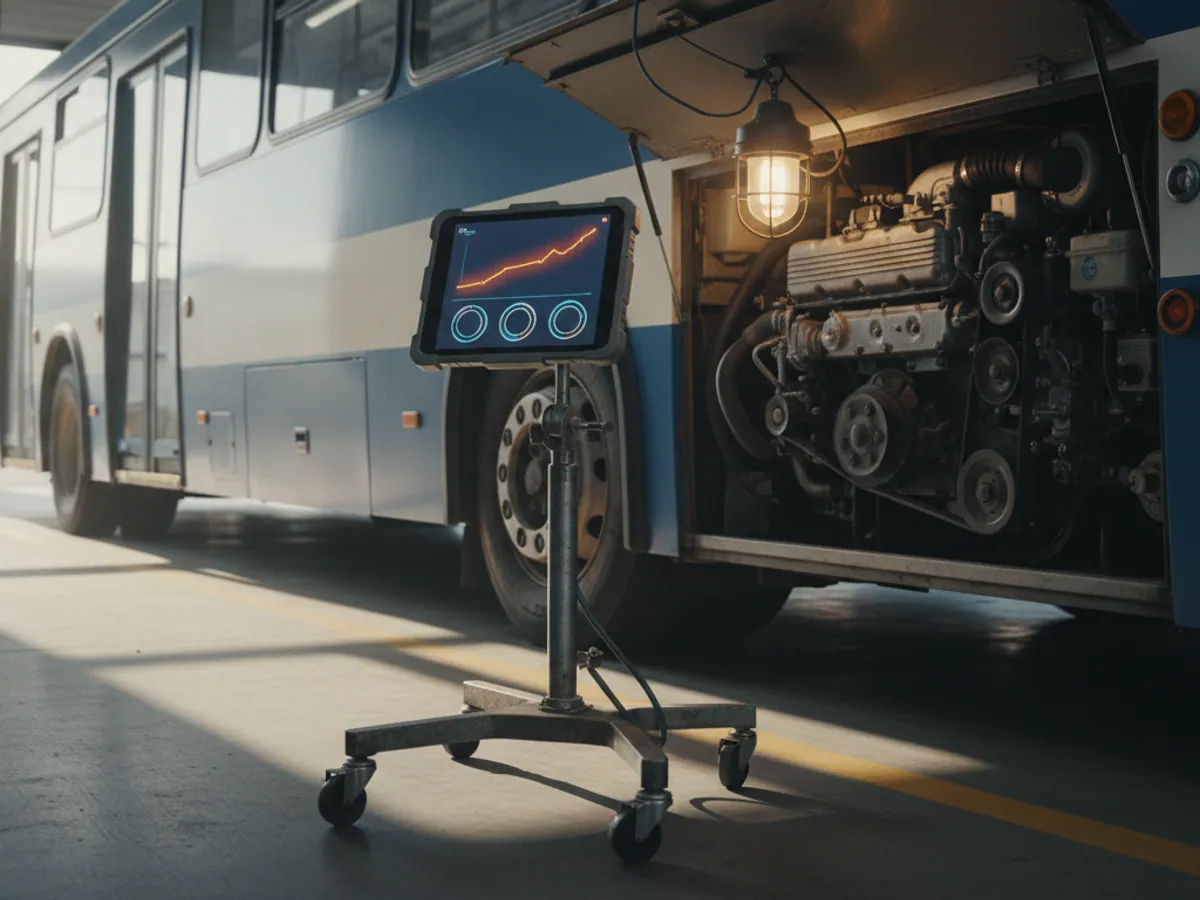
Tracker and sensors
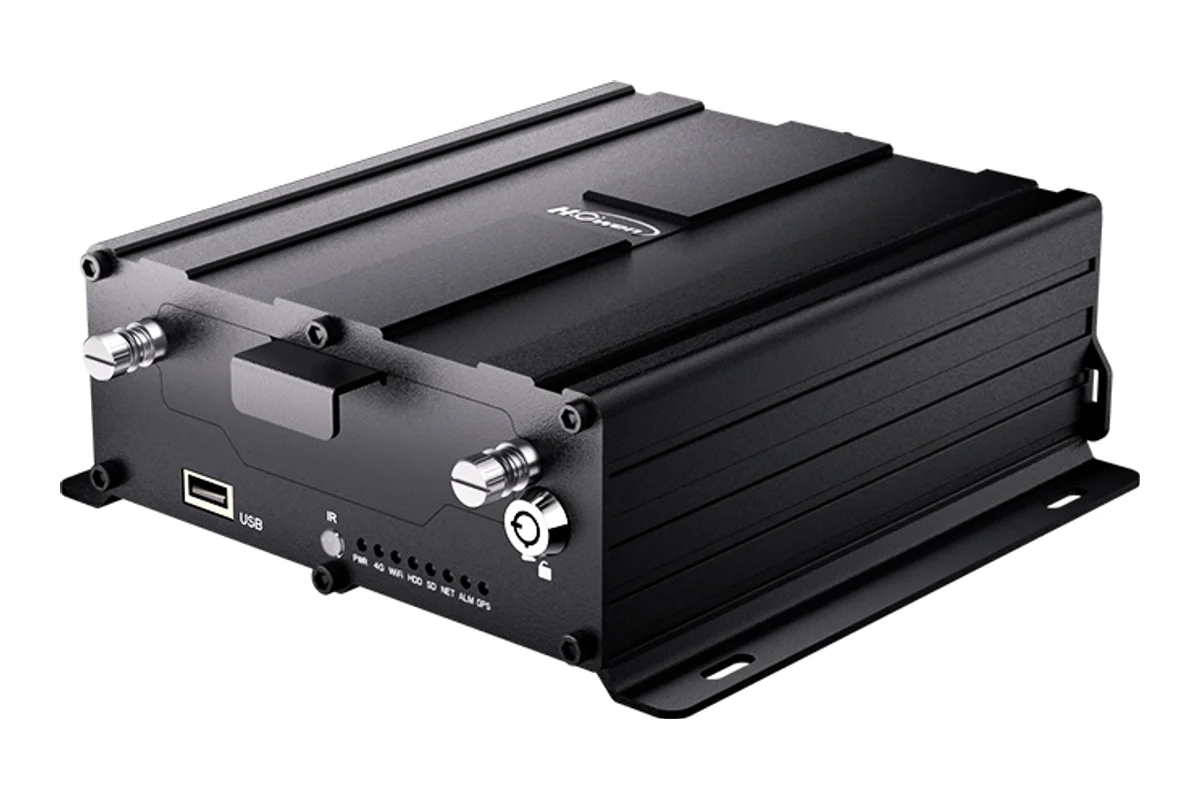
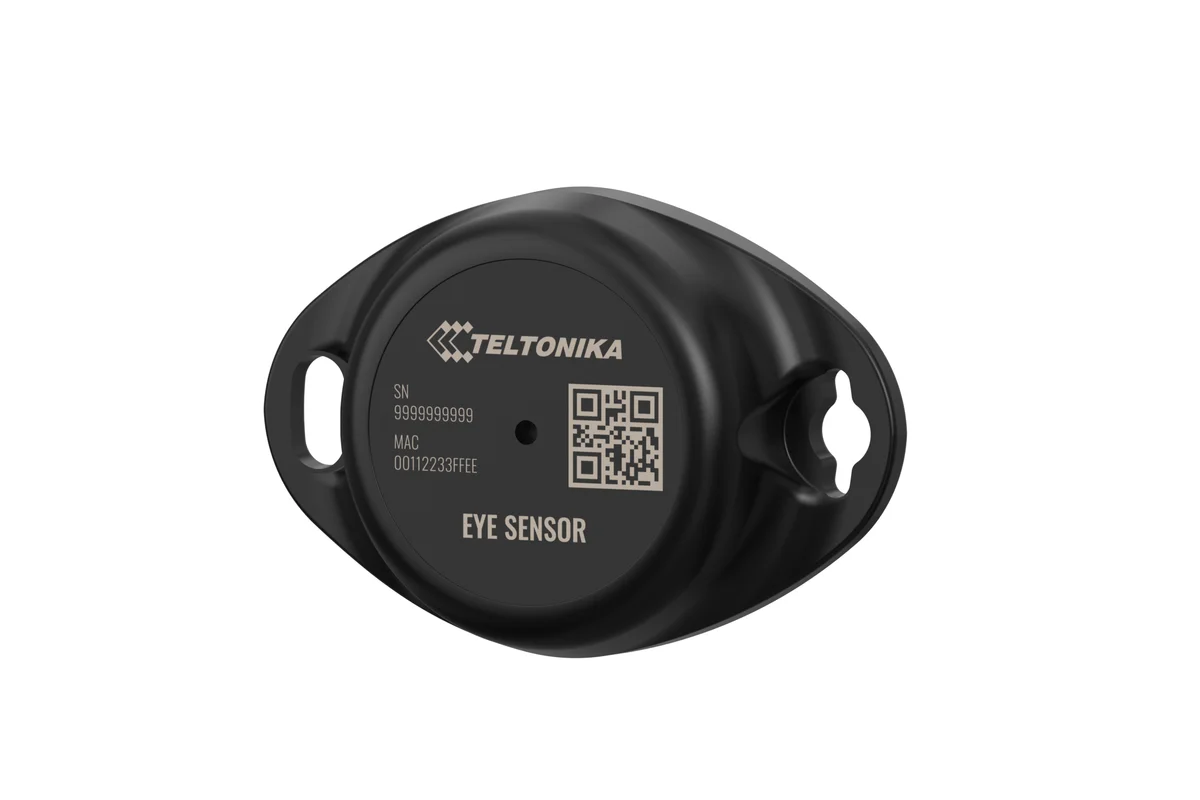
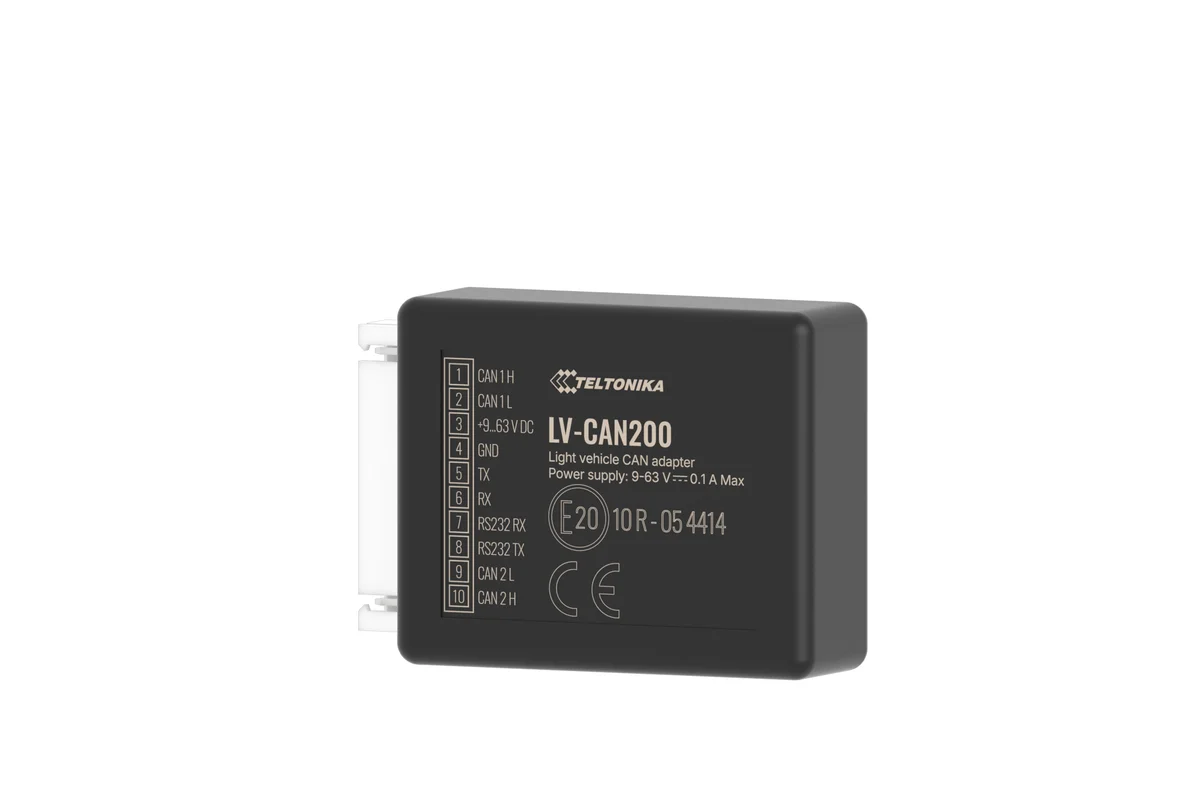
Teltonika with CAN, cameras, passenger counters above the doors, a temperature sensor in the cabin.
Wialon Nimbus
Stops and the arrival time at each one. The system compares plan against actual by itself.
Table of runs
Minutes early and minutes late, passenger flow, alerts with video attached.
Timetable performance report
Completed runs, mileage, fuel and stop-by-stop loading for the day and for the month.
Features and tools
Timetable
- Precise control over adherence to routes and running timetables
- Real-time monitoring of buses running early or late against the timetable
- Voice announcement of stops for the convenience of passengers
- Alerts on unauthorised stops or deviations from the route
Cabin
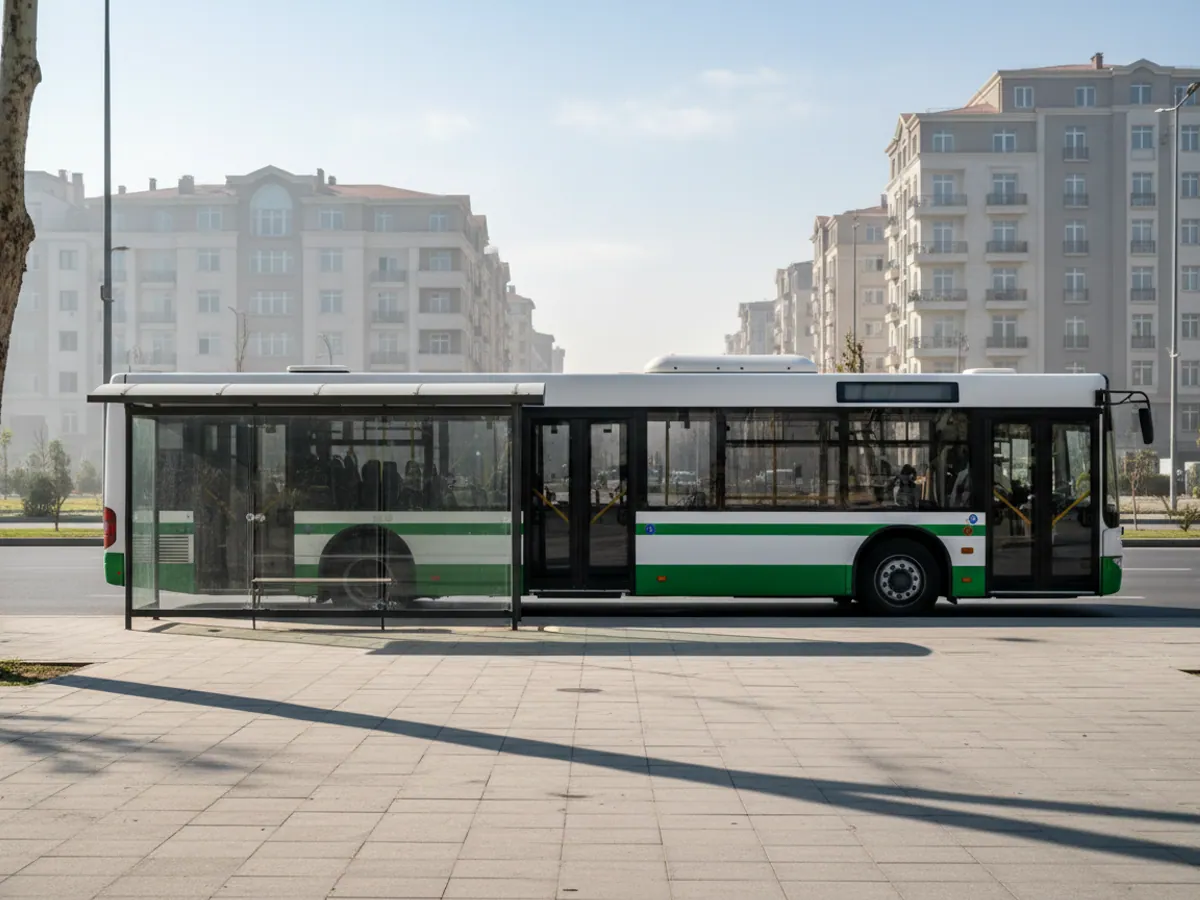
A single run on a city bus
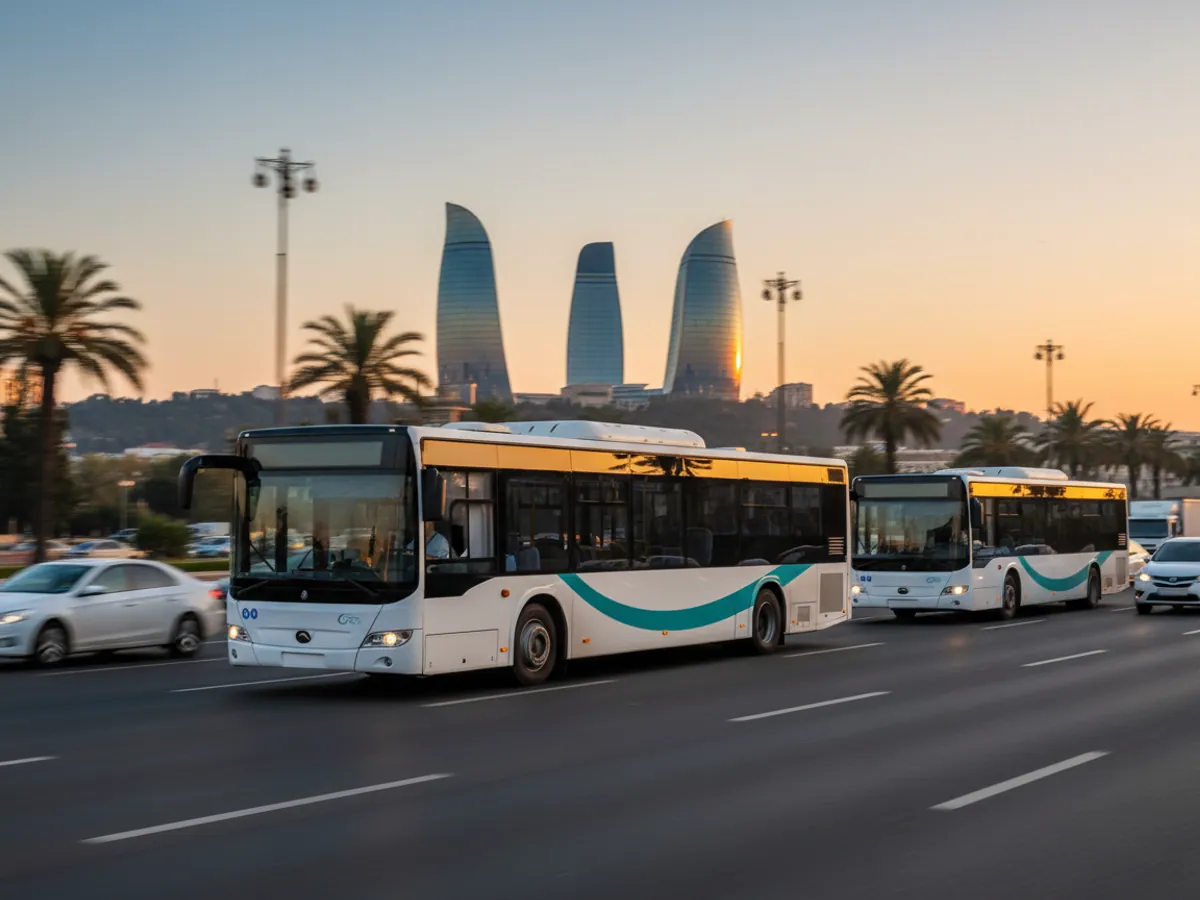
An illustrative route from Khirdalan into the centre of Baku during the morning peak. This is how the run looks to a dispatcher in Nimbus.
- Departure from the terminus on time
The bus pulled out on schedule. The sensor in the cabin reads +24 °C, the air conditioning is working.
- Ganjlik stop 14 boarded
The counters above the doors log everyone boarding and alighting, tied to the stop and the time.
- Traffic jam on the approach into the city 12 min behind
The dispatcher sees the delay straight away and can release the next bus earlier.
- Harsh braking video saved
The recorder saved footage from the road and from the cabin. If a complaint comes in, the clip for those exact minutes can be found.
- Run completed run performed
The run counts towards the performance report: every stop was served and there is passenger flow data for each of them.
How Nimbus checks a run against the timetable
In short: passenger transport monitoring matches the timetable against actual movement, run by run and stop by stop. All it needs is a tracker on the bus, a route with its stops and a timetable in the system. Passenger counting and cameras are added separately, and only where there is a real job for them.
A Teltonika FMC130 or FMB140 GPS tracker is fitted to the bus, with ignition, the CAN bus and, where required, a video recorder and passenger flow sensors wired into it. The data goes to the Wialon platform, and for dispatch work with routes you add Wialon Nimbus, the module that understands stops, timetables and runs.
The route is entered into Nimbus: the sequence of stops and the arrival time at each one. From there the system compares plan against actual on its own. A bus reaches the Ganjlik stop four minutes ahead of the timetable and sits in the green zone marked as running early. It gets stuck on the way out towards Khirdalan and falls 12 minutes behind, and the dispatcher sees it immediately and can put a spare vehicle on the road.
Everything else works just as it does in ordinary monitoring: track, stops, mileage, fuel consumption. But in passenger transport the basic unit of account is not the journey, it is the scheduled run.
Who needs this and why
City and suburban routes
Regularity of service, headways at peak times, a report on completed runs for the client commissioning the service. Leaving the route and skipping stops are a subject of their own.
Shift buses
Oil and gas operators and contractors on the Absheron peninsula carry shifts out to fields, terminals and bases. What matters is that the bus arrives on time, the driver does not speed and does not run personal errands on the way.
Corporate shuttles
Staff transport for plants in Sumgait or offices in Baku. Employees can see where the bus is instead of standing at the stop for 20 minutes.
School buses
Parents and the school need to know that the bus set off, arrived and did not linger anywhere it should not have. Plus video from the cabin in case of a dispute.
Intercity and tourist coaches
Runs from Baku to Sheki and Baku to Guba, sightseeing coaches. Speed control on mountain sections and monitoring of the driver's rest periods.
Contract operators
If you carry people on behalf of a client, a report on completed runs with the tracks attached is the strongest argument when the paperwork is signed off.
What the dispatcher sees during a shift
Plan and actual for every run
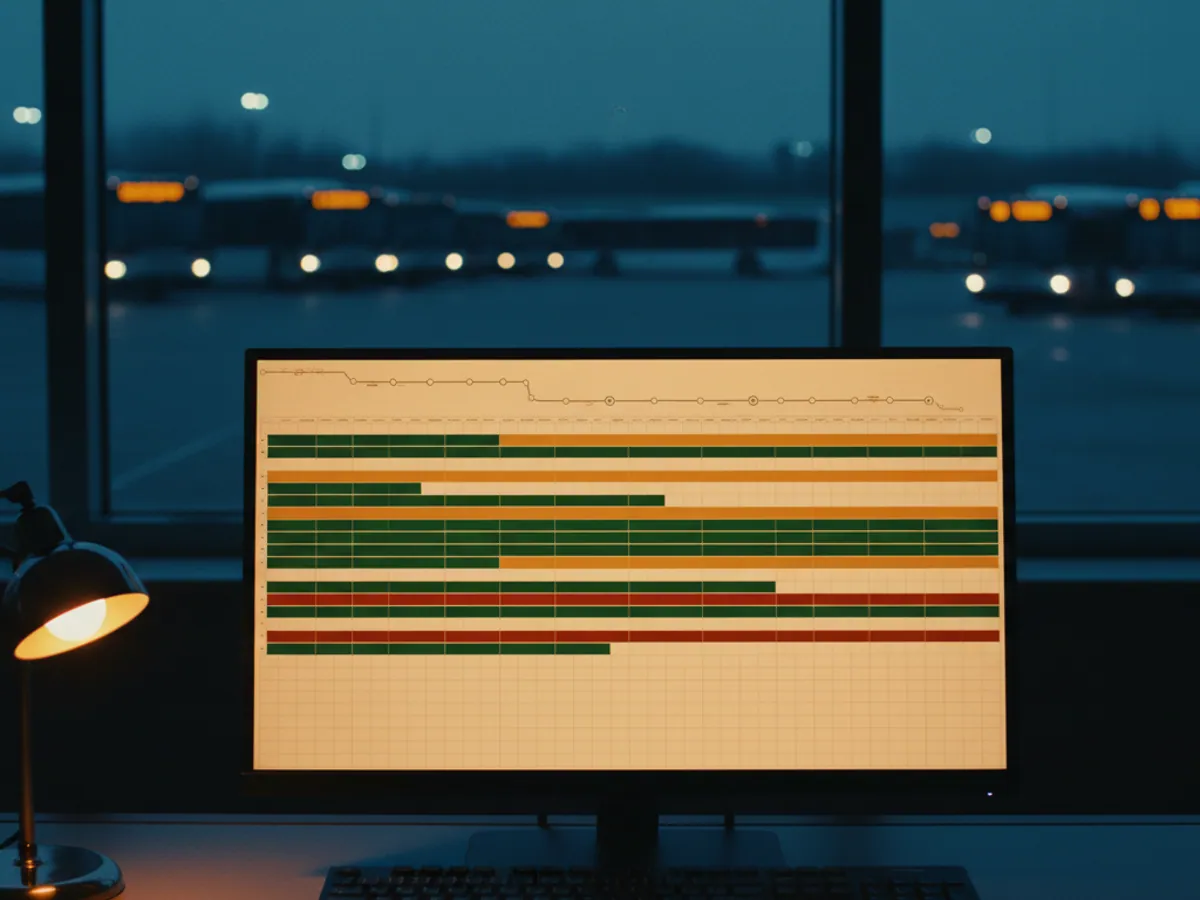
The table of runs in Nimbus shows which bus is on which duty, how many stops it has served and how many minutes early or late it is. Runs with missed stops are highlighted.
At the end of the day a timetable performance report is produced: how many runs were planned, how many were completed in full, how many partially and how many were lost. That is the basis for settling up with the client and for driver bonuses.
We help set up routes and geofences for the stops at go-live. How routes are planned and deviations are watched is described on the route planning page.
Passenger counting: where it is accurate and where it is not
Clients often expect the system to count passengers down to the individual person. Here is an honest account of how things actually stand.
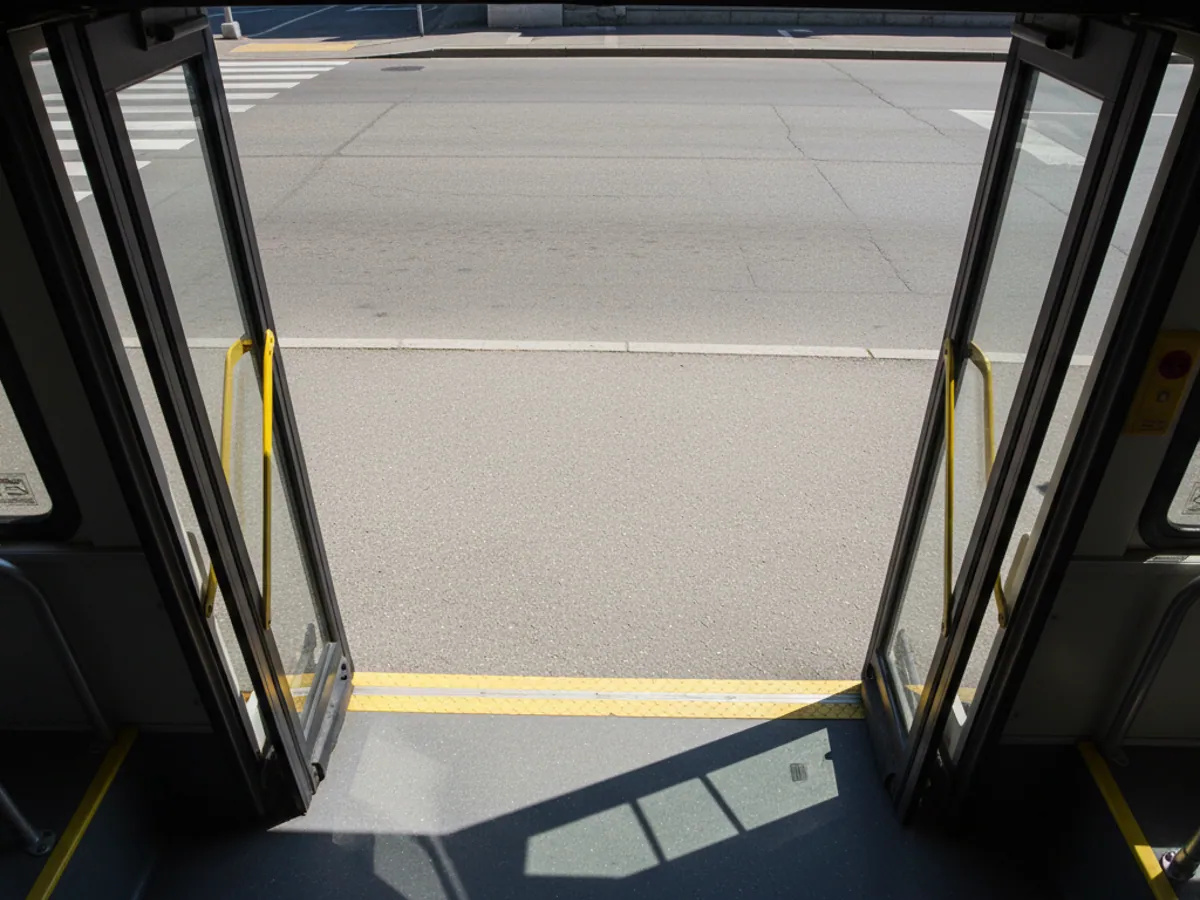
There are two main types of sensor. Infrared units are mounted in the doorway and count beam crossings. They cost less, but they make mistakes when people board in a dense crowd or stand in the doorway. Video sensors with 3D cameras above the doors, of the kind Howen offers, distinguish individual people and the direction they are moving, and are usually noticeably more accurate, especially in a crush.
Even a good system has an error of a few per cent. For planning routes and headways that is enough: the difference between 40 and 42 passengers does not change the decision. What you should not do is reconcile takings with the conductor against the counter person by person, because that requires a link to the fare collection system.
- We fit sensors on every door, otherwise the picture will be incomplete
- Fitting is done in the depot, and the bus is out of service for several hours
- For the first week we check the counter against a manual count in order to calibrate it
- On small single-door shift buses it is often enough to count boarding from a list, with no sensors at all
Voice announcements and cabin temperature
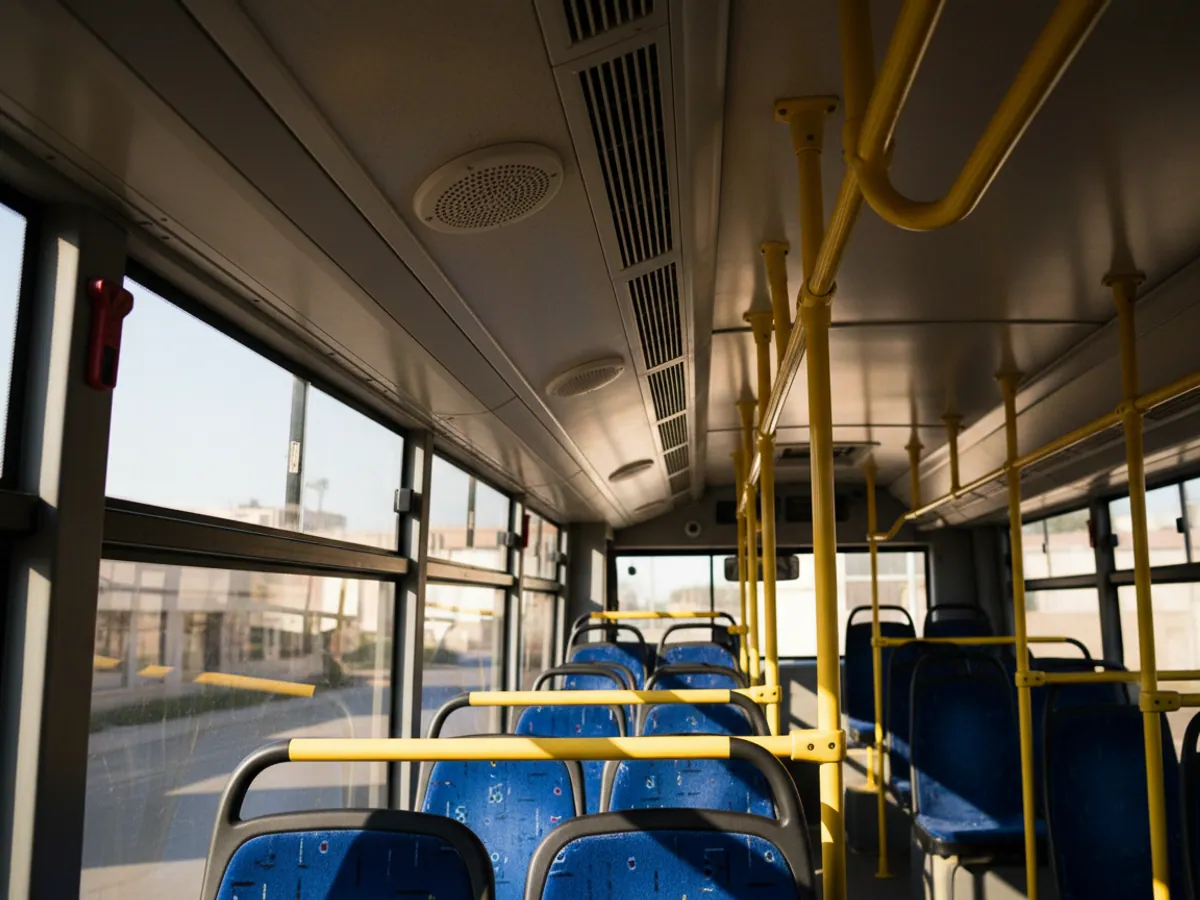
Announcing the stops. The automatic announcer is a separate on-board unit with loudspeakers. It announces a stop as the bus enters that stop's geofence. The coordinates of the stops come from the route, so if the line of route changes there is no need to reprogram the announcer: updating the stops is enough. Which particular announcer to use is something we discuss for your buses and your route network, as not every model is compatible with every system.
Cabin temperature. Summer in Baku can go above +40 °C, and air conditioning that does not work on a bus means complaints and sometimes passengers feeling genuinely unwell. The wireless Teltonika EYE Sensor is attached inside the cabin with double-sided tape and sends the temperature to the tracker over Bluetooth. If the cabin stays above the set threshold for longer than 10 minutes, the dispatcher gets a notification and rings the driver.
What plan versus actual looks like for one run
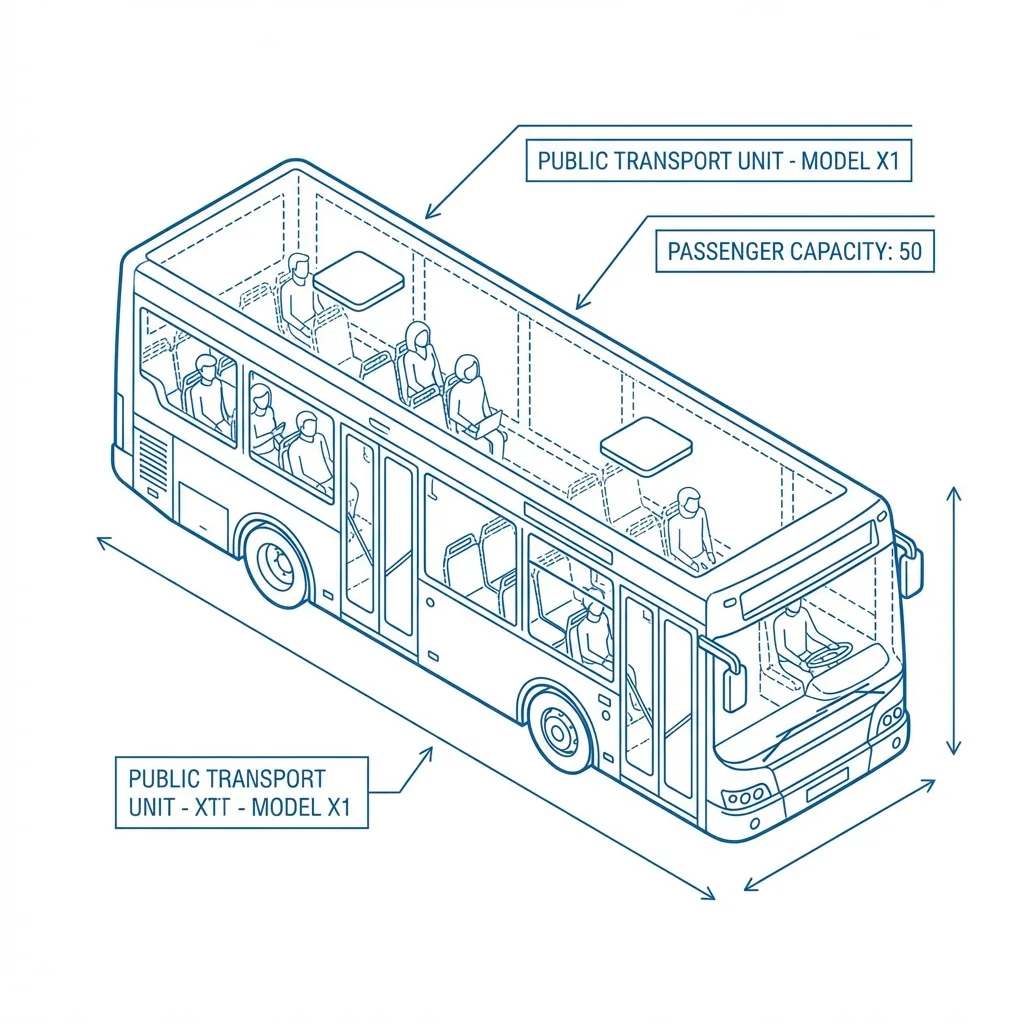
The report on a run is a table laid out by the stops on the route. Here we describe its columns, without the figures of any particular operator.
- Stop in the order it is served.
- Timetabled time, taken from the schedule loaded into the system.
- Actual arrival and departure, based on entry into and exit from the stop's zone.
- Deviation in minutes: running early, running late or skipping the stop altogether.
- Boarded and alighted, if passenger flow sensors are fitted on the doors.
At the foot of the table is the result for the run: completed in full, completed partially or not completed, and how many stops were served within the permitted deviation. The tolerance itself, say plus or minus two minutes, is set by the operator or by the client commissioning the service. It determines how many runs end up counted as on time, so it is better to agree the tolerance before the reconciliation starts rather than after the first disputed report.
If a bus drives past a stop without pulling in, and the stop's zone has been drawn too large, the system may count that stop as served. That is why at handover we go through the report for several runs together with a dispatcher who knows the route.
Swapping a bus on the road, and where the passengers in the report come from
Two things that raise the most questions from dispatchers and clients in the first few weeks.
A bus has come off the road
The dispatcher reassigns the remaining runs to a spare vehicle. If that is not done, the runs of the broken-down bus will be listed as not completed, while the spare will drive the route with no link to the timetable, and plan versus actual will paint a worse picture than reality.
What the swap requires
A tracker on the spare bus, that bus in the same group in the system, and a clear rule about who does the reassignment and when. It is best to record the reason for the swap in a comment, so that a month later nobody has to guess why a run belongs to the wrong vehicle.
Where passenger flow comes from
The boarded and alighted figures come from the sensors on the doors, not from the fare collection system. They are an estimate of loading for planning routes and headways. For settling up with a client or reconciling takings they are used only by separate agreement and after calibration.
Without sensors
If there are no sensors, the report on a run still carries the times and the stops. On shift transport the headcount is often kept from the boarding list, and that is a perfectly workable option.
Mistakes we see when rolling out in bus depots
The hardware almost always works. The problems appear where equipment, routes and people meet.
Stops drawn as 20-metre circles
The bus pulls up a little beyond the shelter and the system counts the stop as missed. The radius and the shape of the geofences for stops have to be matched to the place where boarding actually happens, especially on wide avenues.
The Excel timetable does not match the system
The dispatch office amends the schedule in a spreadsheet while Nimbus keeps the old one. The reports then show wholesale lateness that never happened. You need one source for the timetable and one person responsible for updating it.
Drivers were not told about the cameras
The first week goes on taped-over lenses and complaints. It is better to explain to drivers in advance that the camera protects them too, including in rows with passengers and in disputes over road accidents.
A video recorder with no spare storage
A small memory card is fitted, the recording is overwritten within a day, and the complaint arrives three days later. We size the storage to the number of cameras and the depth of archive you need.

How to count passengers
Counting accuracy depends on the sensor. On small shift buses sensors are often unnecessary.
| Infrared sensor | 3D video sensor | Boarding list | |
|---|---|---|---|
| Accurate in a crush | No | Yes, noticeably better | Not needed |
| Data for every stop | Yes | Yes | No |
| No fitting work on the doors | No | No | Yes |
| Budget option | Yes | No | Yes |
| Where it fits | Quiet routes | City routes at peak | Single-door shift bus |
Fitting and cost
The feature becomes available once you are connected to the GPS.az platform. The cost is made up of the hardware, the fitting and a monthly subscription, which includes the SIM card traffic — the total depends on the type of vehicle and the set of sensors. We prepare an exact quote for your fleet free of charge within one working day.
- 1 Your enquiry and the list of vehicles
- 2 The quote and an agreed fitting schedule
- 3 Fitting the hardware at your own site
- 4 Setting up reports and alerts in Wialon, and training the dispatcher
Questions about “Passenger transport monitoring”
Request a call
A specialist will call back and match a solution to your fleet and your task.