
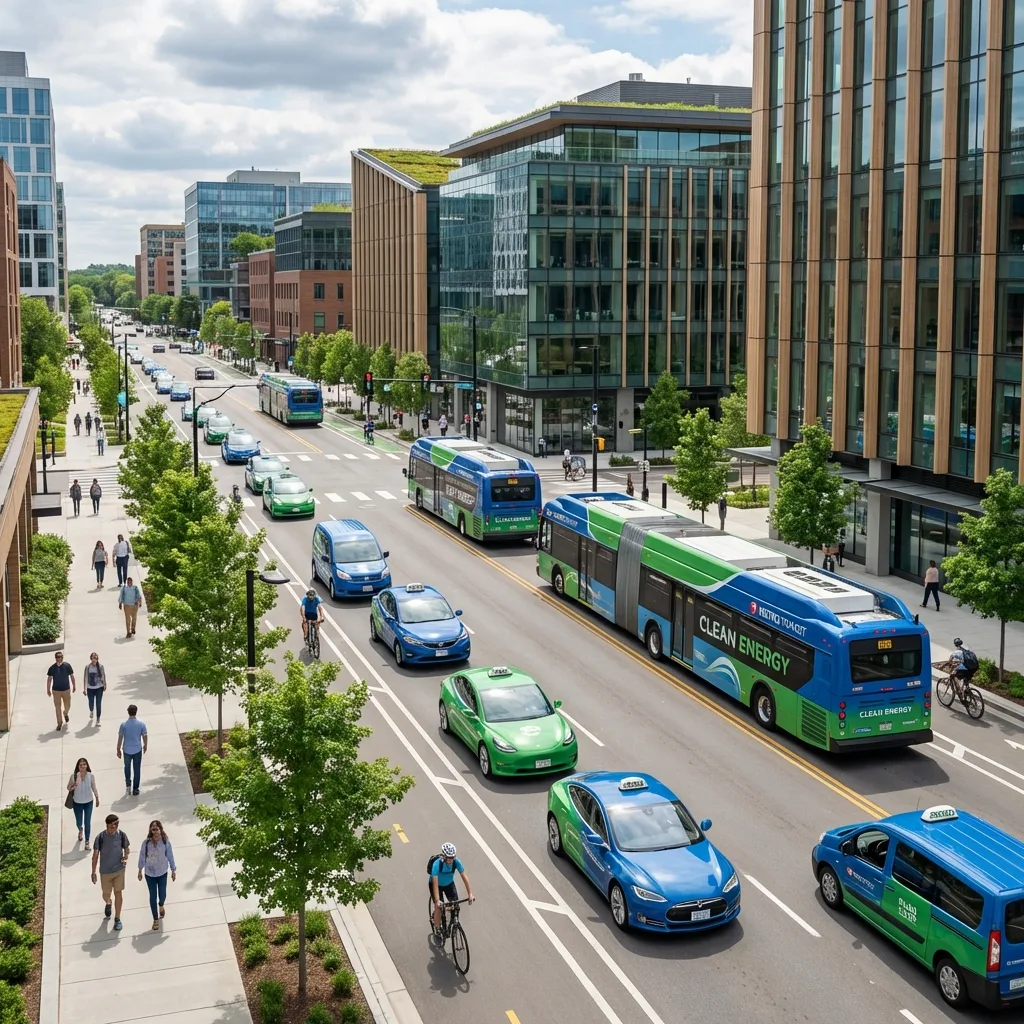
NimBus: dispatching public transport
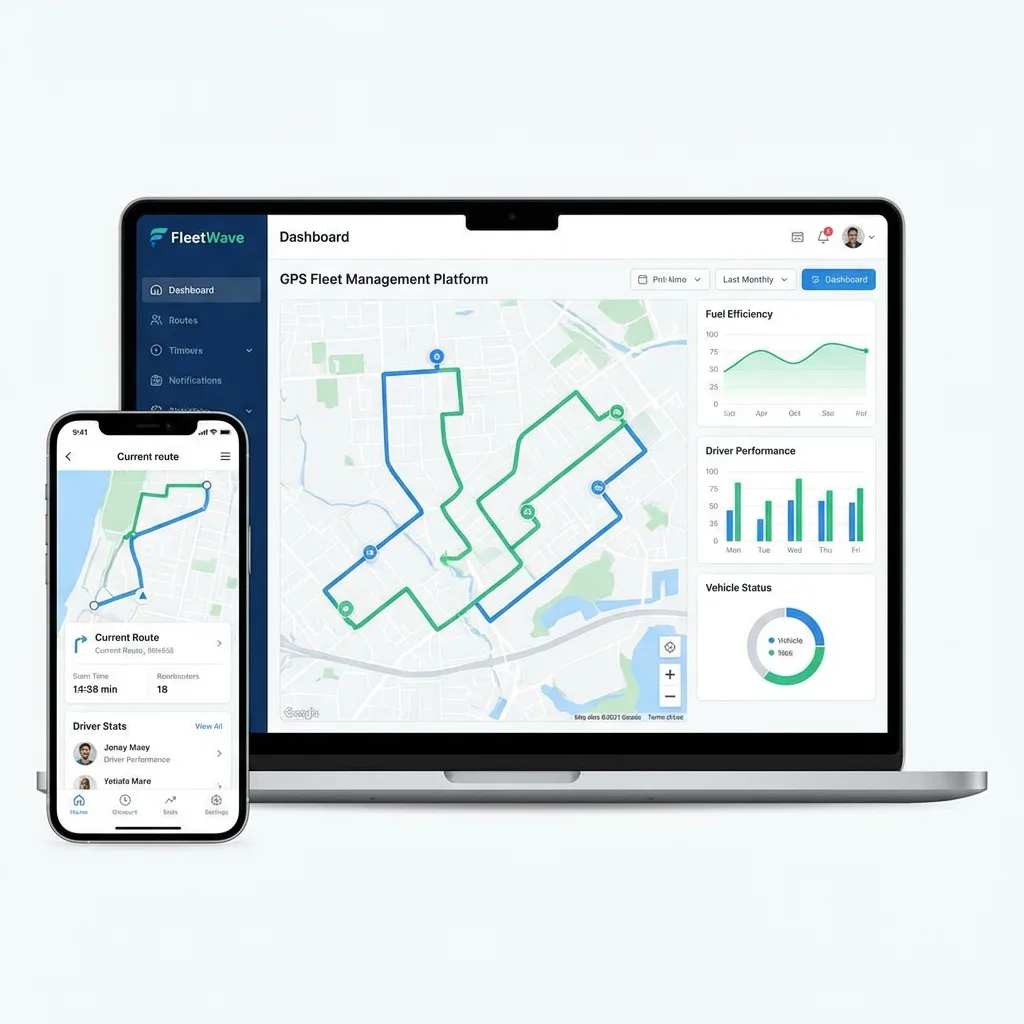
NimBus is an application from Gurtam, built on Wialon, for city and intercity routes. Timetables, a check on how well they are kept at the stops, and planned-against-actual reports.
See a demo built around your own task
From chaos on the roads to a service people can count on
For a modern city such as Baku or Ganja it matters a great deal that the buses run to the clock rather than to the driver's mood. NimBus shows the dispatcher where every bus is and whether the timetable is being kept at the stops. Counting passengers is a separate job: it needs sensors above the doors, or figures from the fare system.
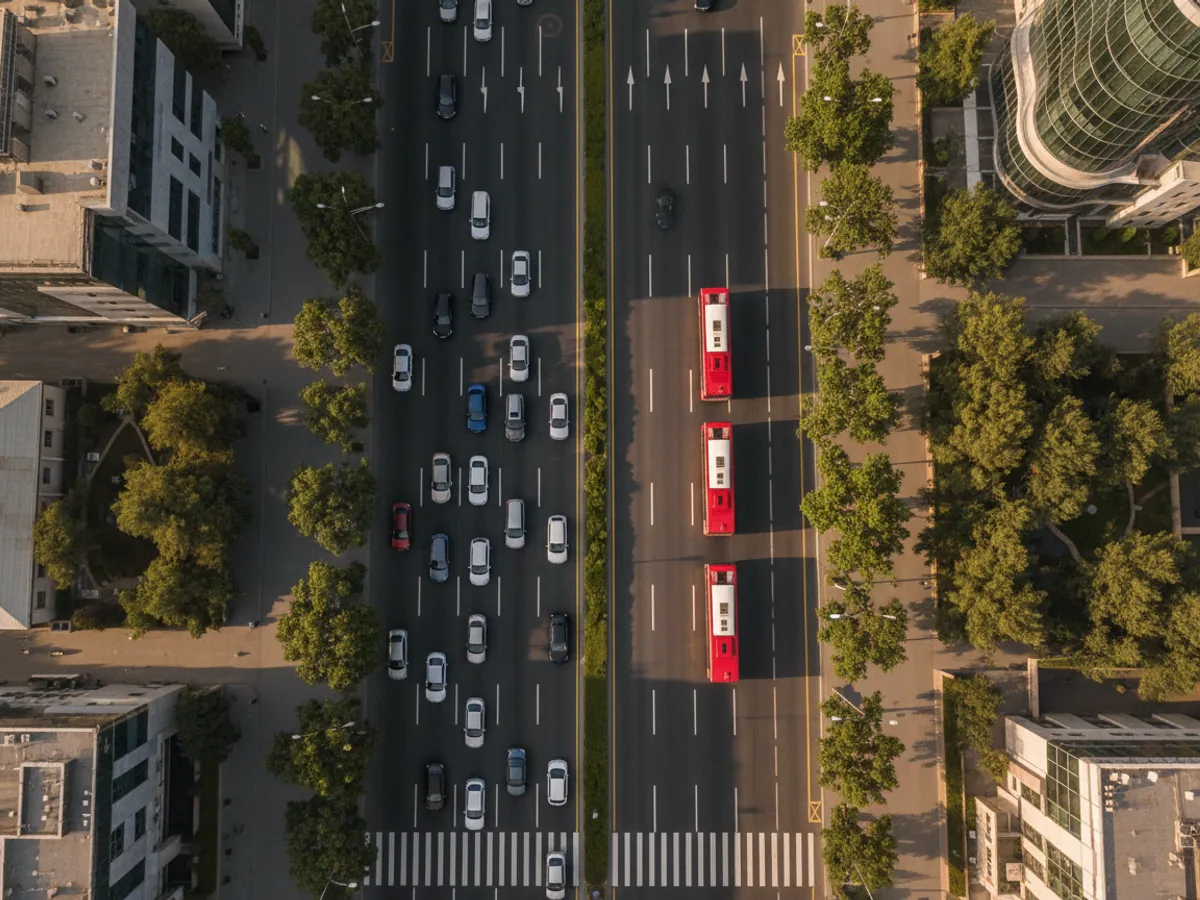
Checking that the timetable is kept (planned against actual)
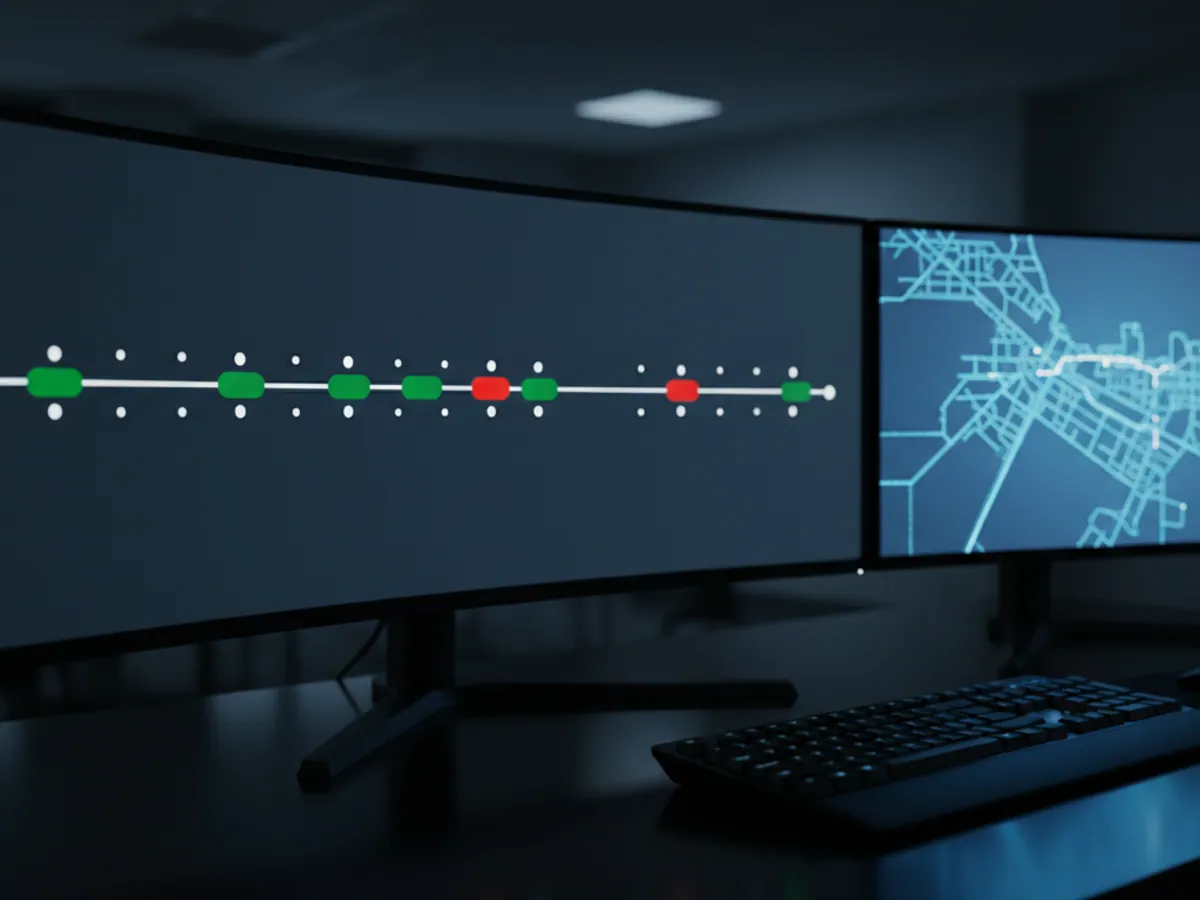
The main problem is departure from the timetable. Drivers may deliberately spin the time out to pick up more people, or, the other way round, race each other. NimBus compares the actual times at the stops with the timetable and shows the deviation: running early or running late. When the deviation goes beyond the tolerance you have set, the run is highlighted on the dispatcher's screen; the data refreshes as positions come in from the tracker, usually with a delay of tens of seconds. What happens next is for the dispatcher to decide: call the driver, adjust the headway, or put a spare vehicle out.
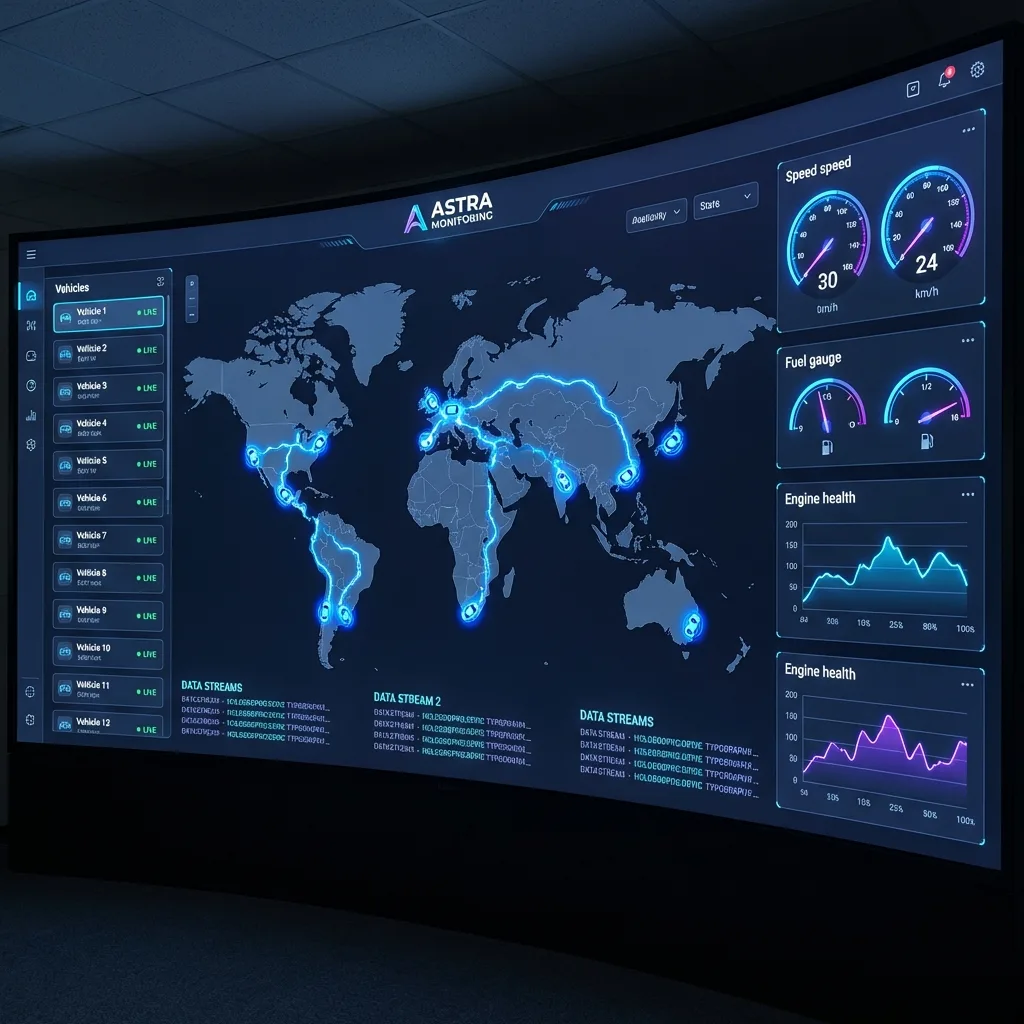
What it is, who develops it and what planned against actual looks like
- The product: NimBus is an application from Gurtam, the developer of Wialon. It works with the buses in your own Wialon account.
- What GPS.az does: fits the vehicles with trackers, enters the routes, stops and timetables, sets the tolerances and the reports, and trains the dispatchers.
- Licensing: the terms for connecting NimBus are set out in the quotation.
A planned-against-actual example. A scheduled run leaves the terminus at 07:00 and is due to call at 12 stops. For each stop the report gives the planned time, the actual time and the deviation in minutes; a stop that was missed is flagged separately. The shift total is the number of runs completed, partly completed and lost.
Replacing a bus. If a vehicle comes off the road, the dispatcher puts another bus on that duty, and the runs go on being recorded against the duty. The report shows which vehicle actually worked the run.
Passenger numbers and passenger information are separate jobs. Passenger counts come from counting sensors above the doors, or from the fare system through an integration. Displays at the stops and public apps receive the data through the API — that is a project of its own, with its own equipment. Any sanction against drivers or operators on the strength of the reports is the customer's decision, not a function of the application.
The standing ailments of passenger transport
Without digital oversight, fleets and municipalities keep running into the same breaches:
Racing for the passenger
Dangerous driving and competition between drivers over the takings, which creates hazardous situations on the road.
Stops missed out
Drivers cut the route short or drive past stops when they see nobody waiting there, in breach of the terms of the licence.
Unauthorised trips
Using the bus for private purposes after the shift or during the lunch break.
No figures on loadings
Without passenger counting there is no telling where buses are running empty and where they cannot cope with the flow.
Tools for the control room
Routes
A digital map of the network


Recording passenger numbers
How many people actually travelled on the bus? Connecting passenger counting sensors, which are fitted above the doors, makes it possible to see how full the bus is on every section of the route. Wialon matches that data to the position. You find out which stops are the busiest and where the bus runs empty, and you can then optimise the number of vehicles on the road and save on the budget.
What the solution gives you
Regularity
Services run to the timetable
Safety
Speed kept under watch
Transparency
Figures for subsidies and reports
Passenger information
Data for the displays at stops
Frequently asked questions
Request a call
A specialist will call back and match a solution to your fleet and your task.