
Delivery route planning and optimisation
We build routes that respect delivery windows, vehicle capacity and traffic, and then compare the plan with the way the run actually went. For distribution around Baku, inter-district runs and the last mile.
- 1 Route 3 · Van 10-XX-123 941 late arrival, every point visited
- 2 Route 1 · Van 10-XX-457 882 late arrivals in Yasamal before 11:00
- 3 Route 5 · Gazelle 90-XX-214 76a point in Binagadi missed
- 4 Route 2 · Van 10-XX-305 63+38 km over plan, detour to Masazir
- 5 Route 4 · Lorry 99-XX-610 5150-minute stops at the loading bay
From the data on board to the dispatcher's decision
Loading the orders
Addresses, delivery windows, weight and volume come in from your system or from a file.
Wialon Delivery
It shares the orders out between vehicles and builds the order of the points around the windows and the capacity.
The route in the app
The courier sees the points in sequence and marks off each delivery; the recipient sees the order status.
Plan and fact
The track is checked against the plan: late arrivals, missed points, extra kilometres, long stops.
Features and tools
Planning
- Automatic allocation of orders to vehicles
- Delivery windows and customer priorities
- Weight, volume and pallet counts
- Routes with checkpoints and a schedule
On the road
One day of deliveries around Baku
An illustrative example: 3 vans and 64 orders to shops and private customers. This is how the day looks in the plan and in the report.
- The day's plan is ready and sent to the drivers 64 orders
The logistician moved two points by hand: he knows that a lorry cannot get into the yard in Narimanov.
- A van is at risk of missing a shop's window window 8–10
Traffic on Babek Avenue. The dispatcher sees the risk in advance and warns the shop himself.
- Deviation from the route +9 km
The driver turned off towards Masazir. The notification arrives straight away, not at the end of the month.
- 50 minutes at a point instead of 15 queue at the loading bay
The cause is on the customer's side. That is a reason to revise the time allowance for this hypermarket.
- Every vehicle is back at the warehouse 62 of 64
Two orders moved to tomorrow at the customers' request. The plan/fact report will be ready by morning.
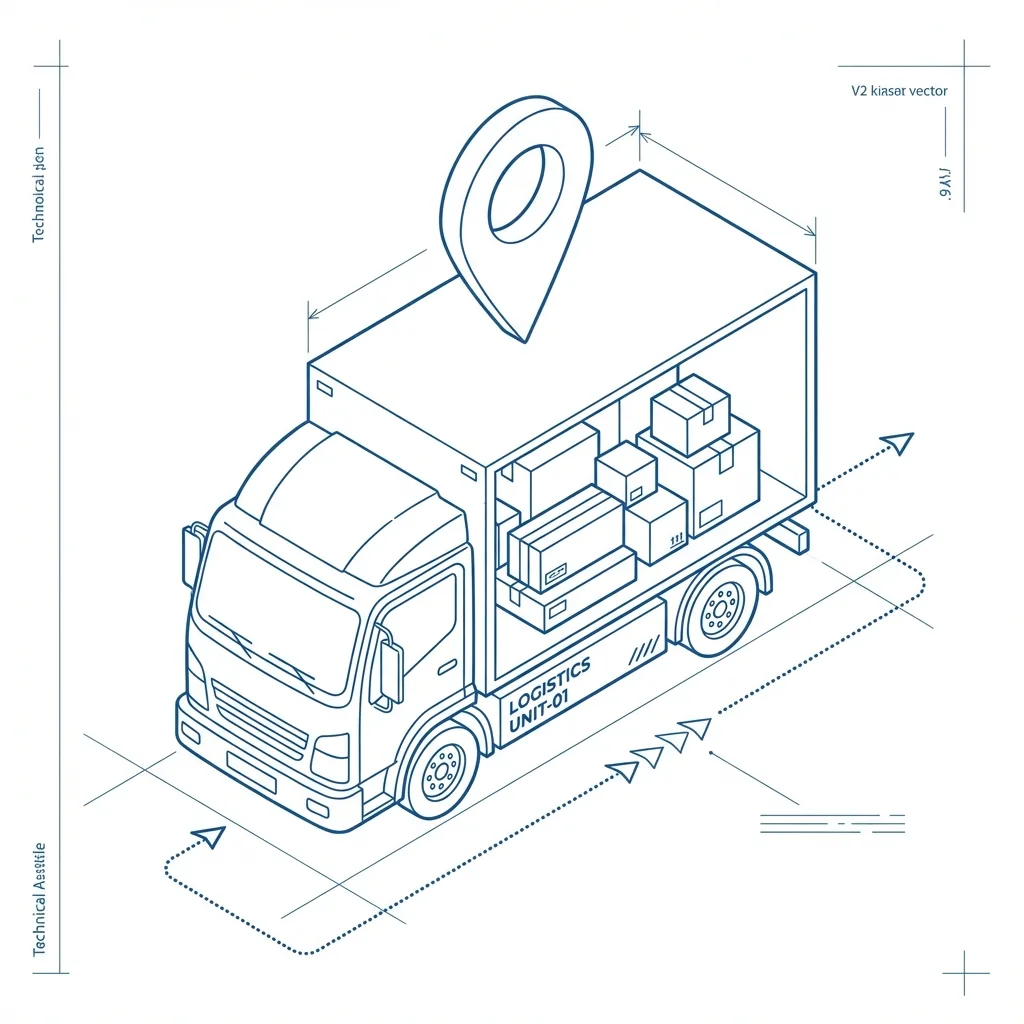
Why routes put together from memory cost so much
In short: route planning turns a list of orders into a workable route, allowing for delivery windows, vehicle capacity and the time spent at each point. What it needs on the way in is orders with accurate addresses or coordinates, the windows, weight or volume, and a list of vehicles with their shifts. What comes out is the sequence of points for each vehicle, which the logistician checks and publishes. If the orders do not fit into the windows, the planner shows you that rather than forcing them in.
In most of the companies we begin work with, the routes are put together by an experienced logistician. He knows the city, he knows the drivers, and he keeps in mind that Yasamal is best left alone before lunch. That works while there are 30 orders a day. When there are 150 of them and 12 vehicles, one head stops coping.
The consequences show up in the numbers. Two vehicles drive into Binagadi from opposite ends of the city, when all the orders could have gone to one of them. A van leaves 40% loaded, and the next one cannot take the last pallet. A driver misses the delivery window at a supermarket and brings the goods back to the warehouse.
Route planning does not replace the logistician. It does the rough work — sifting through thousands of options — in minutes, and leaves the checking and the exceptions to a person. For that we roll out Wialon Delivery on top of your monitoring.
What the planner takes into account
Delivery windows
A shop takes goods in from 8 to 11, an office after 10, a private customer within a chosen two-hour slot. The planner arranges the points around these windows, even where the shortest path on the map would look quite different.
Vehicle capacity
Weight, volume, the number of pallets or crates. A Gazelle will not be given a 2-tonne order, and a ten-tonner will not set off with three boxes if a smaller vehicle can take them.
Time at the point
Unloading at a hypermarket with a queue at the loading bay takes 40 minutes; at a small shop it takes 10. These allowances are set by customer type, or for each address individually.
The driver's shift
The start and the end of the working day, the lunch break, the return to the warehouse. A route should not finish at 21:00 if the shift ends at 19:00.
Several warehouses
If goods are despatched from Baku and from Sumgait, orders are allocated according to which warehouse it makes more sense to carry them from.
Priorities
An urgent order from a large customer goes to the head of the route, even where geographically that is not ideal.
Two approaches: a template route and day-by-day planning
Regular runs with checkpoints
Cash collection, bread deliveries to shops, staff buses, waste collection — on these runs the route barely changes. What is needed here is not an optimiser but control.
In the Wialon Routes module you set a sequence of checkpoints and a schedule: the first bakery in Narimanov by 7:40, the second one in Nasimi by 8:10. The system itself records which point the vehicle reached on time, where it was late, and which point it skipped or visited out of sequence.
- a report on the runs for the day and for the month
- the percentage of schedule adherence for each driver
- a notification if a point is missed

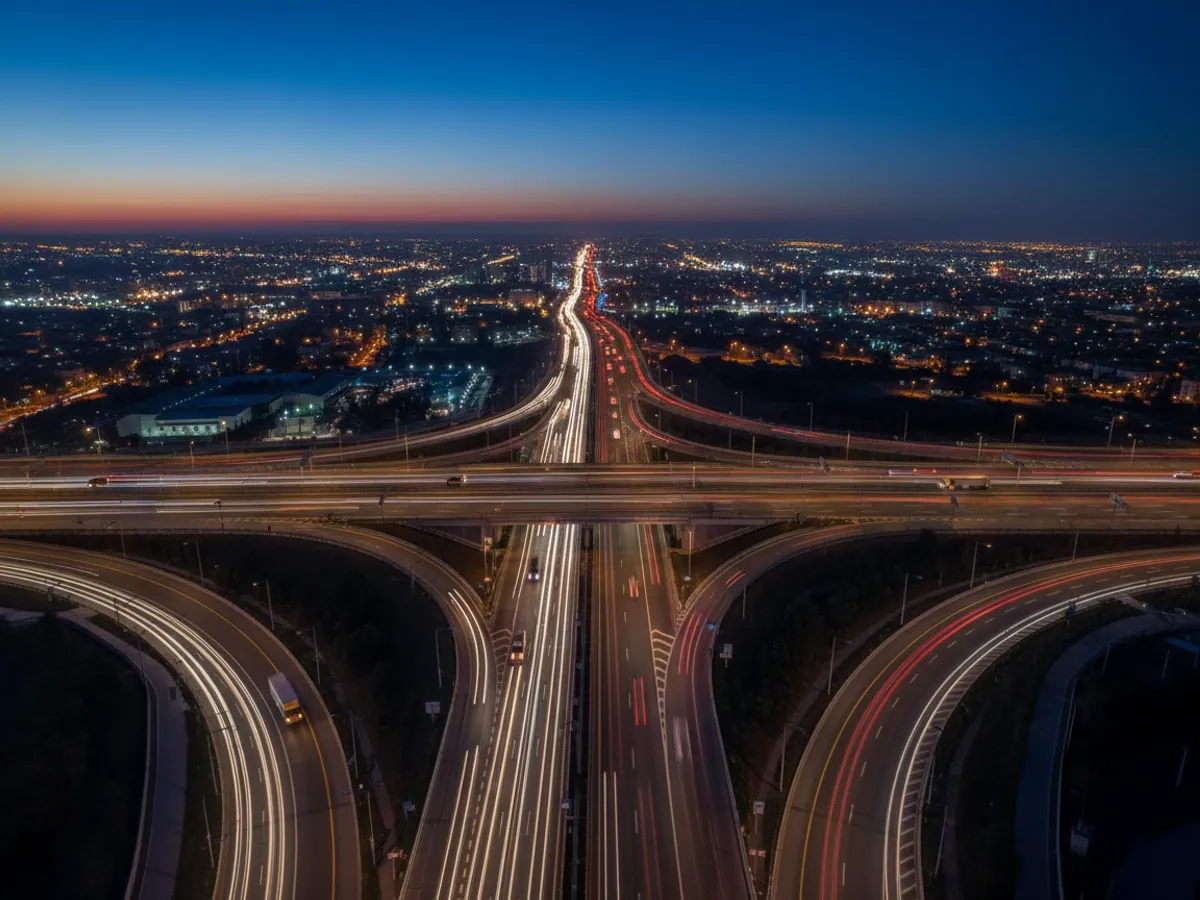

Plan against fact: where the time and the money go
Drawing up a route is half the job. The other half is understanding why it was not followed. This is where the link with GPS monitoring is needed: every step of the plan is checked against the vehicle's real track.
Here is what the plan/fact report usually shows after the first month:
- Extra mileage. The driver takes his own road rather than the one built for him. Sometimes traffic justifies it, sometimes it is a call in at home in Masazir over lunch.
- Long stops at the points. The planned 15 minutes turn into 50. The cause is sometimes on the customer's side — and then it is a reason for a conversation with them.
- The sequence broken. The driver does the convenient addresses first, and the last customers get their goods after the window.
- Unplanned stops. A stop between points of more than 10 minutes is visible on the map and in the report.
Deviation from the route is also caught in real time: a corridor along the planned path works like a geofence, and leaving it sends the dispatcher a notification.
The last mile
The most expensive leg of the delivery, where the route changes over the course of the day itself.
What courier delivery needs beyond the route
On the last mile a route without feedback from the driver quickly loses its point. That is why we always roll planning out together with a mobile app for the courier.
Jobs on the phone
The driver sees the list of addresses in the right sequence, the recipient's contact details and the notes on the order. Navigation to the point is one tap away.
Statuses and confirmation
Delivered, refused, postponed. A photo of the delivery note or the customer's signature on the screen. The status is visible to the logistician at once.
Replanning during the day
A new urgent order is added to the route of the nearest suitable vehicle, and the remaining points are recalculated.
Keeping the recipient informed
The customer gets a message with the estimated time of arrival and a link for tracking the order.
The businesses this pays back for fastest
FMCG distribution
Hundreds of retail outlets, tight goods-in windows at the chains. In detail in the section on FMCG distribution.
Online shops
Delivery slots for private customers, a great many small orders, a high price for arriving late.
Pharmacy chains
Several delivery rounds a day to the branches, with part of the load needing a temperature regime.
Service crews
Fitters, equipment repair engineers, providers. The route is built from job requests rather than from delivery notes.
Inter-district runs
Deliveries out of Baku to the regions — Ganja, Sheki, Lankaran. It matters to load the vehicle properly and not send it out half empty.
Waste collection
Fixed routes round the bin sites, with every point checked off against the schedule.
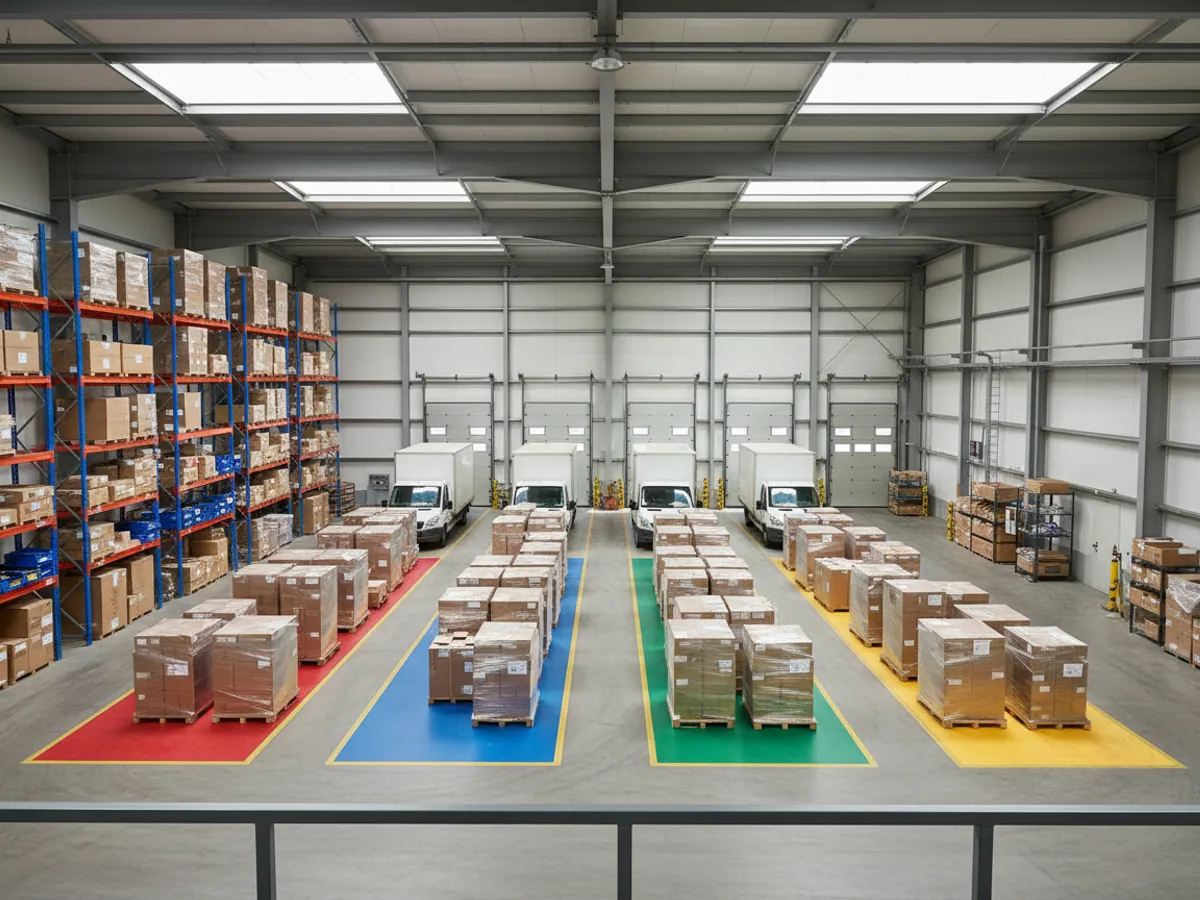
What to feed in and what you get out
The first test we usually run on an export of your orders for one or two ordinary days. The Excel file or the export from 1C should hold, for every order:
- The order and customer number — so that it can be matched up with the accounting system afterwards.
- The address or the coordinates. For regular customers coordinates are better: text addresses in the outskirts of Baku are recognised unreliably.
- The delivery window — the from and to times during which the customer takes goods in.
- Weight and volume, or the number of items if the goods are all of one kind.
- Time at the point — how long unloading usually takes at this customer.
- Special conditions: a refrigerated unit is needed, only a small vehicle because of the entrance, a priority customer.
Separately, a list of the vehicles: payload, volume, the warehouse they leave from, the start and the end of the driver's shift.
What the logistician gets out is a route for each vehicle: the sequence of points, the planned arrival time, the load as a percentage and the mileage. A separate list holds the orders that could not be allocated, each with its reason. That list is the most useful thing in the first test: it shows where the trouble is in the data and where it lies in the real constraints of the fleet.
Replanning and windows that cannot be met
The morning plan almost never survives to the evening without changes. The rules for that case are better agreed in advance.
The window will not fit
If an order cannot be delivered within its window by any vehicle, it stays unallocated. The logistician decides between the options: agree a different window with the customer, add a vehicle, or move the order to tomorrow.
An urgent order during the day
It is added to the route of a vehicle that has the room and the time. The remaining points are recalculated, and the driver sees the updated sequence in the app. If the rebuild pushes other customers' windows, that is visible before publishing.
A vehicle drops out
A breakdown or a collision: its remaining orders are allocated again among the vehicles already on the road. Some of them may not fit into their windows, and those customers are better warned straight away.
Conditions and limits
The planner works from the typical speed on each section and the time allowance set for the point. A crash on the bridge or a street closed without warning it will not predict. The accuracy of the plan improves once the times at the points have been refined against several weeks of actual monitoring data.
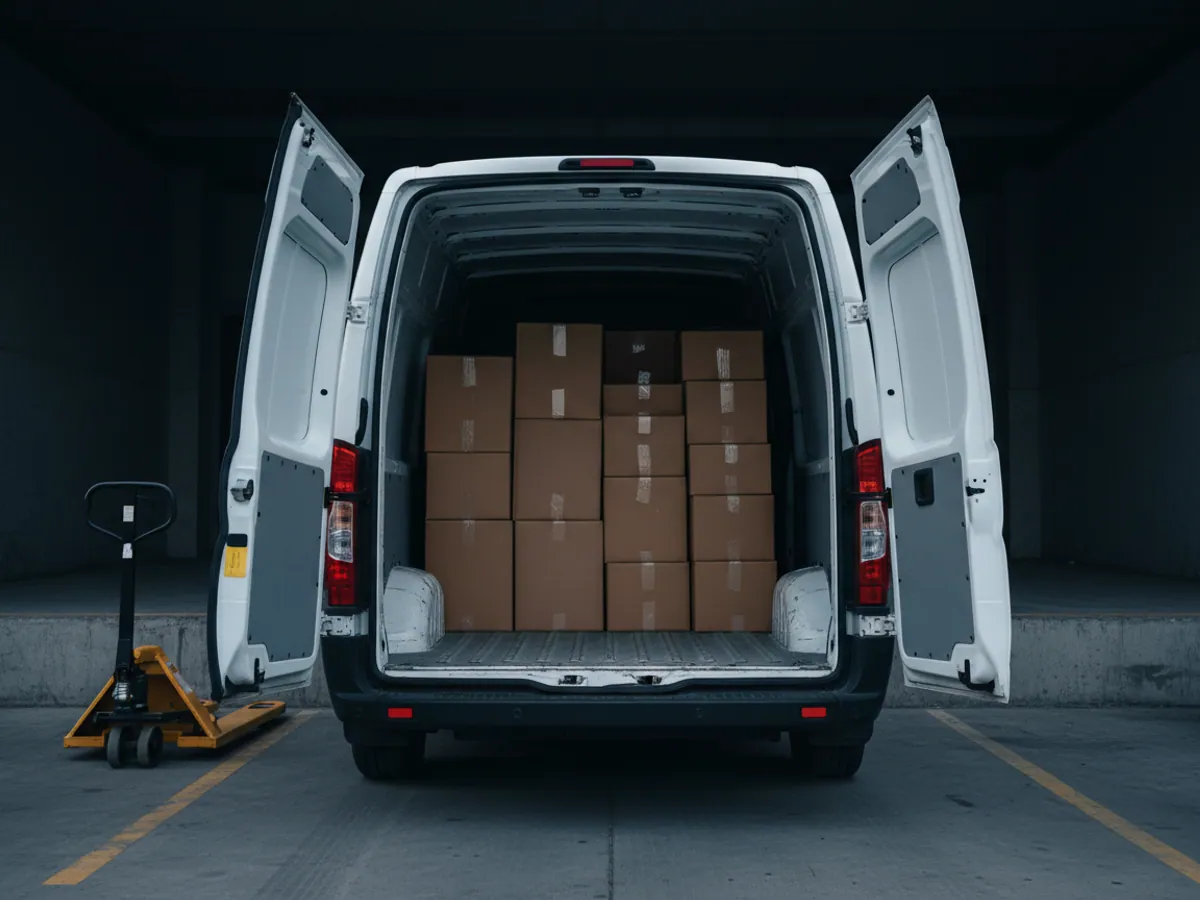
How to count vehicle loading, not only the kilometres
Route optimisation often comes down to driving less. But in distribution the main reserve usually lies not in the kilometres but in how fully the vehicles are used.
A simple example. A warehouse in Binagadi sends out 9 vans every morning. The report for the month shows that the average load by weight is 55%, and that three of the vehicles are regularly back by lunchtime and then stand until the evening. Pack the orders more tightly and the same volumes go out on eight vehicles, and sometimes on seven. The van that is freed up can be put on an inter-district run, or its lease simply not renewed.
To see this, the plan has to carry the weight and volume of the orders, and the monitoring has to carry the working and idle time of every vehicle. Data on idle time and on how the fleet is used is covered in detail on the page about fleet utilisation.
One caveat: it is not worth loading vehicles to the brim on paper. If the plan says 98% by volume, at the loading bay it will certainly turn out that the boxes do not fit. A sensible ceiling is usually 85–90%.
The result we see at our customers
Fewer vehicles for the same volume
After optimisation it often turns out that the same orders can be delivered on fewer runs. By how much depends on how much chaos there was to begin with; we work it out on your data.
Shorter mileage
The typical range for cutting mileage on city distribution is 10–20%. Fuel consumption and wear fall along with it.
More deliveries on time
The windows are accounted for when the route is built, and late arrivals are visible before the customer starts calling.
The logistician is left with the exceptions
Laying the orders out by hand goes away; what remains is control and the resolving of non-standard situations.
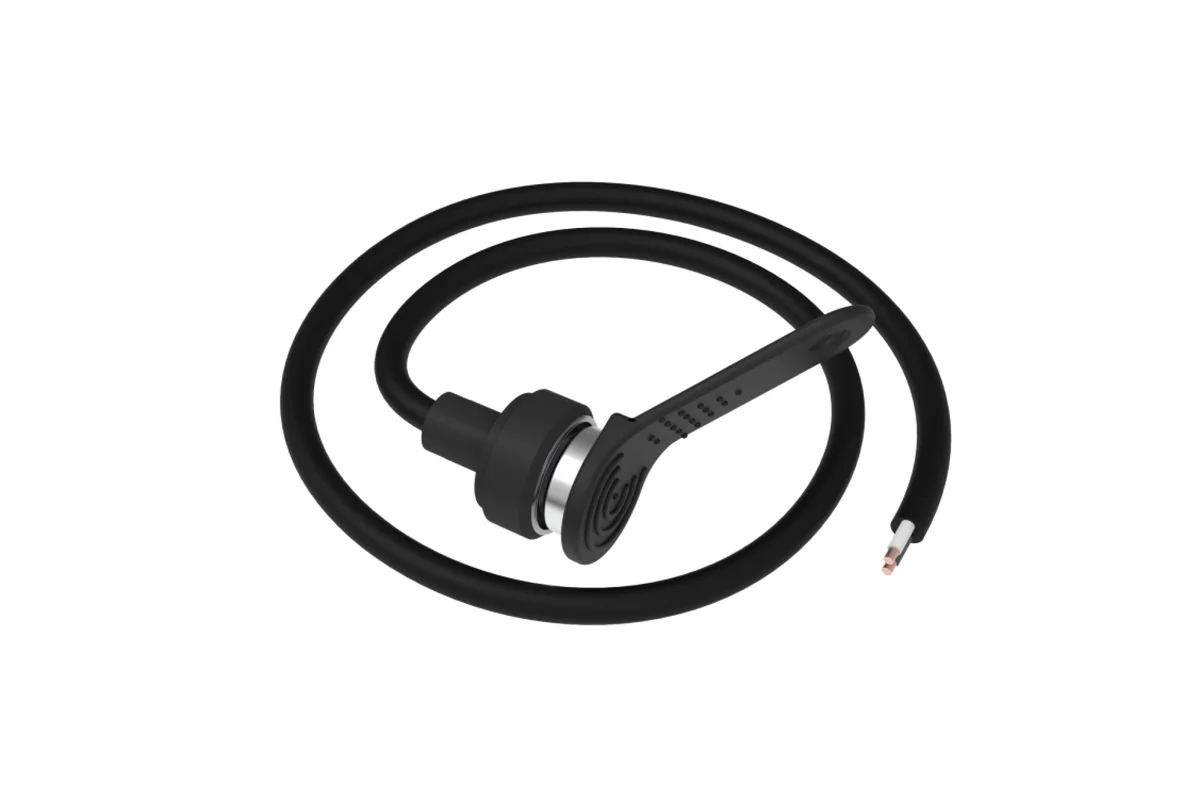
What goes on the vehicle


A route from memory, or a planner
The planner does not replace the logistician; it takes the sifting through options off his hands.
| Logistician by hand | The Wialon planner | |
|---|---|---|
| Time to plan the day | A couple of hours | 15–30 minutes |
| Windows and capacity accounted for | In his head, while orders are few | Yes, for every point |
| Deviation visible during the day | No, after a phone call | Yes, straight away |
| Plan/fact report by driver | No | Yes |
| Knowledge of the city and the exceptions | Yes, the strong side | The logistician edits by hand |
How to get started
Four steps from your enquiry to reports you can use. We prepare a quote for your fleet free of charge within one working day.
- 1 Your enquiry and the list of vehicles
- 2 The quote and an agreed fitting schedule
- 3 Fitting the hardware at your own site
- 4 Setting up reports and alerts in Wialon, and training the dispatcher
Questions about “Delivery route planning and optimisation”
Request a call
A specialist will call back and match a solution to your fleet and your task.