
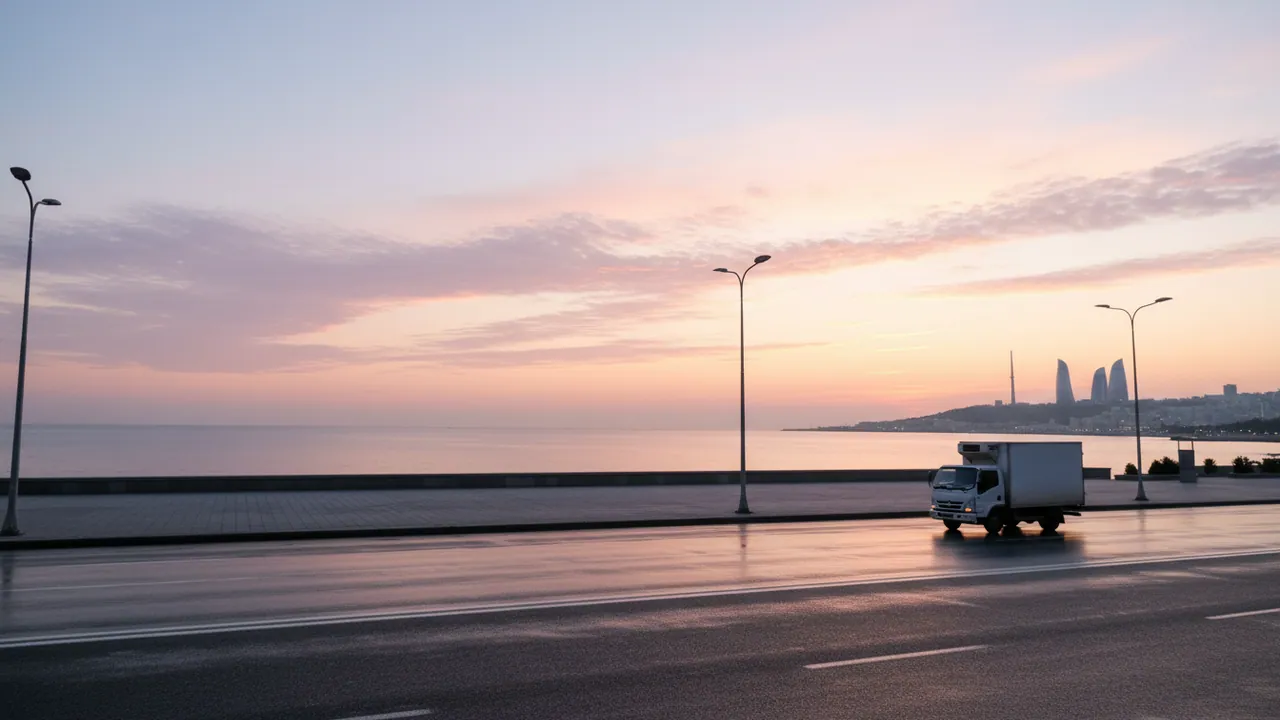
GPS monitoring for food and drink delivery
For suppliers to restaurants and hotels, drinks distributors and drinking water delivery services. The temperature in the body, the time of arrival at the kitchen, the turnover of kegs and water bottles, the fuel used by the delivery vehicles — all on one screen.
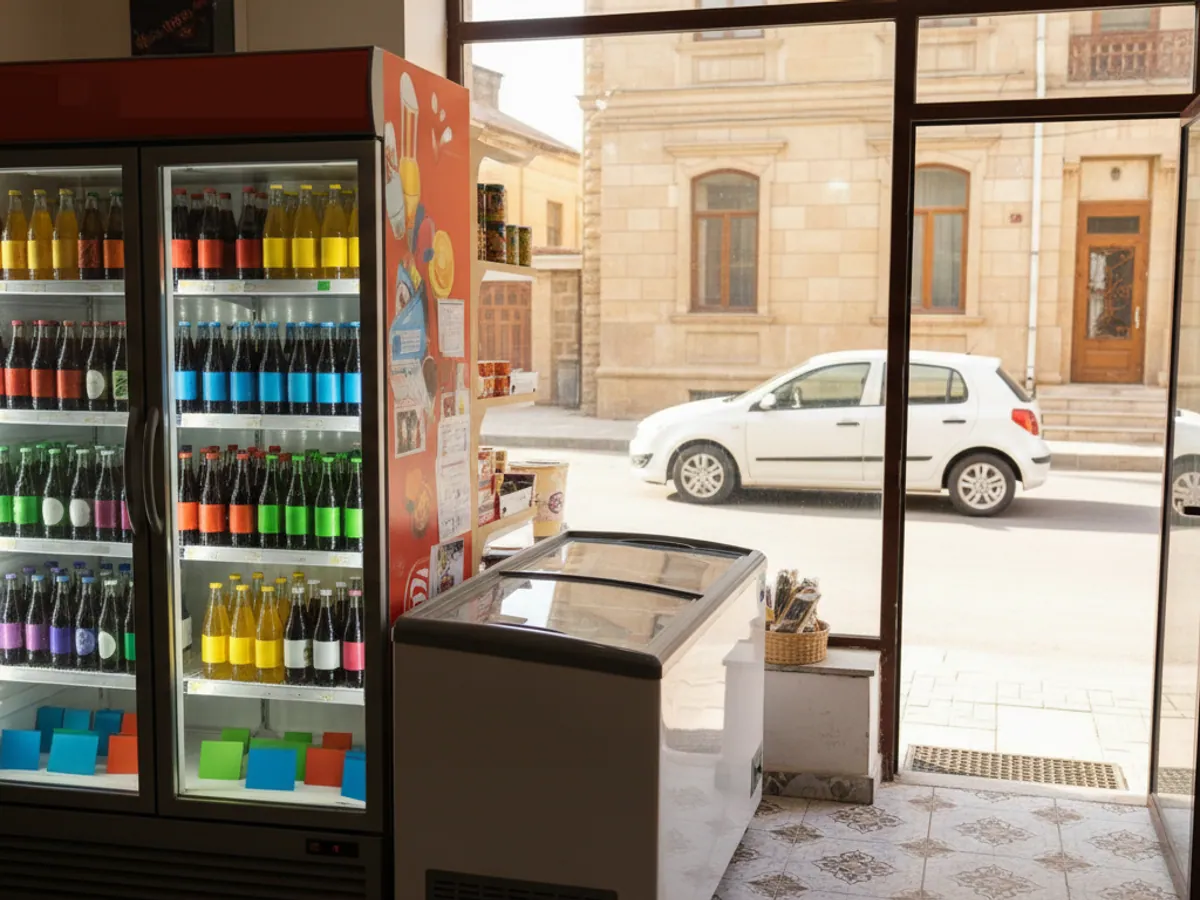
Food does not wait for the driver to remember the chiller
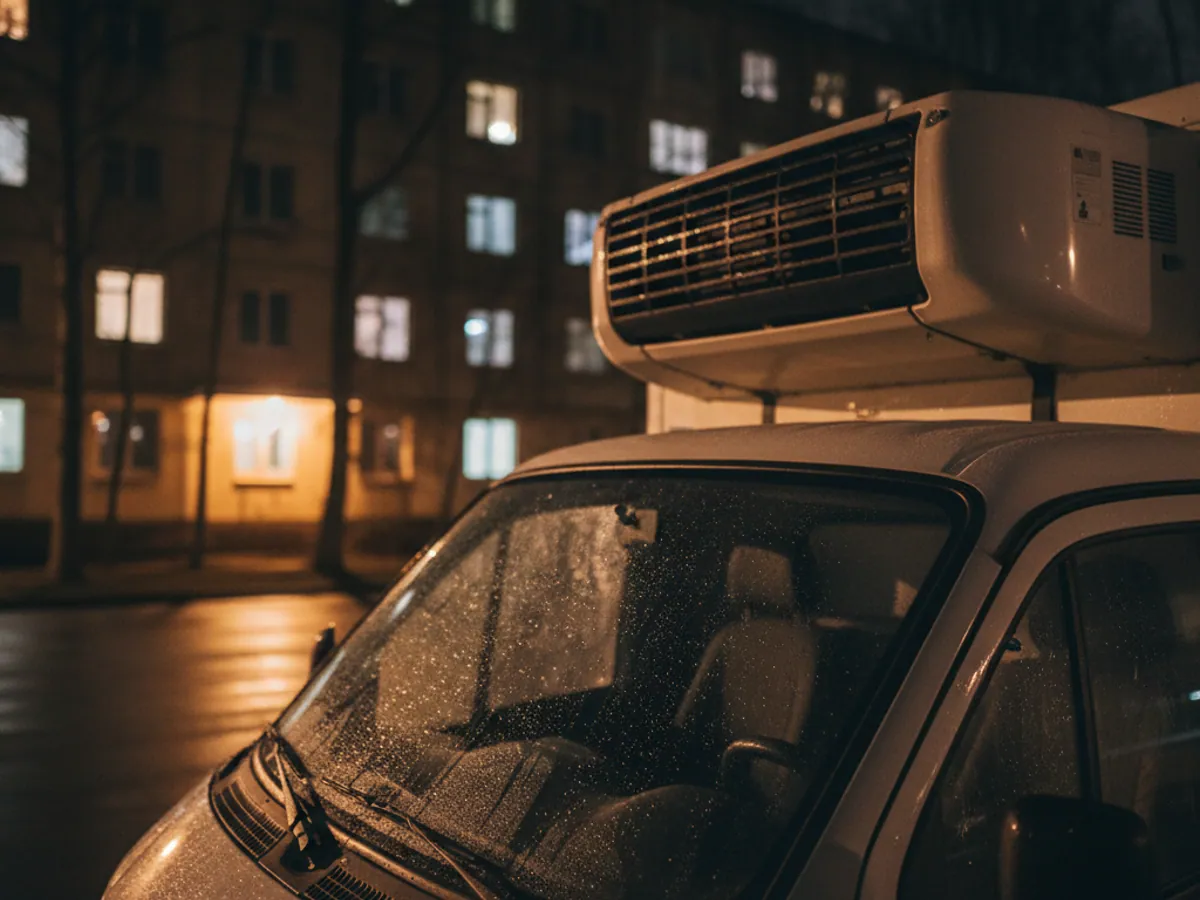
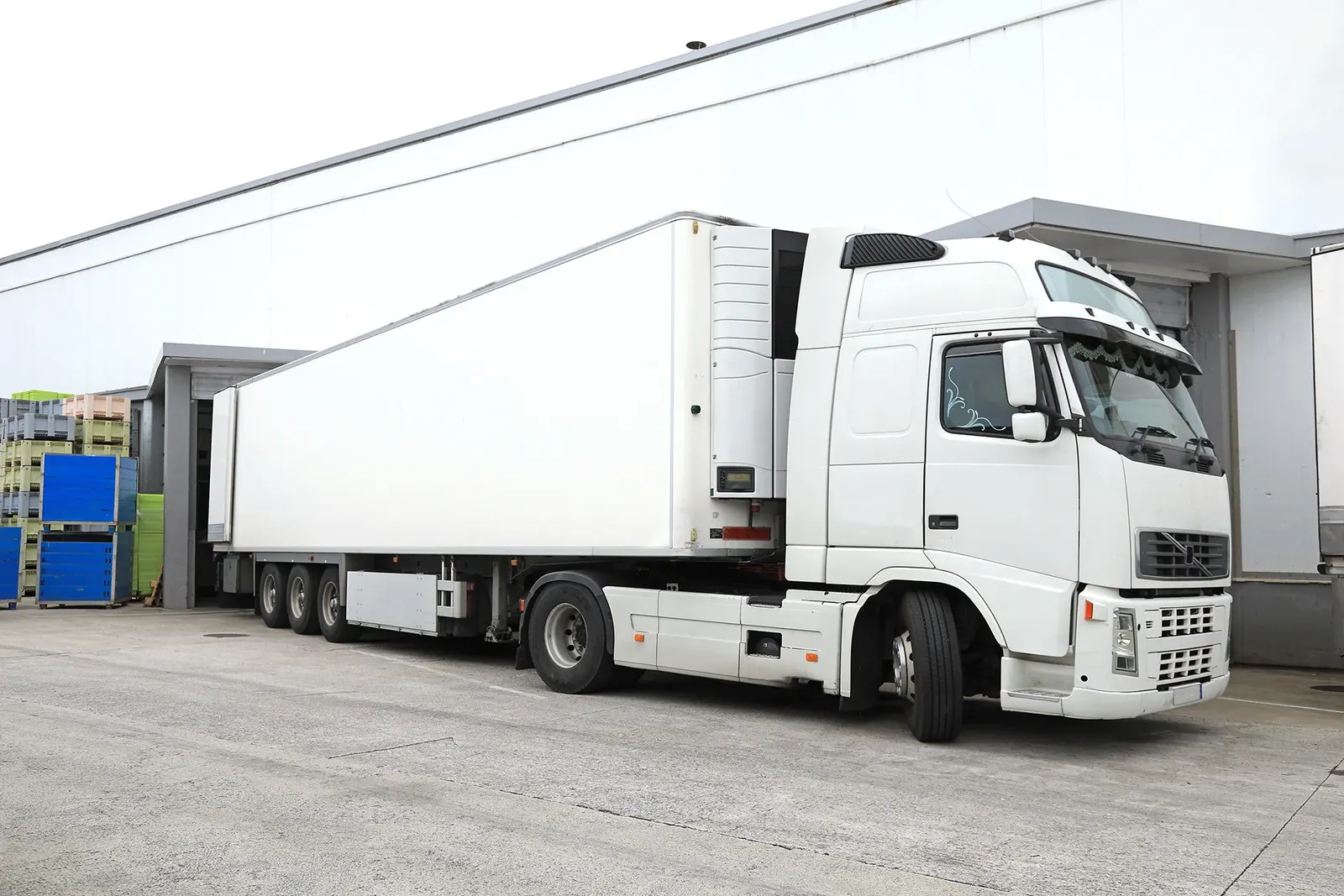
In July on the Absheron peninsula the air warms up to +40 °C, and the asphalt goes far higher. A van of chilled meat that has stood with its doors open for 15 minutes outside a restaurant is no longer at +4 °C inside. If the driver has switched the refrigeration unit off at the same time to avoid burning fuel in the traffic on Babek Avenue, the load will reach the next drop right on the edge of what is acceptable.
GPS monitoring for food and drink delivery exists so that things like this become visible straight away rather than at goods-in with the head chef. We fit the trackers and the temperature sensors and set up the notifications and the reports you can show a customer.
This is part of an industry solution — see monitoring for trade and distribution. This page covers what is specific to food and drink: HoReCa, 19-litre water, returnable packaging and the heat.
Where food and drink suppliers lose out
Each type of delivery has its own leaks. These are the ones we are told about most often:
Refused at goods-in
The restaurant takes a probe reading and refuses the consignment. The goods go back and the chef's menu for the evening falls apart.
Late to the kitchen
A hotel on the boulevard takes deliveries until 9:00 and the vehicle arrives at 10:20. The next supply tender goes to a competitor.
Lost packaging
Kegs, bottle crates and 19-litre water bottles stay with customers for months. More are bought while the old ones never come back.
The driver's own water
The driver delivers another supplier's water to your customers and keeps the money. The customer is happy, you lose the revenue.
Broken glass
Harsh braking and potholes taken at speed, and half a crate of juice or wine arrives smashed.
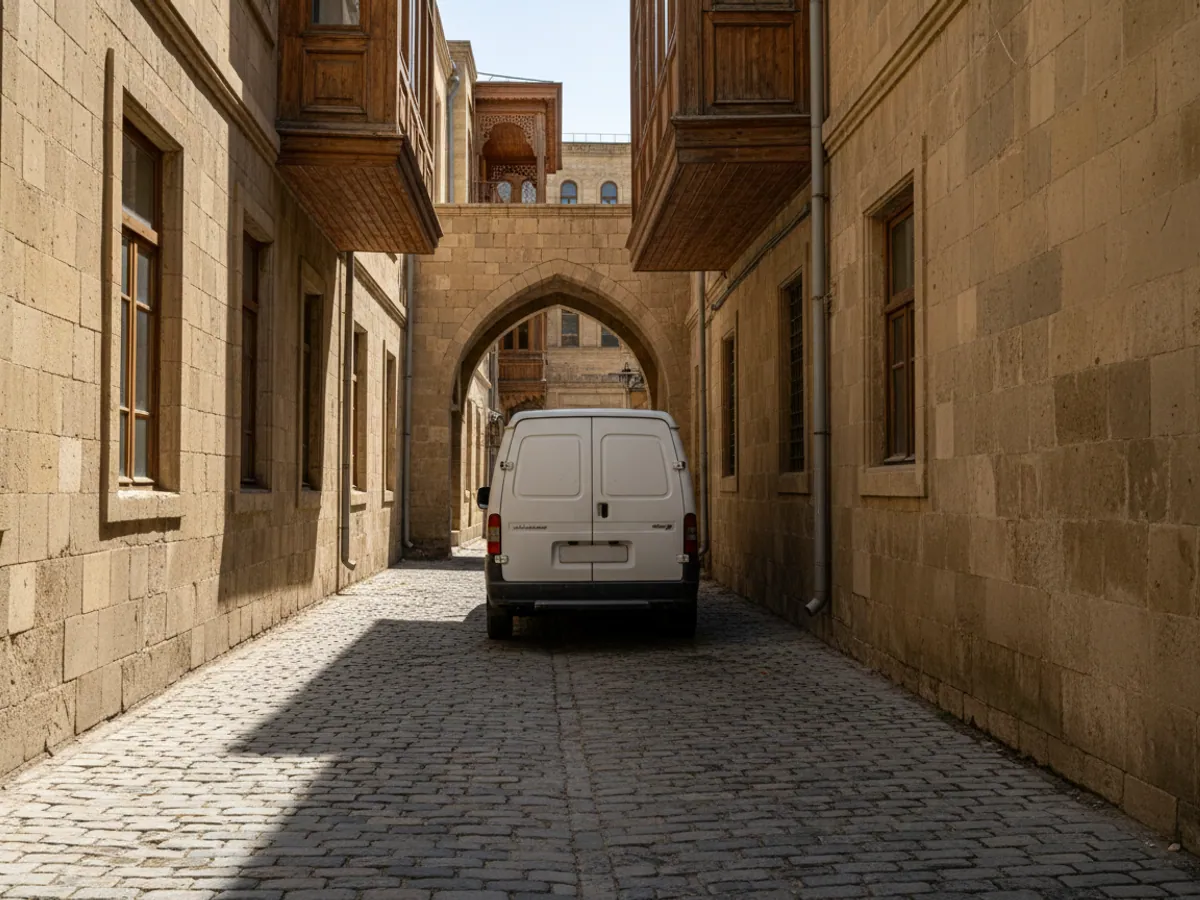
A HoReCa supplier's morning: 14 drops before lunch
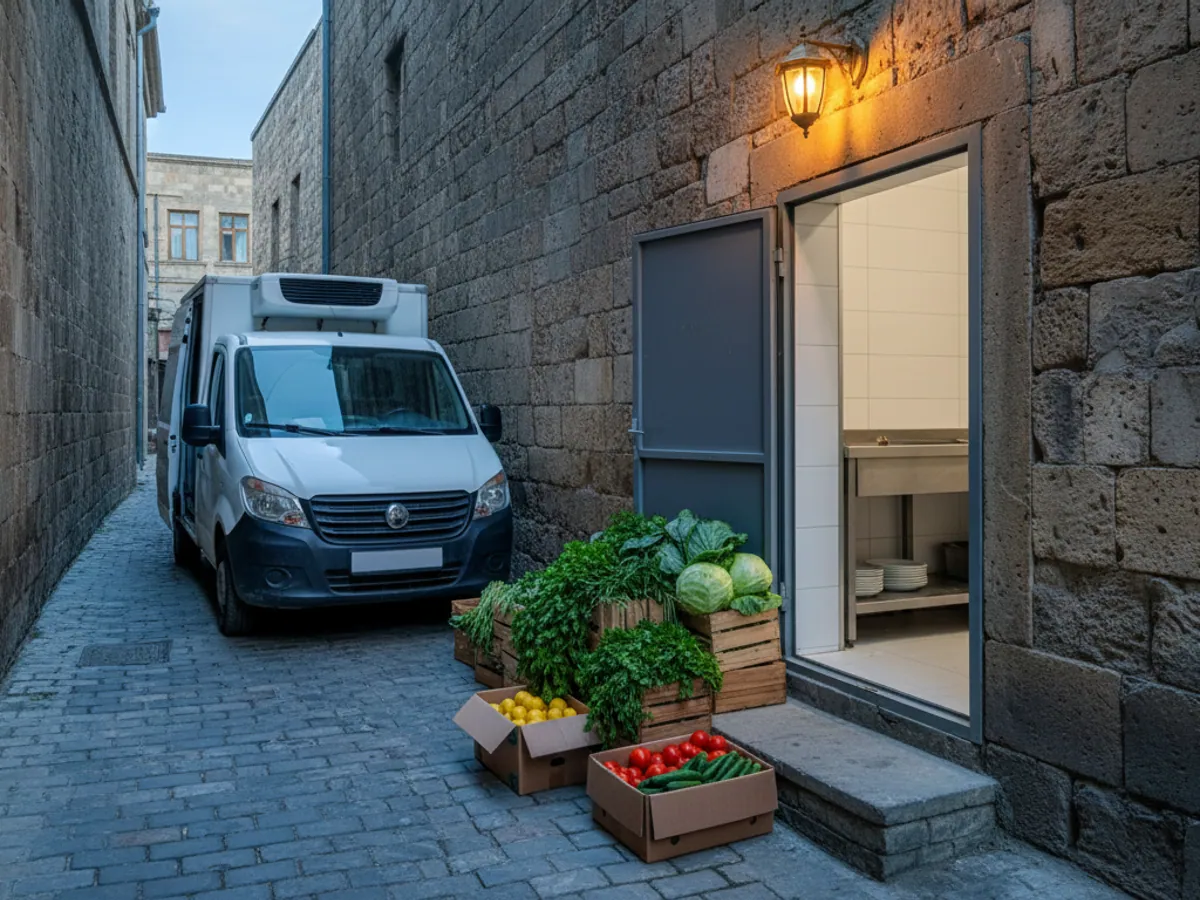
The van leaves the depot at 5:30. There are 14 addresses on the plan: hotels on the seafront boulevard, restaurants in Icherisheher, coffee shops in Nasimi, two outlets in the White City. Every kitchen has its own goods-in window, and the old city has narrow lanes where a large vehicle cannot turn round.
In Wialon every address is set up as a geofence with its goods-in window. The dispatcher sees that:
- at 7:40 the vehicle is 25 minutes behind schedule — the hotel on the boulevard is warned by phone before the chef starts ringing himself;
- at the restaurant in Icherisheher unloading took 35 minutes: the driver carried the crates on foot from the entrance of the lane. Next time a small van is assigned to that address;
- after the eighth drop it is +7 °C in the body against a limit of +5 °C. The doors are open too long at every unload and the unit cannot bring the temperature back down in time.
After a month of data like this the route is rebuilt: the heavy orders go first, while the vehicle is still cold, and the narrow lanes are served by smaller transport.
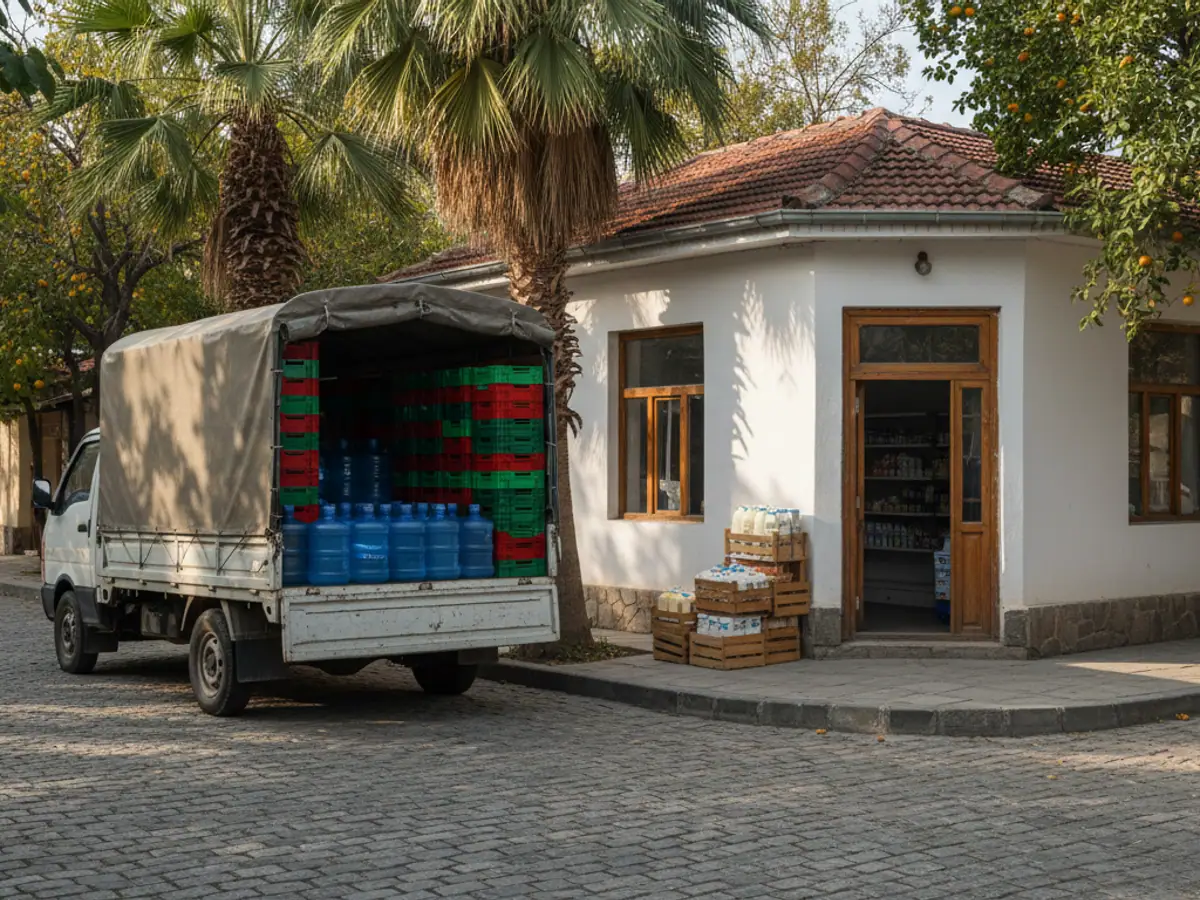
A complaint from a restaurant: how to put the answer together
The chef rings at 11:00: the meat arrived at +8 °C and the consignment was refused. Sorting it out in half an hour rather than in a week is only possible if the data was linked up in advance.
- Which consignment. The consignment note and batch numbers are in your accounting system. Monitoring knows the run and the unloading point. The link goes through the run number assigned during planning.
- What happened in the body. The sensor graph from loading to that drop: whether the corridor held, how many times the doors were opened at the previous drops, whether the unit was running.
- What happened at the kitchen. The time of arrival, how many minutes the doors were open, when the vehicle left. If the crates waited half an hour on the pavement to be taken in, the tracker will not show it: it sees the body, not the goods once they have been unloaded.
- The conclusion. If the regime in the body held, you have grounds to argue with the customer. If it did not, it is clear on which leg, and the conversation is with the driver.
One caveat. Chilled meat, dairy, greens, frozen goods, wine and water all need different conditions, and for some products not overheating matters more than being kept cold. In a mixed load the limit is set by the most sensitive product in the vehicle, and for compartments with a bulkhead there is a separate sensor for each.
Tools for food and drink delivery
Temperature and the running of the unit
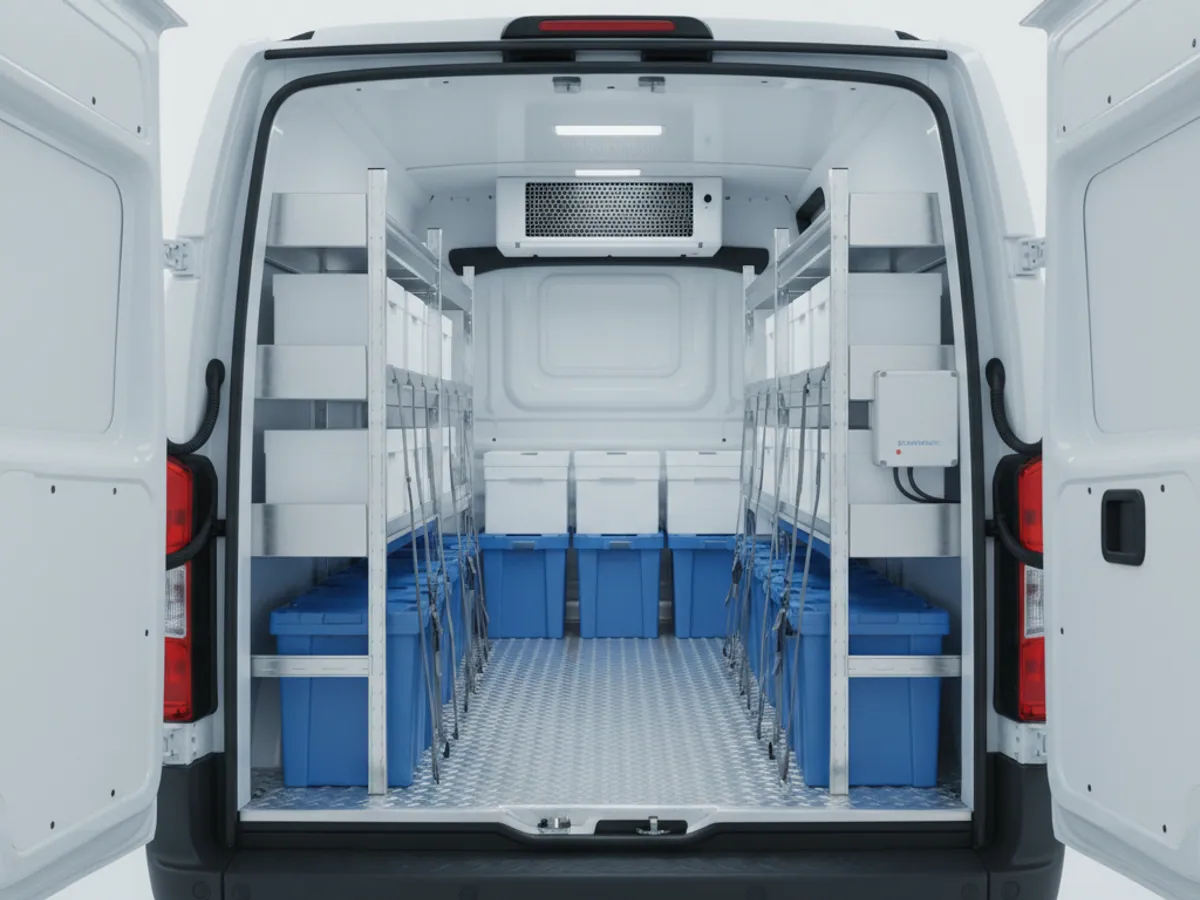
Wireless BLE temperature sensors are fixed in the body without wiring: they are not torn off when pallets are loaded and they survive washing. The Teltonika EYE Sensor, for instance, also gives humidity and door openings.
Separately we connect the running signal of the refrigeration unit. The report then shows not just that it got warm but why: the unit was switched off for 22 minutes while parked outside the driver's home. There is more in the section on cold chain monitoring.
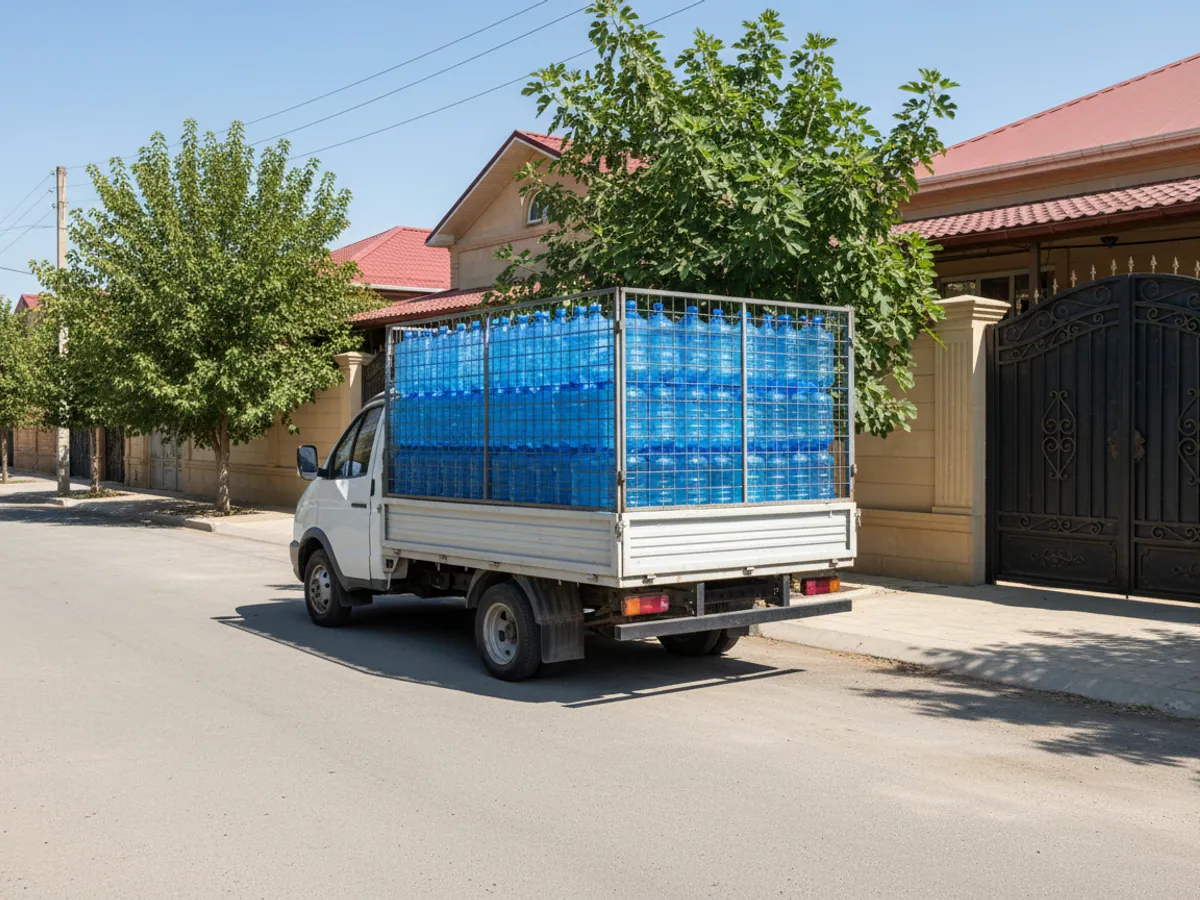
Delivering 19-litre water: how water on the side is spotted
A water delivery service has dozens of small vehicles and thousands of addresses across Baku and Absheron. The most painful arrangement is a driver who delivers another producer's water to customers for his own profit. The bottles look alike and the customer does not notice.
What helps to see it:
- visits to other companies' depots and bottling plants — geofences around competitors and known bottling points;
- stops at addresses that are not in the day's orders;
- a mismatch between the number of stops and the number of orders closed in the CRM;
- customers whose orders have dried up although the vehicle regularly stops outside their house.
If the orders come from a CRM, the addresses can be loaded into the system automatically and the dispatcher sees the status of every order on the map. We will not invent a way of counting bottles in the body with sensors: in practice that is done by the driver's entries in the app, and GPS checks where the entry was made.
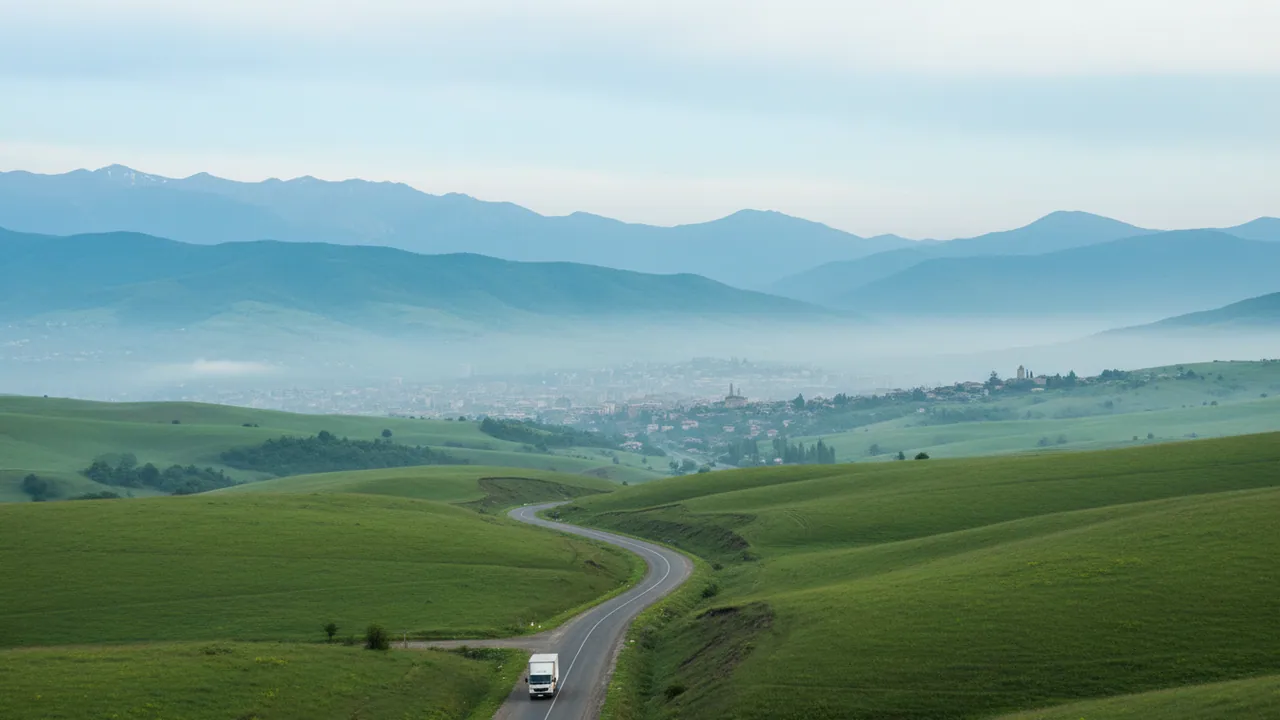
The regions and the season: Shahdag, Gabala, Naftalan
Hotels in the resort areas order in large volumes and irregularly: the peaks are over the New Year holidays and in summer. A delivery to Shahdag in winter means a mountain pass, snow and a road that is sometimes closed.
Monitoring is useful on a run like that in two ways. First, the dispatcher sees where the vehicle has stopped and can judge whether to warn the hotel about a delay. Second, temperature. In winter the problem is the opposite one: vegetables and drinks can freeze if the vehicle spends the night in a car park with no heating in the body.
In the mountains beyond Guba and Gusar the signal drops out in patches. The tracker writes the coordinates and the temperature to memory and sends them once there is a network. A real-time notification from those places will come through later, but the history of the run will remain complete.
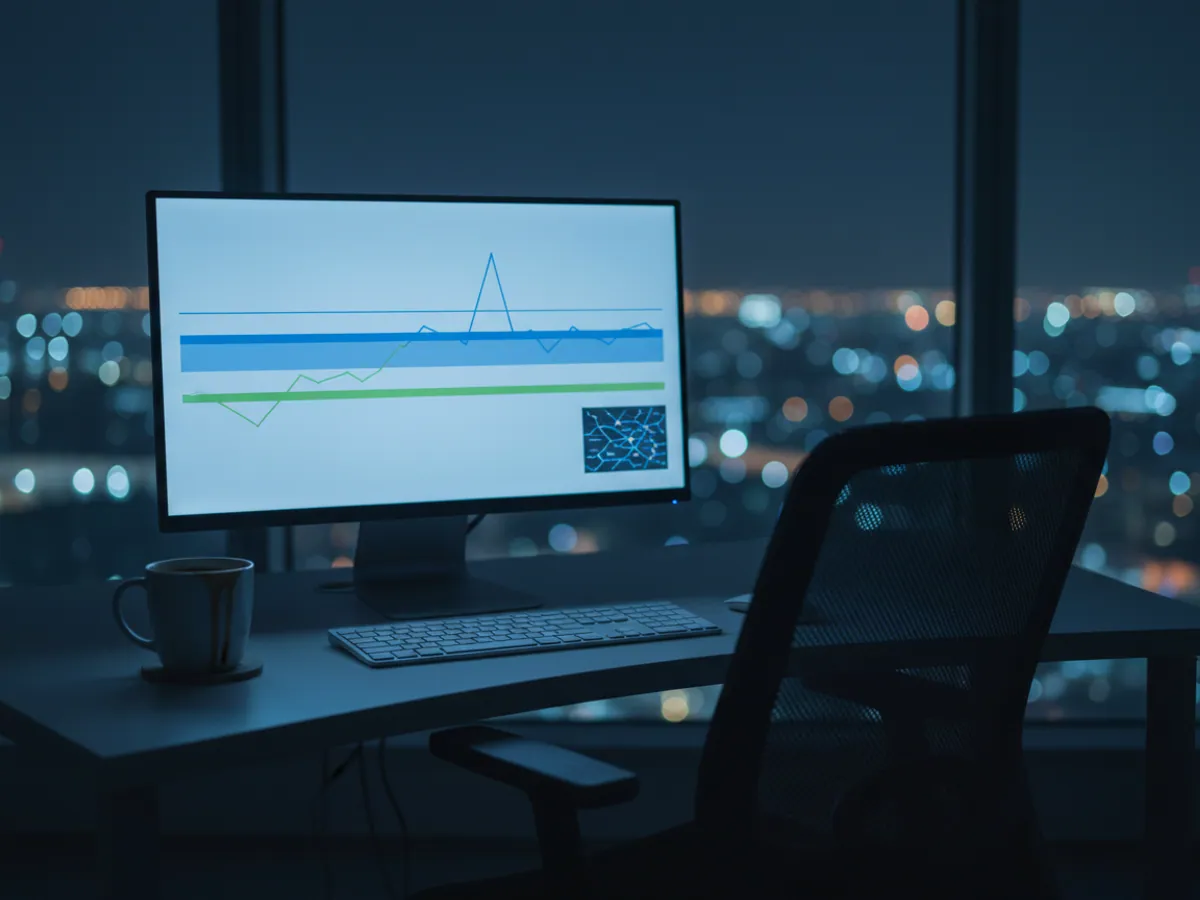
Why nothing changes after temperature sensors are fitted
It does happen, and the reasons are almost always the same.
No threshold and no recipient. The sensor records, the graph looks good, but no notification reaches anyone. The graph gets looked at once the customer has already sent the goods back.
A threshold with no delay. The alert fires at every unload, the driver and the logistician get 40 messages a day and stop reading them. A delay of 5–10 minutes solves the problem.
One corridor for every product. Meat, greens and ice cream are not carried in the same vehicle, yet the settings often hold a single limit for the whole fleet. The corridor is set per vehicle or per run.
No running signal from the unit. Without it there is no telling a breakdown of the chiller from the driver switching it off. And the conversation with the driver is different in those two cases.
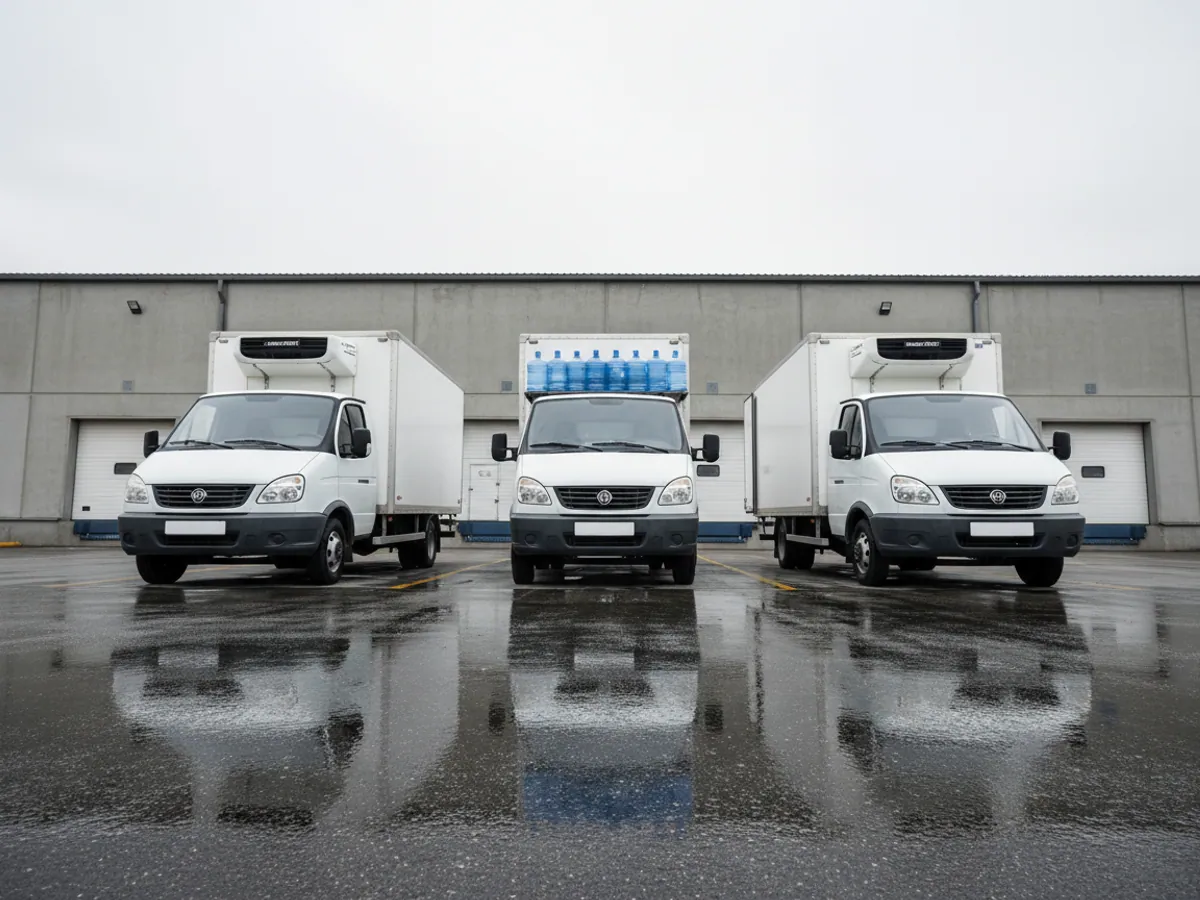
How to arrange a trial month on HoReCa routes
A pilot is best run on one type of delivery: two refrigerated vehicles serving restaurants and hotels in Baku, say, plus one water vehicle separately. If everything is connected at once, the reports from the different operations get mixed up.
Before the fitting we need from you the customer addresses with their goods-in windows, the temperature corridors by product group, the list of people who receive the alerts, and an export of goods-in refusals for the past few months — so that there is something to compare against. If the orders come from a CRM, we will need the contact of your IT specialist.
At the end we look at three things. Every temperature notification has a cause that was found: the doors, the unit switched off, a breakdown. Late arrivals at kitchens show up in the report before the chef rings about them. At least a few large customers receive the temperature report for the run together with the delivery, and are willing to accept it. The tolerances for each point are written down with you before the start: they depend on what you carry.
Equipment by type of delivery
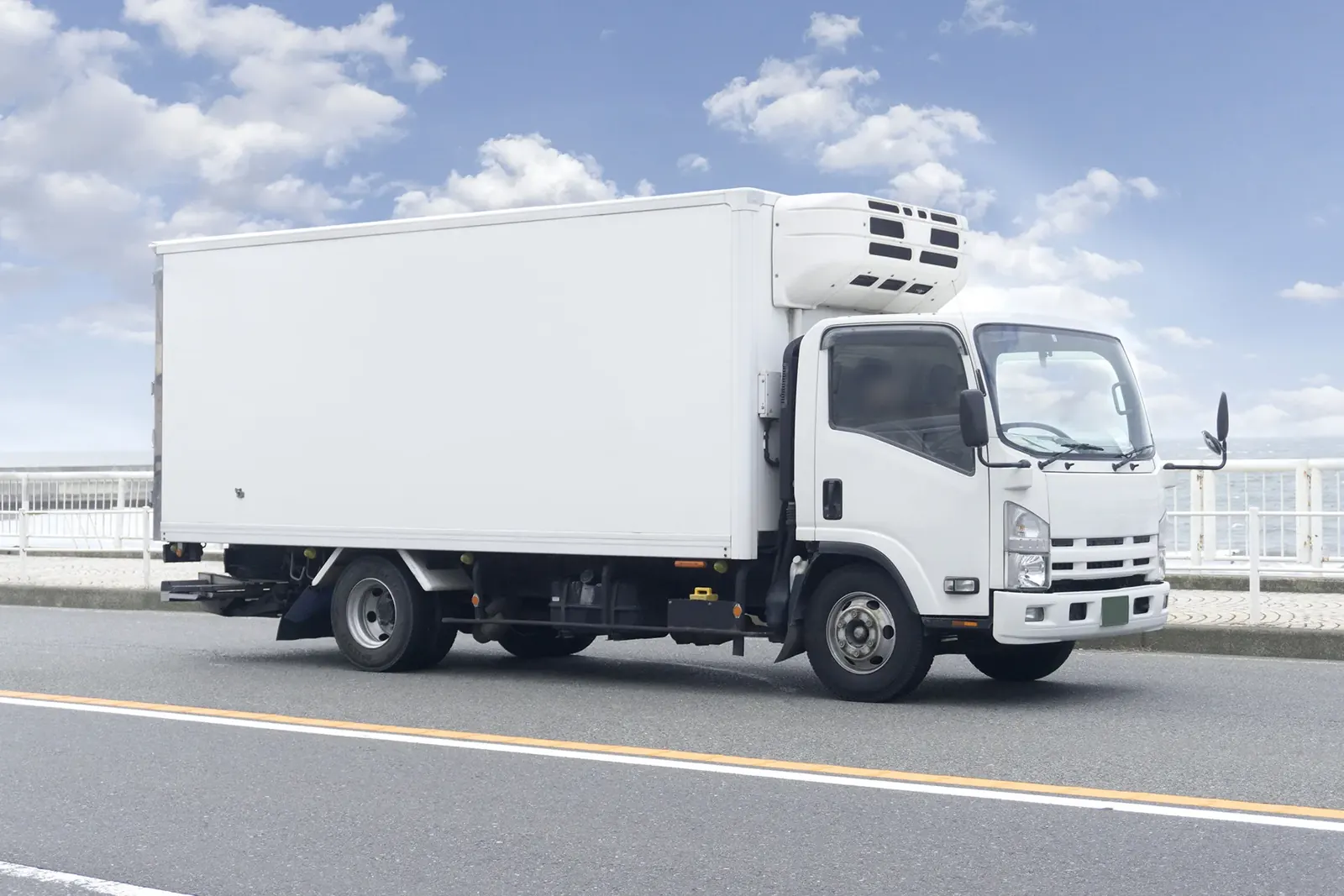
A refrigerated vehicle for HoReCa
A tracker, two temperature sensors (by the evaporator and by the doors), a door sensor and the running signal of the refrigeration unit. The fitting is covered by the temperature sensor installation service.
A drinks van
A tracker with an accelerometer for assessing driving, plus BLE tags on expensive packaging if kegs and coolers make up a noticeable share of the assets.
A water delivery vehicle
A compact tracker and a driver's app for recording bottles. A fuel sensor only if the vehicle goes out of town and consumption raises questions.
A courier's scooter or motorcycle
A water-resistant tracker powered from the vehicle's electrics. For couriers using their own transport, an app on the phone.
What suppliers get
Fewer refusals at goods-in
The temperature graph for the run and a failure of the unit spotted in time cut returns and arguments with head chefs.
Goods-in windows are met
Late arrivals are visible in advance and the route is built around the real unloading time at each outlet.
Packaging accounted for
Where a keg is, how many bottles a customer has and who last collected them — without counting up by hand at the end of the month.
Drivers without side jobs
Visits to competitors and stops away from the orders show up in the report the next day.
Frequently asked questions
What is used in this sector
What we do end to end
Wialon modules for this sector
How it is used in this industry
Case studies from “Retail & Trading Networks”
Thinking of rolling out GPS monitoring in “Food and drink”?
Send us an enquiry and we will price it up for your fleet and pick the hardware for this sector: retail & trading networks.
- 1 We pin down the task
A specialist calls back and asks about the vehicles, how many there are and what you need to keep an eye on.
- 2 We put a solution together
We propose the hardware and the features, and set out the one-off and the monthly cost separately.
- 3 We agree the fitting
At your yard or at ours, on a schedule that keeps the vehicles working.
Request a call
A specialist will call back and match a solution to your fleet and your task.