
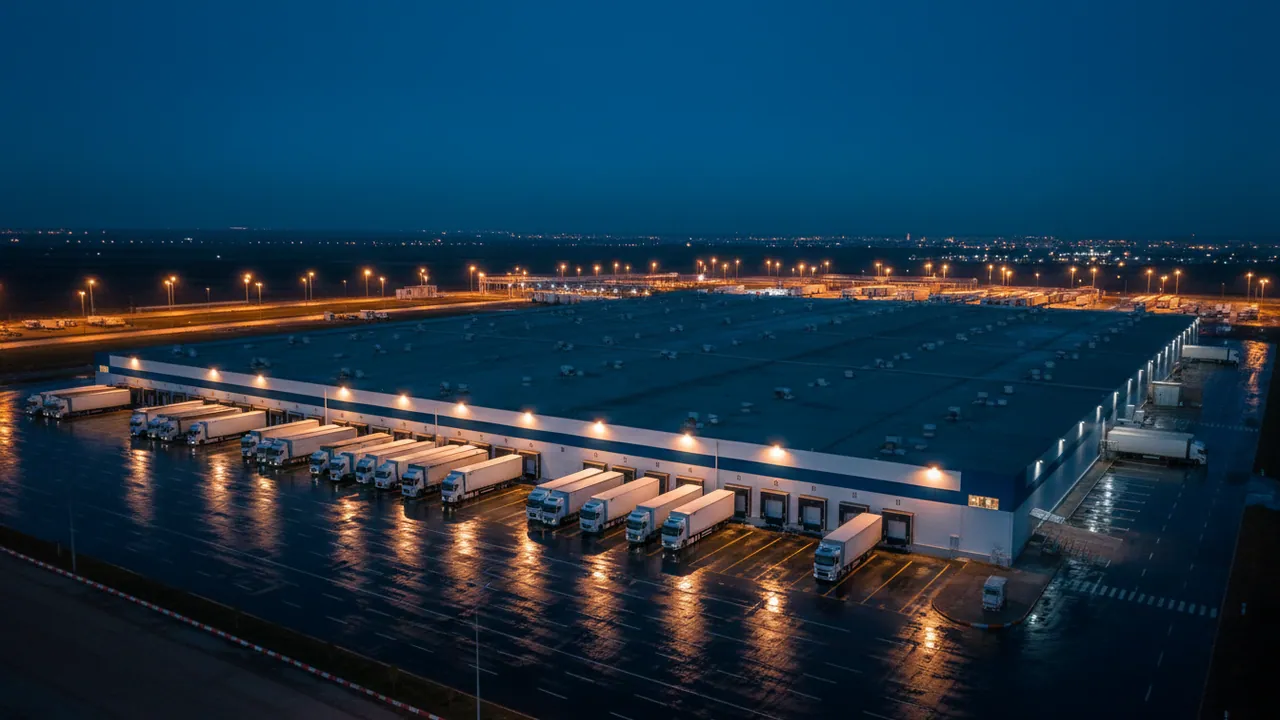
GPS monitoring for retail chains and supermarkets
Deliveries from the distribution centre to the shops on a schedule that is actually met. The logistician sees every vehicle — his own and the hired ones — knows who will be late for goods-in, and gets a signal if the body carrying dairy has reached +9 °C.
We fit trackers, temperature and door sensors, and set Wialon up around the goods-in windows of your shops in Baku, on the Absheron peninsula and in the regions.
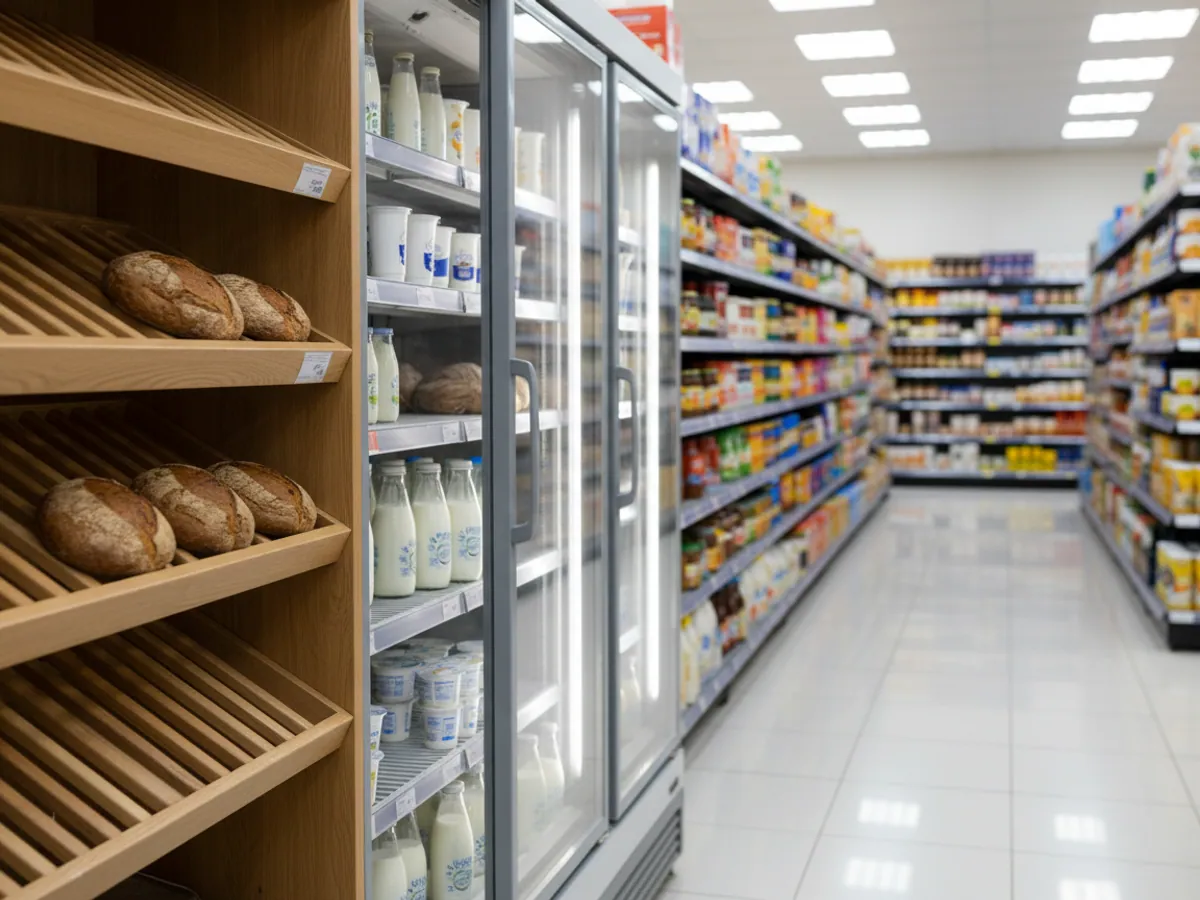
An empty shelf at 10 in the morning is a question for logistics
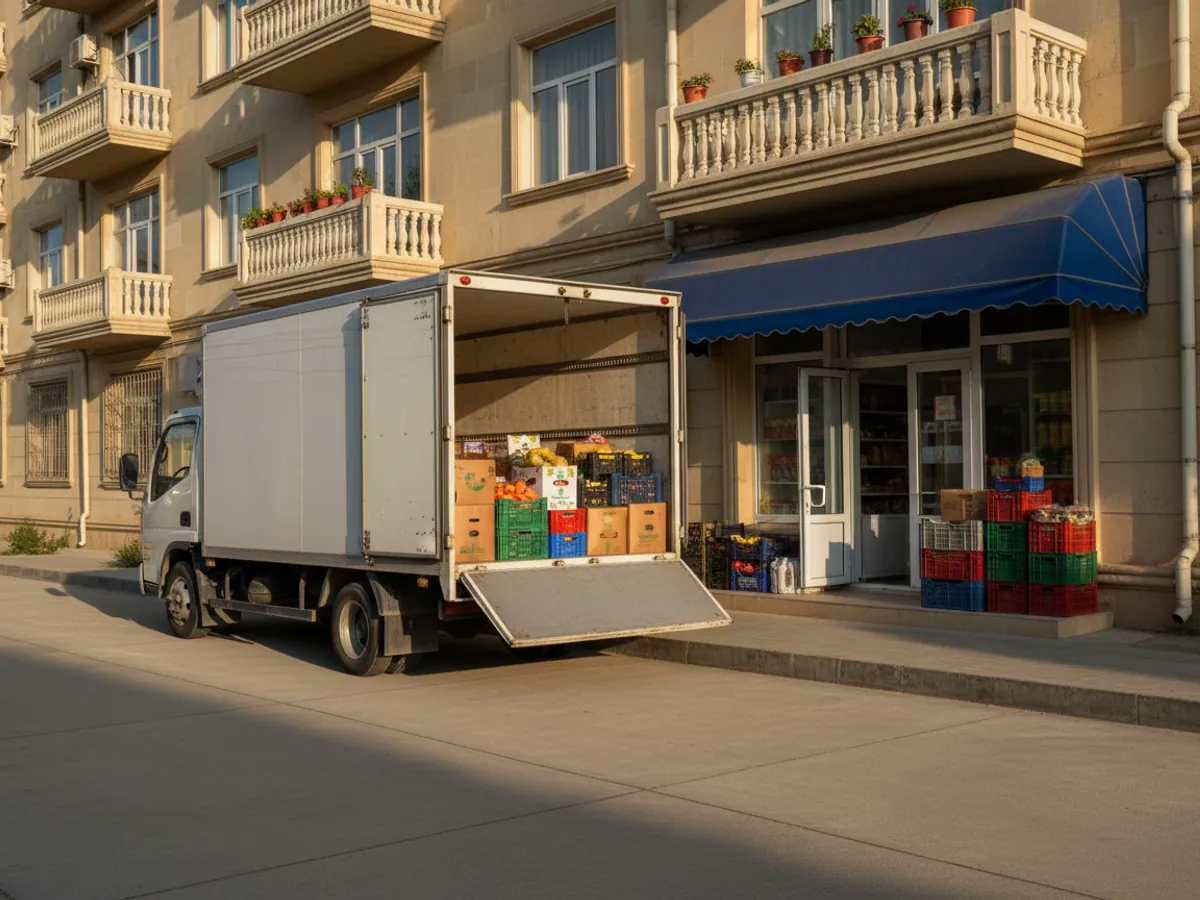
GPS monitoring for retail chains and supermarkets solves one problem: the goods have to be on the shelf before the shopper arrives. The shop by the Nariman Narimanov metro station takes deliveries from 6:00 to 8:30. An hour's delay means bread and dairy are put out while customers are in the aisles, and part of the delivery is left until tomorrow.
In a chain of 30–80 shops the logistics usually rest on the experience of two or three people and a telephone. The logistician rings the driver, the driver says he is nearly there. Where the vehicle really is, nobody knows until the shop manager calls.
We connect both your own fleet and your hired hauliers to monitoring, tie the vehicles to the route sheets and the goods-in windows, and put the temperature in the refrigerated body on the same screen. The overall picture for trade is on the page about GPS monitoring for retail and distribution; this page is about how it works specifically for chains.
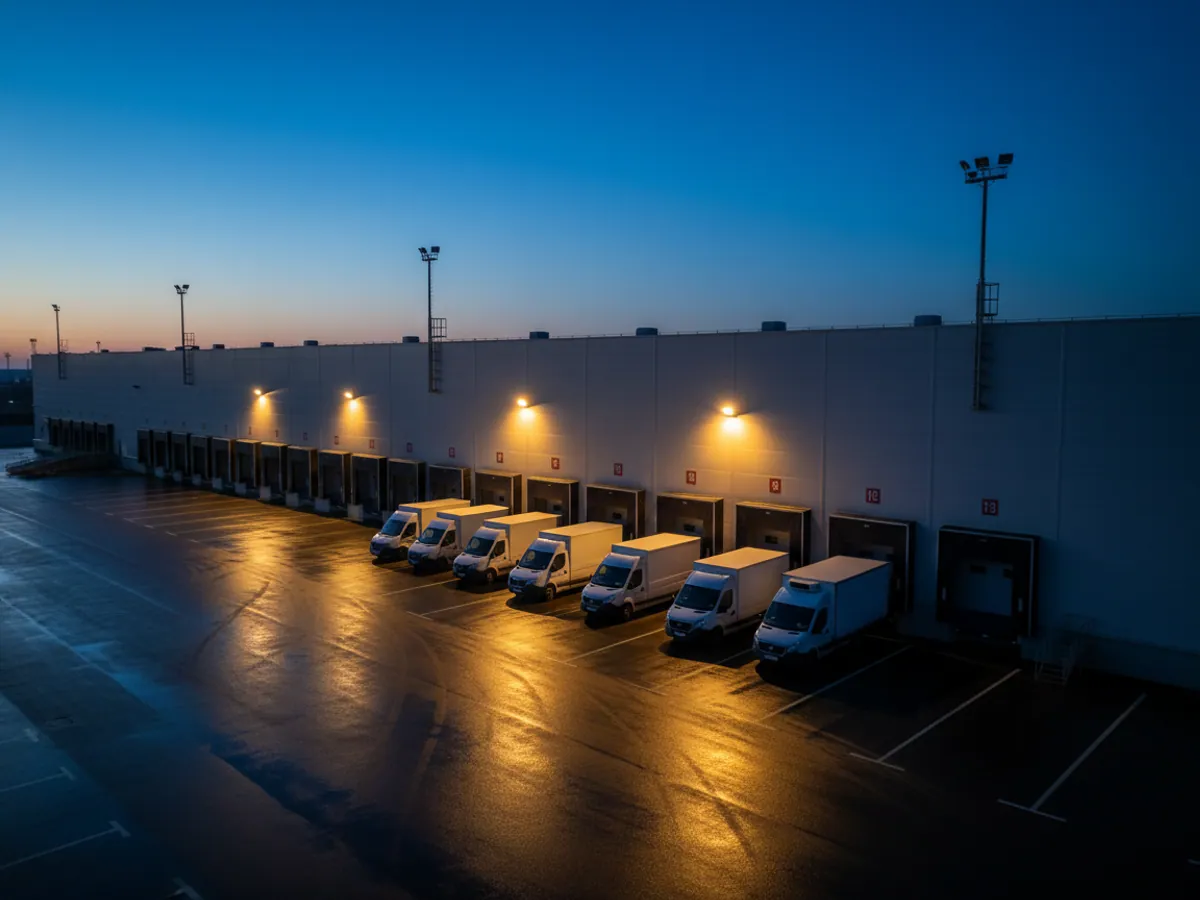
One run from the distribution centre: where the minutes go
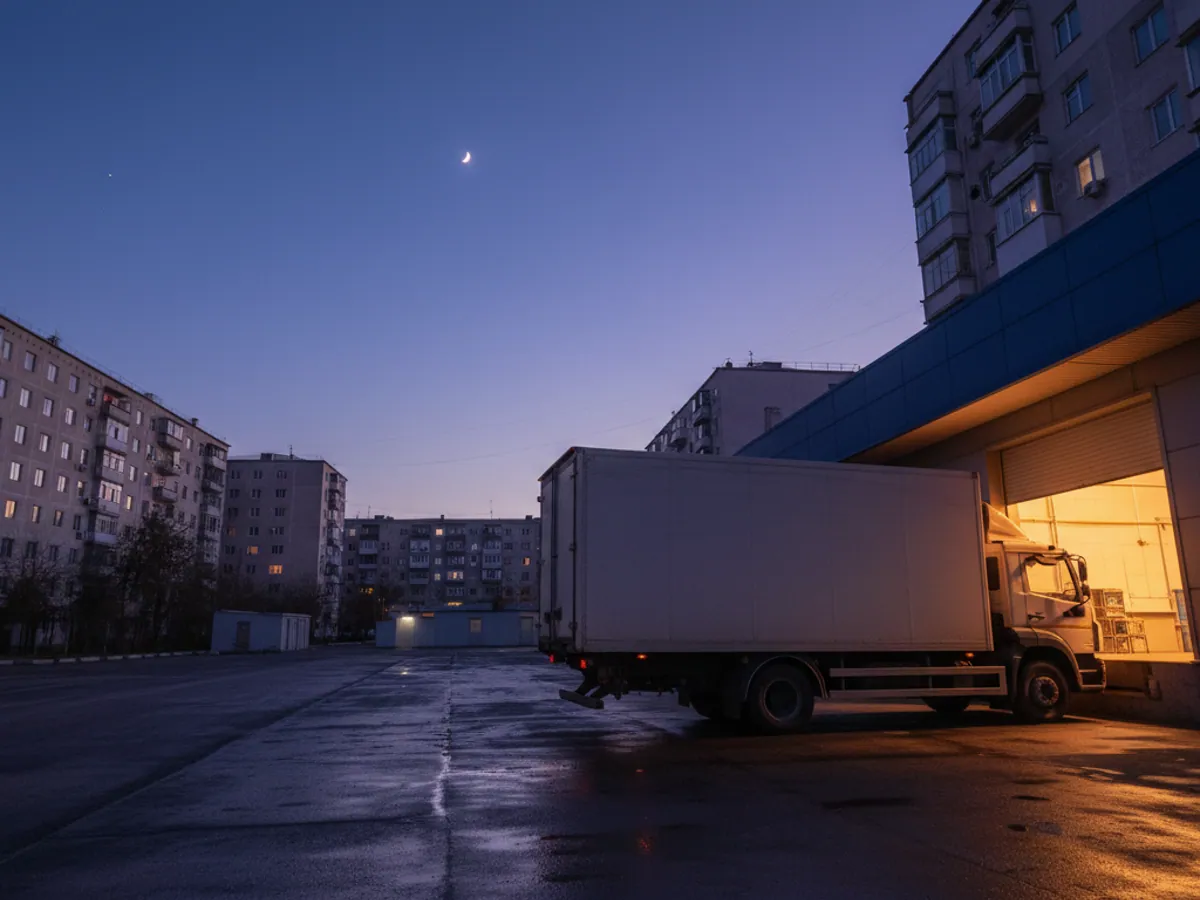
A typical night. An insulated van leaves the distribution centre on the edge of Baku at 4:40 with goods for six shops in the body: Yasamal, Nasimi, two addresses in Khatai and one on Gara Garayev. The plan has it at the first drop at 5:30.
Without monitoring the logistician learns about the problems in the morning. With monitoring he sees them as they happen:
- the vehicle stood at loading for 55 minutes instead of 25 — the delay happened at the warehouse, not on the road;
- at 5:10 the driver made a 20-minute stop outside his own home — a stop off the route is highlighted in the report;
- at the third drop the body doors were open for 40 minutes against an allowance of 20 for goods-in: the problem is on the shop's side, not the driver's;
- by 7:15 the arrival forecast for the last drop already shows a late arrival, and the shop manager is warned in advance.
An important detail: most of the late arrivals we look into at chains start not on the road but on the loading dock at the distribution centre. While there is no data, the driver is the one blamed.
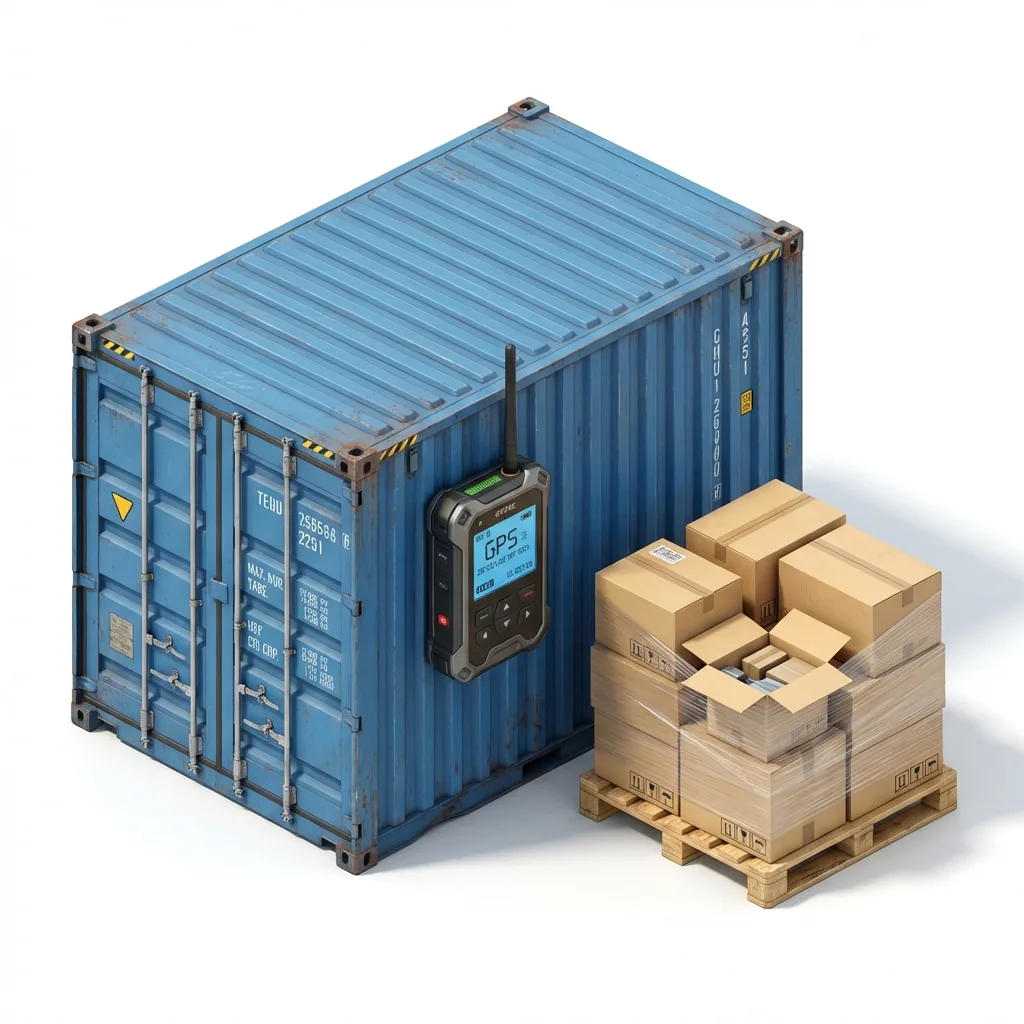
The dock, goods-in and the order: where the tracker stops
A delivery to a chain's shop is made up of four stretches, each with its own owner. Monitoring measures the time on all four well. The paperwork and the quantity of goods stay in the chain's accounting system.
- The order and the run. The shop's order is created in the ERP and the distribution centre assembles it into a run. The run number and the list of shops with their windows go to Wialon through the exchange with 1C or SAP; if there is no exchange yet, the logistician loads the route as a file.
- Waiting for the dock. The vehicle has entered the shop's geofence, the doors are shut and it is standing. That waiting time is a column of its own in the report. For shops with a shared yard it shows how to stagger the windows for your own vehicles, the hired ones and the suppliers'.
- Unloading. From the doors opening to their closing, according to the sensor. How many boxes were carried in and whether that matched the consignment note, the tracker does not know — that is the shop's goods-in record.
- Closing the delivery. Leaving the geofence. The actual arrival, the waiting time and the unloading time go back into the ERP, while the shop sets the status of accepted, or accepted with a discrepancy, in its own system.
The report for the logistics meeting is assembled from these stretches: shop, window, arrival, wait for the dock, unloading, departure, the temperature by the doors at the moment they were opened, and the goods-in record from the ERP. When waiting and unloading are in separate columns, the argument over whether the driver was late or the shop was not taking deliveries is usually settled on the data, without mutual accusations.
Where a chain loses money on delivery
The losses rarely look like one big incident. They are dozens of small failures that add up over a month:
Out of stock at opening
The delivery arrived after 9:00 and the goods were not out for the morning rush. The shopper buys coffee and bread at the supermarket next door.
Cold chain write-offs
The driver switched the refrigeration unit off to save fuel in the traffic on Tbilisi Avenue. The shop refused the yoghurts and the chain wrote the consignment off.
A queue at the dock
Three vehicles arrive at the same shop at once: your own, a hired one and a supplier's. The yard is tight and unloading drags on for two hours.
Short deliveries with no trace
Boxes go missing between the distribution centre and the shop. Whether the doors were opened on the way rather than at the drop is impossible to tell without a sensor.
A hired haulier nobody can see
In season the chain takes on extra hauliers, and their vehicles live outside the system. There are late arrivals but no evidence, and nothing to calculate a KPI from.
What the chain's logistician sees
Plan against actual for the goods-in windows
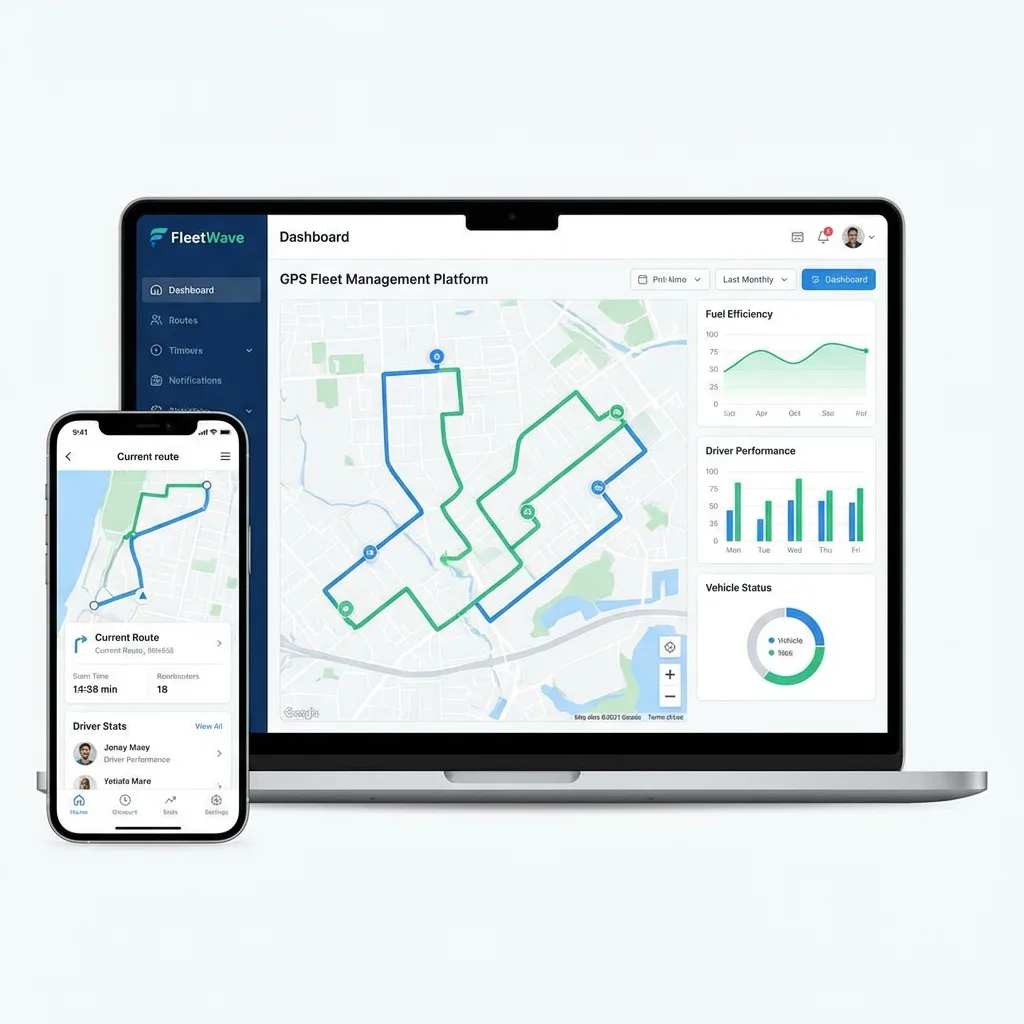
Every shop is set up in Wialon as a geofence with a goods-in window. The night's route sheet is loaded from the accounting system or by hand. The system records the arrival, the unloading time and the departure from each drop by itself.
In the morning the late arrivals report shows which shops received their goods outside the window and by how much. Over a month the statistics build up by route: which windows are unachievable in principle and need to be moved, and which are missed because of particular drivers.
The estimated time of arrival can be given to the shop manager by a link, or passed through the API into your ordering system.

What equipment we fit to a chain's vehicles
The kit depends on the body and the task. For most chains three configurations are enough.
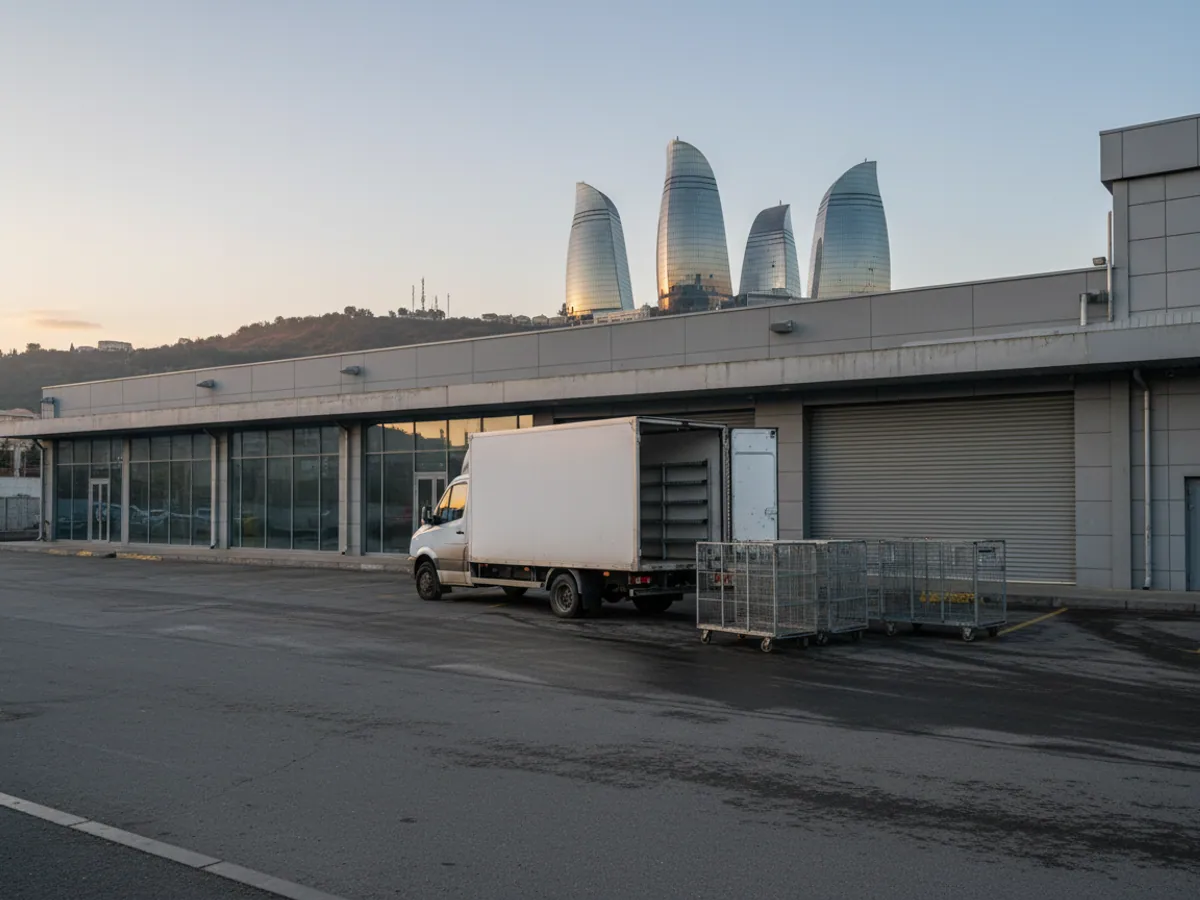
- A dry van (Isuzu, Hyundai HD, Ford Transit). A Teltonika FMC130 or FMC920 tracker and a door opening sensor. If the vehicle runs to the regions, we add a fuel level sensor.
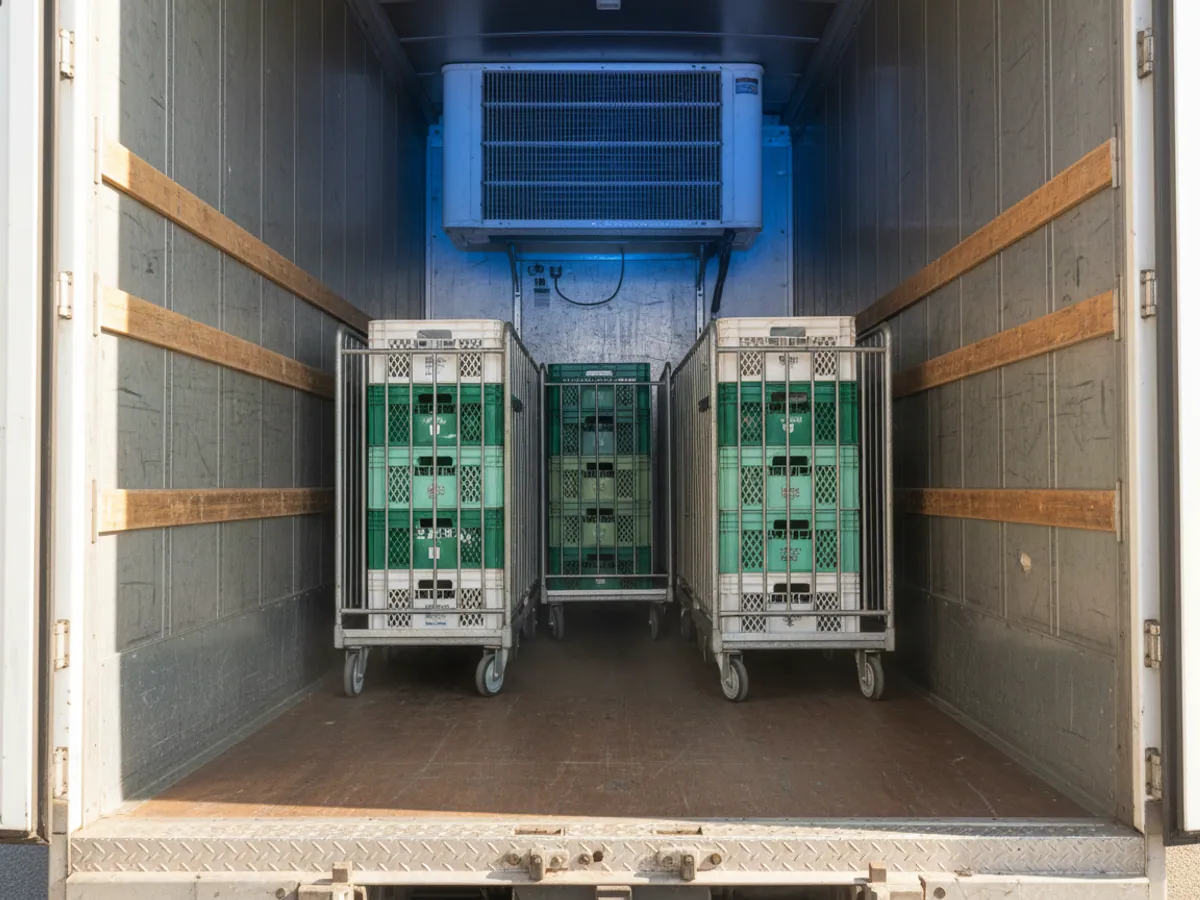
- A refrigerated vehicle. A tracker plus wireless BLE temperature sensors, a door sensor and the running signal of the refrigeration unit. There is more about setting up the cold side on the page about cold chain monitoring.
- A hired vehicle for the season. A magnetic tracker powered from the cigarette lighter, or a mobile app if all that is needed is the track and the stops at the drops.
A wired sensor on the body door takes an hour to an hour and a half to fit. Its installation is covered by the door opening sensor installation service. Wireless sensors are more convenient where the body is washed often and pallets are loaded right up against the walls.
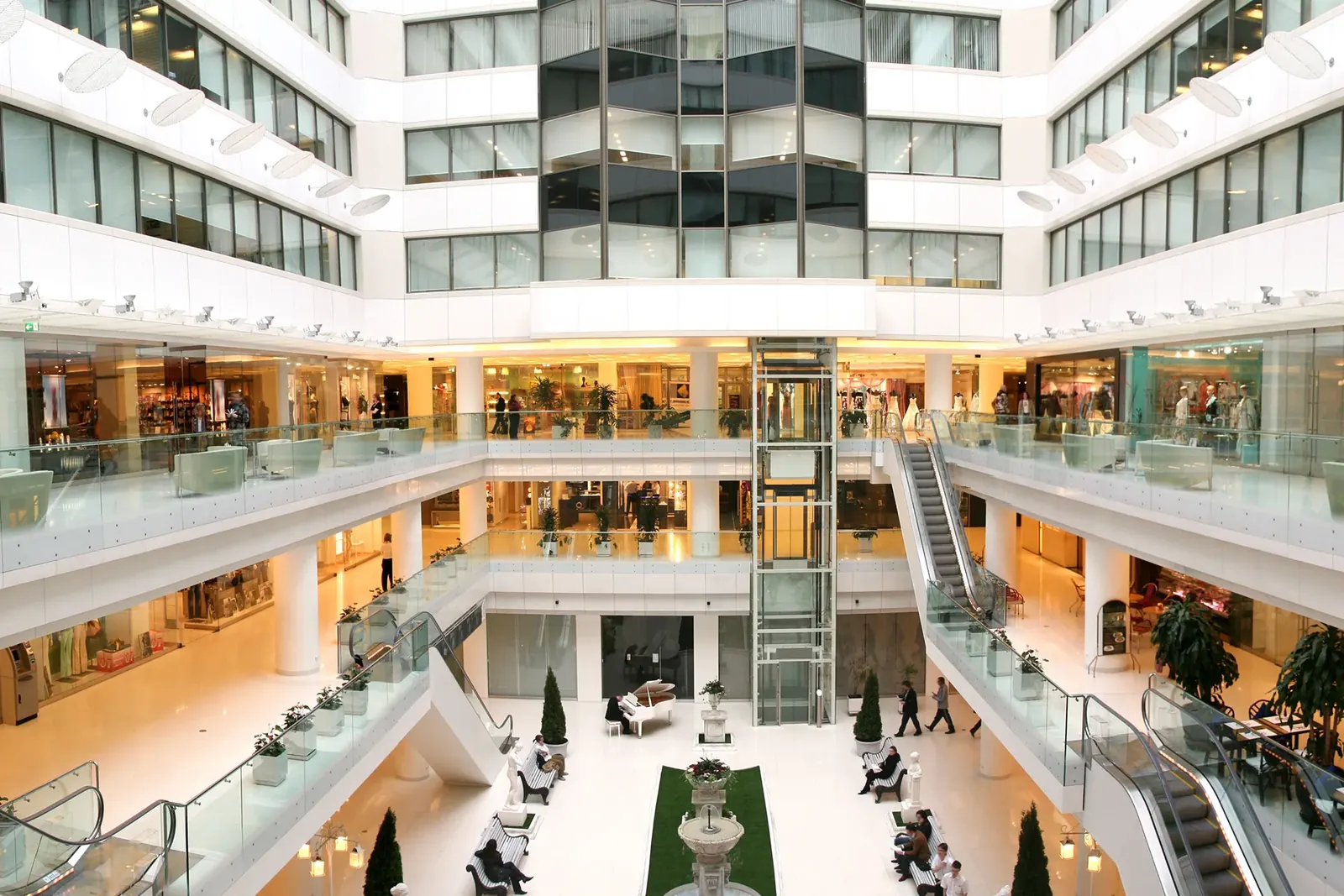
One limitation is worth knowing in advance: in the underground unloading area of a shopping centre GPS cannot see the satellites. The tracker will record the entry and the exit and count the time inside from the last point. For goods-in purposes that is enough.
How a roll-out at a chain goes
1. Surveying the routes
We take an export of the route sheets for 2–4 weeks, the list of shops with their goods-in windows and the composition of the fleet. We look at where there are already chronic late arrivals.
2. A pilot on 5–10 vehicles
We equip the most troublesome routes: usually night deliveries and the chilled circuit. The fitting is done at the distribution centre between runs, so the vehicle does not drop out of the schedule. For this stage the chain needs to provide a logistician to own it, the temperature corridors by product group and access to the route sheets. The acceptance criteria for the pilot are written down before the fitting: arrivals from the track reconciled with the shops' records, waiting for the dock and unloading separated in the report, every temperature notification looked into.
3. Geofences and goods-in windows
We set up every shop and the distribution centre as a geofence and enter the windows. We configure the notifications: late arrival, doors opened away from a drop, temperature out of range.
4. Integration with the accounting system
Route sheets are pulled from 1C or SAP and the delivery facts go back. The details are in the integration with 1C and SAP service.
5. Reviewing the first month
Together with the logisticians we go through the reports: which windows are unrealistic, where the hold-ups at the distribution centre are, which drivers are consistently late. After that we connect the rest of the fleet.
The mistakes we see most often at chains
Trackers are fitted and the goods-in windows are never entered. There is a dot on the map but no late arrivals report. The logistician goes on ringing drivers and the system hangs there as an open tab.
Temperature is measured with one sensor by the evaporator. At the cooling unit it is almost always +3 °C, while by the rear doors after three drops in summer it can be +11 °C. The shop measures at the doors.
Blame is not divided between the warehouse and the road. If the time spent loading is not recorded, every late arrival is put down to the drivers, and the good drivers leave the company.
Hired hauliers are left until later. Yet in December and in the run-up to Novruz it is the hired vehicles that carry a third of the volume.
People assume the tracker will sort everything out by itself. Without someone who opens the report in the morning and asks questions, the effect runs out in two months, once the drivers work out that nobody is looking.
How to work out whether monitoring will pay for itself
We do not promise a percentage saving in advance. We do the sums on your data under three headings.
Mileage. We compare the planned mileage of a route with the actual one. On city delivery rounds the difference before a roll-out is usually 10–20%: trips home, detours, extra loops. After two or three months of review it shrinks to 3–5%.
Write-offs. We take the write-offs of chilled and frozen goods that the shops recorded as having arrived warm. Some of them will disappear simply because the driver stops switching the chiller off.
The number of vehicles. If the routes are rebuilt around the real unloading times, one vehicle often manages 1–2 shops more. For a chain with 20 vehicles that sometimes means not having to take on three hired hauliers in season.
For a first rough estimate there is a savings calculator. We will work out the exact cost of the equipment and the subscription for your fleet.
What changes after 2–3 months
Late arrivals are visible before they happen
The shop knows about a delay in advance and reorganises goods-in instead of waiting at an empty dock.
Fewer disputes with the shops
The temperature graph and the time spent at the doors replace the exchange of it arrived warm and no, it did not.
An honest KPI for hauliers
Your own and hired vehicles are measured the same way. Whether to renew a contract is decided on the figures.
One picture for everybody
The logistician, the shop manager and the buyer look at the same data instead of forwarding each other screenshots from messengers.
Frequently asked questions
What is used in this sector
What we do end to end
Wialon modules for this sector
How it is used in this industry
Case studies from “Retail & Trading Networks”
Thinking of rolling out GPS monitoring in “Retail chains”?
Send us an enquiry and we will price it up for your fleet and pick the hardware for this sector: retail & trading networks.
- 1 We pin down the task
A specialist calls back and asks about the vehicles, how many there are and what you need to keep an eye on.
- 2 We put a solution together
We propose the hardware and the features, and set out the one-off and the monthly cost separately.
- 3 We agree the fitting
At your yard or at ours, on a schedule that keeps the vehicles working.
Request a call
A specialist will call back and match a solution to your fleet and your task.