

Monitoring of aggregate haulage (sand, crushed stone, soil)
GPS monitoring of tippers for hauliers and construction contractors who move sand, crushed stone, gravel and soil from the quarry to the site. Where the machine loaded, where it tipped and how much it carried.
A body-lift sensor, axle load monitoring and site geofences answer the main questions: short deliveries, loads tipped off along the way and unauthorised runs after the shift.

Logistics at volume
Construction in Baku and across Absheron, roads and housing in Karabakh, fill for industrial sites near Sumgait — all of it means thousands of tipper runs with aggregates every day. Howo, Shacman, Sitrak and old KamAZ lorries work from dawn until dark, often on piece-rate pay.
The client pays for the volume delivered to the site. The haulier pays the driver for runs. Between the quarry and the site lie 30–80 kilometres, and over that stretch anything can happen to the load: some of the crushed stone goes to a friend in a village by the road, the machine takes a detour on personal business, and after the shift it makes one more run for itself.
GPS monitoring with a body sensor turns every run into a chain you can check: loading inside the quarry geofence, the journey, tipping inside the site geofence. Any tipping anywhere else shows up immediately, with coordinates and a time.
Where the load disappears along the way
Take an ordinary run. A tipper loads crushed stone at a quarry in the Garadagh district and carries it to a site in Khirdalan. The track shows:
- 07:52 — leaves the quarry geofence, body sensor reading down;
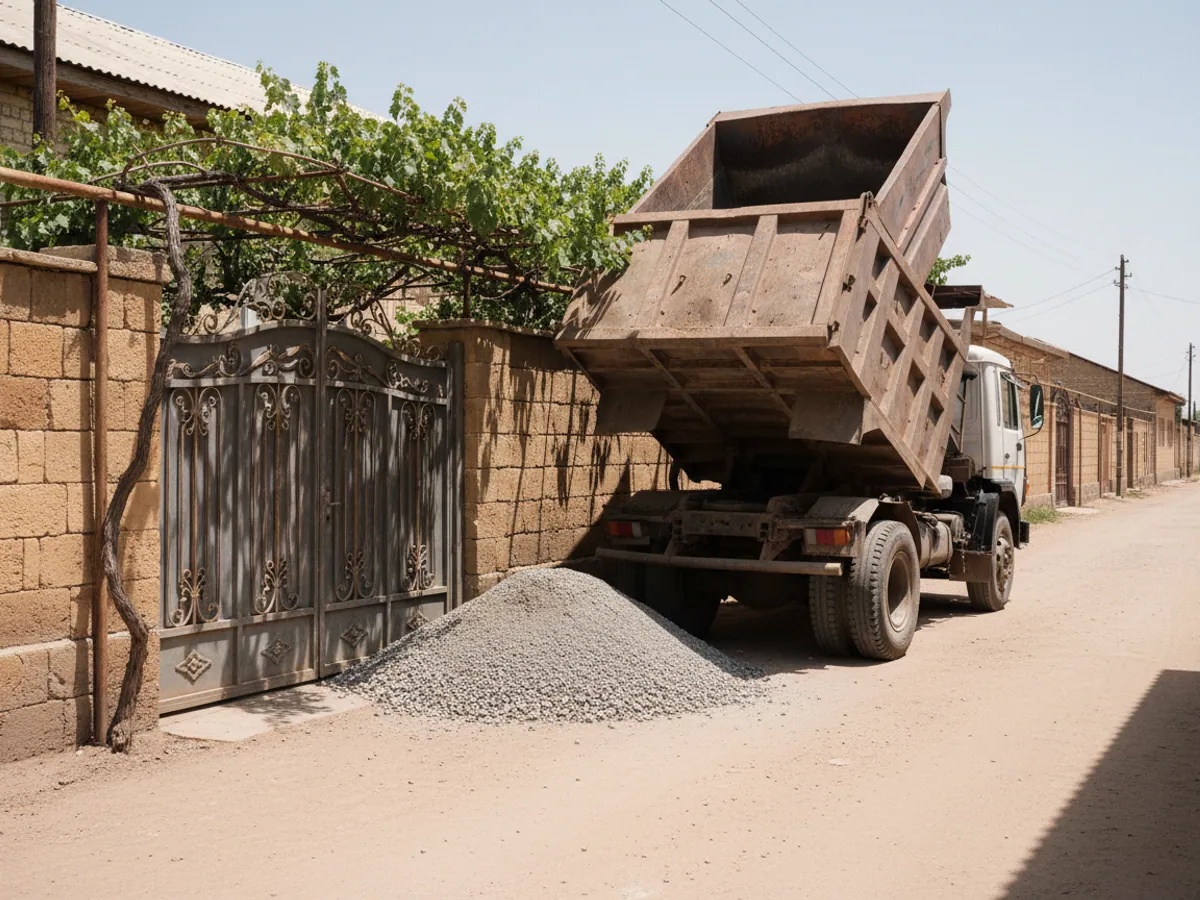
- 08:31 — a 7-minute stop at a private house in a village along the way, body raised for 40 seconds;
- 08:58 — enters the site, tips in the permitted zone.
Forty seconds of body lift is a couple of cubic metres of crushed stone, and you cannot see that missing from the body by eye. At the site weighbridge the shortfall will be written off as settlement or measurement error, if there is a weighbridge at all. With a body sensor that stop becomes its own line in the report, with an address and a time, and the notification reaches the manager while the machine is still on the road.
A one-off is grounds for a word with the driver. One that repeats at the same spot is grounds for a different conversation.
The risks of hauling bulk loads
A bulk load divides easily and carries no markings. So the schemes here are simple and widespread:
Short delivery
A couple of buckets are tipped off along the way. The loss is invisible in the body, and at a site with no weighbridge nobody will spot it.
Unauthorised runs
After the shift the driver makes another run for a private customer, in your lorry and on your fuel.
Padded run counts
The sheet says 9 runs, and the track shows the machine was at the quarry 7 times. On piece-rate pay the difference comes straight out of the till.
Inflated mileage
A detour on personal business, or a spun speedometer to write off more fuel. The track shows the real journey regardless of the speedometer.
Overloading
The driver asks for a bit more on board so as to make fewer runs. The axles, springs, tyres and the road all suffer, and the owner pays the overloading fine.
Tools for controlling tippers
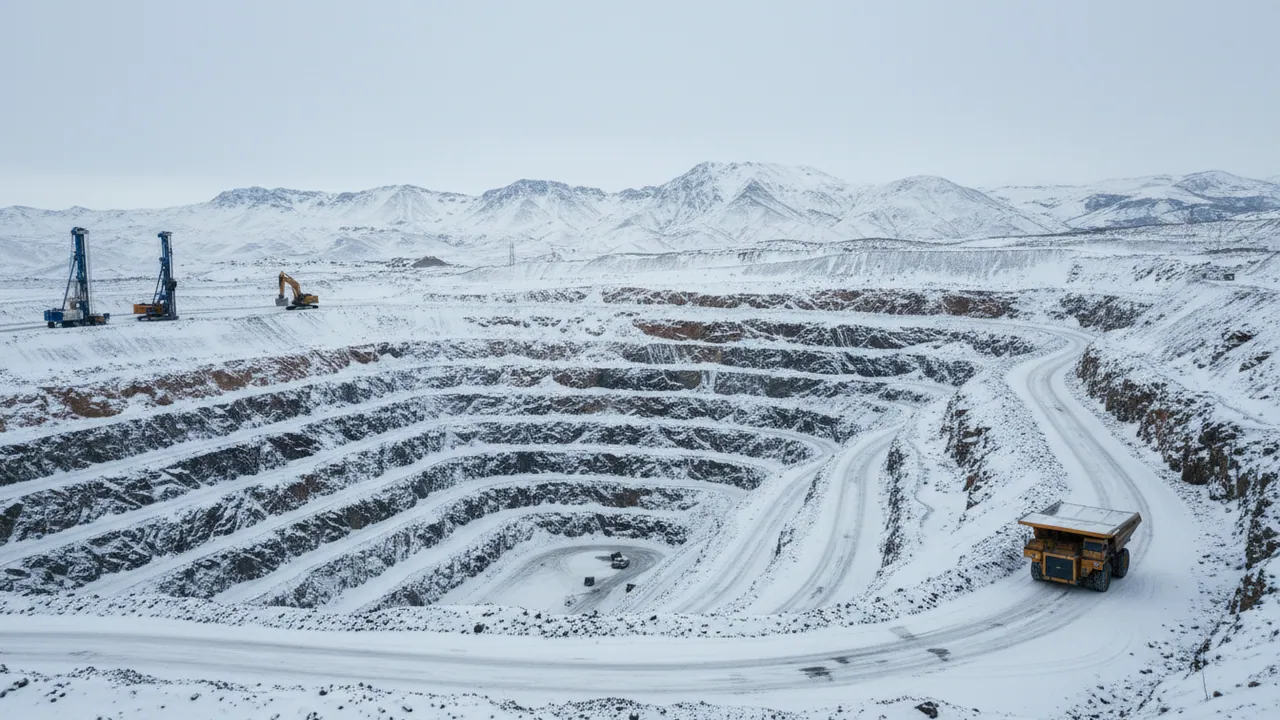
The body-lift sensor
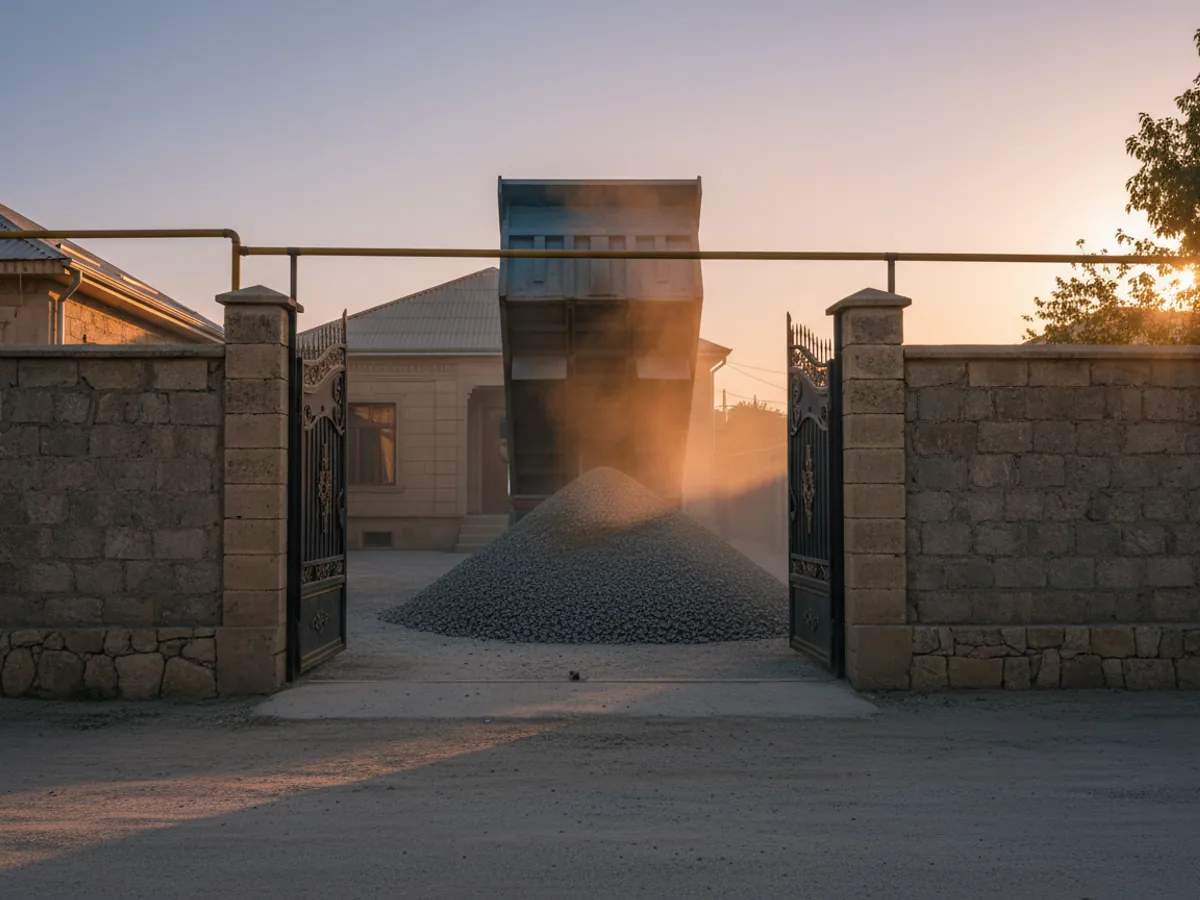
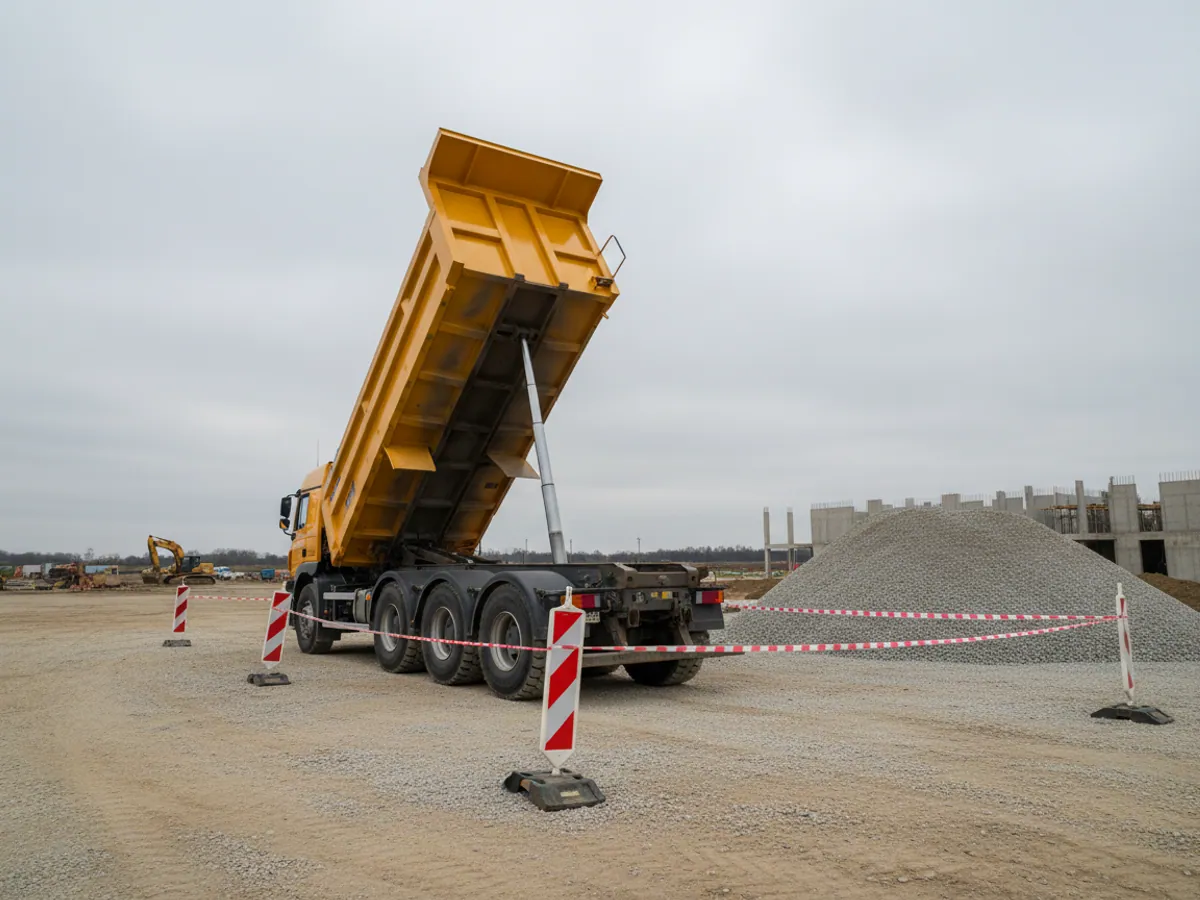
A body position sensor shows every lift with coordinates and duration. Tipping inside the site geofence counts as a run; tipping anywhere else raises an alert. Fitting is described on the tilt sensor fitting page.
To avoid false readings on bumps and ramps, we set a filter on angle and time: a lift only counts if the body is raised above a set angle for longer than a few seconds.

Tying in with the site weighbridge
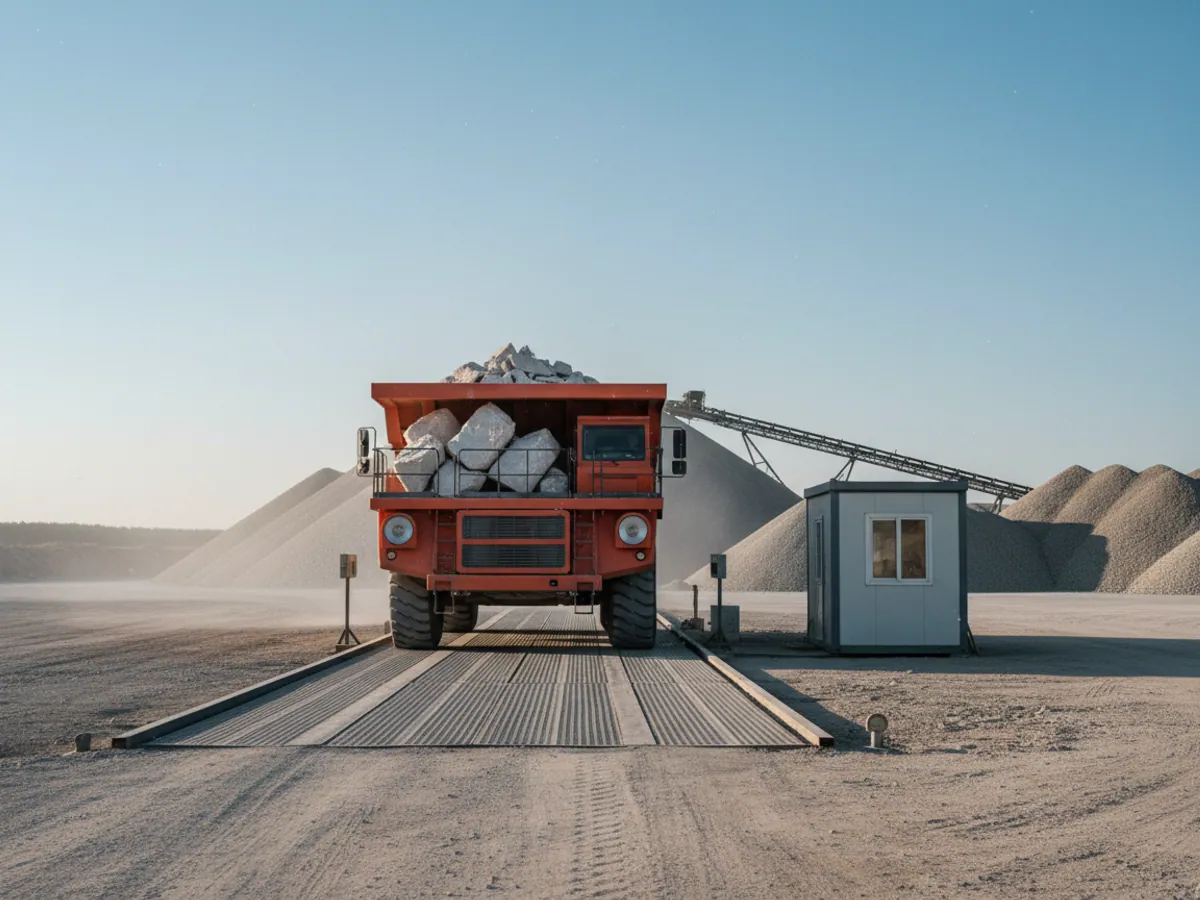
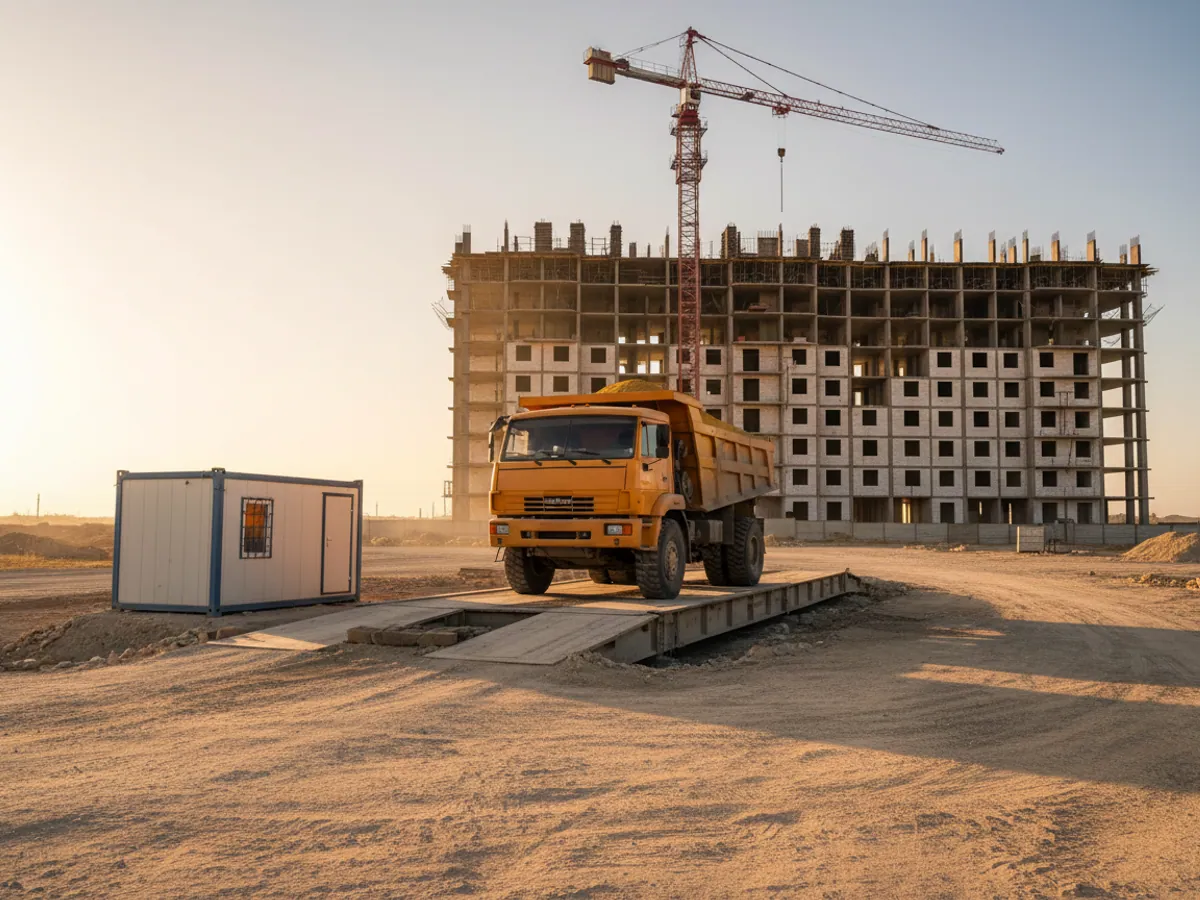
If the site or the quarry has a weighbridge, monitoring data and weighing data can be matched up. The tipper drives on, the scales record gross and tare, and the track shows which quarry it left and when, and whether it stopped along the way with the body raised.
The less manual entry, the better. With integration into the accounting system, the run, the weight and the vehicle number land in it automatically, and the reconciliation statement with the client or supplier is assembled without a paper sheet.
Where there is no weighbridge, the body sensor and the axle load sensors become the support. That is enough to see runs and tipping points, and to keep an eye on mass within a reasonable margin of error.

Reconciling a run: track, weighbridge, tipping and the client's paperwork
Every run with sand or crushed stone usually has four pieces of evidence, and they live in different places:
- The track: departure from the quarry geofence, the route, the stops, the arrival on site. That is monitoring data.
- The weighbridge: gross and tare at loading in the quarry, sometimes at the site too. That is a measurement, and the money is counted on it.
- The tipping: a body lift inside the site's permitted zone, from the sensor.
- The client's paperwork: a consignment note, a ticket or the foreman's sign-off on receipt.
A run counts as confirmed when all four agree. If they do not, that is not automatically the driver's fault: the site geofence may be out of date, the scales may have glitched, the foreman may not have signed. The report shows which link is missing, and a person takes it from there.
Automatic reconciliation needs shared keys: the vehicle number in the same format in every system, and times from the same clock. If the client issues its own tickets, it helps to enter their numbers into the system at tipping — through the foreman's or the driver's mobile app. Without that, reconciliation is still possible but is done by hand on the date and the vehicle number.
How to pay drivers and subcontractors on the data
A run is a pair of geofences
What counts is loading inside the quarry geofence and tipping inside the site geofence. Anything else is not a run, whatever the driver calls it.
The payment sheet comes from the report
The number of runs per shift and per month comes from the system. The clerk at the gate is left to check the disputed cases rather than write down every lorry.
Hired lorries are in the system too
Subcontractors get a tracker for the duration of the job, or we take data from their own trackers. They are paid on the same rules as your own drivers.
A penalty for tipping off site
The rule goes into the contract with the driver and the subcontractor in advance. Then the conversation after an alert is a short one.
Common mistakes at launch
Most complaints about the system in the first month come down not to the equipment but to the setup:
The site geofence is too small
The site grows, the tipping point moves, and the geofence stays where it was. Honest runs turn into alerts, and the drivers get angry.
A body sensor with no seal
Disconnecting the sensor or its wire is not hard. We seal the connectors and set an alert on a broken circuit, otherwise a resourceful driver will soon find out.
No rule for partial tipping
On site the load is often dropped in two places. If that is not written into the rules, the system will flag breaches where there are none.
A pilot on one site: what we need and how we accept it
For the pilot we take one quarry — site lane and 3–5 tippers, including subcontractors' machines where there are any. It runs 2–3 weeks.
What we need from you: the coordinates of the quarry and of the tipping points on site, the weighbridge log for the same period, copies of the client's notes or tickets, and the rule for partial tipping if the load is dropped in two places on site.
Acceptance criteria:
- the body sensors have been checked with a control lift and the bump filter is set;
- every run in the report either has the status confirmed or says which link is missing;
- the number of confirmed runs has been matched against the drivers' payment sheet;
- the site geofences have been updated to the current tipping point.
An example run report: vehicle, driver, time of loading and departure, weight from the weighbridge, stops and body lifts along the way, the time and place of tipping, the number of the client's document, the reconciliation status.
How to estimate the payback for your own fleet
We price the exact kit against the fleet, but the payback is easy enough to estimate yourself before you call. You need three figures from your own practice.
- How many runs a day the fleet makes and what the material in one body is worth.
- What share of runs, by your own sense of it, are short-delivered or made for the driver's own account. Even one run in thirty is a noticeable sum over a month.
- How much fuel goes on a lorry per month, and how far actual mileage may differ from what the waybill records.
Multiply the losses by the working days and compare with the cost of the equipment and the subscription. If the fleet works on piece rates and hauls long distances, the sums usually favour monitoring within the first season. If you have three lorries working inside one district, the effect is more modest, and it is better to know that in advance.
Other solutions for extraction and processing, from quarries to exploration, are gathered in the GPS monitoring in the mining industry section.
What the haulier and the contractor get
The load reaches the site
A body lift outside the permitted zone is visible with coordinates and a time, provided the sensor is working and sealed. A break in the sensor circuit comes through as an alert too.
Fewer fines
Axle load monitoring shows overloading back at the quarry, before the lorry reaches public roads.
Transparent pay
Drivers and subcontractors are paid for confirmed runs. The payment sheet is assembled from the system.
Safety on the highway
Speed monitoring for loaded tippers on descents and through settlements reduces the risk of rollovers and collisions.
Frequently asked questions
What is used in this sector
What we do end to end
Wialon modules for this sector
How it is used in this industry
Case studies from “Mining & Quarrying”

Ore haulage control: load weight and satellite
Agriculture, construction and mining

Plant tracking with no jumps or gaps in the track
Agriculture, construction and mining

Where the miners are underground: ATEX beacons
Assets and workforce
Thinking of rolling out GPS monitoring in “Aggregates”?
Send us an enquiry and we will price it up for your fleet and pick the hardware for this sector: mining & quarrying.
- 1 We pin down the task
A specialist calls back and asks about the vehicles, how many there are and what you need to keep an eye on.
- 2 We put a solution together
We propose the hardware and the features, and set out the one-off and the monthly cost separately.
- 3 We agree the fitting
At your yard or at ours, on a schedule that keeps the vehicles working.
Request a call
A specialist will call back and match a solution to your fleet and your task.