
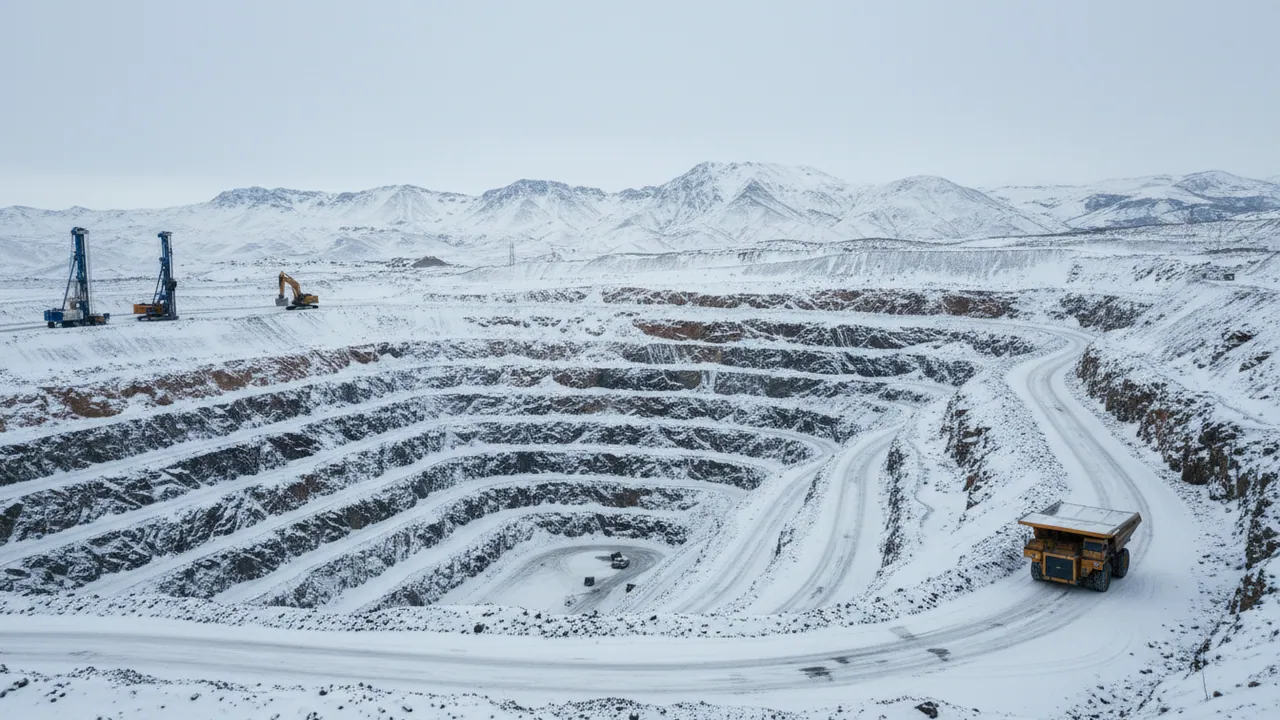
GPS monitoring and dispatching for mining equipment
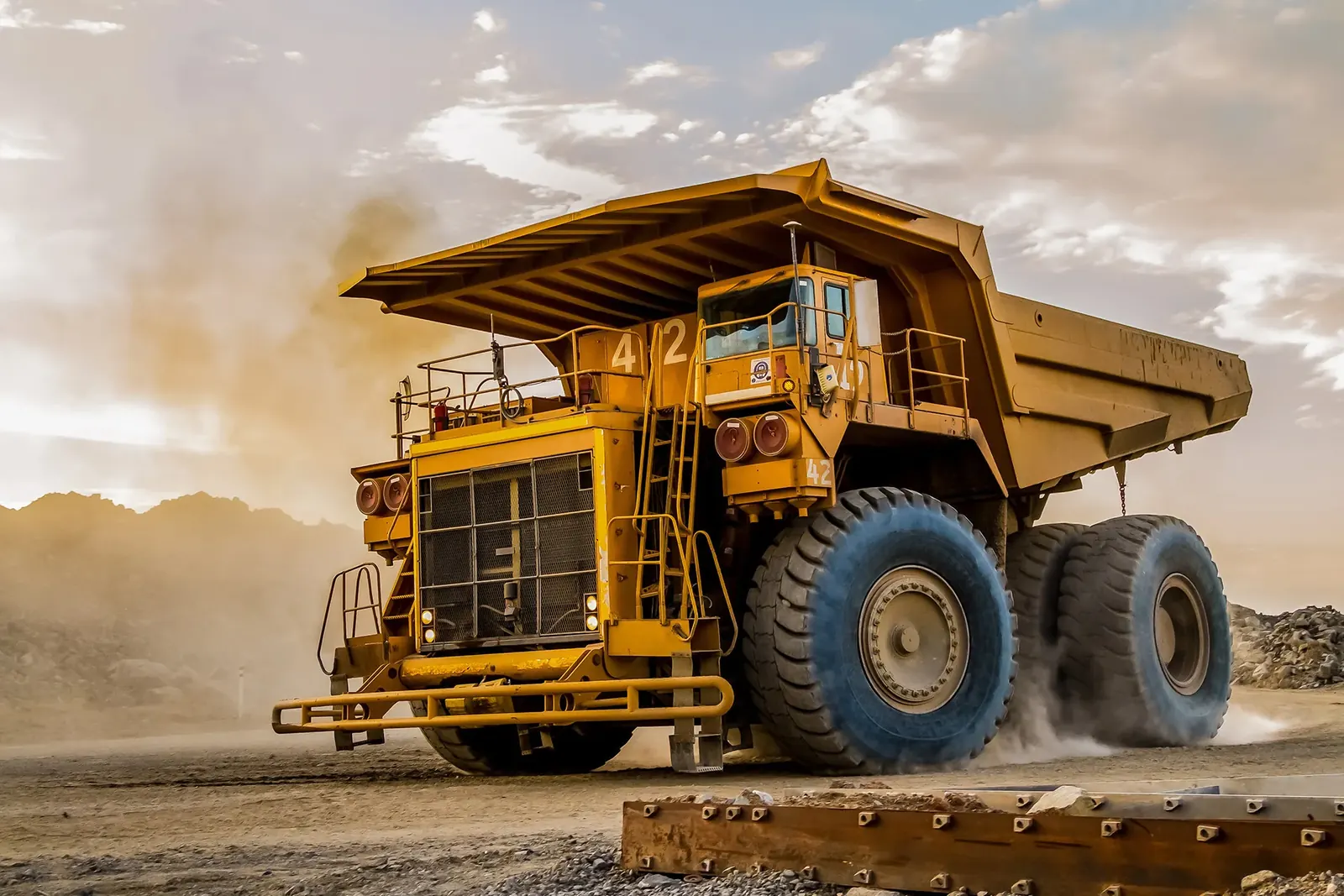
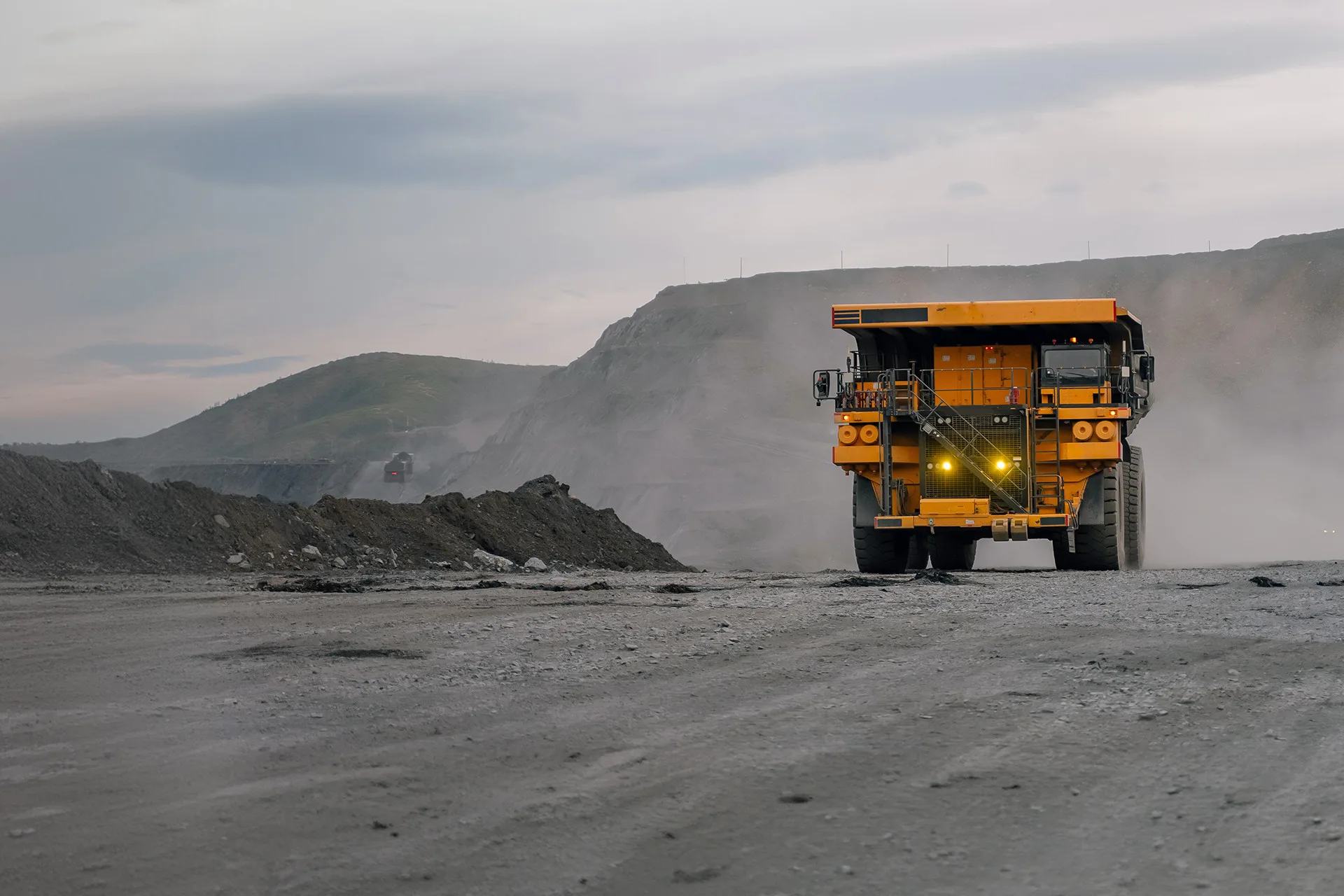
Monitoring of the haulage fleet in open-pit mining: rigid and articulated haul trucks, excavators, drill rigs, bulldozers and support machinery. The load — haul — dump cycle, fuel, tyres and safety on mountain switchbacks.
For the mines and deposits of the Lesser Caucasus, where machines work in the mountains, on snow in winter and a long way from any service base.
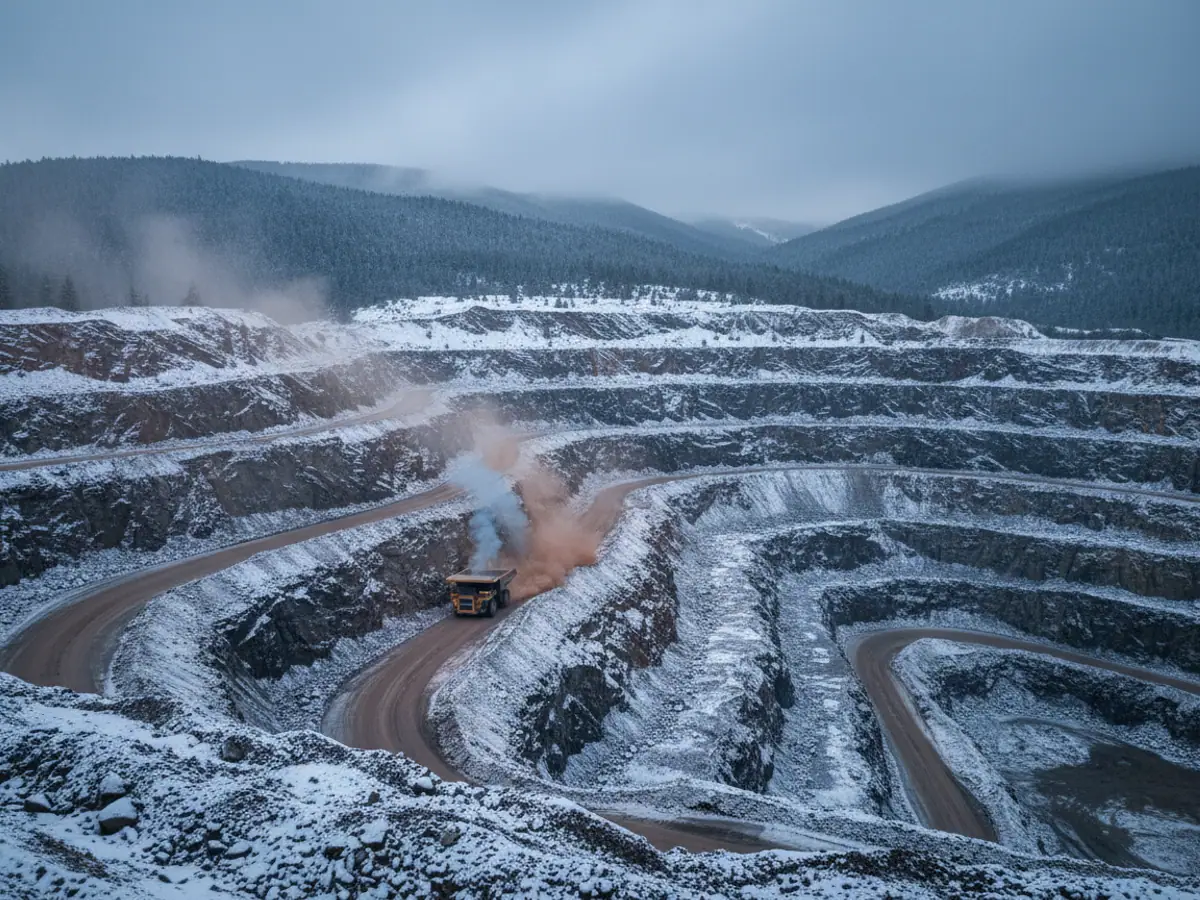
Productivity on harsh terrain
Ore in Azerbaijan is mined mostly in the mountains: the Gadabay and Dashkasan districts, Kalbajar and other parts of the Lesser Caucasus. Switchbacks with hundreds of metres of elevation change, narrow haul roads, fog and snow in winter. A loaded truck runs down to the dump or the plant, an empty one climbs back to the face, and every one of those cycles costs fuel, tyres and time.
In mining there are no small details. A truck that spends 15 minutes queueing at an excavator loses a run over the shift. A tyre that has run a week under-inflated wears out early, and it costs far more than a car tyre ever will. One extra litre per engine hour on each machine adds up to tanker loads over a year.
GPS monitoring with fuel level sensors, tyre pressure sensors and load sensors gives the dispatcher and the chief engineer the picture that used to be pieced together from radio calls and shift logs. How many runs, how many tonnes, where the queue is, which machine is overheating, who comes down the switchback faster than allowed.
The load — haul — dump cycle in figures
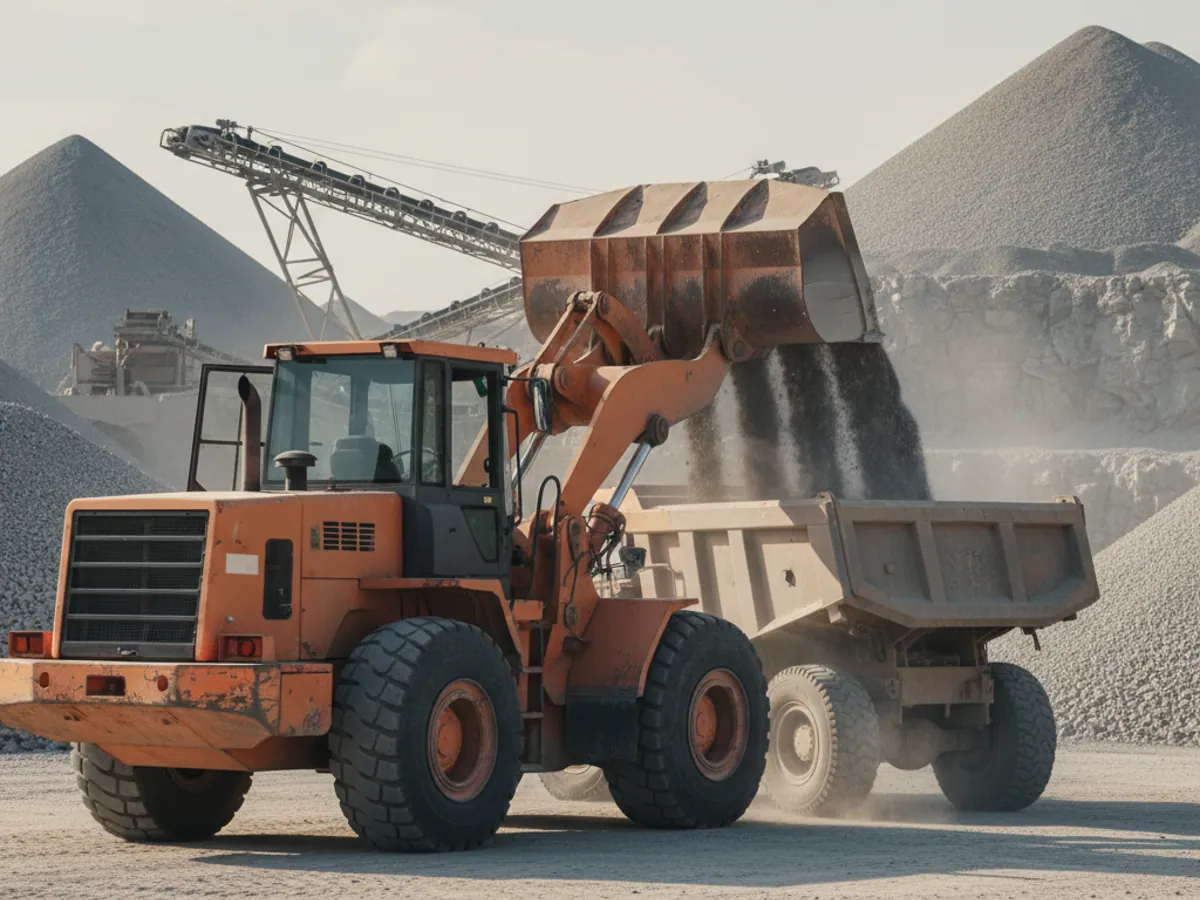
We set up geofences for the faces, the ore stockpile, the waste dumps and the plant's receiving hopper. From there the platform breaks each truck's work down into stages on its own:
- waiting in the queue at the excavator;
- loading;
- hauling loaded;
- dumping at the waste dump, the stockpile or the hopper;
- returning empty.
That adds up to a shift report: the number of runs on each route, the average cycle time, the time spent queueing. The dispatcher sees three trucks standing at an excavator on one bench while on another the excavator waits with no trucks at all, and moves machines across within the same shift.
If the machines carry a body-lift sensor, it is also clear where exactly a truck tipped its load. Ore sent to the waste dump by mistake hurts reserve accounting far more than it hurts the fuel bill, and cases like that are best caught the same day.
Sensors for mining equipment
Level sensors in large tanks
The tanks on haul trucks and excavators are large and awkwardly shaped. We fit one or two level sensors in them, for example the Escort TD-600, and calibrate the tank step by step. A two-sensor layout compensates for the tilt that mountain roads produce in abundance.
Every fill from the fuel bowser and every drain shows up on the chart. Consumption is counted per engine hour and per tonne of rock moved, not against the manufacturer's norm.
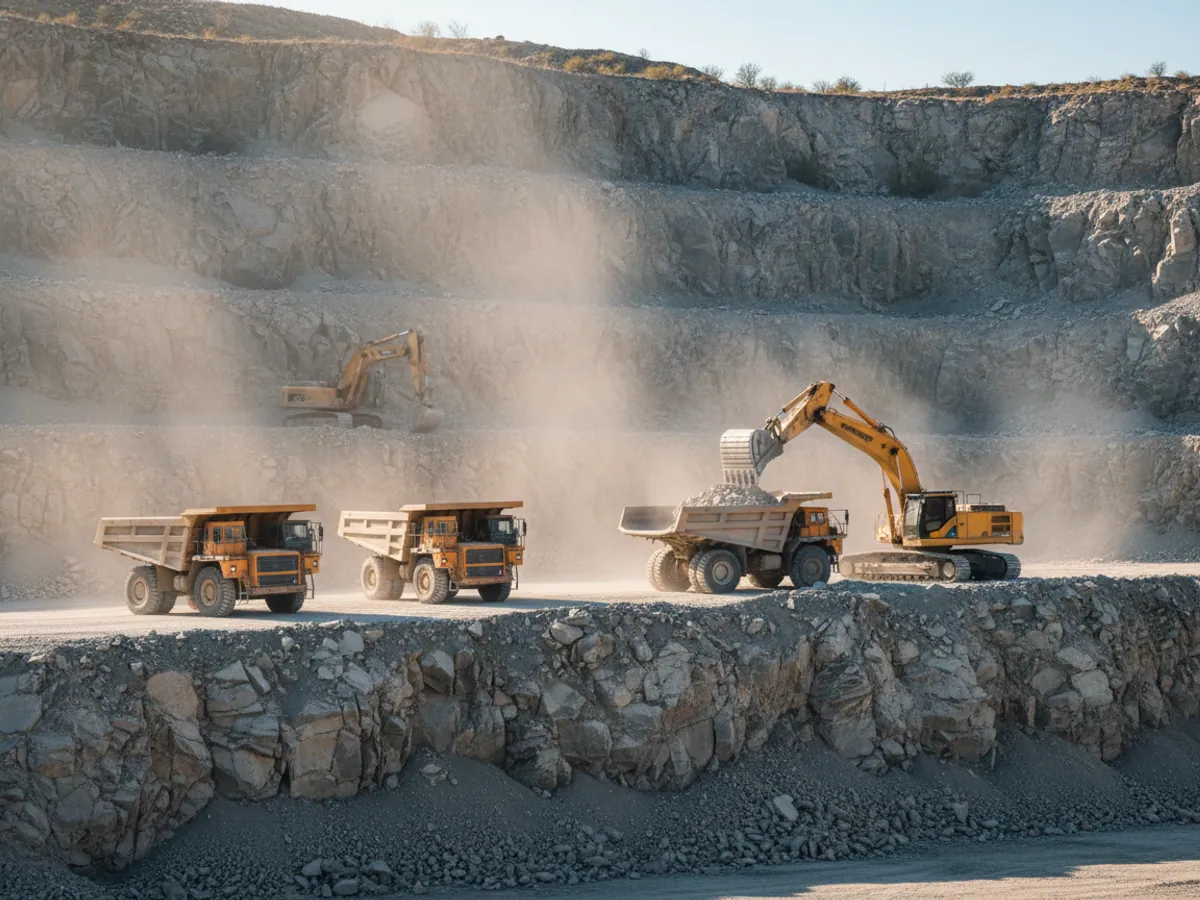
Where productivity leaks away
A mining operation loses money not through one big hole but through many small ones. Monitoring makes them visible:
Queues at excavators
Trucks wait to be loaded while on the neighbouring face an excavator stands with nothing to fill. The minutes add up to lost runs.
Fuel burnt at idle
Machines warm up and wait with the engine running for hours. In winter in the mountains there is a great deal of this.
Padded run counts
The number of runs in the shift log does not match reality. On piece-rate pay that is money straight out the door.
Under-loading and overloading
An under-loaded truck makes extra runs, an overloaded one wears out faster. Without weighing neither of them is visible.
Coverage deep in the pit and on the dumps
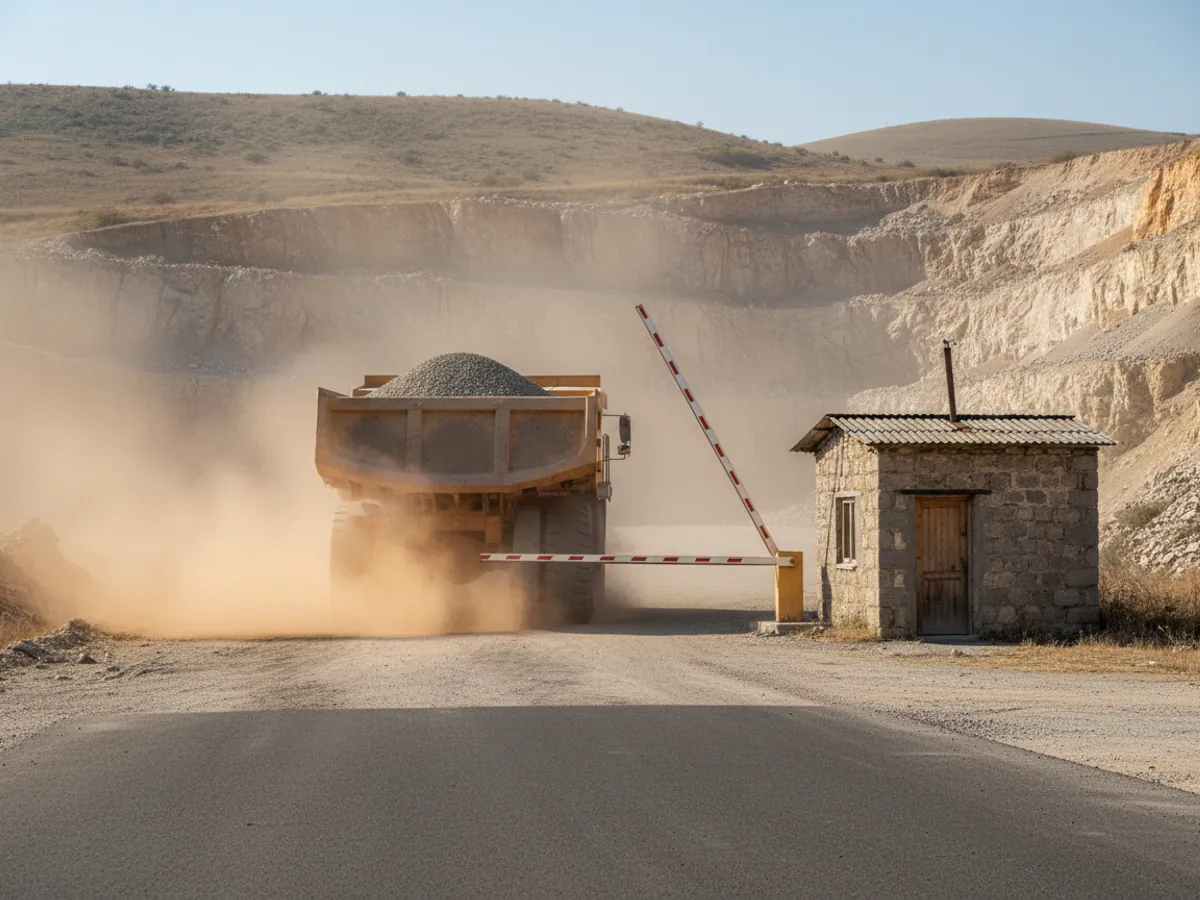
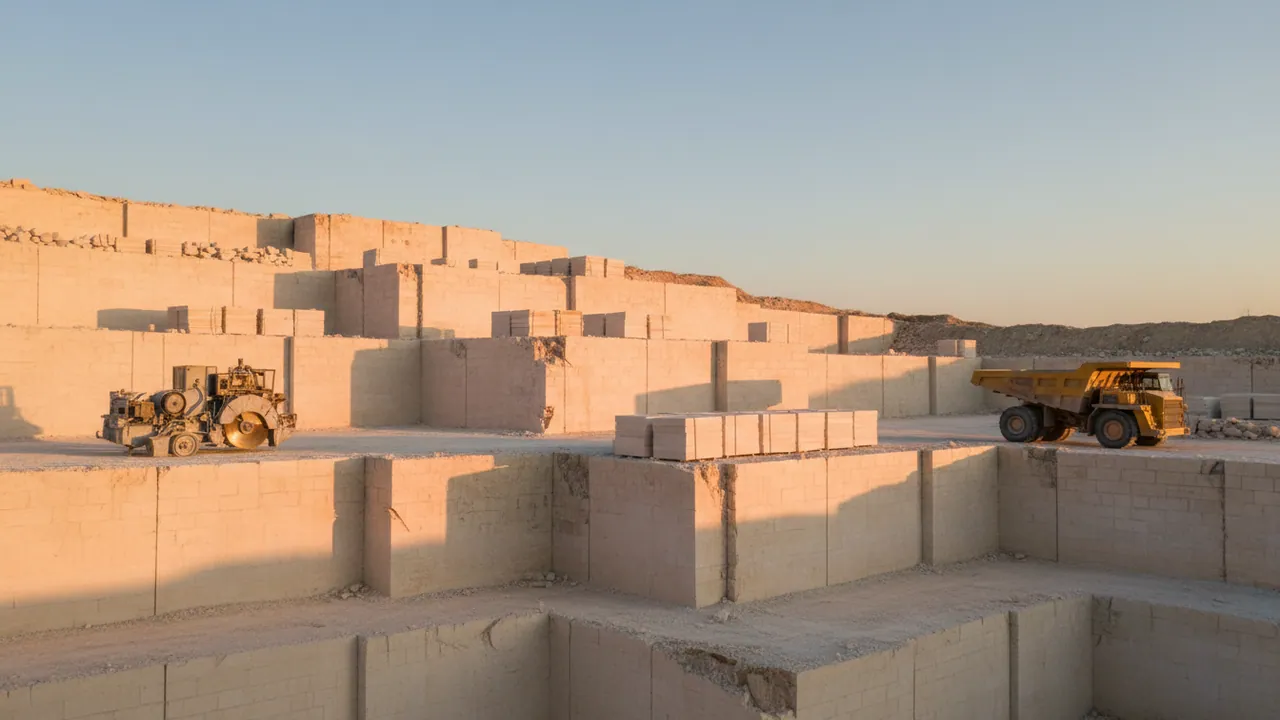
Mobile coverage in the mountains is patchy, and at the bottom of a deep pit there may be none at all. The tracker does not lose data in that case: it keeps points and events in memory and sends them as soon as the machine climbs back into coverage. That is enough for the shift report, although on the live map the machine may appear to freeze in the meantime.
If the site has its own network — a private LTE or Wi-Fi network across the pit — trackers can be connected through it. For fixed installations and distant dumps with no coverage at all, we discuss satellite options.
Before fitting anything we drive the main routes with a test device and see where the signal drops. That shows in advance which stretches will report with a delay.
Drill rigs and support machinery
On drill rigs we track engine hours, rotary head operation and movements between holes. The chief engineer sees the real running time, and the mine foreman sees how much of it the rig spent drilling and how much it spent tramming or standing still.
Let us be honest straight away: guiding a rig onto a hole to centimetre accuracy is a job for specialised high-precision positioning systems. A GPS tracker gives accuracy of a few metres and answers the question of where and how long a machine worked, not where exactly to drill. If the rigs already carry such systems, their data can be combined with monitoring data.
Bulldozers, graders, water trucks for dust suppression and fuel bowsers all go onto the same system. More on running-time accounting on the engine hours accounting page. The other areas of mining and processing are covered in the monitoring in the mining industry section.
Monitoring and a mine dispatch system: how they sit together
Large mines often already run a specialised mine dispatch system: real-time assignment of trucks to excavators, on-board terminals and a radio network of its own. We are not offering to replace it. That is a different class of system, one that optimises how machines are allocated as the shift unfolds.
Where Wialon is useful alongside it:
- Machines outside the dispatch system. The support fleet, fuel bowsers, water trucks, crew buses, contractors. They are usually not fitted with expensive on-board terminals.
- Fuel and tyres. Tank level sensors and tyre pressure sensors give the engineer and the accounts department data the dispatch system may not hold.
- An independent cross-check. Runs counted by geofence in Wialon can be compared against the dispatch system and the shift log.
Where there is no dispatch system, the load — haul — dump cycle built on geofences gives a basis for accounting and for analysing queues after the shift. Wialon does not assign trucks to excavators automatically in real time; the decision to reallocate stays with the dispatcher.
Exchanging data between the systems is possible through the API, but how much of it depends on which interfaces your mining software vendor opens up. We establish that during the survey, before making promises.
How a rollout at a mine works
Survey and coverage test
We inspect the machines, tanks and wiring, and drive the routes with a test tracker. The output is a fitting plan and a map of the areas without coverage.
A pilot on one bench
We connect a few trucks and one excavator, and on those we check the geofences, the cycle counting and the tank calibration.
Fitting across the whole fleet
We work to the maintenance and shift-change schedule so as not to hold up production. The crew works on site.
Reports for each department
Cycles and queues for the dispatcher, fuel, tyres and engine faults for the engineer, speed and fatigue for health and safety.
Integrations
Passing data into the site's accounting system and into mining and geology software through the API. The scope of integration is quoted separately.

A pilot on one bench: inputs and acceptance criteria
What we need from the site: a bench plan with the faces, stockpiles, dumps and receiving hopper; a list of the pilot machines with models and any factory weighing fitted; shift logs and refuelling records for the pilot period; access for the coverage test along the routes; a dispatcher and a chief engineer to own it.
Acceptance criteria:
- each run's cycle is broken down into waiting, loading, hauling loaded, dumping and the return;
- the run count from the system has been reconciled with the shift log and any discrepancies worked through;
- tank calibration is confirmed by a control fill, and consumption per engine hour is counted for every machine;
- data from areas without coverage arrives later and makes it into the shift report.
An example shift report: for each truck — runs by route, average cycle time and time in the queue, mass from the factory system or a sensor where fitted, litres per engine hour, speeding on descents. For the excavator — engine hours, idle time with no trucks, the number of loads.
What the site gets
More runs per shift
Queues and idle time are visible in real time, so machines can be reallocated before the shift ends rather than when the month is totted up.
Tyres and components last longer
Pressure, temperature, overloads and engine faults are all watched. The engineer learns about a problem before it turns into a breakdown.
Safety on the pit roads
Speed zones on descents and driver fatigue monitoring reduce the risk of accidents involving heavy machines.
Accounting without tally clerks
Runs, tonnes and fuel consumption are collected automatically and reconciled with the shift logs.
Frequently asked questions
What is used in this sector
What we do end to end
Wialon modules for this sector
How it is used in this industry
Case studies from “Mining & Quarrying”
Where the miners are underground: ATEX beacons
Assets and workforce
Ore haulage control: load weight and satellite
Agriculture, construction and mining
Video monitoring in a quarry: DSM and ADAS
Agriculture, construction and mining
Thinking of rolling out GPS monitoring in “Mining companies”?
Send us an enquiry and we will price it up for your fleet and pick the hardware for this sector: mining & quarrying.
- 1 We pin down the task
A specialist calls back and asks about the vehicles, how many there are and what you need to keep an eye on.
- 2 We put a solution together
We propose the hardware and the features, and set out the one-off and the monthly cost separately.
- 3 We agree the fitting
At your yard or at ours, on a schedule that keeps the vehicles working.
Request a call
A specialist will call back and match a solution to your fleet and your task.