
Weight and axle load control
Weight and axle load control shows how much cargo is on the vehicle and how it is spread across the axles, live during the run. It helps you avoid overload fines, stop sending lorries out half empty and notice unloading where there should not be any.
From the data on board to the dispatcher's decision
Load sensor
Pressure in the air bellows or leaf-spring deflection, one sensor per axle.
Teltonika tracker
An FMC130 or FMB140 sends the readings together with the coordinates; on some tractor units over CAN.
Calibration in Wialon
A table turns pressure or deflection into tonnes: weight per axle and in total.
Notifications
Overload at loading and a weight drop outside permitted places arrive straight away.
Features and tools
Measurement
Control
- Automatic overload notifications for the driver and the dispatcher
- Spotting places of unauthorised unloading by the change in weight
- Keeping to weight limits on routes such as M-1 and M-2
One tipper run with crushed stone
An illustrative example: a quarry in the Garadagh district to a building site in Baku. This is what the run looks like on the weight chart.
- Loading at the quarry 24 t
The weight is recorded as the lorry leaves the quarry, together with the coordinates and the time.
- Rear bogie above the limit axle overload
The notification arrives while the lorry is still in the quarry. The load can be redistributed before it pulls out.
- Stop on the verge, 12 minutes −4 t
The weight fell where there should be no unloading. The event, with address and time, goes to the dispatcher.
- Arrival at the site and unloading 20 t delivered
24 t left the quarry, 20 t arrived at the site. The difference shows up in the report for every run.
- Return run empty 0 t
Mileage without cargo is counted too, and it shows where a lorry could pick something up on the way back.
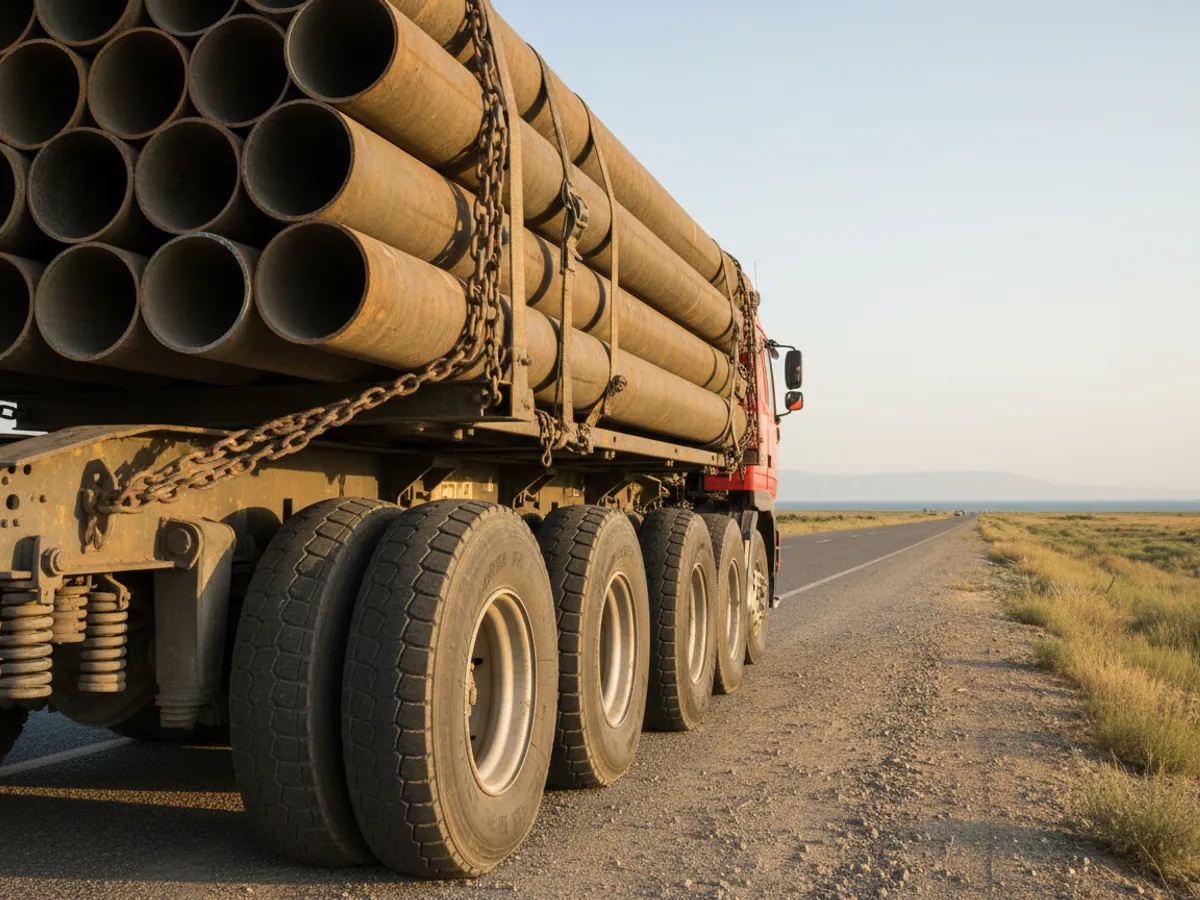
How weight is worked out from the suspension
In short: weight control shows the load on the vehicle and the load per axle during the run, so that overloading, underloading and unloading in the wrong place are noticed in time. This is an estimate from suspension sensors or CAN data, not weighing: after calibration it is checked against a weighbridge, and for commercial settlements it does not replace one.
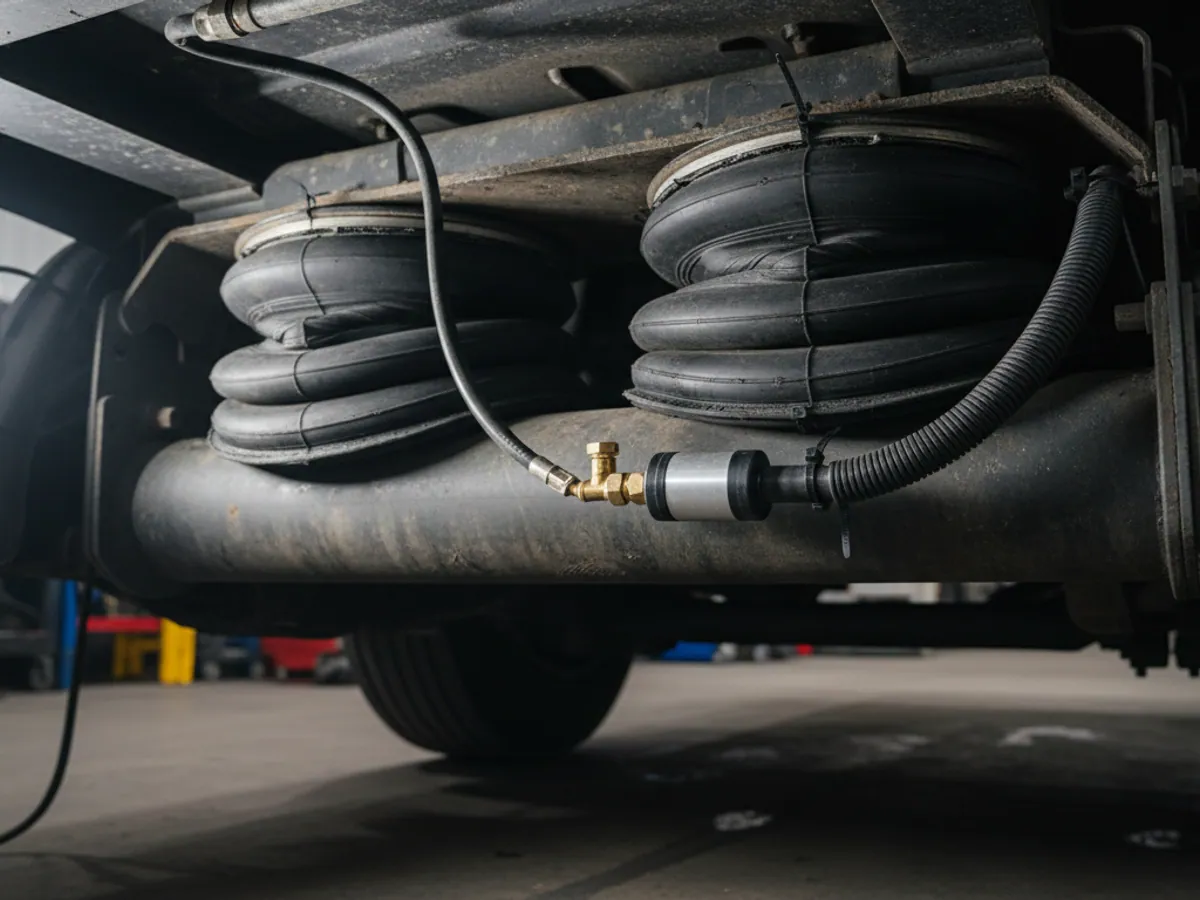
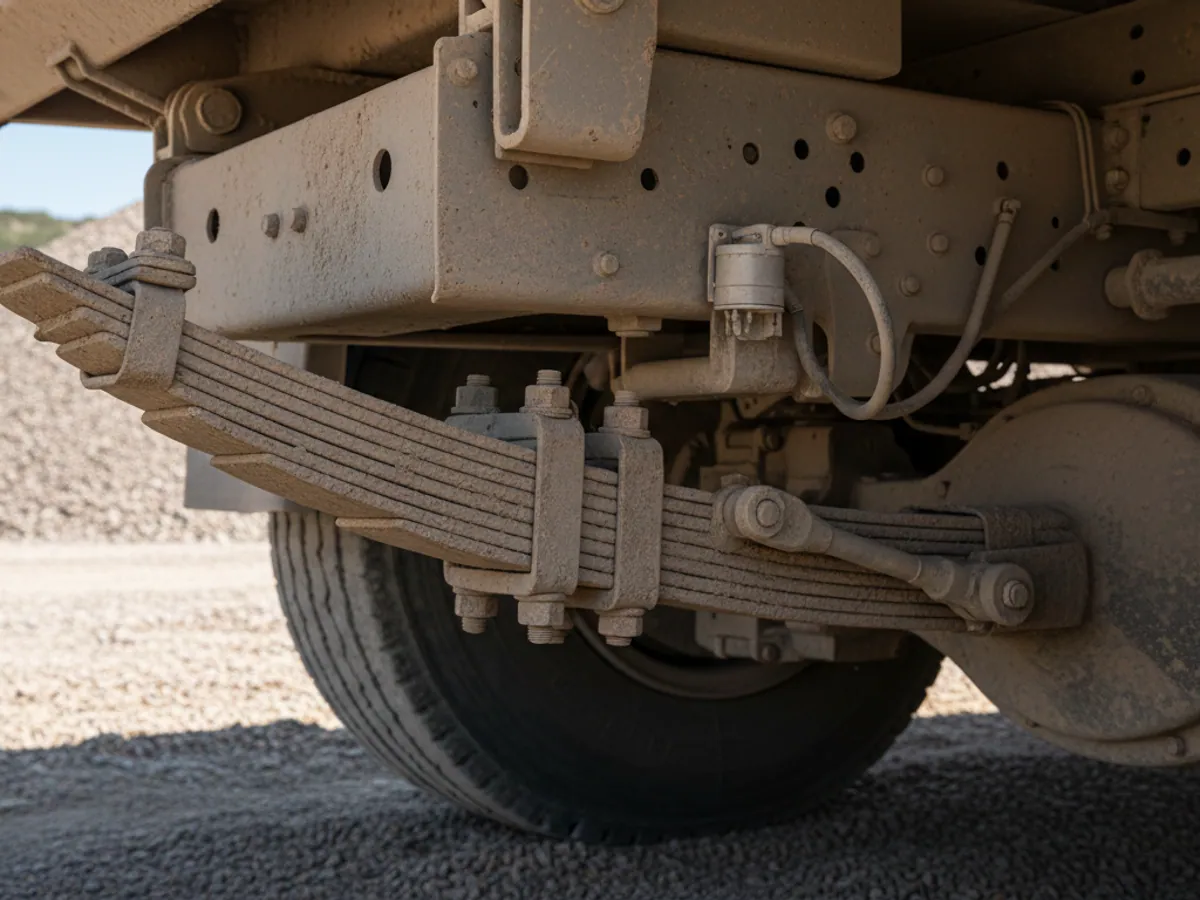
The weight of the cargo is worked out indirectly, from the way the suspension reacts to the load. On air suspension that means the air pressure in the bellows: the heavier the cargo, the higher the pressure. On leaf springs it is the deflection, that is, how far the frame has come down towards the axle. A sensor measures that quantity, a Teltonika FMC130 or FMB140 tracker passes it to Wialon, and the platform converts pressure or deflection into kilograms using a calibration table.
On many modern tractor units and trailers with electronically controlled suspension the axle load figures are already present in the on-board network. Separate sensors are then unnecessary: the tracker picks the load off the CAN bus through a contactless adapter.
The result is that a dispatcher in Baku sees two figures for every vehicle: the total cargo weight and the load per axle. The weight moves on the chart alongside the track: here is loading at the quarry, here is the run, here is unloading at the site. Notifications about overloading and about a weight drop outside permitted places arrive separately.
Which sensor your vehicle needs
Pressure sensor in the air bellows
The most accurate and the simplest option. A pressure sensor is teed into the air line of the suspension, one per axle or per circuit. Tractor units and semi-trailers with air suspension are the main audience.
After calibration the error is usually a few per cent of the gross weight. That is enough for watching overload and spotting unloading; it is not enough for weighing cargo commercially when it is sold, where certified scales are required.

Where weight control pays for itself fastest
We do not fit load sensors to every vehicle in sight, but to those where weight is tied directly to money. Here are the typical cases from practice.
Tippers with crushed stone and sand
Quarries in the Garadagh district and in Absheron, sites in Baku. The customer pays per tonne, and a driver can deliver less and sell the saved part along the way. The sensor shows the weight leaving the quarry and arriving at the site, and the difference is visible on every run.
Cement tankers and concrete mixers
Unloading should only happen at the site. A weight drop anywhere else is flagged by the system as suspicious unloading, with the address and the time.
Grain and cotton
Seasonal haulage in the Kura-Aras lowland, where lorries are loaded in the field and driven to grain elevators and factories. Comparing the weight at loading with the weight at delivery shows losses on the way.
Tractor units on long runs
Runs along the M-1 to the north and along the M-2 into Georgia. An overloaded axle means fines on the road and faster wear on tyres and suspension. A notification at loading lets the cargo be redistributed before the lorry leaves the warehouse.
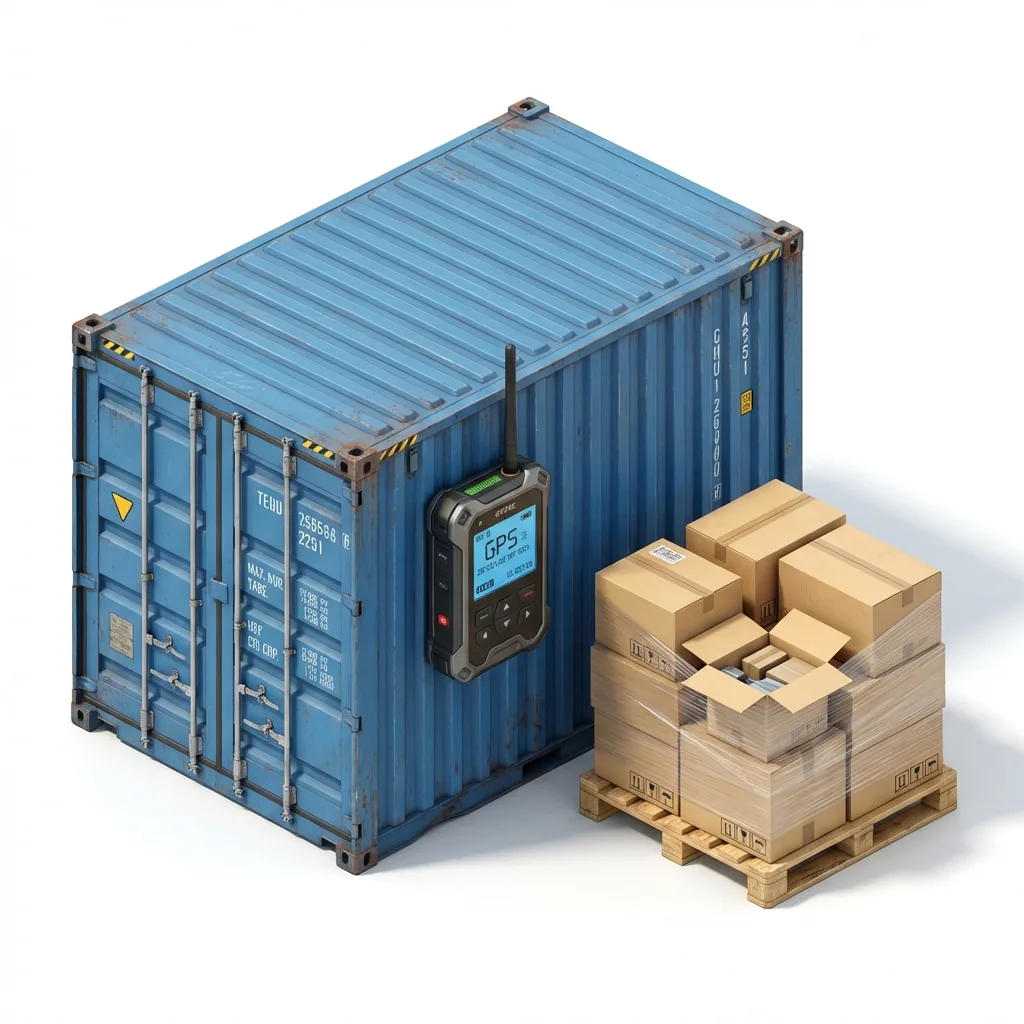
Overloading and weight limits on the trunk roads
The permitted axle load and gross weight are set by the haulage rules and by the signs on particular roads and bridges. We do not stand in for those rules. The job of the system is to let you know about an excess before the inspector does.
In Wialon each vehicle is given its own limits: for every axle and for the gross weight. When the load goes over them, the driver and the dispatcher get a notification while the vehicle is still being loaded. Redistributing pallets at a warehouse in Sumgait is far cheaper than dealing with a fine out on the road.
- we set the limits with a small margin for sensor error;
- the notification only fires with the vehicle standing still or after the readings settle, so that shaking on the road does not produce false alerts;
- a monthly overload report shows which warehouses and which shifts load vehicles above the limit.
There is a separate benefit: the life of the vehicle. Systematic overloading by 15–20% is not always obvious straight away, but it eats through tyres, leaf springs, hub bearings and brakes faster. In the reports this is visible long before the vehicle goes in for repair.

Underloading, extra runs and fuel
Overloading gets talked about more often, but in money terms underloading not infrequently costs more. A lorry carrying 12 tonnes instead of 20 makes extra runs, burns extra fuel and ties up a driver.
The load report shows the average weight per run for each vehicle and each route. If a tipper consistently leaves the quarry at 60% of its capacity, the problem is either the loader, or the planning, or the fact that this route needs a smaller vehicle.
Weight also helps with fuel norms. A loaded and an empty vehicle on the same route burn different amounts of diesel, and a norm stated per 100 km with no regard for the cargo produces figures that are open to argument. Once weight is in the system, consumption can be compared fairly: a loaded run against a loaded one, an empty run against an empty one.
- Average load by vehicle, by route and by driver
- Share of empty mileage
- Comparison of fuel consumption on loaded and empty runs
- Number of runs to a site and the tonnage actually delivered

How to check the readings against a weighbridge and where their use ends
After calibration we suggest a simple check against a verified weighbridge, for instance the one at the quarry or the warehouse that you use anyway. The procedure is as follows:
- An empty pass. The vehicle is weighed empty, and the reading in Wialon is recorded at the same moment.
- Several loaded passes. Preferably at different loads: half, three quarters, full. Each time, the weighbridge figure and the system reading at that same moment, on level ground, with the engine switched off or after the suspension has settled.
- A comparison table. For each pass both figures and the difference are written down. If the difference is consistently in one direction, the calibration is adjusted. If it jumps about, the cause is looked for: uneven ground, a faulty bellows, cargo that has shifted.
- A repeat check. After suspension repairs, after leaf springs or the sensor are replaced, and from time to time in the course of normal use.
What error is acceptable for its own purposes is for the company itself to decide: watching overloading and underloading calls for one level of accuracy, accounting for tonnage delivered to a site for another. We only name an exact figure after the check on the particular vehicle.
Where their use ends. Readings from suspension sensors are good for day-to-day control: warning about overload at loading, seeing unloading away from the site, comparing how vehicles are loaded. For selling cargo by weight, settlements with the customer and any official procedure a verified weighbridge is required. If the system result differs from the weighbridge, in a dispute the weighbridge is what counts.
What weight control gives you
Fewer overload fines
The excess is visible while the vehicle is still being loaded, not at a checkpoint. That matters especially for tractor units that run across the border.
You can see where the cargo goes
A weight drop away from the unloading site is marked with the address and the time. Door sensors tie in here as well; there is more on that in the section on cargo security.
Fair fuel norms
Consumption is compared with the actual weight taken into account, and the argument I was carrying a heavy load is settled by the data.
Tyres and suspension last longer
Once overloading becomes the exception, suspension repairs and tyre changes happen less often. The effect shows up not in the first month but in the annual maintenance budget.
Fewer empty runs
The load report points out the vehicles and the routes where only half the capacity is being used.
What goes on the vehicle
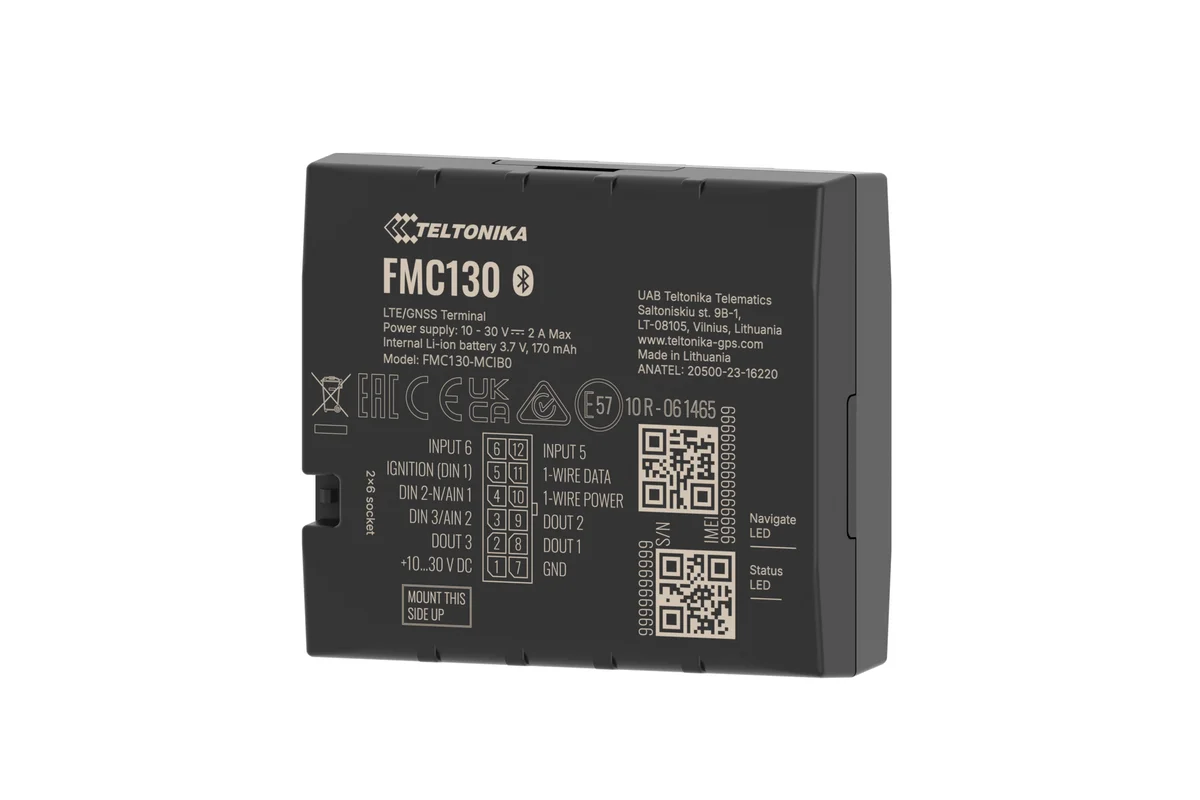


Air pressure sensor, leaf deflection or CAN
The method is decided by the suspension and the electronics of the particular vehicle.
| Air pressure sensor | Leaf deflection | CAN bus | |
|---|---|---|---|
| Accuracy | A few per cent | Lower: empty, full, overloaded | As good as the on-board system |
| No cutting into the vehicle | No, a tee into the line | No, a sensor on the axle | Yes, contactless |
| Stable without recalibration | Yes | No, once a season | Yes |
| Where it is used | Tractor units, semi-trailers | Tippers, flatbeds | Tractor units with electronic suspension |
Fitting and cost
The feature becomes available once you are connected to the GPS.az platform. The cost is made up of the hardware, the fitting and a monthly subscription, which includes the SIM card traffic — the total depends on the type of vehicle and the set of sensors. We prepare an exact quote for your fleet free of charge within one working day.
- 1 Your enquiry and the list of vehicles
- 2 The quote and an agreed fitting schedule
- 3 Fitting the hardware at your own site
- 4 Setting up reports and alerts in Wialon, and training the dispatcher
Questions about “Weight and axle load control”
Request a call
A specialist will call back and match a solution to your fleet and your task.