
GPS tracking for assets and equipment
GPS tracking for assets and equipment covers everything that does not drive itself: trailers, containers, generators, compressors, site cabins and construction kit. You can see where every unit is standing, when it was moved and what condition it is in, so that theft and mislaid property stop being a normal part of your stocktaking.
- 23:48 Generator 2 moved, tracker woke from sleep
- 23:52 Left the Construction site geofence
- 00:05 Track: moving along the main road towards Khirdalan
- 08:00 Trailer T-14: battery charge 18%
From the data on board to the dispatcher's decision
Self-contained tracker
Sleeps and reports on a schedule, and the moment it moves it wakes up and sends a position.
BLE tags
Tools and pallets with a beacon show up whenever a tracker or a gateway at the gate is nearby.
Wialon
Site geofences, standing history, battery charge and notification rules for every asset.
Notification
Moved, taken out of the zone, opened or running low on battery — a message in Telegram or by SMS.
Features and tools
Where the asset is
- Precise location tracking for trailers and containers
- Geofences that show whether assets are still on site
- Movement and standing history for assets along their routes
- Monitoring of plant, generators and construction equipment
Protection
Equipment
- Self-contained trackers with long battery life
- BLE beacons that identify items inside containers
- Remote battery charge monitoring for self-contained trackers
A week in the life of one semi-trailer
An illustrative example: a semi-trailer with a self-contained tracker, based in Sumgait, running through the port of Alat.
- The trailer was collected from the yard in Sumgait left the zone
Motion woke the tracker and it switched to frequent positions, so you can see when it left and where it was taken.
- The trailer is at the port of Alat inside geofence
Entry into the port geofence is logged automatically, so the logistics team does not have to ring the driver.
- Standing for a third day in someone else's yard 3 days
The standing report shows a trailer sitting idle that nobody had remembered about.
- Movement at night with no job booked alert
The tracker switches to alert mode and sends a position every few minutes, and the dispatcher rings security.
- Tracker battery charge 18% servicing
The reminder arrives early, so the tracker is serviced the next time the trailer comes back to the yard.
What people usually put under control
An asset is anything that costs money, can be driven away without your knowledge and has no engine or wiring of its own. Here is what customers bring to us most often.
Semi-trailers and low-loaders
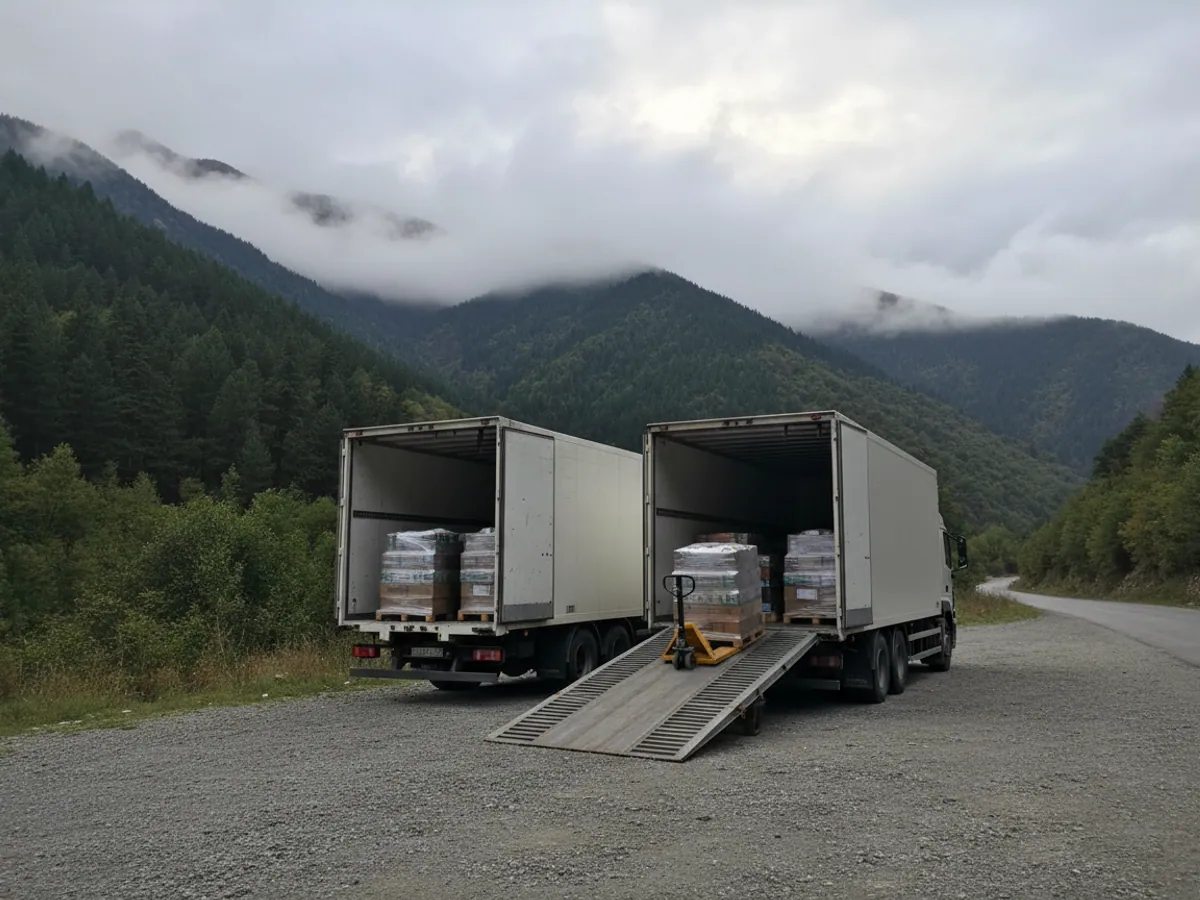
A tractor unit swaps trailers several times a week, and a month later nobody can say for certain which semi-trailer is standing in the yard at Alat and which one has gone to Georgia with a load. A self-contained tracker on the trailer answers that without ringing round the drivers.
Containers and site cabins
Shipping containers in storage yards, construction site cabins, modular warehouses. They are moved once every few months, but every one of those moves ought to be a planned one.
Generators and compressors
A diesel generator on a site is both an expensive asset and a tank of fuel. We monitor location, engine hours and, where needed, the fuel level. For generators that are running, a wired tracker powered from the set itself is the right fit.
Tools and site kit
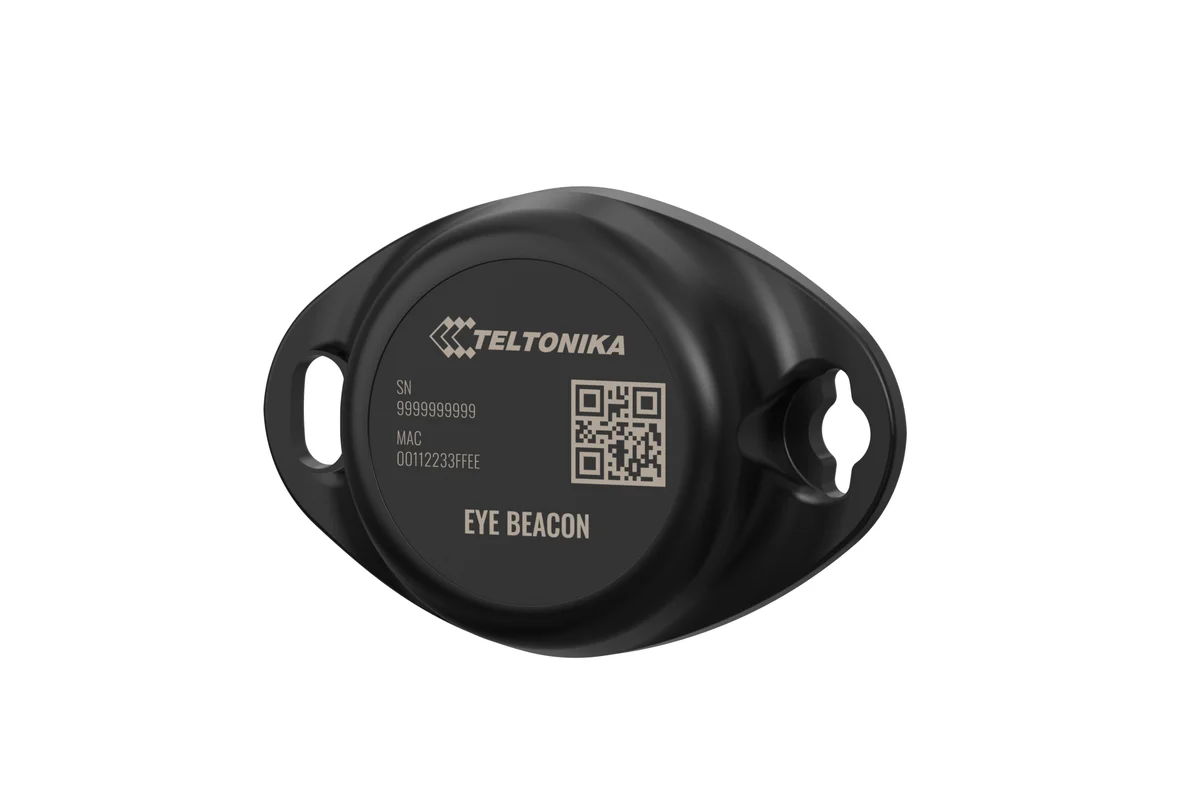
Welding sets, plate compactors, formwork, scaffolding. For small tools a tracker is overkill — BLE tags are stuck to them instead, and their presence on site is picked up by the tracker on a vehicle or a gateway in the yard.
Hire equipment
Companies that rent out plant and equipment can see where their property is at any moment and whether it has left the region that was agreed. There is more on this in the section for hire companies.
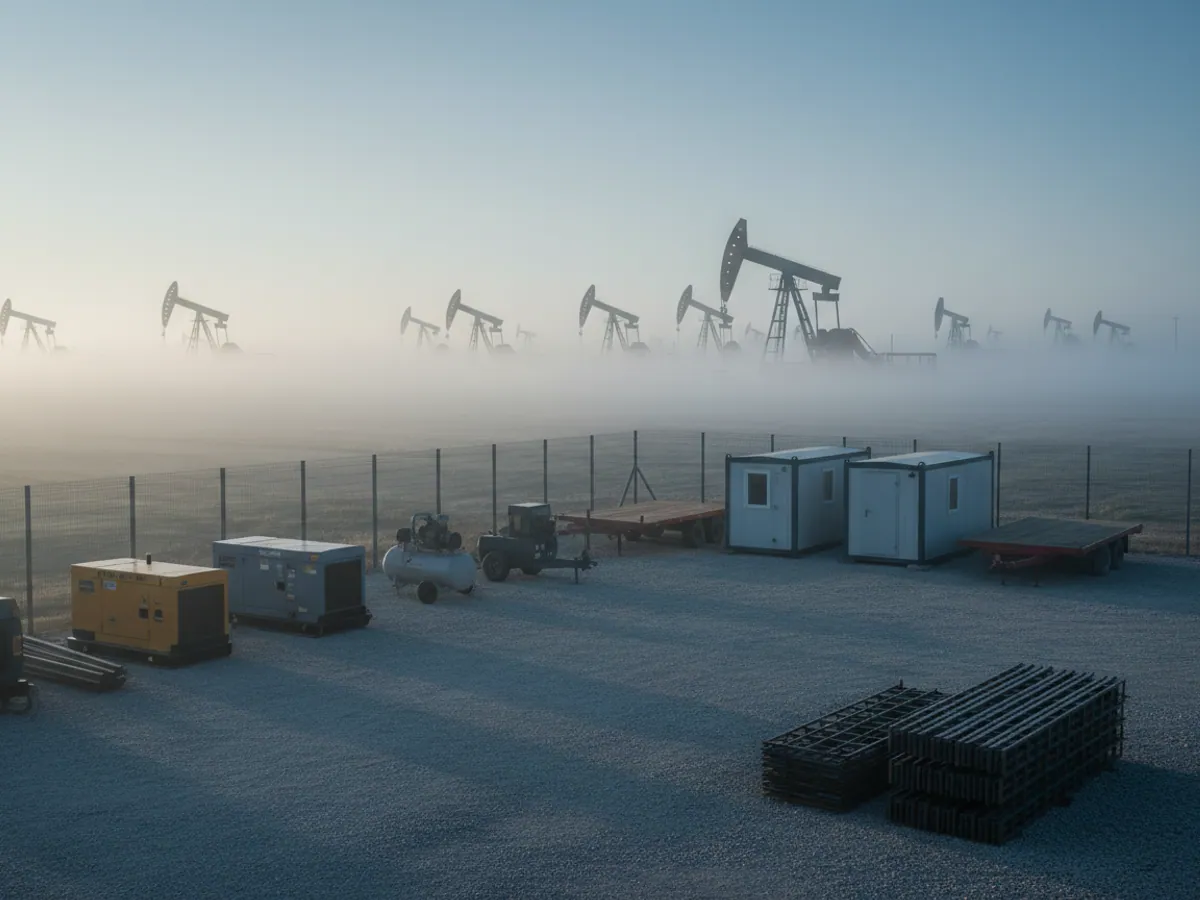
A generator left the site at night: how that looks in the system
A reconstruction site in Karabakh, two diesel generators, security on shifts. At 02:40 the accelerometer in a self-contained tracker registers movement. The tracker, which until then had been asleep and reporting once a day, switches straight into alert mode, fixes a position and sends it to the server.
A minute later the dispatcher and the site manager get a notification in Telegram: the generator has left the Construction site geofence. From there the tracker sends positions every few minutes, and the map shows where the vehicle carrying the generator is heading. Security and the police are given a specific route with timings, rather than a generator that went missing somewhere between Friday and Monday.
A scenario like this only works if the site geofences and the alert-on-movement mode have been set up in advance. We test it at handover: we physically move the item and time how long the notification takes to arrive.
An honest caveat: a self-contained tracker saves its battery and reports to a schedule. If the item is simply standing still, you will see its position from the last session, not a second-by-second live feed. Live tracking needs a wired tracker on permanent power.
Which equipment suits which assets
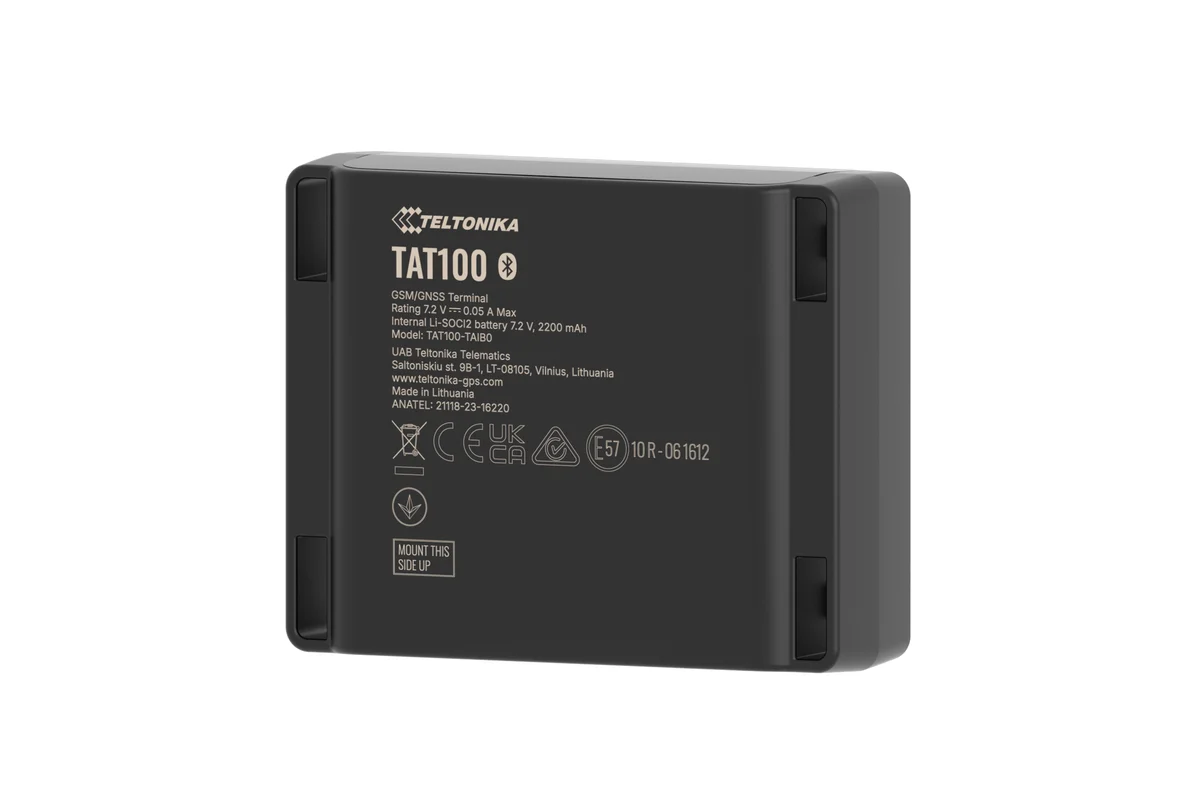
Self-contained Teltonika TAT100 and TAT240 trackers
For trailers, containers and anything with no wiring. The housing is protected against dust and water, and it is fixed with magnets, bolts or cable ties in a few minutes. The tracker sleeps most of the time, wakes on a schedule or when it is moved, sends a position and goes back to sleep.
Battery life depends on how often it reports. At one session a day that means years, at a session every 10 minutes it means months. Full specifications are on the Teltonika TAT100 page.
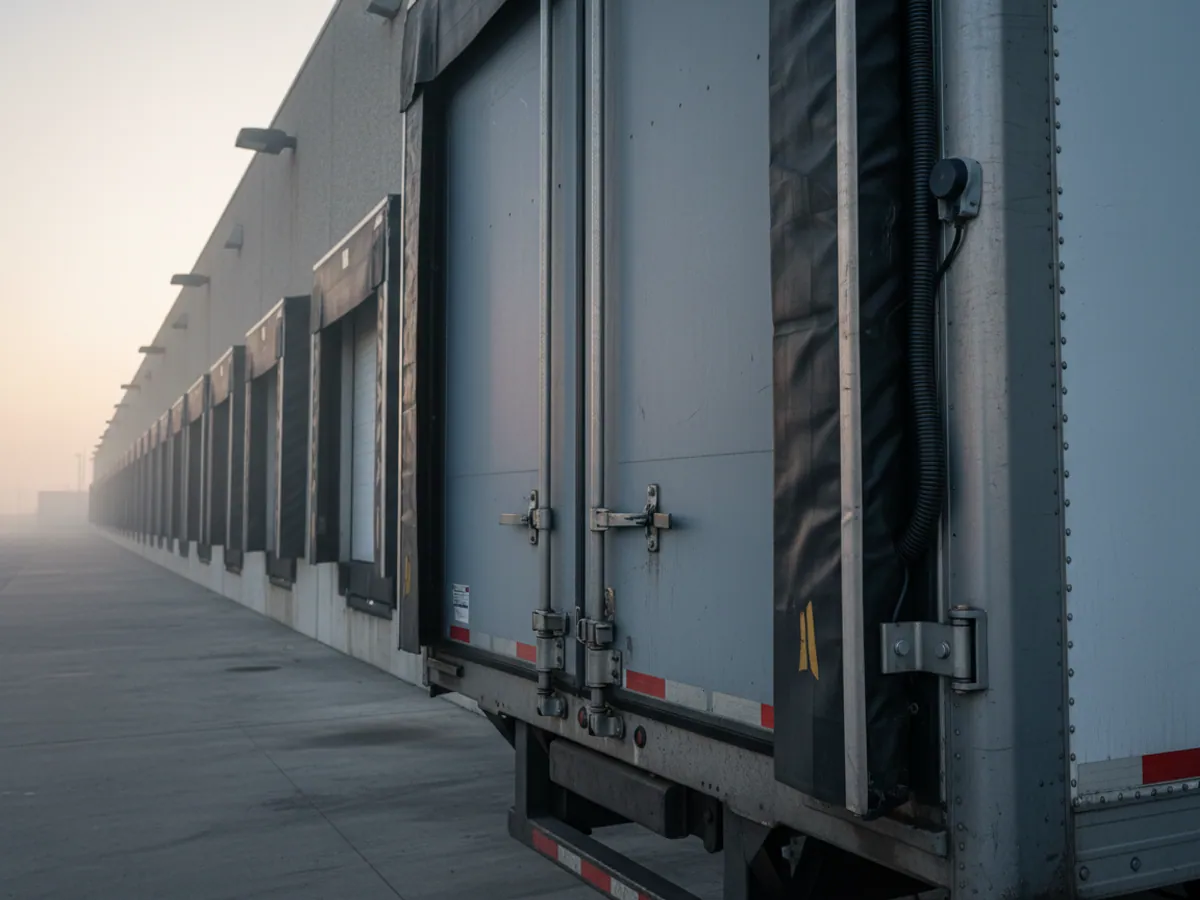
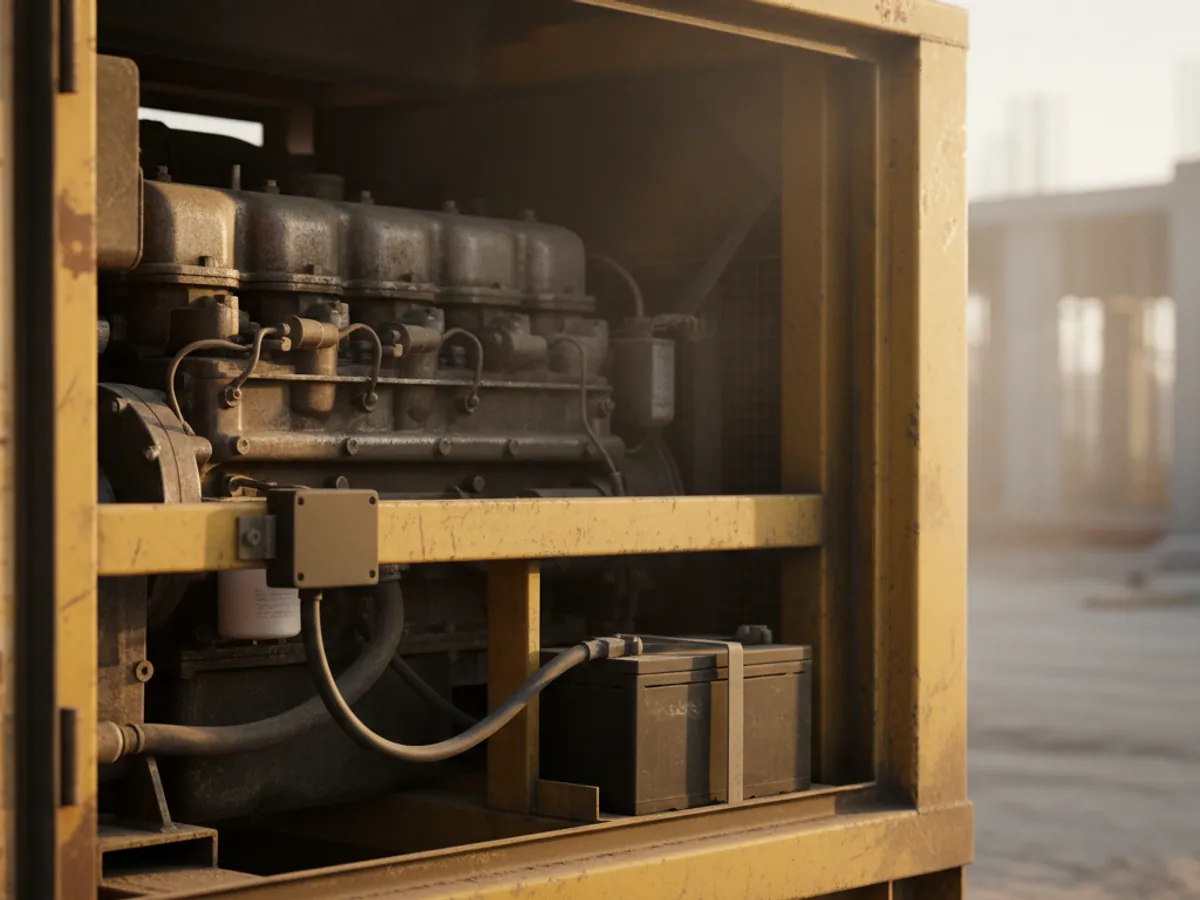
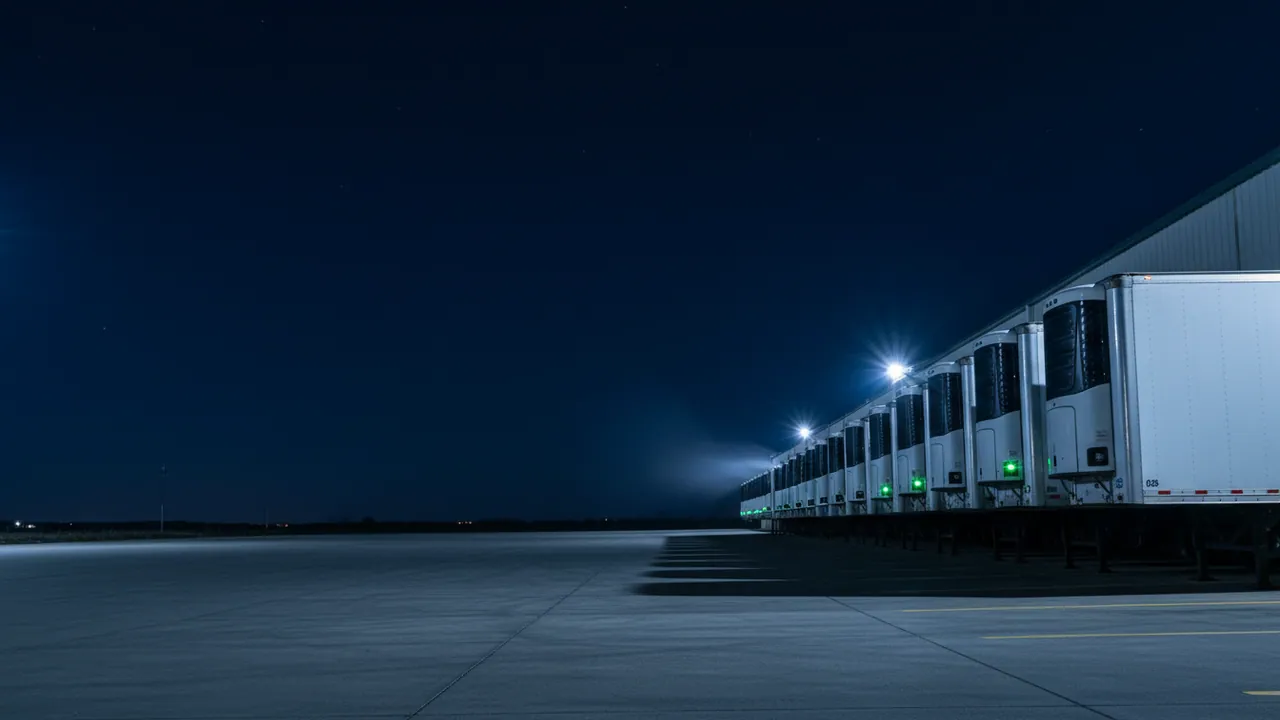
Movement history and battery charge: what you see in Wialon
Every asset in Wialon is a separate object with a history. For any period you can build a track and a table: where the asset stood, for how many days, when it was moved and where to.
Companies with dozens of trailers find the turnaround report useful: how many days a trailer spent under loading, on the road and simply sitting in a yard. A trailer that stands in the port of Alat for three weeks with nothing to do is money that could have been working.
For self-contained trackers we show the battery charge separately. We set up a notification when the charge drops below a threshold, so that replacement or recharging is planned rather than discovered once the tracker has already gone quiet.
What affects the battery most:
- how often it reports — the main factor;
- heat in open yards in summer and cold on mountain passes in winter;
- a weak network signal: the tracker spends longer looking for an operator and uses more energy;
- frequent motion triggers, for instance on vibrating equipment.
We match the mode to the job. A container in a yard needs no more than one session a day plus an alert on movement. A trailer on an international run needs positions every 15–30 minutes while it is moving.
Last seen: what that timestamp means for different devices
In the object list every asset has the time of its last message. For a vehicle with a wired tracker that is very nearly now. For a trailer with a self-contained tracker or a tool with a BLE tag it means something quite different, and that has to be understood before you draw conclusions.
Wired GNSS tracker
As long as there is power and a connection, last seen lags by tens of seconds. If the timestamp is hours old, that is an event in itself: the power has been cut, the tracker is in a dead spot or somebody has switched it off. We set a separate notification for cases like that.
Self-contained tracker
At rest, last seen is simply the time of the last scheduled session. A timestamp of 18 hours ago with one session a day is normal, not a disappearance. What counts as an alert is a missed scheduled session, not an old position.
BLE tag
A tag has neither a position nor a connection of its own. Last seen means that a tracker or a gateway was near the tag at that time and heard it, and the position was taken from that device. If the tool is lying somewhere with no gateway, the system knows nothing about it.
Battery budget at different intervals
For a self-contained tracker the main variable is how many times a day it wakes up and looks for the network. One session a day plus an alert on movement gives years of life. A session every hour cuts that by a large factor, and positions every few minutes while moving cut it down to months. Heat, cold and a weak signal cut it further still.
How we choose the mode
We start by agreeing how quickly you need to hear about a movement and how often you are prepared to change or recharge a battery. We pick the interval from those two answers, then work out the expected life from the specification of the particular model and check it against the charge report in the first month.
What the business gets, in figures and facts
Theft is spotted within the hour
A notification about movement at night or about leaving a geofence arrives straight away, not after a stocktake. The chances of recovering property in the first few hours are noticeably better.
Stocktaking without site visits
The list of what is standing where is produced in one click. There is no need to drive round the yards in Sumgait, Ganja and Mingachevir to count the containers.
More runs from the same trailer fleet
Once the idle trailers are visible, they get put back to work. In practice that often makes it possible to put off buying new ones.
An argument for the insurer
Some insurers are more willing to work with property that carries a tracker, and the movement history helps when a claim is being settled.
What goes on the vehicle
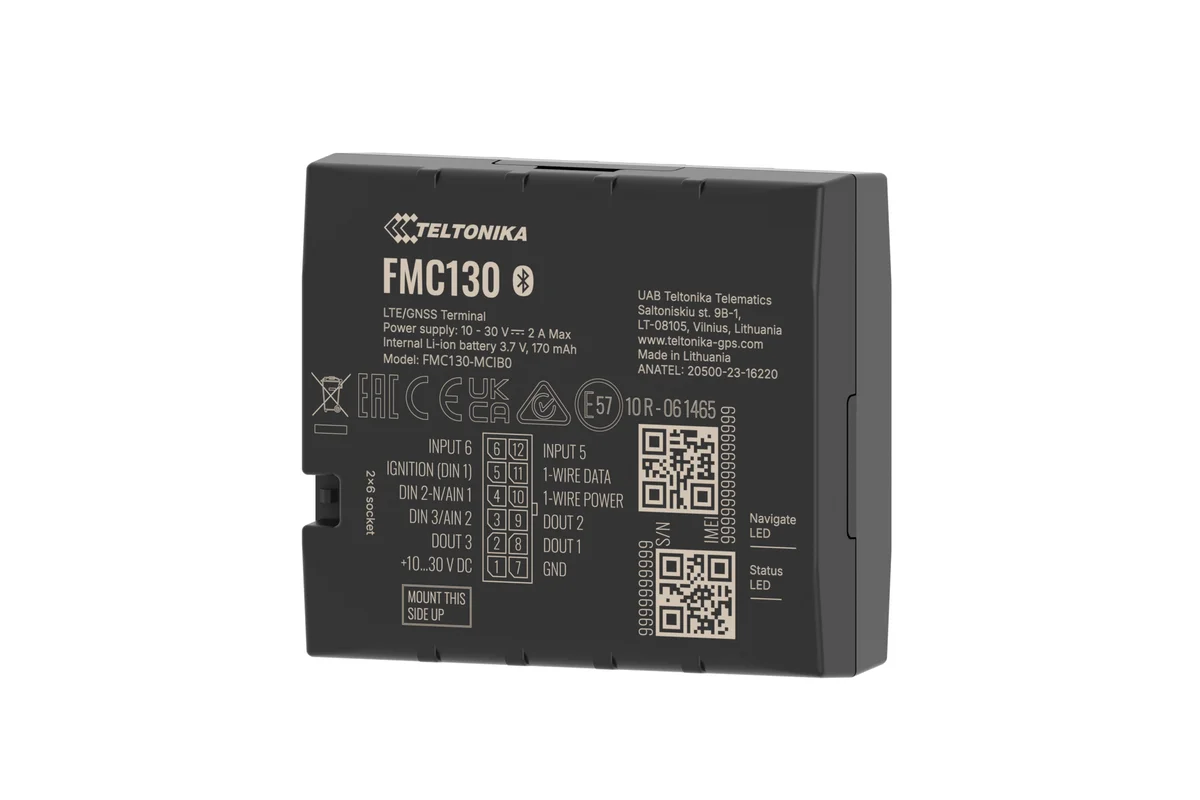
Which tracker to fit to an asset
The choice depends on whether the item has a power supply of its own and how often it moves.
| Self-contained TAT100 | Wired FMC130 | BLE beacon | |
|---|---|---|---|
| Works without power from the asset | Yes, on battery | No | Yes, on a cell battery |
| Position of its own from GPS | Yes | Yes | No, via a gateway |
| Frequent positions while moving | No, every few minutes | Yes, 30–60 sec | No |
| Engine hours and sensors | No | Yes | No |
| Where it fits | Trailers, containers | Generators, plant | Tools, pallets |
Fitting and cost
The feature becomes available once you are connected to the GPS.az platform. The cost is made up of the hardware, the fitting and a monthly subscription, which includes the SIM card traffic — the total depends on the type of vehicle and the set of sensors. We prepare an exact quote for your fleet free of charge within one working day.
- 1 Your enquiry and the list of vehicles
- 2 The quote and an agreed fitting schedule
- 3 Fitting the hardware at your own site
- 4 Setting up reports and alerts in Wialon, and training the dispatcher
Questions about “GPS tracking for assets and equipment”
Request a call
A specialist will call back and match a solution to your fleet and your task.