
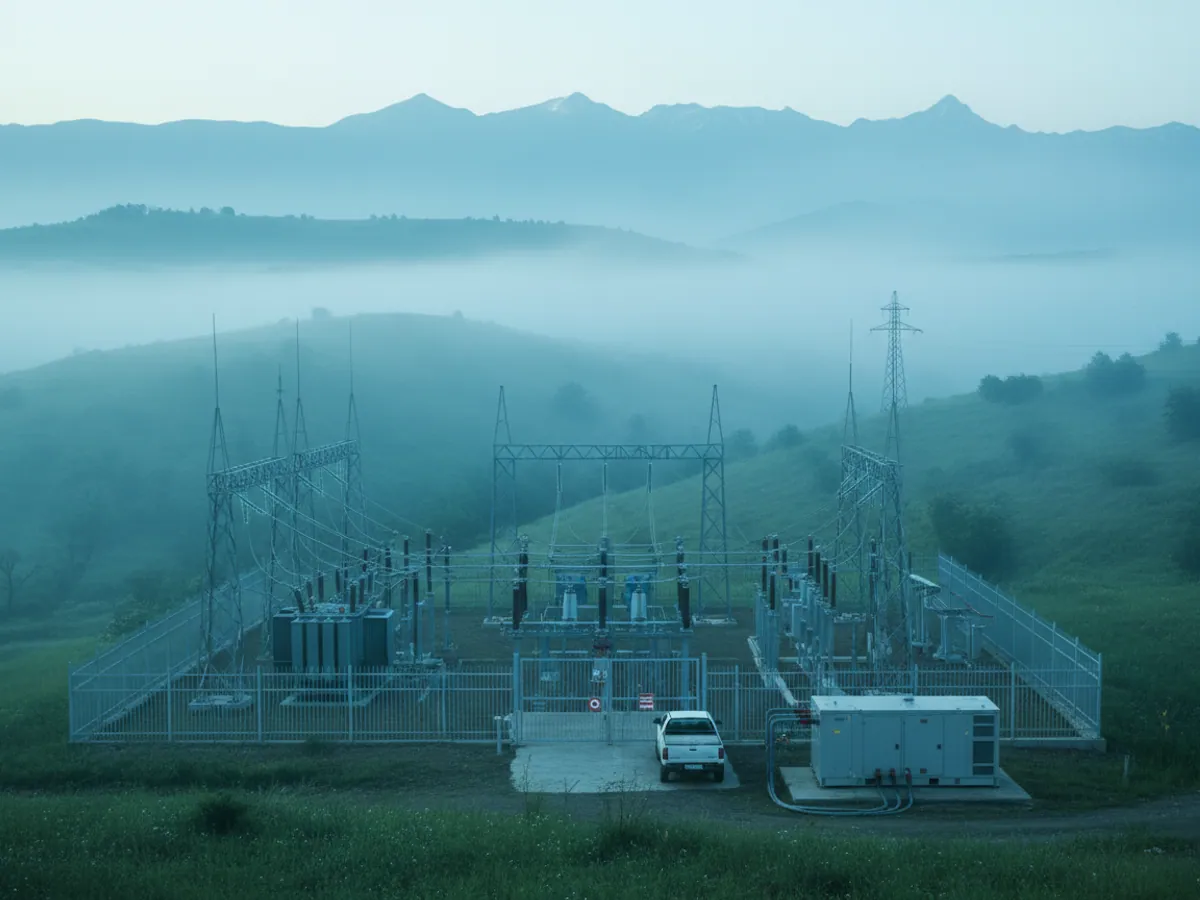
Monitoring vehicles and fuel storage for energy companies
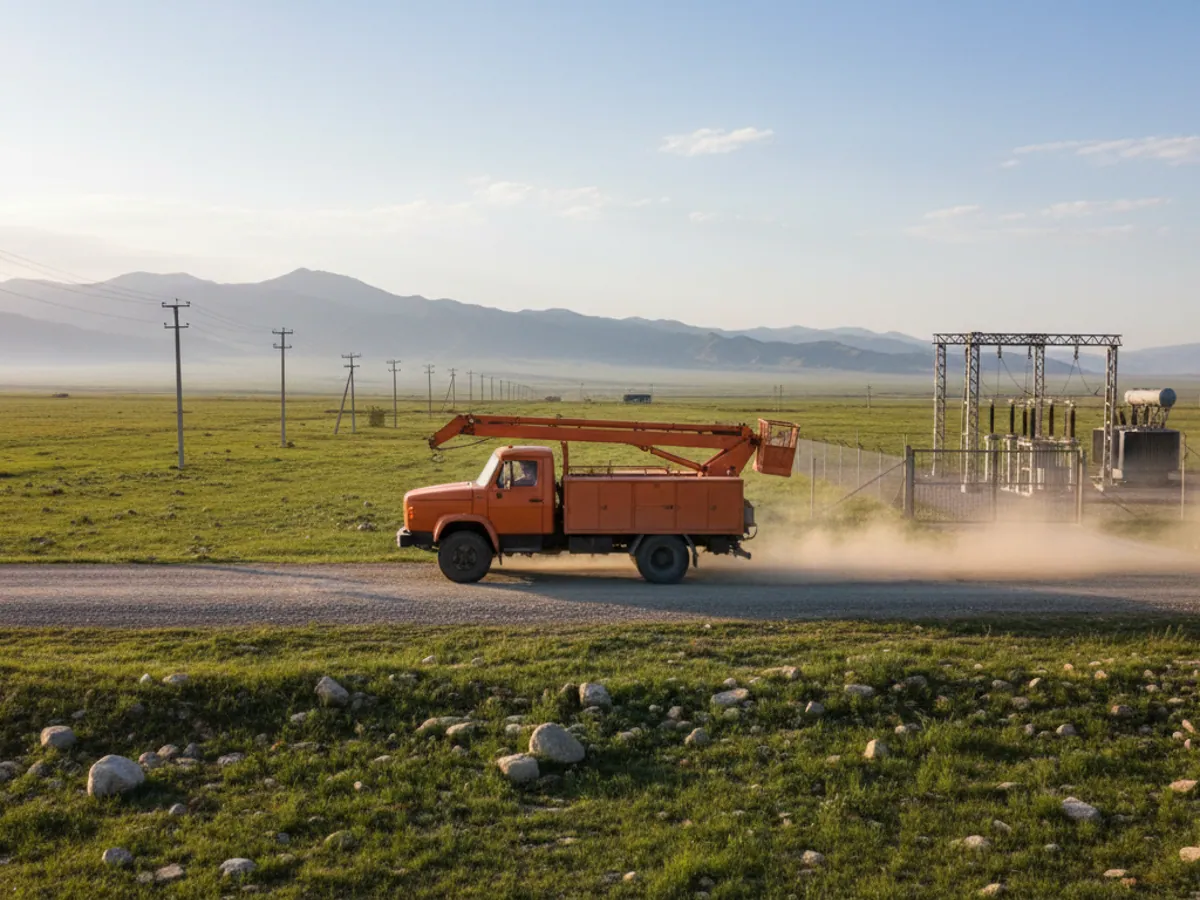
For thermal and hydro power plants, substations and distribution networks. We measure fuel in storage tanks and in standby diesel generator sets, keep track of diesel and heavy fuel oil deliveries, and follow repair crews, cherry pickers and auger crane lorries on the map.
The aim is simple: the standby generator should start when it is needed, and the crew should reach a downed conductor in half an hour rather than an hour and a half.
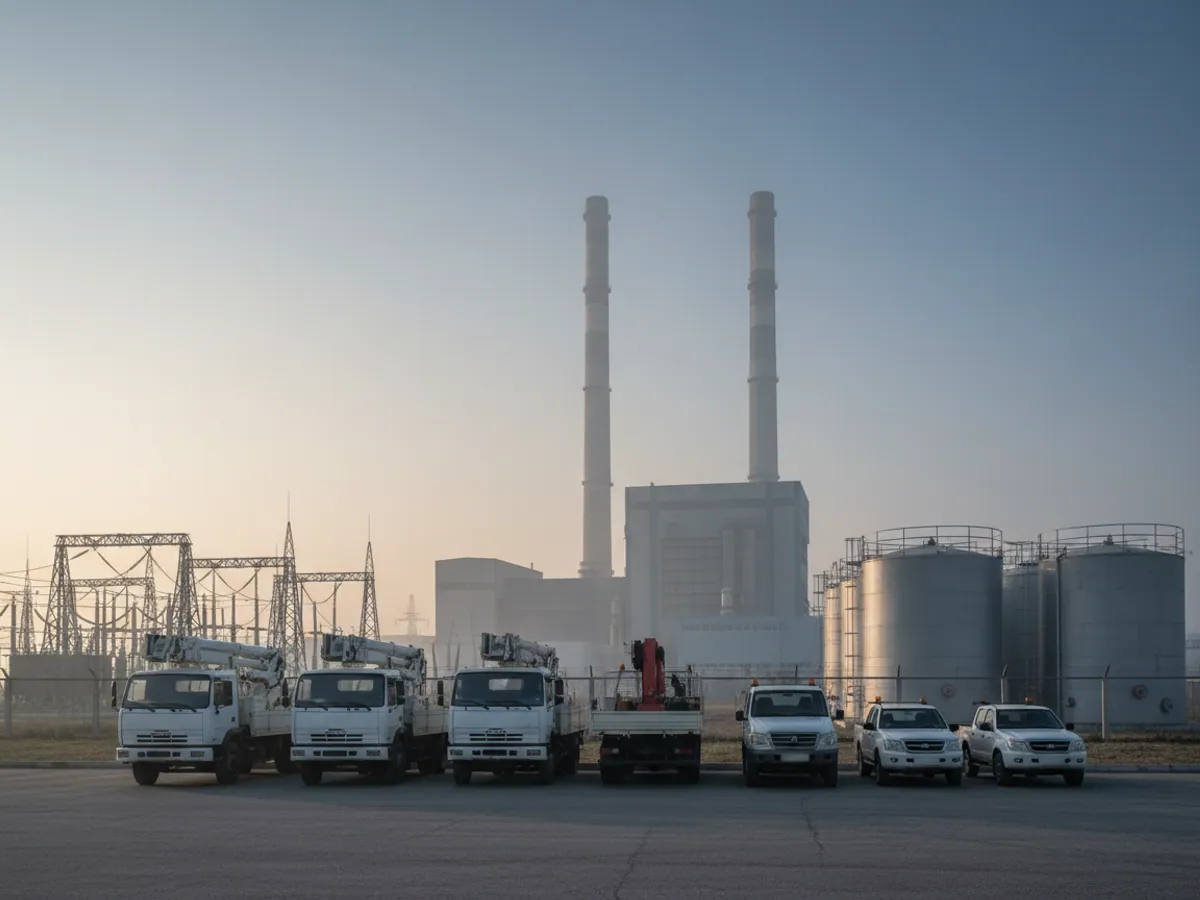
A plant runs only while everything around it runs
Most generation in Azerbaijan comes from gas-fired thermal plants: Mingachevir, Shimal near Baku, Sumgait, along with hydro plants on the Kura. The generating units themselves are handled by the process control system, and telematics has no business there. But around the plant lives a large operation that the control system never sees: reserve fuel, standby generators at substations, a fleet of cherry pickers, cranes and service vehicles, and contractors.
This is exactly where money and time drain away. Diesel in the standby tank of a substation generator goes unchecked for years, until the day the generator is needed. A tanker delivered 10 tonnes, but less than that reached the tank. A cherry picker recorded as repairing a line in Shamkir is parked outside a private house.
We connect to Wialon whatever a sensor can measure: level in tanks, generator starts, hydraulics in operation, and the position and route of vehicles. For how this fits into the wider picture of the energy sector, see the page on solutions for energy.
Three areas that need control
Reserve fuel and generators, field crews with their plant, and fuel deliveries to plants and substations. Each one is covered separately below.
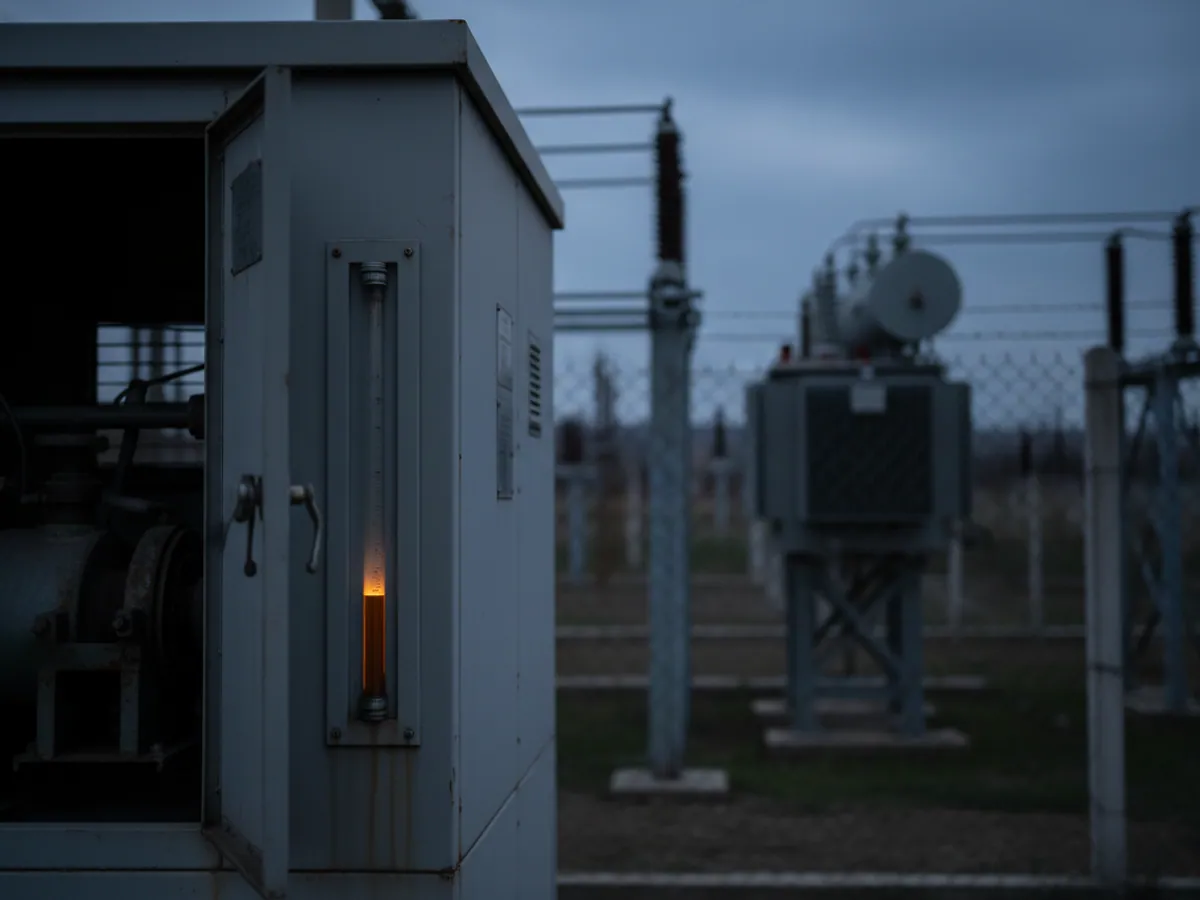
The standby generator that failed to start
A familiar story: a substation has a diesel generator set for its own supply. It is supposed to be test-run once a quarter, but the logbook is filled in from memory. When the external supply fails, the generator runs for 20 minutes and cuts out, because the tank held less than a third of what it should have.
We fit a capacitive fuel level sensor in the generator tank, and on the generator itself either a running sensor or a reading of engine speed taken from its controller. A tracker for a fixed installation is mains powered and has a backup battery. In Wialon you can see:
- how many litres are in the tank of every generator at every substation right now;
- when each generator last started and how long it ran;
- a sharp drop in level with no start, which means a fuel drain;
- the generator container door opening outside the maintenance schedule.
If a test has not been carried out for longer than the interval you set, the system reminds the person responsible. There is more about sensors in the section on fuel control.
Where energy companies lose fuel and time
Most losses never appear in process control reports, because they happen outside the generating unit:
Reserve diesel siphoned off
The generator sits idle for months and nobody checks the level. The drain is discovered on the day of the outage.
Short deliveries on acceptance
The tanker arrives, the paperwork is signed, and less fuel reaches the tank than the delivery note states.
The crew is far from the fault
The network control room does not know where the cherry picker is and has to find out by telephone.
Plant working on the side
Cherry pickers and auger crane lorries pick up private jobs while they are recorded as being on planned work.
Transformer oil
Oil stolen from remote substations. Access control and tamper sensors give you at least the time and the fact of the event.
Solutions for power plants and networks
Tanks and company fuel points
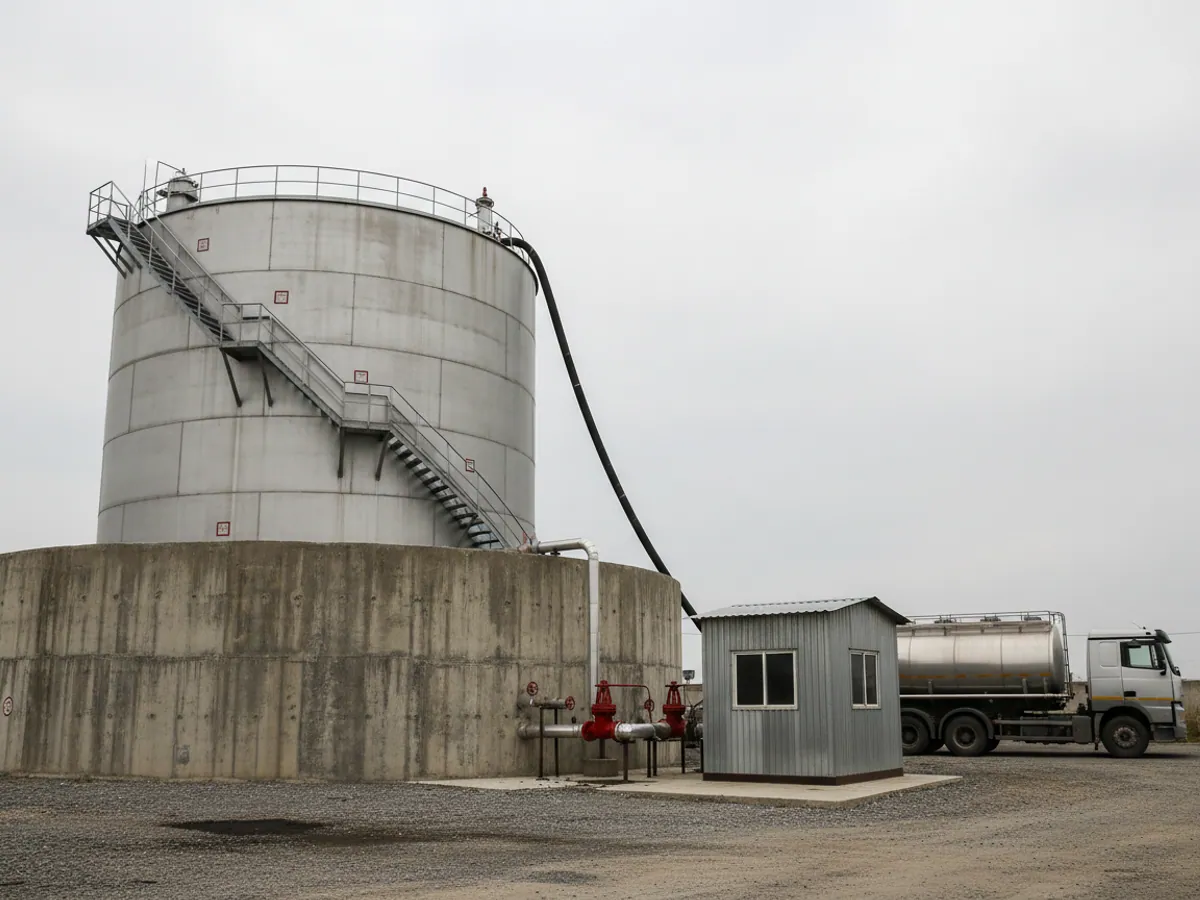
In diesel storage tanks we fit capacitive or ultrasonic level sensors, depending on the height of the tank and how it is built. For heavy fuel oil a capacitive sensor is not suitable: the viscous medium coats the electrodes. Non-contact radar level gauges work here, and we connect their output to the tracker.
The key report is the delivered-versus-received reconciliation. A tanker fitted with a tracker enters the geofence around the tank, the level in the tank rises, and the system compares the increase with the volume on the delivery note. A temperature correction for density is applied if a temperature sensor is fitted.
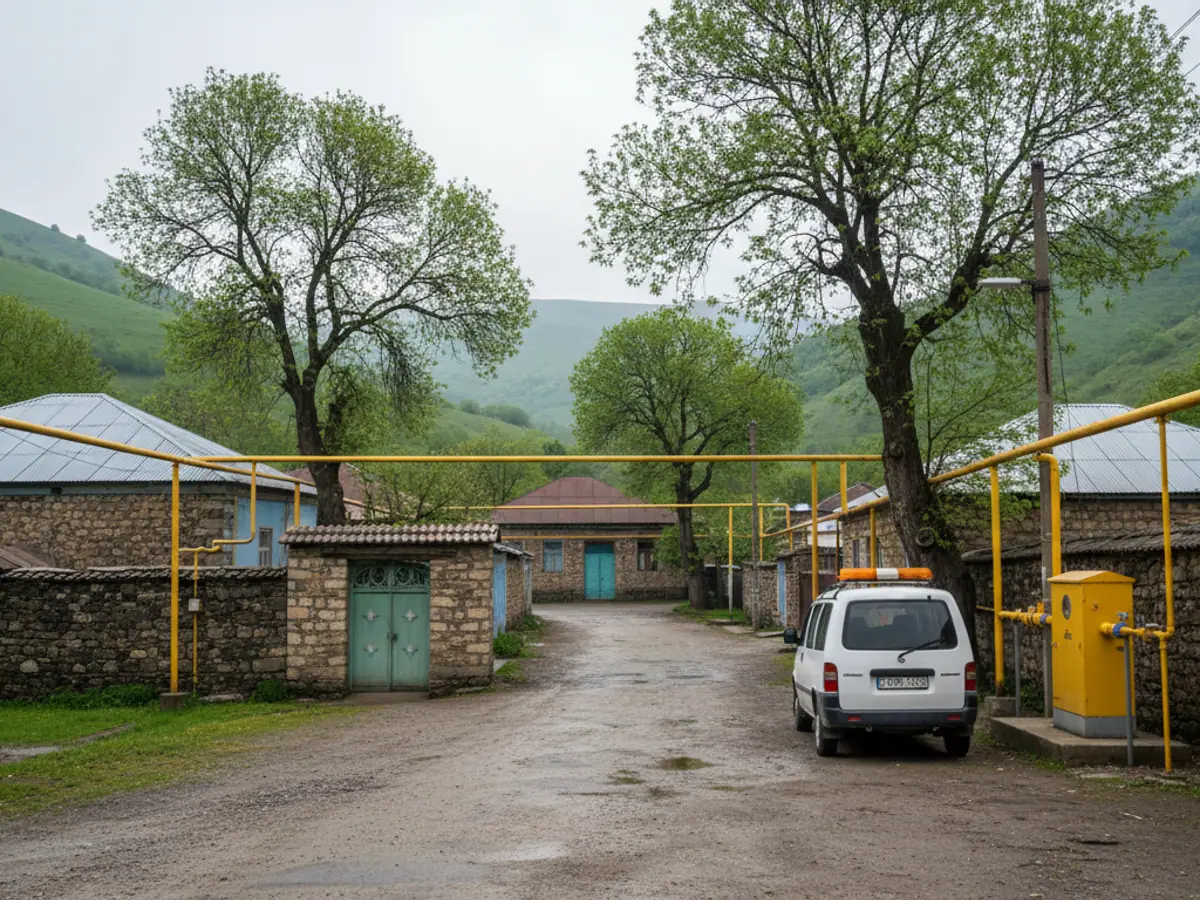
Line patrols and a map of defects
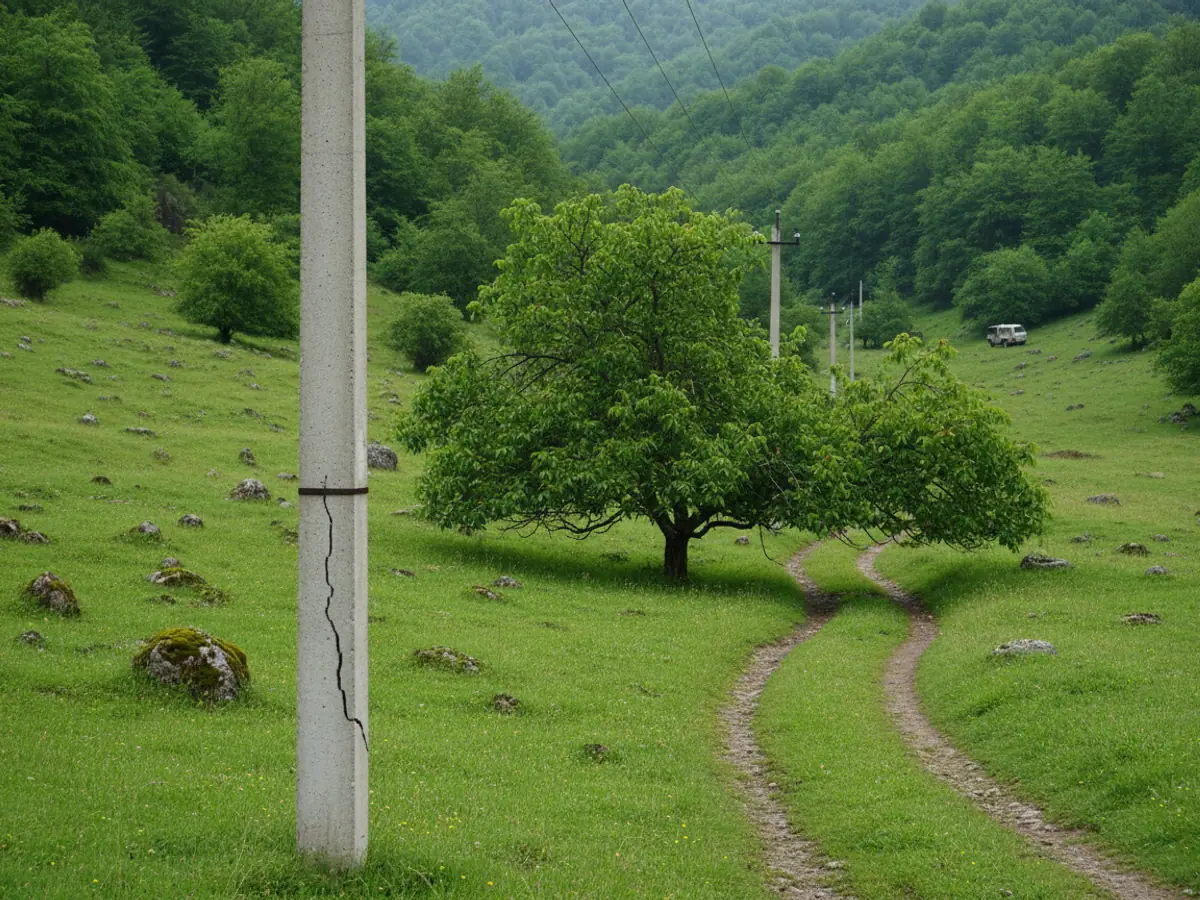
During a patrol of an overhead line the linesman records defects in the mobile app: pole number, photo, and a short comment such as a crack in the stub or a tree inside the wayleave. The entry is saved with its coordinates. After a season the line department has a map of defects that makes it straightforward to plan the repair programme.
The same track confirms the patrol took place: you can see whether the person walked the whole line or only as far as the first pole and back. The app for staff is described on the page about the mobile app.
For lone working on remote lines, particularly in the mountains of the Gakh-Zagatala area and around Guba, a personal tracker with an SOS button and a fall sensor suits the job better than a phone: it is lighter, holds its charge longer and is not drained by the camera and messaging apps.
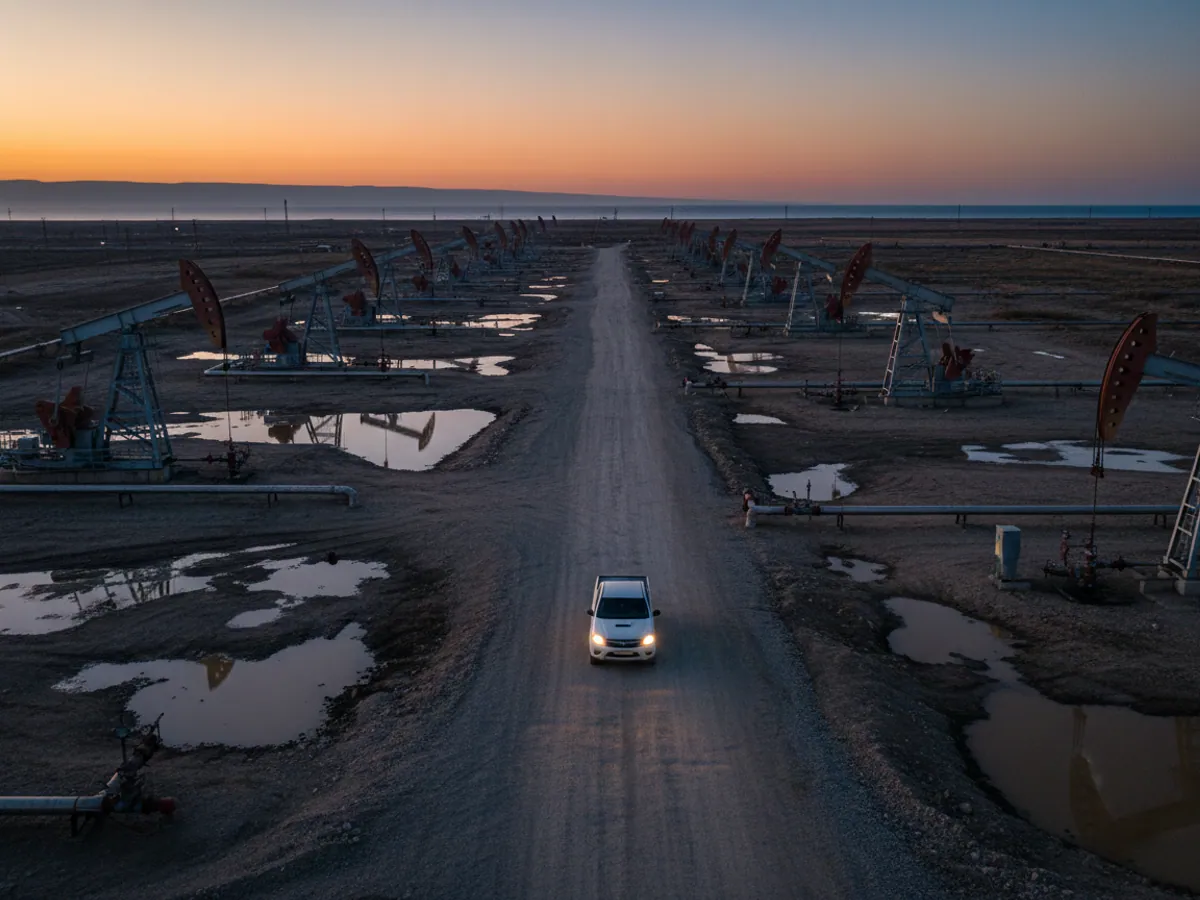
The generator and its tank alongside SCADA, not instead of it
A plant or a large substation already has SCADA or a process control system. We do not connect to control functions and we do not duplicate what it does. The boundary runs like this:
- SCADA: generating unit regimes, automatic changeover to reserve supply, starting the generator set on command, protection. Everything that controls equipment.
- Telematics: level in the tank, the fact and duration of generator operation, container opening, fuel delivery and acceptance, vehicles and crews. Everything that measures and reports without controlling anything.
Sensors are fitted to the tank and the container separately from the generator control circuits. If the generator running signal is taken from its controller, this is agreed with the department responsible for the generator sets, on the basis of a wiring diagram we prepare in advance.
Accepting the readings. Before the figures are trusted, they are accepted. After calibrating the tank we check the sensor with a control fill of a known volume and compare it against a dip stick. The result is written into a signed record. After that the check is repeated at whatever interval your department approves, for example at every scheduled generator test. Fuel level sensor readings are used for commercial fuel accounting only if your own regulations allow it; more often they serve as a control, while accounting follows the paperwork.
The pilot: what is needed and how to sign it off
A pilot works well on 5 to 10 generators in different districts, one storage tank and 3 to 5 vehicles from a single crew. Allow a month or more, so that at least one scheduled test of each generator falls inside the period.
What we need from the company: a list of sites with tank volumes, the generator test schedule, approval of the fitting work with the responsible departments, fuel delivery notes for the pilot period, and a contact in the network control room.
Acceptance criteria, for example: the readings of every fuel level sensor accepted by a control fill; every test start of a generator visible in the system; fuel deliveries reconciled against delivery notes; crew travel times against work orders calculated automatically.
Working out the payback without the marketing
Reserve fuel
Take the number of generators and the average tank volume. If across 40 generator sets of 500 litres each just 10% evaporates over a year, that is 2,000 litres. A sensor shows every drop in level, which is why this item is usually the first one closed.
Fuel acceptance
A shortfall of 1 to 2% on each delivery looks trivial until you multiply it by the plant's annual purchase volume. The delivered-versus-received reconciliation makes that difference visible on every run.
Plant and heavy equipment
A cherry picker working on the side for 2 to 3 days a month wears out the hydraulics and burns your fuel. A report on boom operation outside work orders usually shows this within the first month.
Restoration time
Cutting crew travel time by 10 to 15 minutes on each fault does not show up in the accounts, but it does show up in reliability indicators and in the number of customer complaints.
What equipment we fit and where
Generator tank
A capacitive fuel level sensor, cut to the height of the tank and calibrated by filling. After calibration the error is a few litres.
Generator container
A mains-powered tracker with a backup battery, a generator running sensor and a magnetic door sensor.
Fuel storage tank
An ultrasonic or radar level gauge for tall tanks and heavy fuel oil, plus a temperature sensor for conversion to mass.
Cherry picker and auger crane lorry
A tracker with CAN, a sensor on the power take-off engagement and a driver key. On vehicles without CAN, an engine running sensor.
Fuel tanker
A tracker and a sensor on the discharge valve. Needed for the delivered-versus-received reconciliation by time and place of discharge.
Linesman on the line
A personal tracker with SOS and a fall sensor, or the mobile app for recording defects.
What changes after the rollout
Reserve under control
The fuel level and the date of the last start for every generator are visible on one screen, rather than in logbooks kept on site.
Faster to the fault
The dispatcher sends the nearest crew with the right equipment and sees when it arrived.
Honest accounting for plant
Engine hours of the boom and the auger, mileage, stops. Work outside a work order shows up in the work order report.
Protecting assets
Container tamper sensors and level drops report the event while there is still a chance to stop it.
Questions from energy companies
What is used in this sector
What we do end to end
Wialon modules for this sector
How it is used in this industry
Case studies from “Oil, Gas & Energy”

Protecting lone workers with the GH5200 tracker
Assets and workforce

Keeping track of equipment in explosive atmospheres
Assets and workforce
Satellite communication for lorries out of network
Logistics and delivery
Thinking of rolling out GPS monitoring in “Power plants”?
Send us an enquiry and we will price it up for your fleet and pick the hardware for this sector: oil, gas & energy.
- 1 We pin down the task
A specialist calls back and asks about the vehicles, how many there are and what you need to keep an eye on.
- 2 We put a solution together
We propose the hardware and the features, and set out the one-off and the monthly cost separately.
- 3 We agree the fitting
At your yard or at ours, on a schedule that keeps the vehicles working.
Request a call
A specialist will call back and match a solution to your fleet and your task.