
Recording plant and heavy equipment work with EYE sensors
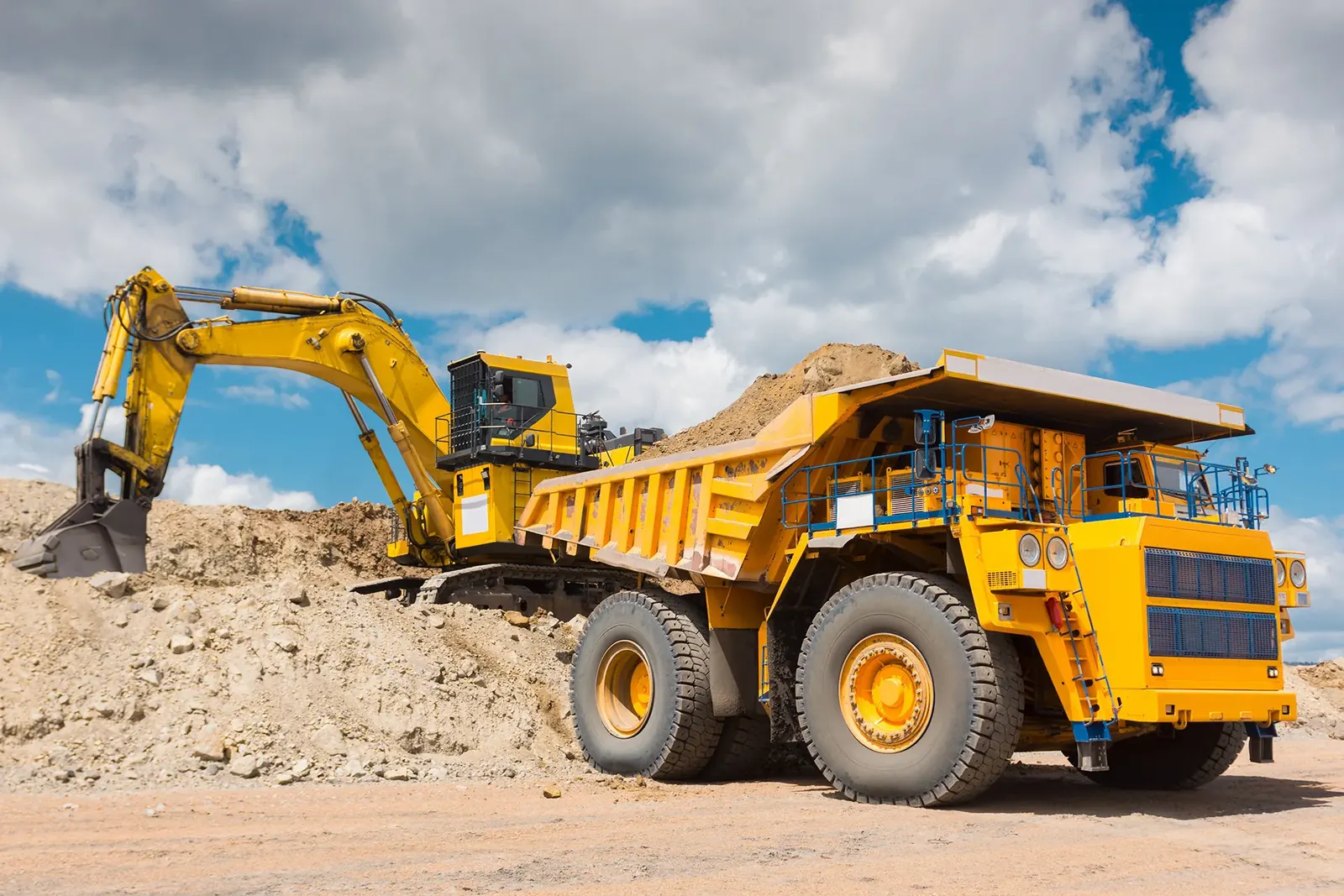
A Teltonika use case: excavators, refuse lorries, graders and other heavy equipment are fitted with an FMB240 tracker and EYE Sensor Bluetooth sensors, which use the tilt of the working implement to show when the machine is really working and when it is simply burning fuel.
A Teltonika use case: excavators, refuse lorries, graders and other heavy equipment are fitted with an FMB240 tracker and EYE Sensor Bluetooth sensors, which use the tilt of the working implement to show when the machine is really working and when it is simply burning fuel. Plant and heavy equipment is expensive to buy and more expensive still to leave standing. The engine runs, the engine hours tick over, fuel goes, and the bucket sits on the ground. Going by the ignition alone you cannot tell that apart from work, and the owner pays for hours that moved not a single cubic metre of earth. Experts put the global construction equipment market at 234.6 billion dollars by 2030. On that scale the difference between the engine running and the machine working turns into serious money, especially as fuel prices rise.
What this scenario solves
Average utilisation of heavy equipment is reckoned to be around 62% at best.
Machines from one manufacturer stand idling roughly 40% of the time and burn about 400 gallons of fuel per machine a year that way.
Tipper lorries and refuse lorries can tip their load where they should not, and building materials are one of the prime targets for theft.
A machine with a moving boom can start work in a hazardous area with people or other machines passing close by.
Average utilisation of heavy equipment is reckoned to be around 62% at best. Machines from one manufacturer stand idling roughly 40% of the time and burn about 400 gallons of fuel per machine a year that way. Tipper lorries and refuse lorries can tip their load where they should not, and building materials are one of the prime targets for theft. A machine with a moving boom can start work in a hazardous area with people or other machines passing close by.
Why idle time is so hard to see. A conventional tracker knows that the ignition is on and the machine is standing still. For an excavator that is the normal picture both when it is working and when it is idle. An operator can keep the engine running half the day for the air conditioning, and in the report that will look like a full shift. Across a large fleet those hours add up to serious sums in fuel and wear.
Theft and unauthorised tipping. Rising prices for building materials and fierce competition make the temptation to sell a spare tipper load of crushed stone a very strong one. If the dispatcher sees only the route, they do not know where the body was raised. Tipping on someone else's site looks like a short stop.
Safety on site. Picture an area that tipper lorries drive through on their way to the tipping point. An excavator is working nearby. While a lorry is passing, the boom should not move. If the operator does start work in the restricted area anyway, both the operator and the manager should hear about it, so that the work can be stopped before anything happens.
What Teltonika offers
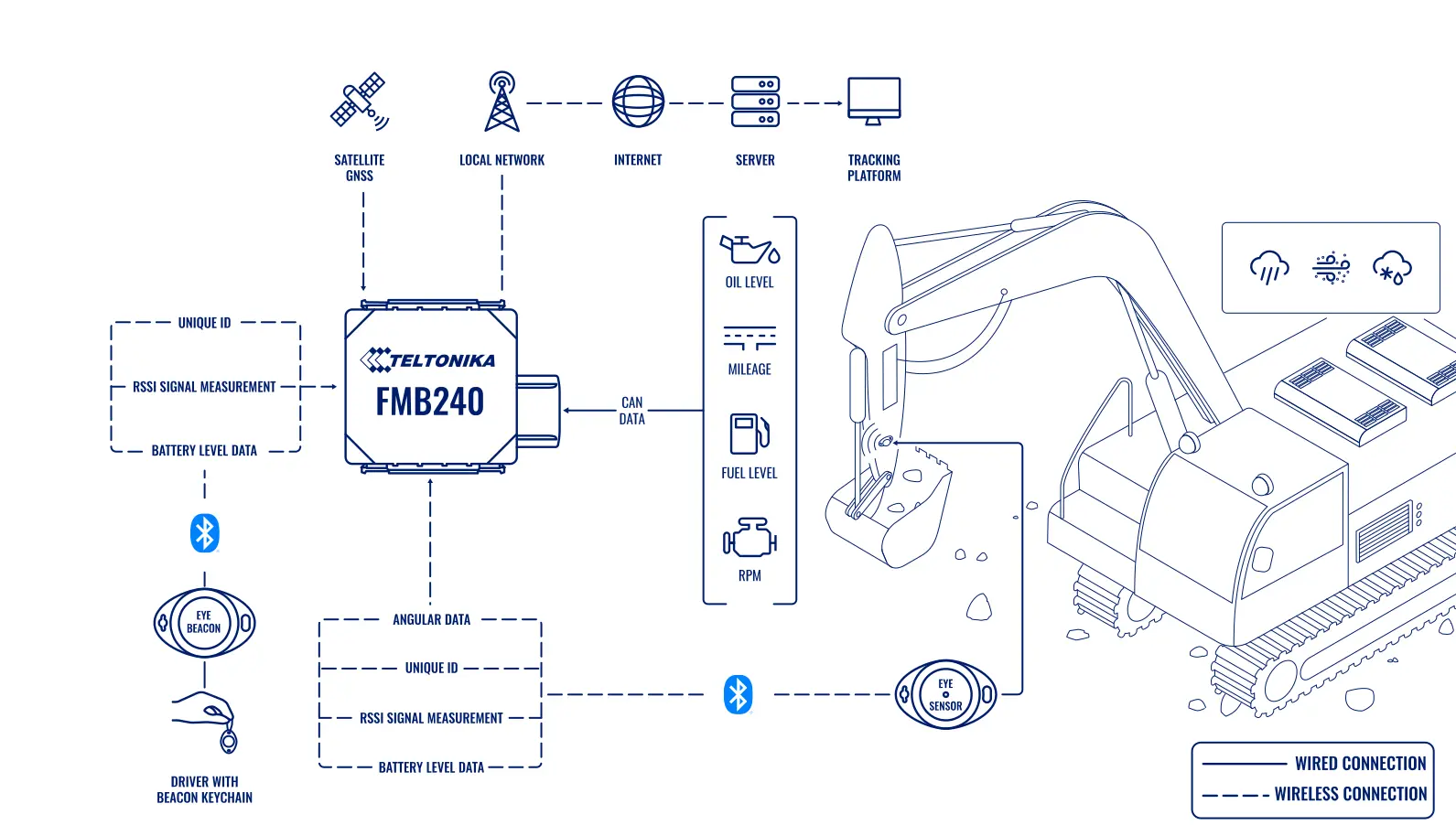
Teltonika offers a combination of the FMB240 tracker and wireless EYE Sensor sensors. The FMB240 sends coordinates, CAN data and events, while an EYE Sensor fixed to the working implement measures its tilt and movement. By comparing engine operation with movement of the boom or the body, the system separates real work from idle time.
Installation and setup
Fitting the device and configuring it for the fleet scenario at hand.
Data transfer
The device collects data and sends it to the monitoring platform; how often depends on the model and its settings.
Analysis and control
The person in charge gets reports and alerts and looks into what stands out.
The equipment. The FMB240 is an ADVANCED category tracker with a built-in CAN data processor carrying the functionality of the ALL-CAN300 adapter, which means it reads parameters off the bus of many machines without a separate adapter. The IP67 housing stands up to dust, rain and washing down. The EYE Sensor is a wireless Teltonika sensor on Bluetooth LE that passes angular movement, motion and other parameters to the tracker.
What the sensor goes on. Excavator booms, the hydraulic lifts of refuse bins, concrete pavers, ploughs, grader blades, combine headers, the brushes of road sweepers — anywhere the work involves lifting, slewing or tilting.
How work is told apart from idle time. If an excavator's engine is running and the sensor on the boom shows no movement at all, then fuel is being used and no work is being done. If the boom rises and falls, the machine really is digging. The report shows how many hours of the shift went on work and how many on idling. For a refuse lorry it is the same: what gets counted is bin lifts, not simply hours of engine running.
Keeping track of tipping. A sensor on the body or the lift records when and where it was raised. The manager compares the number and the locations of tipping events with the plan: if a tipper raised its body at a point where no tipping should happen, that shows up straight away.
Hazardous areas. The site is marked out with geofences. If the sensor shows boom movement inside a restricted area, the system sends a notification to the manager, and the operator can be stopped at once.
An episode. In the morning the site foreman looks at yesterday's report: two excavators on the section each ran their engines for 9 hours, but on one the boom moved for 7 hours and on the other for only 3. It turns out the second excavator stood half the day with nothing to dig, but the engine was never shut down. The next day it is moved to another section where there was not enough plant.
Identifying operators. The solution gets stronger if every operator is given their own EYE Beacon. The tracker sees who has got into the machine, and working time is counted per person. The manager sees overtime, weekend work and cases where the machine ran outside permitted hours. An argument along the lines of I was not on that machine that day is settled from the data.
What the dispatcher sees. For each machine: a map of its movements, engine hours, hours of working implement activity, the number of lifts or tipping events, events in hazardous areas and the operator's name. A summary report for the site shows where plant is short and where it is standing idle.
Minimum configuration and acceptance. Per machine: an FMB240, one EYE Sensor for each working implement that has to be counted, and an EYE Beacon per operator if time has to be recorded per person. The condition for the whole thing to work is that the sensor on the boom or the body must reach the tracker in the cab reliably over Bluetooth, and that is checked immediately after fitting. Acceptance is done over a pilot shift: the site foreman notes down how many cycles there were and what idle periods occurred, and then compares those notes with the report. If the figures differ, the angle thresholds are adjusted until the report starts to match what can be seen on site.
Configuration. Sensors and beacons are set up through the EYE app for iOS and Android: signal strength and transmission interval are matched to the particular machine and project.
What you get
Real utilisation of the machines
The angular data from the EYE Sensor shows how many hours the machine actually worked its implement, separately from engine hours.
Less idling
Idle periods with the engine running show up in reports for each machine and each operator, and they can be cut down.
Control over tipping
The sensor records every lift of a body or a bin with its place and time, and unauthorised tipping stops going unnoticed.
Safety on site
Boom movement in a restricted area raises a notification, and dangerous work can be stopped in time.
Operator time records
EYE Beacons automatically show who worked on each machine and for how long, including overtime and weekends.
Simple fitting
Wireless sensors go on without running cables along moving parts, and if one is damaged it is quickly replaced.
Why this solution
The main advantage of this arrangement is that there are no wires on moving parts. A cable run along an excavator boom to a sensor does not last long: it chafes through, gets torn off, gets drenched in hydraulic fluid. A wireless EYE Sensor simply clamps onto the boom and sends its data over Bluetooth to the tracker in the cab. The FMB240, with IP67 protection and built-in CAN support, covers the rest: coordinates, engine hours, consumption off the bus.
Honestly about the limits. A tilt sensor shows movement, not volume of work: it will not tell you how many cubic metres the excavator shifted. Angle thresholds are matched to each machine, and the first few days go on telling working movement apart from incidental rocking. The sensor battery has to be checked from time to time, particularly on machines that work all year round. Not every machine gives data over CAN: on older equipment engine hours are counted from the ignition or from a sensor, and some parameters are simply not available. And it is worth explaining to the operators in advance what counts as work and what counts as idle time, otherwise the first reports will cause arguments instead of being useful.
How this works in Azerbaijan. The scenario is in demand on the reconstruction sites of Karabakh and East Zangezur, on road projects along the M-2, M-3 and M-4 routes, in the quarries of the Garadagh district that tippers haul crushed stone and sand out of, at the municipal services of Baku and Sumgait with their fleets of refuse lorries, and in agriculture on the Kur-Araz lowland, where combines and tractors with mounted implements work. When rolling out it is worth allowing for dust and heat of up to +40 °C: sensors are mounted where stones will not hit them and water will not flood them, and for accurate fuel records on machines without CAN we add an Escort fuel level sensor. As Teltonika's GOLD partner in Azerbaijan, GPS.az fits the FMB240, EYE Sensor sensors and EYE Beacons and brings engine hours, working implement activity and tipping events into reports on the Wialon platform.
Related case studies
Related rollouts and equipment
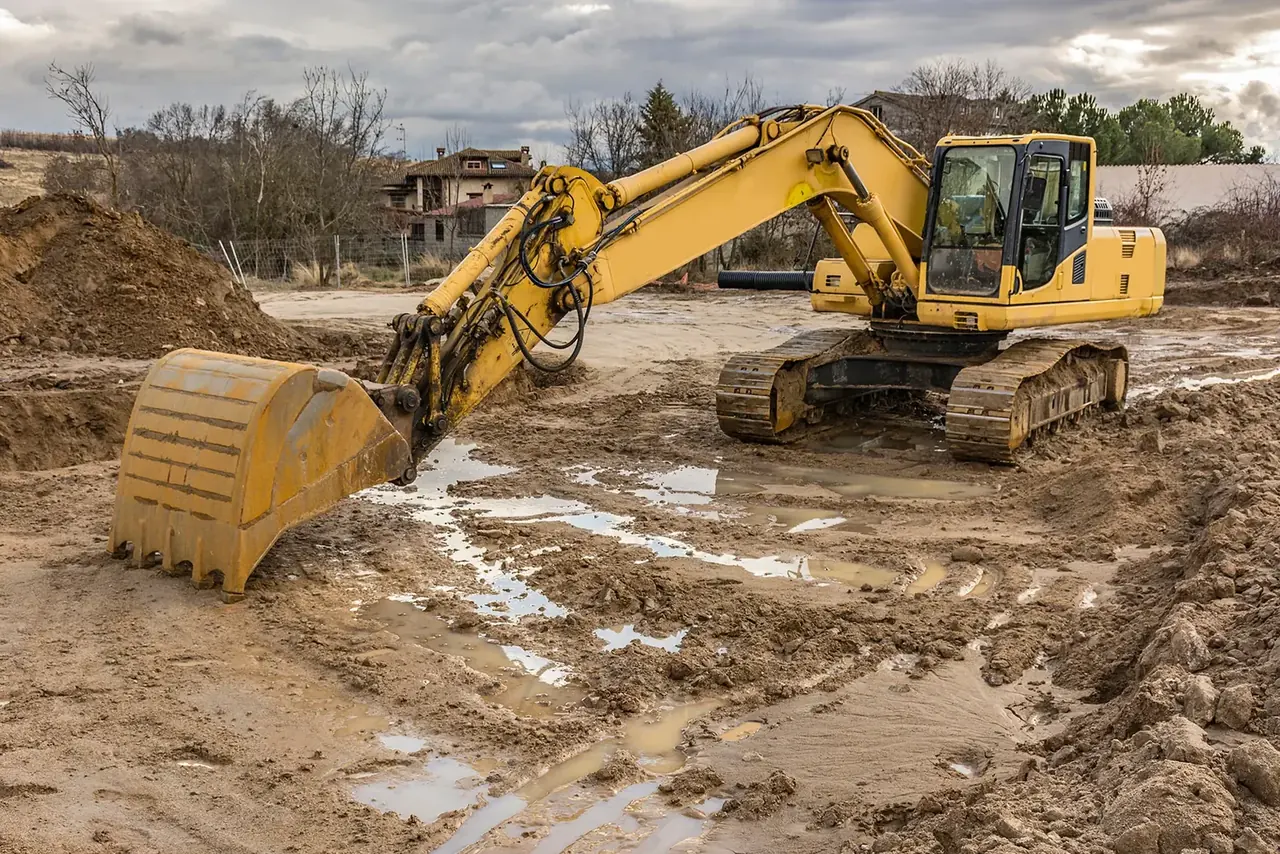
IP67 trackers for construction machinery
Agriculture, construction and mining

Keeping track of site tools with BLE beacons
Agriculture, construction and mining
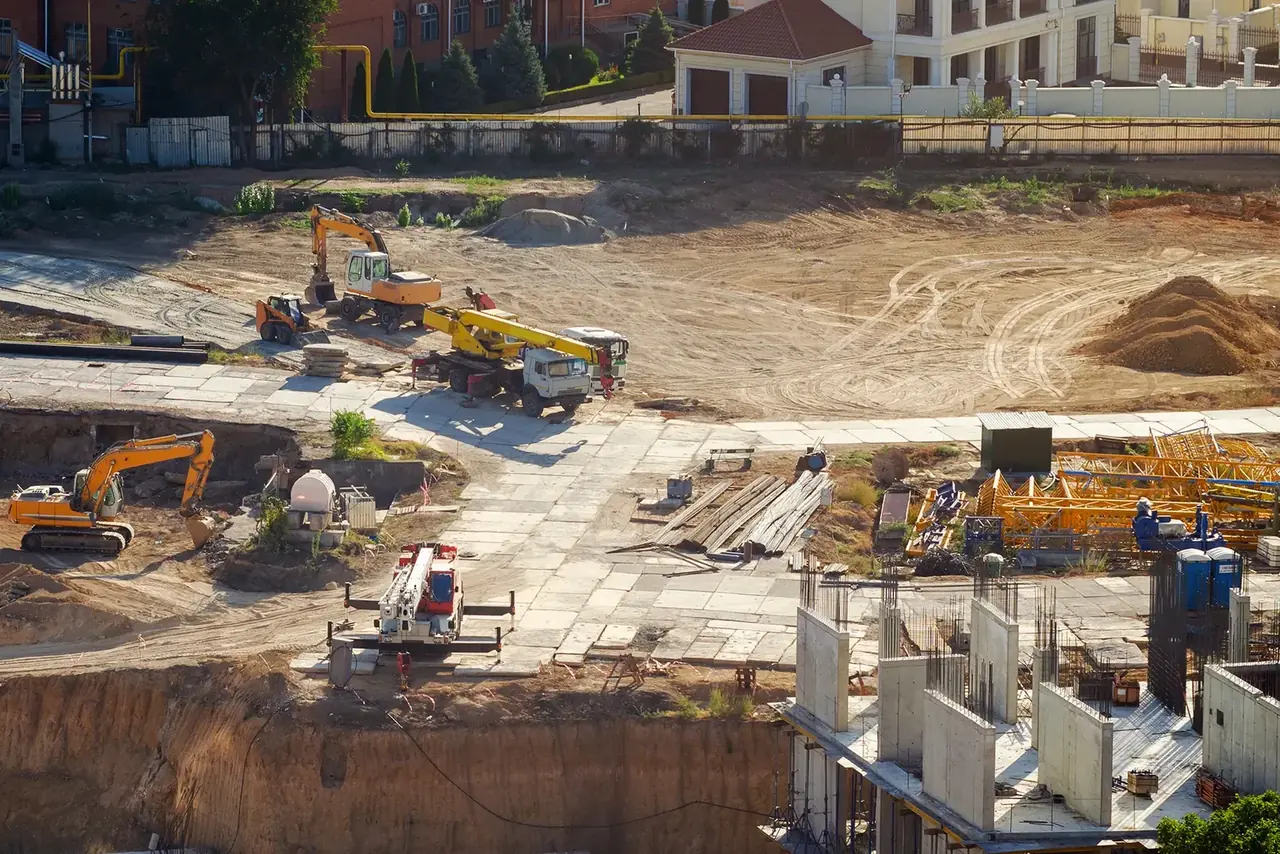
Protecting plant and tools on site: TAT100
Agriculture, construction and mining
Questions about the “Recording plant and heavy equipment work with EYE sensors” scenario
Request a call
A specialist will call back and match a solution to your fleet and your task.