
IP67 trackers for construction machinery
The FMB240 tracker in an IP67 housing with a built-in CAN adapter is fitted to construction machinery to show not only where it is but also engine temperature, oil pressure, fuel and load — straight onto the dispatcher's screen.
The FMB240 tracker in an IP67 housing with a built-in CAN adapter is fitted to construction machinery to show not only where it is but also engine temperature, oil pressure, fuel and load — straight onto the dispatcher's screen. Construction machinery lives in dust, mud, rain and snow. An ordinary tracker often fails in those conditions, which leaves the fleet without data again. The Teltonika FMx2 series was built for exactly this: a dust-tight, water-resistant housing, simple fitting and CAN bus reading without a separate adapter. We look at the problem the use case solves, how the solution is put together and what to watch for when rolling it out in Azerbaijan.
What this scenario solves
The construction market is growing, and the machinery on it works in the worst conditions imaginable.
Sand, dust, clay, rain, snow and salt destroy the machines' assemblies and electronics.
Wear that goes unnoticed in time turns into an expensive repair and downtime.
A mechanic physically cannot walk round every machine each day and take readings off the gauges.
The construction market is growing, and the machinery on it works in the worst conditions imaginable. Sand, dust, clay, rain, snow and salt destroy the machines' assemblies and electronics. Wear that goes unnoticed in time turns into an expensive repair and downtime. A mechanic physically cannot walk round every machine each day and take readings off the gauges.
The figures from the original use case. BusinessWire estimates that the global construction market grew from 11.49 trillion dollars in 2020 to 12.53 trillion in 2021, growth of around 9% a year. The American Automobile Association (AAA) calculated that drivers in the USA spent about 15.4 billion dollars over five years on fighting rust alone. For heavy machinery the bill is higher: by one estimate of operating costs, repairs to a Cat backhoe loader come to roughly 6–8 thousand dollars a year, and an engine failure costs incomparably more.
Machinery does not break down suddenly. First the temperature rises, the oil pressure falls, the engine runs at full load without warming up. Spot that in time and the repair is planned and inexpensive. Miss it and the site waits for a part while the contractor pays penalties for missed deadlines.
Research by the University of Nebraska shows that monitoring the condition of machinery and proper preventive maintenance cut repair costs by up to 25%, that is by roughly 6,000 dollars per machine. For a fleet of twenty units that is already serious money. The trouble is that an ordinary tracker does not last long on a building site, and engine condition data cannot be obtained without a CAN adapter.
What Teltonika offers
The Teltonika use case takes the FMB240 — a 2G tracker in an IP67 housing with a built-in ALL-CAN300 module, which reads the machine's CAN bus without a separate adapter and sends the location and up to 100 machine parameters to the server.
Installation and setup
Fitting the device and configuring it for the fleet scenario at hand.
Data transfer
The device collects data and sends it to the monitoring platform; how often depends on the model and its settings.
Analysis and control
The person in charge gets reports and alerts and looks into what stands out.
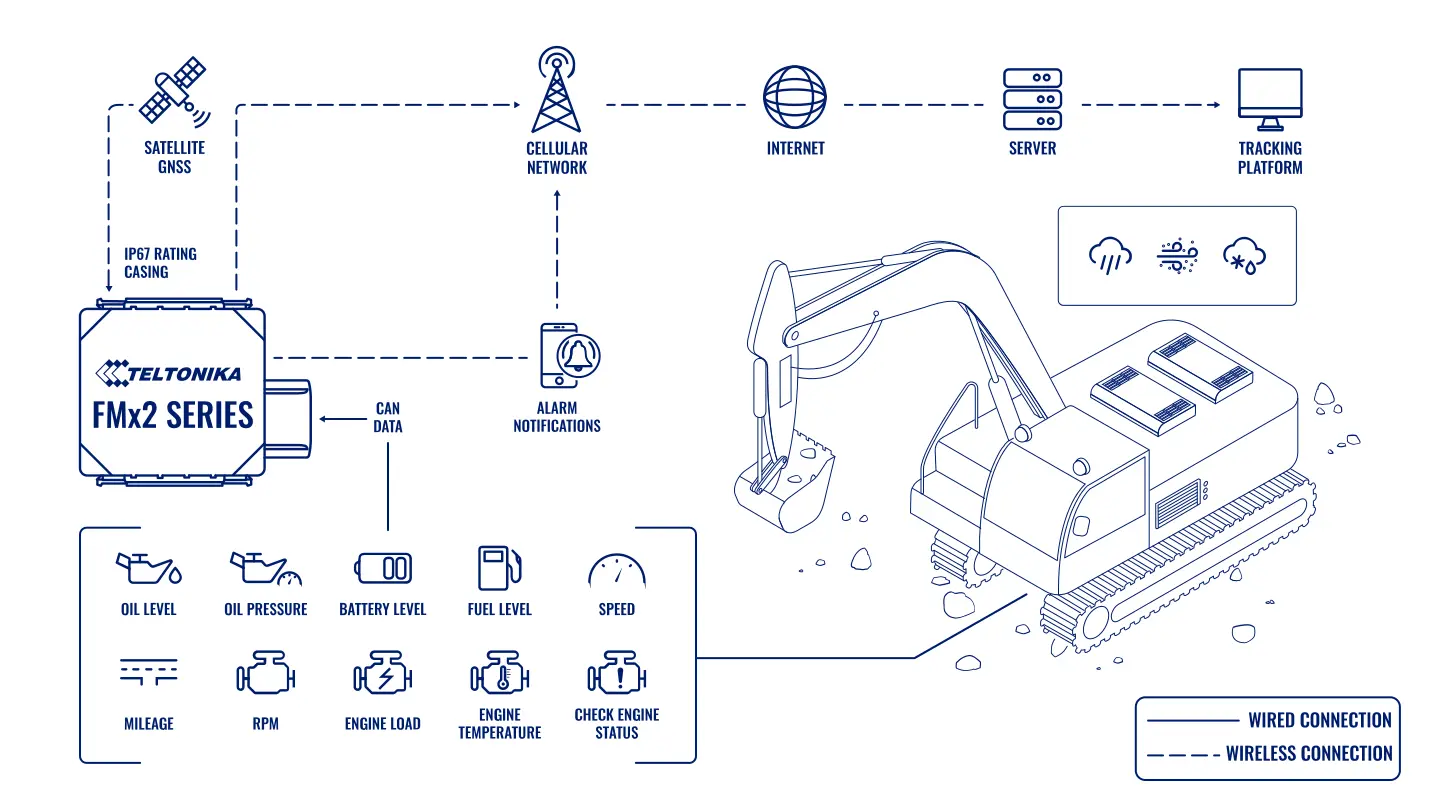
The FMx2 series. The FMB240 belongs to Teltonika's new range alongside the FMB225, FMB230, FMC225, FMC230 and FMM230. They all share the same housing, certified to IP67: fully protected against dust and able to withstand temporary immersion in water. The difference is in connectivity and features: the FMB models work on 2G, the FMC on LTE Cat 1, the FMM on LTE Cat M1. Built-in CAN is specific to the FMB240, which is why it was chosen for the use case.
Why warming up matters. Heavy machinery manufacturers hold that an engine reaches its working regime once it is warmed above 40 °C. Load the machine earlier and wear rises sharply. On site in winter that is an everyday story: the excavator operator starts up and immediately begins digging frozen ground. The tracker sees engine temperature and load at the same time, so such cases end up in the report.
What the tracker reads over CAN:
• engine temperature and oil pressure;
• fuel level and battery voltage;
• speed, mileage, revolutions;
• engine load and engine hours.
In all, up to 100 parameters can be transmitted at once — the set depends on the particular machine.
What that gives in practice. The mechanic no longer has to walk from machine to machine copying readings off the instrument panel. He sees every machine on screen, gets a notification if a bulldozer's oil pressure has dropped or its engine has overheated, and plans servicing by engine hours rather than whenever someone remembers. The dispatcher sees where machines are standing, how long they work and how long they idle with the engine running. The section manager sees which operator looks after a machine and which one thrashes it.
Fitting. A 2-in-1 device is quicker and cheaper to fit than a tracker plus a separate CAN adapter: fewer cables, fewer connection points, fewer places to fail. The housing closes on a two-stage catch, with no screws and no tools. It is fixed with adhesive tape or cable ties — inside the cab or outside it.
Acceptance on the machine. Once fitted, it is checked on the particular unit: which CAN parameters actually arrive and whether they match the instrument panel, whether engine hours are counted correctly and whether notifications about critical parameters reach the mechanic. The list of parameters is recorded for each model, so that nobody later waits for data a machine does not provide.
An honest limitation: not all machinery has CAN data. On older machines with no electronic control unit the engine parameters cannot be read, and what remains is location, engine hours from the ignition, and sensors wired to the tracker's inputs.
What you get
It works where an ordinary tracker dies
The IP67 housing is unfazed by quarry dust, hosing the machine down and rain.
Engine condition without walking the site
Temperature, oil pressure and load are visible remotely, and a fault is noticed before a breakdown.
One device instead of two
The built-in CAN module does away with a separate adapter, making fitting quicker and cheaper.
A housing with no screws
The two-stage catch closes by hand, and the tracker can be removed quickly and moved to another machine.
Plenty of mounting options
Tape, cable ties, inside the cab or outside, depending on the machine.
Planned servicing by engine hours
Maintenance is carried out on actual running time rather than by the calendar or the mechanic's memory.
Why this solution
A building site is one of the harshest environments for electronics. A tracker has to survive dust, vibration, water and swings in temperature and still transmit data reliably. The FMx2 series was designed for these conditions: a sealed housing, simple fitting, several connectivity options on one platform.
For the integrator there is the added advantage that the whole range is configured the same way — in the Teltonika Configurator, with over-the-air firmware updates. You can start with the FMB240 on machines that have CAN and put the FMB230 on simple machinery with no electronics, and still work with them as one fleet.
Data from Teltonika trackers integrates easily into the popular monitoring platforms, where it is used for geofences, engine hour and fuel consumption reports, and service planning.
What to bear in mind. For accurate fuel records on machinery without CAN consumption data you still need a fuel level sensor in the tank. CAN fuel level readings on heavy machinery are often coarse and no use for finding drains.
How this works in Azerbaijan. Construction machinery here works in very varied conditions. The quarries of the Garadagh district and Absheron mean dust and heat up to +40 °C. Road construction on the M-1, M-2 and M-3 means constant moves between sections. Reconstruction projects in Karabakh and East Zangezur mean mountains, mud, snow on the passes in winter and a weak signal far from settlements. An IP67 housing here is not a formality but a condition for the tracker surviving the season. Where there is no network, the tracker writes data to memory and sends it once Azercell, Bakcell or Nar coverage appears. For new projects we advise the FMC versions with LTE — 2G is being wound down gradually. GPS.az, as Teltonika's GOLD partner in Azerbaijan, selects a tracker for each unit of machinery, fits Escort fuel level sensors to the tanks of excavators and bulldozers and sets up reports in Wialon on engine hours, warming up and idle time, along with notifications about critical engine parameters.
Equipment used
Full specifications are in the catalogue.
Full specifications are in the catalogue.
Full specifications are in the catalogue.
Full specifications are in the catalogue.
Full specifications are in the catalogue.
Full specifications are in the catalogue.
Related case studies
Related rollouts and equipment
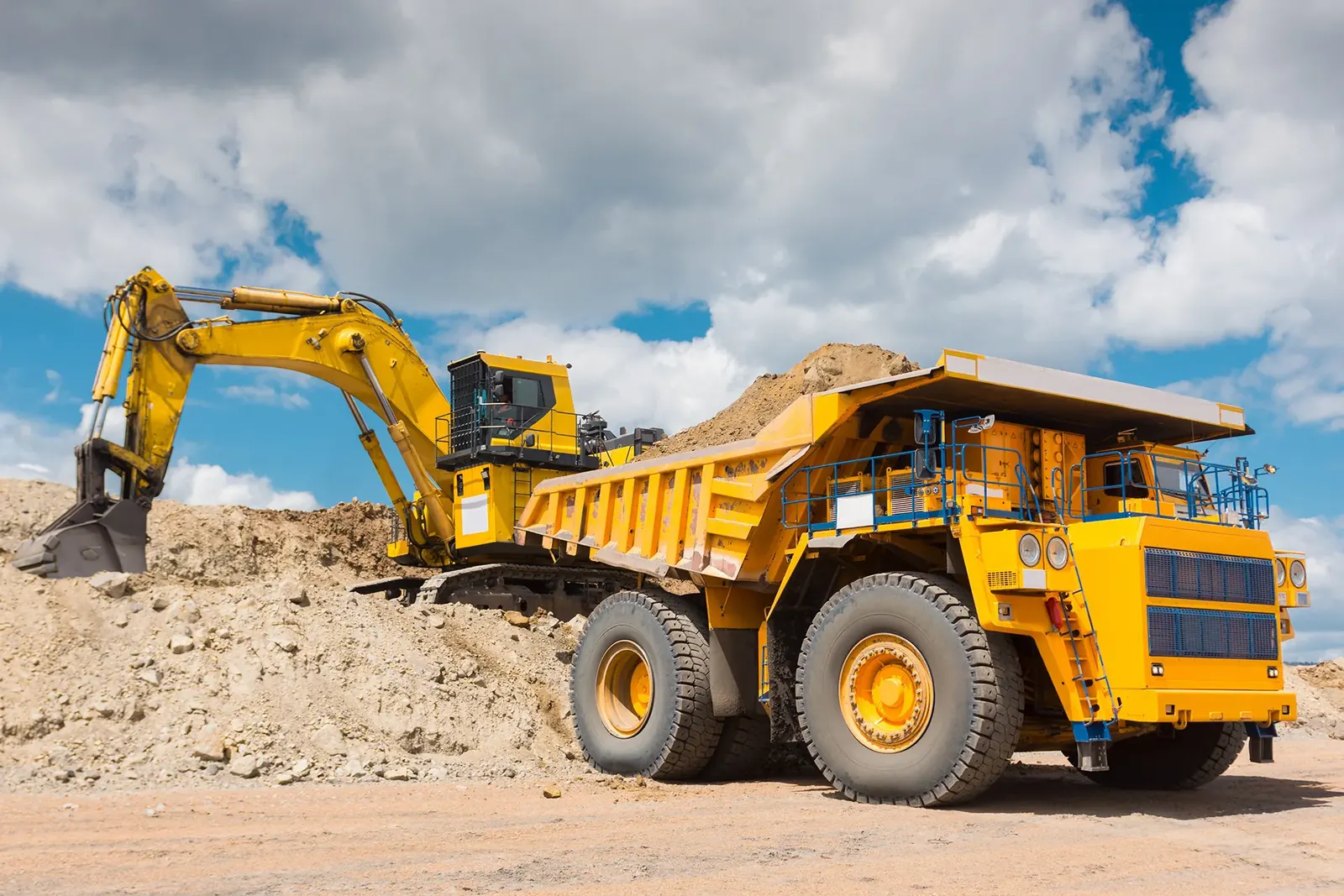
Recording plant and heavy equipment work with EYE sensors
Agriculture, construction and mining
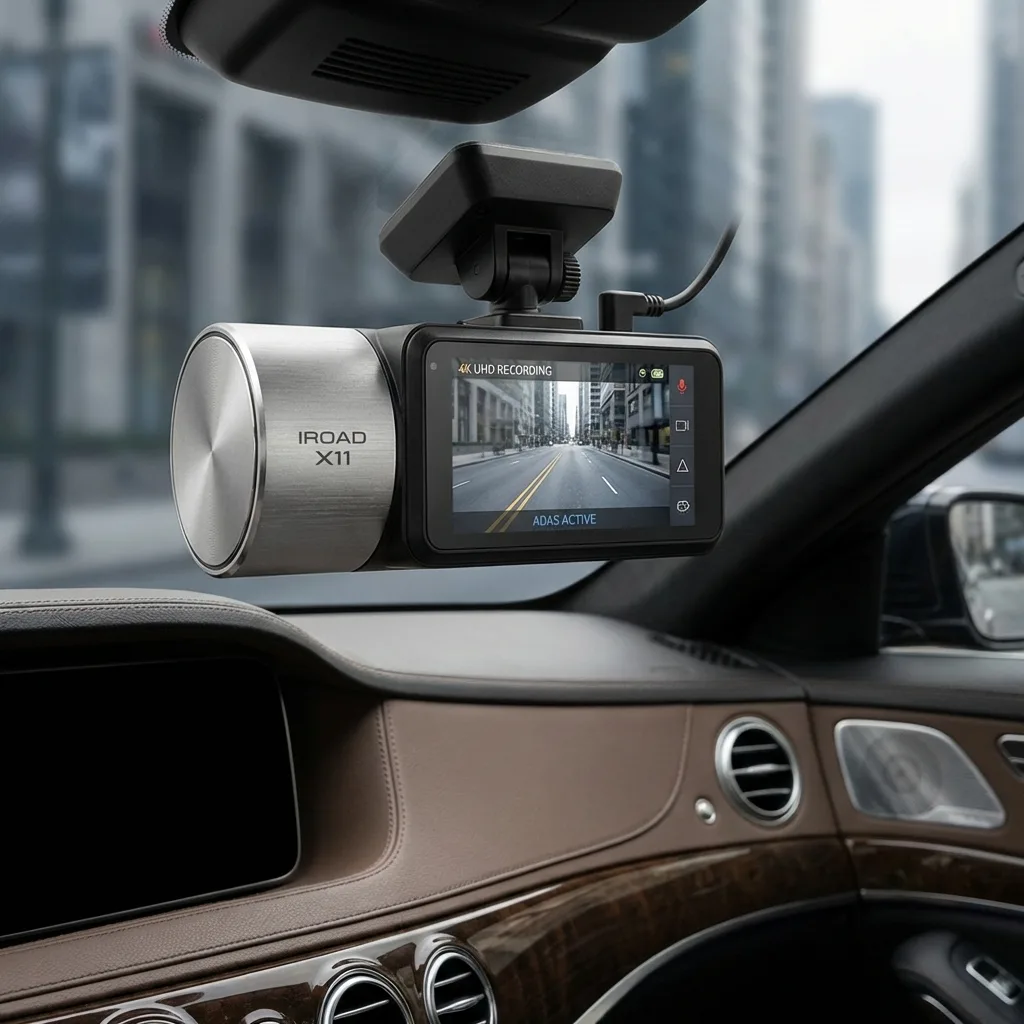
Road video recording: tracker plus DashCam
Driver safety
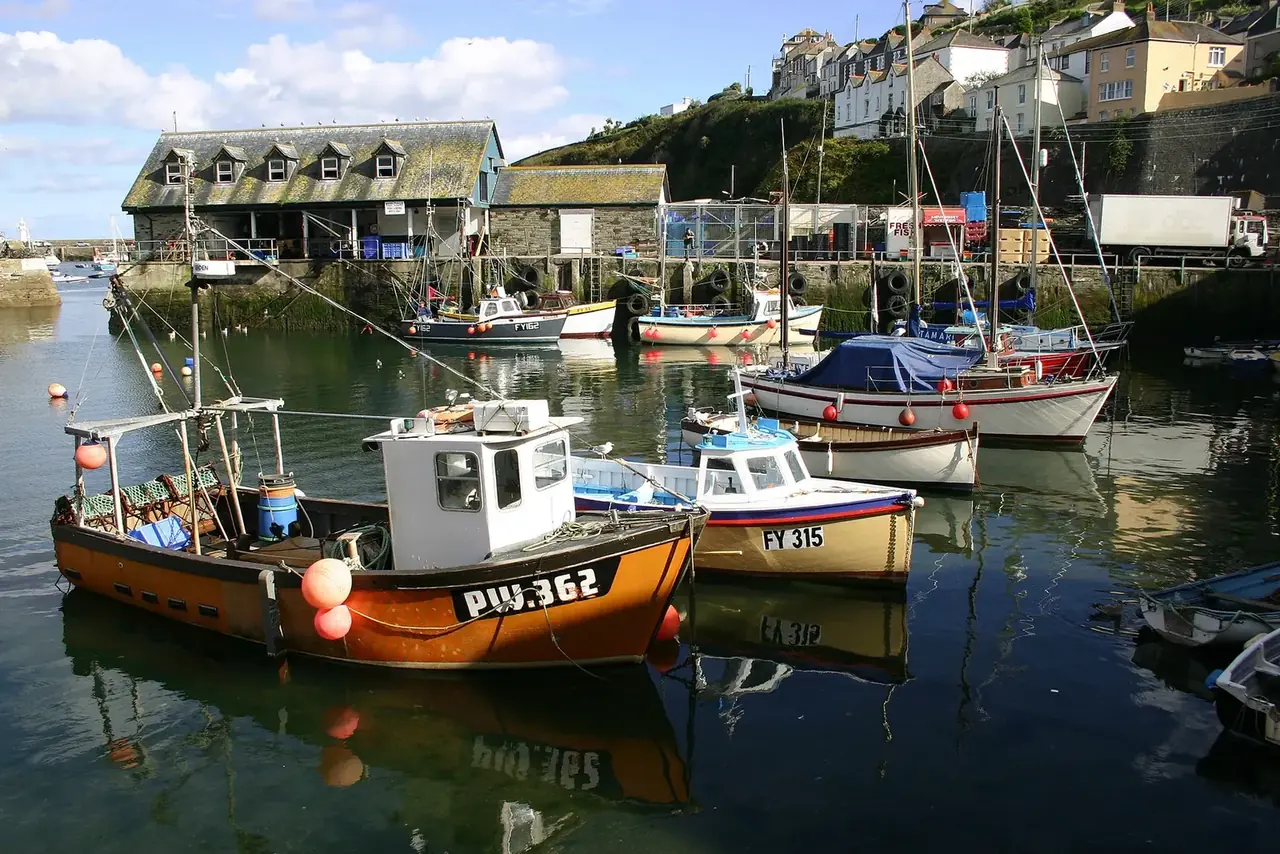
Monitoring fishing boats with the FMC230
Fleet telematics
Questions about the “IP67 trackers for construction machinery” scenario
Request a call
A specialist will call back and match a solution to your fleet and your task.