
On-site servicing of GPS equipment
A crew comes out to your yard, your site or out into the field: fitting trackers and fuel level sensors, calibrating tanks, tracing and clearing faults, and carrying out scheduled preventive work. Baku and the Absheron are covered on request, the regions to a visit schedule, and large fleets are dealt with in a single trip. Work needing a vehicle lift or the removal of a tank in the workshop is not done on site.
- 08:30 Crew on site, site pass arranged
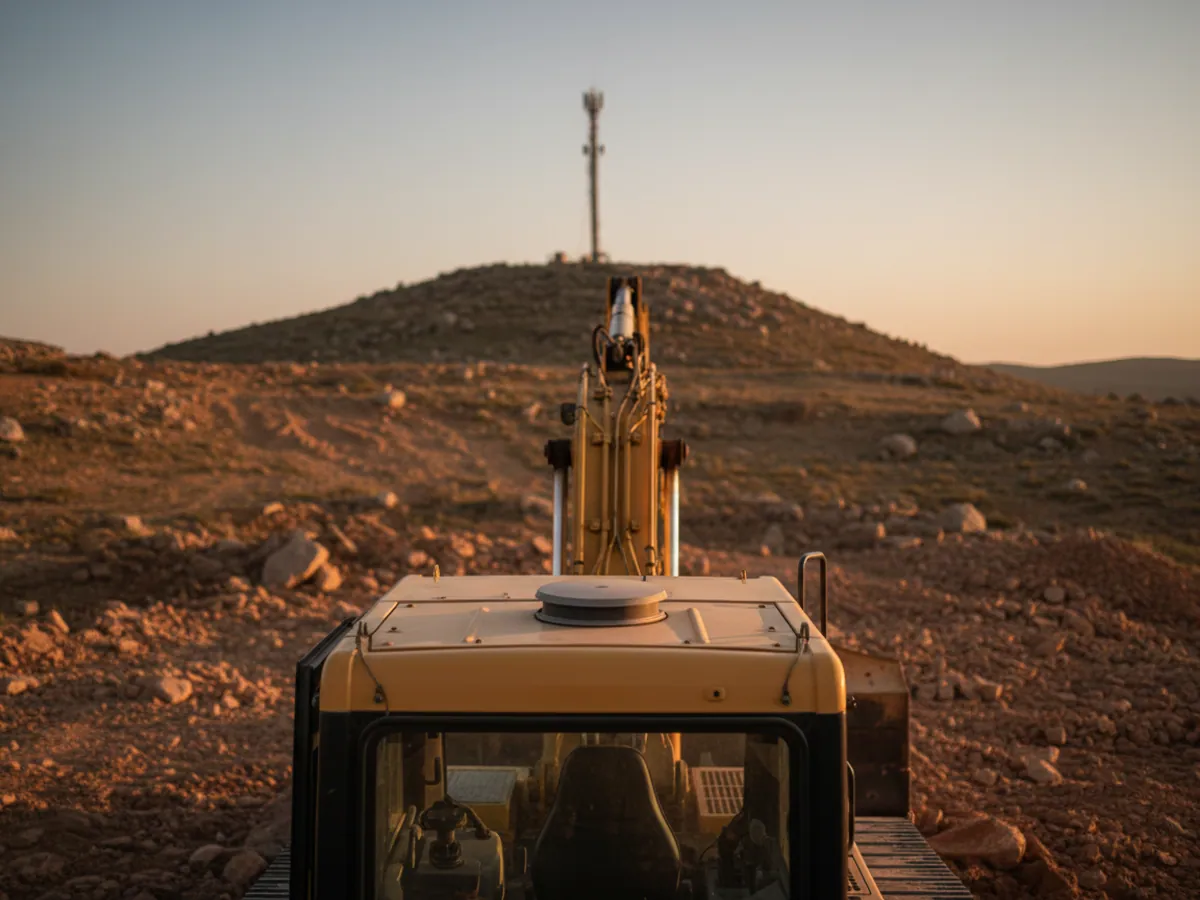
- 10:10 Excavator: corroded power connector
- 12:40 Tipper lorry: fuel sensor checked against a control refuelling
- 16:00 Sign-off sheet and photographs for every vehicle
The equipment on the vehicles has been fitted or put back in order, and every vehicle has been checked in the system before the crew leaves. At the end of the visit you receive a sign-off sheet and a report on each vehicle: what was done, photographs, seal numbers, calibration tables and a list of what is worth putting right later.
We come out to the machines, not the other way round
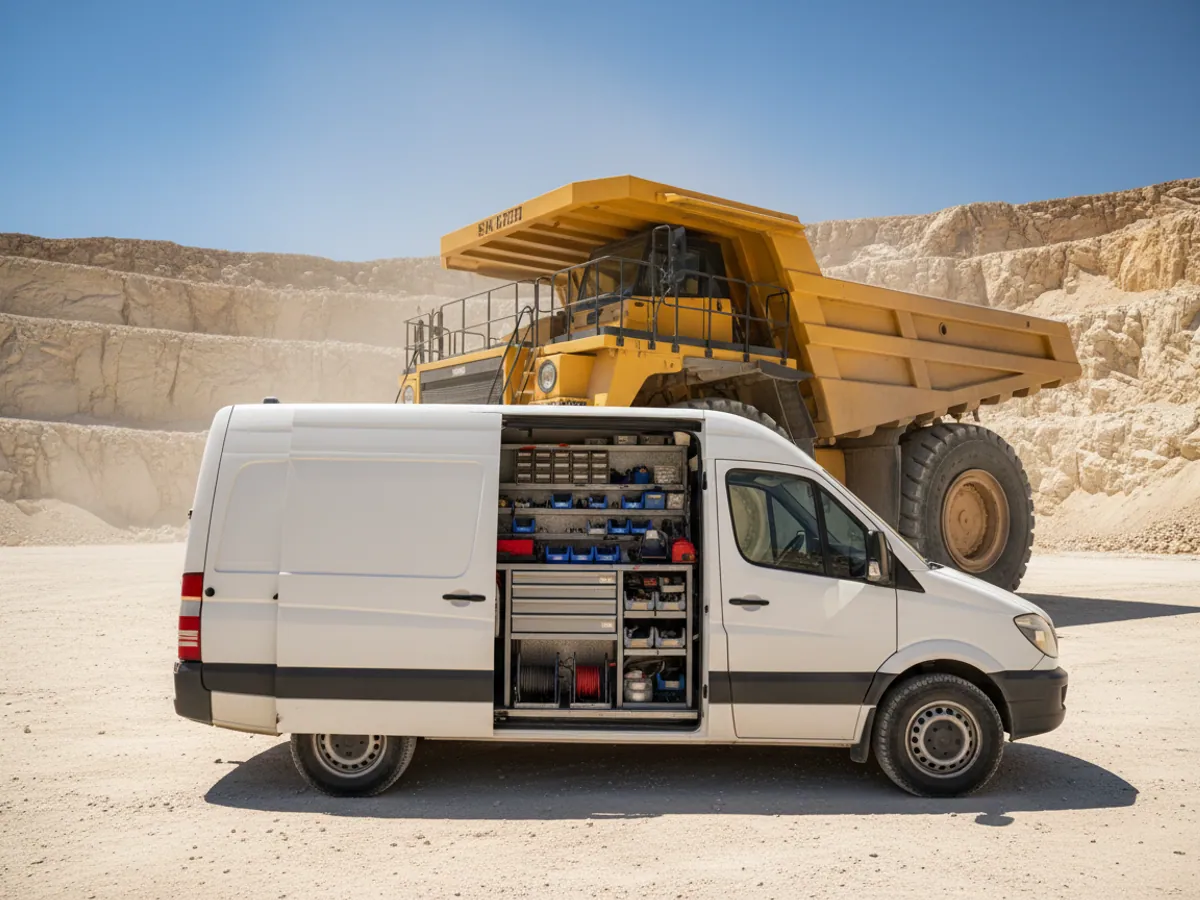
Driving a tipper lorry out of a quarry in Garadagh to a workshop on the other side of Baku just to replace a sensor means half a day of downtime, the fuel burned and the runs missed. With an excavator it is worse still: it cannot travel under its own power, so you need a low-loader. And at an agricultural holding in Sabirabad the machines simply cannot stop during the season.
On-site servicing of GPS equipment solves this simply: the fitting crew comes to your yard, to the site or out into the field. We fit Teltonika and Queclink trackers, fuel level sensors, CAN adapters, driver card readers and dashcams, calibrate tanks, repair what has broken and carry out scheduled preventive work.
We work in Baku and across the Absheron, and travel to Sumgait, Ganja, Mingachevir, Shirvan, Sheki, Guba, Lankaran and other districts, and to construction sites in Karabakh. If there is a large fleet in a region, we come out as a crew for several days and service every vehicle in one visit.
How the work goes, step by step
Telemetry first
An engineer looks at power, connection and sensors, so the fitter travels with the right part.
Vehicles and the yard
Vehicles on site with their keys, level ground, and for calibration nearly empty tanks and fuel to hand.
Work on site
Fitting, calibration, repair or preventive work. A large fleet means a crew for several days.
The vehicle in the system
Before we leave: connection, ignition, power and sensors. Your responsible person sees this with us.
A report per vehicle
The list of work, photographs, seal numbers, calibration tables and what should be put right later.
A day of preventive work at a quarry
An illustrative example: a scheduled walk round 14 vehicles and machines at a quarry in the Garadagh district, with a crew of two.
- Crew at the quarry, the list checked off 14 vehicles
The pass and the escort were arranged in advance. Machines that are due out on a job are checked first.
- Walk round: mountings, seals, connectors 20–40 min
On each vehicle we check the wiring, the seals, the power supply and the sensor readings in the system.
- Excavator: corroded power connector put right
Dust and pressure washing. We clean it, protect the connector and check that the tracker holds power again.
- A broken fuel sensor seal on a tipper lorry into the sign-off
We photograph it, fit a new seal and check the sensor against a control refuelling. What to make of the driver is for the customer to decide.
- Sign-off sheet and photo report signed done
The report says what was done on each vehicle and what is worth replacing by the next walk round.

What the crew does on site
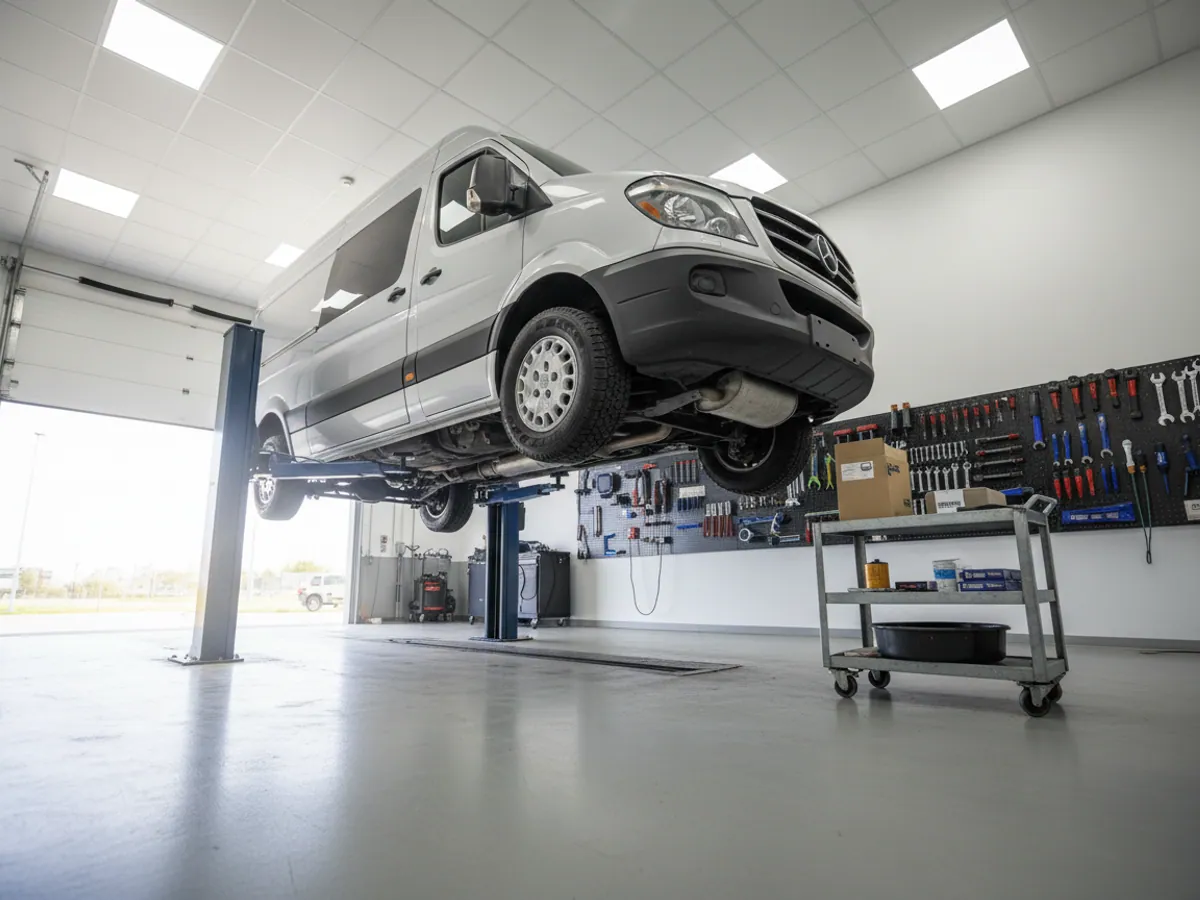
A field fitter can do everything that is done in a fixed workshop, apart from work that needs a vehicle lift or the removal of a tank in the workshop:
- fitting GPS trackers with connections to power, ignition and the additional inputs — there is more about this on the GPS tracker fitting page;
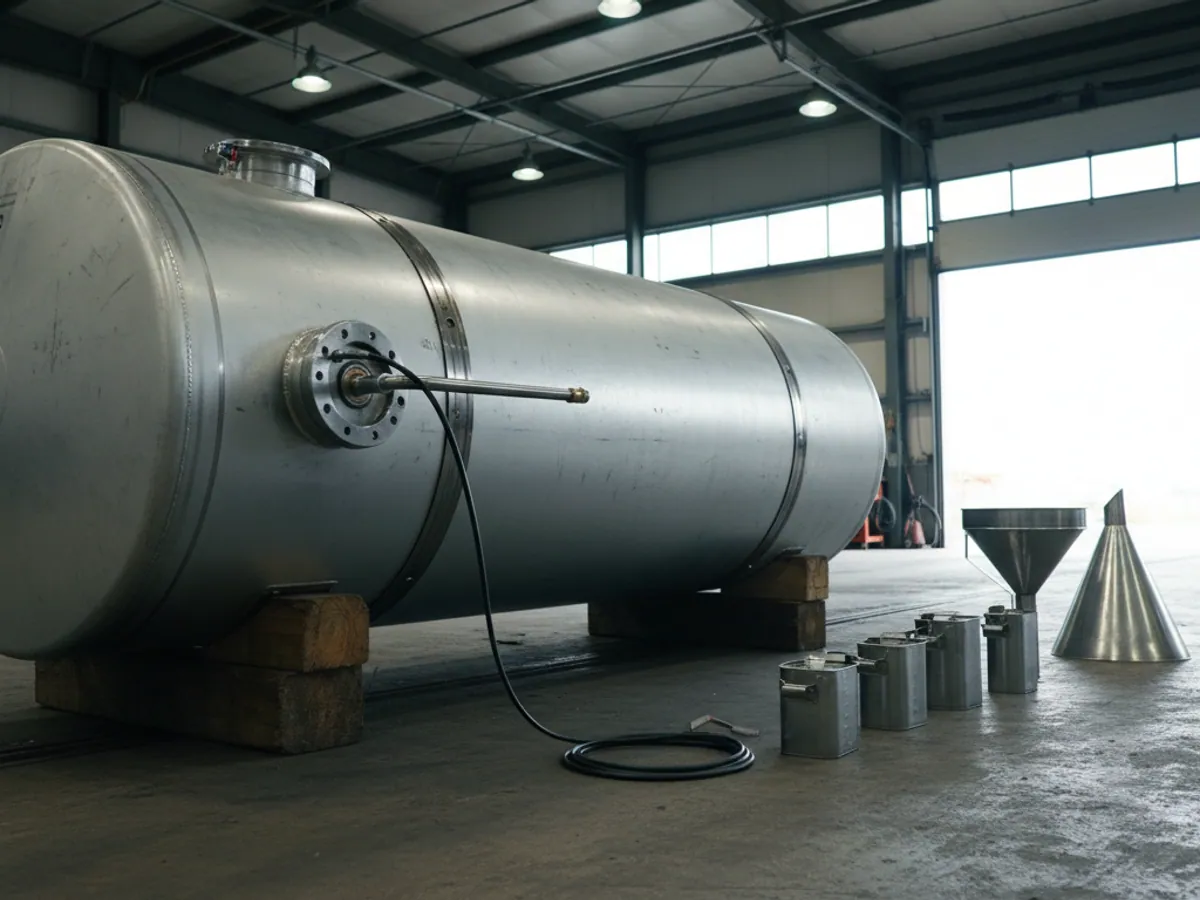
- fitting and calibrating fuel level sensors — filling the tank in measured portions right on your own yard, see fuel level sensor fitting;
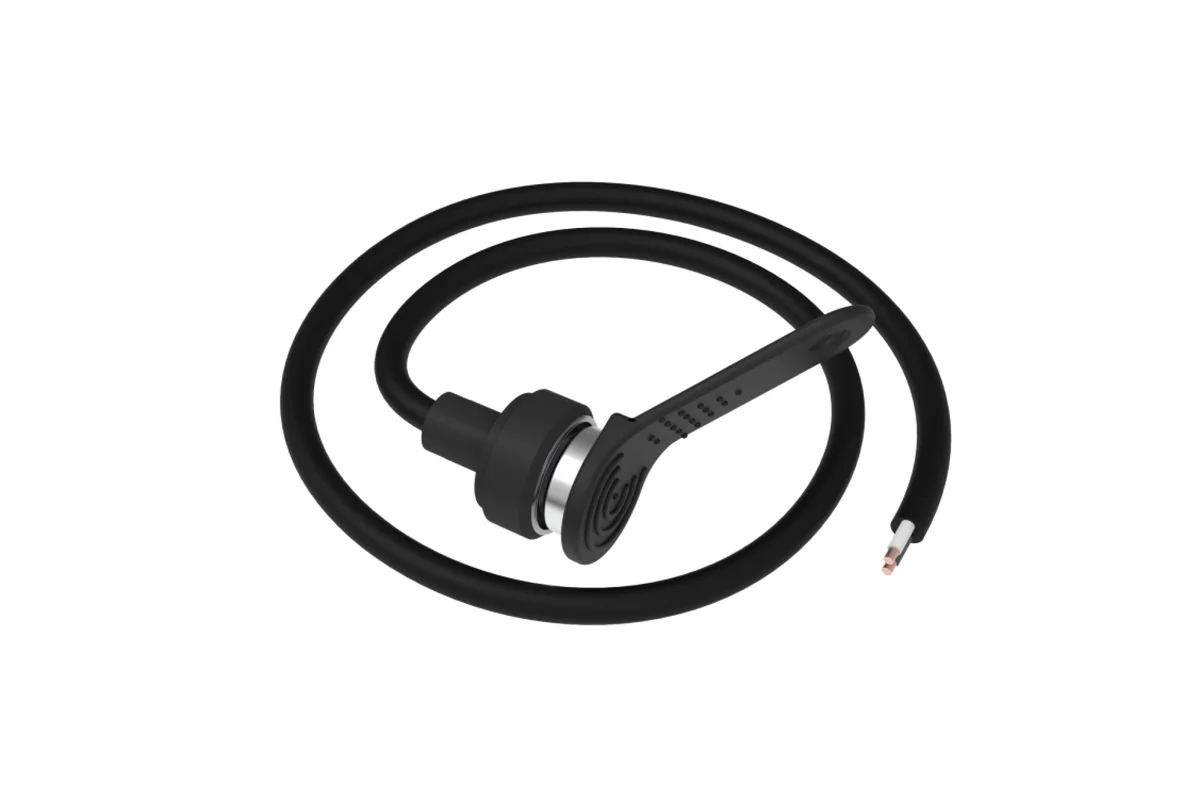
- connecting to the CAN bus through a contactless reader, without cutting into the standard wiring;
- iButton and RFID readers for driver identification;
- dashcams and cameras in the cab and the body;
- diagnosis and repair: tracing a break, replacing a fuse, an aerial or a sensor;
- moving equipment from a vehicle that has been sold onto a new one;
- scheduled preventive work on all the equipment fitted.
How long each job takes
A tracker without sensors — 1–2 hours
Fitting, connecting power and ignition, checking that it comes on air and appears in the system. A crew of two fits 6–8 trackers in a day.
A fuel level sensor with calibration — 2–4 hours
It depends on the capacity of the tank and how many tanks there are. A tractor unit with two 400-litre tanks takes almost half a day, because each tank is filled separately.
A CAN adapter — about an hour
A contactless reader onto the CAN wiring. Longer if the vehicle has non-standard wiring that has to be traced.
A dashcam — 2–3 hours
Including running the cables to the cameras in the cab and the body. For buses and multi-camera systems it takes longer.
Diagnosing a fault — from 30 minutes
The engineer looks at the vehicle's telemetry beforehand, so on site he usually already knows what to look for.
Preventive work — 20–40 minutes per vehicle
Checking the mountings, connectors, power supply and the working of the sensors. On a scheduled walk round the fleet, dozens of vehicles in a day.
What to prepare before the crew arrives
Whether we finish in a day or have to come back depends on the preparation. Here is what we ask for:
- the vehicles on site and available: not out on a job, not locked in a shed with no keys;
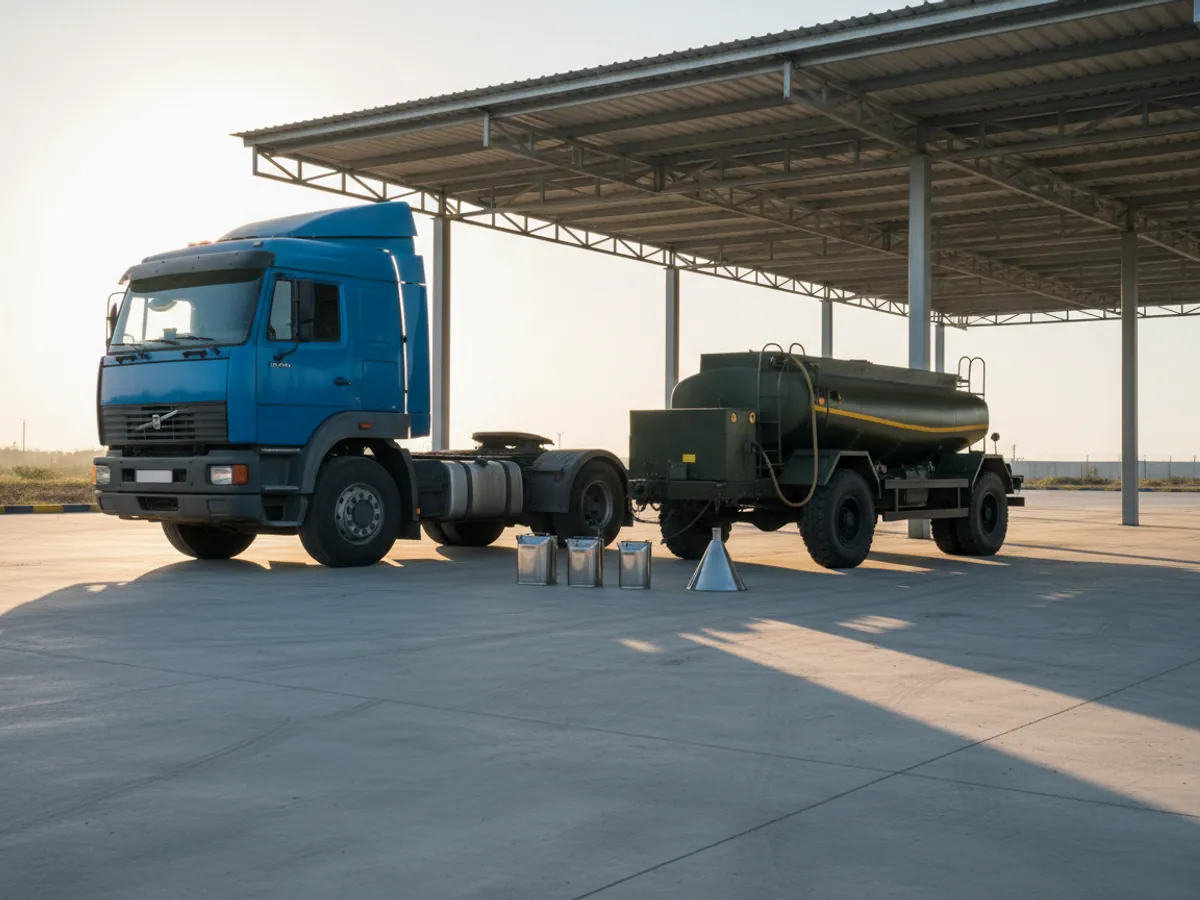
- for fuel sensor calibration, tanks that are nearly empty, with no more than 10–15% left in them, and fuel on the yard for the filling: a bowser, drums or an arrangement with the nearest filling station;
- level ground for the vehicles being calibrated: on a slope the calibration table will come out wrong;
- someone on your side who will sign the sheet and mark off the vehicles;
- if we are working with dashcams, where the memory cards will be kept and who will review the recordings.
In summer in Baku and on the Absheron the metal of a cab heats up in the sun until you cannot touch it, and adhesives and sealants behave differently. So in the heat we try to work early in the morning or in the shade, under a canopy. In winter in Guba and Gusar it is the other way round: a shed, or at least shelter from the wind and snow, is needed.
Areas, work and visit windows
Baku and the Absheron
Every kind of work, including urgent call-outs to a fault. The time is agreed with you; under a service contract in Baku the target response time is up to 48 hours on working days once access to the vehicle has been agreed.
Sumgait and the nearby districts
Fitting, calibration, diagnosis and preventive work. Visits are planned for a particular day so that several vehicles can be dealt with at once.
The regions: Ganja, Sheki, Guba, Lankaran and others
A crew comes out to a schedule, for one day or several. We give you the timescale when the request is taken: it depends on the distance and on how busy the crews are. A single trip to one vehicle in a distant region rarely pays, so we try to combine requests.
Quarries, construction sites, fields, Karabakh
We work on site provided passes and an escort have been arranged. A visit to an area with restricted access is planned in advance, and an urgent trip there is not always possible.
Weekends and evenings
Bulk fitting can be scheduled for evenings and weekends, when the vehicles are standing. The terms for such visits are discussed separately.
Visits for different purposes
Equipping a whole fleet in a few days
When a new customer comes on board or the equipment across a whole fleet is being replaced, we come out as a crew of two to four and work to a schedule agreed with your dispatchers: in the morning we take the vehicles that are not going out today, in the evening the ones that have come back from a job.
Every vehicle is checked in the system after fitting, before the fitter walks away from it.

How we protect the installation against interference
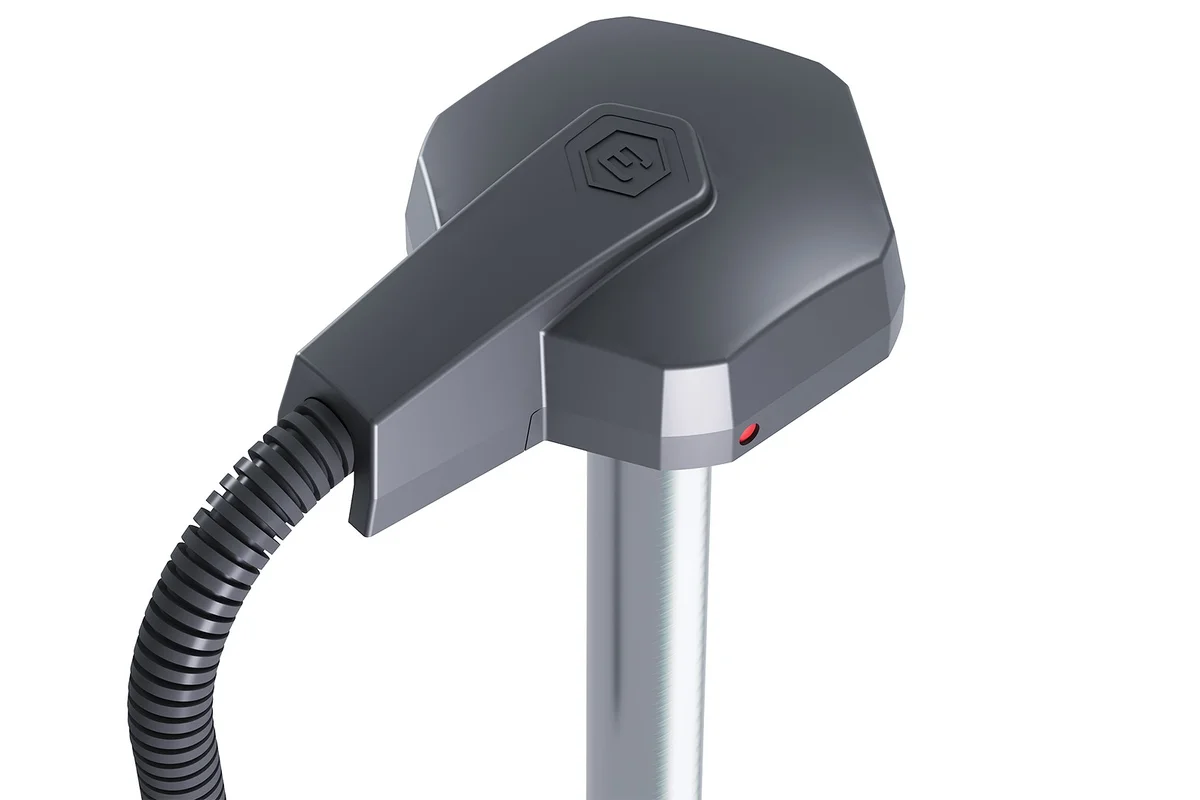
Fitting on site is also a question of keeping the equipment intact. A driver who siphons fuel finds the tracker and the sensor inconvenient, so we fit them in a way that makes interference difficult and obvious:
Seals
Numbered seals on the connectors, on the fuel sensor mounting and on the tracker housing. The numbers go into the sign-off sheet and the photographs. A broken seal found at a check is grounds for looking into it.
Concealed fitting
The tracker goes behind panels, somewhere a driver cannot reach without tools. The wiring runs in conduit, and the joints are soldered and insulated.
A disconnection notification
A tracker with a backup battery will report the loss of external power even if the wire has been cut. The notification goes to the dispatcher.
A photo report
Photographs of the fitting location, the seals and the connections for every vehicle. If something has changed six months later, it will show.
What a visit before the harvest season looks like
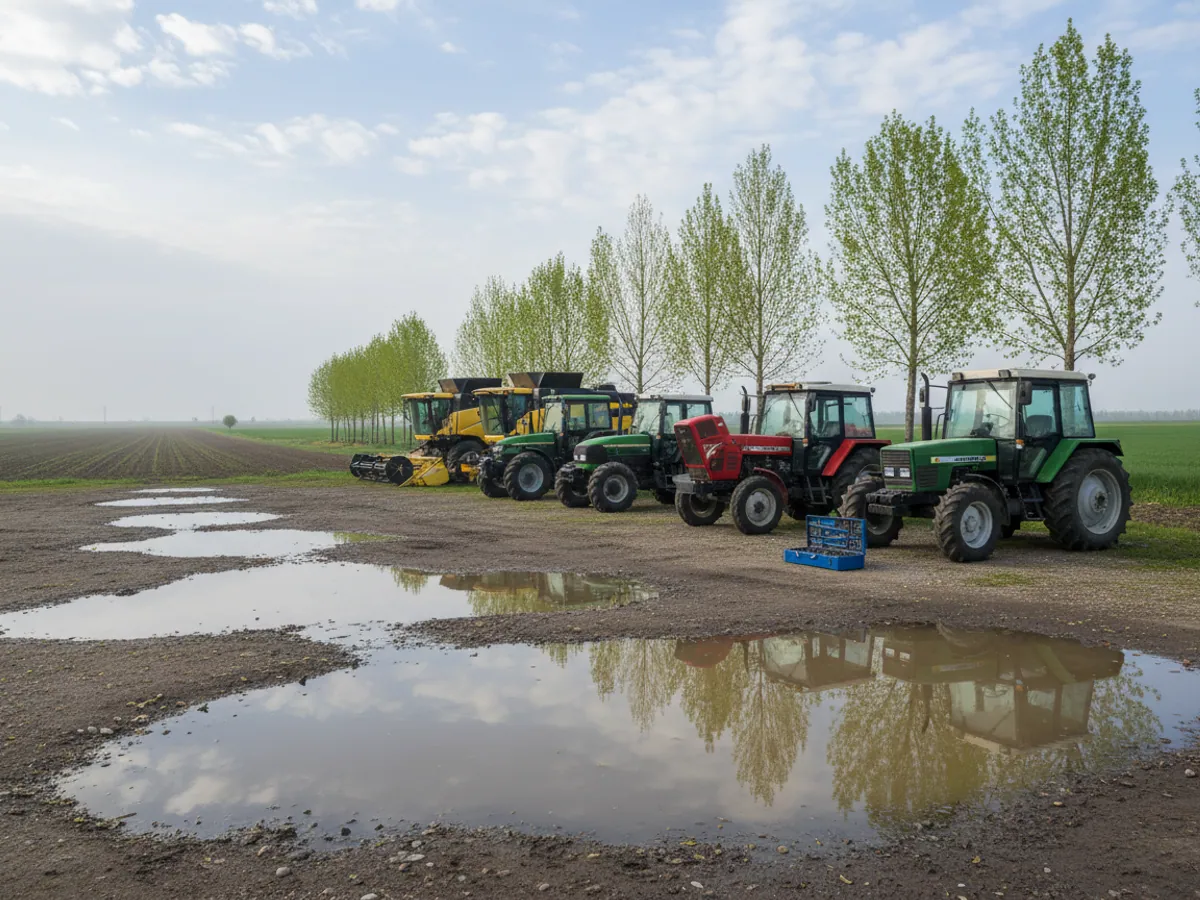
A typical job in spring: a farm in the Kura-Aras lowland is preparing 25 tractors and combines for the season; some of them have had equipment fitted since last year, and the new machines have none.
A week before the visit an engineer looks in the system to see which trackers did not come on air over the winter and which sensors are giving odd readings. We draw up a list: six machines off the air, fuel level sensors reading zero on two combines, four new tractors to be equipped from scratch.
A crew of three comes out for two days. The first day covers the new tractors and the diagnosis of the silent machines: on four of the six the power connectors have corroded after a winter out in the open, and on two the tracker's backup battery has gone flat. The second day covers recalibrating the combines and preventive work on the rest.
By the start of the season the whole fleet is on air, and the farm gets a report with photographs and a list of what is worth replacing before next year.
Accepting the work and the limits of a visit
Checked in the system
Before the crew leaves, the vehicle is on air and the ignition, power and sensors are showing correct values. Your responsible person sees this alongside the fitter.
Sign-off sheet and photographs
For each vehicle: the list of work, photographs of the fitting locations and the seals, and the seal numbers. For a fuel level sensor, the calibration table. The sheet is signed by your responsible person on site.
Not included
Repairs to the vehicle's own electrics and fuel system, work needing a lift, and removing and cleaning a tank. If the cause of a fault lies in the vehicle itself, we record that in the sheet and advise who to turn to.
If the visit falls through
The vehicle is not there, there are no keys, there is no fuel for the calibration, or we were not let onto the site. How such a visit is charged is written into the contract in advance, so that there is nothing to argue about afterwards.
What on-site service gives you
The machines keep working
We work where the vehicle stands, at a time that suits you. There is no need to drive the machine to a workshop and lose working hours.
Accurate calibration
The tank is filled on site in measured portions. The discrepancy between sensor and receipt that counts as normal for that vehicle is recorded from the results of the fill. On tanks of a complicated shape it comes out wider, and we say so in advance.
The whole fleet in one visit
For the regions we plan the visit so that every vehicle is dealt with at once rather than travelling out for one at a time.
No cutting into the wiring
A contactless connection to the CAN bus and power taken through a separate fuse. For vehicles under warranty we hand over the wiring diagram so that it can be agreed with the dealer.

A crew coming out or driving the vehicle to a workshop
Most of the work is done on site. Some of it needs a workshop.
| A crew comes out | Driving to a workshop | |
|---|---|---|
| The vehicle stays on site | Yes | No, half a day on the road |
| An excavator without a low-loader | Yes, we work on site | No, a low-loader is needed |
| Fuel sensor calibration | Yes, on your own yard | Yes |
| The whole fleet in one trip | Yes, to a schedule | No, one at a time |
| Work needing a lift or the tank removed | No | Yes |
Questions about “On-site servicing of GPS equipment”
Request a call
A specialist will call back and match a solution to your fleet and your task.
Similar scenarios
How similar jobs are done on Teltonika hardware
Service schedules for farm machinery from CAN data
Agriculture, construction and mining
Servicing a courier fleet on OBD tracker data
Logistics and delivery

Fuel and service planning from OBD data: FMC003
Logistics and delivery