

Insurance telematics and usage-based insurance (UBI)
Telematics for insurance companies in Azerbaijan: mileage and driving style data for pay-how-you-drive (PHYD) products, the track and the g-forces at the moment of impact for claims handling, and recovery of stolen vehicles under comprehensive motor cover.
We fit the trackers, configure the Wialon platform and hand the insurer events and aggregates in the form that suits feeding them into a pricing model or a claims system.
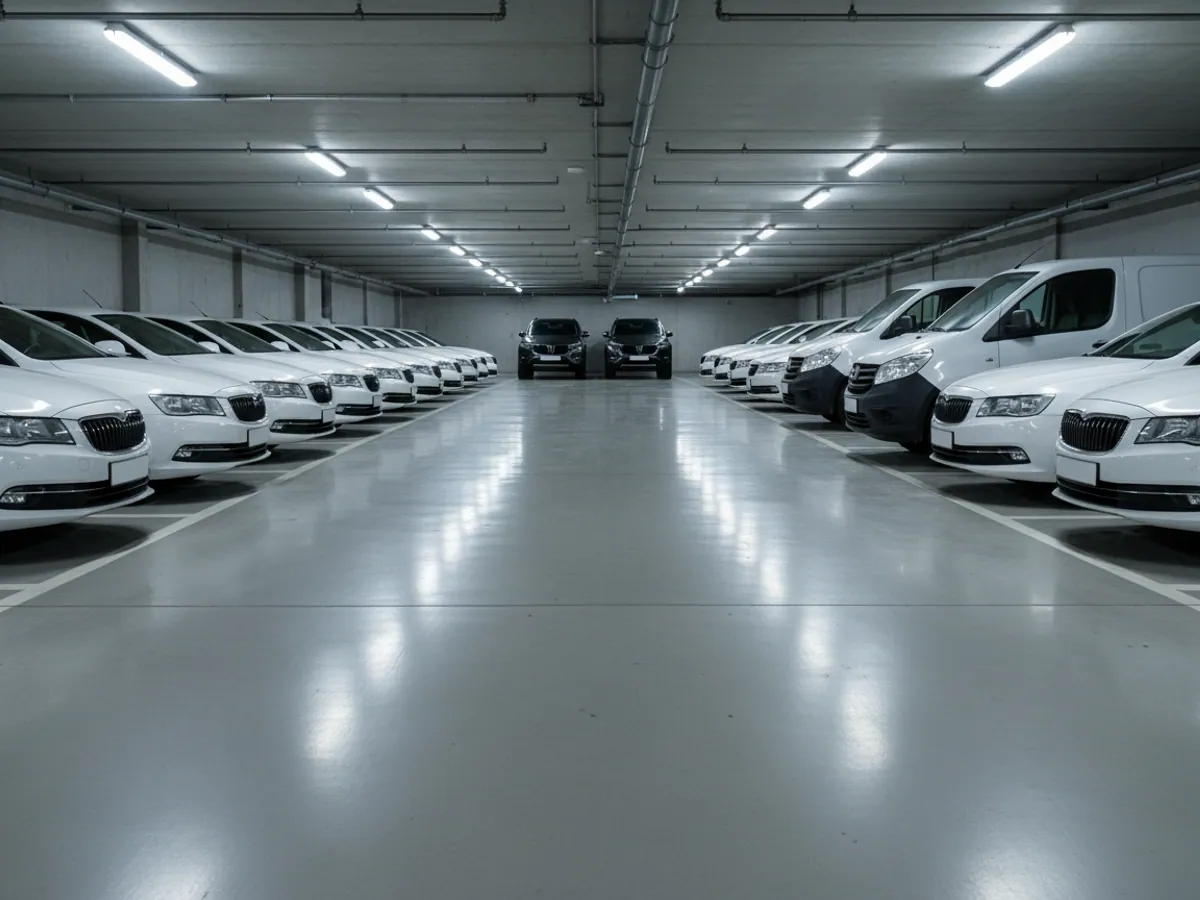
From one-size-fits-all pricing to individual risk
Today a comprehensive motor premium in Baku is calculated from the driver's age and experience, the make, the year of manufacture and the claims history. Two clients with identical Toyota Camrys are quoted almost the same price, although one drives along Babek Avenue at 40 km/h in the rush hour while the other works up to 150 on the Zykh highway at night.
Insurance telematics adds behaviour at the wheel to underwriting: how far a person actually drives, how often they brake hard, whether they drive at night, whether they speed on the open road. A careful driver can be given a discount at renewal, and a risky profile can be seen before it produces a loss.
The scoring model is built by the insurer, since that is their actuarial work. Our part is to make sure the data is complete and clean: that the tracker does not lose points in an underground car park, that the accelerometer is calibrated for the position of the device, and that false harsh braking events on speed bumps do not spoil a client's score.
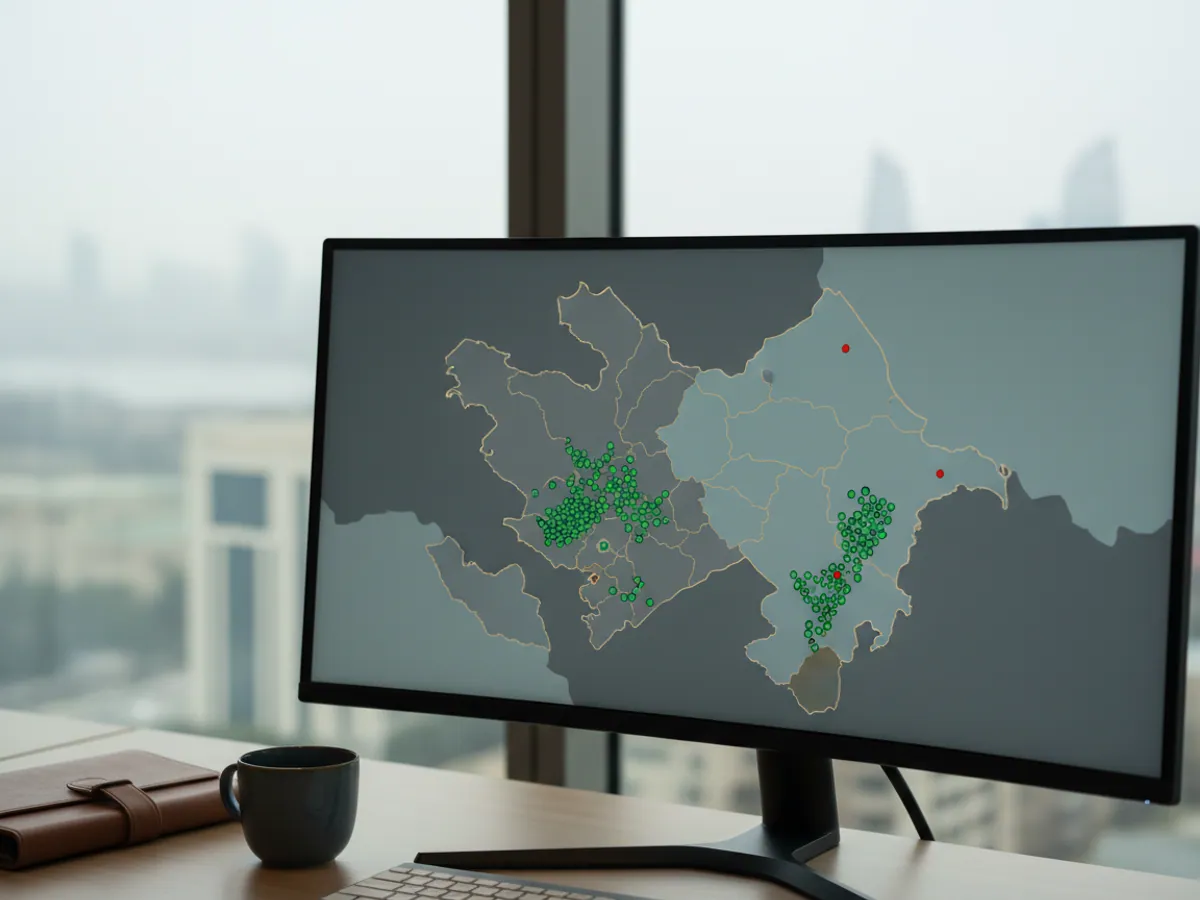
What the insurer sees in the data
The tracker records coordinates, speed and accelerometer readings. The platform turns that stream into events, and those events build up a driver profile:
- monthly mileage and the share of night-time trips;
- harsh acceleration, braking and cornering, with thresholds in g that we agree with you;
- speeding measured against the limit on the particular road, rather than against a single anything over 90 threshold;
- the length of trips without a break;
- impacts and rollovers, with the g-force recorded.
The thresholds are chosen during the pilot. Baku has plenty of uneven slip roads and speed bumps, and if the settings are made too sensitive, half your clients will come out as aggressive. Usually the first two or three weeks go on calibrating events against real trips, and only after that do the scores feed into pricing.
We have written in more detail about how driving style is scored in the section on driving style control.
Where an insurer loses money without telematics
Claims departments meet this constantly. These are the situations that come up most often in conversations with underwriters and claims specialists:
Old damage presented as new
The client reports an accident, but the damage to the vehicle is a month old. Without a track and a record of the g-force this is almost impossible to prove, and the payout goes out.
A staged theft
The vehicle is reported stolen after it has been driven out of the country or broken up for parts. The track for the last 24 hours usually shows quite quickly what really happened.
A personal policy on a working vehicle
The car is insured as a private one, but in fact works in a taxi or delivery service for 12 hours a day. Mileage of 7,000 to 9,000 km a month usually points to that kind of use.
A slow first contact
The company hears about a serious accident a day later from the client's call. An automatic impact notification lets the operator ring straight away and send out a recovery truck.
Four ways of connecting clients
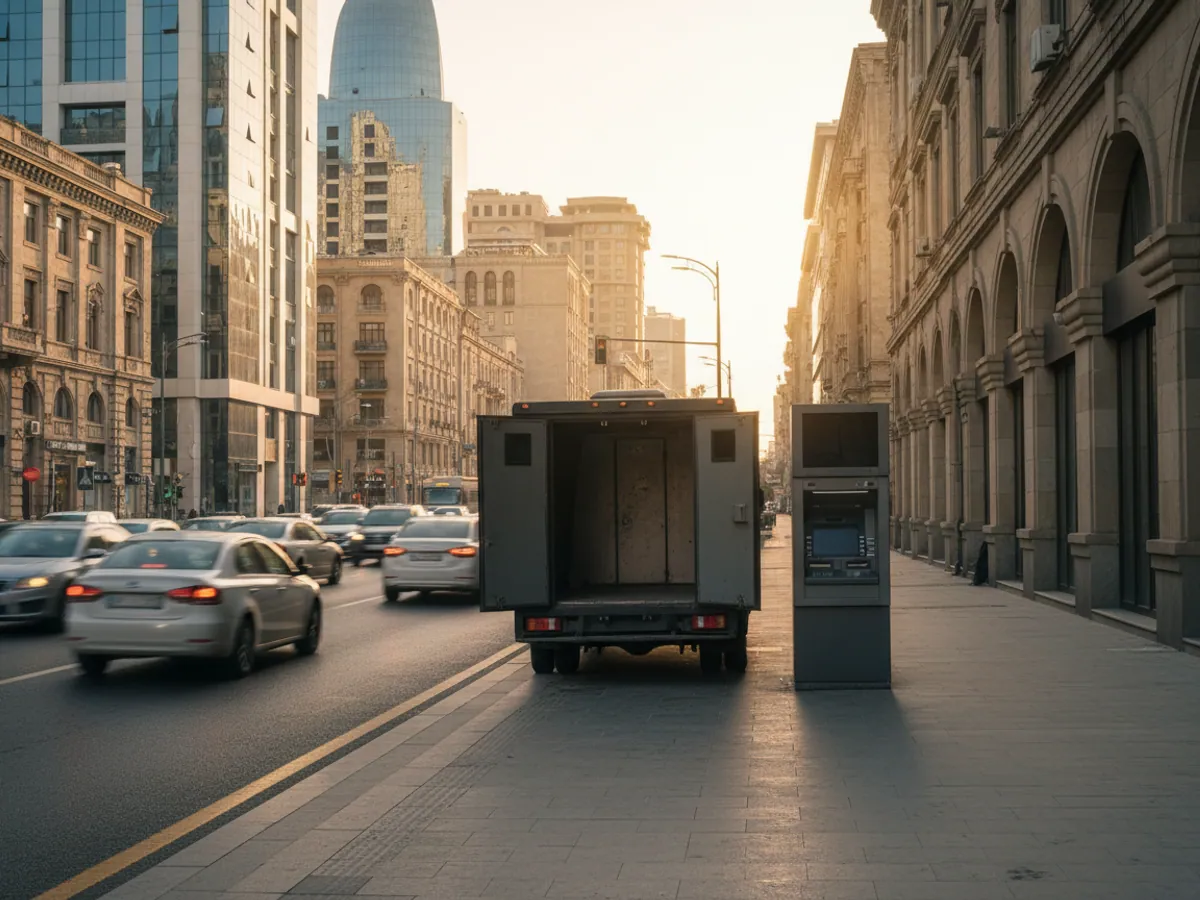
A wired tracker under the dashboard
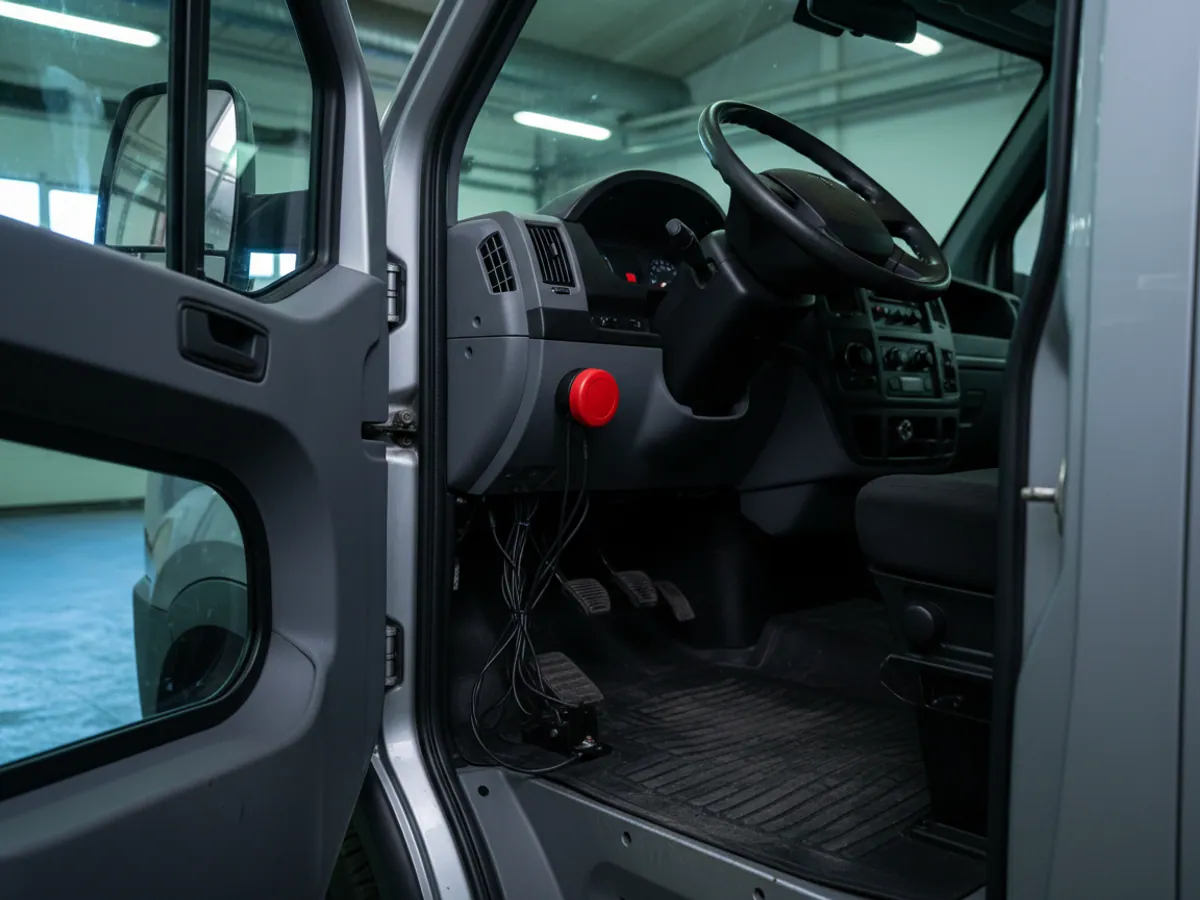
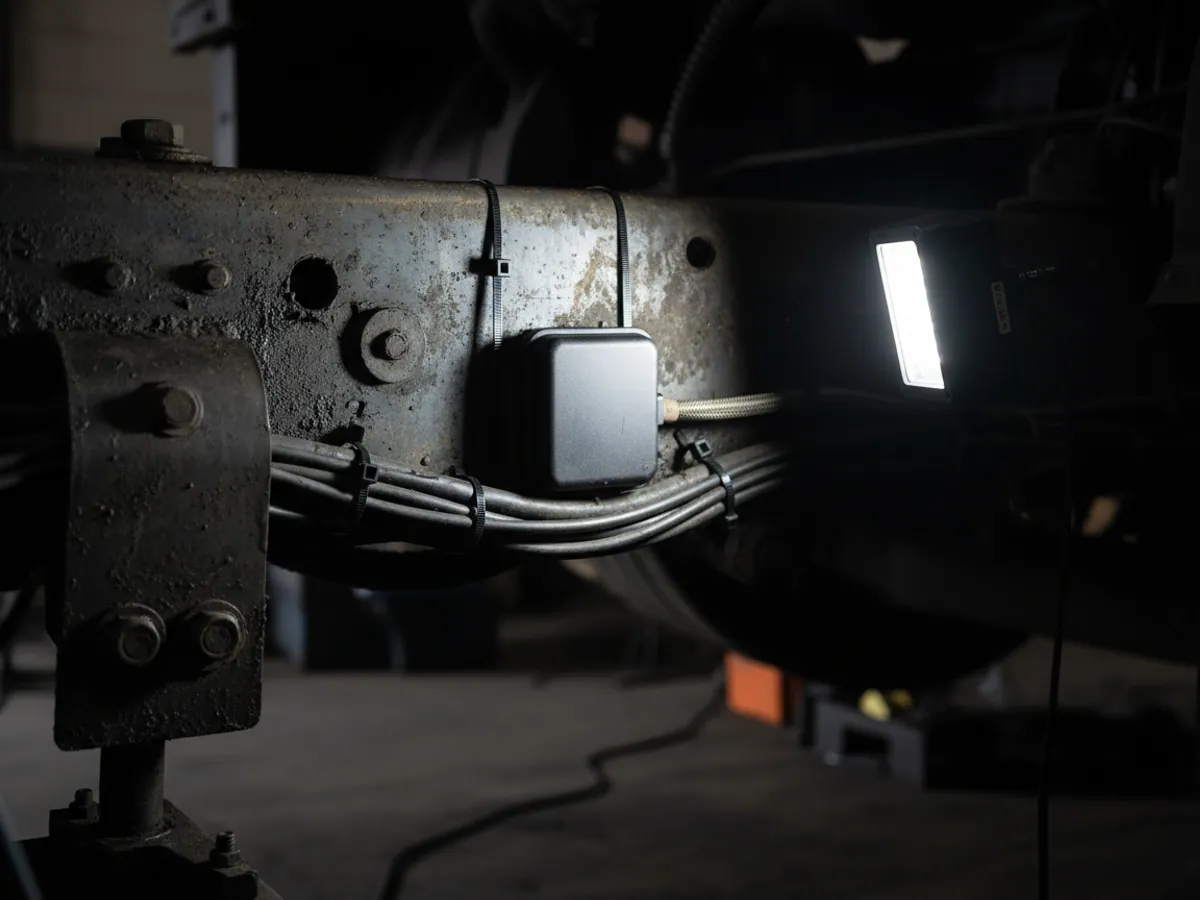
Suits comprehensive cover on expensive vehicles, where the main thing is recovery after a theft. We fit a compact tracker, for example the Queclink GV50, in a concealed place and wire it to the vehicle supply. The client cannot easily forget about it or switch it off unnoticed, and thanks to the built-in battery the recovery team has a position even if the vehicle battery is disconnected.
The drawback is that a visit to the fitter is required. In Baku that takes 30 to 40 minutes; in the regions we send a team to a schedule.
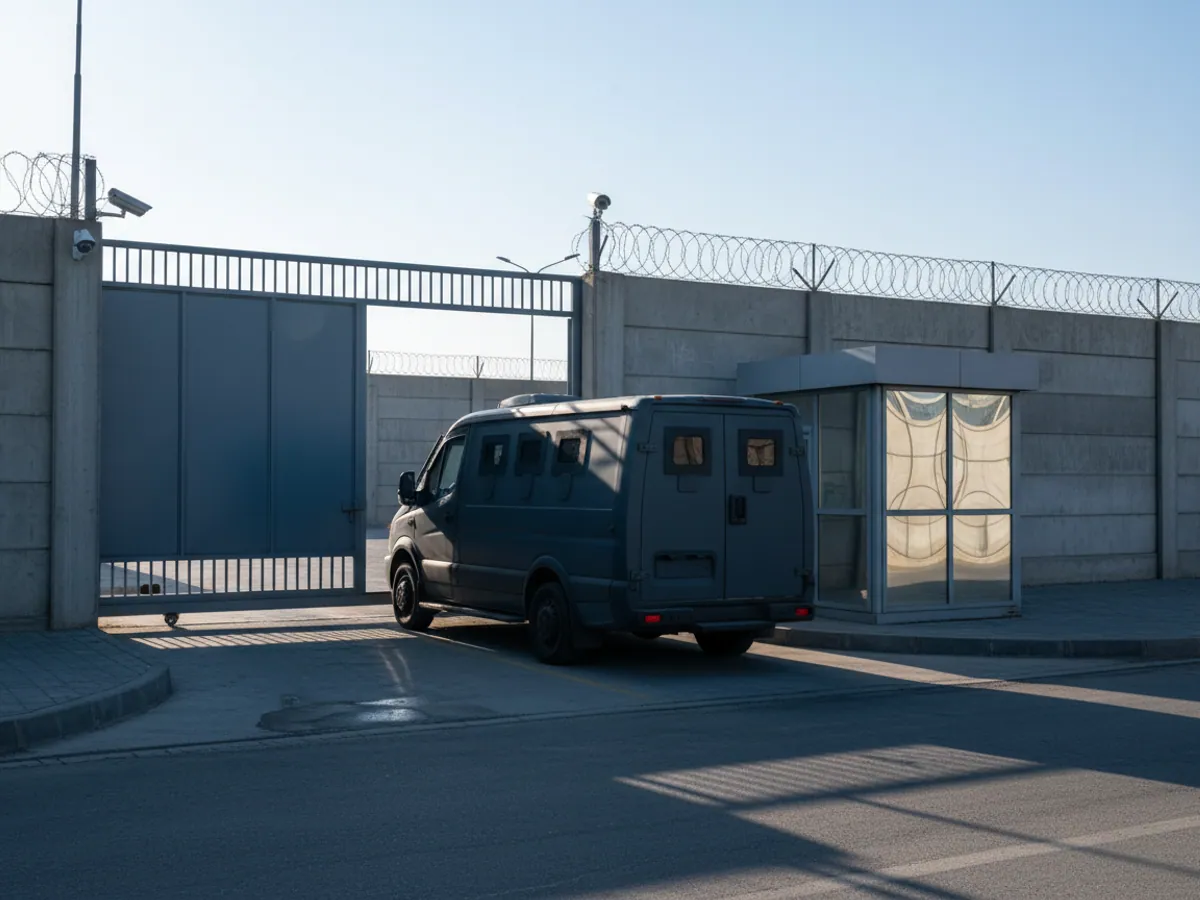


How a reported accident is examined
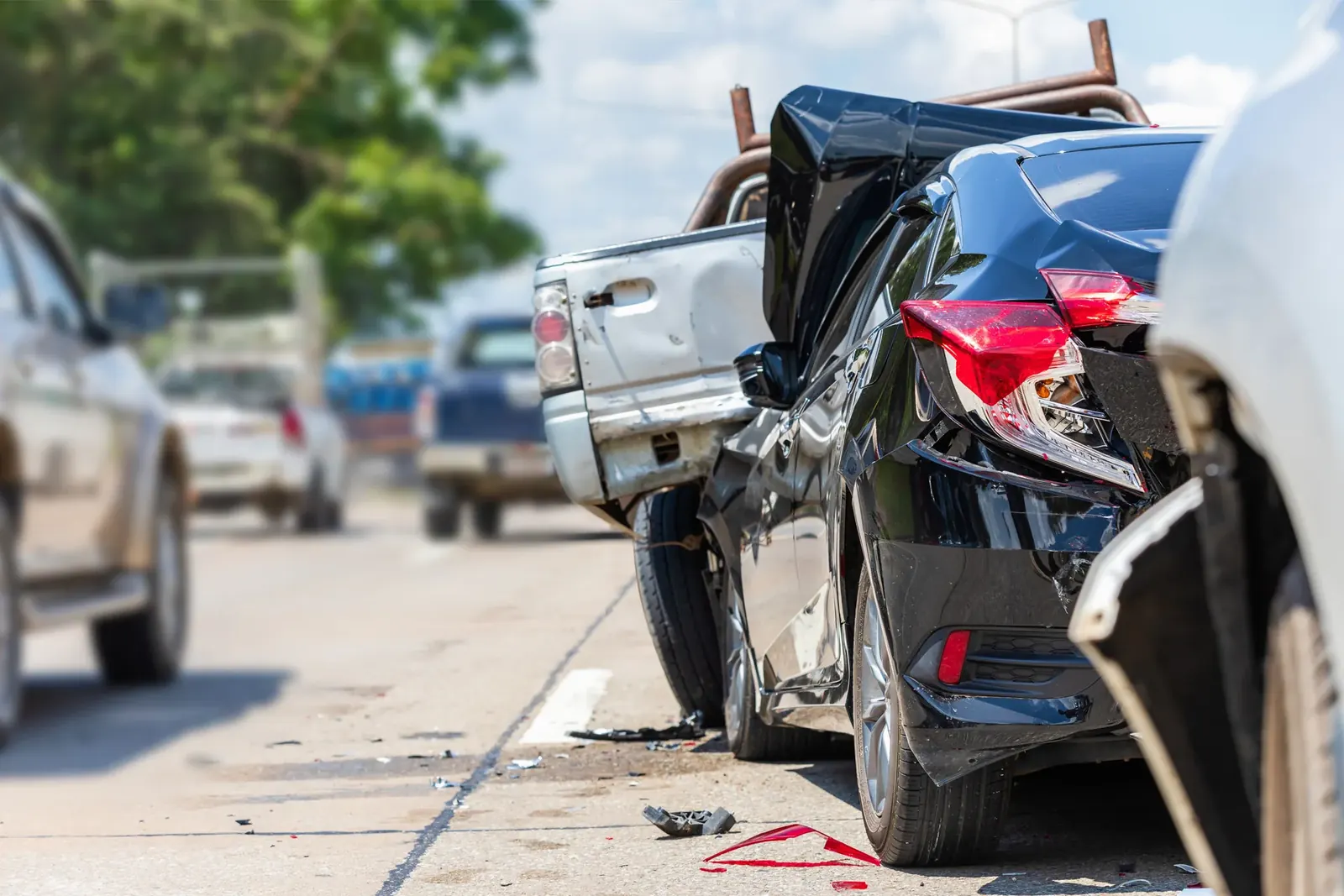
A situation typical of claims handling. The client rings in the morning and says that the previous evening on Tbilisi Avenue someone ran into the back of their car and drove off. The specialist opens the vehicle's track in Wialon.
Version one: at 21:47 on that stretch the speed fell from 38 to 0 km/h, the accelerometer recorded a longitudinal jolt, the vehicle stood for 12 minutes and drove away under its own power. The picture matches the account, and the case can be closed quickly.
Version two: the vehicle stood in a courtyard in Ahmadli all evening, there were no g-force events at all, and it had not been on Tbilisi Avenue for a week. The conversation with the client will be a very different one.
The level of detail depends on the settings. Teltonika trackers can record a high-frequency acceleration trace around the moment of impact, but that function has to be enabled in advance, at installation. On standard settings you get speed and a position every few seconds, which may not be enough to reconstruct a knock in a car park.
A transparent score and the client's consent
A telematics product lives only as long as the client understands why they received a discount or lost it. The scoring method is therefore worth describing before launch and showing to the client in simple terms.
What is published for the client:
- which events affect the score: harsh braking, speeding, night-time trips, mileage;
- over what period the score is calculated and how often it is updated;
- what happens if the device was disconnected or there is little data;
- how to challenge an event the client believes to be wrong.
What stays internal: the exact weights of the events and the link between the score and the premium. That is the insurer's actuarial work; we neither carry it out nor stand in for it. Our side is the correctness of the underlying events and a log against which every event can be checked.
Consent to data collection. Before installation the client signs a consent form: what data is collected, who sees it, how long it is kept, how to withdraw consent and what happens to the discount if they do. The text is drafted by the insurer's lawyers in line with personal data legislation; we supply a technical description of what the device actually collects.
How to tell whether the pilot worked
A pilot with a real insurer only makes sense with criteria described in advance and a control group. We suggest splitting them into technical and product criteria.
Technical criteria are checked in the first weeks: the share of vehicles sending data regularly; the share of trips with complete data; the number of false events after the thresholds have been calibrated; a test transfer of scores into the insurer's system.
Product criteria are checked after 3 to 6 months: the frequency of reported claims in the telematics group and in the control group; the share of clients who stayed in the programme; the number of disputes about the score and how quickly they were closed.
The pricing decision is taken by the insurer on its own data. If after the pilot no link between the score and the loss ratio is visible, that is a result too, and it is better to learn it on 100 vehicles than across the whole portfolio.
How a pilot at an insurance company runs
Setting the objective
We decide what is being tested: a discount for driving style, recovery of stolen vehicles or faster claims handling. The type of device and the set of events follow from that.
A group of 50 to 200 vehicles
We choose clients willing to take part. Most often these are comprehensive motor renewals, where the insurer offers a discount for joining in.
Fitting and calibration
We fit the devices in Baku and the regions, and for the first weeks we collect data without it affecting pricing while we tune the event thresholds.
Data transfer
We hand over scores and events into your system through an API or a daily export. The raw tracks stay in Wialon and are available only to authorised staff.
Reviewing the results
After 3 to 6 months you compare claim frequency in the telematics group and in the control group. The decision to scale up is taken on your figures, not on our promises.

Comprehensive cover for fleets that already have trackers
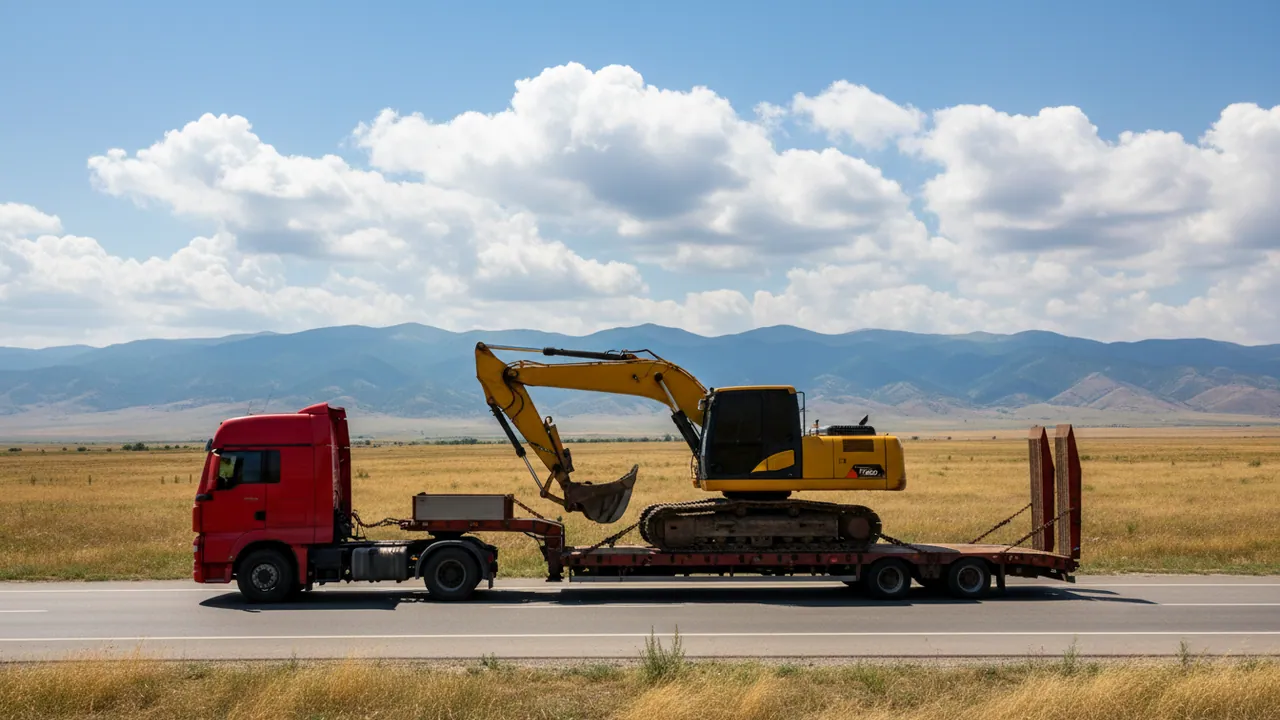
Many logistics and distribution companies have worked with GPS monitoring for years. If their vehicles are connected to Wialon, the insurer does not need to fit its own equipment: with the client's consent we set up data retransmission or access to the relevant reports.
For the underwriter that is a ready-made history covering past months: mileage, speeds on the M-1 and M-2 trunk roads, night runs, driver ratings. For the client it is an argument in negotiating the price of the policy. This arrangement comes up more often in corporate motor cover than retail PHYD does.
Other scenarios for the financial sector are gathered on the page about telematics for insurance and finance.
Mistakes that trip up UBI products
A telematics product rarely fails because of the technology. More often the obstacle is a decision taken before launch:
A discount with no rules
If the policy does not describe how the score is calculated and what happens if the device is disconnected, the very first dispute with a client turns into a complaint.
Too much data for the client
People do not need a g-force chart. They need a score they can understand and a couple of tips on what to improve. A complicated report puts them off and reduces take-up.
No process behind the alert
A night-time impact notification goes to a mailbox nobody reads until morning. First decide who responds and how, then switch the events on.
Too short a pilot
In a month the claims statistics will show nothing. Allow at least six months to see a difference in claim frequency.
What the insurer gets
A price that reflects real risk
Mileage and driving style supplement the classic pricing factors. Careful clients get a discount and are less likely to move to a competitor at renewal.
Facts for claims handling
The track, the speed and the g-force at the moment of the event help to tell a real accident from a staged one and to close honest cases faster.
Recovery of stolen vehicles
A concealed tracker with backup power gives the recovery team a position even after the vehicle battery has been disconnected.
A fast first contact
An automatic notification of a heavy impact makes it possible to ring the client within the first minutes, rather than hearing about the case the next day.
Frequently asked questions
What is used in this sector
What we do end to end
Wialon modules for this sector
How it is used in this industry
Case studies from “Insurance & Financial Companies”


Thinking of rolling out GPS monitoring in “Insurance companies”?
Send us an enquiry and we will price it up for your fleet and pick the hardware for this sector: insurance & financial companies.
- 1 We pin down the task
A specialist calls back and asks about the vehicles, how many there are and what you need to keep an eye on.
- 2 We put a solution together
We propose the hardware and the features, and set out the one-off and the monthly cost separately.
- 3 We agree the fitting
At your yard or at ours, on a schedule that keeps the vehicles working.
Request a call
A specialist will call back and match a solution to your fleet and your task.