
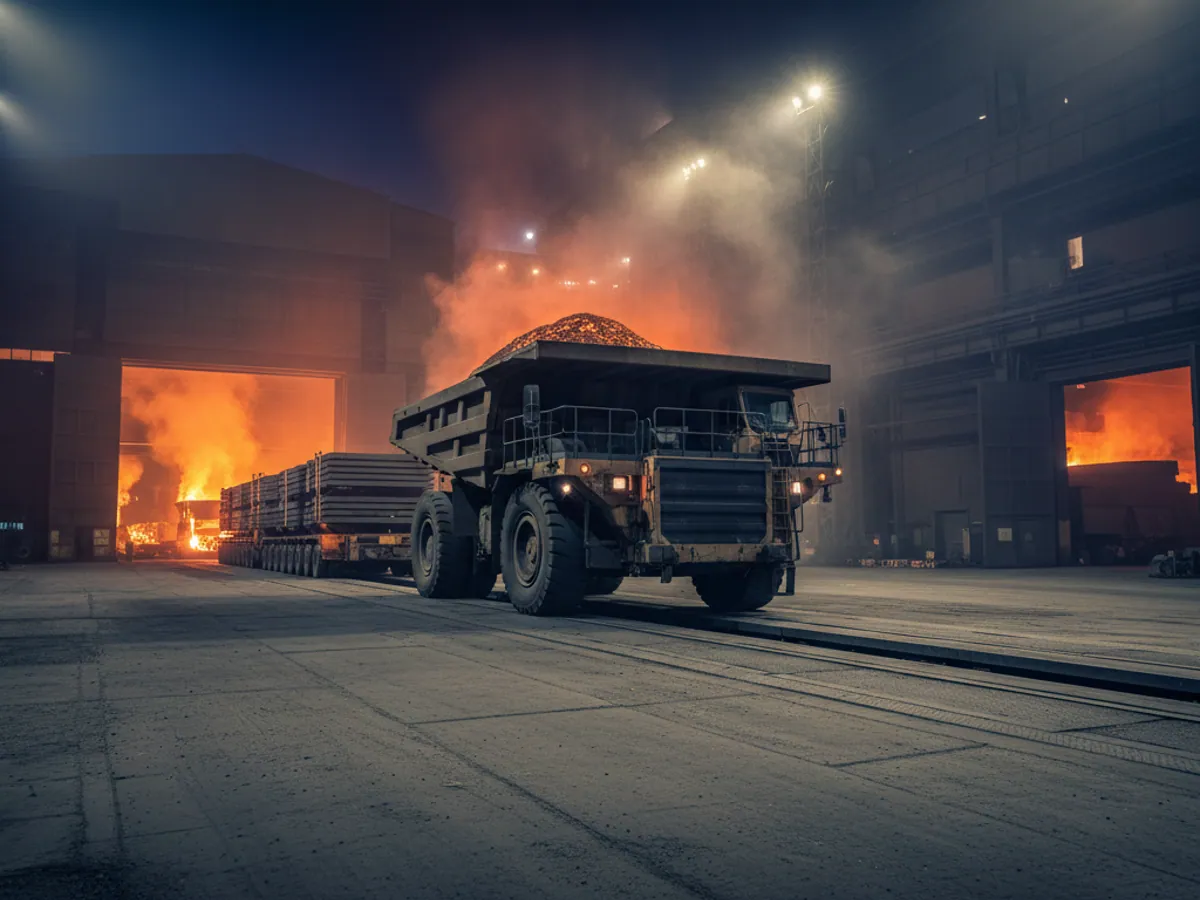
GPS monitoring for metallurgical plants and works
Control of scrap lorries, slag carriers, forklifts and rolled steel dispatch for steel, tube and aluminium producers in Baku, Sumgait and Ganja.
We bring the vehicle track, the weighbridge figure and a photo of the body together in one record of the trip — so that metal does not go missing between the supplier's gate and the charge yard.
A material flow that can be counted
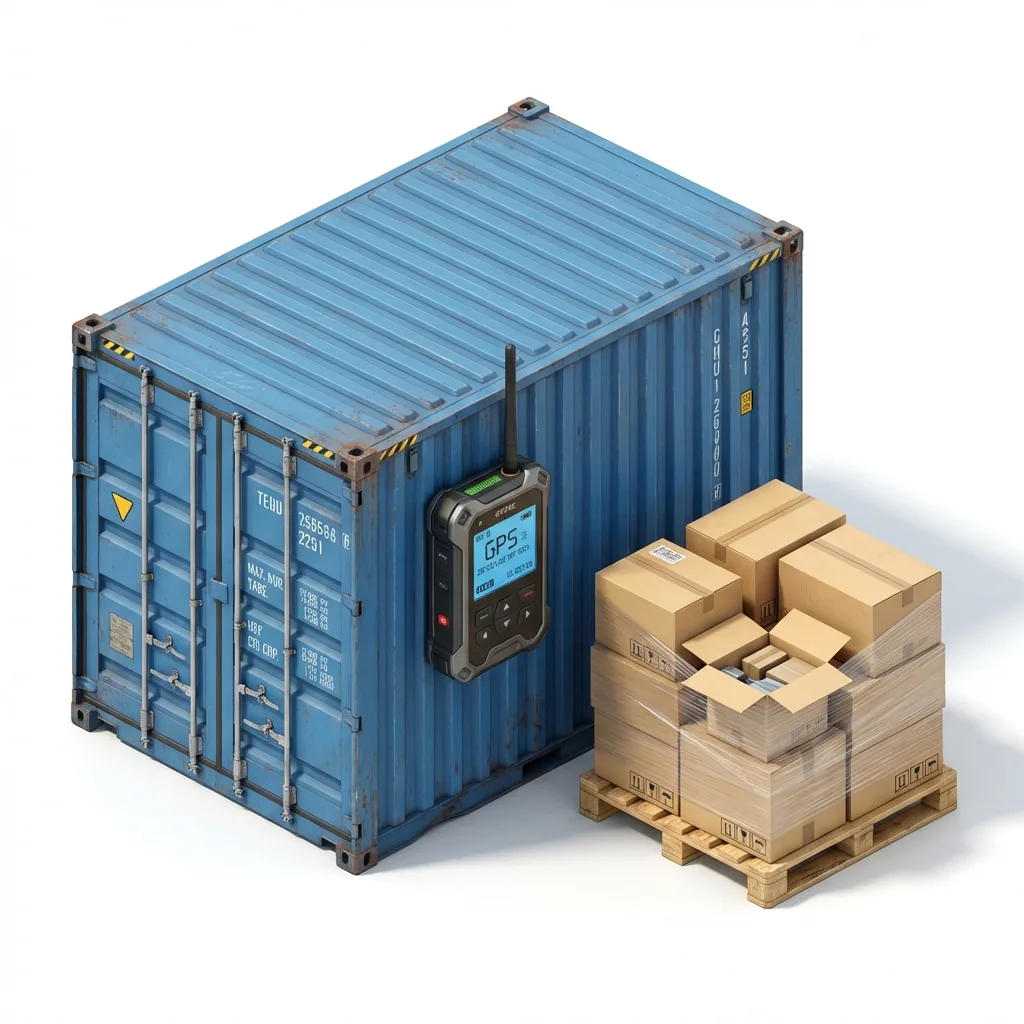
GPS monitoring for metallurgical plants and works is needed above all where metal moves on wheels: scrap from suppliers, charge to the furnace, slag to the tip, rolled steel and tube to the customer. On each of those legs a tonne can lose weight and a vehicle can stand around for an extra hour.
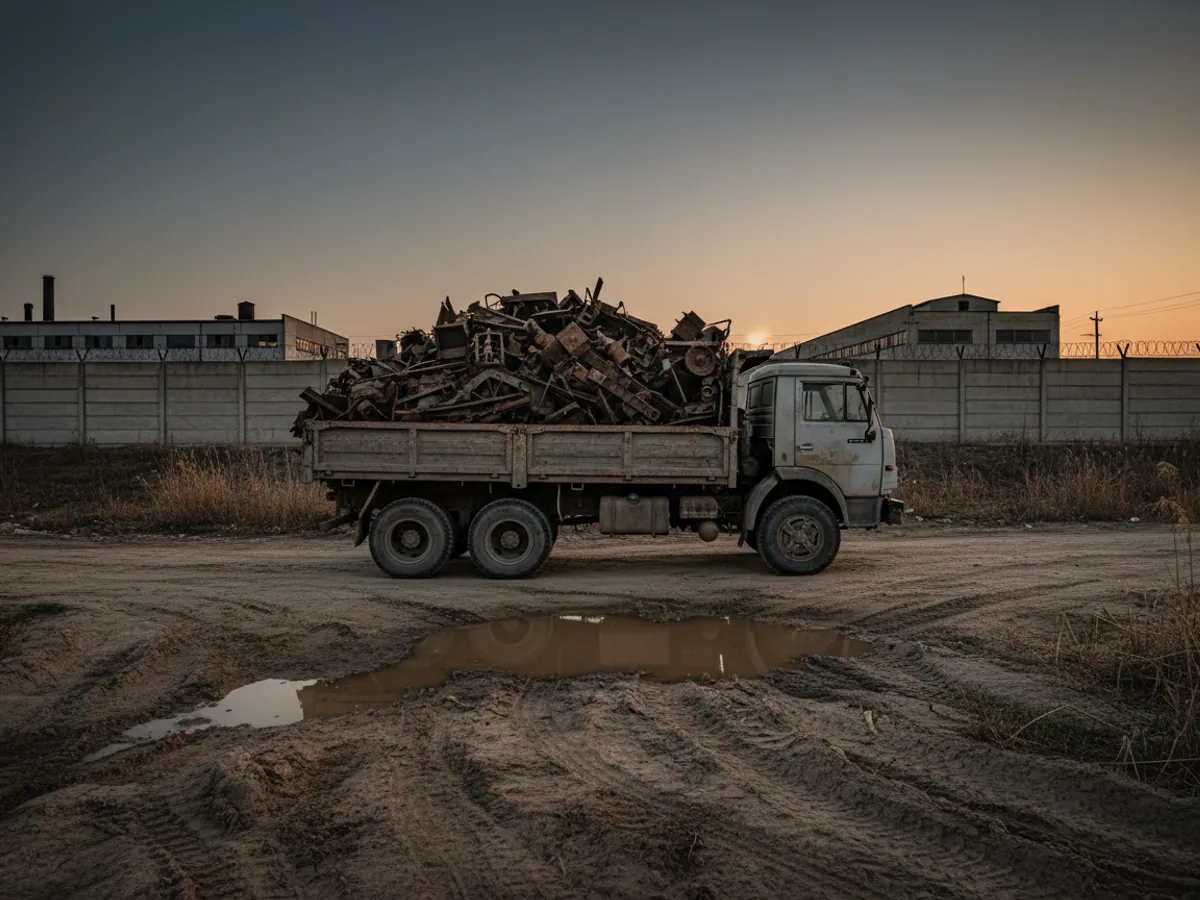
Scrap is the easiest material at a plant to turn into cash. It is brought in by dozens of suppliers, from large scrap merchants to individuals with a single vehicle. If the weighbridge, the checkpoint and the dispatcher live in different systems, tricks involving contamination, scrap that comes back round and unnecessary trips can go unnoticed for years.
We bring together the trackers on the equipment, the weighbridge data and the cameras in Wialon and set up reports that make sense to the security department and to the commercial director. The general section for the industry is monitoring for industrial enterprises.
Three tricks by which scrap goes missing
When a metallurgical business comes to us, there is usually a suspicion already. Data helps to work out which of the tricks is actually being used.
The second lap. A vehicle is weighed with scrap, unloaded and, without leaving the site, goes back over the weighbridge a second time. Or it leaves, stands for 20 minutes round the corner and comes back in. The track shows it straight away: the weighbridge recorded two trips, but the vehicle never got as far as the supplier.
Water and rubbish in the body. Contamination is judged by the inspector at acceptance. Monitoring helps indirectly here: stops by a river or on waste ground on the way to the plant show up in the report, and the inspector has reason to look more closely.
Taking metal out as waste. A vehicle carrying rubbish and scale drives not to the tip but to a dealer. A geofence around the tip and the stop report close this one almost completely.
Solutions for each part of the works
Acceptance from suppliers
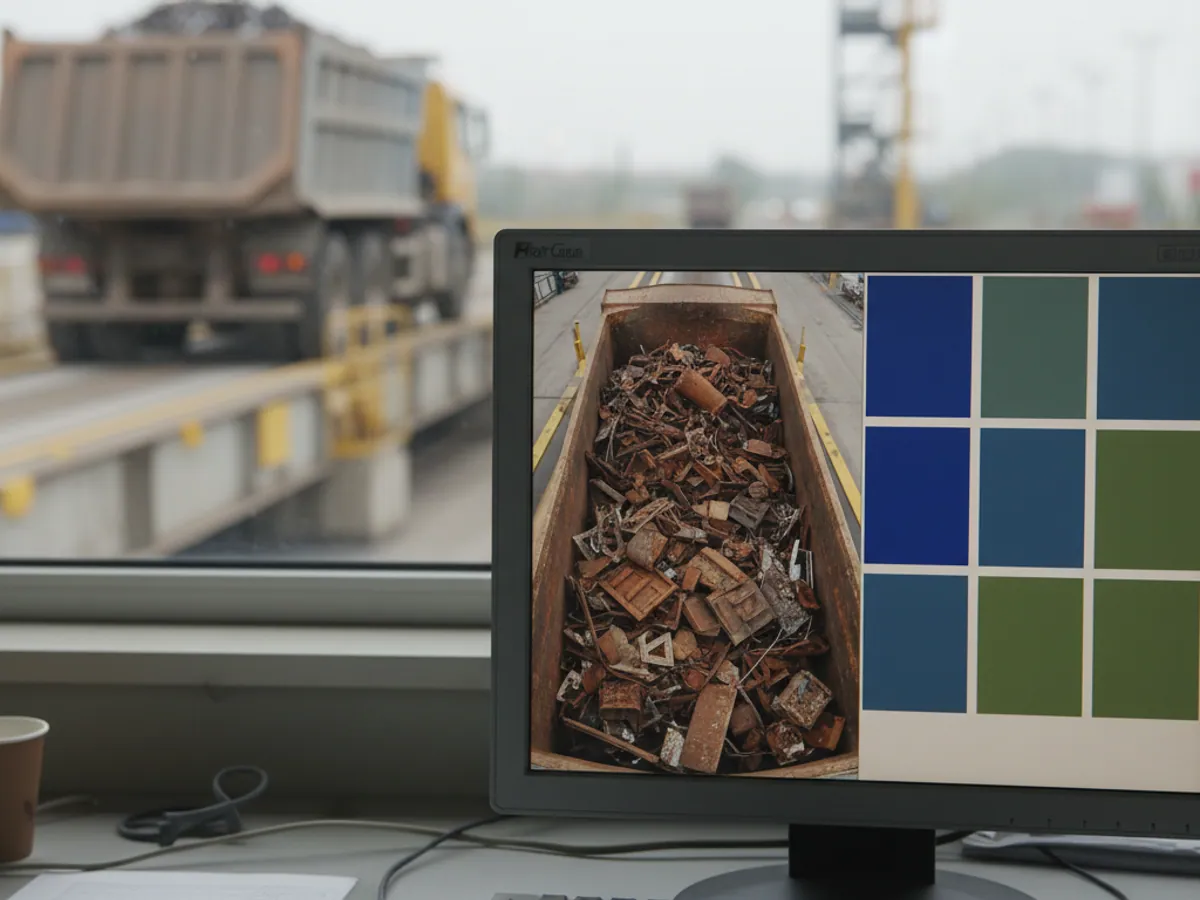
We suggest that regular suppliers pass the data from their trackers into the plant's system — then every scrap trip is visible from the loading point. For one-off suppliers the combination of a camera at the weighbridge, number plate recognition and the entry time does the work.
- The same vehicle coming in again within a short time — flagged in the report
- Time on site from entry to exit for every vehicle
- Reconciliation of trips by weighbridge and by track for the shift
Weak points in metallurgical production
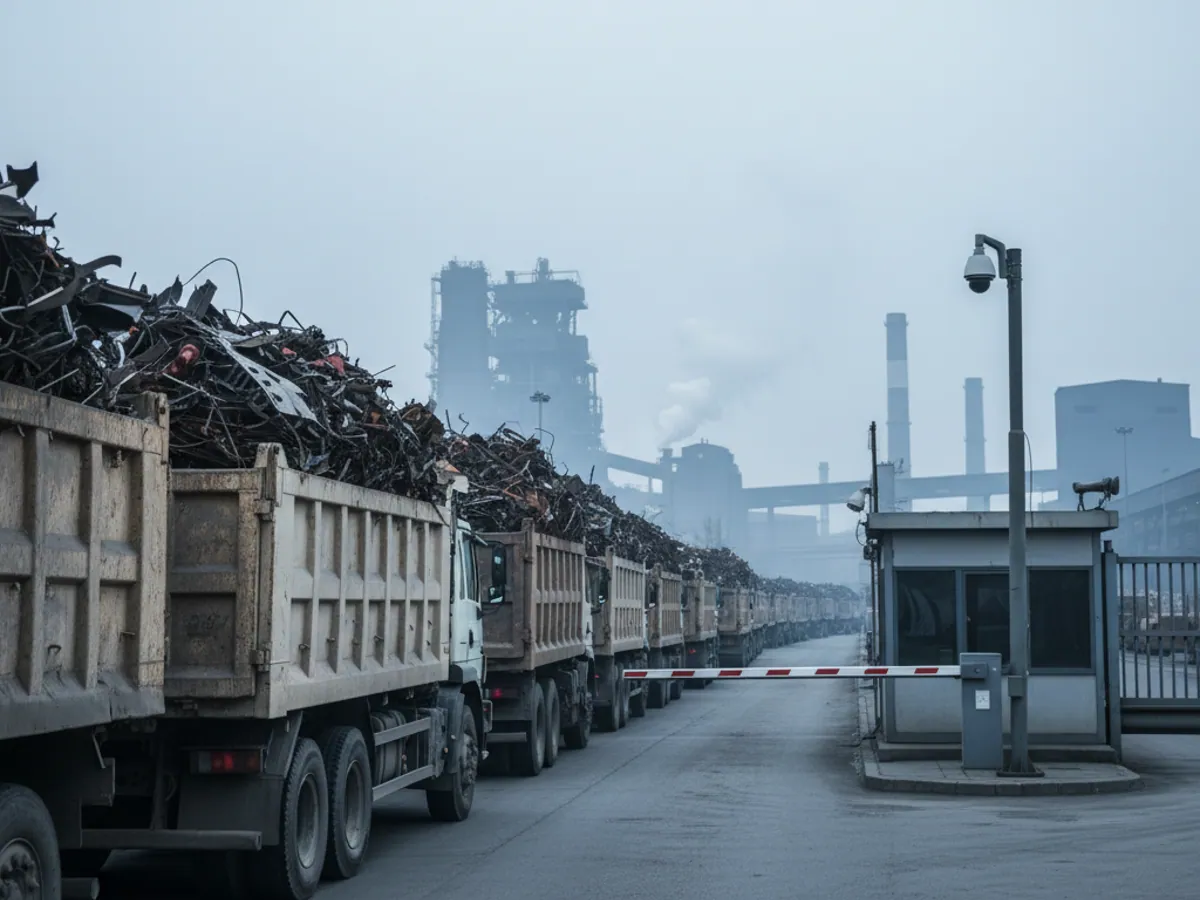
Besides scrap, monitoring usually uncovers several other problems that management suspected but could not measure:
Manual entry at the weighbridge
The vehicle number is typed in by hand, and a mistake or a repeat entry goes unnoticed, whether by accident or not. When the number is taken from a camera and the trip is checked against the track, such cases show up in the report and can be looked into.
The furnace waiting for charge
The furnace waits because the tippers from the charge yard are queuing for a loader. The trip report puts a figure on the bottleneck.
Collisions in the shops
Noise, steam, poor visibility — in hot shops a pedestrian cannot hear the machines. Speed limits inside geofences and a record of breaches by driver reduce the risk.
Products going out of the gate
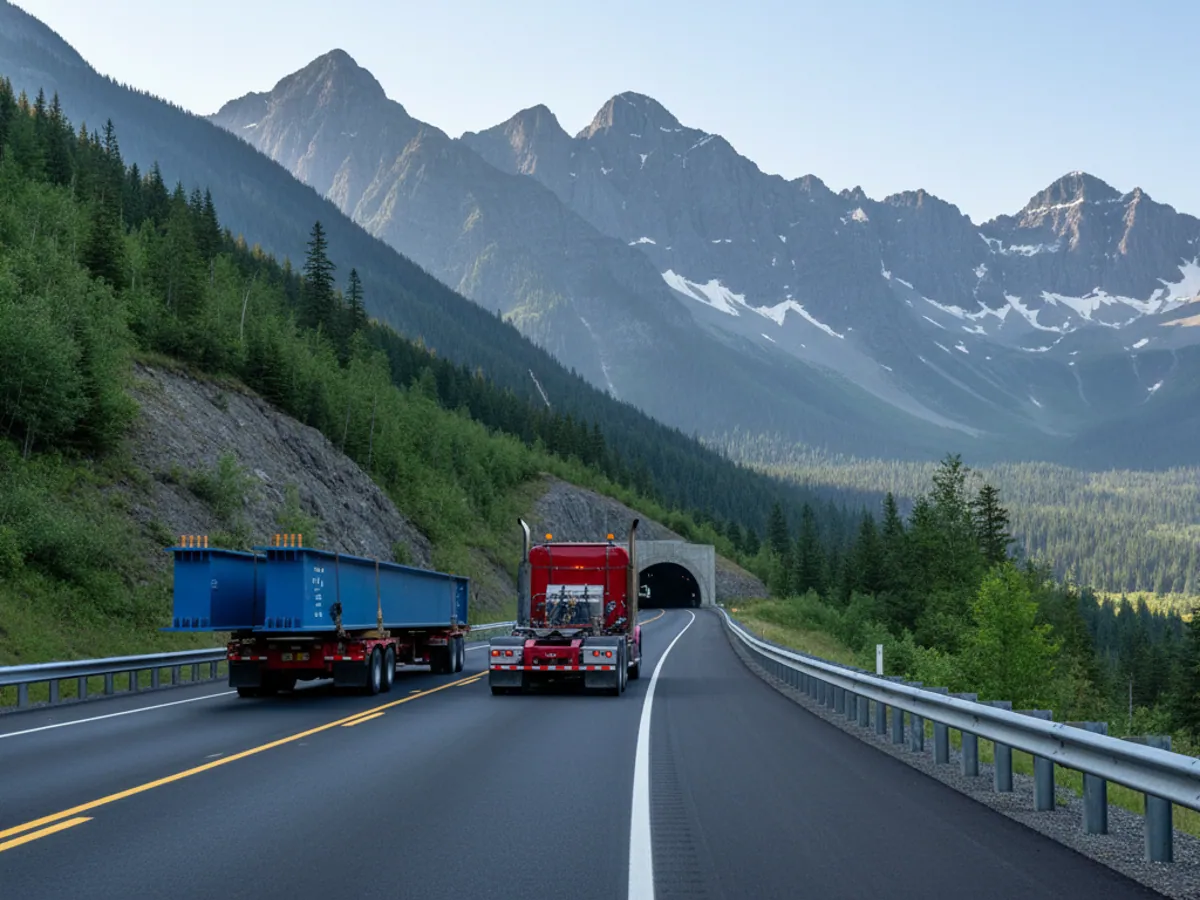
Reinforcing bar, tube and non-ferrous metal leave through the checkpoint with a little extra. Checking the weight on exit against the delivery note, and the track to the customer, close that channel.
Heat, dust and vibration: how we fit the equipment
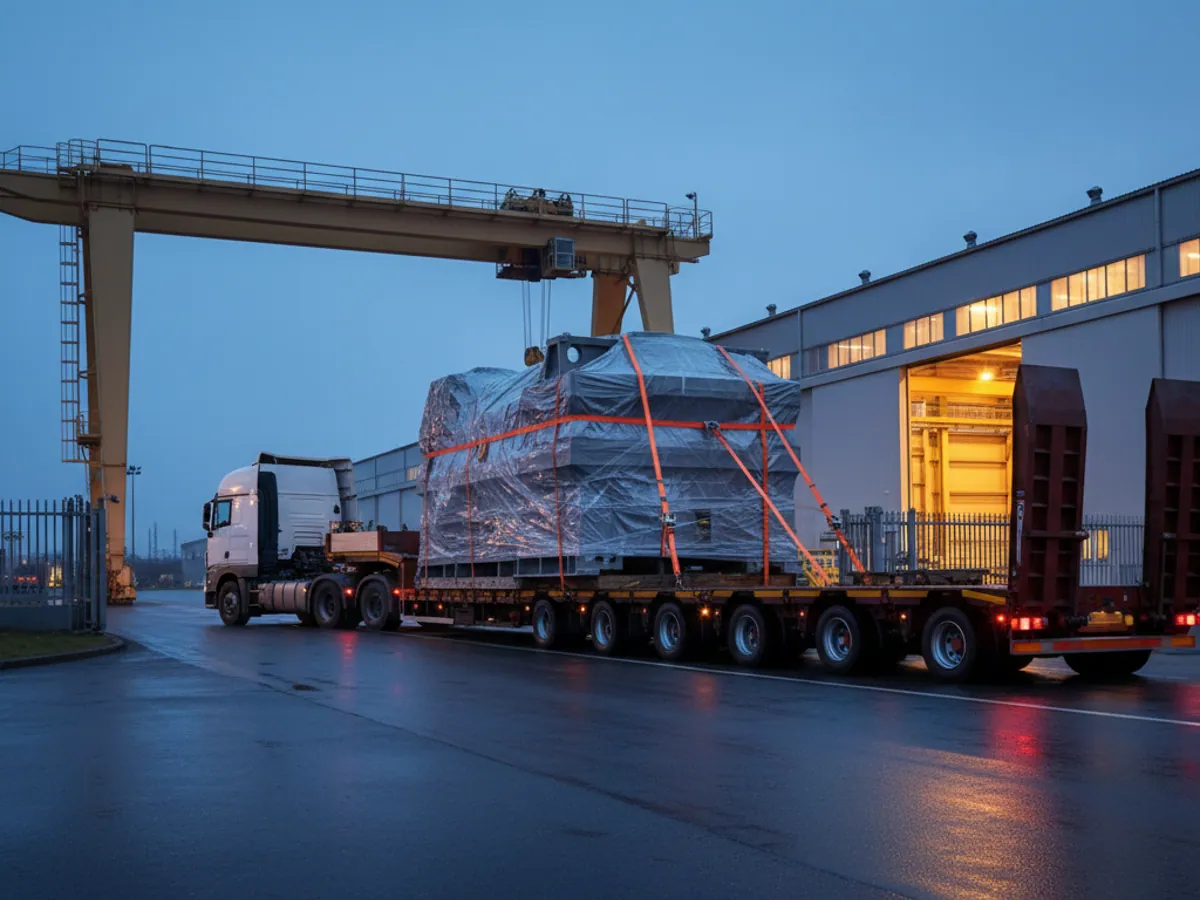
At a metallurgical plant equipment lives in conditions that kill ordinary vehicle electronics within a season. So we plan the fitting separately for every machine.
- The tracker goes in the cab or in an enclosed compartment, away from the hot areas. The aerials are external, under plastic or on the cab roof.
- The wiring runs in conduit and protective sleeving, with sealed connectors.
- On machines that work close to the furnaces, we fit no sensors near the radiant zone. Engine hours and load are taken from components in a safe part of the machine.
- For dump cars and wagons on the works railway, where there is no permanent power, we use self-contained Teltonika TAT100 trackers.
Honestly about the limits: a tracker does not weigh a ladle of molten metal and does not replace crane scales. If the crane has a parameter recorder with a digital output, its data can be fed into Wialon, but installing and maintaining such instruments is a job for a specialist crane company.
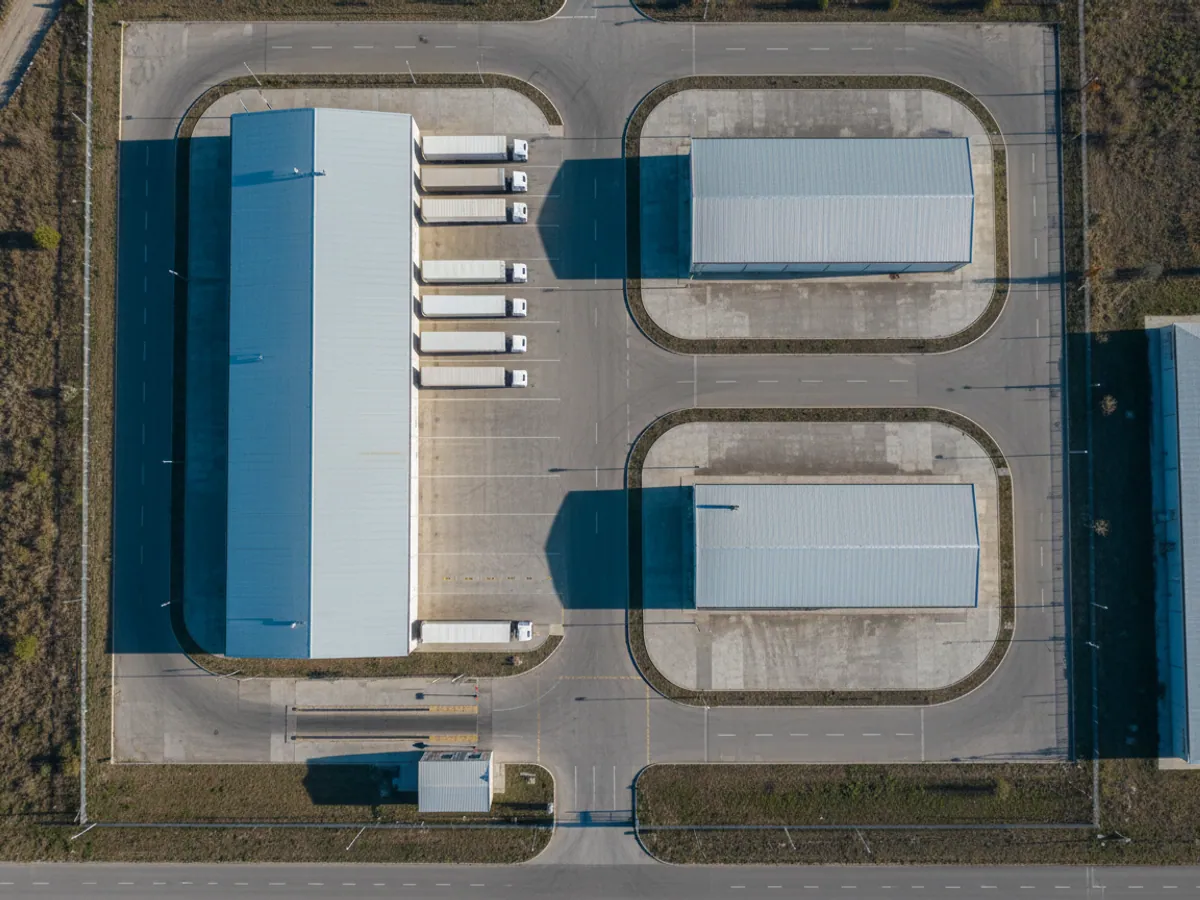
Metal all around, the checkpoint and the weighbridge: what we allow for when fitting
Besides the heat, a metallurgical plant has two further features that affect data quality.
Steel structures. Inside the shops, under gantries and between stacks of rolled steel the satellite signal is lost or reflected, and the track jumps about. So we determine zones inside the buildings from BLE beacons, or simply from entry into and exit from the shop's geofence, rather than from a coordinate. Mobile coverage deep inside a building can also be weak: the data builds up in the tracker's memory and goes out when the machine comes outside.
The checkpoint and the weighbridge. We draw the geofences for the checkpoint and the scales allowing for the queue and the turning area, otherwise a vehicle waiting in the queue is recorded as being on the scales. We check where the weighbridge gets the vehicle number and the ticket time from: without a common time base and identifier, reconciling the track with the ticket will not work.
Safe fitting. Work on site is done to the plant's rules: a permit to work, a safety briefing, an escort, and isolating the machine from its power supply while it is being connected. On machines working near the furnaces and the casting area, we agree the fitting with the health and safety department and the mechanic. We choose the mounting positions so that the tracker and the wiring do not get in the way of maintenance or create new risks.
What the morning report shows
Scrap trips
How many vehicles arrived, how many times each was weighed, and which entries were repeats.
Time on site
Vehicles that stayed at the works longer than the norm, and exactly where they stood.
Internal trips
The number of slag carrier and tipper trips by shift and by driver.
Fuel
Refuelling, consumption per hour worked, and suspicious drops in tank level.
Speeding
Breaches in the shops and across the site, with the driver's name.
Dispatch
Trips with finished goods: departure time, arrival at the customer, axle loads.
Payback: count in tonnes, not in percentages
At a metallurgical plant the easiest way to measure the effect is in tonnes. Take your average monthly scrap intake and assume that losses from repeat entries and unrecorded trips amount to at least half a per cent. Multiply by the price of a tonne. For most plants that monthly figure is larger than a year's cost of monitoring all the internal equipment.
The second heading is fuel for internal transport. Tippers and loaders on site often work with no consumption norms at all. The first data from the level sensors usually shows a spread of one and a half times between identical machines, and that is a reason for a conversation with the mechanics.
The third is furnace downtime. It is the hardest to calculate and the easiest to feel: once it is visible that a tipper with charge waited 40 minutes for a loader, a solution is found within a week.
A pilot at the weighbridge: requirements and sign-off
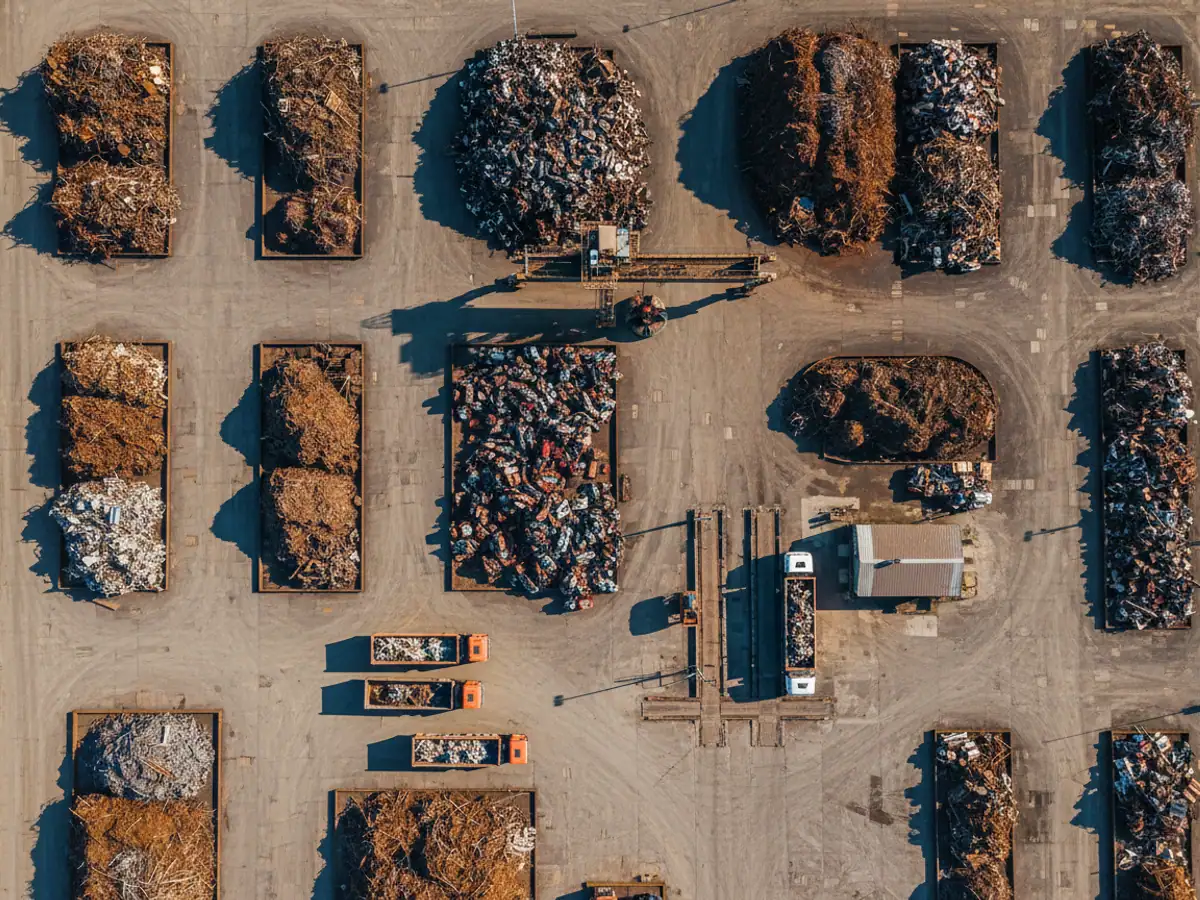
A pilot at a metallurgical plant is usually built around a single weighbridge: 2–3 weeks, your own internal tippers, several regular scrap suppliers, and a number plate recognition camera if one is already there or is being fitted.
What we need from the plant: a site plan with the checkpoints, weighbridges, charge yard and tip; access to the weighing ticket log and a description of how it is produced; a list of suppliers willing to pass data from their trackers; site access for our engineer and a responsible person from the security or logistics department.
Sign-off criteria: every weighing ticket for the period is matched to a trip by track or marked as a trip without a track; repeat entries are detected automatically; time on site is counted for every vehicle; and the internal charge yard — shop and furnace — tip trips are counted without a manual log.
The morning report from the pilot looks as described above. How many discrepancies it will contain nobody knows in advance, and that is the point of a pilot.
Mistakes worth avoiding
Starting with cameras rather than the process
Cameras at the weighbridge without any comparison against tracks produce a photo archive that nobody looks at. First we agree which trips are checked and how.
Not bringing the suppliers in
If regular scrap suppliers do not share data from their trackers, half the picture stays in the dark. This is worth writing into the supply contract.
Giving the reports only to security
Data on waiting times and trips is just as useful to production and logistics as it is to the security department.
Skimping on the fitting
Unprotected wiring in a hot shop fails within months. Doing it again costs more than doing it carefully the first time.
Questions from metallurgical businesses
What is used in this sector
What we do end to end
Wialon modules for this sector
How it is used in this industry
Case studies from “Manufacturing Plants”

Thinking of rolling out GPS monitoring in “Metallurgy”?
Send us an enquiry and we will price it up for your fleet and pick the hardware for this sector: manufacturing plants.
- 1 We pin down the task
A specialist calls back and asks about the vehicles, how many there are and what you need to keep an eye on.
- 2 We put a solution together
We propose the hardware and the features, and set out the one-off and the monthly cost separately.
- 3 We agree the fitting
At your yard or at ours, on a schedule that keeps the vehicles working.
Request a call
A specialist will call back and match a solution to your fleet and your task.