
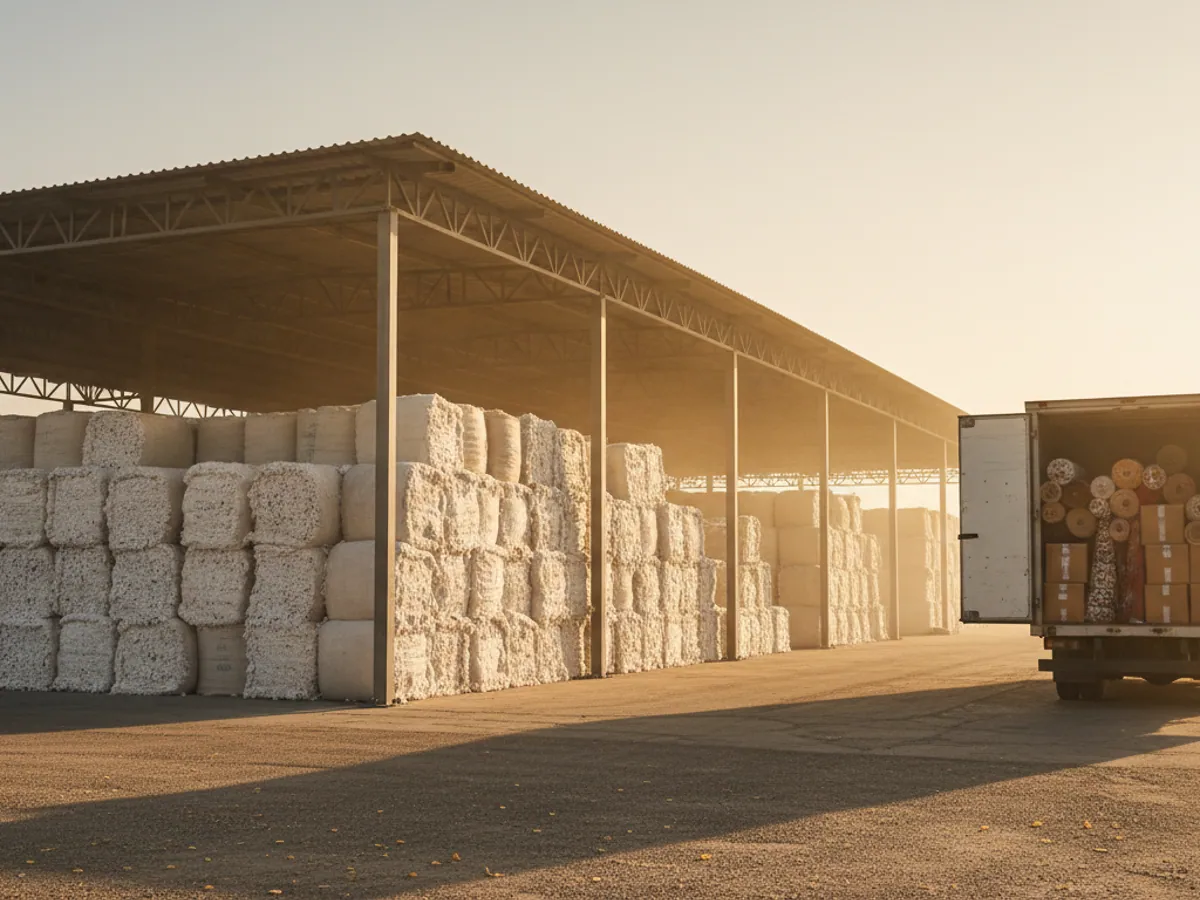
Monitoring for the textile and light industry
Control of raw cotton haulage from the fields of the Kur-Araz lowland to the ginning mills, of yarn and fabric deliveries to the factories, and of finished clothing runs to shops in Baku and the regions.
For ginning mills, textile and garment factories and makers of footwear, carpets and knitwear — bearing in mind that during the cotton season the fleet doubles with hired vehicles.
From white gold to the hanger in the shop
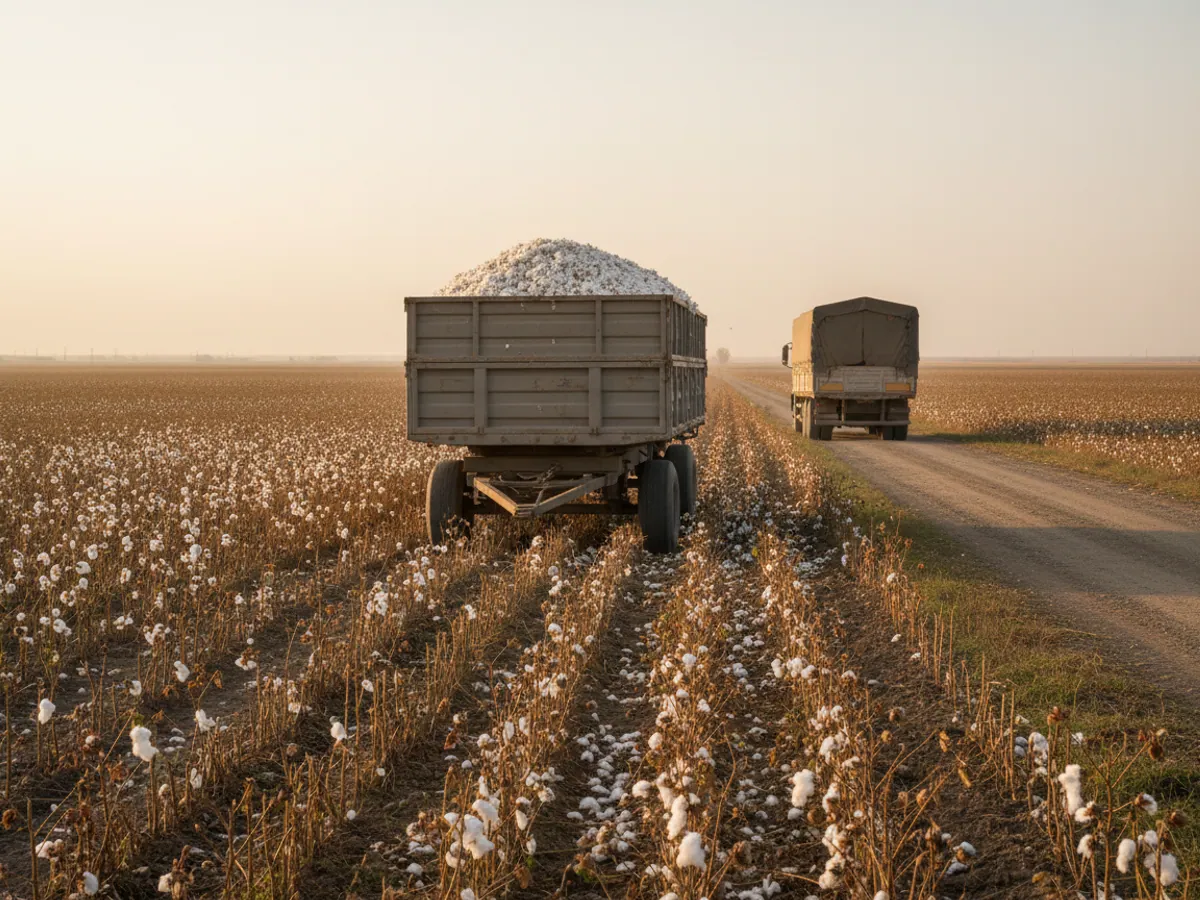
Monitoring for the textile and light industry in Azerbaijan begins in the field. Cotton is grown in Saatly, Sabirabad, Imishli, Beylagan, Barda and the neighbouring districts. In autumn hundreds of lorries and tractor trailers carry the raw cotton to collection points and ginning mills. Each vehicle holds tonnes of raw material that is easy to lighten on the way.
From there the fibre and yarn go to the textile plants — in Mingachevir and Sumgait among others — and the finished goods disperse to shops and to export. The product is light, expensive and easy to sell: a box of clothing is easier to move on the side than a pallet of bricks.
GPS monitoring gives traceability on every leg of that chain. The other manufacturing areas we work in are gathered on the GPS monitoring for industry page.
The cotton season: September to November
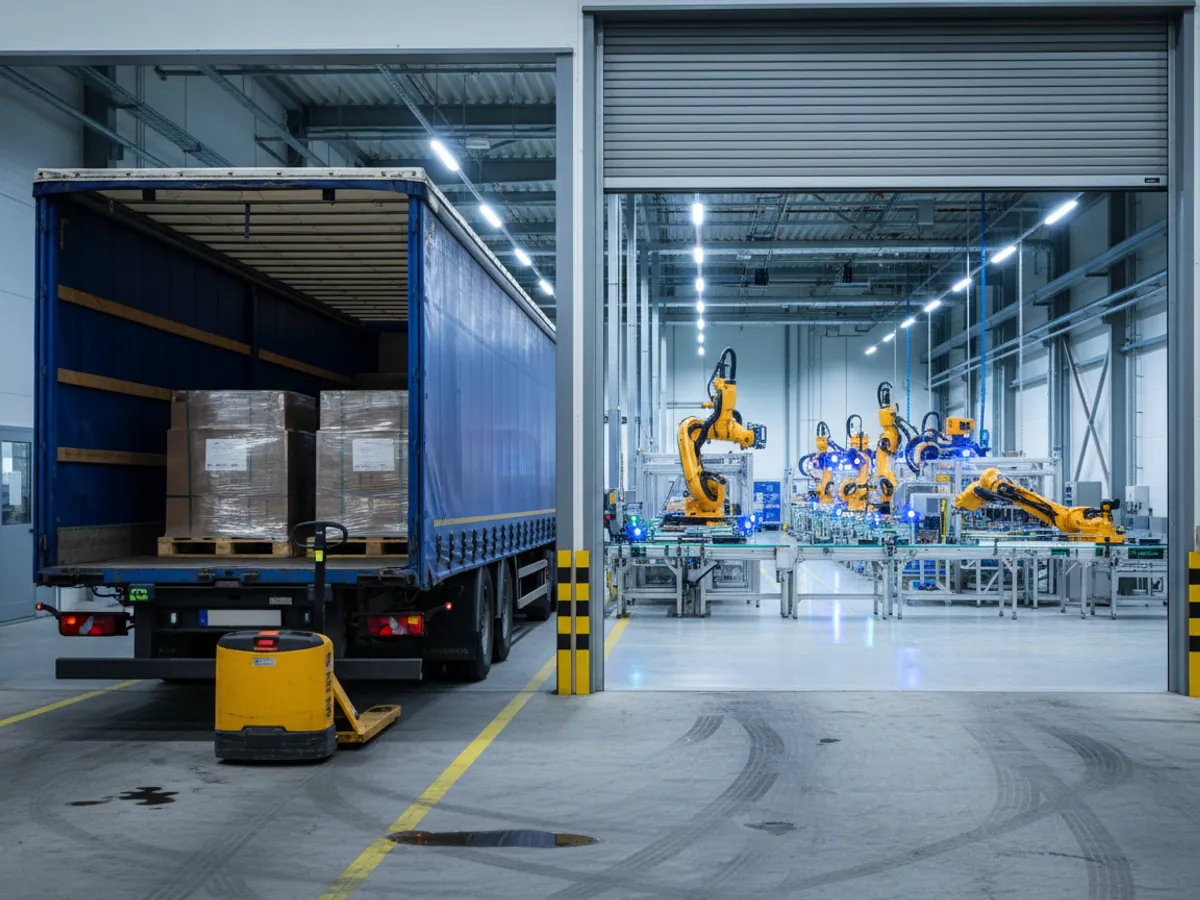
During the season a ginning mill works with two or three times as many vehicles as during the rest of the year. Most of them are hired: farmers' lorries, tractors with trailers, private hauliers' vehicles. The mill has no control over them at all beyond the weighbridge at the gate.
A typical situation: a vehicle loads in a field in Sabirabad and then takes four hours to reach the mill instead of an hour and a half. On the way there are two stops at a private yard. On the weighbridge the weight is lower than the farmer expected, and an argument starts between the farmer, the driver and the mill, in which everyone has their own version of the truth.
For a seasonal fleet we suggest removable self-contained trackers. They are issued to the driver for the period he works and collected at the end of the season. The tracker is fixed with a magnet or placed in the cab and runs for several weeks without being wired in. On the map you can see where the vehicle set off from, where it stopped and when it reached the weighbridge.
If the cotton is carried by agricultural holdings with their own fleet, their trackers can be connected to the mill's system — more in the agricultural logistics monitoring section.
Where light industry loses out
The nature of the product — light, expensive, easy to sell — creates room for losses on every leg:
Short weight of raw cotton
Some of the cotton is dropped off on the way from the field, and the difference is written off to moisture and shrinkage. Without a track there is no proving it.
Boxes on the delivery round
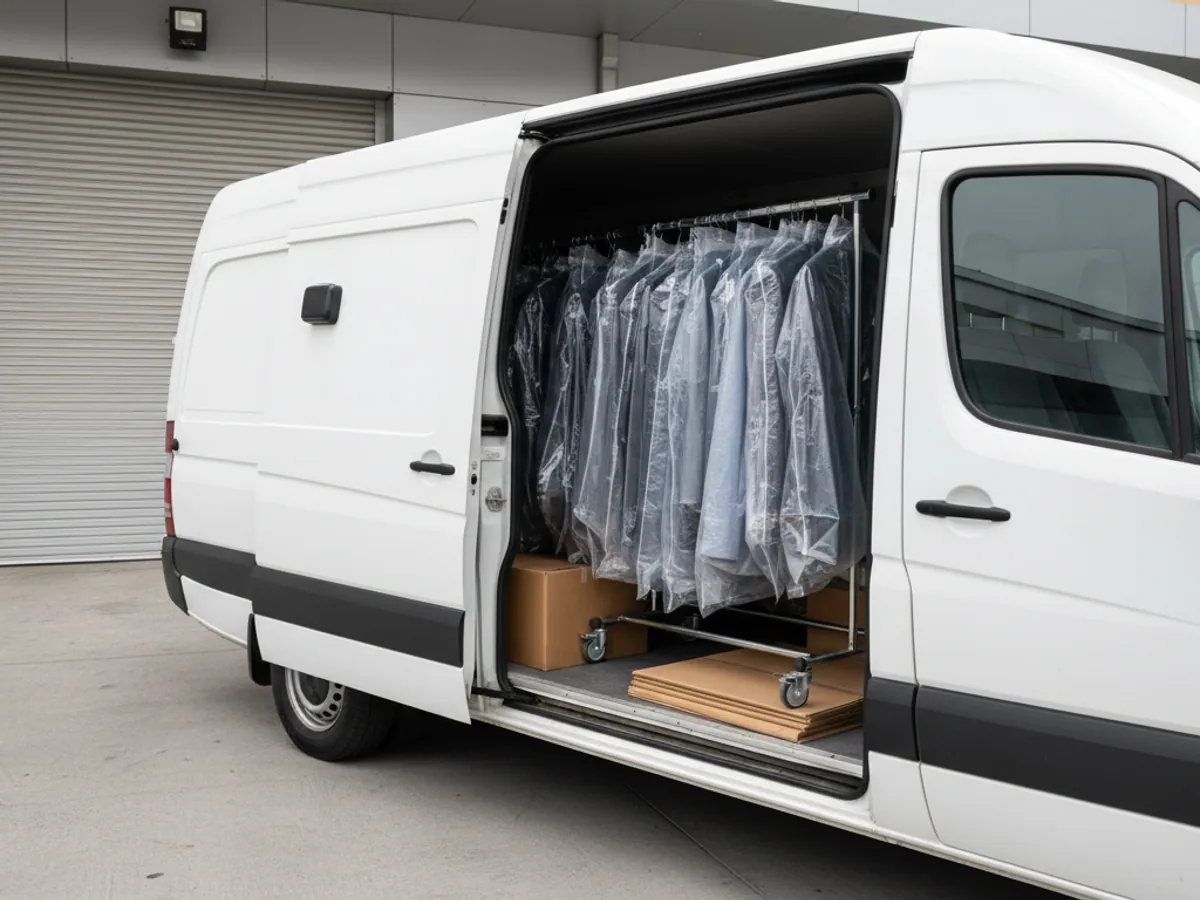
A van of clothing is opened somewhere other than the shops on the delivery note. A couple of boxes go missing between stops, and the shortfall turns up a week later.
Night trips
A factory vehicle leaves the site at night, after the shift has ended. A geofence around the factory and a report on trips outside working hours show it up.
Missed deliveries to chains
A new collection has to be on the shelves by the weekend. A vehicle arriving late at a shopping centre means sales lost on the strongest days.
Solutions for each link in the chain
Field — collection point — mill
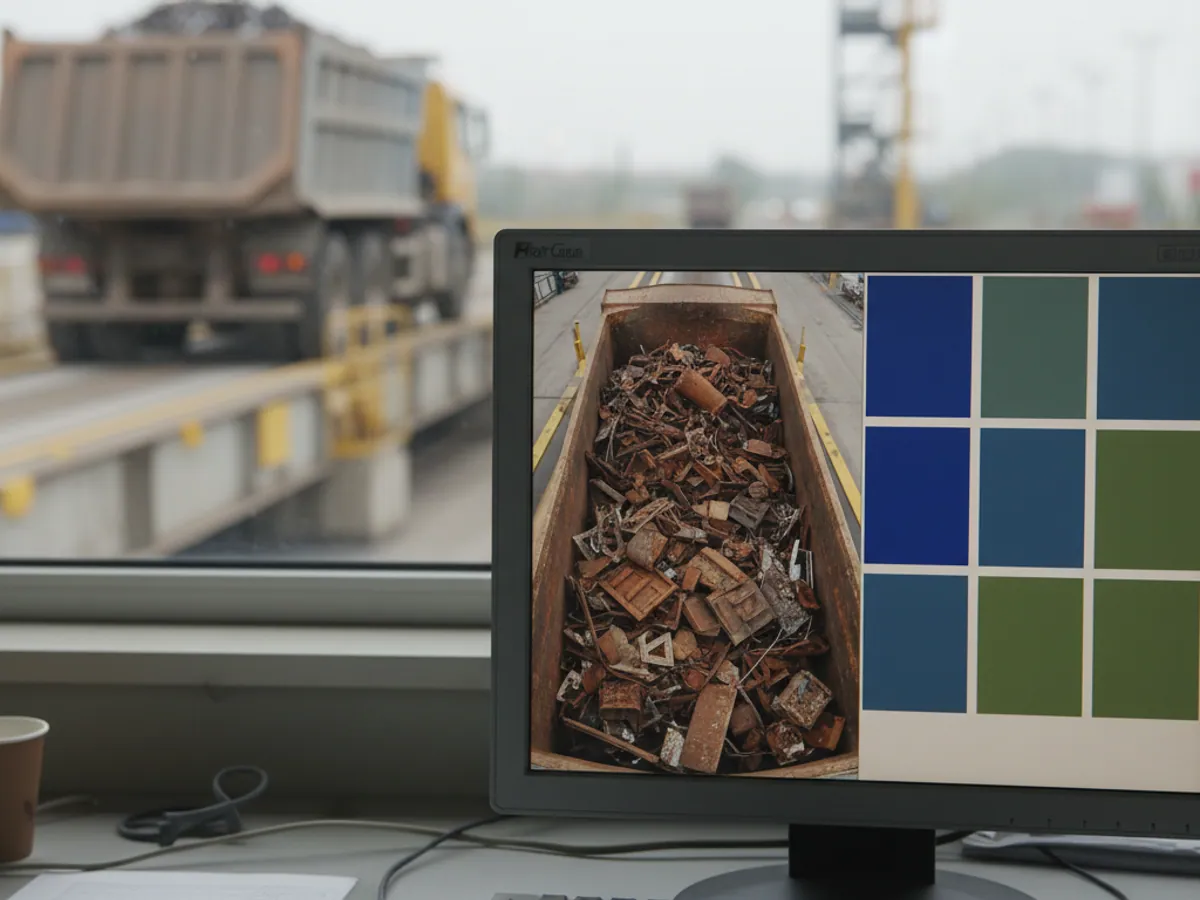
Fields and collection points are entered as geofences. The system records loading in the field, stops on the way and arrival at the weighbridge. If a vehicle stops away from a field or the mill for longer than the set time, the dispatcher is notified.
- Trip time for each vehicle and the average for the route
- Stops outside the permitted points
- Matching trips against the day's weighbridge data
Which equipment suits which vehicles
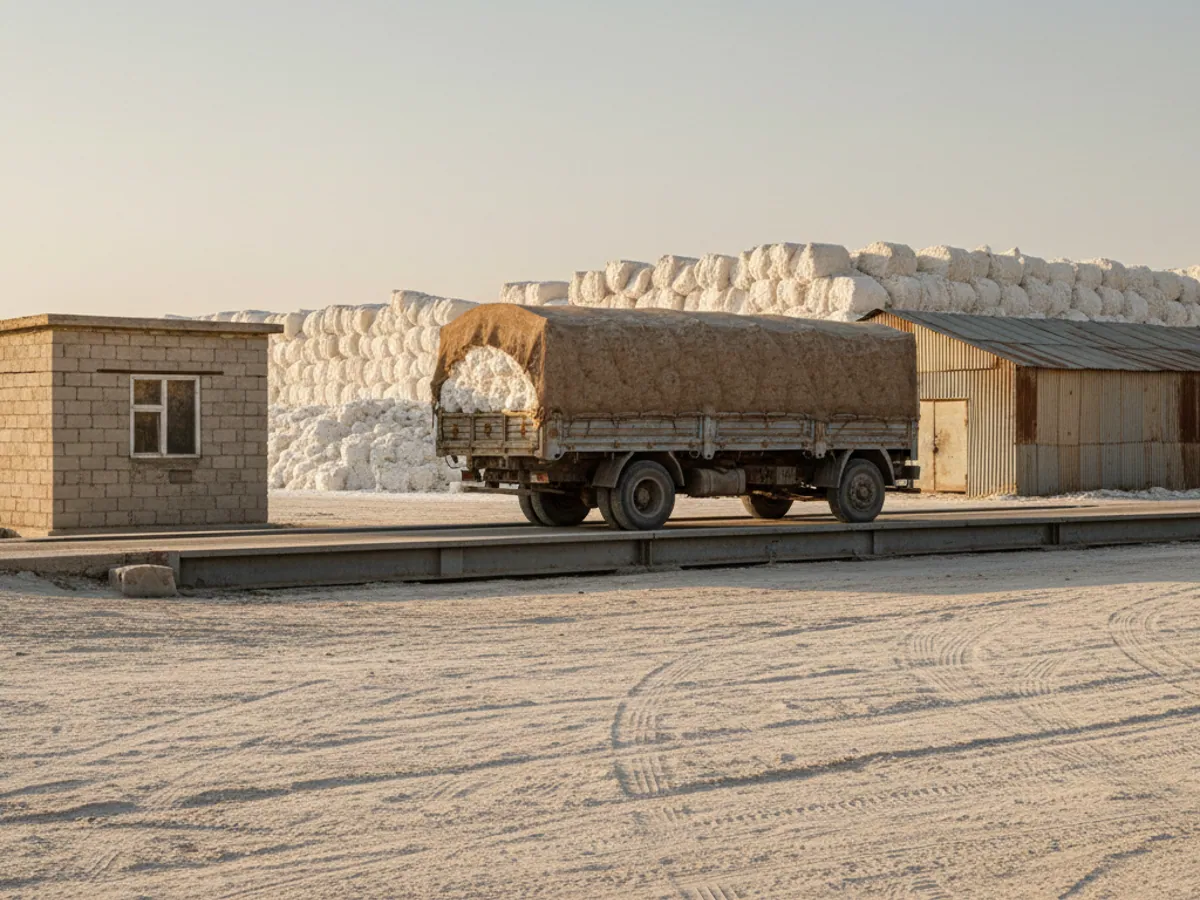
Fleets in light industry are mixed, so we choose the set of equipment to suit each type of vehicle.
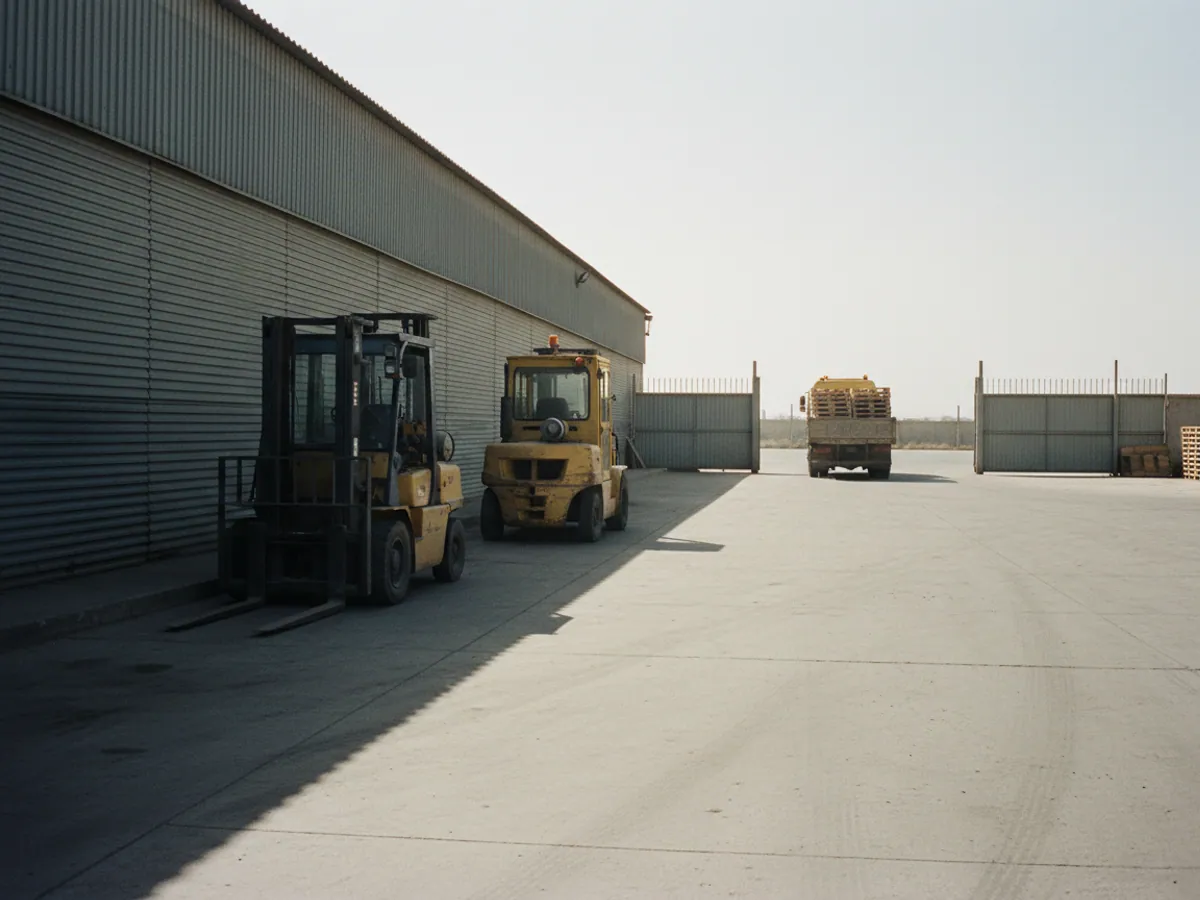
- Your own delivery vans — a fixed Teltonika tracker, a door sensor and, if wanted, a camera in the body. Fitting takes 1–2 hours per vehicle.
- Your own supply lorries — a tracker reading CAN and a fuel level sensor, if the vehicles travel far: to Mingachevir, Ganja, or the Georgian border.
- Hired vehicles during the season — a self-contained tracker for the period of work, with no wiring in.
- Hauliers with their own trackers — their data passed into your account through data retransmission.
Separate marking systems for rolls of fabric and boxes inside the warehouse are warehouse accounting rather than GPS monitoring. If you have such a system, we can link it to the trip data through an API.
Cut pieces sent to a subcontract workshop: a task ordinary delivery does not have
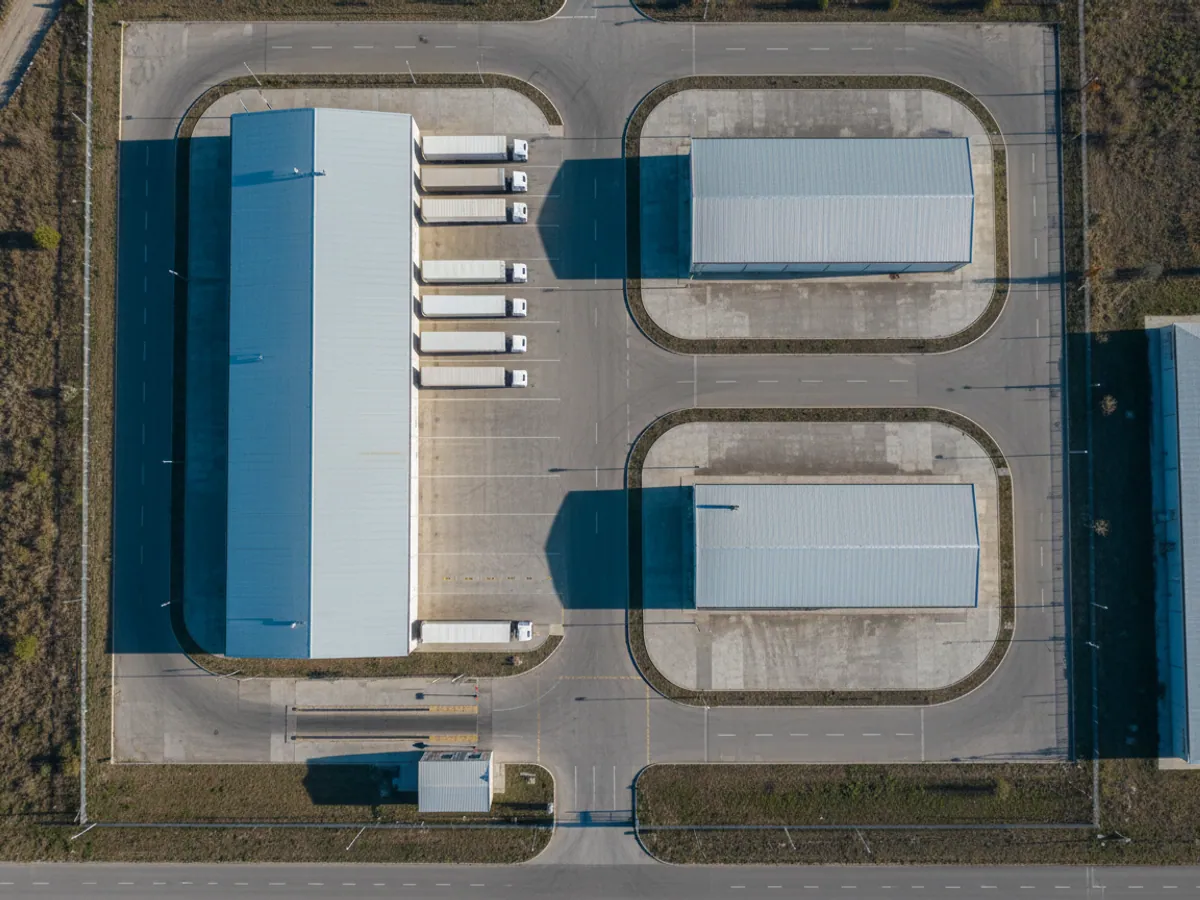
Garment manufacturing has a flow that an ordinary haulier does not: semi-finished goods go out and have to come back. Cut pieces are taken to subcontract sewing workshops in Mingachevir, Sheki or districts where there are machinists, and finished garments come back. Fabric and trimmings may be passed to the subcontractor on a tolling basis.
Here the question is not where the vehicle is but whether what left matches what came back. Monitoring covers its own part of that:
- the factory — subcontractor's workshop — factory trip with the time spent at each point;
- body openings only inside the factory and subcontractor geofences, the rest to be looked into;
- the vehicle calling at points that are not on the route, at a market or a private warehouse for instance.
How many bundles of cut pieces went out and how many garments came back is not something the tracker counts. That is accounting in your own system: transfer notes and return records. The trip report helps to find the stage at which the discrepancy appeared, but it does not replace counting and labelling.
The second particularity is the collection season. Before the spring and autumn deliveries to the shops, the delivery round works at its peak, and arriving late at a shopping centre before the weekend costs sales. For that period it is worth agreeing delivery windows with the shops in advance and setting up notifications when a vehicle falls behind schedule.
Rollout stages
Before the season — mapping
Over the summer we put the suppliers' fields, the collection points and the routes on the map. In September, once picking starts, there will be no time for it.
Your own fleet first
We equip your own vehicles first. Dispatchers and supervisors get used to the system on transport they know.
Issuing trackers to hired vehicles
The tracker is issued to the driver against a signature together with his site pass and collected when he is paid off. The rule is simple: no tracker, no acceptance.
Reviewing the first weeks
A week into the season we look at where vehicles stand longest and which routes raise questions. We adjust the notification thresholds so that the dispatcher is not drowned in alerts.

Why seasonal control sometimes fails
Over several seasons we have seen the same mistakes. They are easy to avoid if you know about them in advance.
- Trackers handed out on the first day of picking. A queue of vehicles at the gate, drivers in a hurry, half the devices not activated. It is better to start issuing them a week before the start and to check each device on the map with the driver present.
- No rule that nothing is accepted without a tracker. If a vehicle with no data is weighed and accepted anyway, within two weeks the trackers start being left at home.
- The weighbridge and the dispatcher work separately. The weighbridge operator sees the weight, the dispatcher sees the track, but nobody compares the two. What is needed is one report for both, where the trip and the weight sit on the same line.
- The fields are not mapped. Without field geofences the system only sees that the vehicle was standing, not that it was loading. We do the mapping before the season, from the list of contracts with the farmers.
For clothing delivery rounds the main mistake is a different one: the door sensor is fitted but the shop locations are never entered into the system. The report then shows dozens of body openings, with no way of telling which of them are out of place.
Pilot requirements and sign-off criteria
A pilot is better run on a single flow: either the seasonal cotton haulage to one mill, or the delivery round to shops in Baku, or the trips to the sewing subcontractors. Mixing them in the first month is not a good idea.
What we need from the business: a list of vehicles and hauliers; the addresses of fields, collection points, subcontractors or shops for the geofences; the weighbridge log or the delivery notes for the same period; and someone responsible for going through the notifications.
The pilot is signed off if: every trip in the flow is visible with its track and any gaps in coverage are explained; every body opening or stop outside the agreed points has been looked into; the trip-against-delivery-note-or-weight report is produced without manual reconciliation; and the procedure for issuing and returning trackers for hired vehicles works.
An example report: for every trip — the vehicle, where from and where to, time on the road, stops off the route, body openings with their location, and the associated delivery note or weighbridge figure.
How to measure the effect
Raw material
Compare the average weight per vehicle from a given field before and after monitoring was introduced. If there is a difference and moisture does not explain it, you can see which vehicles and routes it comes from.
Shortfalls on the delivery round
When every body opening is tied to a location, the openings that do not belong show up in the report. Compare the number of shortfalls against delivery notes for the month before and after the launch.
Disputes with farmers
The trip track and the time on the road remove most of the claims about weight. The farmer sees where the vehicle stood, and so does the mill.
Fuel in your own fleet
On your own lorries the savings come from controlling idling and routes. Usually 10–15%, if there was no control before.
Questions from textile and garment businesses
What is used in this sector
What we do end to end
Wialon modules for this sector
How it is used in this industry
Case studies from “Manufacturing Plants”



Thinking of rolling out GPS monitoring in “Light industry”?
Send us an enquiry and we will price it up for your fleet and pick the hardware for this sector: manufacturing plants.
- 1 We pin down the task
A specialist calls back and asks about the vehicles, how many there are and what you need to keep an eye on.
- 2 We put a solution together
We propose the hardware and the features, and set out the one-off and the monthly cost separately.
- 3 We agree the fitting
At your yard or at ours, on a schedule that keeps the vehicles working.
Request a call
A specialist will call back and match a solution to your fleet and your task.