GPS.AZ
Agriculture & Agribusiness
Sector · Agriculture & Agribusiness

GPS monitoring of harvest and farm produce haulage

Grain lorries, vehicles carrying seed cotton, tippers loaded with beet and refrigerated units taking fruit for export: the route from field to intake, body tipping, weight and time spent queueing. For your own vehicles and for the hired ones, of which there are always more in season.

Discuss a pilot for this sector process
5
Sectors
8 regions
Coverage in AZ
40 000+
Assets under monitoring
Since 2008
On the market
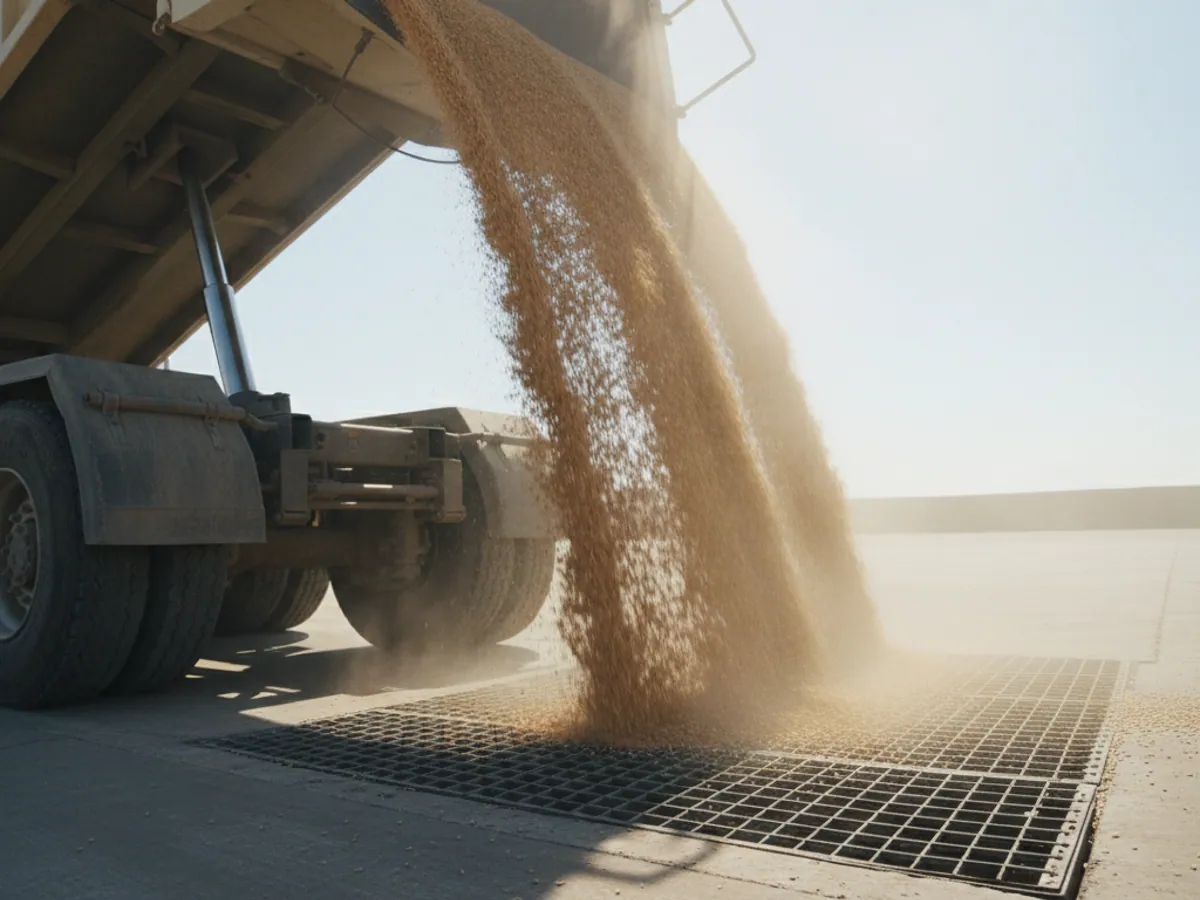
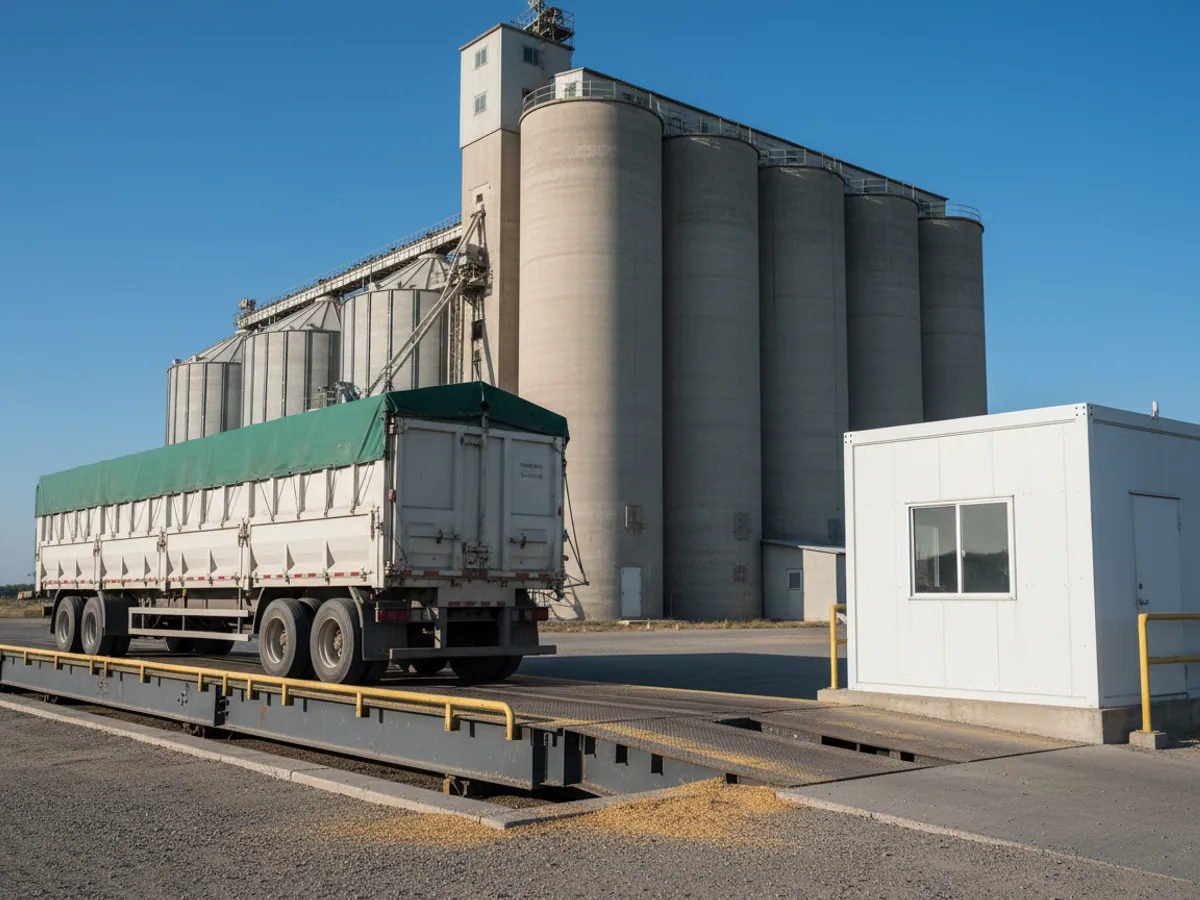
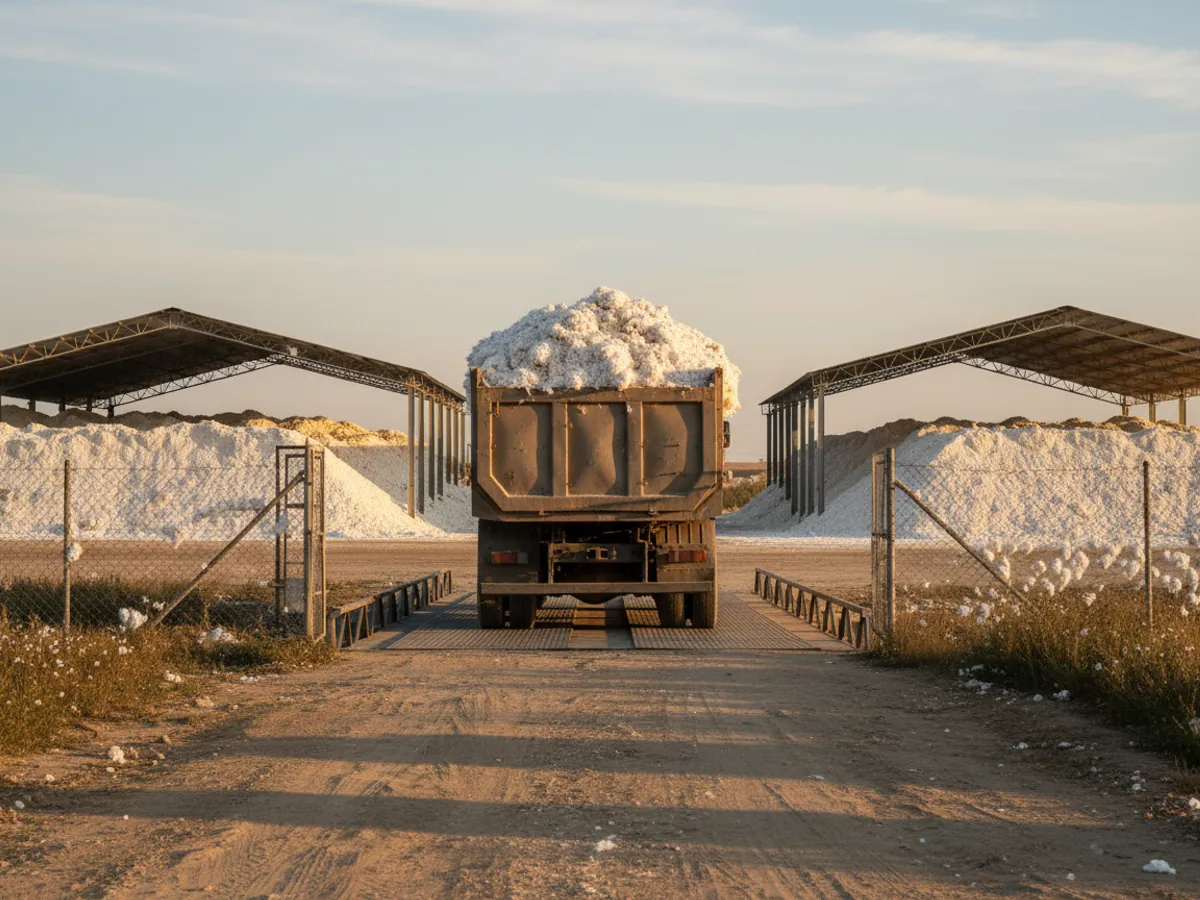
A lorry carrying harvest stands on the weighbridge at the intake point
Context

The harvest is in. Now it has to get there

During harvest a farm or a buying agent runs more trips in a few weeks than in the whole of the rest of the year. There are not enough of your own vehicles, so hauliers from neighbouring districts are brought in and the drivers are often complete strangers. Combines wait for lorries in the field, lorries wait in the queue at the elevator or the cotton gin, and every extra stop is time during which the harvest could already have been in store.

GPS monitoring of harvest haulage answers two questions. The first is whether everything loaded in the field reached the intake point. The second is where the time is going: in the field, on the road or in the queue. The answer to the first protects the harvest, the answer to the second shortens the campaign.

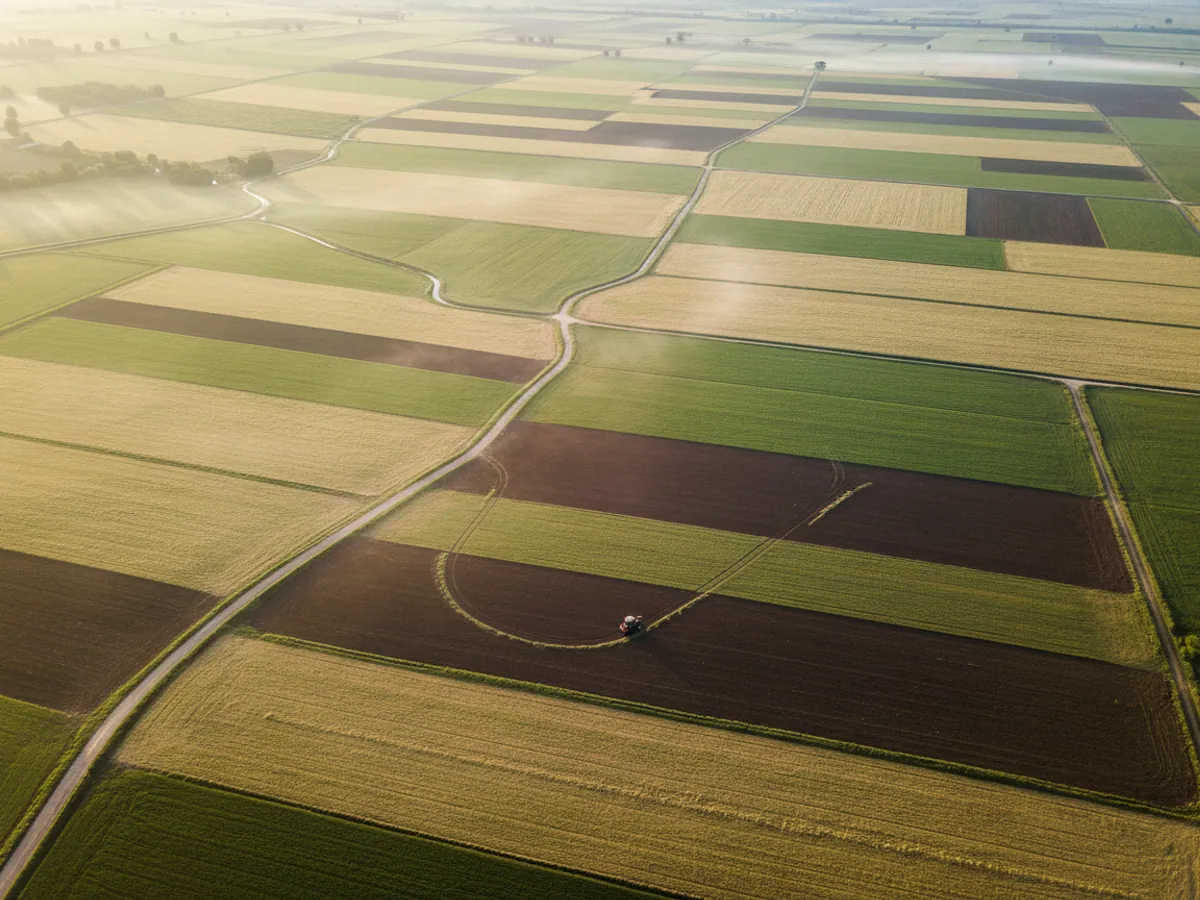
A patchwork of fields and canals seen from above, with a tractor working in one of them

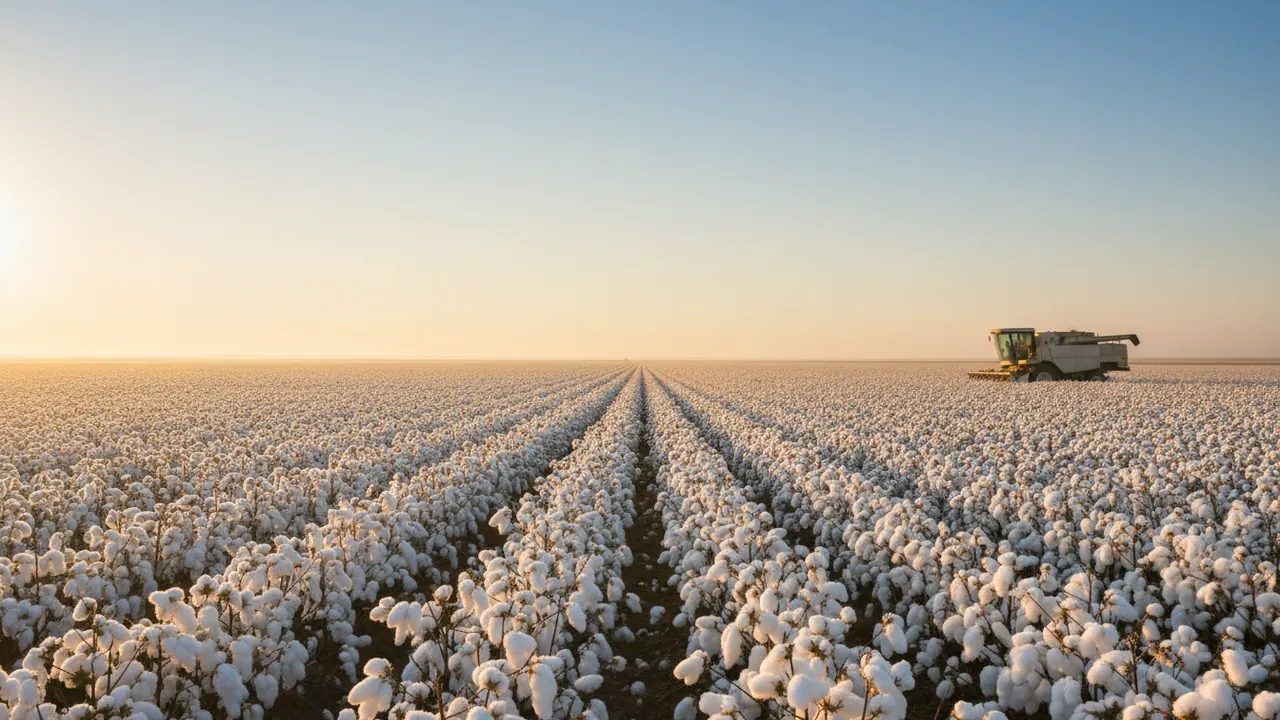
Cotton from field to gin: where the tonnes go missing

A farm in the Saatly district delivers seed cotton to a cotton ginning plant. It is several dozen kilometres from the far fields to the plant along rural roads. At the peak of picking, both the farm's own tippers and hired vehicles are on the haul.

At the end of last season the weight accepted by the plant turned out to be noticeably lower than what had been expected from the harvest. The losses were put down to moisture and trash. This season trackers and body tipping sensors were fitted to the vehicles.

In the very first week the report showed a pattern: two hired vehicles regularly stopped for 15 to 20 minutes at the same yard in a neighbouring village, and at that moment the body was partly raised. The conversation with the haulier after that was a short one. The other vehicles ran without stopping, and comparing the weights from their trips helped work out how much of the difference really was moisture.

Where the harvest is lost on the way

In season, haulage losses almost always come from several sources at once:

Partial unloading

A few hundred kilograms of grain or cotton is tipped off along the way. On a single vehicle it goes unnoticed; over a season it adds up to tonnes.

Substituted load

Graded grain is swapped en route for something cheaper. This matters most with hired transport, where the driver does not depend on the farm.

Trips on paper only

The haulier is paid per trip and per kilometre. Without a track, the number of trips can only be checked against the consignment notes, and those can have entries added.

Queues and idle time

Vehicles stand for hours at the elevator while combines in the field wait for transport to free up. Harvesting drags on and the grain either dries out or is caught by the rain.

Tools for harvest haulage

A corridor from field to intake

A movement corridor is set for each field-to-elevator or field-to-plant direction. Leaving the road, stopping in an unplanned place or turning into a village off the route are all recorded and sent as a notification.

Stops shorter than a couple of minutes can be excluded from alerts so that nobody has to react to every traffic jam at a level crossing.

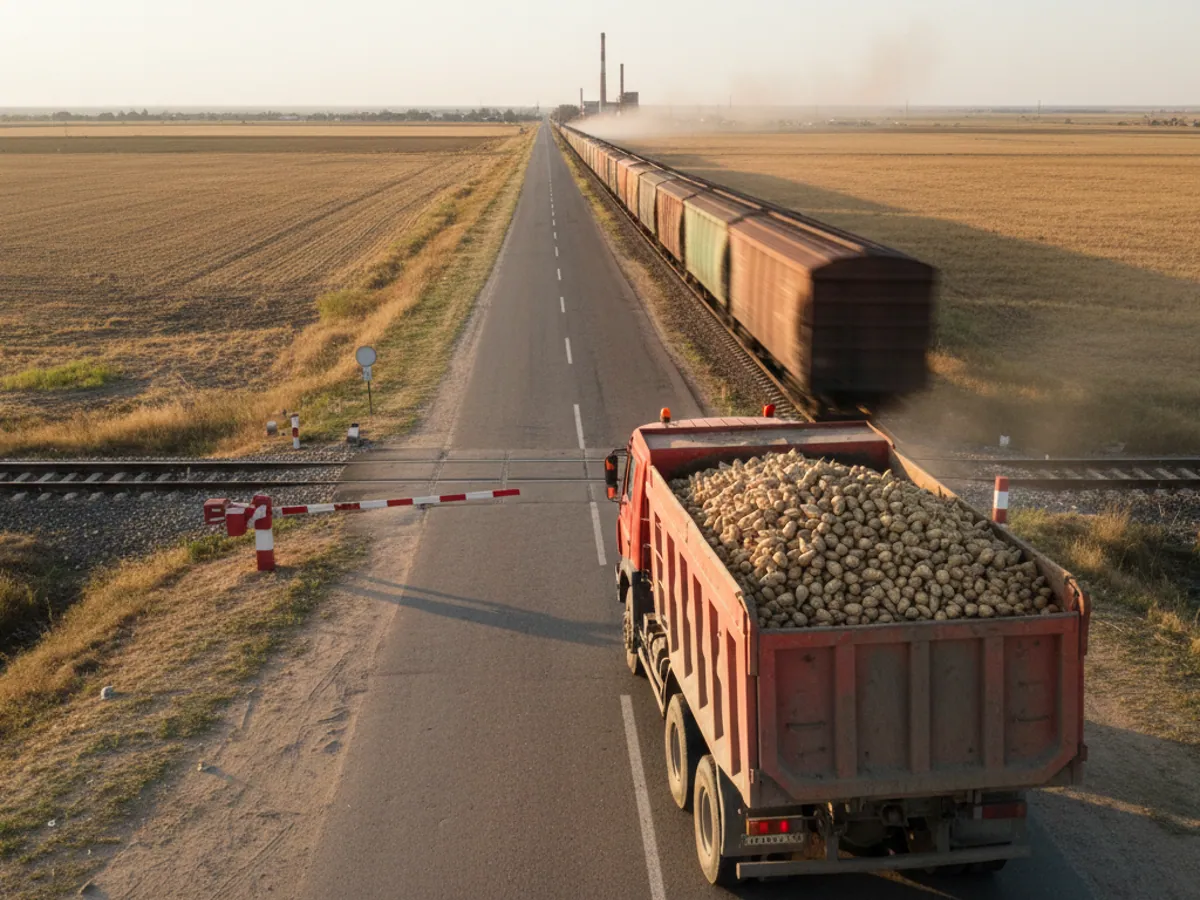
A tipper loaded with beet waits at a closed railway crossing on a road between fields
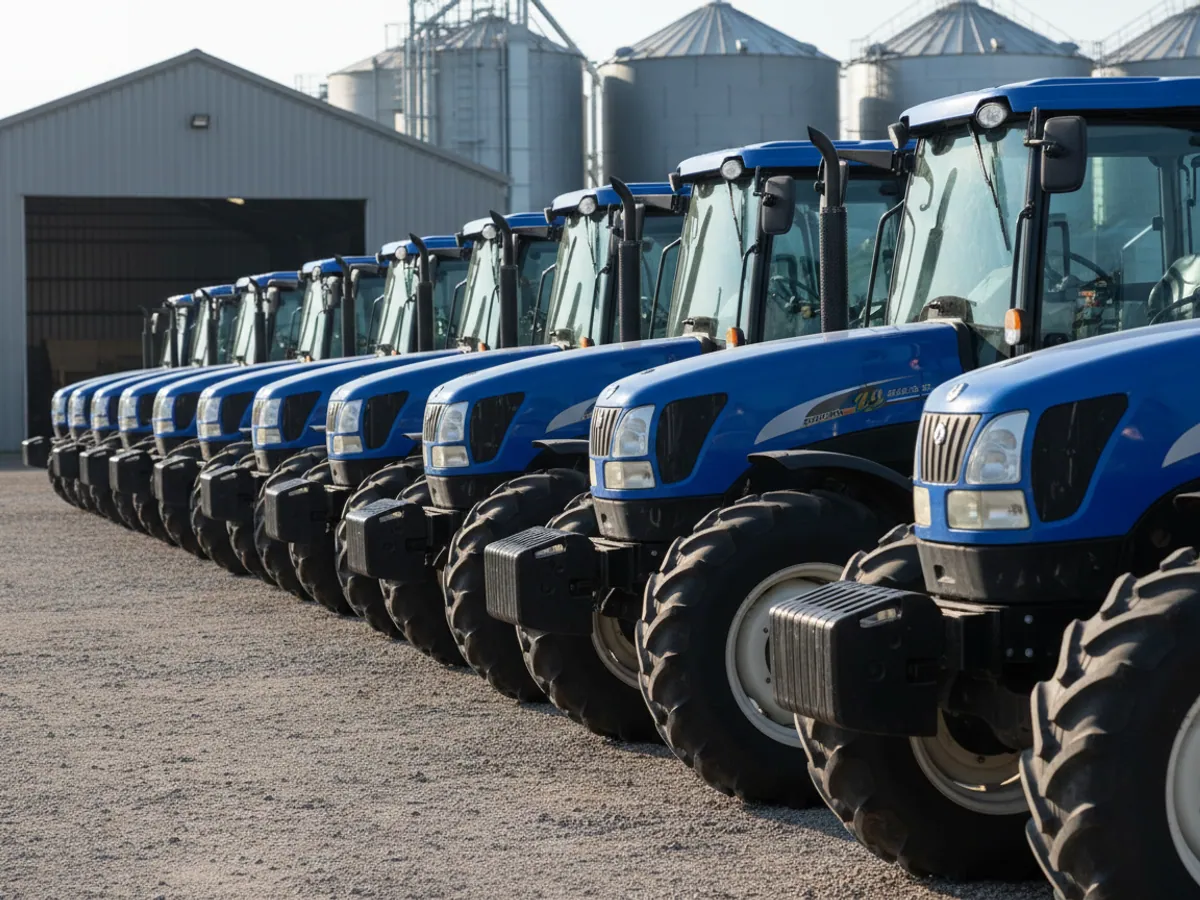
A long row of identical tractors in the central machinery yard of an agricultural holding

Track and weighbridge: how trips are reconciled

The strongest control comes when monitoring data meets weighbridge data. The weighbridge operator sees the vehicle number and where it came from: from the farm's field or from a neighbouring store. Accounts reconcile the number of trips on the track against the number of weighings.

The technical side depends on the weighbridge. If the weighbridge software can exchange data, we set up an integration through an API. If the weighbridge is old and works standalone, we reconcile by exporting reports: trips from the track and the weighing log are matched by vehicle number and time.

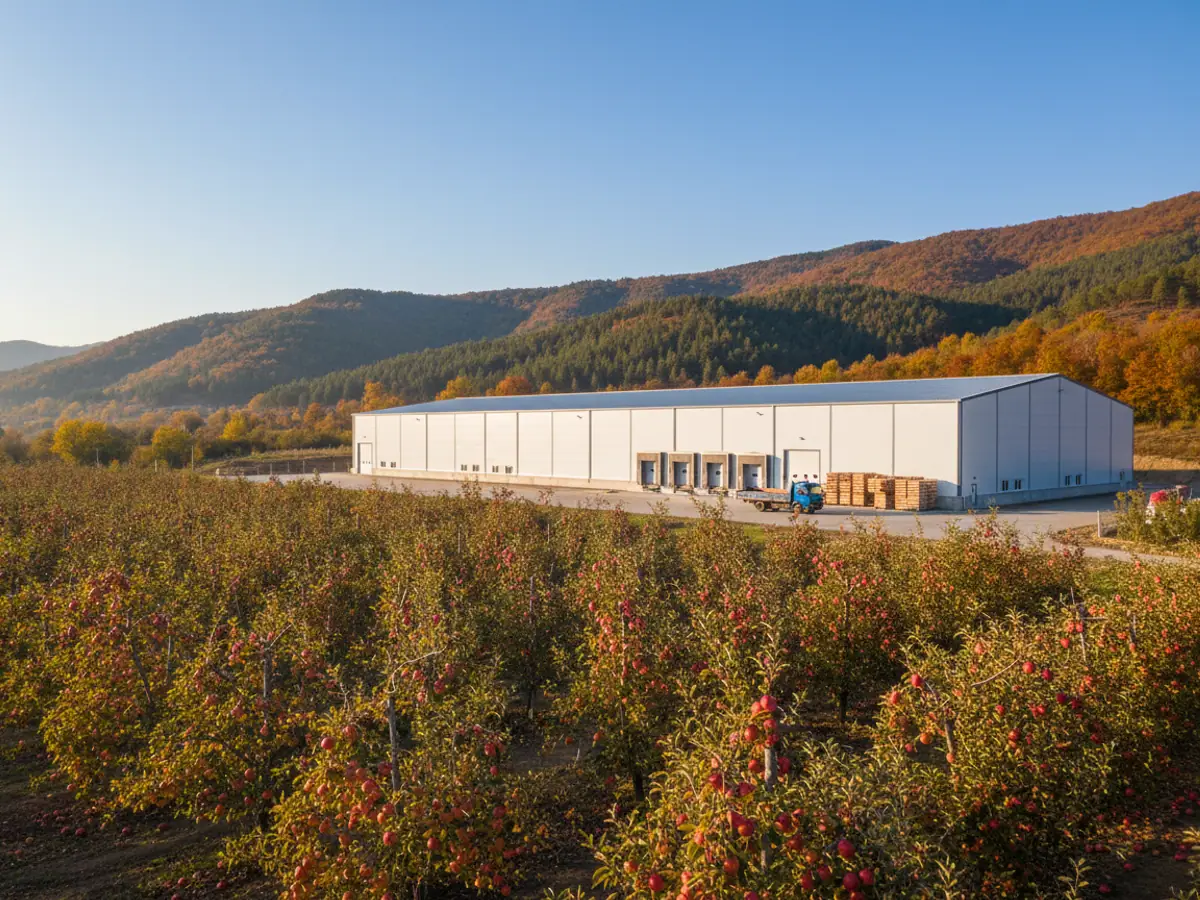
For fruit and vegetables carried for export, such as pomegranates from Goychay, apples from Guba and tomatoes from the south, the task is different: temperature becomes the main thing. There is more on the cold chain control page.

Equipment for different kinds of transport

Your own grain lorries and tippers

A hard-wired tracker, a body tipping sensor and, where needed, a fuel level sensor and axle load sensors. They work all year round and move to other haulage out of season.

Hired vehicles for the season

A standalone tracker on a magnet or placed in the cab. No connection to the vehicle, handed over and returned against a signed record.

Tractors with trailers

On the short field-to-threshing-floor leg the harvest is often carried by tractor. For these there is a tracker with a backup battery and a trailer tag, so you know which trailer was working.

Refrigerated units with fruit

A tracker, temperature sensors in the body and a door sensor. The temperature report for the trip goes to the consignee along with the paperwork.

Getting ready for harvest: what to do in advance

A month before harvest

Fitting trackers and sensors to your own vehicles and checking the ones left in place since last season.

Geofences and corridors

Field outlines, intake points, field camps, permitted routes. It is enough to draw them once and update them as the crop rotation changes.

Contracts with hauliers

A condition: the vehicle only works with a tracker, and a trip with the tracker switched off is not paid for. Without that clause, control over hired vehicles does not work.

Who responds

Notifications about route departures and body tipping have to reach someone who can be on the spot within half an hour. One dispatcher in the office is not enough for that.

A loaded grain lorry on the weighbridge at the entrance to a grain elevator

Field, weighbridge, intake: three figures for one trip

For every trip of grain or cotton a farm usually has three figures, and they almost never agree down to the kilogram.

  • Field. How much was loaded at the combine. Most often this is an estimate: from the combine tank, from the number of unloads or from axle load sensors, if they are fitted.
  • Weighbridge. Gross and tare on the farm's or the elevator's scales. This is a measurement, and it is what the money is counted from.
  • Intake. The creditable weight after deductions for moisture and impurities. It is lower than the physical weight, for understandable reasons.

The trip track links these three points: the vehicle left a particular field, ran without stops with the body raised, and went onto the scales at a given time. If the track is clean and a difference remains, it is looked for in the quality of the grain and in the work of the weighbridge, not in the driver.

It is important not to confuse weight with a sensor estimate. An axle load sensor gives a guide figure with a margin of error that depends on the suspension, the road and the calibration. It is good for noticing that a vehicle left loaded and arrived noticeably lighter. Settlements with the haulier and delivery of the harvest still rely on the scales.

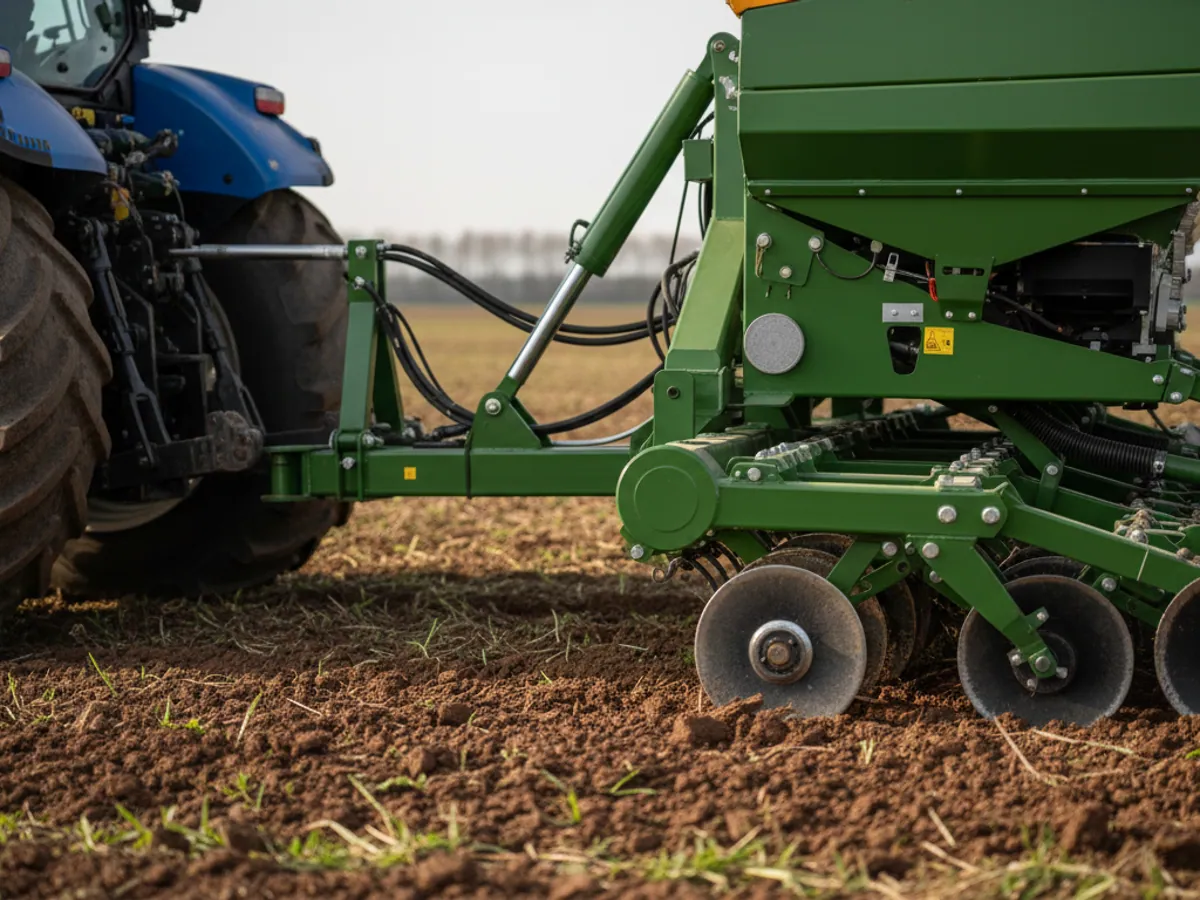
A tractor hitch with the seed drill raised, a small round tag fixed to the frame

A hired grain lorry: who is responsible for what

With a hired haulier, control only works when the rules are written down before the season. We suggest discussing several points with them and fixing them in the contract:

  • the vehicle works with the farm's tracker, handed over and returned against a signed record;
  • switching the tracker off, or loss of signal for longer than an agreed period, is grounds for checking the trip before payment;
  • a shortfall is counted from the weighbridge, not from the sensor estimate, with an agreed tolerance;
  • payment is for trips confirmed by the track and by weighing.

On the farm's side somebody has to be responsible for taking notifications during the season and able to go out to the spot. We set the system up and help work through a disputed trip using the data, but the decision to make a claim against the haulier is the farm's.

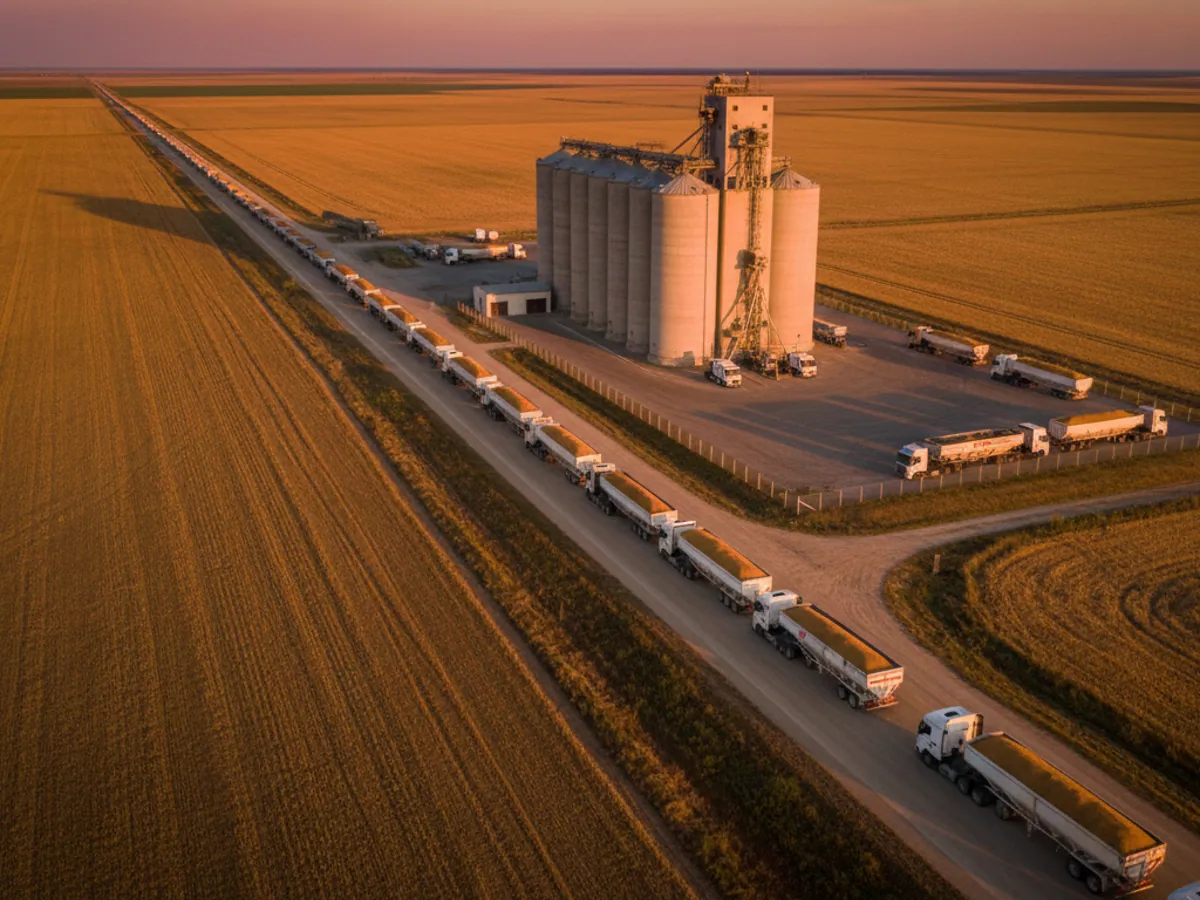
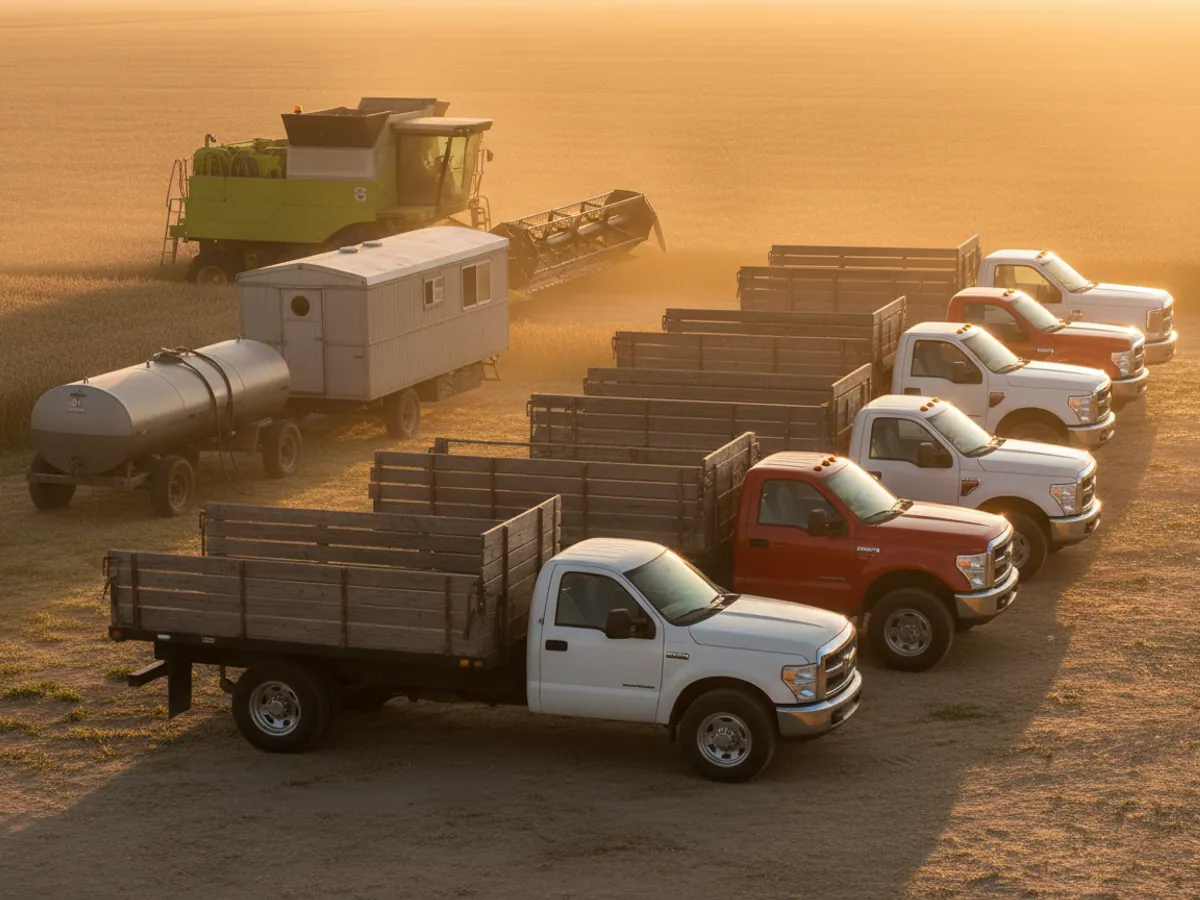
An assortment of own and hired grain lorries at a field camp at dawn

A seasonal pilot: what is needed and how to tell whether it worked

A pilot is best run on a single direction, for example the fields of one block to the elevator, and on part of the fleet: a few of your own vehicles plus hired ones with standalone trackers. Duration: the first two or three weeks of harvest.

What is needed from the farm: field outlines and intake points, a list of vehicles and drivers, the weighing log for the same period, and a contact responsible for notifications.

The acceptance criteria are agreed in advance, for example:

  • the number of trips on the track matches the weighbridge log, with any discrepancies explained;
  • every stop with the body raised away from the field and the intake point has been looked into;
  • the field-intake-field turnaround report shows where the vehicles were standing.

On the results you decide which vehicles and which directions to extend the control to next season.

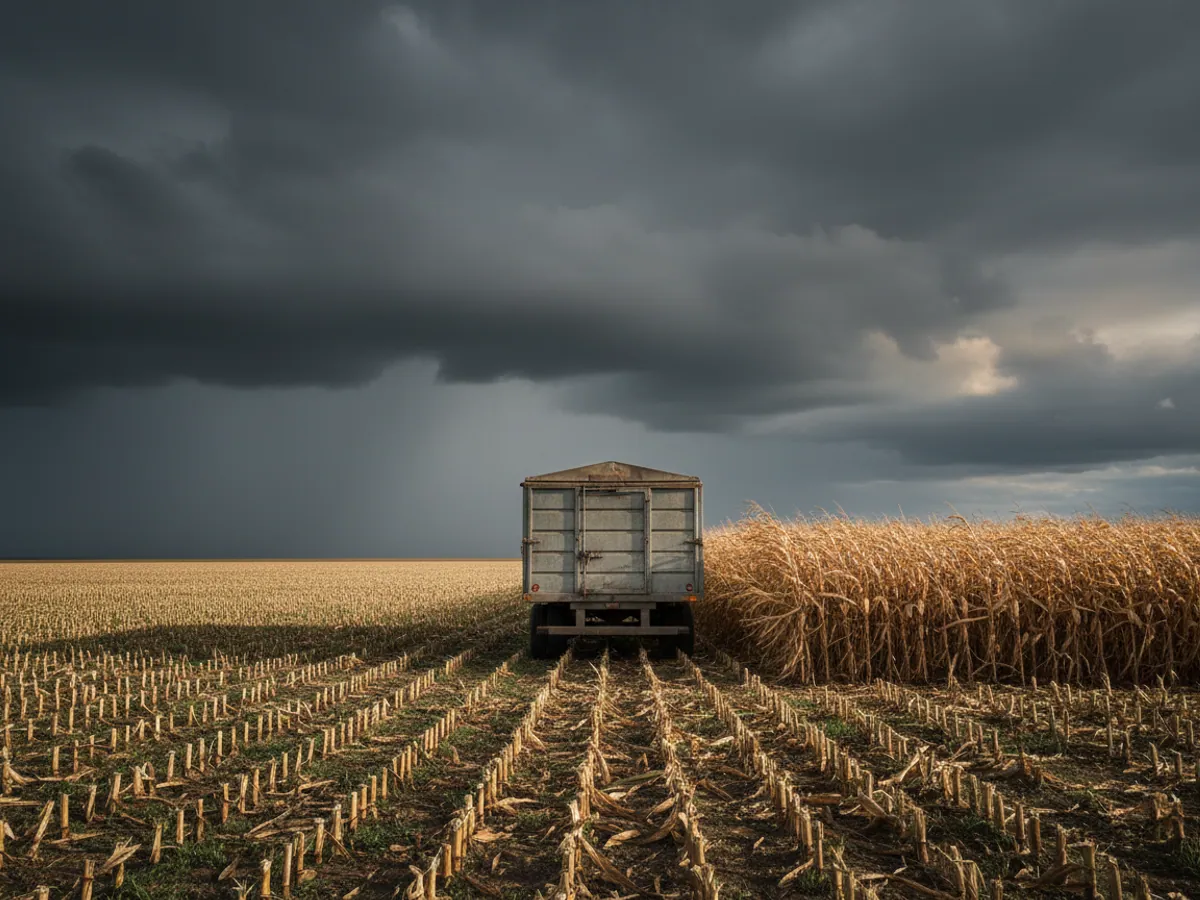
Dark rain clouds over a half-harvested maize field, an empty trailer waiting at the edge

How to work out whether it is worth doing

Take the volume of harvest you move in a season and the difference between the weight at collection and the weight at intake that you currently write off as natural losses. If even part of that difference is not moisture but unloading along the way, that is the sum against which the cost of trackers is compared. You can test this before any large outlay with a pilot on part of the trips.

The second part of the calculation is time. If managing the queues means combines stop waiting for vehicles by even an hour a day, harvest finishes earlier and the crop is less at risk from the autumn rains. This benefit is harder to work out in advance, but during the season it shows up in the queue report.

Paying hauliers for actual trips and kilometres from the track also saves money, particularly if payment used to be based on consignment notes. We will price a kit for your own vehicles and standalone trackers for hired ones against your volume. Other solutions for agriculture are in the agricultural sector section.

Questions about harvest haulage monitoring

With a standalone tracker that attaches magnetically or is simply left in the cab. It runs on its own battery for the whole season and needs no connection to the vehicle. The other option is an app on the driver's smartphone, but that is easier to switch off.
If the weighbridge software supports data exchange, we set up an integration. If it does not, we reconcile by export: trips from the track and the weighing log are matched by vehicle number and time. It is less convenient, but it works with any weighbridge.
Loss of power and loss of signal are both recorded. The most effective approach is to write into the contract that a trip without a track is not paid for, or that the vehicle is not admitted to the weighbridge until it has been checked.
Not directly, no: the tracker does not know what grain is in the body. It will show whether there was a stop with the body raised or the sheet opened along the way. If there were no stops, substitution en route is unlikely. Grain quality is still checked by the laboratory.
The weighbridge shows the weight at intake. Load sensors show the weight at any point on the route, including the moment of leaving the field. For your own vehicles on long legs that is useful; for short trips a tracker and a body tipping sensor are usually enough.
There are options. Standalone trackers can be bought once and issued to hired vehicles every season, with connectivity paid for only during harvest, or temporary use of our equipment can be arranged. We will work out which is better value for your number of vehicles.
Yes, but not the full scope. Standalone trackers for hired vehicles need no fitting: it is enough to draw the field outlines and intake points and hand the devices out to drivers against a signed record. Body tipping and axle load sensors for your own vehicles do require fitting, and at the height of harvest it is hard to take a vehicle off the road for that. They are better fitted out of season, roughly a month before the next harvest.
For managing queues, yes: one screen shows how many vehicles are waiting at the elevator or the plant and for how long, and the dispatcher can hold vehicles back in the field or send some to another intake point. For reacting to route departures and body tipping along the way, no: those notifications should go to people who can be on the spot within half an hour. Reconciling trips against the weighbridge log is done by accounts from the reports, and for that there is no need to sit watching the map.
Request

Thinking of rolling out GPS monitoring in “Agricultural logistics”?

Send us an enquiry and we will price it up for your fleet and pick the hardware for this sector: agriculture & agribusiness.

  1. 1
    We pin down the task

    A specialist calls back and asks about the vehicles, how many there are and what you need to keep an eye on.

  2. 2
    We put a solution together

    We propose the hardware and the features, and set out the one-off and the monthly cost separately.

  3. 3
    We agree the fitting

    At your yard or at ours, on a schedule that keeps the vehicles working.

Request a call

A specialist will call back and match a solution to your fleet and your task.