
The GH5200 personal tracker for workers
A Teltonika scenario for holdings where people work alone and far from base: the GH5200 personal tracker, with voice calling, an SOS button and a fall sensor, shows where a worker is and calls for help by itself if somebody has fallen and is not moving.
A Teltonika scenario for holdings where people work alone and far from base: the GH5200 personal tracker, with voice calling, an SOS button and a fall sensor, shows where a worker is and calls for help by itself if somebody has fallen and is not moving. A rider out on distant pastures, a watchman in an orchard, a tractor driver who has walked off to fix a pump at the edge of a field — all of them go for hours with nobody to witness anything. A mobile phone does not always help in that situation: it is in a jacket pocket on the back seat, or flat, or the person simply cannot dial. The GH5200 is built differently: one button, or no button at all when the fall sensor has tripped.
What this scenario solves
Agriculture employs about a billion people, roughly 28% of the world's workforce, including some 450 million employees.
It is one of the most injury-prone industries: falls from ladders and hoppers, being struck by machinery, tractor rollovers, chemicals.
Add injuries from animals, burns and suffocation from dust.
Many of these cases happen when there is nobody nearby.
Agriculture employs about a billion people, roughly 28% of the world's workforce, including some 450 million employees. It is one of the most injury-prone industries: falls from ladders and hoppers, being struck by machinery, tractor rollovers, chemicals. Add injuries from animals, burns and suffocation from dust. Many of these cases happen when there is nobody nearby.
The larger the holding, the longer it takes to find the casualty. On a farm of hundreds of hectares somebody lying unconscious in a shelter belt or behind a haystack may go unnoticed until the evening, when he is missed at the roll call.
Besides safety there is record-keeping. The manager needs to know who arrived, who left and where each gang is working now, without paper logs and without the foreman driving round the plots all day.
And there is theft. Worldwide losses from theft of crops, livestock and machinery, together with the cost of security, are put at 10–15 billion dollars a year. In India alone, on the government's estimate, farmers lost more than 2 billion dollars to theft in 2022.
As the price of food, fertiliser and fuel rises, agricultural produce becomes a target for thieves more and more often, and holdings need more eyes on the land than they can afford to hire.
What Teltonika offers
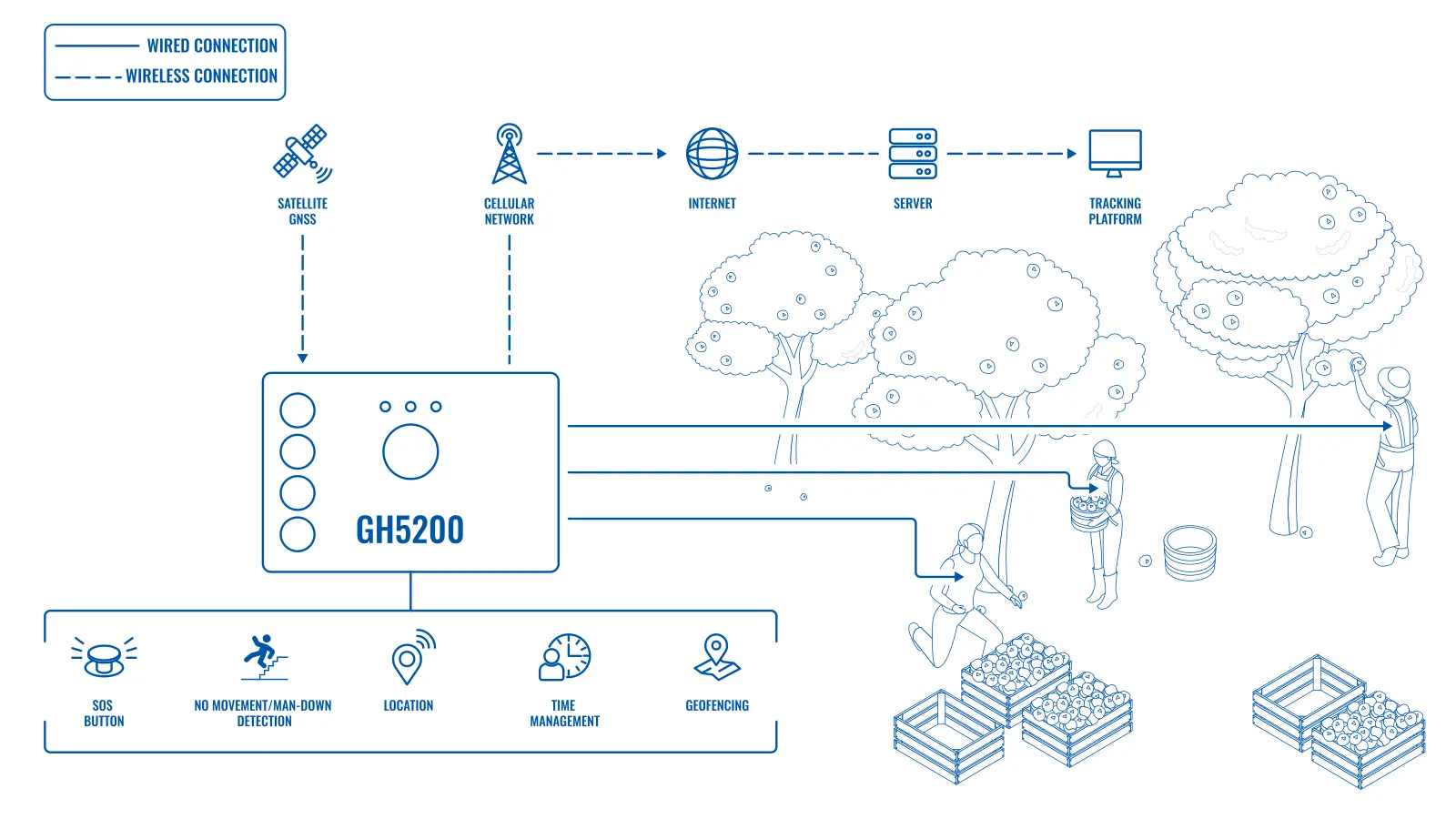
Teltonika proposes issuing workers with the GH5200 — a self-contained personal tracker for 2G networks with a GNSS receiver, two-way voice calling and five programmable buttons: it sends the person's coordinates to the server, calls and texts up to five responsible people when there is an alert, and recognises a fall and a long period without movement by itself.
Installation and setup
Fitting the device and configuring it for the fleet scenario at hand.
Data transfer
The device collects data and sends it to the monitoring platform; how often depends on the model and its settings.
Analysis and control
The person in charge gets reports and alerts and looks into what stands out.
The tracker's basic work is simple. The GNSS receiver establishes where the device is, and therefore where the person carrying it is. The coordinates go to the server over GPRS, and the manager, the agronomist or the security team see every worker on the map in real time. Accuracy depends on the place: better in an open field, worse in a dense orchard, in a shed or under a canopy, and that is worth allowing for when an incident is investigated.
Voice calling. The GH5200 is also a small telephone for emergencies. Up to five recipients of calls and texts can be set in it. When a person presses SOS, the tracker sends a message with coordinates and starts working down the list until somebody answers. You can talk through the device itself without getting a phone out. For a worker who has hurt his arm or is pinned under a fallen bale, that is the difference between reaching a button and failing to unlock a smartphone.
Five buttons, five scenarios. They are programmed to suit the holding: SOS, a call to the foreman, a call to the store, sending your own position on request, marking the start and end of a shift. Workers quickly learn that the red one means trouble and the second one is the foreman. It is convenient to put the shift record on a button of its own: press it at the gate in the morning, press it in the evening, and the timesheet assembles itself, with coordinates against every entry.
Automatic features for when there is nobody to press anything. The Man-Down scenario recognises a person falling from the accelerometer. The no-movement scenario watches that the worker is moving: if the tracker has registered no movement for a set time, it raises an alert. These are the key functions for anyone working alone. An elderly watchman whose heart gives trouble in the night may not press a button, but the tracker will notice the stillness for itself.
The GH5200 works with Bluetooth sensors, so its capabilities can be extended: beacons showing which building a person is in, for instance, or sensors on equipment. The battery lasts a long time, so the tracker does not need charging in the middle of a shift, and for a shepherd who goes off to pasture for a long spell with no socket that is the main question. The reporting mode can be made more economical when frequent positions are not needed.
What changes on the holding. Take a large farm or plantation where every worker has a GH5200 on his belt. The first thing is safety. Somebody is unwell — SOS is pressed, and the responsible person gets a call and a position. Somebody has fallen and is not getting up — the tracker has called for help itself. The second is management without micromanagement. The system records when a person arrived and left and where he was during the day, and the foreman does not have to check up on people in person. The third is allocation. Geofences divide the land into plots, gangs are assigned to them, output is compared, and entering a forbidden area — the chemical store, the area heavy machinery is working, a neighbour's land — is visible at once. The fourth is security. If something has gone missing, the movement history helps establish who was nearby, and watchmen with trackers are easier to check on: did they walk the boundary at night, or sleep in the hut.
An episode from the life of such a holding. July, midday, and a worker in a distant vineyard is overcome by the heat, sits down in the shade between the rows and loses consciousness. After the set period without movement the tracker sent an alert to the foreman and the agronomist, both received a text with the position, and a call went through to the foreman. Twelve minutes later a vehicle reached the worker with water and a first aid kit. Without the tracker he would have been missed at the evening muster.
People are only part of a holding. Tractors, combines, trailers, sprayers and pumps are tracked by Teltonika with vehicle and self-contained trackers, and all of it can be seen on one map alongside the workers.
Questions people ask before buying. How should the tracker be carried so it does not get in the way? Most often on the belt or on a lanyard round the neck; the important things are that the buttons can be reached with one hand and that the fall sensor moves with the person rather than lying in a bag. What if a worker takes the tracker off and leaves it in the mess hut? The no-movement check will raise an alert straight away, and that particular trick is quickly discovered. Can a conversation be heard in a noisy place, next to a running tractor? Less well than in quiet, so for machine operators the main scenario is a text with coordinates and a call back once the person has stepped away from the machine. Can the trackers be issued only for the season? Yes, out of season they are stored charged, and by the start of work the list of numbers and the button assignments are updated.
How to build the response procedure. The tracker only passes on a signal; it is people who save a person. Before going live it is worth settling who receives an alert first during the day and who at night, how many minutes are allowed for an answer before the call moves on to the next name, and which vehicle with which first aid kit goes out to a call. It pays to run a drill once a month: a worker presses SOS and the manager times how many minutes it took to reach him. The first such test usually turns up a good deal — from out-of-date numbers to a vehicle with no fuel in it.
How to count time worked. The timesheet is built from presses of the start and end of shift button, while the positions during the day show whether the person was on his own plot. If an entry is missing, the shift is not completed automatically but put into a report for the foreman so that he can settle it by hand.
What you get
Help for someone who cannot call for it himself
The fall sensor and the no-movement check raise an alert without a button being pressed.
Voice and text to up to five responsible people
On SOS the tracker reports coordinates and works down the list until somebody answers.
Less checking by hand
Arrivals, departures and movements are recorded automatically, and the foreman spends his time on the work rather than on rounds.
Order across the land
Geofences assign gangs to plots and show anyone entering dangerous or closed areas.
Evidence for inspections and for the insurer
The history of movements and alerts helps show that the holding's safety measures were working.
A link between the field and the office
The foreman knows where his people are and moves them quickly to urgent plots.
Why this solution
The GH5200 was designed as a personal safety tracker rather than a converted vehicle one. It has what most wearable trackers for cargo do not: voice calling, several buttons and the built-in Man-Down and no-movement scenarios. There is no need to invent those on the server side — the tracker itself understands that a person has fallen and starts calling on its own.
Simplicity matters to a holding as well. A worker does not have to learn an app; it is enough to remember which button does what. The settings — the list of numbers, the no-movement thresholds, the button assignments — are changed remotely, and the same device can be handed to another worker in a new season.
The limitations are worth stating honestly. The GH5200 works on 2G networks. While operators still support it, that is an advantage: 2G covers rural areas well. But before buying a large batch it is useful to ask the operator about its plans for 2G in your region. The fall sensor sometimes trips falsely if the tracker has been dropped or thrown down hard, so workers are shown how to cancel an alert and the responsible people are told that every alert is first checked with a call. The no-movement check has to be set up to suit the work: a watchman who sits in a hut for an hour needs a different threshold from a worker in a field. And, like any GPS tracker, the GH5200 struggles to see satellites inside buildings and under a dense canopy, so in a shed the position will be approximate.
Rollout is easier begun with the people who genuinely work alone: riders, watchmen, pumping station operators, machine operators on distant fields. With them the effect is visible at once, and they will be the first to say what is awkward in the settings: too short a no-movement threshold, an unnecessary number on the list, a button that is easy to catch by accident. Later, once the alert procedure is running smoothly, trackers can be issued to the gangs for the season.
One more piece of advice is to agree the calling chain. The five numbers in the device should belong to people who genuinely answer day and night and know what to do, not to an accounts office that goes home at six.
How this works in Azerbaijan. Working alone is an everyday matter on our holdings in the Kur-Araz lowland, where cotton and grain fields stretch for kilometres, on the winter and summer pastures in the mountains, where shepherds go off with their flocks for weeks, in the hazelnut orchards of Sheki and Zagatala, on the citrus and tea plantations of Lankaran and Astara, and in guarding the large greenhouse complexes in Absheron. In summer heatstroke in the field is the commonest reason help is needed, and here the no-movement check triggers before the person has had time to understand anything. In the mountains Azercell, Bakcell and Nar coverage is patchy, so grazing areas and distant plots are worth checking for signal in advance: where there is none the tracker will send its alert as soon as it finds a network, but that cannot be relied on as an instant call for help. GPS.az supplies and configures the GH5200, enters the numbers of the responsible people and the button assignments, draws geofences for plots and dangerous areas in Wialon, sets up SOS, fall and no-movement notifications to foremen in Telegram, and brings the holding's tractors and other machines into the same system.
Related case studies
Related rollouts and equipment
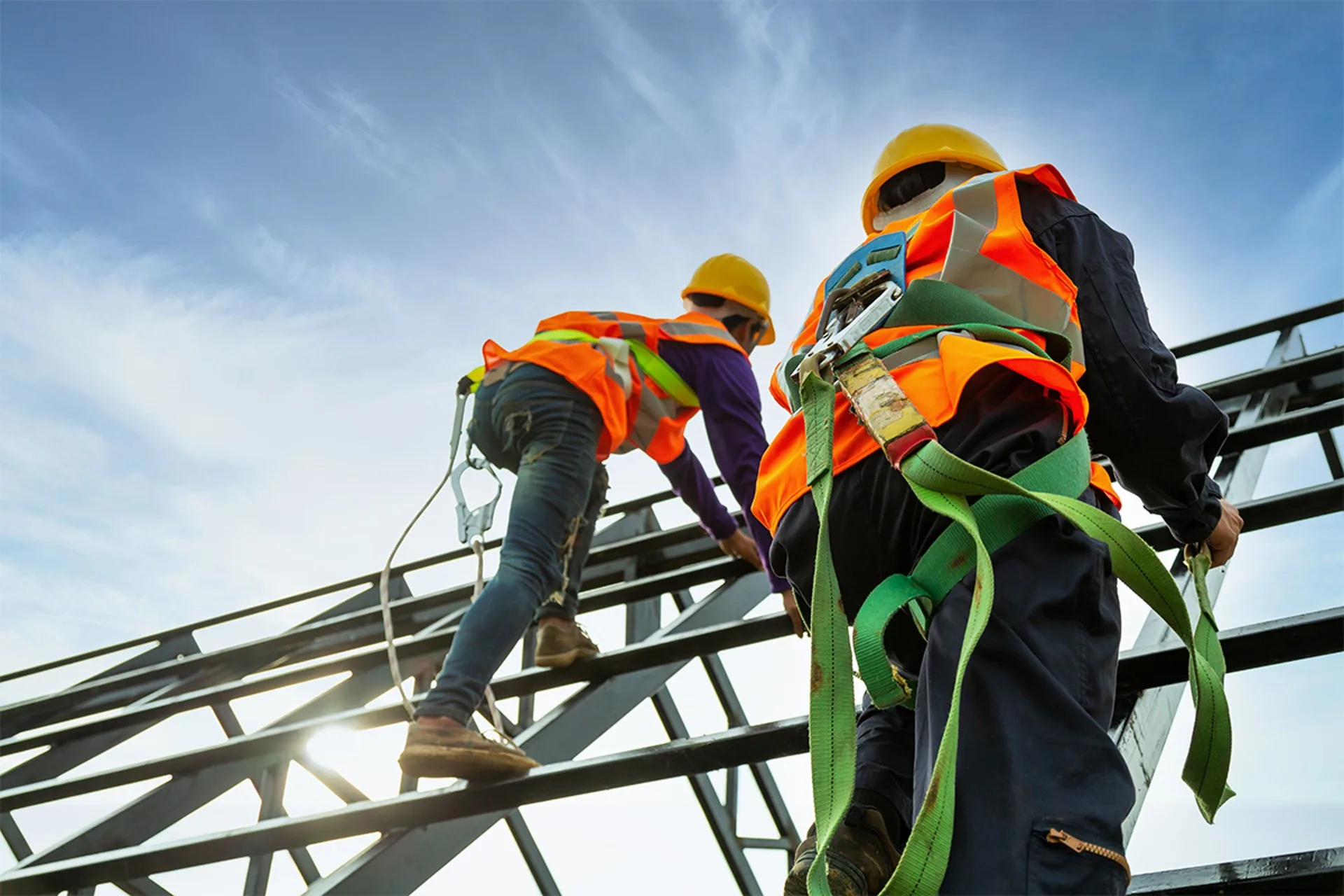
Hard hat and PPE monitoring with the GH5200 tracker
Assets and workforce
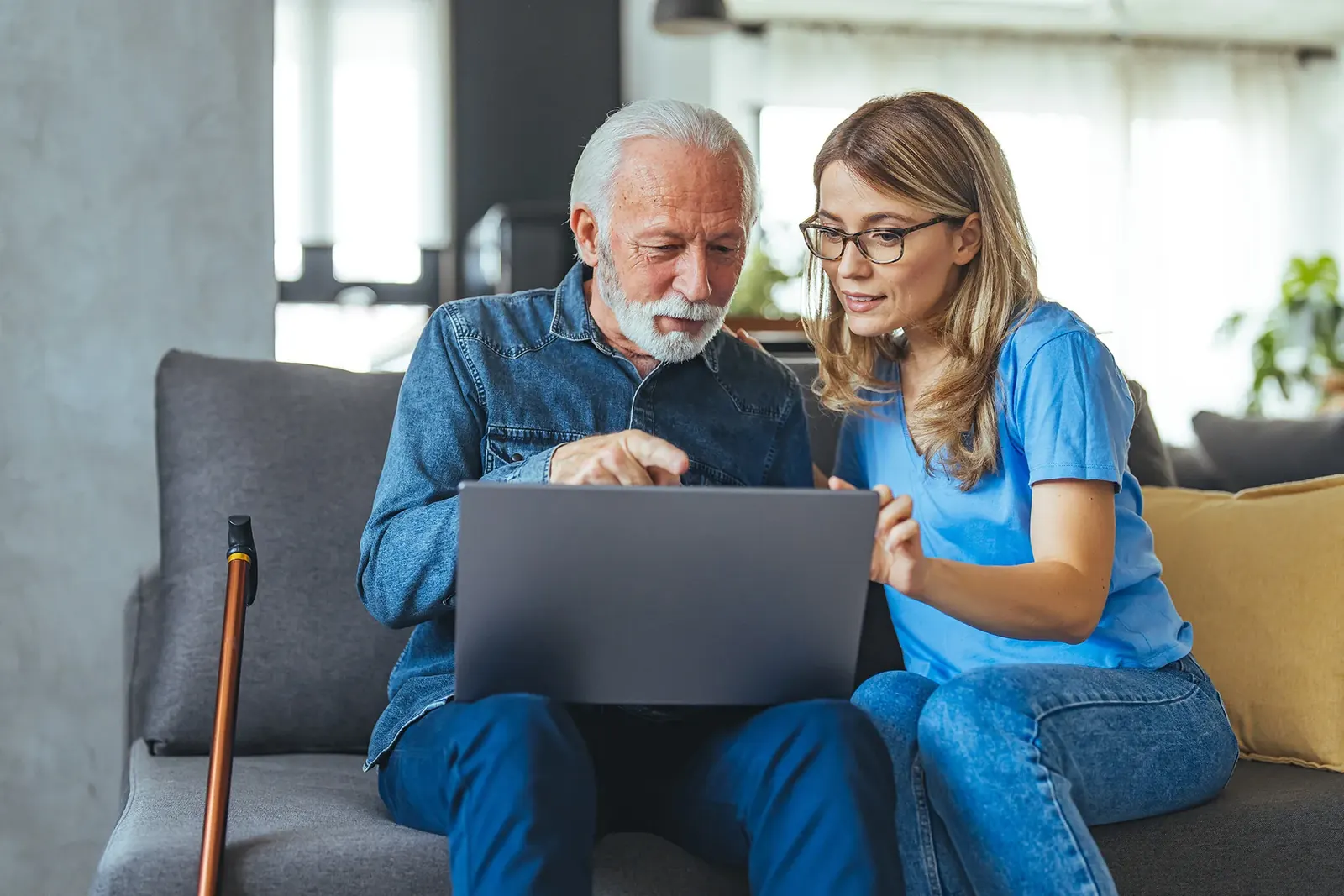
Protecting lone workers with the GH5200 tracker
Assets and workforce
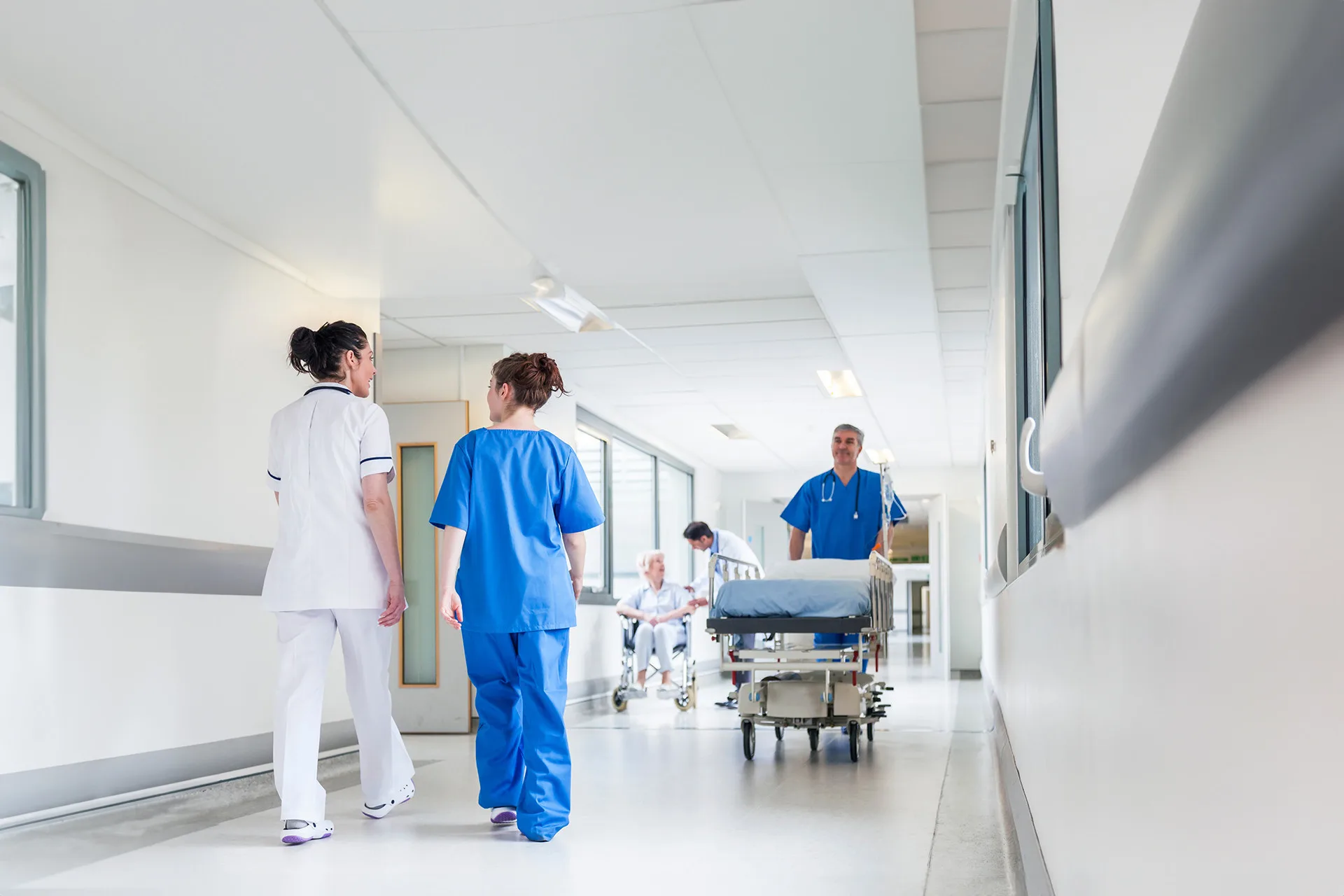
Finding medical equipment in a hospital with beacons
Assets and workforce
Questions about the “The GH5200 personal tracker for workers” scenario
Request a call
A specialist will call back and match a solution to your fleet and your task.