
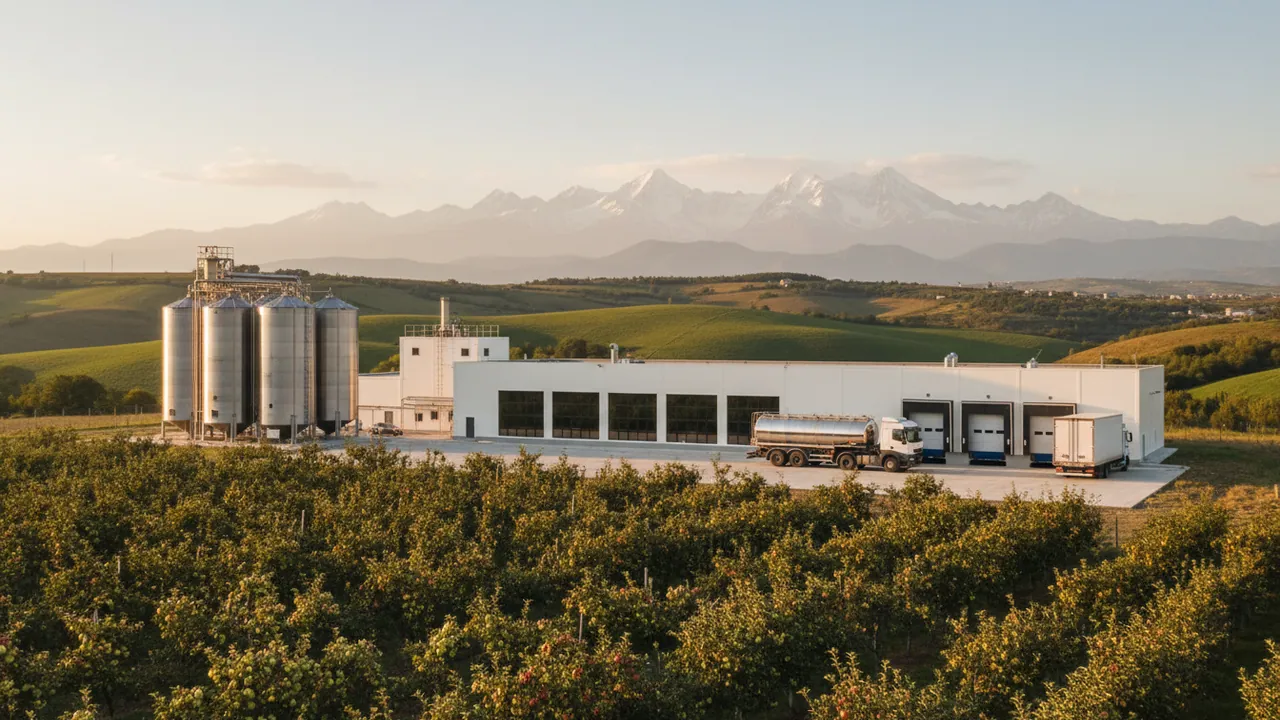
Monitoring for food and drink manufacturers
Temperature in the body, operation of the refrigerated unit, milk collection round the farms and delivery to the shops — in one system. For dairies, meat processing plants and makers of juice, water and soft drinks in Azerbaijan.
You can see where the vehicle is, what is in the body and how many minutes the doors were open at each stop. And in a dispute with a retail chain you have a temperature chart for the run rather than the driver's word.
The product spoils on the road, and the plant answers for it
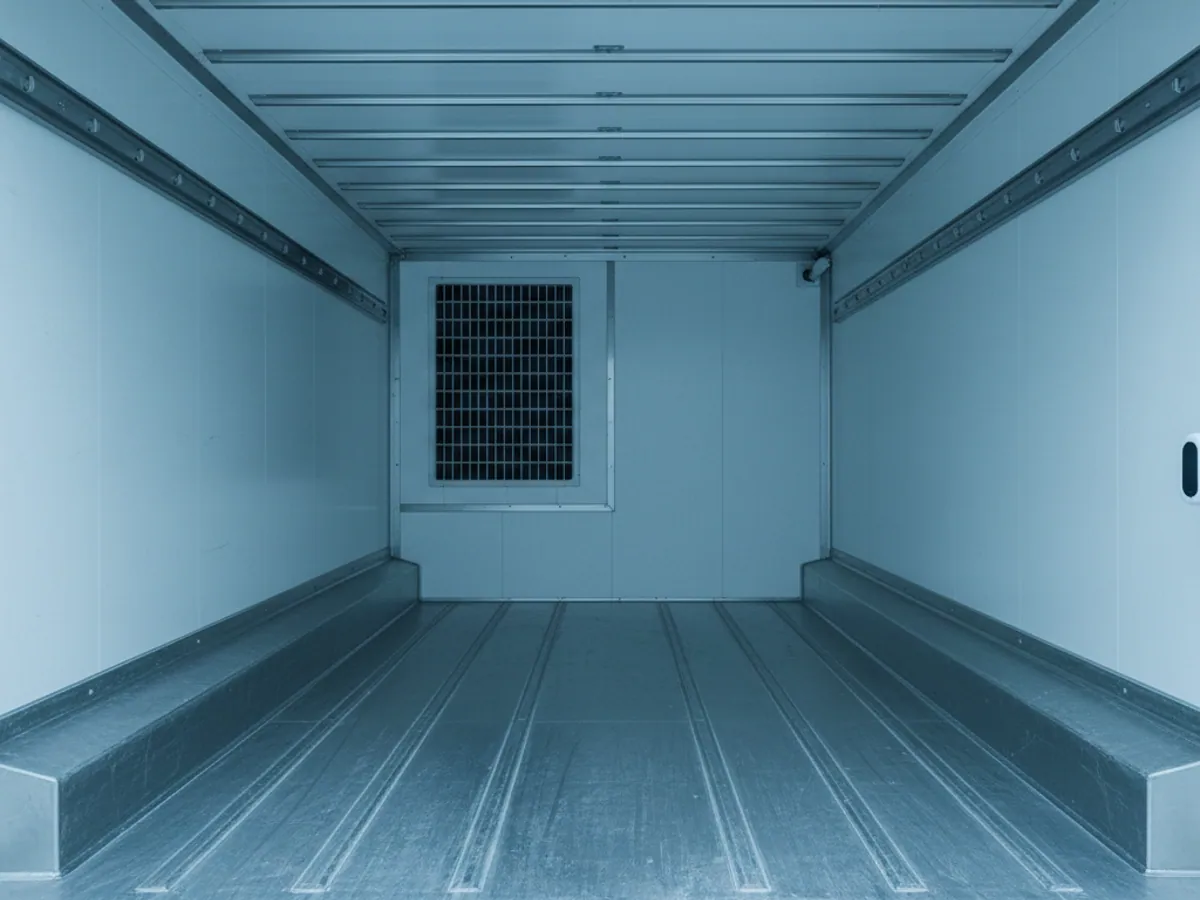
Monitoring for food and drink manufacturers starts from a simple fact: a consignment of yoghurt or chilled meat can be lost in two hours in summer if the driver switched the refrigeration unit off at a stop. The plant finds out about it when the chain sends the goods back.
In summer the temperature on the Kur-Araz lowland and in Baku sits around +40 °C. A refrigerated body with its doors open warms through in a few minutes. A milk tanker collecting from the farms of Ismayilli or Agdash cannot afford an extra hour on the road in that heat.
We fit temperature sensors, trackers and door sensors and set up the notifications and reports in Wialon. It is the same platform as for the other manufacturing sectors — an overview of the solutions for the industry is on the monitoring for industrial enterprises page.
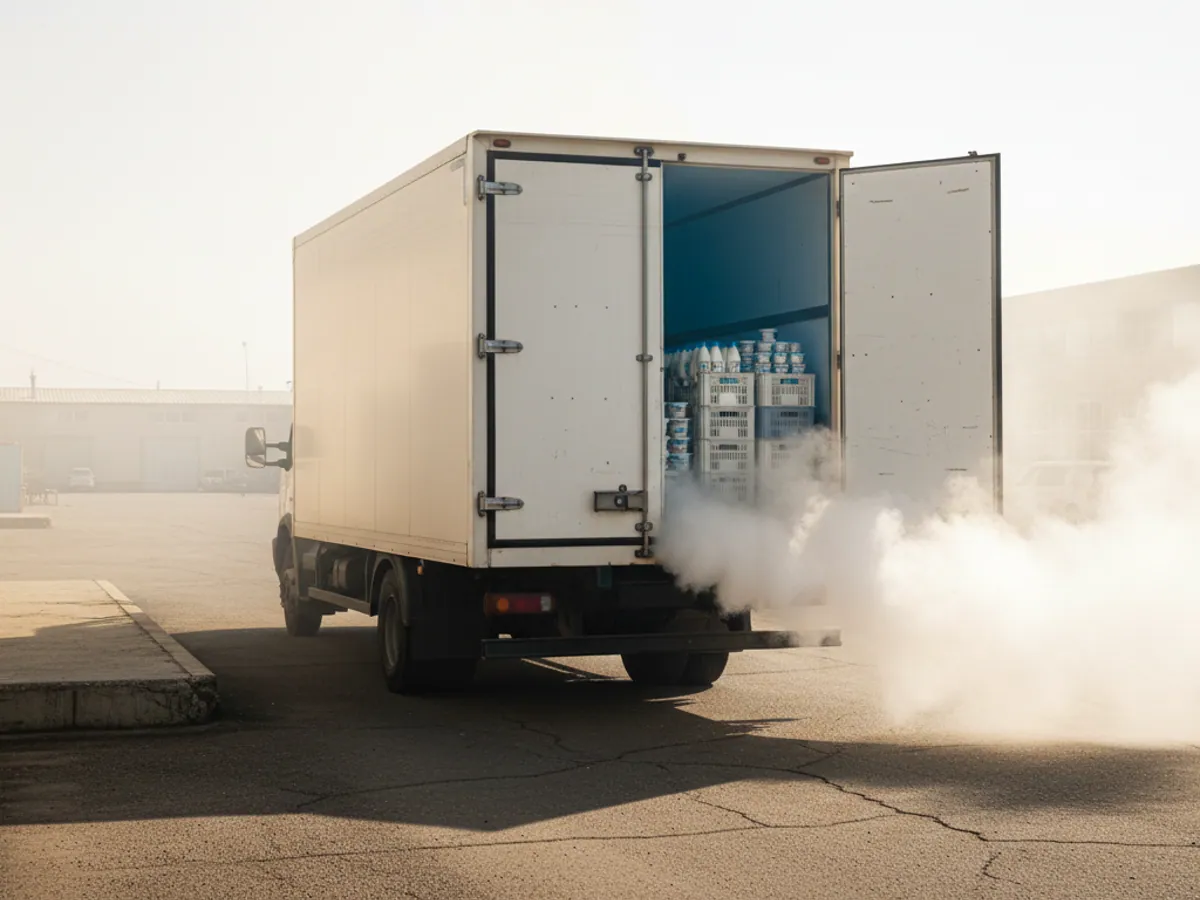
July, a delivery round in Baku: what the logistics manager sees
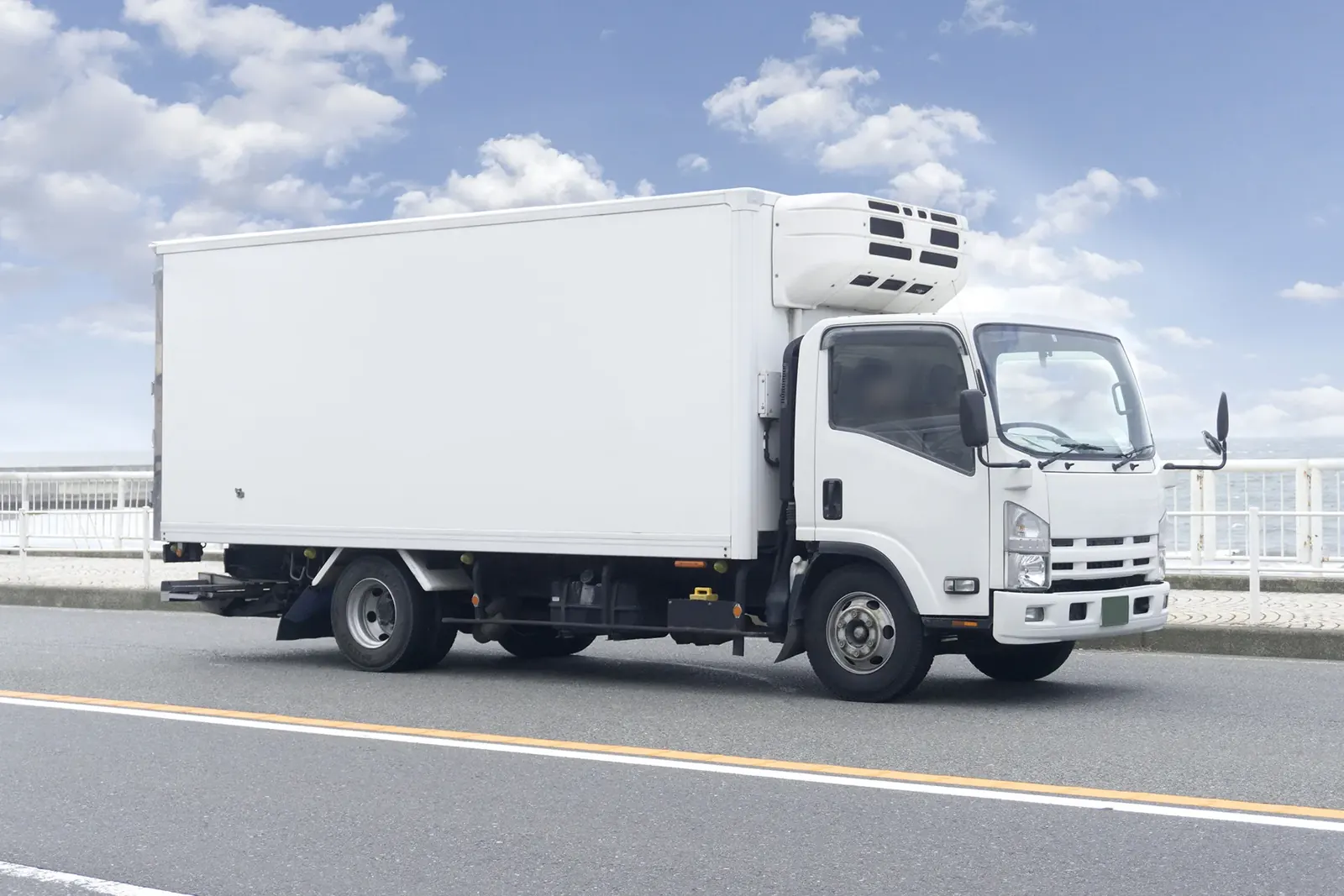
A van of dairy products leaves the plant at 5:30 with 22 shops on the plan. The sensors in the body read +3 °C.
At 11:40 at a stop in Ahmadli the driver leaves the doors open for 18 minutes — he unloads, then waits for the goods-in clerk. The temperature in the body rises to +9 °C. Two minutes after it crosses the threshold the logistics manager receives a notification in Telegram, rings the driver, and the doors are closed.
In the evening the report for the run shows it: one excursion outside the limits, 23 minutes, with the place and the reason. If the chain later asks why the consignment has a short remaining shelf life, the plant has a fact rather than guesswork.
Without monitoring that episode would have gone unrecorded anywhere. The driver would honestly have said that everything was fine — and might well have believed it himself.
What we monitor at each stage
Milk tankers and raw material
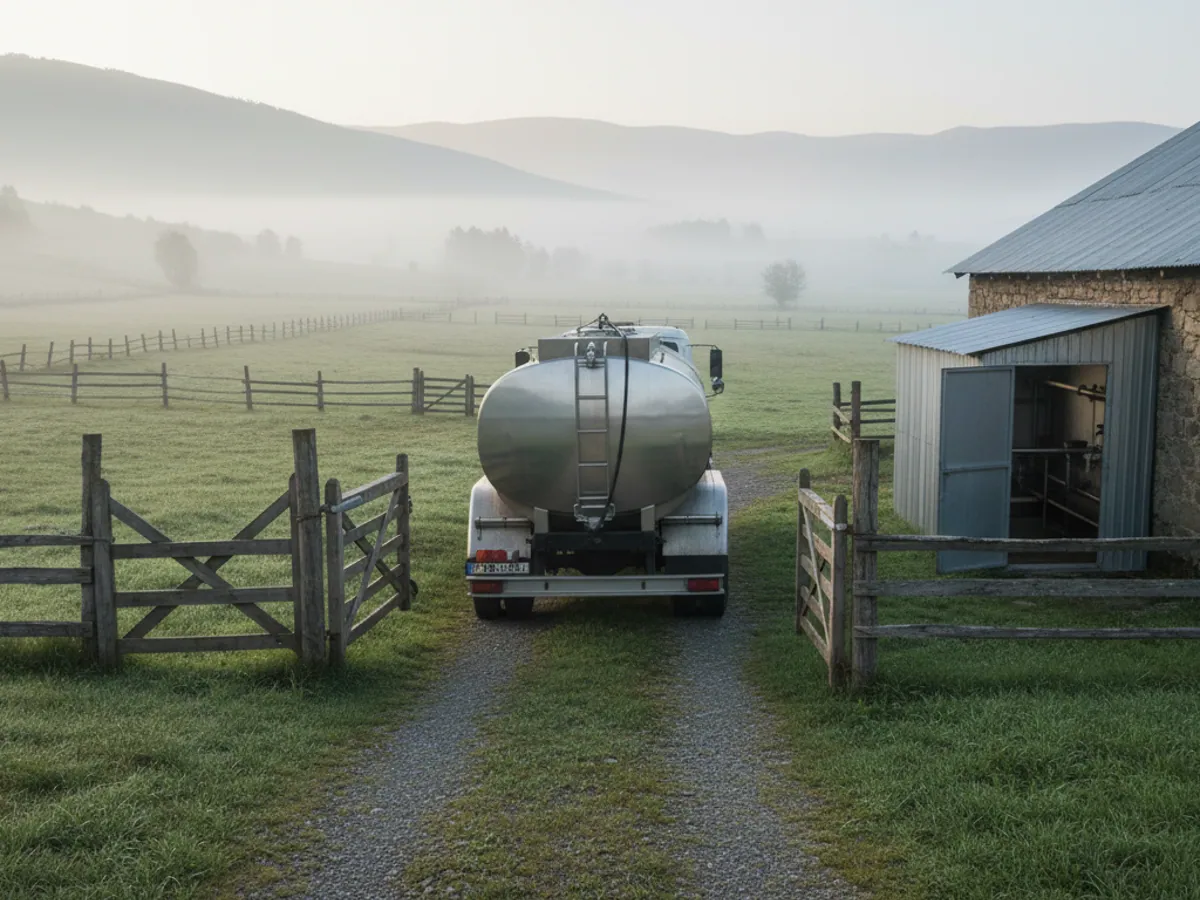
The collection route round the farms is planned in advance, each farm being a geofence. The system records which holdings the vehicle stopped at, how long it stood there and whether the tank hatch was opened away from the farms and the plant.
A hatch sensor is the simplest way to notice a stop at a friend's place on the way. The volume and quality of the milk are checked by the laboratory at intake. Monitoring shows where and when the tank could have been opened.
Where food logistics loses money
Spoilage and returns are only the visible part. This is what usually surfaces in the first month of working with the data:
The cooling switched off
The driver shuts the refrigeration unit down during a long stop to save fuel and switches it on before delivery. The chain sees +4 °C on arrival, but the product has already been through a warming cycle.
Shortfalls at unloading
A few boxes of sausage or cheese go missing between the plant and the shop. A door sensor shows whether the body was opened away from the stops on the delivery note.
Penalties for missing the delivery window
Arriving late at a distribution centre means a claim and sometimes acceptance being put off until the next day. With a report for the run you can see who is at fault: the driver, the route or the queue at the bay.
Fuel for the refrigeration units
The refrigeration unit has its own tank or draws from the shared one. The unit's engine hours and a fuel level sensor show where the diesel went.
Hired hauliers
Part of the delivery round is done by contractors. Without their data the plant sees neither the temperature nor the route of its own goods.
Equipment for the cold chain
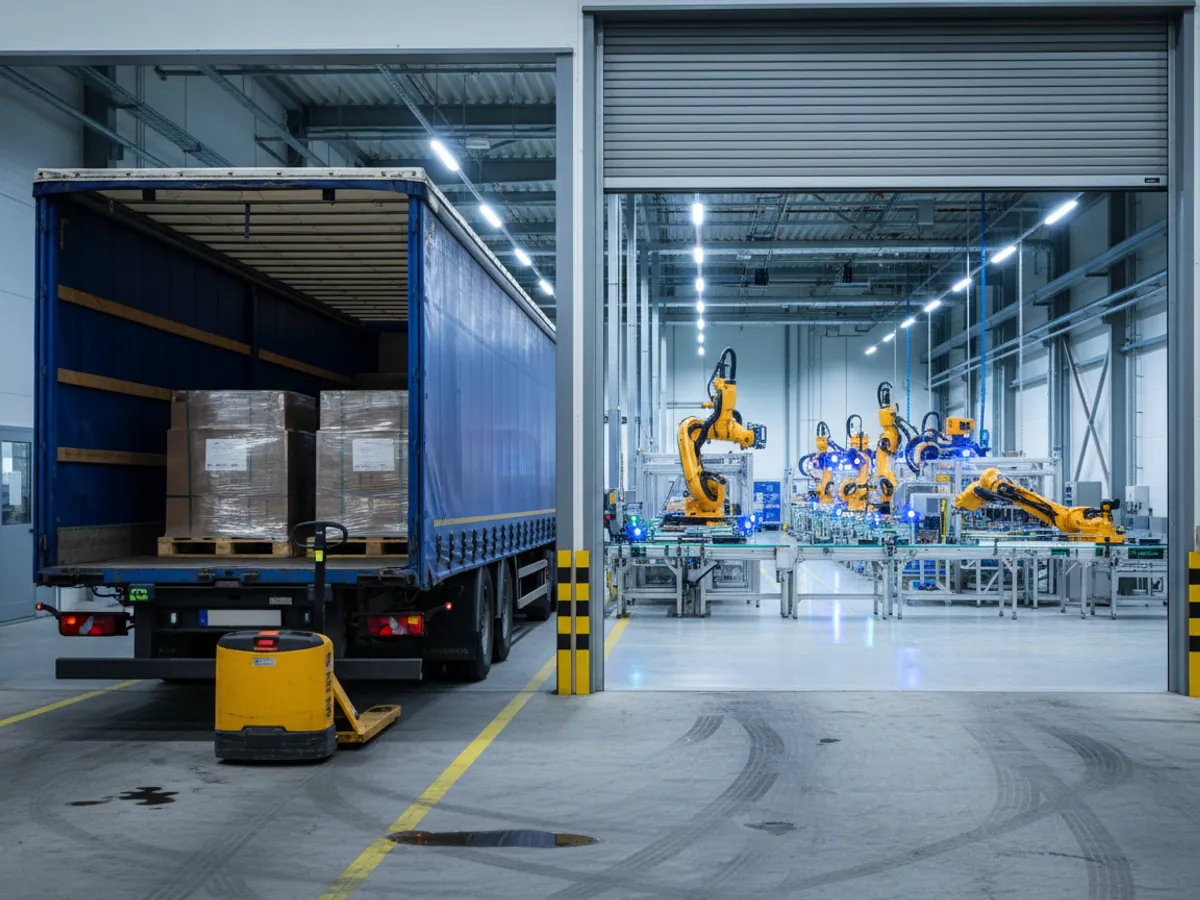
For most food producers a standard set is enough, which we fit in 2–3 hours per vehicle:
- A Teltonika tracker supporting Bluetooth sensors.
- One or two Teltonika EYE Sensor temperature sensors in the body. The sensor runs on a battery for several years and is fixed without drilling the body walls.
- A door opening sensor — magnetic, or the same EYE Sensor with a magnet.
- A signal that the refrigeration unit is running, taken from its own output.
If the refrigerated vehicle has its own Thermo King or Carrier recorder, the data can be taken from it and no extra sensors are needed. We check this during the survey.
More on fitting on the temperature sensor installation page. For monitoring the body separately, see door opening sensors.
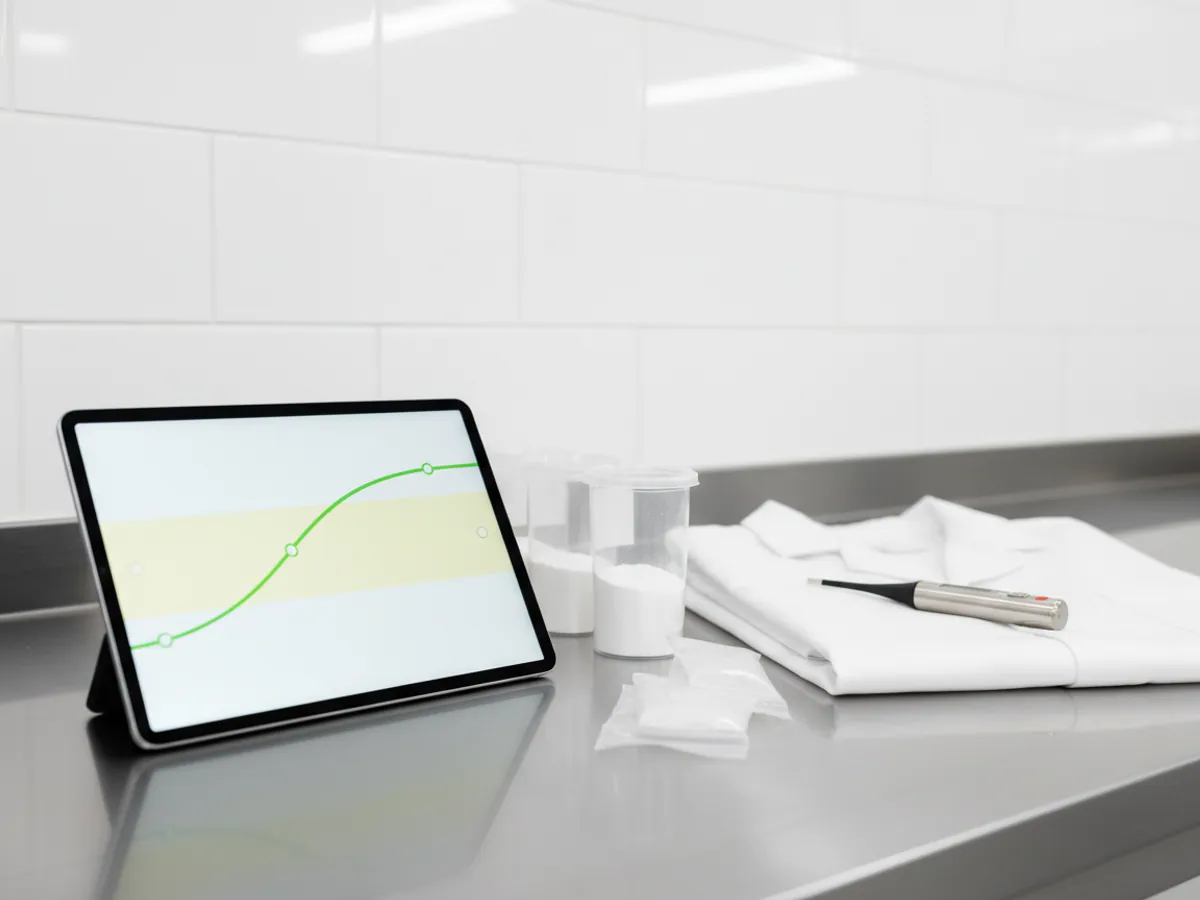
A temperature chart for the auditor and the retail chain
After every run the system produces a temperature chart with markers: door openings, stops, and the refrigeration unit switching on and off. The report is exported to PDF or Excel and attached to the consignment's paperwork.
This works in three situations. The chain raises a quality claim — you show that the temperature was within limits on the road. An internal HACCP audit takes place — you have records for every vehicle over the period required. An export customer asks for confirmation of the transport conditions — the temperature chart goes out with the shipping documents.
An honest qualification: our system is a tool for control and for evidence. Requirements for the verification of measuring instruments for a particular audit are best checked with the auditor in advance, and we will choose sensors to match them.
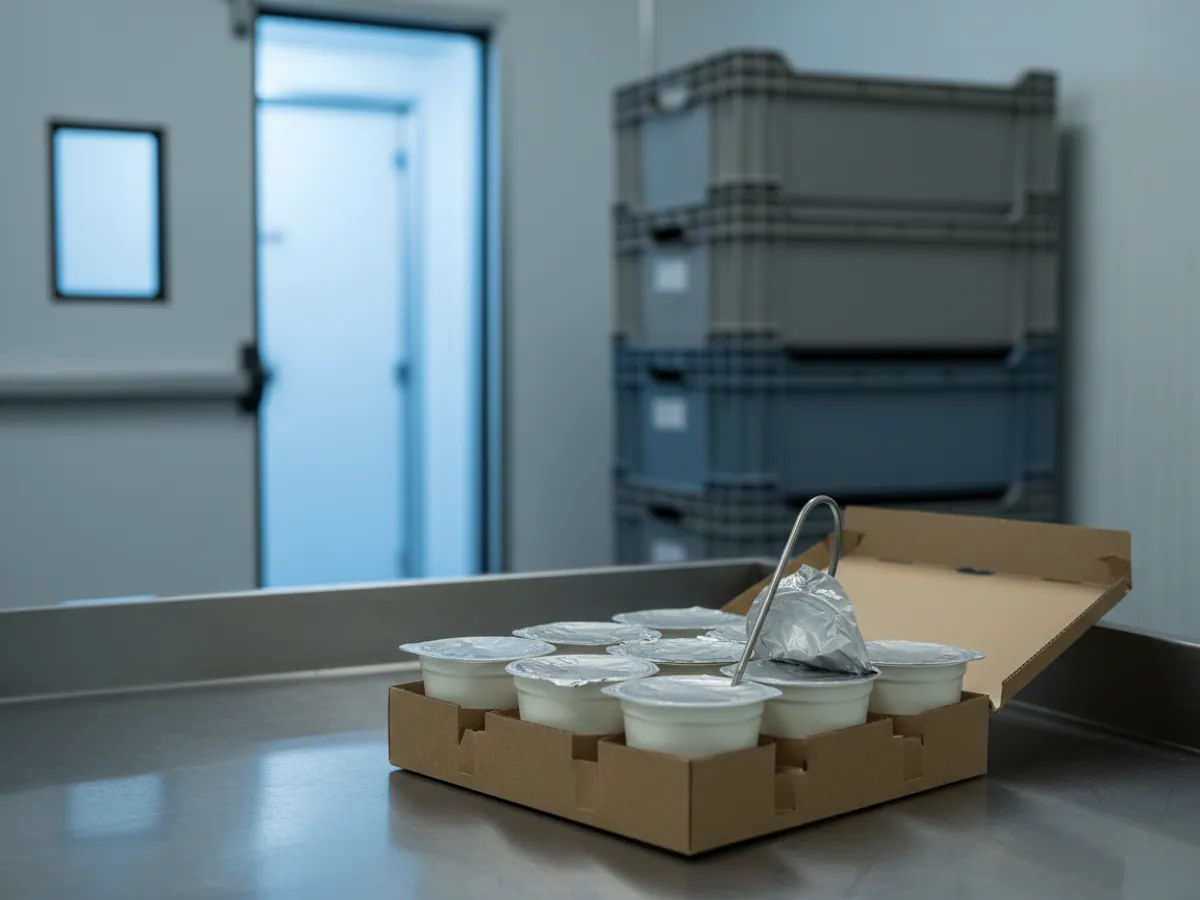
Consignment, run, temperature, complaint: how to link them into one chain
A complaint from a chain comes against a consignment, not against a vehicle. Yoghurt, batch of 14 July, swollen packs in three shops. To answer it properly you have to walk the chain backwards: the batch — which delivery notes — which runs — what the temperature in the body was on each of them.
Monitoring provides the last two links: the run and the temperature chart. The first two are yours, in the accounting system: the batch number and the dispatch note. If the note carries the vehicle number and the date, the link can be made by hand in half an hour. If dispatches are passed into Wialon through an integration, the batch — runs — temperature report is produced automatically.
An important caveat about what exactly we measure. A sensor in the body shows the air temperature at the point where it is fitted. The product inside a box changes temperature more slowly: a brief air excursion beyond the limit with the doors open does not mean the product warmed up, whereas a long excursion with the unit switched off may mean it did. The temperature of the product itself is measured with a probe at acceptance or with a sensor inside a control pack. So the conclusions on a complaint are drawn by your technologist, and the temperature chart is his input data rather than a verdict.
It is worth deciding in advance where the answer to a complaint is kept: the run's temperature chart as a PDF, a copy of the delivery note, the technologist's conclusion. Then a month later it will not have to be assembled all over again.
A pilot at a food plant: what is needed and how we sign it off
A pilot usually covers 3–5 vehicles: a couple of refrigerated vans on the Baku delivery round, one regional run and, if you have one, a milk tanker.
- From the plant: the temperature limits by product group from the technologist, the list of shops and DCs with their delivery windows, contacts for the notifications, and the temperature chart format your chain or auditor asks for.
- Sign-off criteria: every run has a temperature chart with no unexplained gaps; every excursion beyond the limits has a record of the response; for one real or practice complaint the batch — run — temperature chain can be reconstructed from the reports; and the chain or the auditor has accepted the report format.
- An example of a working report: run, vehicle, driver, delivery notes, a chart for each sensor with door and unit operation markers, excursions beyond the limits with their duration and place, and lateness against the delivery windows.
What the payback is made of
Returns and write-offs
One returned consignment of chilled goods often costs more than a year's monitoring of several vehicles. Work it out from your own returns figures for last summer.
Claims from the chains
When the plant has data for every run, disputed claims about lateness or temperature are settled in its favour noticeably more often.
Fuel
On delivery rounds the savings come from controlling idling and unnecessary kilometres. In our projects this is usually 10–15% per vehicle.
The logistics manager's time
Fewer calls to drivers and shops: the status of a run is there on the map. The logistics manager deals with the exceptions rather than finding out where a vehicle is.
Mistakes when starting cold chain control
A sensor by the evaporator
It is always colder near the refrigeration unit than by the doors. A sensor hung there will show a perfect picture that does not exist in the body.
The same thresholds for every product
Dairy, meat, frozen goods and drinks need different limits. We set the thresholds by type of run, otherwise the notifications either stay silent or arrive every five minutes.
Notifications going nowhere
If an alert goes to a general email address, nobody sees it at the weekend. We agree who receives the message in Telegram and who closes it.
Contractors outside the system
A hired haulier can pass the data from their tracker into your account. This is worth writing into the haulage contract in advance.
Questions from food producers
What is used in this sector
What we do end to end
Wialon modules for this sector
How it is used in this industry
Case studies from “Manufacturing Plants”
Thinking of rolling out GPS monitoring in “Food industry”?
Send us an enquiry and we will price it up for your fleet and pick the hardware for this sector: manufacturing plants.
- 1 We pin down the task
A specialist calls back and asks about the vehicles, how many there are and what you need to keep an eye on.
- 2 We put a solution together
We propose the hardware and the features, and set out the one-off and the monthly cost separately.
- 3 We agree the fitting
At your yard or at ours, on a schedule that keeps the vehicles working.
Request a call
A specialist will call back and match a solution to your fleet and your task.