

GPS control of road construction plant
Telematics for building and repairing roads in Azerbaijan: tippers from the asphalt plant, pavers, rollers, graders and milling machines. Suitable for main contractors and subcontractors working on regional highways, the Baku bypasses and roads in Karabakh.
The system gathers trips, unloads, engine hours and machine operating modes. This data helps reconcile what was despatched from the asphalt plant against what arrived on site, and helps prepare material for technical supervision. The decision to accept the work still rests with the client, under their own procedures.
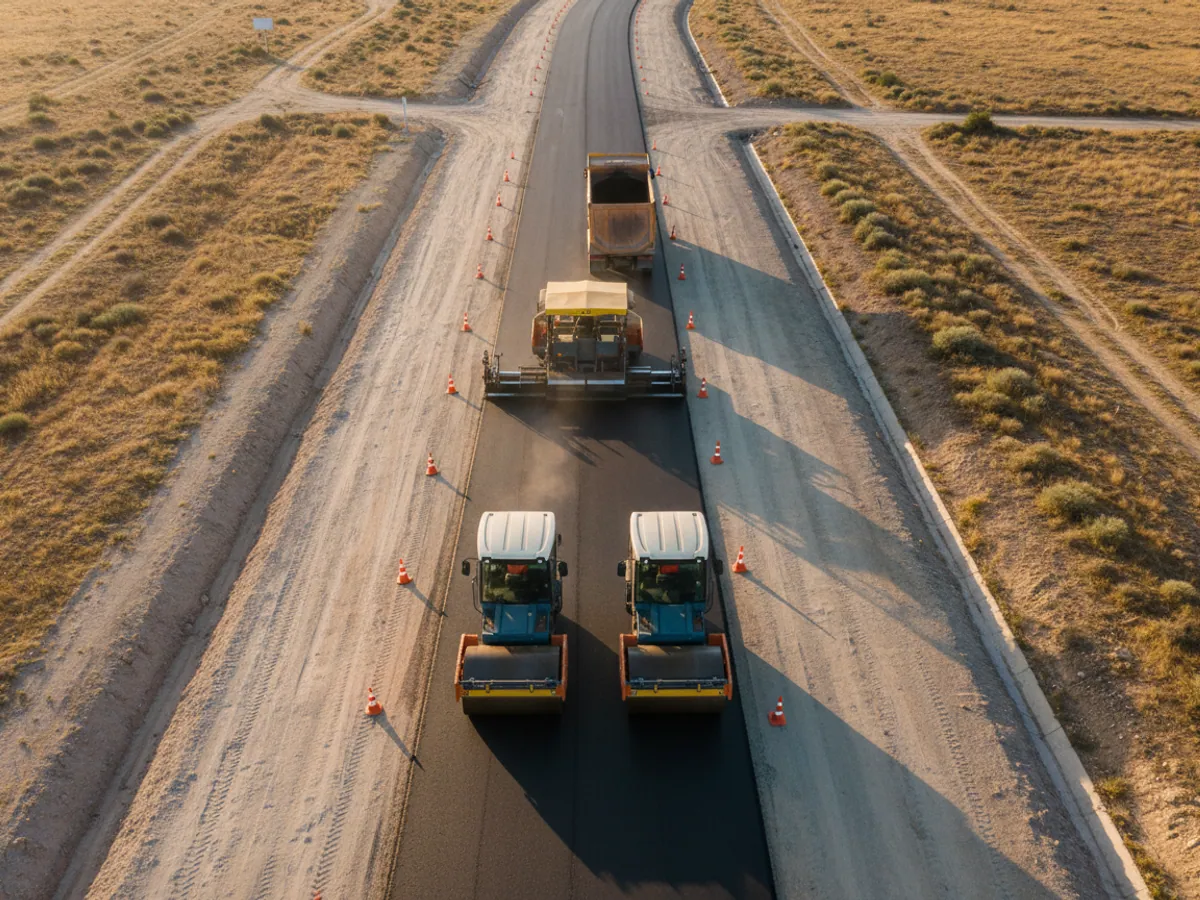
A road project as a production line
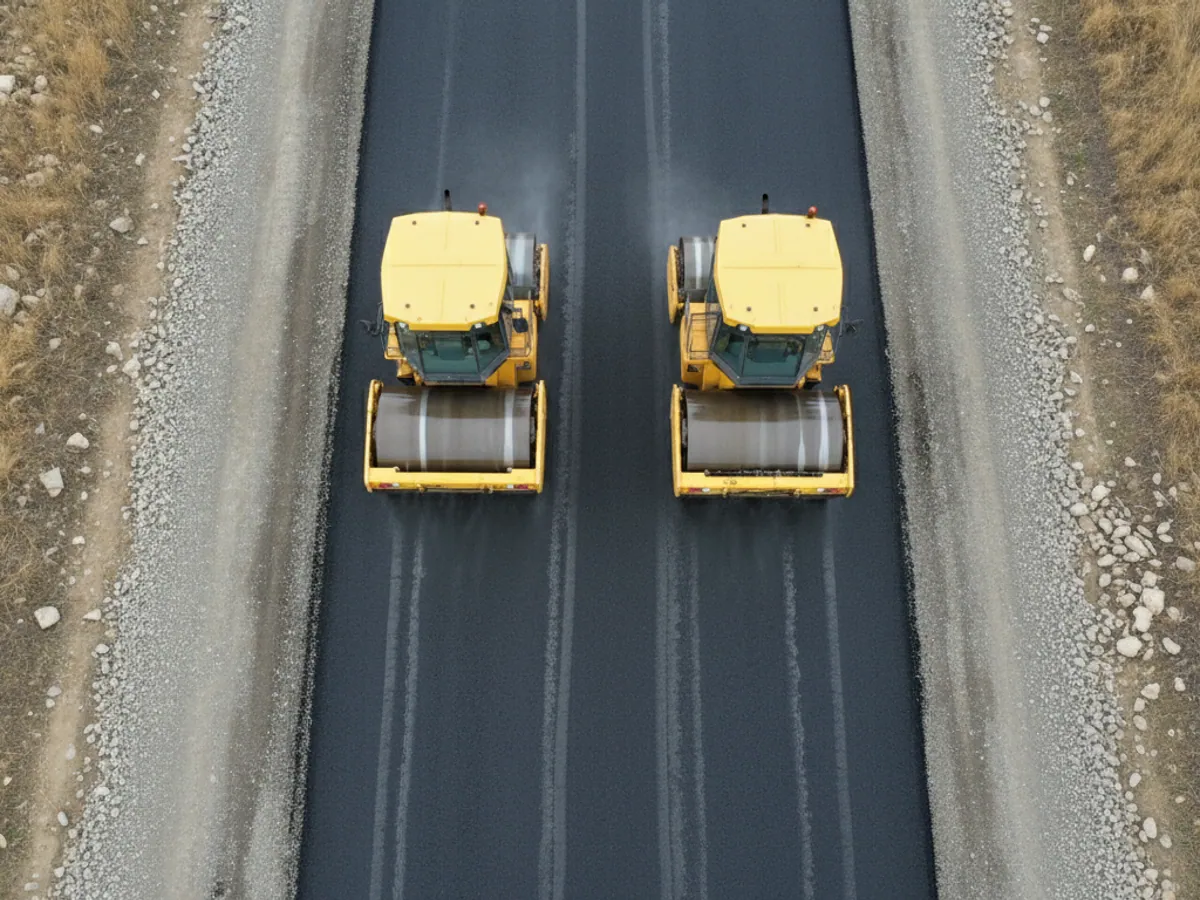
Laying asphalt is a chain in which everything depends on rhythm. The mix has to arrive hot, the paver has to move without unnecessary stops, the roller has to get down the lane before the layer cools. The norms for temperature, speed and number of passes are set by the design and the method statement for the project, not by telematics.
On large projects, whether highway reconstruction, bypasses around towns or roads in Karabakh and East Zangezur, a hiccup in mix logistics quickly turns into an idle crew and cooled material that has to be written off.
GPS monitoring gives the dispatcher a picture of the whole chain from asphalt plant to tipper to paver to roller in one system. What data is passed to the main contractor or the client, and in what form, is for the contractor to decide: access is configured separately for each party.
The effect depends on where the project is losing most: on trips, on idle time or on the recording of hours. That is why we start with a pilot on one section and compare the data with the logs for the same period.
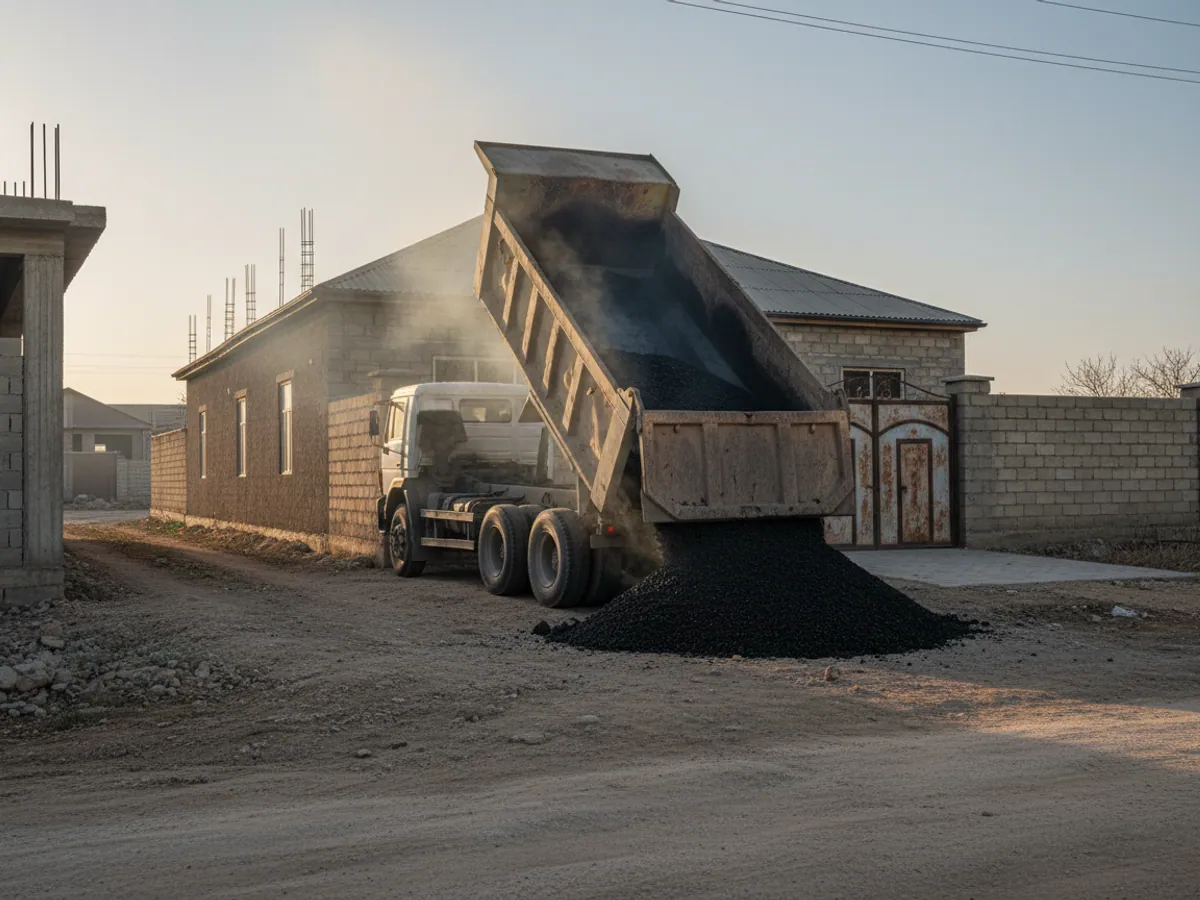
Tackling tipper trips on the side
When crushed stone, sand, crushed stone and sand mix or hot asphalt are being carried, part of the load sometimes goes on the side, to private developers along the Baku to Sumgait or Gazakh to Ganja roads. Without a track and a record of the unload, a trip like that looks perfectly ordinary in the paperwork.
We fit contactless body tipping sensors, either inductive or angle sensors, and set up geofences for loading and unloading. If the body is raised outside a permitted zone, at a private house in the Bina settlement or at a roadside yard for instance, the system records the event with position and time and sends a notification to the person responsible as soon as the tracker transmits. Where coverage is good that is usually seconds or minutes; in places with no coverage the event arrives later, out of the tracker's memory.
The sensor shows the fact that the body was raised, not the reason. The unload may have been agreed, for another section or on the foreman's instruction, so every event is gone through by the person responsible against the trip log. A video recorder with a view of the body adds footage to the event and makes that review easier, although whether a recording carries legal weight is for the company's lawyers to judge case by case.
Where do road builders lose out?
On road projects the losses are rarely visible in the accounts: they are spread across trips, shifts and sections. Most often we see three points:
Material on the way
Asphalt or crushed stone unloaded somewhere other than where it should be. On a project moving hundreds of tonnes of mix a day, even a few unrecorded trips a week make a noticeable dent in the margin on the contract.
Practice not followed
The paver stopping with hot mix in the hopper, running too fast, roller passes missed. The consequences show up later, as rutting and as complaints from technical supervision when the section is handed over.
Idle time
A queue of tippers waiting to unload or, conversely, the paver waiting for a vehicle. The asphalt cools and the crew stands about. The track shows exactly where the rhythm breaks: at the plant, on the road or on site.
Tools for road plant
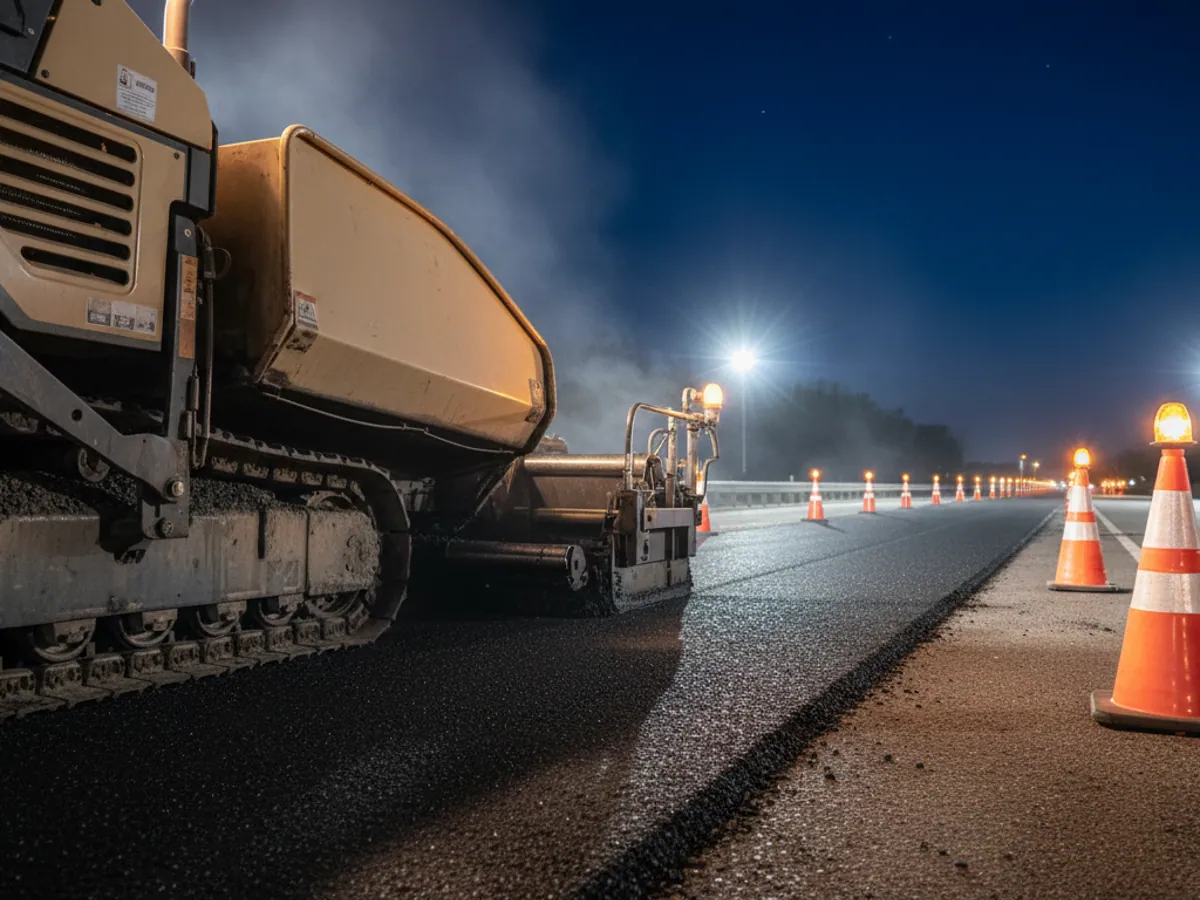
Monitoring the asphalt paver
On an asphalt paver the tracker records speed and stops, engine hours and fuel consumption. If the machine has an accessible CAN bus or separate outputs, operating modes can be picked up as well. Which parameters are available depends on the model and year of manufacture, and we check this on the actual machine before any contract.
What we usually monitor:
- travel speed along the section and departures from the set range;
- stops longer than the threshold set by the technologist;
- engine hours and fuel consumption;
- mix temperature, if a compatible sensor is fitted on the paver or in the body.
Reports are exported to Excel or PDF and attached to the as-built documentation, if the client accepts that format.
Integration with weighbridges and the asphalt plant
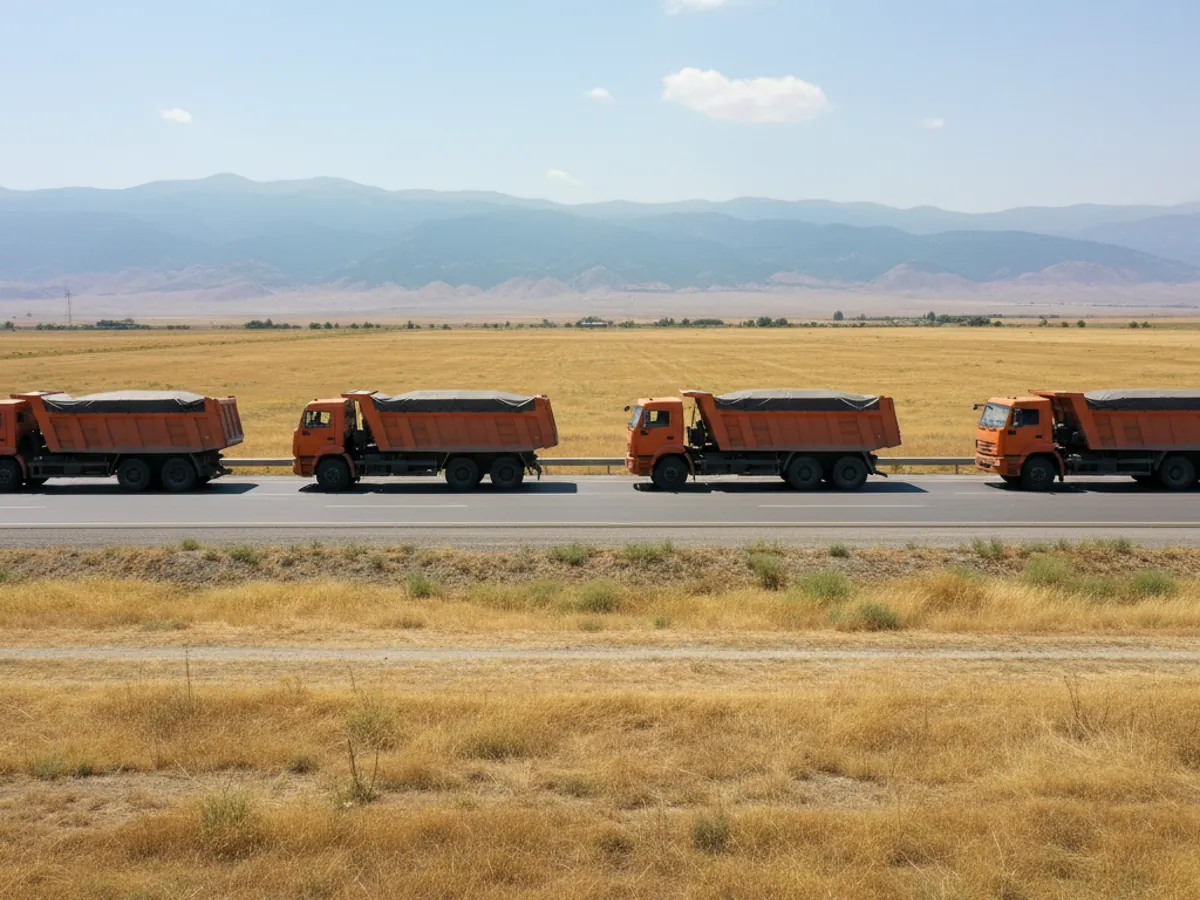
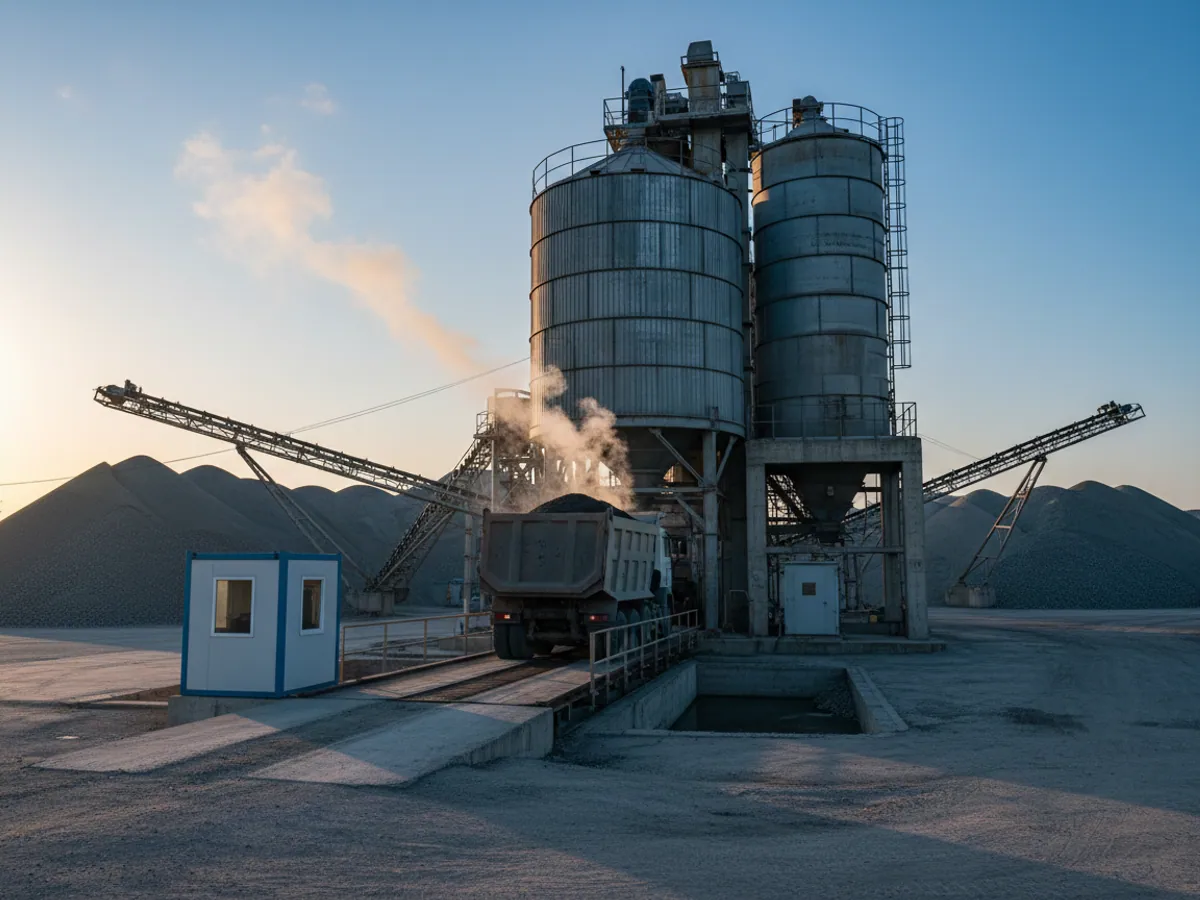
Monitoring data can be linked to the weighbridge at the asphalt plant, fixed or mobile. The trip record then carries the weight and the time of weighing alongside the track: not just trip no. 5 by vehicle 10-AB-123, but a trip with a tonnage that can be reconciled against what was received on site.
How the data is passed across depends on the weighbridge terminal and its software: a direct connection, file export or exchange through the plant's own accounting system. We check what is possible against the equipment documentation before work begins. If automatic transfer is not possible, the weight is entered by hand, and the reconciliation still works but depends on the operator's discipline.
The shift report shows how many tonnes left the plant, how many trips reached the site and where the figures diverge. Passing data into 1C or another accounting system is done through ERP integration and is quoted separately.
A shift on site: from the asphalt plant to acceptance
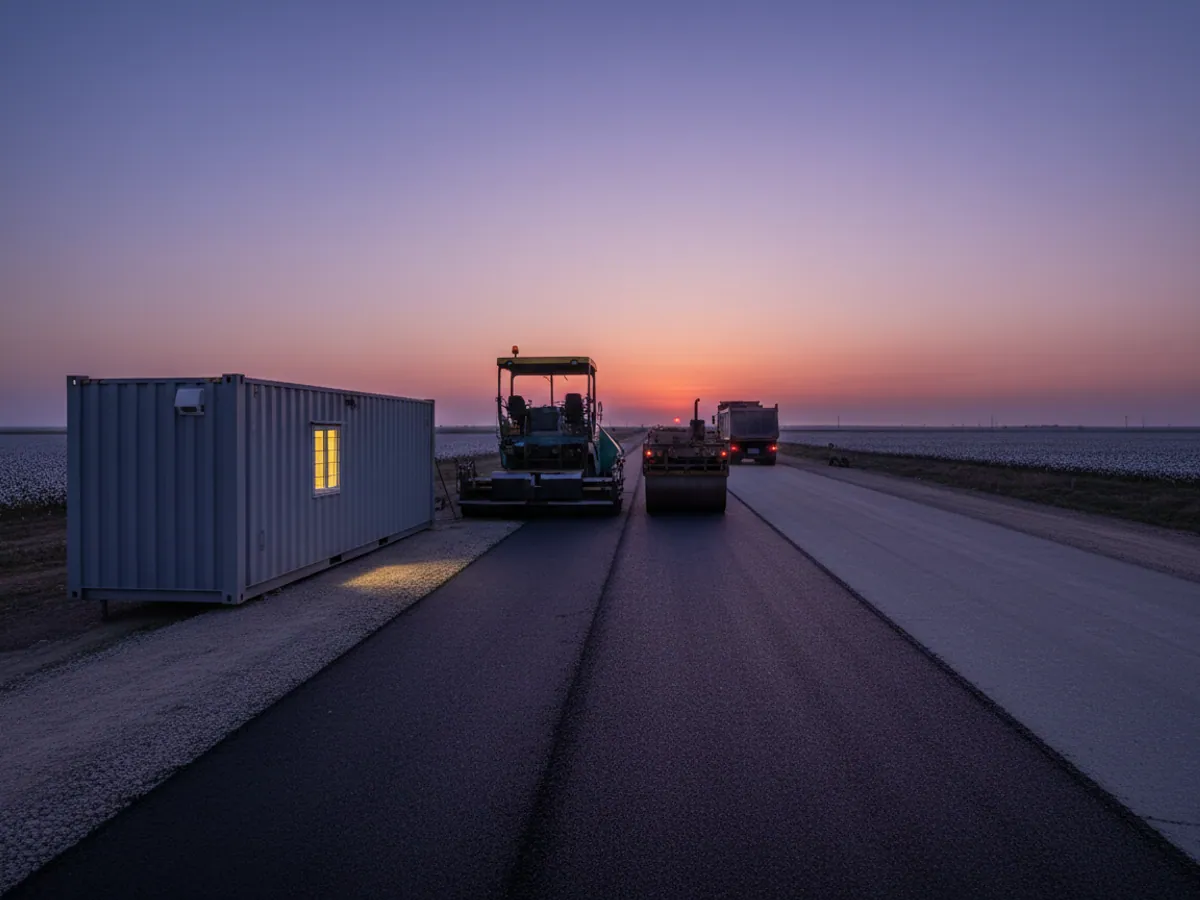
Take a typical day repairing a section of highway. In the morning tippers load at the asphalt plant and every trip is weighed. On the way the tracker records the route and the stops. On site the body is raised at the paver hopper, which is an unload in a permitted geofence. The roller follows, and its vibration mode goes into the report.
In the evening the site manager brings together three sources:
- the technological pass — the paver and roller tracks show which sections were covered and with what stops;
- material temperature — where there is a sensor, the temperature at despatch and at laying; where there is not, only the time in transit remains, from which cooling can be judged only indirectly;
- acceptance of contracted work — the subcontractor's trips and tonnage are reconciled against their certificate before it is signed.
A discrepancy does not automatically mean a breach: the vehicle may have been sent to another section, or the mix rejected at the plant. The purpose of the report is to show which trips and shifts need looking into, not to deliver a verdict.
What a pilot needs and how to accept the result
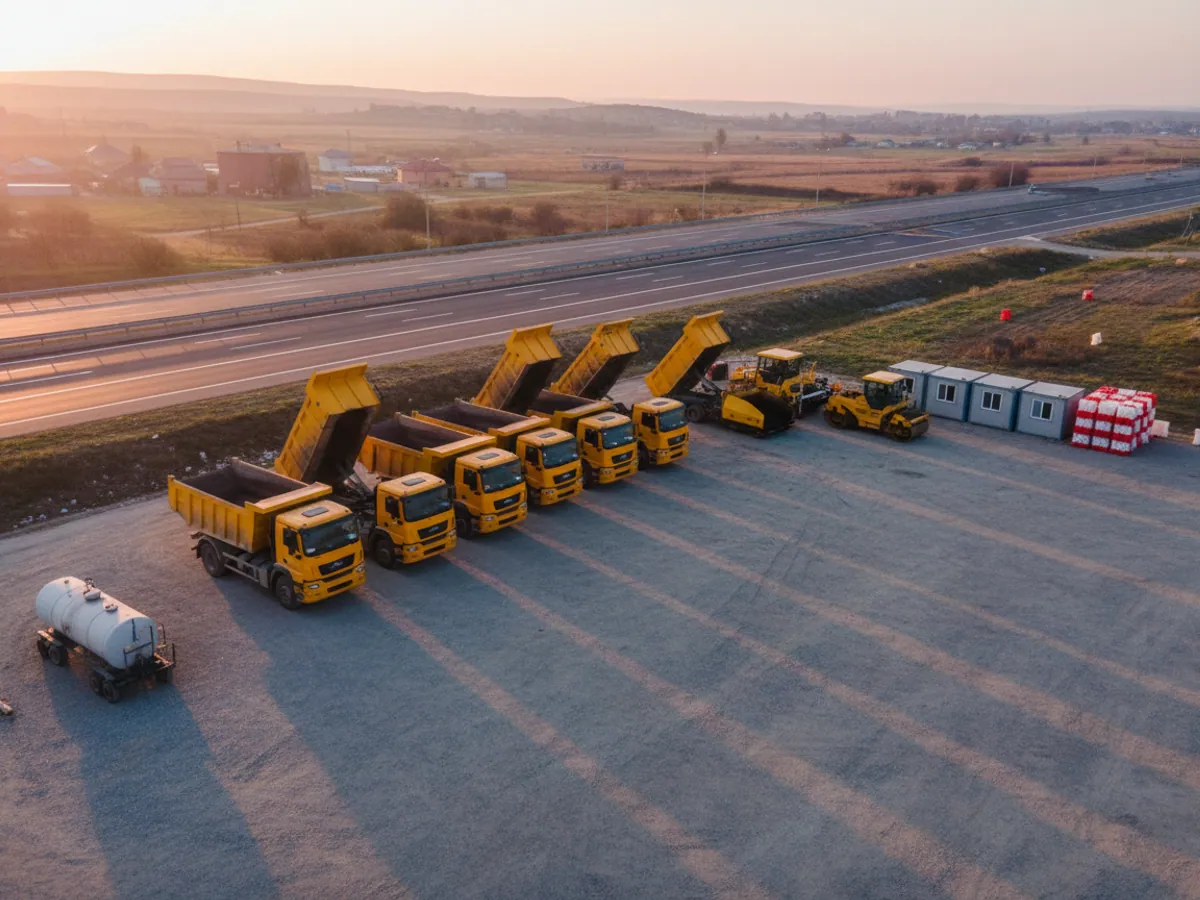
A pilot is conveniently run on one section and one chain: the plant, 5 to 10 tippers, a paver and a roller. The duration is two weeks or more of active work, so as to cover different shifts.
What is needed from the contractor:
- a list of machines with models and years of manufacture, since that determines what data is available over CAN;
- coordinates of the plant, the sections and the permitted unloading places, for the geofences;
- access to weighbridge data or at least the daily weighing registers;
- a responsible person who reviews alerts and puts the questions to drivers.
The pilot acceptance criteria are agreed in advance. For example: trips in the system match the weighbridge register; every unload outside a zone has been reviewed; the report on roller and paver hours agrees with the timesheet or the discrepancies are explained. If the criteria are not met, we look into the reason before extending to the whole fleet.
What changes in the work
Control of materials
Every unload is tied to a place and a time. Unrecorded trips become visible when reconciling with the weighbridge, rather than a month later from the stock figures.
Data on how the work was done
Paver speed, stops and roller modes are all in the report for the section. That is an argument in a conversation with technical supervision, but the quality of the road surface is still judged by laboratory testing.
The rhythm of mix delivery
The dispatcher sees the queue at the plant and the waiting on site as the shift goes on and can redistribute vehicles, instead of hearing about idle time in the evening.
Recording trips and hours
The timesheet for machines and drivers is assembled from tracker data: engine hours, mileage, trips and, where the weighbridge is integrated, tonnage. There is less counting by hand, while the checking stays with the site manager.
Frequently asked questions
What is used in this sector
What we do end to end
Wialon modules for this sector
How it is used in this industry
Case studies from “Construction & Infrastructure”

Keeping track of site tools with BLE beacons
Agriculture, construction and mining

Hard hat and PPE monitoring with the GH5200 tracker
Assets and workforce

Plant tracking with no jumps or gaps in the track
Agriculture, construction and mining
Thinking of rolling out GPS monitoring in “Road and infrastructure projects”?
Send us an enquiry and we will price it up for your fleet and pick the hardware for this sector: construction & infrastructure.
- 1 We pin down the task
A specialist calls back and asks about the vehicles, how many there are and what you need to keep an eye on.
- 2 We put a solution together
We propose the hardware and the features, and set out the one-off and the monthly cost separately.
- 3 We agree the fitting
At your yard or at ours, on a schedule that keeps the vehicles working.
Request a call
A specialist will call back and match a solution to your fleet and your task.