
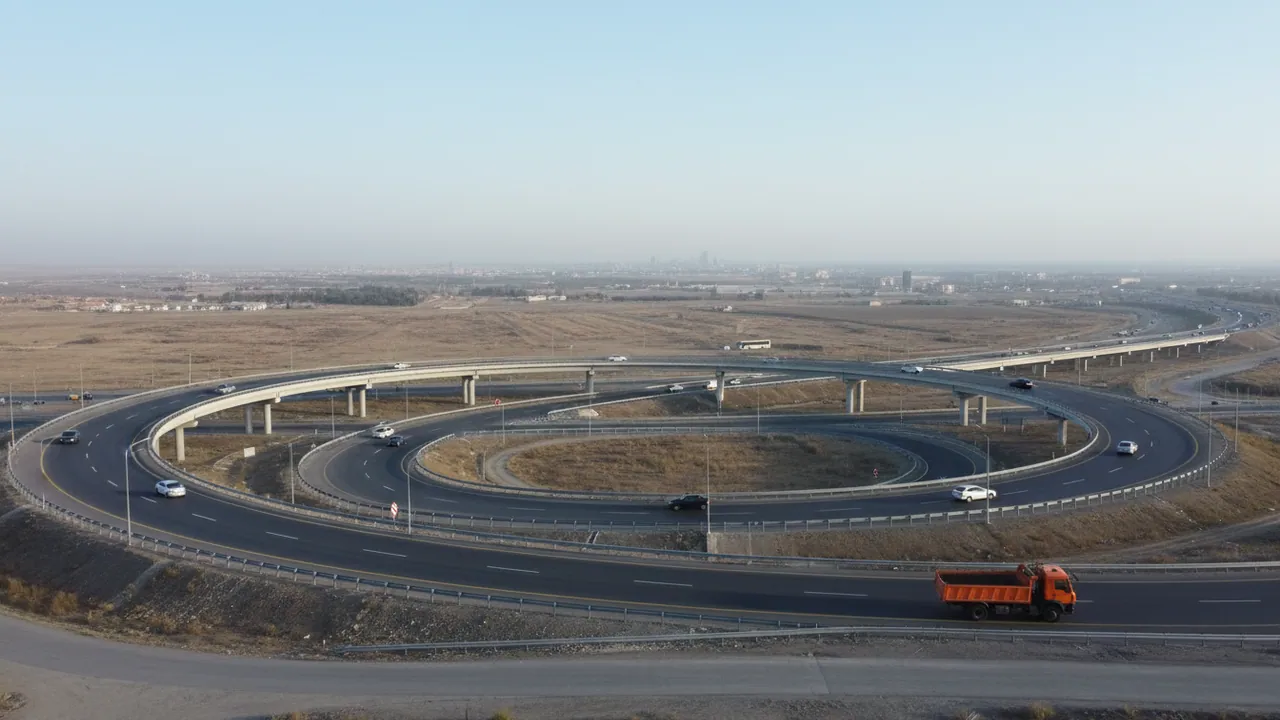
Monitoring for infrastructure operators and service organisations
For companies that maintain roads, water, sewerage and cable networks, street lighting and public spaces, whether with their own crews or under service contracts. You can see where a crew is, what it is doing and whether the work being invoiced was actually carried out.
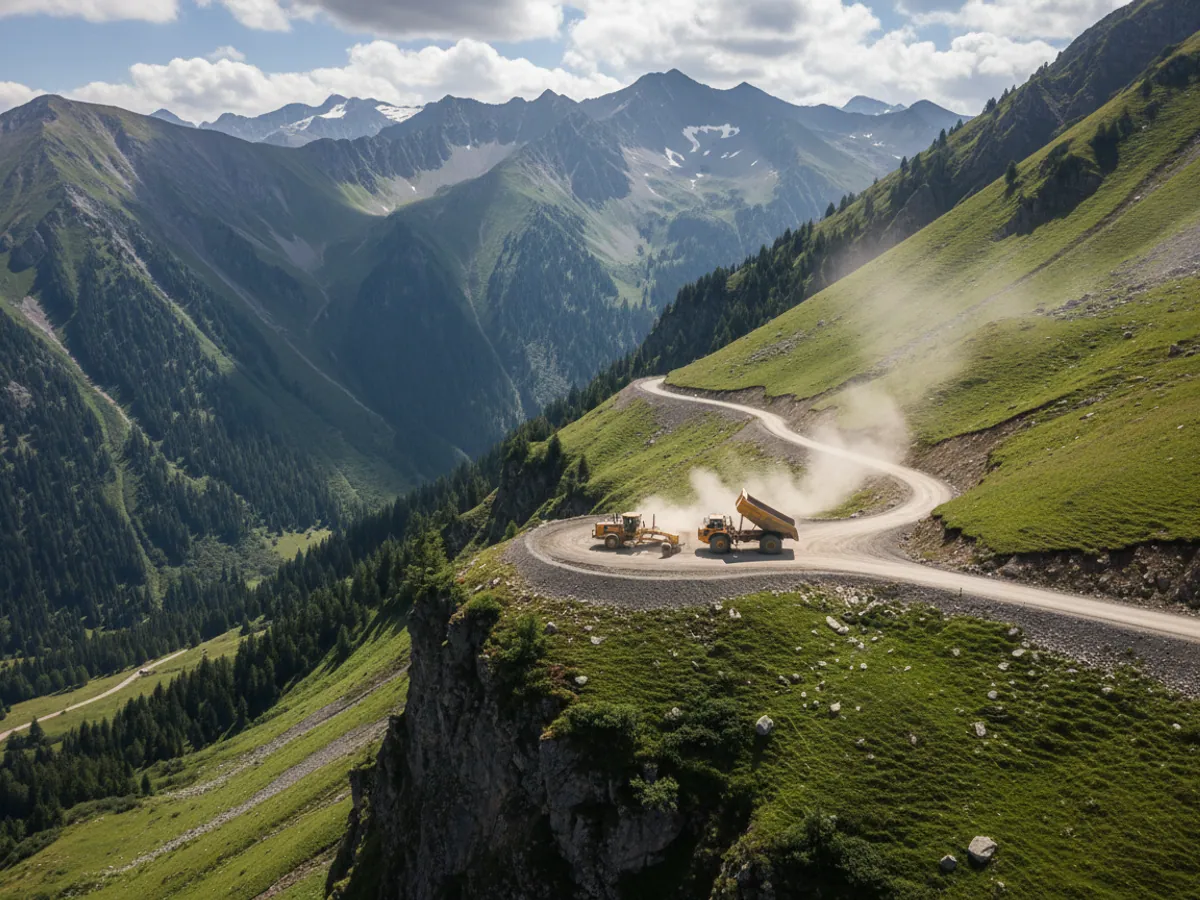
A service contract rests on evidence
Maintaining infrastructure is now often arranged as a contract: the client pays the contractor for clear roads, working street lighting and burst water mains put right. The terms are written into the contract: response times, how often work is done, how much of it. The difficulty is that neither side finds it easy to verify.
The contractor says the pass was gritted overnight. The client says there was ice there in the morning. The crew says it reached the burst in 40 minutes and the residents say it took three hours. Without objective data, arguments like that are settled in favour of whoever shouts loudest.
GPS monitoring with sensors on the working mechanisms gives both sides one set of facts: where the vehicle was, whether the blade or the spreader was running, what time the crew arrived. That is useful to the client and to an honest contractor alike. The other construction areas are gathered on the GPS monitoring for construction and infrastructure page.
Proof of work done, not just distance covered
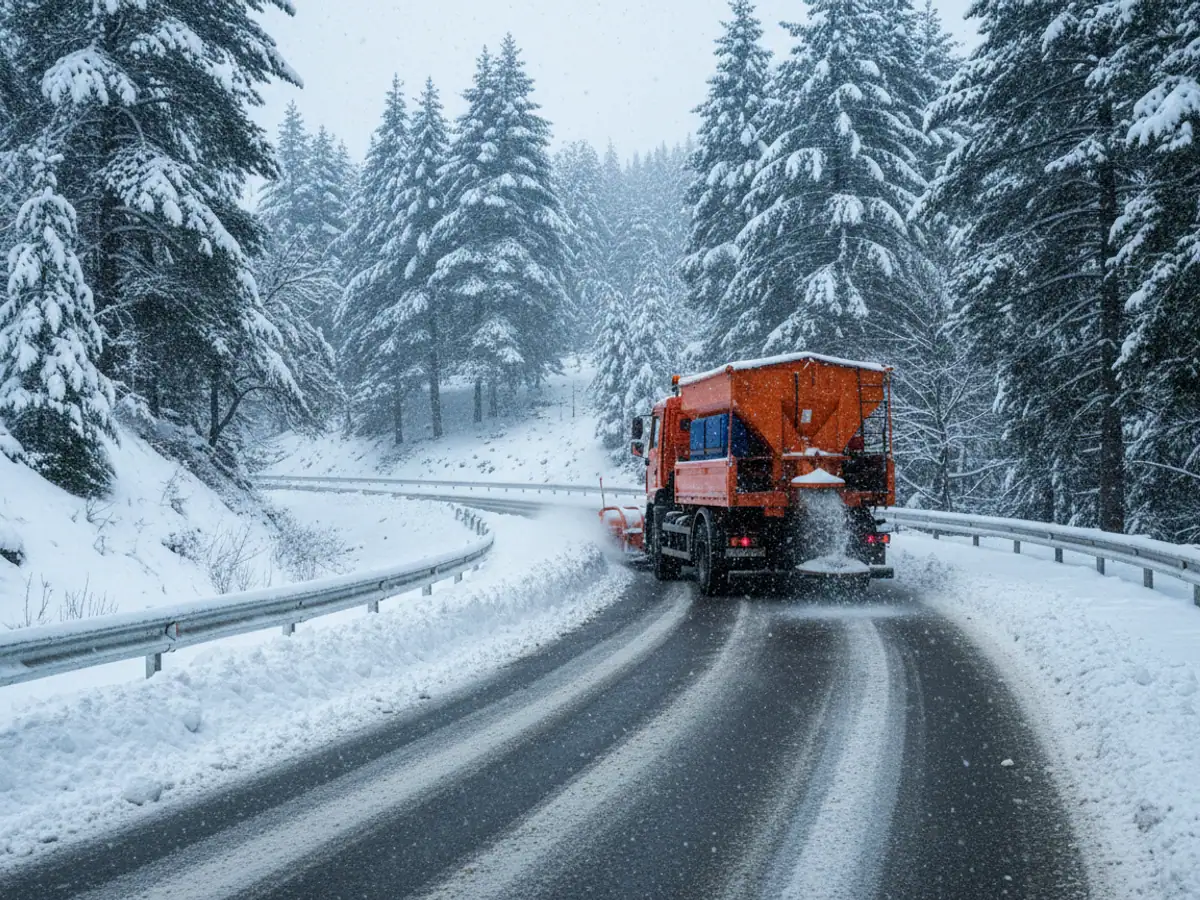
The track shows where the vehicle went. But for payment under a service contract that is not enough: the snowplough may have crossed the pass with its blade raised, the water bowser with its pump switched off, the sweeper with its brushes stationary.
So we connect sensors on the attachments to the tracker: blade position, spreader engagement, pump operation, brush rotation. Wialon builds a report by section: how many kilometres were covered with the mechanism running and how many without it. Within the geofence of a contract section this becomes the basis for marking the work done or not done, which the responsible person then confirms.
The report can be passed to the client as an attachment to the completion certificate. For the contractor it is protection against complaints; for the client it is grounds for payment.
Where service organisations lose money and reputation
In our reviews with dispatchers at service organisations and maintenance contractors, we most often hear about five things:
Work on paper
A patrol, a gritting run or a mowing job is written into the log, but at the time the vehicle was standing at the depot. It comes out when somebody complains.
Slow response
The dispatcher rings round the crews to find out who is free and who is nearest. Time is spent simply finding out.
Fuel for specialist vehicles
Snowploughs and gritters are based at outlying depots, refuelled from drums, and nobody checks the consumption.
Company vehicles used privately
In the evenings and at weekends the crews' vehicles are out on personal business.
SLA penalties
The client imposes a penalty for lateness and there is nothing to contest it with: no data on the time of arrival.
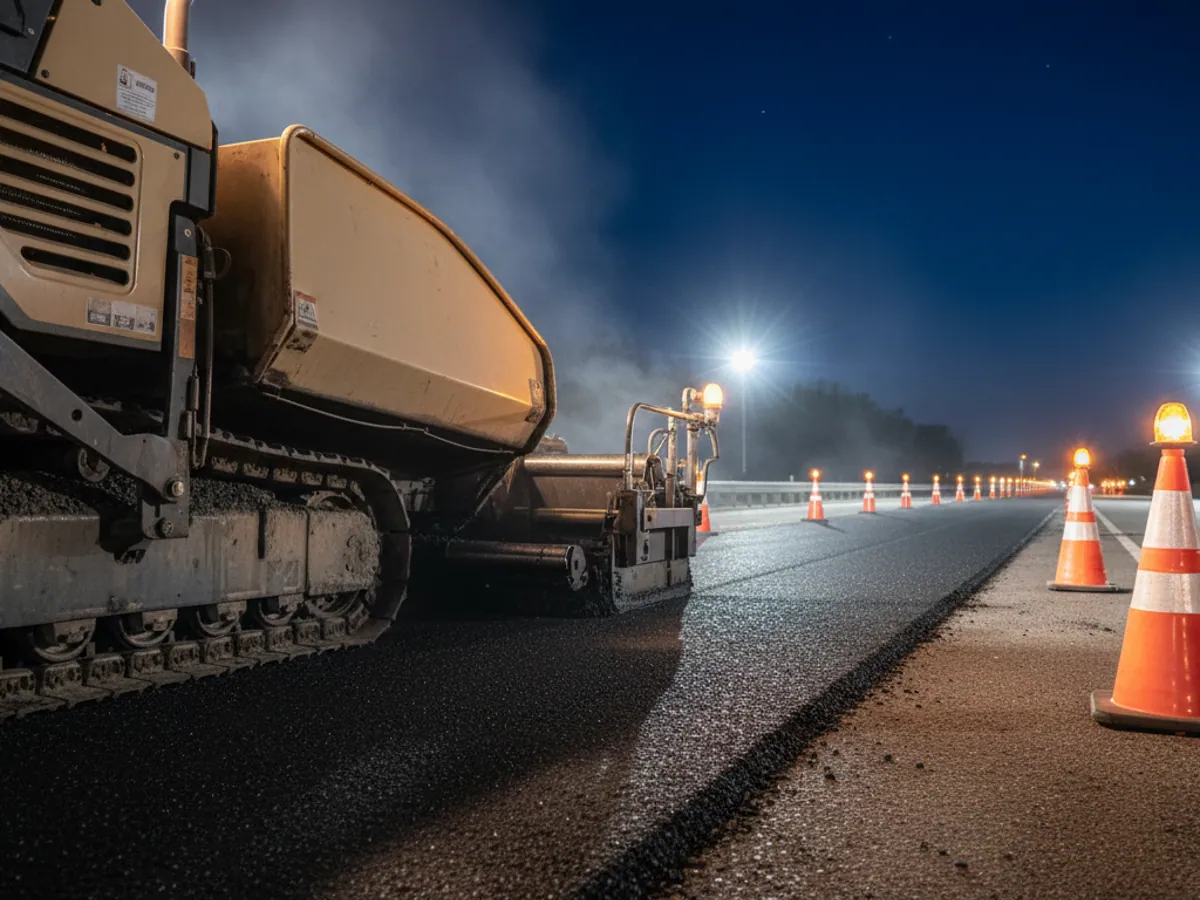
A night of snow on the Guba to Gusar road
In winter, in the Guba and Gusar region and on the Shamakhi pass, snow falls quickly and the road has to be kept open. The maintenance contractor has several combined road maintenance vehicles and a grader on the section.
At 22:00 the snow starts. The dispatcher can see on the map that two of the vehicles are already out on the section with their blades down, while the third has been standing at the depot with its engine running for an hour. One phone call and it sets off.
In the morning the client receives a report: which sections were covered with the blade, which with the spreader and how many times during the night. On one 4 km stretch the spreader was not running although the vehicle passed along it. It turns out the material had run out. The timings show this, and at the next snowfall the vehicle is loaded earlier.
In spring the attachments on the same vehicles are changed and the reports switch to verge mowing and street cleaning. Working with seasonal vehicles is covered on the monitoring for municipal services page.
Features for infrastructure companies
Job, crew, arrival record
When a report comes in of a burst, an outage or damage, the dispatcher sees the free crews on the map and how long each would take to get there. The job goes to the crew's mobile app. Arrival at the address is recorded automatically by geofence, and the crew marks the start and finish of the work.
The response time for each job is retained, and after a month the statistics by district and by crew become visible. The app for field staff is described on the mobile workforce management page.



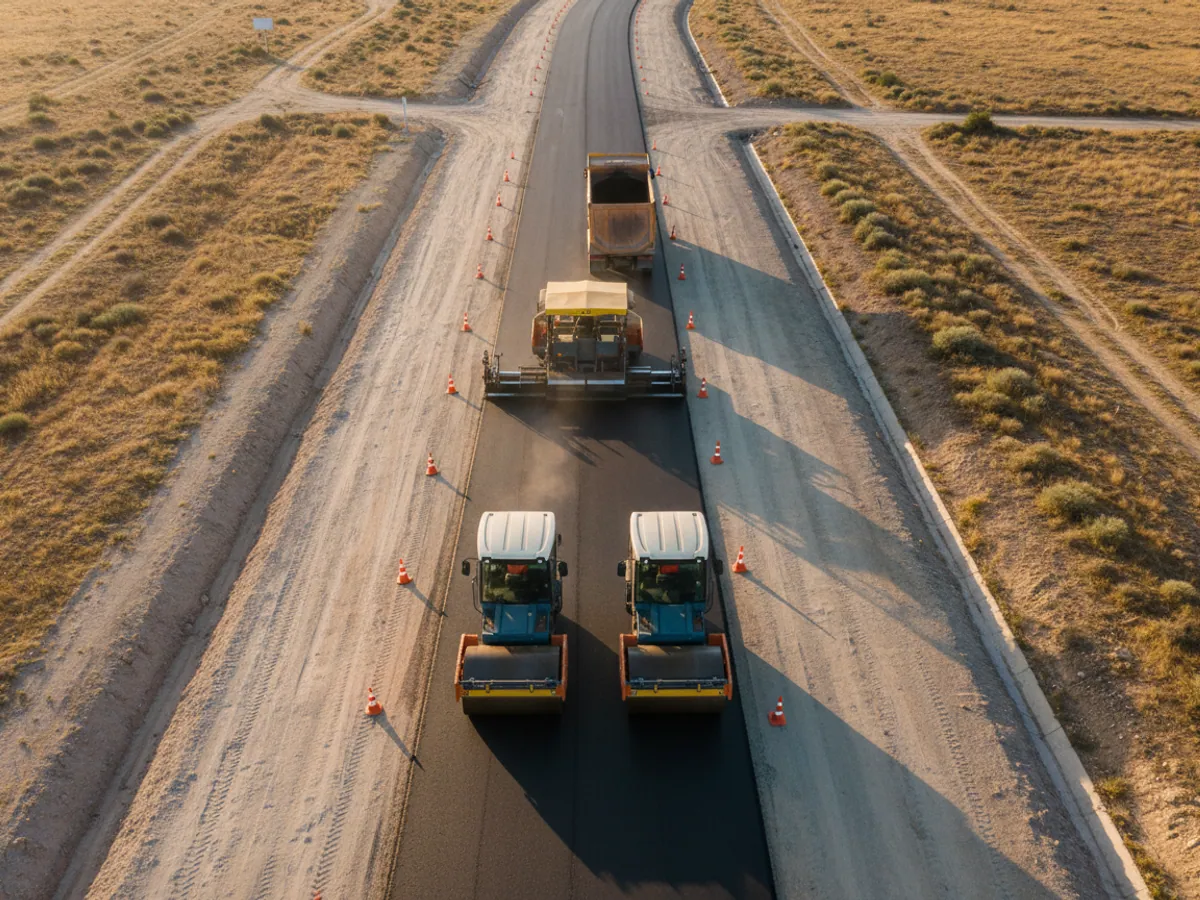

From work order to acceptance: one chain per job
At a service operator every job goes through four steps. If even one of them lives a life of its own, the completion certificate at the end of the month will not agree with the log.
- The work order. A reported fault or a planned task with an address, a type of work and a deadline. Created in your own job system or in Wialon.
- Turnout. The crew or vehicle assigned, the time of leaving the depot, the route. The response time is counted from receipt of the order to entry into the address geofence.
- The work done. Time on site, the mechanisms running according to the sensors, the crew's app entries for start and finish and, where required, photographs. The tracker shows presence and mechanism operation, but not the quality of the repair.
- Acceptance by the client. The client's representative accepts the work under their own rules. The system report goes as an attachment to the certificate, where the contract provides for it.
The key is a single order number across all four steps. Then for any disputed job you can open one record and see when it was received, who turned out, how long they were on site and what was signed.
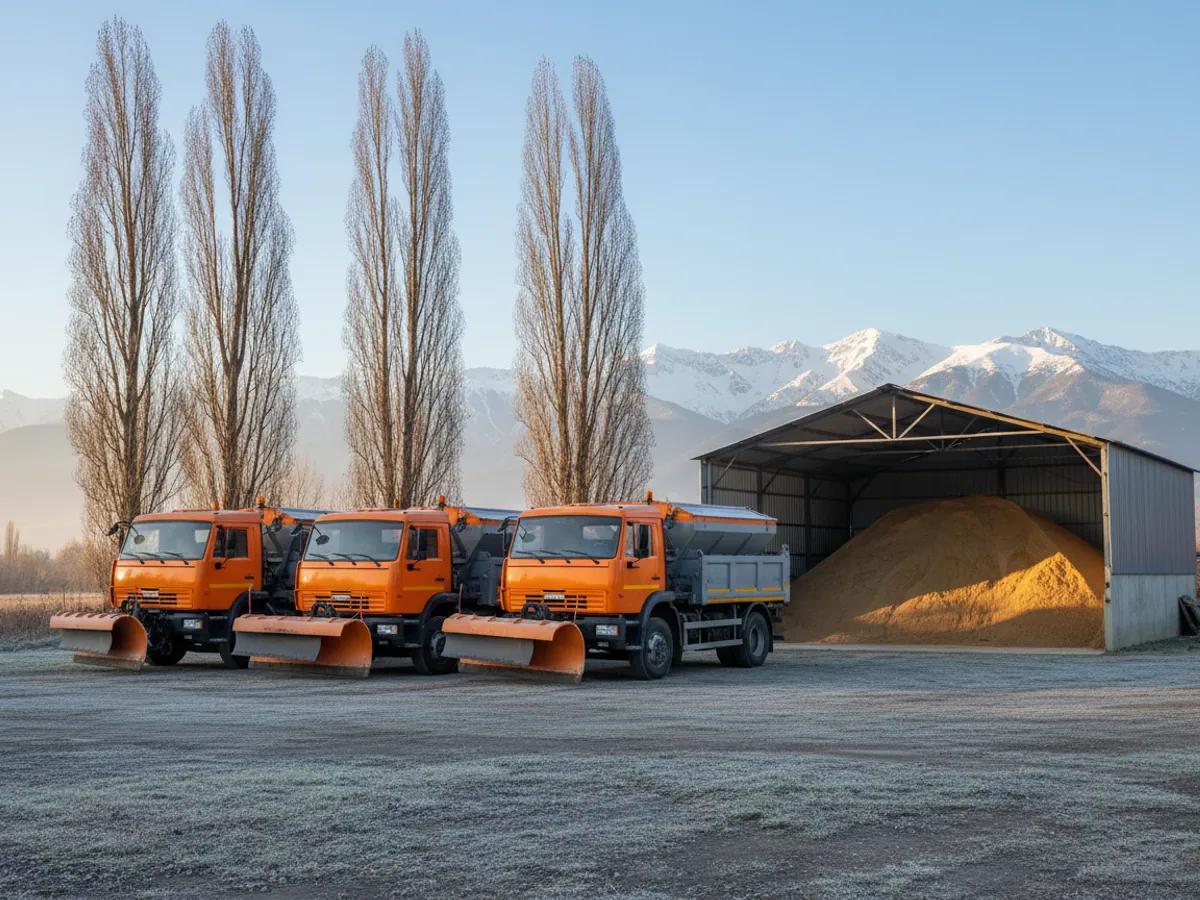
A pilot on one contract section: what is needed and how to accept it
A pilot is conveniently run on one section and one type of work: winter road maintenance, say, or emergency call-outs in one district. The duration is a month or more.
What is needed from the operator: an extract from the contract with the types of work, their frequency and the response times; the section boundaries referenced the same way as in the contract; a list of vehicles and crews; and the job log for the pilot period.
Acceptance criteria, for example: for every job there is a time of receipt, of turnout and of arrival; the report on mechanism operation is built by contract section; discrepancies between the log and the system have been reviewed; the client has agreed to accept the report in the chosen format or has said what to change in it.
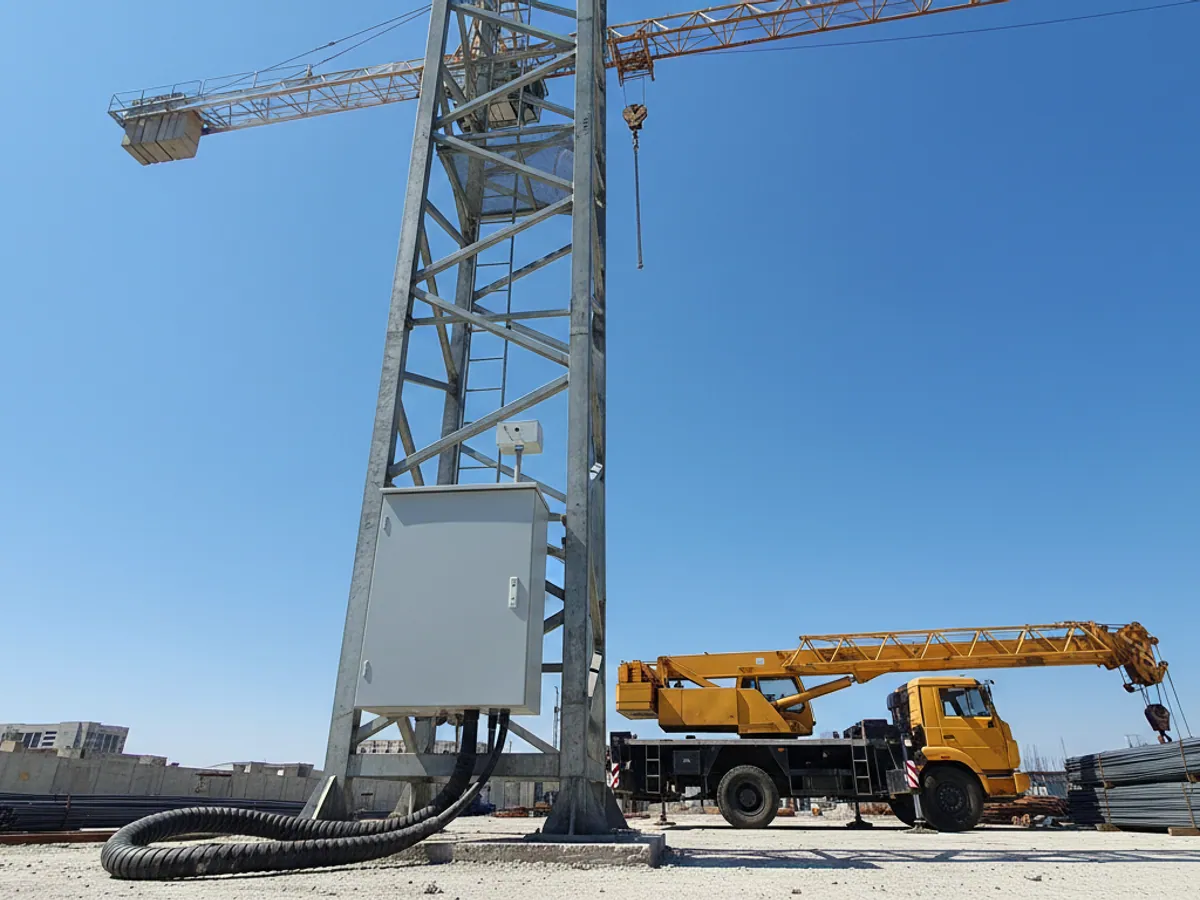
Data into GIS and job systems
Many network operators already have a GIS with the layouts of pipes, cables and lighting columns, and the service organisations have their own system for taking reports. We are not proposing to replace it. Data on crew positions and statuses is passed there through an API, and the dispatcher works in the interface they are used to. How the exchange works is described on the API and integrations page.
It works the other way too: jobs from your system arrive in Wialon as tasks for the crews, and the completion statuses go back again.
How we bring the system up at a service operator
We go through the contract
What work, how often and with what response time the contract specifies. We build the reports so that they answer those clauses.
We map the sections
Maintenance sections, depots, licensed tips and route checkpoints are drawn in as geofences.
We equip the vehicles
Trackers, mechanism sensors and fuel level sensors on the specialist vehicles, trackers or the app for the crews' works vehicles.
We set up the notifications
A long idle spell in season, a vehicle leaving its maintenance area, use of a works vehicle outside working hours.
We give the client access
If you wish, guest access for the client to the reports for their own sections, without access to the whole fleet.
What trips people up at the start
The mechanism sensor was never connected
Without a sensor on the blade or the brushes the report shows only distance covered. The client will not accept that as proof of work.
Sections that do not match the contract
If the geofences are drawn by eye while the contract specifies sections by road kilometre, the report and the certificate will be talking about different things.
Crews do not use the app
If marking the start and finish of work is awkward, it does not get done. We cut the interface down to two buttons.
Notifications to everybody
Every idle spell goes to the head of the service and within a week he switches them off. Events have to reach the person who acts on them.
The result for the operator and the client
A transparent service
Completed work is backed by the track and by mechanism sensor data that can be attached to the certificate.
On site sooner
The dispatcher sends the nearest available crew, and response time becomes something that can be measured.
Real workload on people
You can see how many jobs each crew closes and where there are not enough of them.
Fuel control
Consumption by specialist vehicles at outlying depots stops being unverifiable.
Questions from service and utility organisations
What is used in this sector
What we do end to end
Wialon modules for this sector
How it is used in this industry
Case studies from “Construction & Infrastructure”

Hard hat and PPE monitoring with the GH5200 tracker
Assets and workforce

Where the tools are on site: EYE tags
Agriculture, construction and mining

Recording plant and heavy equipment work with EYE sensors
Agriculture, construction and mining
Thinking of rolling out GPS monitoring in “Infrastructure operators”?
Send us an enquiry and we will price it up for your fleet and pick the hardware for this sector: construction & infrastructure.
- 1 We pin down the task
A specialist calls back and asks about the vehicles, how many there are and what you need to keep an eye on.
- 2 We put a solution together
We propose the hardware and the features, and set out the one-off and the monthly cost separately.
- 3 We agree the fitting
At your yard or at ours, on a schedule that keeps the vehicles working.
Request a call
A specialist will call back and match a solution to your fleet and your task.