

Taxi monitoring system in Azerbaijan
GPS monitoring for taxi fleets, for owners of several cars who rent them out to drivers, and for companies running corporate taxi services. You see where the car is, how far it has gone in a shift, how the driver drives, and whether the car is working on the side while you sleep.
We fit trackers, immobilisers and video recorders in Baku and the regions, and connect them to Wialon with a web account and a mobile app.
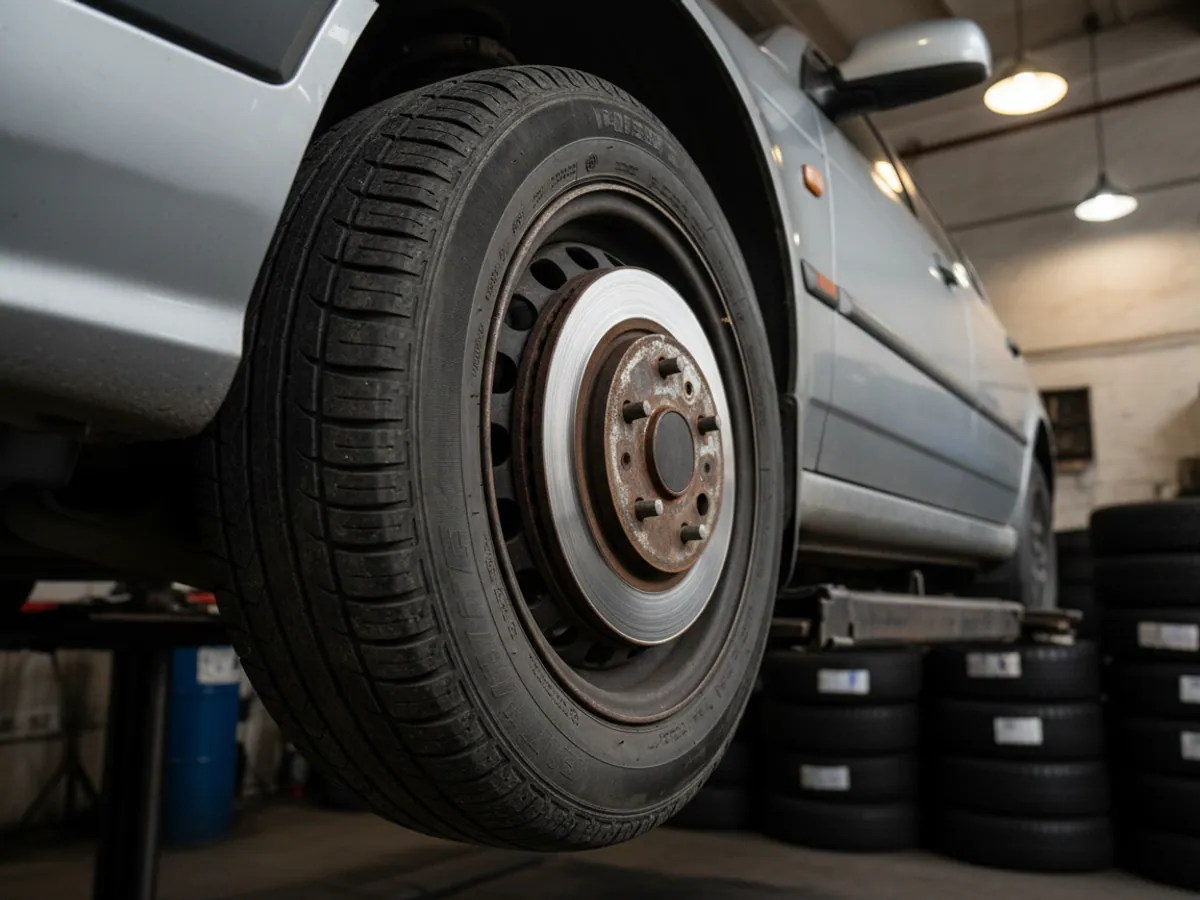
A taxi earns on mileage. It loses on mileage too
A taxi in Baku covers 250-400 km a day. Over a year that is more than 100 thousand kilometres, and every one of them is fuel, tyres, brake pads and wear. When the owner cannot see where those kilometres went, he is paying for somebody else's earnings.
The usual picture before deployment: the driver hands in the shift with a bad day, while the track shows the car driving around town all evening with short stops, and that mileage is not covered by orders in the app. The track by itself does not prove there were paying passengers, but it does give you a specific question to ask. Or a car rented out as a taxi disappears to Gabala for the weekend with the driver's family. Taxi monitoring turns these suspicions into lines in a report with a date, a time and a map.
This is one of the solutions we build for transport operators; the general logic is collected on the GPS fleet monitoring for operators page. Below is what matters specifically for a taxi fleet.
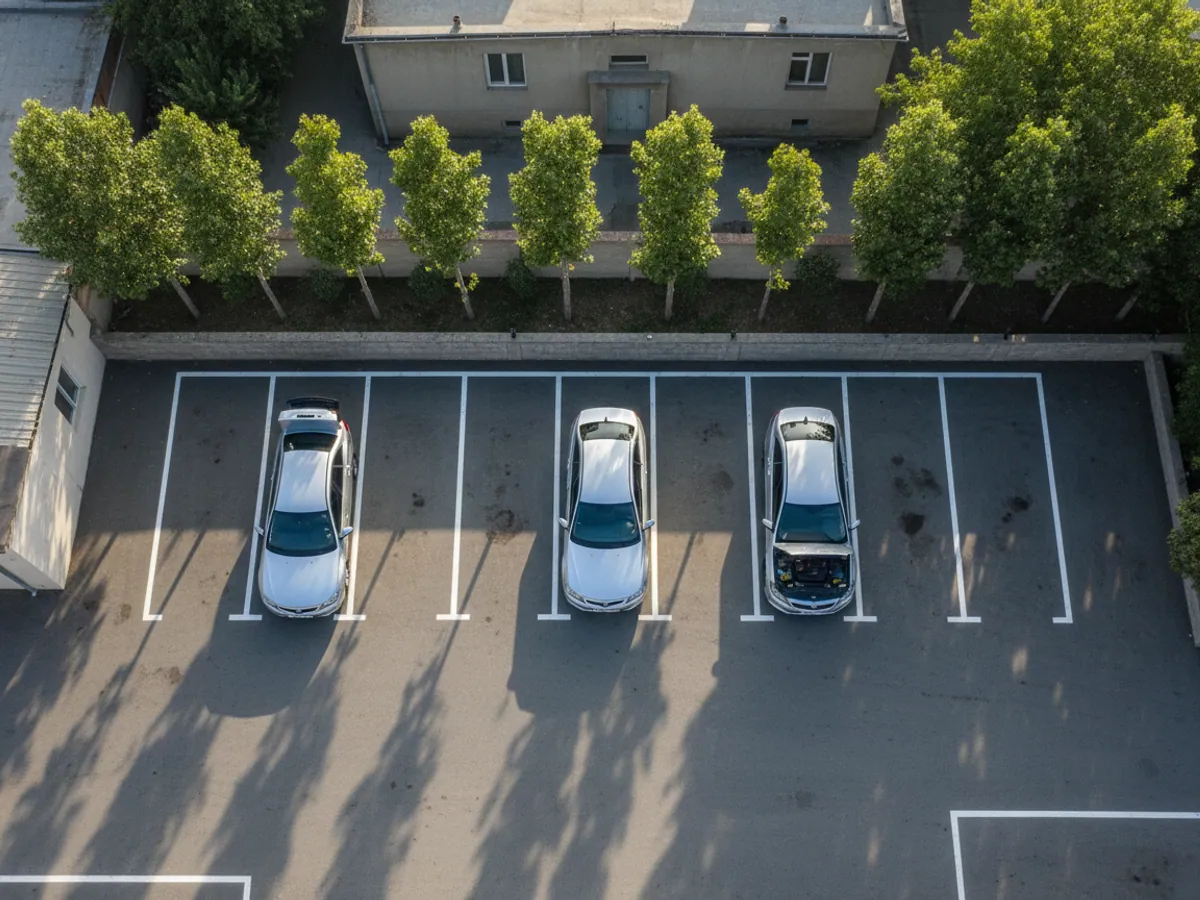
Three taxi fleet models and what each needs from monitoring
Taxi work in Baku is organised in different ways, and the system settings depend heavily on which one you use.
Drivers on a salary or a percentage. The cars are yours and the drivers are employees. What matters most here is reconciling mileage against takings, and keeping track of shifts and fuel. If a shift shows 320 km while the orders in the app account for 180 km, the other 140 need explaining.
Daily rental to the driver. The driver pays a fixed sum per day and buys his own fuel. Fuel no longer concerns you, but mileage, driving style and where the car spends the night very much do. The rent is often tied to mileage: one rate up to 300 km a day, a surcharge above that.
Rent to buy. The car passes to the driver after 2-3 years. This is the riskiest arrangement: if the driver stops paying, the car has to be found and recovered. Here you need a concealed tracker with backup power and the ability to prevent the engine being started.
We configure the reports around your model rather than handing everyone the same standard form.
The main problems and risks for taxi fleets without monitoring
We ask taxi fleet owners what made them pick up the phone. The answers almost always come from this list.
Work off the books
The driver switches the app off and carries passengers for cash. The shift report shows empty hours while the mileage keeps climbing. The track shows that mileage, but to talk about trips with passengers you also need a seat sensor, a camera in the cabin or an explanation from the driver.
The car has vanished
A driver on a rent-to-buy deal stops answering and his phone is switched off. Without a tracker the search takes weeks and sometimes comes to nothing.
Wear and repairs
Pulling away hard from the lights and braking at the last moment on Tbilisi Avenue kill the brakes and the suspension twice as fast. The owner pays for it.
Disputes after an accident
Who was at fault, how fast the car was going, where the impact was — without tracker and camera data you are relying on the driver's word alone.
What the taxi monitoring system can do
Monitoring taxi location and routes
The cars on the map, updated every 10-30 seconds while moving. You see speed, heading, whether the ignition is on and how long the car has been stationary.
- Trip history for any day, with stops and the speed on each section.
- Geofences: the airport, the railway station, your own yard, the city boundary. Leaving Absheron without permission produces a Telegram notification.
- Overnight parking: where the car spent the night and whether it went out between 2 and 6 in the morning.
The Wialon app on the owner's phone shows the same thing as the web account at go.gps.az.
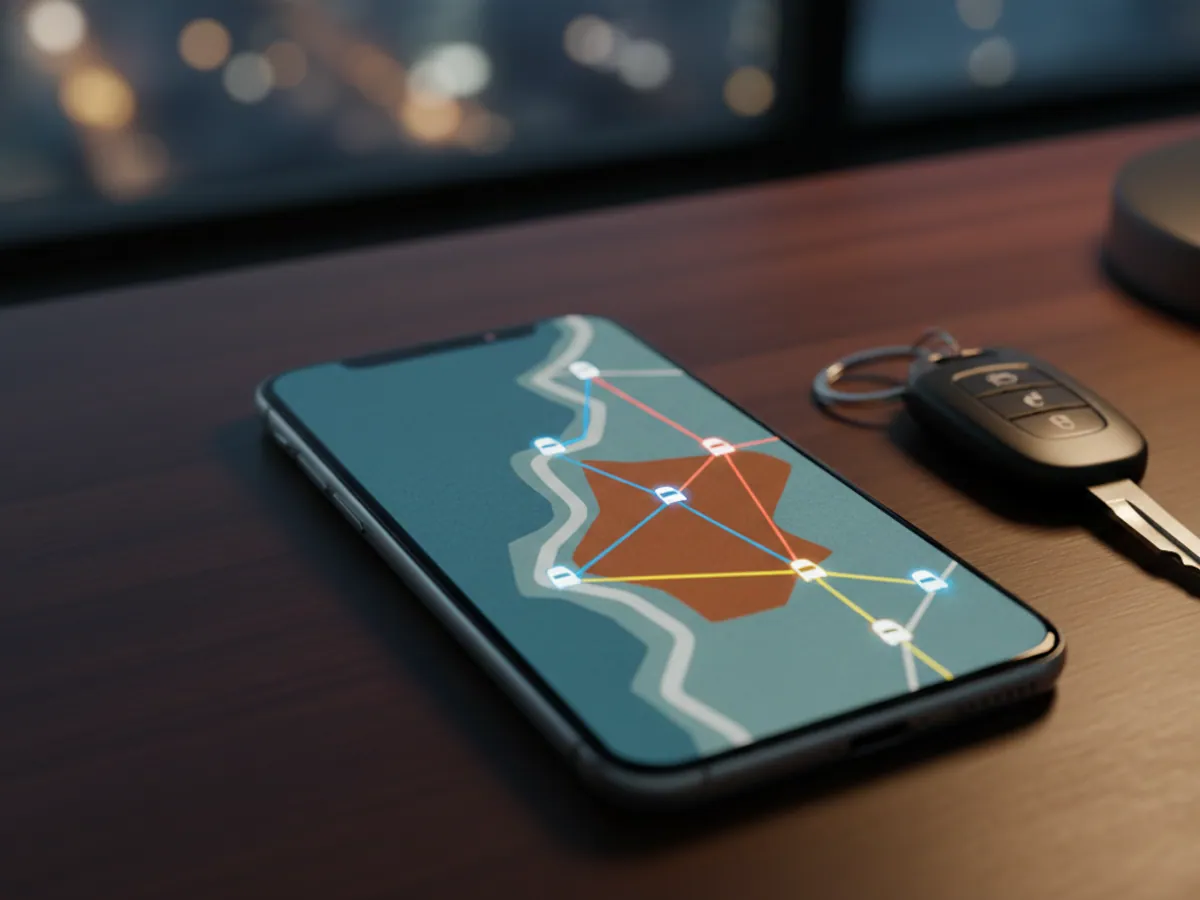
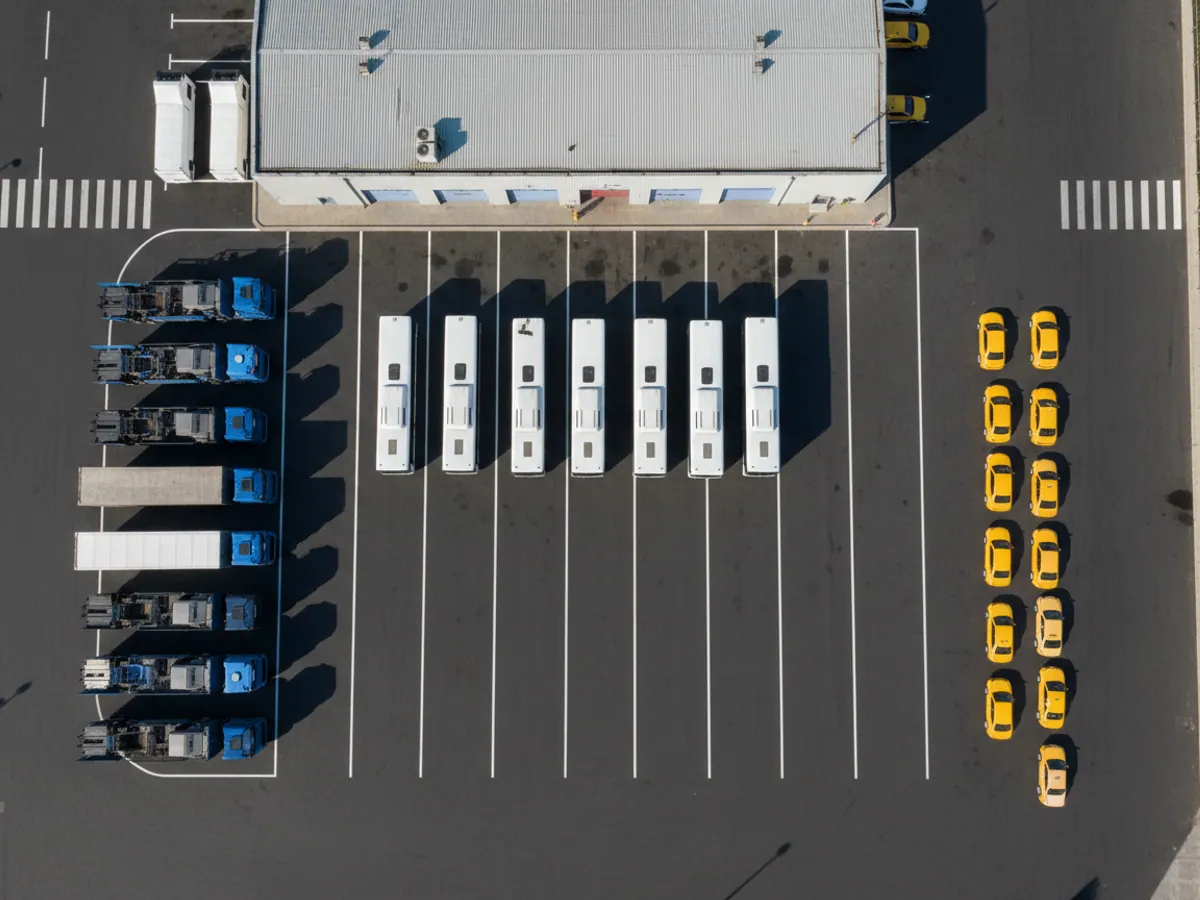
Reconciling a shift: app orders against the track
This is what the weekly reconciliation looks like in a fleet where drivers work on a percentage. The fleet manager does it once a week, covering the shifts just past.
- Step 1. Export the orders. From the aggregator's account you take the week's list of orders: driver, start and end time, distance for the order. We do not hold that data; the fleet provides it.
- Step 2. The shift report from Wialon. For each car and driver: start and end of shift, mileage by tracker, time in motion, stops, journeys made after the shift ended.
- Step 3. Matching. Mileage by orders plus the run to the passenger is compared with mileage by tracker. If one driver's difference is consistently larger than the rest, his shifts get a closer look.
- Step 4. Working through it. We open the track for the uncovered hours: trips home, to the filling station, to the workshop, or dozens of short journeys with stops. After that comes the conversation with the driver.
The reconciliation report is a table by driver: shifts in the week, mileage by tracker, mileage by orders, the difference in kilometres and percent, night journeys, speeding events, and a column for the manager's comment.
What the track does not prove. The tracker sees the car moving, but it does not see a passenger or money. A journey with no order may be personal, it may be a pick-up run or a trip to the workshop. We advise concluding that a paid trip was made outside the app only with additional data: the passenger seat sensor triggering, a recording from the cabin camera, or an explanation from the driver himself. Otherwise an argument with a driver is easy to lose, and trust easy to squander.

The story of one night shift
A typical situation people come to us with. An owner has several identical saloon cars, all rented out by the day. One of them consistently shows 80-100 km a day more on the odometer than the others, although the driver complains that orders are scarce and the full rent is hard to pay.
In the first week the tracker lays out the picture: by day the car works as usual, and then from midnight until five in the morning it goes out again, making dozens of short trips around the centre with stops outside late-night venues, and the driver card is not presented during that time. The track does not say who was at the wheel or whether the passengers paid — that came out in the conversation with the driver: his relative was taking the car at night. Two drivers on one rental, wear half again as high, and the owner only learns about it from the garage bills.
The remedy is usually simple: the rent starts to depend on mileage, and any departure after 01:00 without prior agreement reaches the owner as a notification. There is no need for a row — a week of tracks is lying on the table, and the driver picks the new rate himself.
Monitoring here is not about catching people out. It gives you a basis for rules that both sides consider fair.

What equipment we fit in a taxi
- A compact tracker from the Teltonika 920 range — it hides behind the trim, has a built-in battery and keeps working if the power is cut. For most taxis that is enough.
- A starter cut-off relay. Needed on rent-to-buy deals. A command from the account prevents the engine being started once the car has stopped — the car is not cut out while moving. How this works is set out on the remote engine immobilisation page.
- A driver reader. A card or a key: the shift begins with signing in, and the mileage is assigned to whoever presented the card. If the car was driven without a card, the mileage appears in the report as driver not identified.
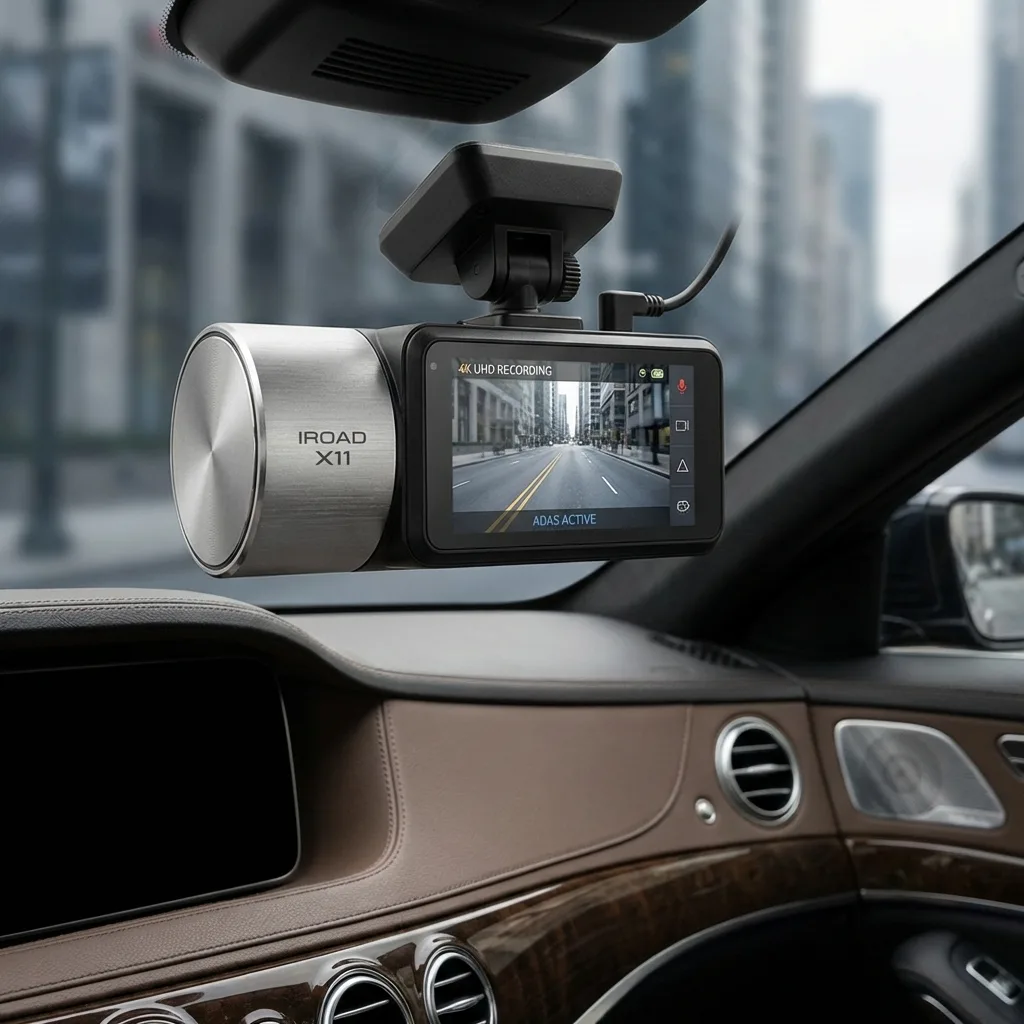
- A two-channel video recorder with online transmission of events.
- A passenger sensor on the front seat — if you need to see journeys made with the app switched off.
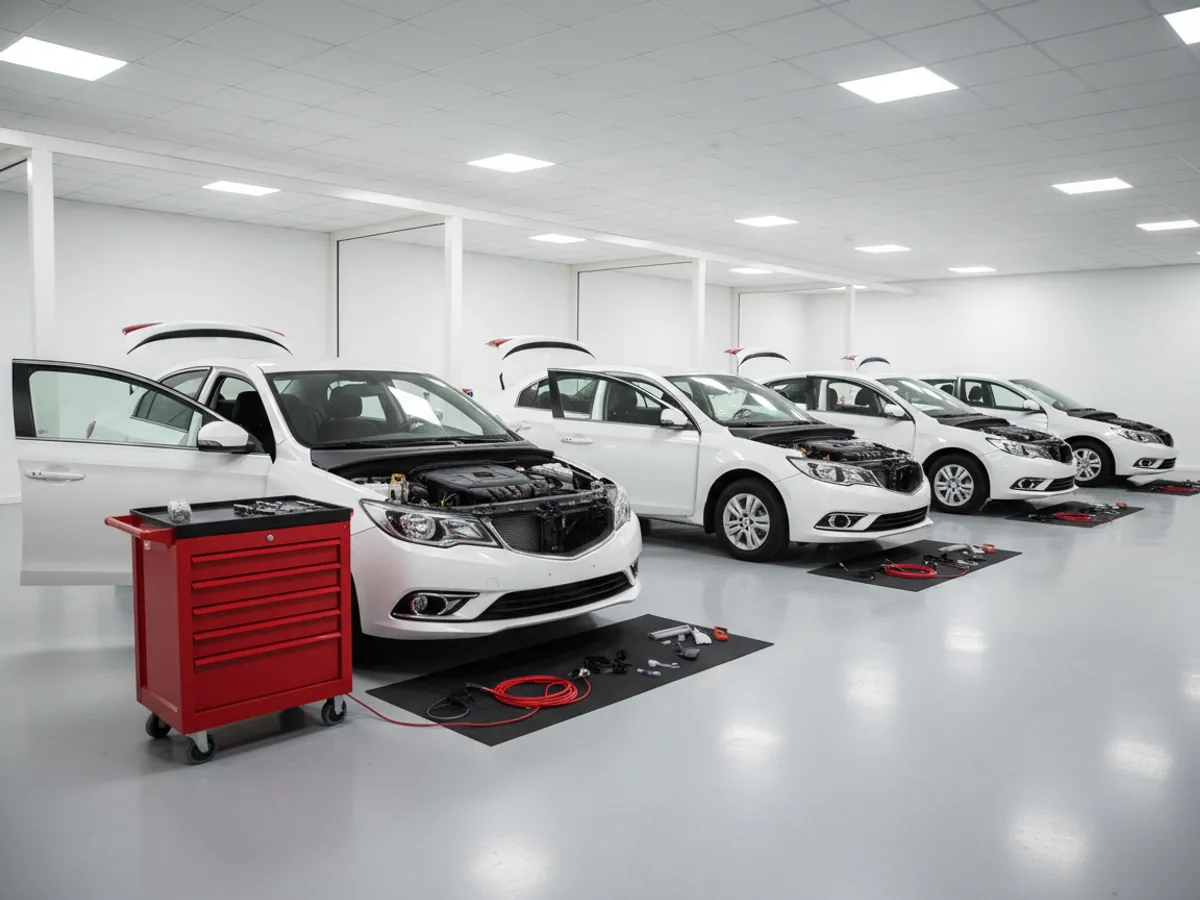
Fitting a tracker in a car takes 30–40 minutes. The car appears in the account straight afterwards, and we go through the first journeys together with you.
Where to start: a pilot on five cars
A pilot works well on 3-5 cars under one payment model — only daily rentals, say, or only drivers on a percentage. That makes comparison easier. Allow about a month, so that both weekdays and weekends land in the report.
What we need from the fleet:
- a list of cars with registrations and the drivers who work them;
- your own rules: the permitted area, night journeys, the mileage limit on the rental;
- an export of orders from the aggregator for the pilot period, if a reconciliation is needed;
- a signed notice to the drivers about the tracker and the camera — before fitting, not after;
- one person in the fleet who receives the notifications and decides what to do about them.
Acceptance criteria are agreed in advance: for example, that mileage by tracker matches the odometer within agreed limits, that every shift is assigned to a driver, that the reconciliation report comes together without manual correction, and that the starter cut-off has been tested on a stationary car. After that you decide which cars and which functions to add.
How to work out whether monitoring will pay for itself in your taxi fleet
Dead mileage
Take the average monthly mileage of a car and the share of it that is dead. If monitoring cuts unnecessary mileage by even 10%, at 8,000 km a month that is 800 km of fuel and wear on every car.
Work outside the app
Work out what you lose if even one car in ten is partly working for itself. In our experience something of the sort turns up in almost every fleet that has not had trackers before.
Repairs and tyres
Aggressive driving shortens the life of brakes, tyres and suspension. When bonuses or the rental rate depend on the driver score, harsh braking becomes noticeably less frequent over time; by how much depends on the fleet and on how you use the score.
The risk of losing a car
A single car never returned under a rent-to-buy deal costs more than trackers for the whole fleet. This point often outweighs all the others.
Frequently asked questions about taxi monitoring
What is used in this sector
What we do end to end
Wialon modules for this sector
How it is used in this industry
Case studies from “Fleets & Transportation Companies”
Thinking of rolling out GPS monitoring in “Taxi”?
Send us an enquiry and we will price it up for your fleet and pick the hardware for this sector: fleets & transportation companies.
- 1 We pin down the task
A specialist calls back and asks about the vehicles, how many there are and what you need to keep an eye on.
- 2 We put a solution together
We propose the hardware and the features, and set out the one-off and the monthly cost separately.
- 3 We agree the fitting
At your yard or at ours, on a schedule that keeps the vehicles working.
Request a call
A specialist will call back and match a solution to your fleet and your task.