
ADAS and video on request for drivers
A Teltonika use case: an ADAS camera on the windscreen, paired with an FMC650 tracker, records dangerous manoeuvres and sends the fleet manager a photo and a short video of the event.
A Teltonika use case: an ADAS camera on the windscreen, paired with an FMC650 tracker, records dangerous manoeuvres and sends the fleet manager a photo and a short video of the event. Dangerous driving rarely ends with a single crash. First come the sharp lane changes, the shortened gaps, the speeding on an empty motorway. None of it gets noticed until one day the lorry ends up in a ditch along with its load. The ADAS driver assistance system has long been able to recognise situations like these. In this use case Teltonika has added visual monitoring to it: on an event, or on request, the manager receives a photo and, if needed, a video clip of up to 30 seconds. The conversation with the driver afterwards is built on footage rather than on figures that can be argued over. Below we look at how the pairing is put together and what to do with it next.
What this scenario solves
Most serious accidents involving lorries begin with drifting out of lane, speeding or too short a gap.
According to FHWA data, about 51% of fatal accidents involving commercial vehicles are linked to an unexpected departure from the lane or an incorrect turn signal.
Roughly 20% of fatal accidents with lorries and articulated lorries happen because of speeding.
The average cost of an accident in a commercial fleet, on the estimate Teltonika cites, is about 70,000 dollars.
Most serious accidents involving lorries begin with drifting out of lane, speeding or too short a gap. According to FHWA data, about 51% of fatal accidents involving commercial vehicles are linked to an unexpected departure from the lane or an incorrect turn signal. Roughly 20% of fatal accidents with lorries and articulated lorries happen because of speeding. The average cost of an accident in a commercial fleet, on the estimate Teltonika cites, is about 70,000 dollars.
Laws and regulations do not close the problem entirely. In the United States, for example, about 15.5 million lorries are in operation and almost 415,000 road traffic accidents involving them are recorded. There are requirements for drivers, but actual driving still depends on how a particular person works in a particular company. That gap is one the fleet owner has to close himself.
Ordinary telematics sees only part of the picture. A tracker will say there was harsh braking at 87 km/h, but not why: the driver was distracted, or somebody cut in front of him. Without a picture that conversation turns into an argument, and training comes down to generic clips from the internet that drivers do not take as being about themselves.
What is needed is a tool that catches dangerous events, shows them through the camera’s eyes and provides material for reviewing specific episodes from the fleet’s own work.
What Teltonika offers
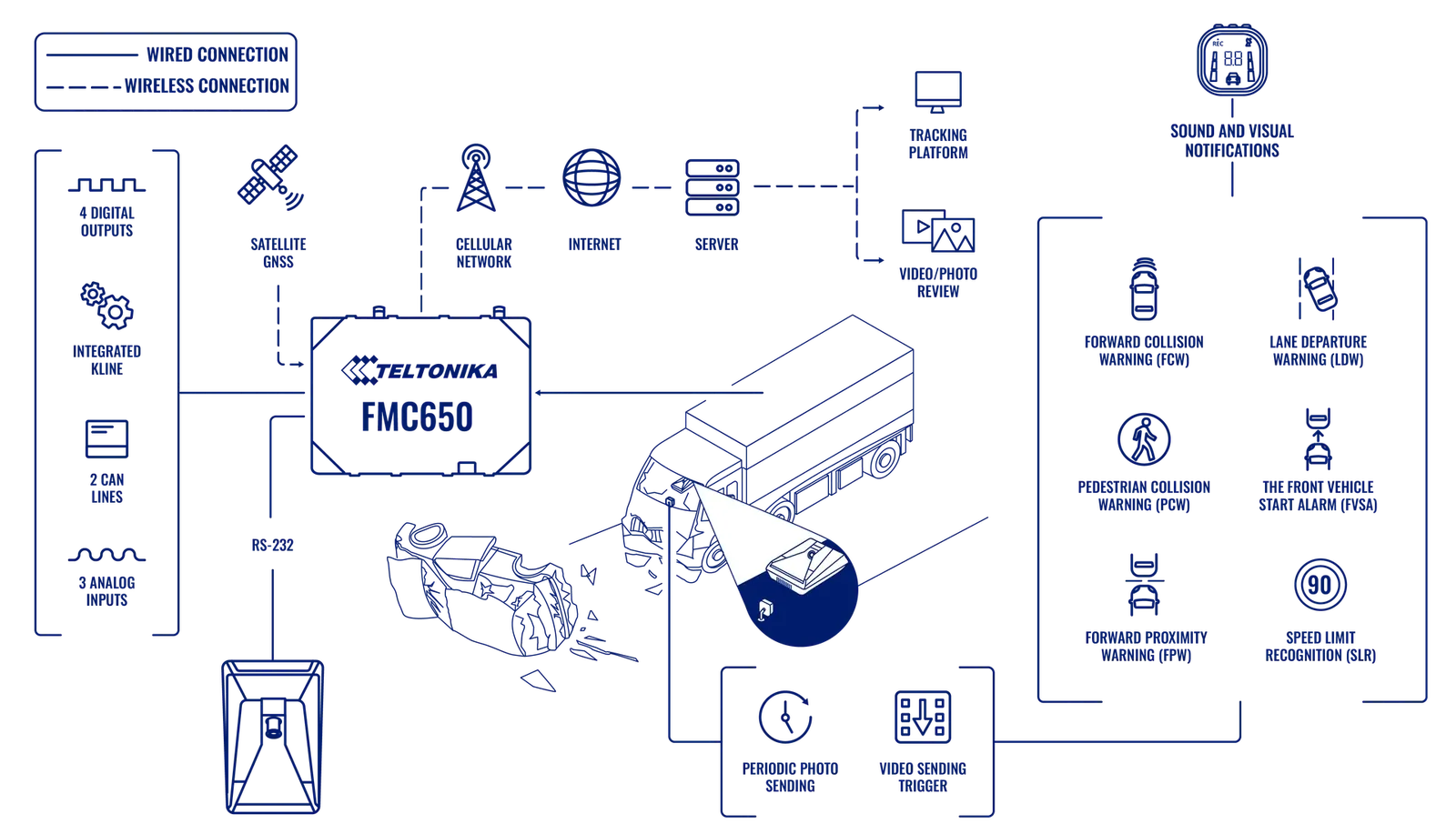
The solution is put together from two devices: an ADAS camera on the windscreen and an FMC650 tracker from the PROFESSIONAL series, connected over RS-232. The camera recognises dangerous situations, the tracker adds coordinates, speed and vehicle data to them and sends everything to the server.
Installation and setup
Fitting the device and configuring it for the fleet scenario at hand.
Data transfer
The device collects data and sends it to the monitoring platform; how often depends on the model and its settings.
Analysis and control
The person in charge gets reports and alerts and looks into what stands out.
What the FMC650 can do in this pairing. Besides the port for ADAS, the tracker has another serial port, RS-232/RS-485, and a 2x10 connector. In practice that means several fuel level sensors can be connected to the same vehicle (in our projects that is the Escort fuel level sensor), 3 additional analogue inputs can be used, along with 4 digital outputs for a relay, a starter or engine immobiliser, and data can be read from the CAN bus. One tracker covers safety, fuel and the condition of the vehicle.
What the camera records. The ADAS functions target the typical causes of accidents: an unsafe approach to the vehicle in front, leaving the lane without indicating, the risk of a collision with the vehicle ahead, speeding. Every such event goes onto the map with the exact place and time.
Photos and video on an event. The new visual monitoring function works in several modes.
• On a trigger. When a dangerous event occurs, the camera sends a photograph straight away.
• On request. If a photo is not enough, the manager requests video of up to 30 seconds: 20 seconds before the event and 10 after.
• Periodically. The camera can be set to send stills at defined intervals.
• By time or place. Material can be requested for a particular incident, a point on the route or a stretch of time.
Why a photo comes first. The first photograph usually answers the question of whether it is worth pulling the video at all. If the still shows the alert was false, no video is requested and no mobile data is spent. If the situation is serious, the video reaches the manager already with context: speed, coordinates, the state of the vehicle, data about the load.
An episode. A lorry is running along the motorway, the camera records an unsafe approach, and a minute later a photo appears on the dispatcher’s screen: a couple of metres to the vehicle in front, speed 85 km/h. The manager requests the clip and sees that the driver spent several seconds looking at his phone. That evening the episode is gone through with him in person, and a week later, anonymised, it is shown at a group session.
How training comes out of this. Stills and clips are stored on the server. Over time the repeating mistakes become visible in them: some drivers systematically keep a short gap, others change lanes without signalling on the same stretch of road. Reviews and training programmes are built on this material, and, if wanted, a bonus scheme for careful driving. Video from a fleet’s own vehicles works better than generic training clips: the studies Teltonika cites confirm the value of video material as a source of learning.
Insurance and disputed cases. If an accident does happen after all, the photo and the clip become evidence for the insurance company and for the internal review. On the estimate given in the use case, ADAS systems help to avoid up to 40% of road traffic accidents and up to 29% of fatal ones.
Flexible triggers. Events of your own can be configured for the needs of a particular project, a photo request when a vehicle unexpectedly leaves a geofence, for instance.
How the rollout goes. First a pilot group of vehicles is chosen, usually those with the most accidents, fines or complaints. The camera is fitted in the centre of the windscreen and calibrated for the height of the cab and the geometry of the vehicle; the FMC650 is connected to power, to the CAN bus and to the camera over RS-232. Then the thresholds are set: at what distance and speed an approach counts as unsafe, which events are accompanied by a photo, how much video may be requested per month. The first two or three weeks go on cutting out false alerts and matching the sensitivity to real roads.
What the dispatcher sees. Event locations are marked on the map with the type of violation, the speed and the time. A click opens the photo, with a button next to it to request video. The reports show how many dangerous events each driver had over a week or a month, on which stretches they cluster, and how the picture changes after a review. These figures are convenient as the basis for a driver rating and bonuses.
A procedure for reacting to an event. It is better approved before launch, otherwise photos pile up unreviewed. The typical chain looks like this: a photo arrives, the dispatcher looks at the still during the shift and marks the event as false or confirmed; for a confirmed one he requests video; the driver is spoken to after he stops, not while driving; repeated violations go to the manager for a personal review. What a log entry looks like: type of event, time, coordinates, speed, driver, photo, a clip if needed, and a note of who reviewed the event and when.
Camera model and firmware. The pairing works with the cameras Teltonika supports in the FMC650 firmware, so the camera model and the tracker firmware version are chosen together and tested on a pilot vehicle before buying for the whole fleet.
What to expect, and when. Changes in behaviour are usually not visible straight away. In the first month the number of events may even grow, because the system starts noticing what nobody counted before. The real effect appears when the recordings are regularly gone through with drivers and the consequences become clear to everyone.
What you get
Dangerous driving is visible immediately
The FMC650 and ADAS pairing reports an event with the place, the speed and the vehicle data, not a month later in a summary report.
Footage instead of an argument
The photo and the short video of an event are kept on the server, and the conversation with the driver is built on what the recording shows.
Training on your own cases
The fleet’s repeating mistakes show up in the accumulated clips, and reviews are based on real episodes rather than on abstract examples.
Mobile data saved
The photo comes first, and video is requested only when it is genuinely needed.
Evidence for the insurer
After an accident the company has a recording of 20 seconds before the event and 10 seconds after, tied to the time and the coordinates.
Tuned to the project
Triggers, how often stills are sent and which events are of interest are all chosen for the needs of the particular fleet.
Why this solution
Teltonika makes both the trackers and the accessories for them, so ADAS and the FMC650 work as one: the camera does not live a life of its own in a separate app, and events go straight into the common stream of data about the vehicle. For a fleet that means one system instead of two.
The FMC650 was not chosen at random. It has enough ports and inputs for a camera, fuel sensors, the CAN bus and an immobiliser relay to work on one vehicle at the same time. On long-haul tractor units and plant and heavy equipment that is a frequent combination.
Who the solution suits best. Fleets whose vehicles spend a lot of time on the motorway and where the price of a single accident is high: long-haul transport, carriage of dangerous goods, intercity passenger runs, deliveries with tight windows where drivers hurry. For city couriers in cars, ordinary telematics with a scoring report on acceleration and braking is often enough, and cameras are fitted selectively, on the vehicles with repeated incidents. If the task is to watch the driver’s own fatigue and distraction, a camera pointed into the cab is usually added to ADAS.
Honestly about the limits of the solution. ADAS does not replace the driver and does not brake for him — it is a system that warns and records. The camera has to be mounted straight and the windscreen has to be clean, otherwise recognition quality falls. Video on request uses mobile data, so triggers and limits are worth setting deliberately rather than everything all the time. And most importantly: without regularly going through the recordings with drivers the effect will be weak, since equipment alone does not change discipline.
How this works in Azerbaijan. The scenario is in demand with hauliers on the M-1 up to the Russian border, the M-2 towards Georgia and the M-3 to Astara, where long stretches, overtaking into oncoming traffic and driver fatigue behind the wheel are a familiar picture. It also suits intercity coaches, cement mixers and tippers on the construction sites of Karabakh, and fuel tankers run by oil and gas contractors in Absheron. When rolling it out, the summer heat of up to +40 °C has to be taken into account (the camera is mounted so that the sun through the glass does not overheat it), as do the mountain stretches beyond Guba and Sheki where the connection drops: events accumulate in memory and go out when the vehicle is back on the network. It is worth telling drivers about the camera in advance and agreeing how the recordings are used. GPS.az fits ADAS and the FMC650, connects the sensors and brings events, photos and reports onto the Wialon platform, where the dispatcher sees them.
Related case studies
Related rollouts and equipment
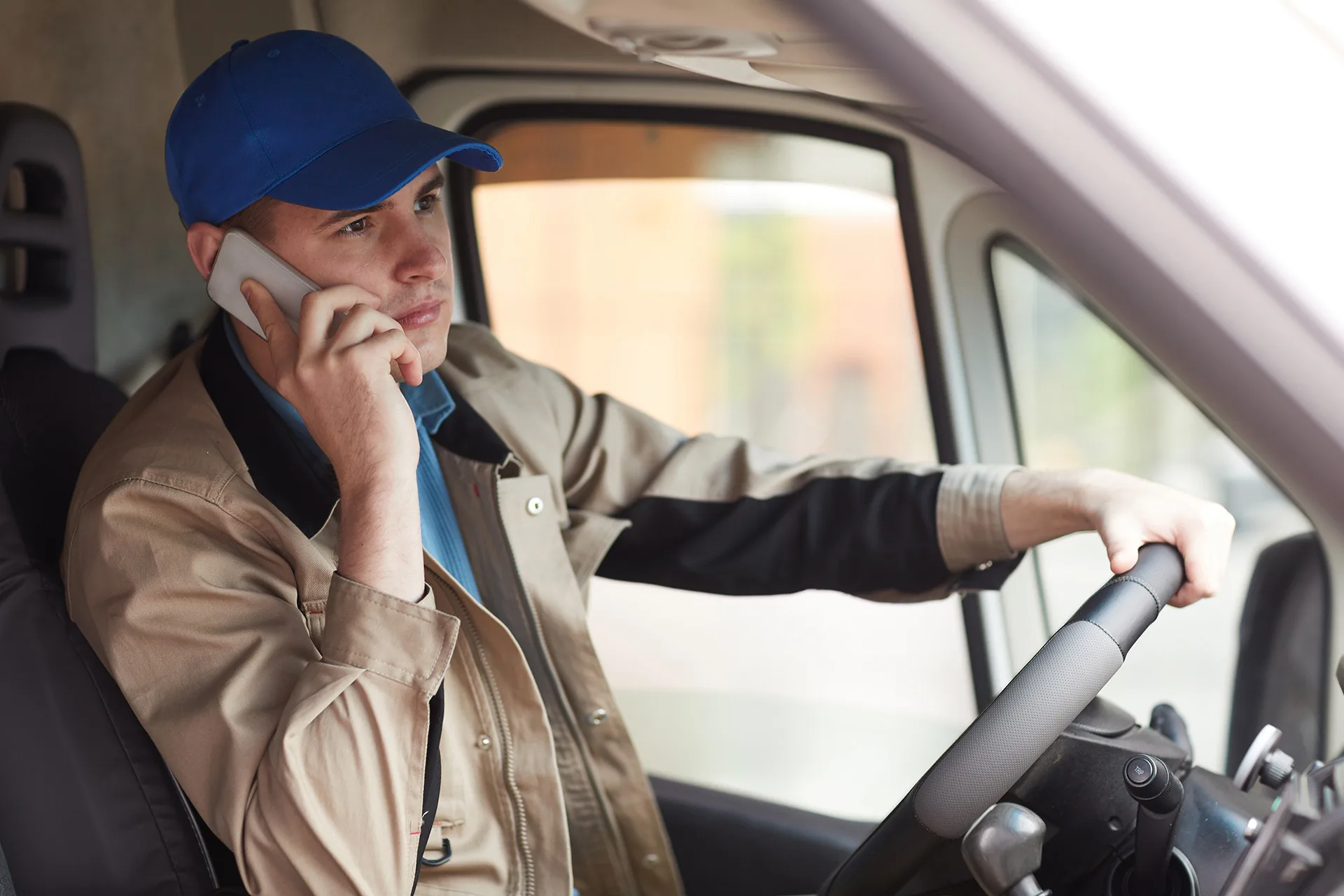
A DSM camera against driver fatigue
Driver safety
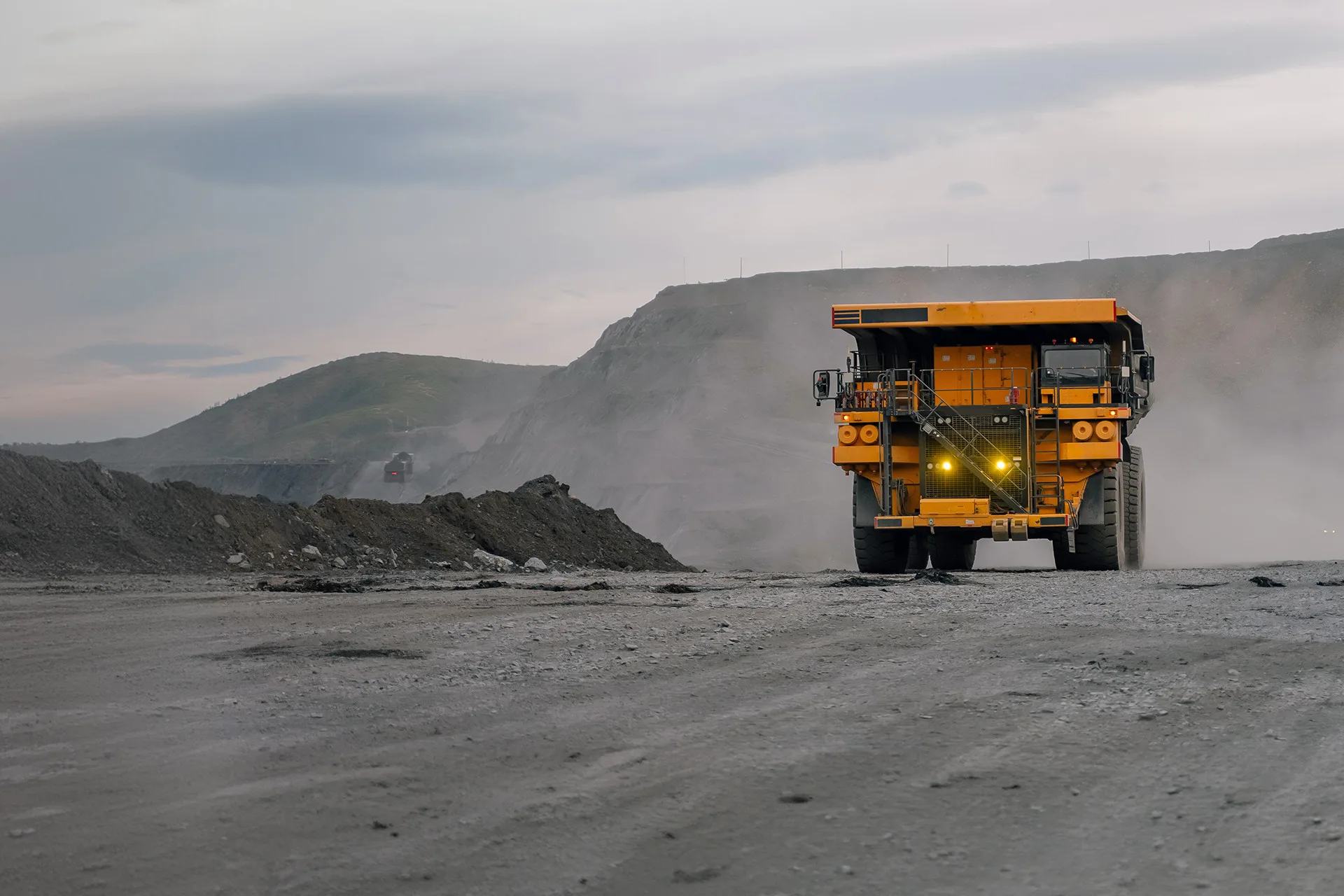
Video monitoring in a quarry: DSM and ADAS
Agriculture, construction and mining

Ore haulage control: load weight and satellite
Agriculture, construction and mining
Questions about the “ADAS and video on request for drivers” scenario
Request a call
A specialist will call back and match a solution to your fleet and your task.