
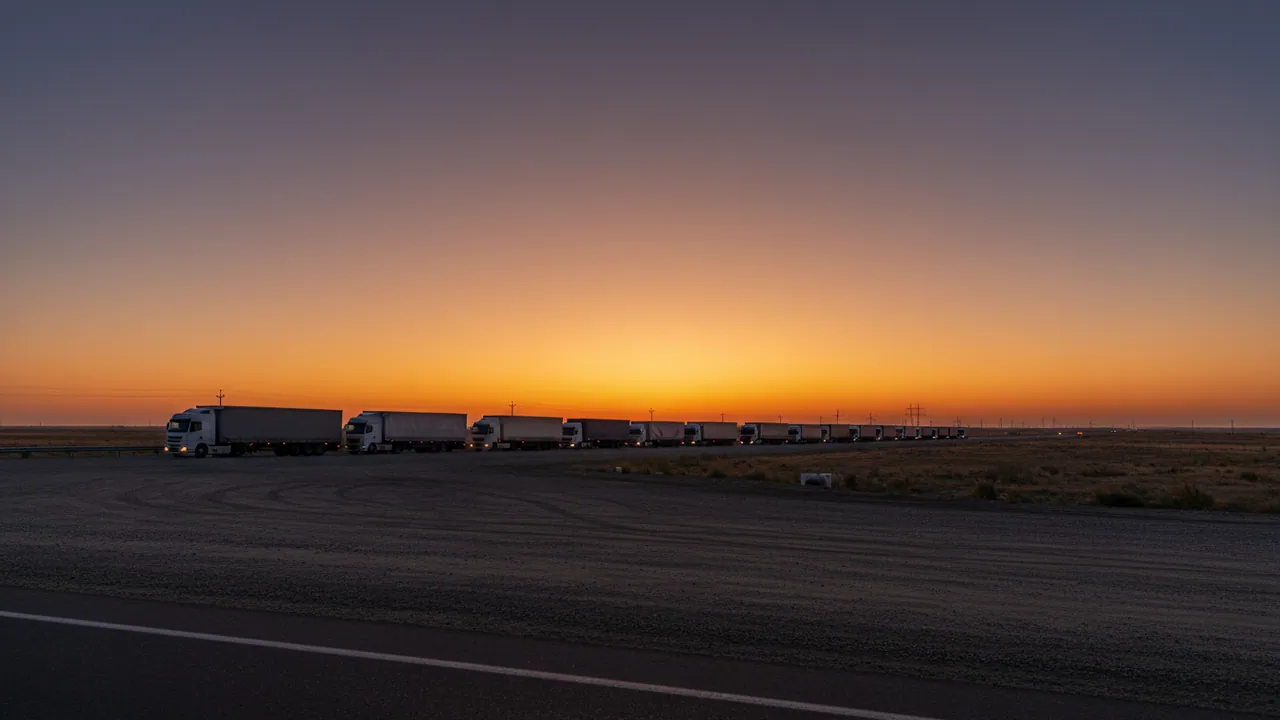
GPS monitoring for international and domestic road freight
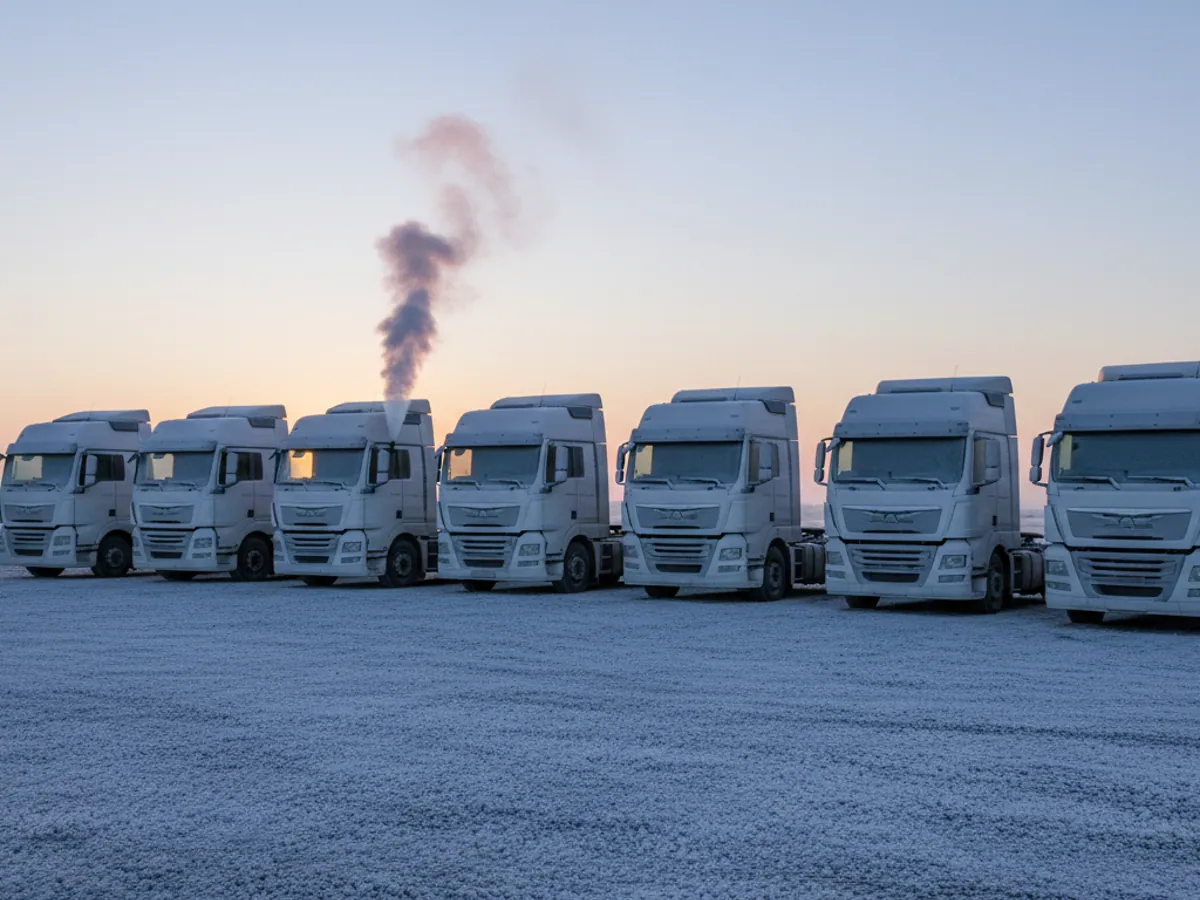
Monitoring for the tractor units, curtainsiders and refrigerated units of Azerbaijani transport companies — from small hauliers in Ganja to large operators running the international Baku — Istanbul and Baku — Moscow lanes.
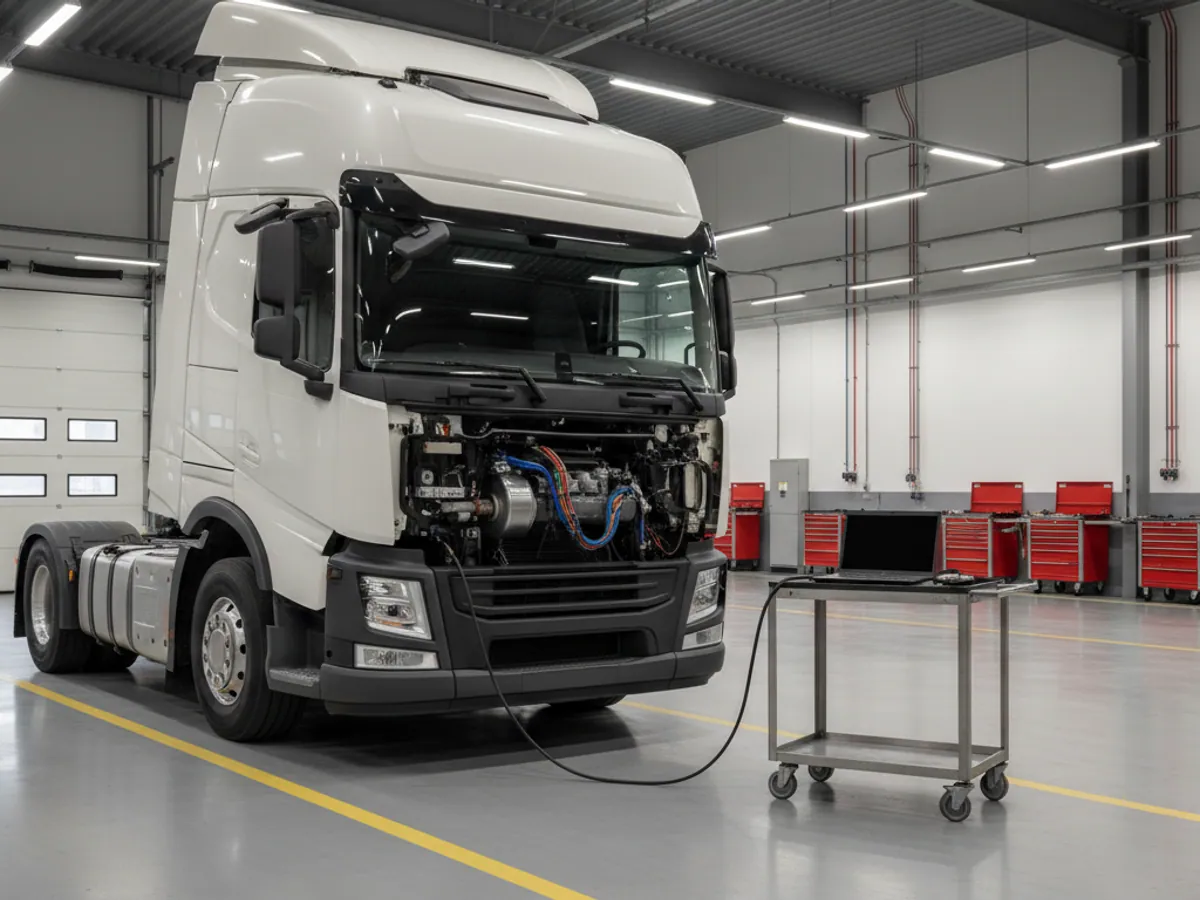
We fit fuel level sensors in the tanks, set up vehicle location while roaming, recording of drivers' hours from tachograph data, and monitoring of the body and of cargo temperature. How much this will save depends on your fleet and your routes — that is something we measure on a pilot rather than promise in advance.
Transparency for a logistics business
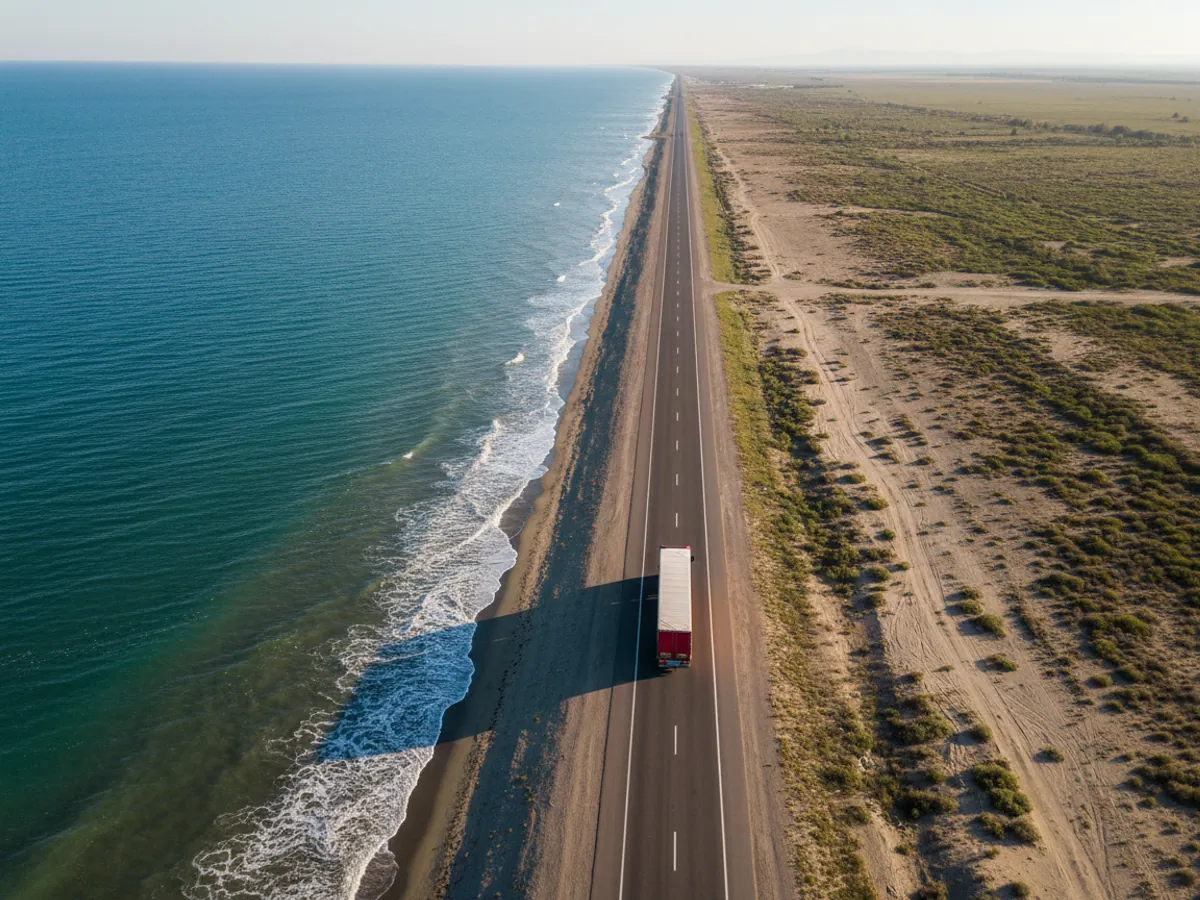
In road freight, margins depend directly on cost control. Diesel accounts for 35-40% of a haulier's operating costs, and a single unnoticed unauthorised run by a Mercedes Actros tractor unit on the Baku — Lankaran lane, or a single drain of 200 litres of diesel, can swallow the profit from several trips.
Azerbaijan sits at the crossing of key transit corridors: North-South (Russia-Iran), the Middle Corridor (China-Europe across the Caspian) and TRACECA. International hauliers work long legs where no manager can keep an eye on things in person, and where tachograph data and waybills are easy enough to adjust.
Our system makes every kilometre of the journey visible. You see where the lorry is — from Baku to Rotterdam, as long as there is mobile coverage or roaming — and how it is being driven (driving style across 8 parameters), how much fuel it actually burns, and whether the driver is keeping to the delivery schedule and to his rest periods.
The basic kit is Wialon, a Teltonika FMC130 tracker and Escort TD-600 fuel level sensors. In our own deployments on heavy goods vehicles, fuel consumption usually falls by 15–25%. The payback period depends on how much is being lost today, and it is more honest to work it out from the results of a pilot.
Fuel: what the sensor in the tank shows
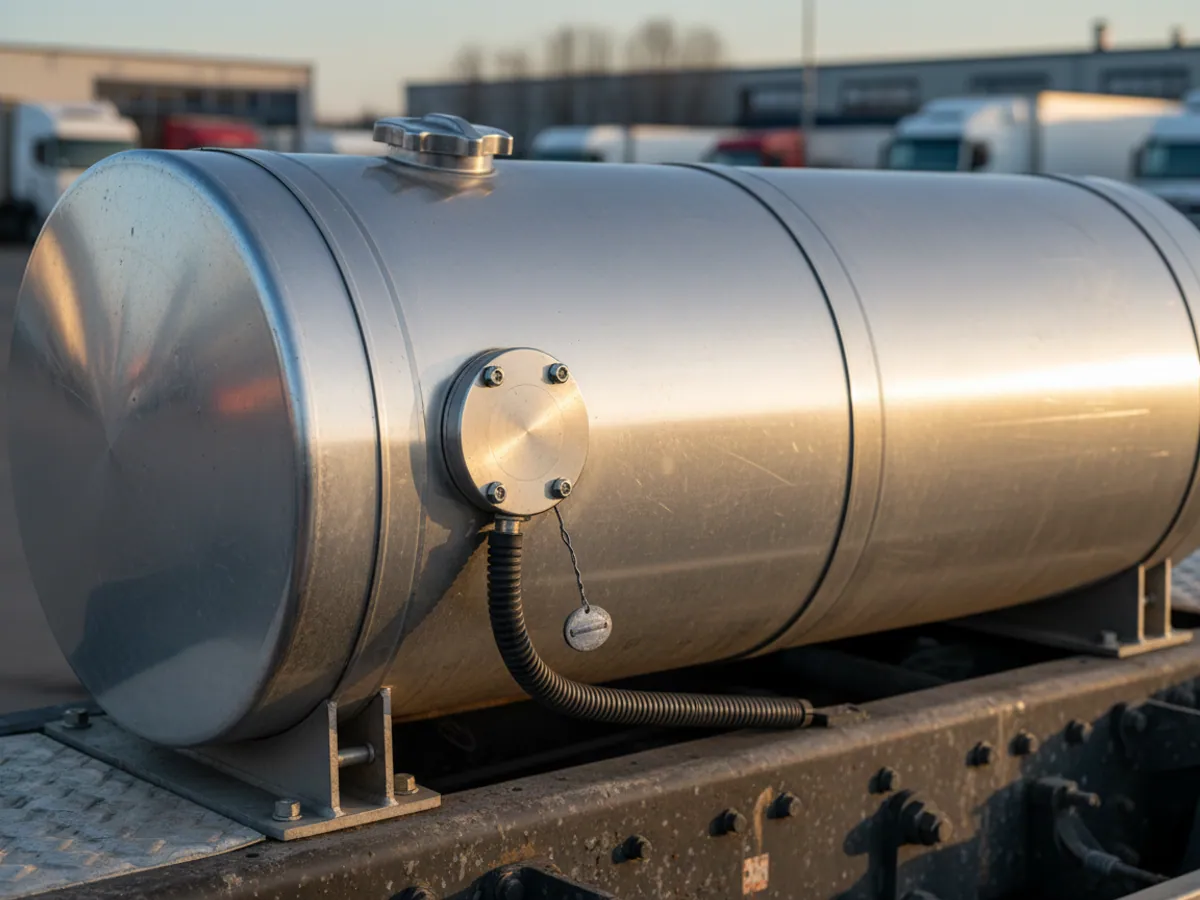
We fit high-accuracy capacitive fuel level sensors Escort TD-600 into the tanks of MAN, Volvo, Scania and DAF tractor units — one in each tank where there are two. The sensor is calibrated in the tank itself. The threshold at which the system flags a drain is chosen to suit the tank volume and the way fuel sloshes on the gradients of the M-4 and M-2, so that you do not get false drain events while the lorry is moving.
You see refuelling events tied to a filling station (SOCAR, Lukoil, Az-Petrol), drains above the configured threshold with a coordinate on the road, and consumption that falls outside the norm. The system plots the fuel level in the tank across a shift: a refuelling shows as a sharp rise, a drain as a sharp fall away from any filling station.
Once juggling with receipts at filling stations, selling company diesel on to middlemen and short measures at the pump become visible on that graph, consumption in practice usually falls by 15–25%. What that comes to in manat for your fleet is something we can work out from your refuelling records.
The risks a transport company runs without monitoring
Trust, but verify. An absence of monitoring tempts staff into abuses that accounting methods struggle to uncover. Our work with hauliers in Baku and Ganja points to three main places where profit leaks away:
Fuel drains
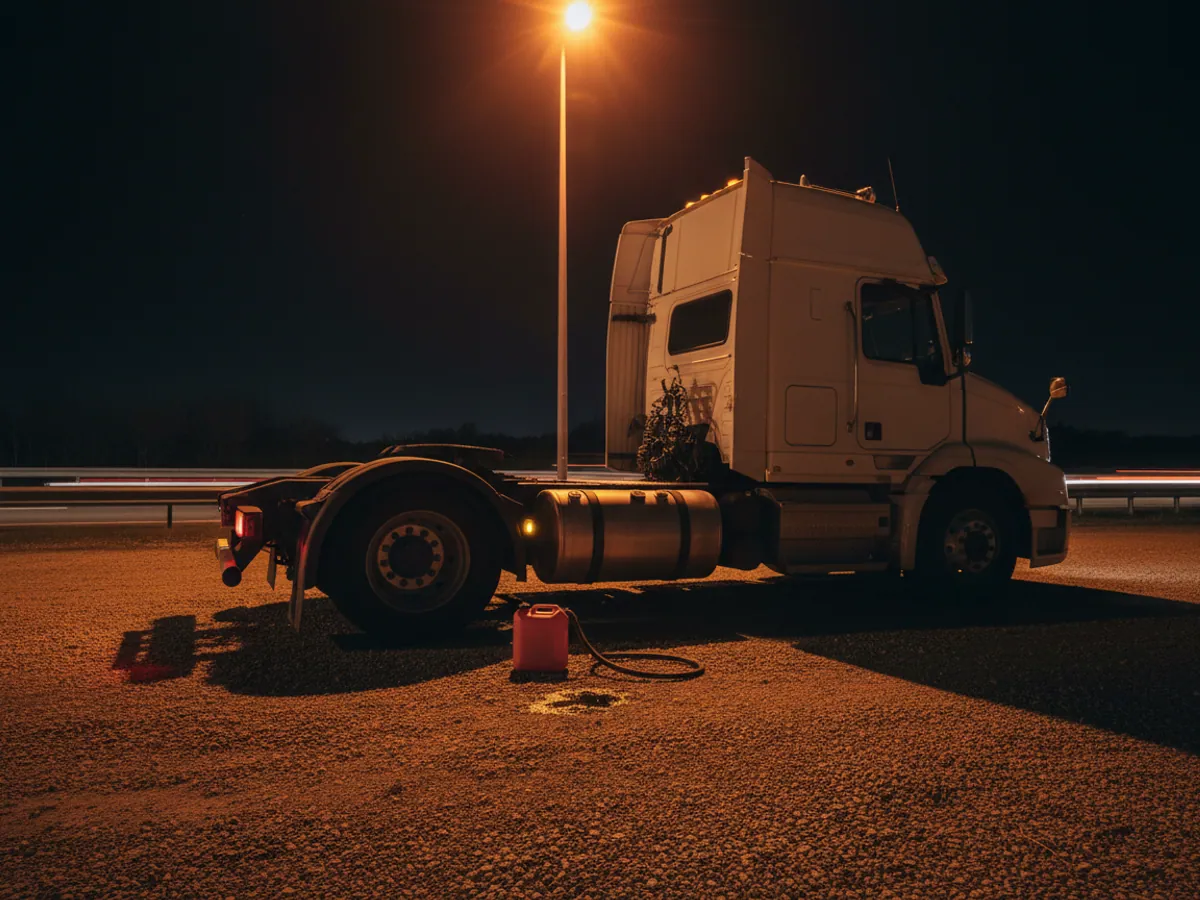
Drivers siphon off the surplus — saved by aggressive driving, or obtained on fake receipts with the fuel bought at unlicensed stations. On long legs such as Baku — Rostov or Baku — Tehran, 100-300 litres can go missing on a single trip.
Unauthorised runs
Using the lorry for jobs on the side while it waits to be unloaded, or on the way back running empty. This is especially common on routes through Georgia and Turkey, and it can take up a noticeable share of a tractor unit's working time.
Missed deadlines
Arriving late to unload at the Alat logistics centre or the port of Poti because of unplanned stops, rest taken off schedule or a detour from the route. Penalties for missed deadlines are written into the contract with the cargo owner, and without a track they are hard to argue about.
Functions for hauliers
Live tracking
Precise coordinates for every tractor unit around the clock, updated every 15-30 seconds on the move and every 3-5 minutes when parked. Trip history is held on GPS.az servers in Azerbaijan (Wialon Local) and is available through the web interface and the mobile app; the retention period is fixed in the contract.
The main tracking capabilities:
- Roaming on the TRACECA routes, in Turkey and in the EU — on a tariff agreed for your destinations
- Less frequent reporting abroad, so that you do not overpay for data
- Geofences for permitted routes and unloading points
- Notifications when the lorry strays more than 5 km from the route
If the network drops out, the tracker stores points in memory and sends them once the connection comes back.
A Baku — Poti trip as the dispatcher and the accountant see it
Take an ordinary trip: the tractor unit leaves the yard in Sumgait, loads at the port of Alat, runs along the M-2 to Gazakh and on to Poti. Here is what the system does along the way, and where its responsibility ends:
- The trip. The dispatcher creates a route with loading and unloading points. The system records entry into and exit from geofences, stops longer than a set time, and departures from the corridor. It does not handle the order itself or the cargo paperwork — those stay in your accounting software.
- Consumption. The fuel level sensor shows refuelling and drains, the CAN bus shows average consumption and idling. The accountant reconciles sensor refuelling events against receipts and the fuel card. Whether the difference is charged to the driver is decided by a manager, not by the system.
- Tachograph. If the tachograph is digital and the tracker can download from it, the files arrive without the driver coming into the office. The report shows driving and rest hours, but it does not draw up your answers to an inspection.
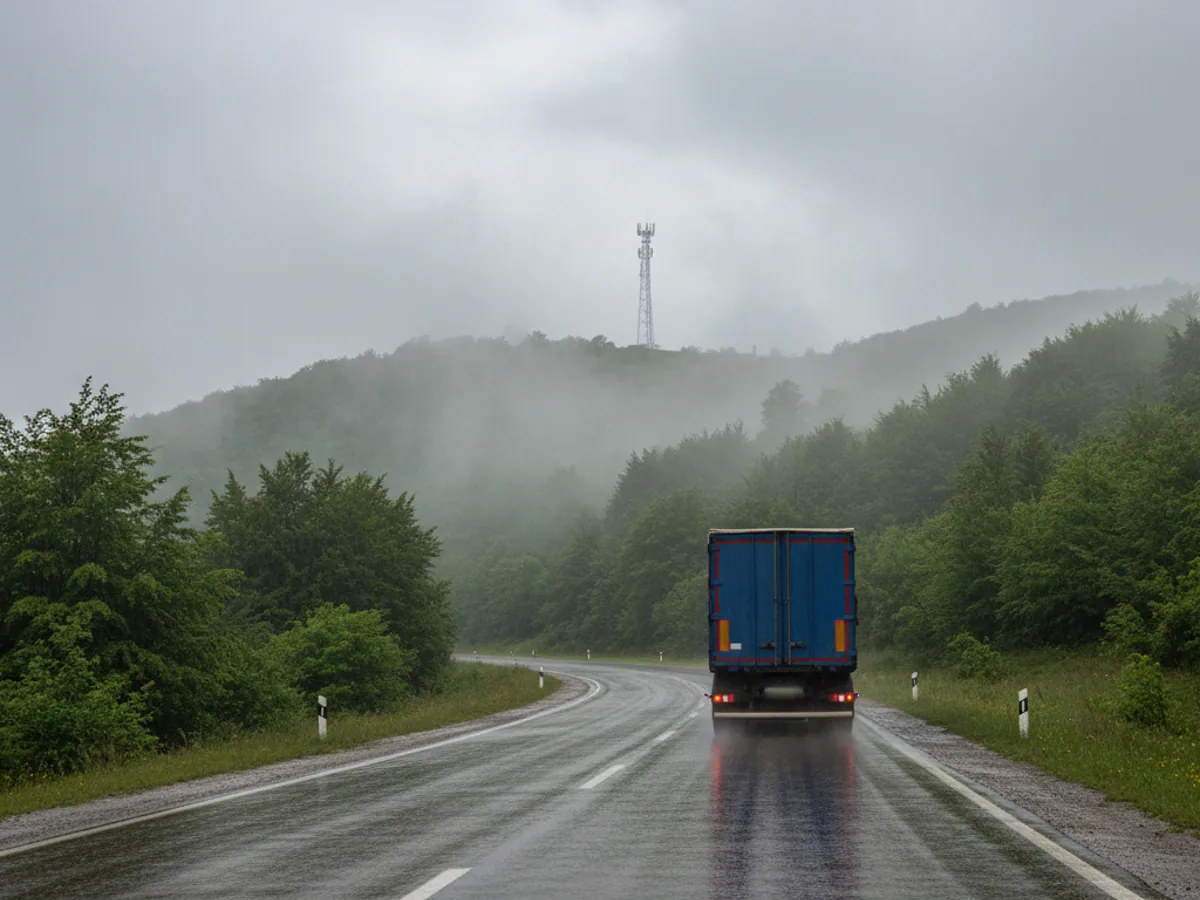
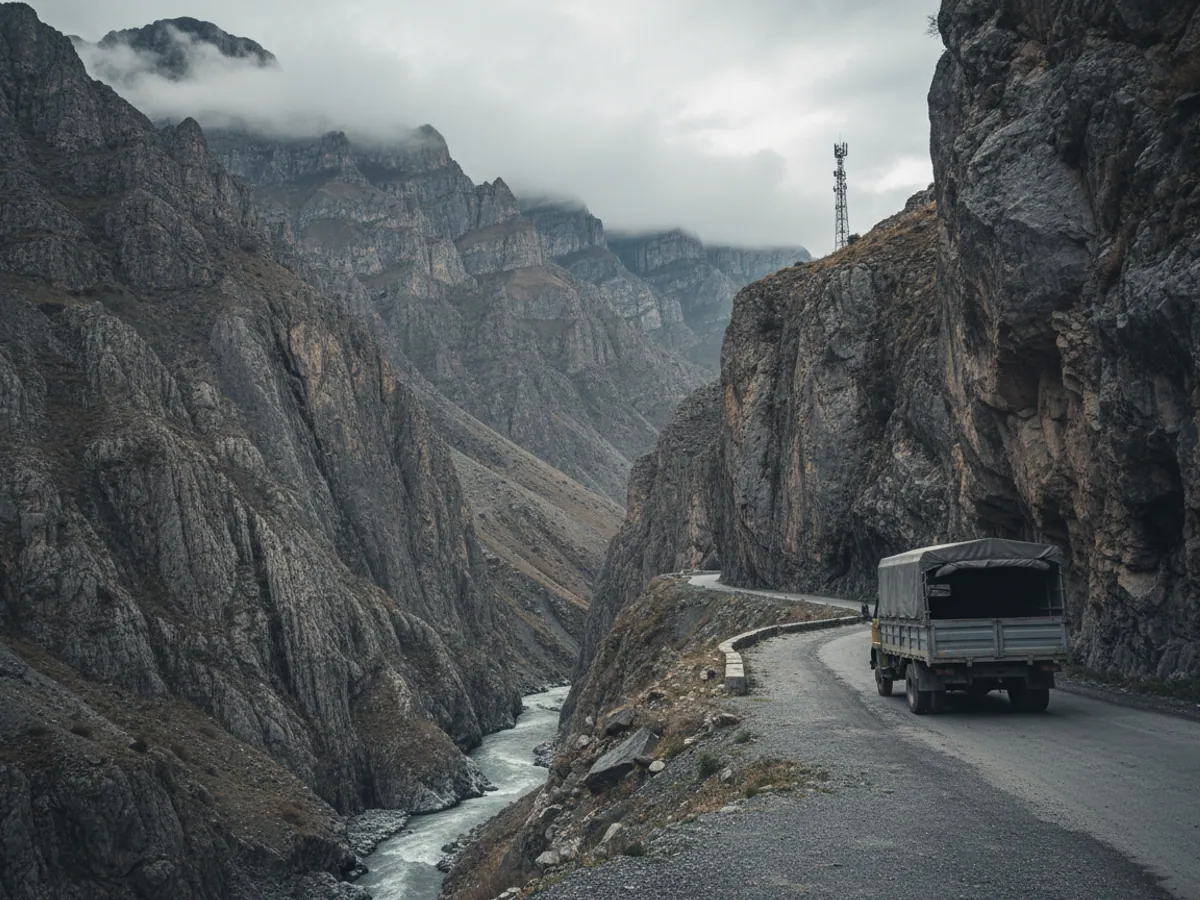
- Roaming. After the Red Bridge the tracker goes into roaming. At the border and in the Georgian mountains coverage can drop out — points arrive later, and so do notifications.
Responsibility for the delivery stays with the haulier under the contract with the cargo owner. The track, the time spent at each point and the log of body openings help reconstruct what happened during the trip and show it to the client. But they do not replace the CMR, cargo insurance or the terms of the contract.
The trip report we usually set up covers: tractor unit, driver, departure and return, mileage by track and by odometer, refuelling by sensor and by receipt, drains, time spent loading and unloading, driving hours, speeding violations.
A pilot on a few tractor units: what it takes and how it is signed off
A pilot works well on 3-5 tractor units running different routes: one domestic, one to Georgia or Turkey. Allow two or three full trips, so that there is something to reconcile.
What we need from the haulier:
- a list of tractor units with model, year and tank capacities;
- waybills, receipts or a fuel card export for the pilot period;
- routes and loading and unloading points for the geofences;
- a person who receives the notifications and works through them with the drivers.
Acceptance criteria are agreed in advance. For example: refuelling by sensor matches the receipts within agreed limits, and every discrepancy has been accounted for; mileage by track has been reconciled with the waybills; the trip report comes together without manual reworking. After that you decide whether to fit out the rest of the fleet.
Eco-driving and cargo security
The system rates driving quality across 8 key parameters: harsh acceleration, emergency braking, sharp cornering, speeding, long idling with the engine running, revs above the economical range, the character of manoeuvring on the open road, and acceleration on descents.
Each driver is given an individual Eco-Driving Score from 0 to 100. Careful driving saves fuel, wears tyres more slowly and treats the cargo more gently on the road; how much of each will show in your own fleet after a few months. The scores then form the basis for driver bonuses and KPIs.
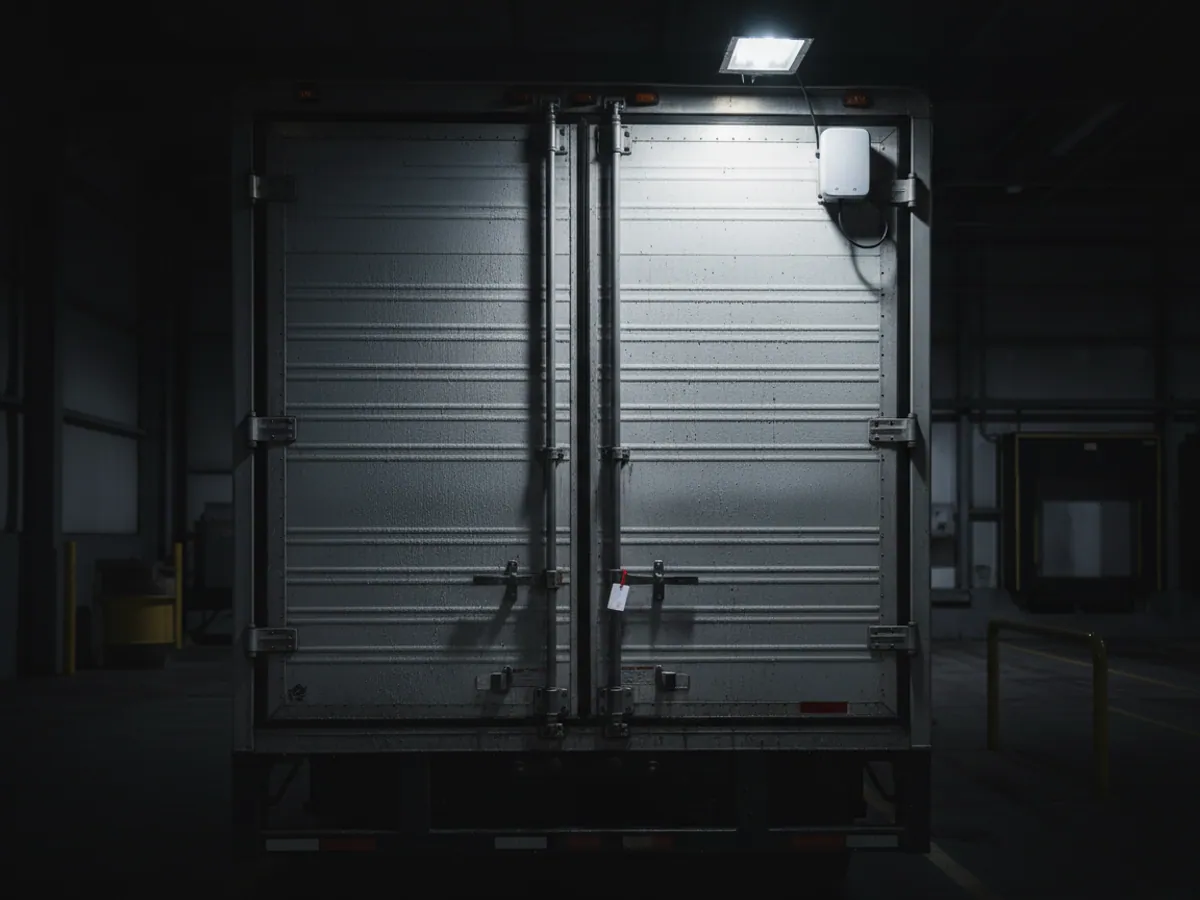
In addition we fit door opening sensors on the body, temperature sensors for Thermo King/Carrier refrigerated units (monitoring -25°C…+25°C) and Howen video recorders covering the cab and the body. These sensors show when and where the body was opened and whether the temperature left the set range, and they send a notification to the dispatcher. They cannot in themselves prevent theft or damage to the cargo: the outcome depends on who receives the notifications and how quickly they react, and without a connection the event will arrive late.
What deployment delivers
Fewer fuel losses
Drains, fake receipts and aggressive driving all become visible. In our deployments consumption usually falls by 15–25%; a pilot will give the exact figure for your fleet.
More mileage
When waiting time at unloading and unnecessary detours are visible on the track, they are easier to cut, and the tractor unit fits in more trips a month.
Discipline
Drivers know they are under digital supervision. Speeding and breaches of rest periods usually fall noticeably in the first few months, provided someone reviews them.
Roaming
SIM cards with roaming for your destinations: Georgia, Turkey, Russia, Iran, the EU. We tune the reporting rate abroad so that data charges do not eat into the budget.
Frequently asked questions
What is used in this sector
What we do end to end
Wialon modules for this sector
How it is used in this industry
Case studies from “Fleets & Transportation Companies”

Thinking of rolling out GPS monitoring in “Freight transport”?
Send us an enquiry and we will price it up for your fleet and pick the hardware for this sector: fleets & transportation companies.
- 1 We pin down the task
A specialist calls back and asks about the vehicles, how many there are and what you need to keep an eye on.
- 2 We put a solution together
We propose the hardware and the features, and set out the one-off and the monthly cost separately.
- 3 We agree the fitting
At your yard or at ours, on a schedule that keeps the vehicles working.
Request a call
A specialist will call back and match a solution to your fleet and your task.