
GPS monitoring for agricultural machinery
We fit tractors, combines, sprayers and fuel bowsers with trackers, fuel level sensors and implement-operation sensors, and we set up Wialon to record area covered, engine hours and consumption per hectare. Fitting is planned 2–4 weeks before the season and handed over on an acceptance plot. Ordinary GPS is accurate to within a few metres: enough for recording area, not enough for parallel driving.
- 06:40 Combine 3 entered field 7, header lowered
- 09:15 MTZ 12 standing 45 min with the engine running
- 11:30 Bowser issued 180 l, combine tank up by 178 l
- 02:10 MTZ 12: level down 45 l, engine switched off
By the start of the season the machines are fitted out, the tanks are calibrated, field boundaries and implement widths are in the system, and the agronomist and the mechanic receive morning reports. Before handover we check every machine on an acceptance plot: area and consumption from the system are compared against a measurement and a refuelling.
The season is short and mistakes in it are expensive
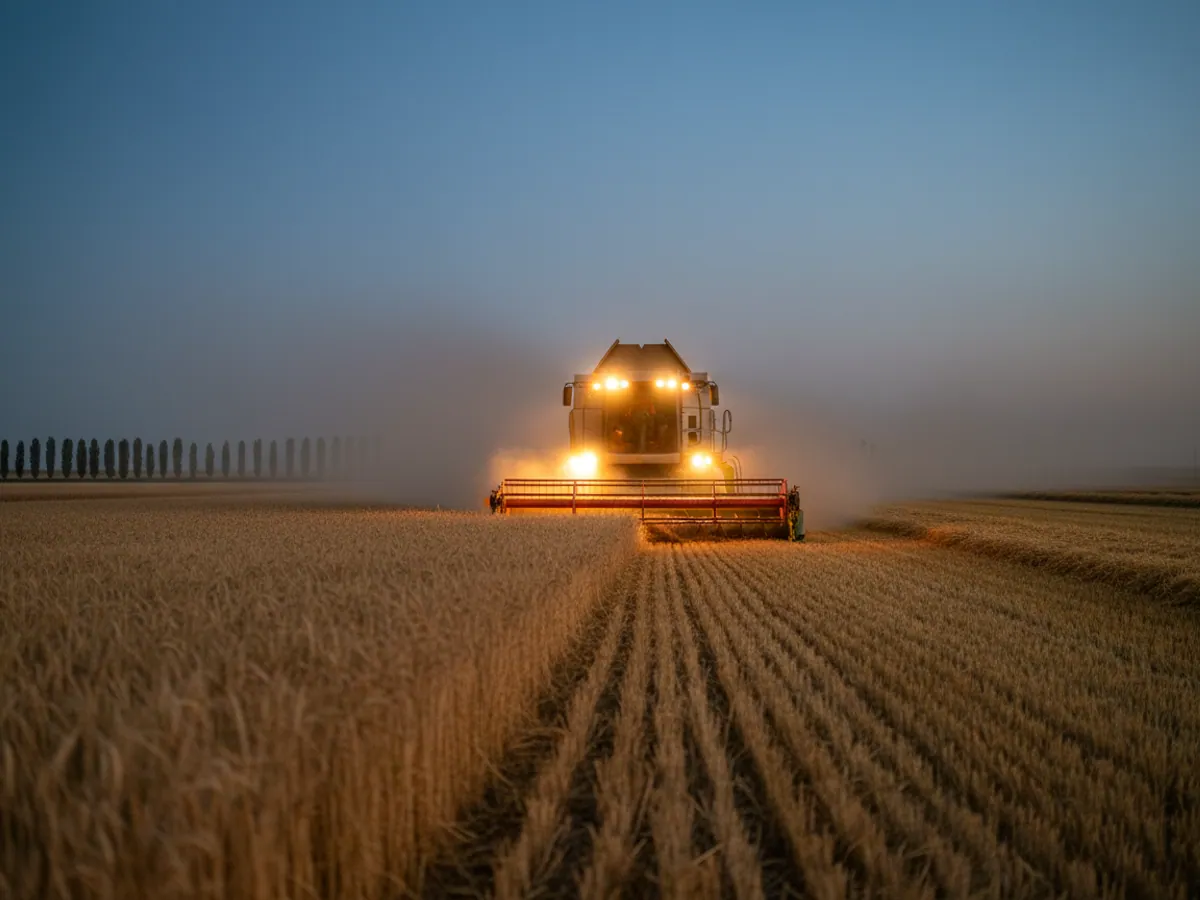
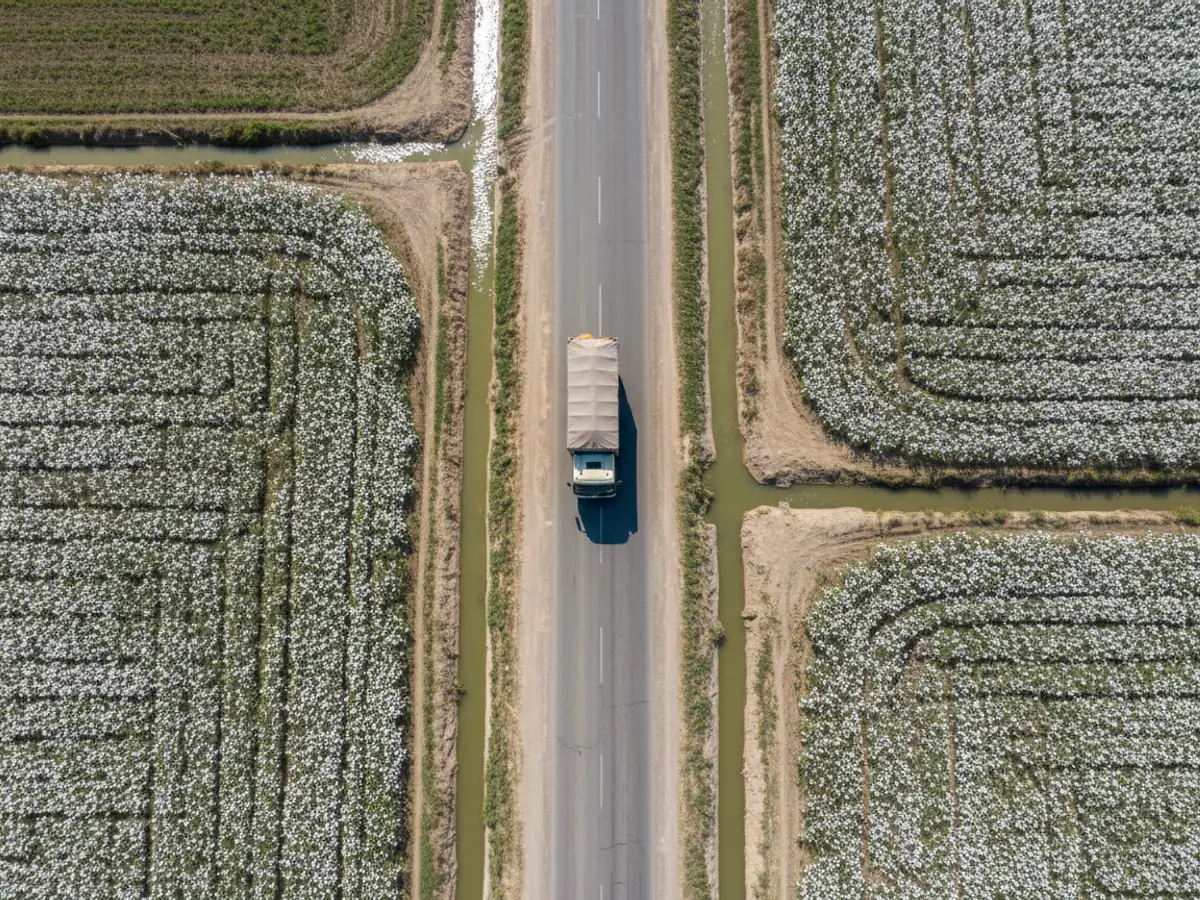
A farm has no room for long experiments. The grain harvest in the Kura-Araz lowland runs for a few weeks, cotton is picked in the autumn, hazelnuts in the Sheki-Zagatala zone are gathered in August. If during those weeks a tractor stood half a day doing nothing and 80 litres of diesel were siphoned out of a combine, what has been lost is not coming back.
GPS monitoring of agricultural machinery shows where each machine is working, how many hectares it has covered, how much fuel it burned in the field and how much on transfers. The agronomist sees which fields have been worked, the mechanic sees how many engine hours each tractor has run, and the director sees what a hectare cost this season.
This page is about the service itself: how we fit out the machines, to what timetable, and what goes on which machine. The general capabilities of the system for agriculture are gathered in the agricultural control and agriculture sections.
How the work goes, step by step
Machines and tanks
Four to six weeks before the season we look at the machines, choose the equipment and agree the budget.
Trackers, fuel sensors, implement sensors
We fit everything on the farm 2–4 weeks before the season and calibrate the tanks in measured portions of fuel.
Boundaries and implements
We enter field boundaries and the working width of each implement and set up the morning reports.
Agronomist and mechanic
A week before the season we walk through the reports and run a trial outing.
Acceptance plot
Area and consumption from the system are checked against the known area of the field and the actual refuelling.
A crew visit to a farm before the harvest
A worked example: a farm near Sabirabad with 2 combines, 5 tractors and a fuel bowser, three weeks before harvest.
- Inspection of machines, tanks and implements 8 machines
Working widths and tank volumes are written down straight away: without them area and consumption cannot be worked out.
- Fitting on the combines and the bowser first in line
Many farms start with the combines and the bowser: that is where the large tanks and the most expensive weeks of the season are.
- Two of the MTZ tractors have no CAN bus limitation
Consumption is taken from the fuel level sensor and implement operation from a separate sensor. Engine revs cannot be obtained without further work.
- Calibration of the tractor tanks fuel sensor
The tank is drained and filled in measured portions. The fuel for calibration is supplied by the farm.
- Acceptance plot: area and fuel add up handover
A pass with the implement lowered across a field of known area, then topping up the tank and comparing with the system.
When to fit: a month before the season, not in the thick of it
The commonest mistake is calling us once the harvest has already begun. At that point nobody will release a machine for a couple of hours, and fuel level sensors need calibrating, which means draining and refilling the tank in measured portions.
The schedule we recommend:
- four to six weeks before the season — inspection of the machines, choice of equipment, agreement on the budget;
- two to four weeks before — fitting of trackers and sensors, tank calibration, field boundaries in the system;
- a week before — training for the agronomist and the mechanic, a trial outing;
- during the season — monitoring only, with minor adjustments.
Fitting takes between 1.5 and 4 hours per machine depending on the set of sensors. The crew comes out to the farm, so nothing has to be driven anywhere. For farms in Salyan, Sabirabad, Beylagan or Aghjabadi we plan the visit so that all the machines are covered in one or two days.
If the season is already under way, we at least fit the trackers without fuel level sensors. You will have location, engine hours and area covered, and we add fuel after the harvest.
What goes on which machine
The set of equipment depends on the type of machine and on what the farm wants to keep an eye on. There is no need to fit everything at once: many farms start with the combines and the fuel bowser and add the tractors in time for the next season. The typical sets:
Tractors
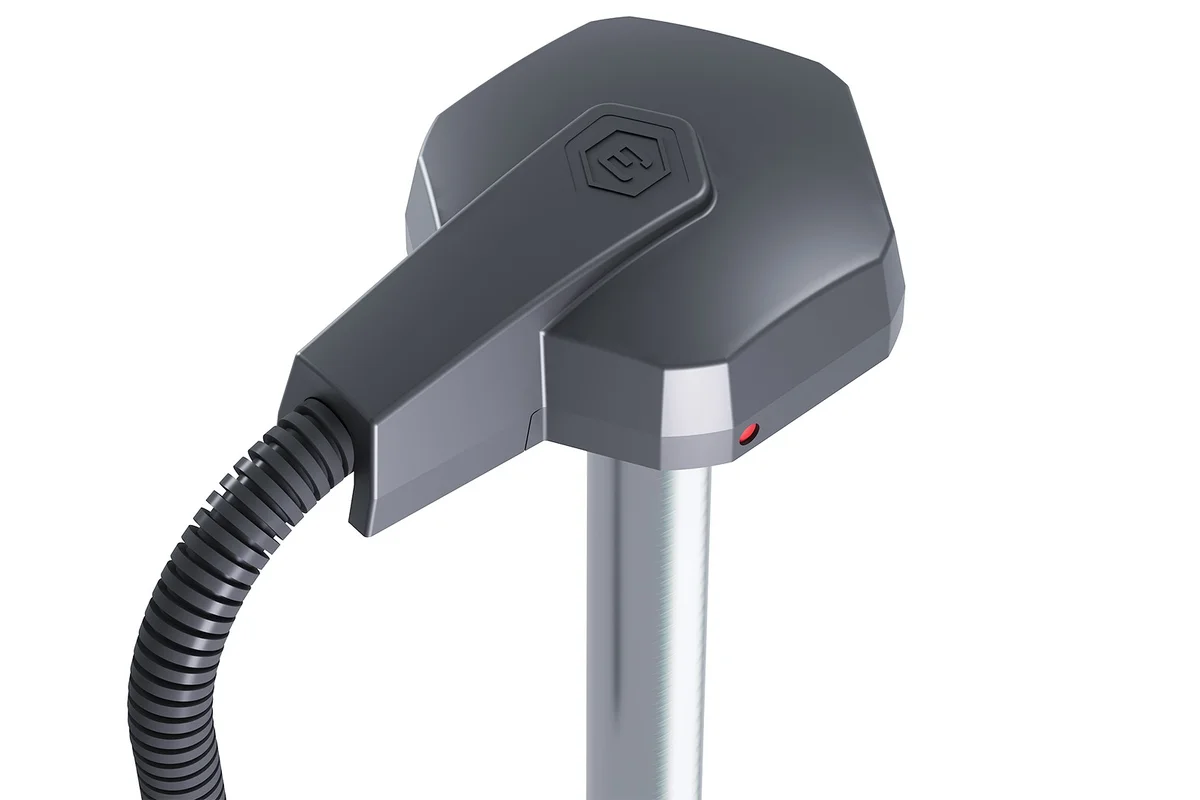
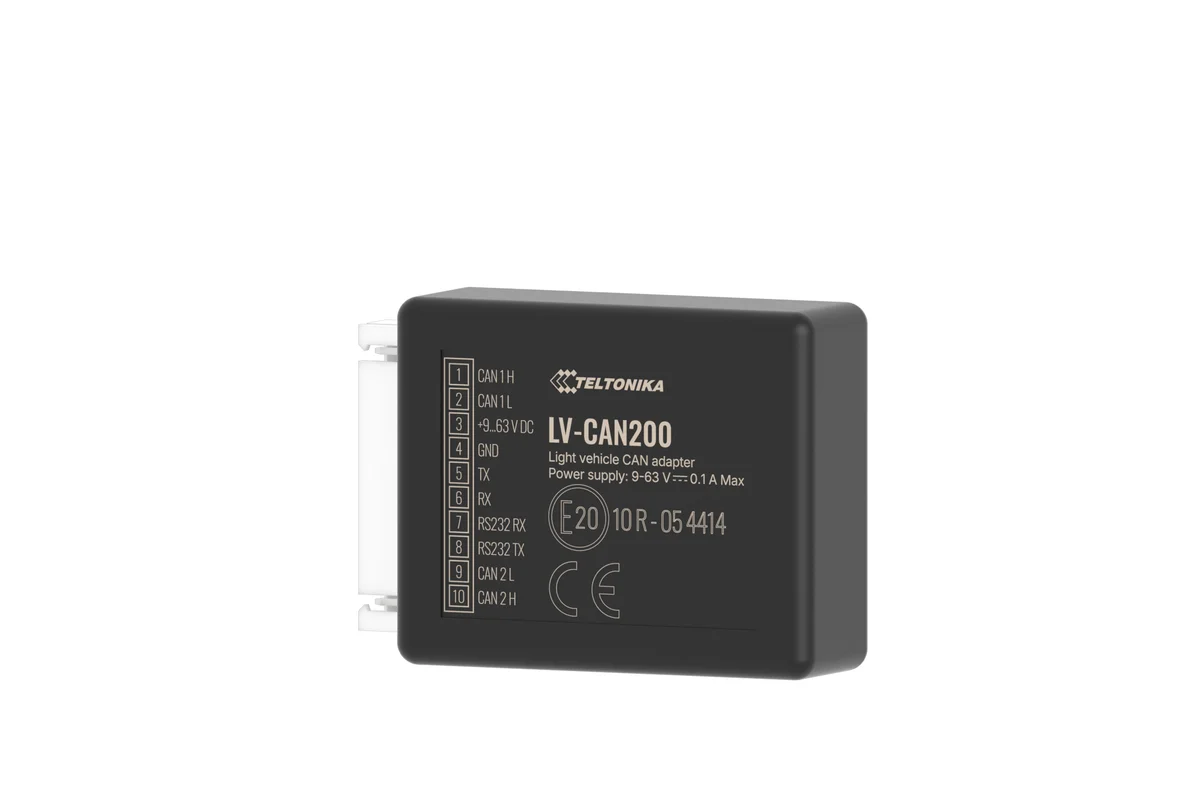
A tracker, a fuel level sensor and, where available, CAN readings. For work with an implement we add a sensor that shows whether the implement is lowered, so that hectares are counted only under load.
Combines
A tracker and a fuel level sensor in every tank, with the header width entered in the system so that area can be calculated. On modern machines with CAN: engine revs, engine hours and consumption.
Sprayers
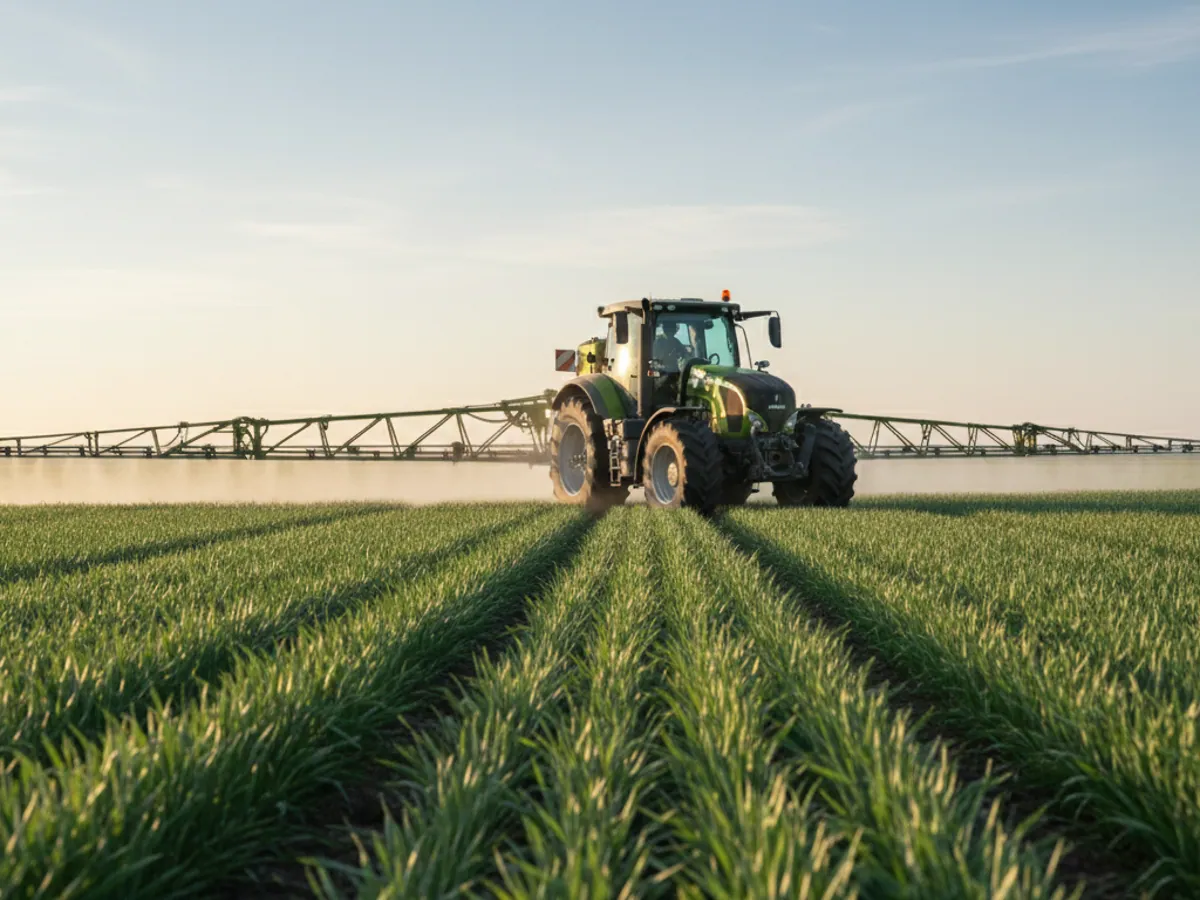
A tracker and a pump-on sensor. The report shows where the machine was travelling with spraying switched on and where it was simply driving.
Lorries for the crop
A tracker and, where needed, an axle load sensor. You can see how many runs a KamAZ made from the field to the threshing floor or the store, and whether it called in anywhere else on the way.
Fuel bowsers
A tracker, a fuel level sensor in the tank and sometimes a flow meter. The reconciliation: how much the bowser issued against how much reached the tractors' tanks.
How this works for different crops
Wheat and barley in the Kura-Araz lowland
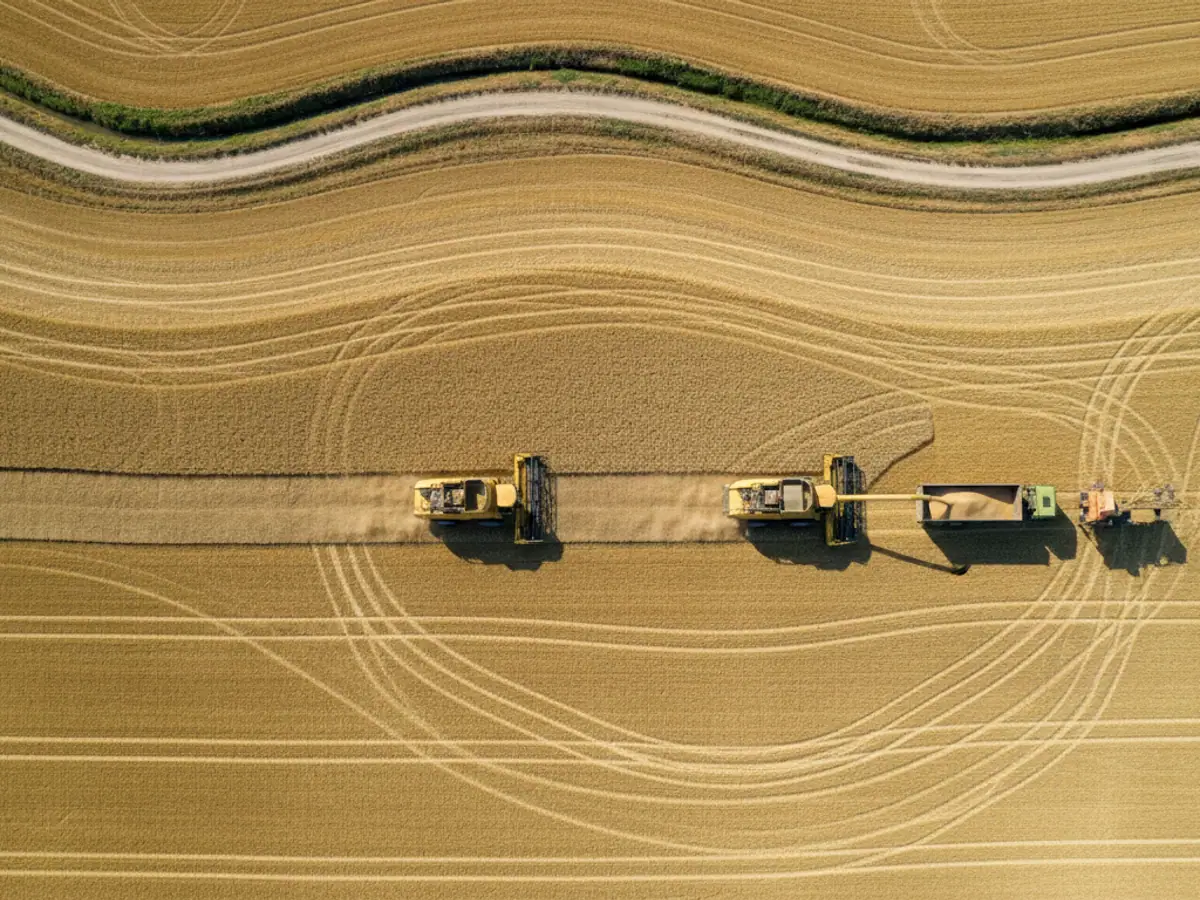
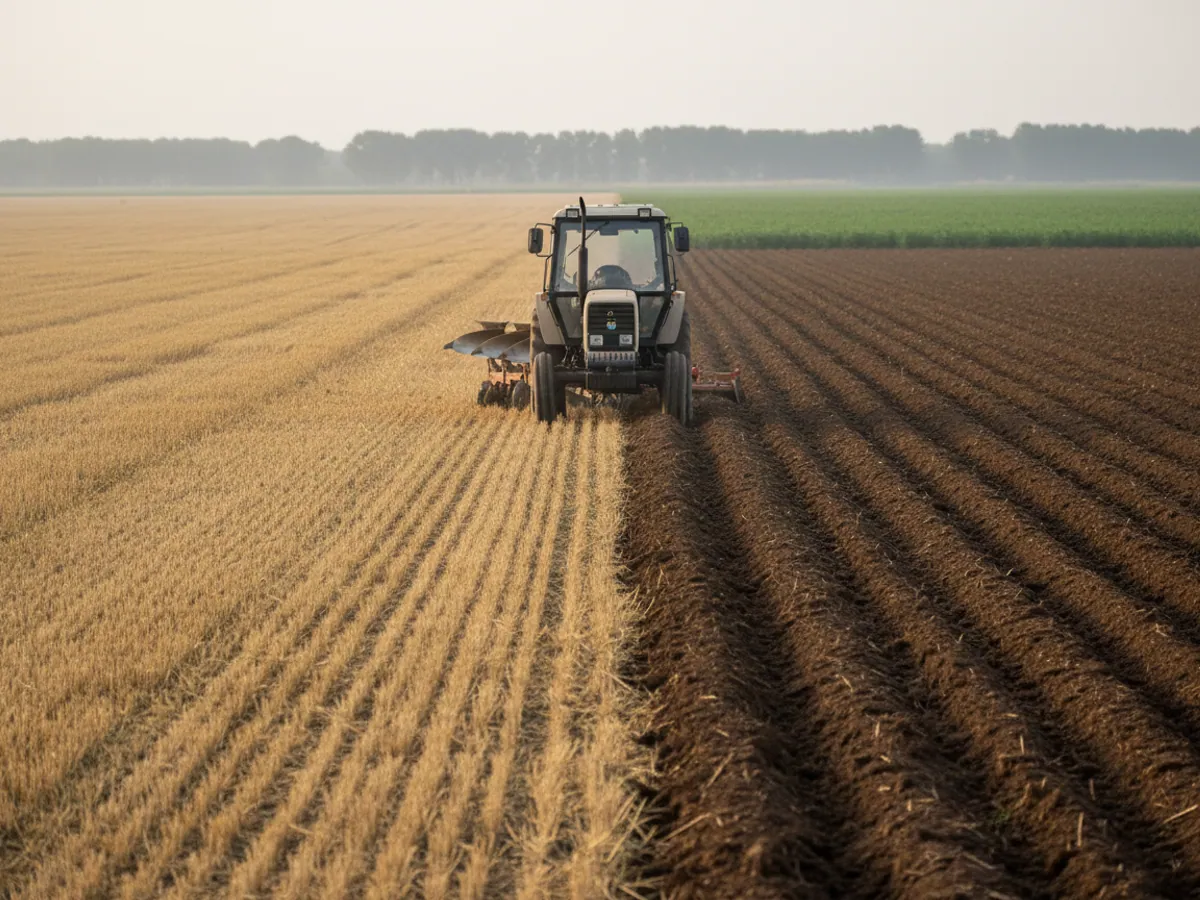
Large fields, a short harvest, many machines working at once. What matters most is the area each combine clears in a shift and the fuel consumed per hectare. The difference between combine drivers on identical machines can be 15–20%, and it is immediately visible.
We keep a separate eye on the vehicles carrying grain from the field: the number of runs, loading times and stops along the way.
An example: what a hectare costs and where it gets dearer
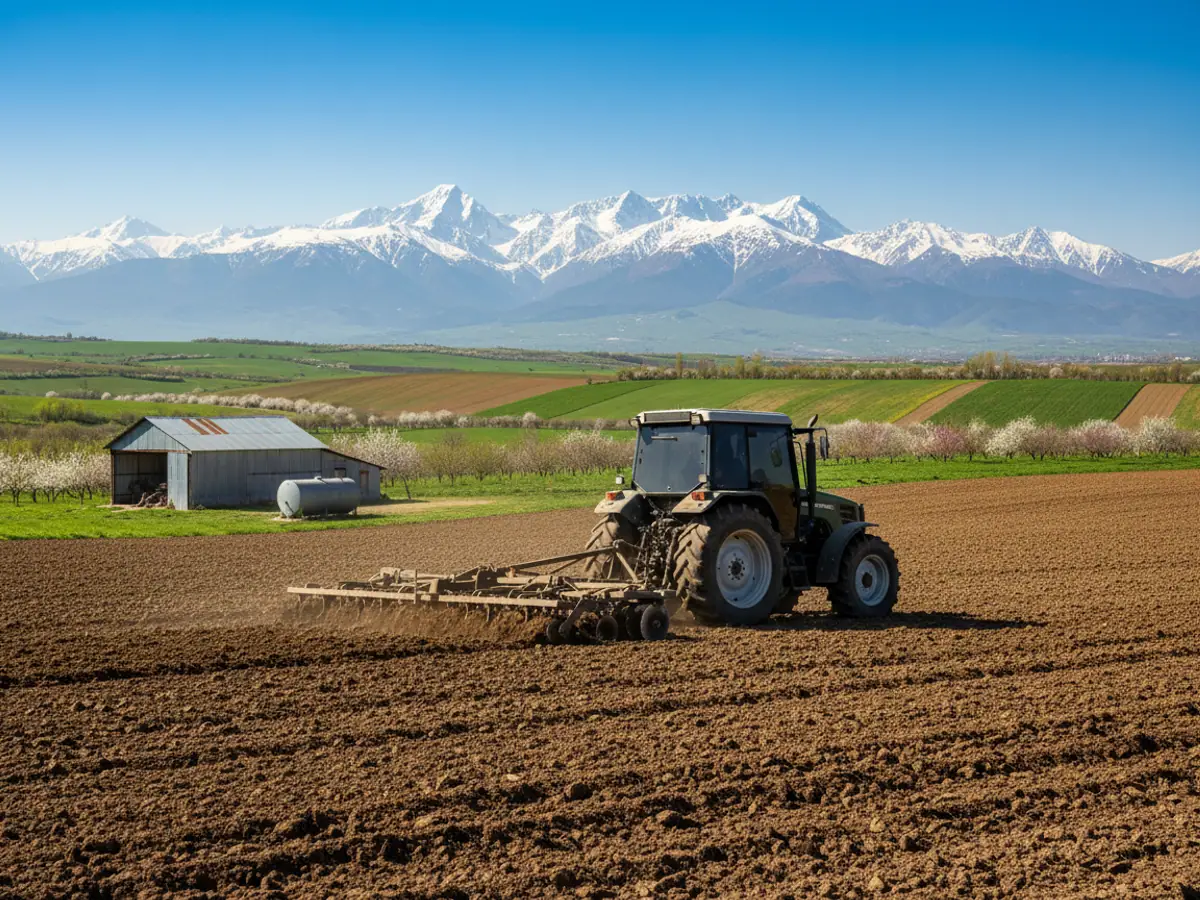
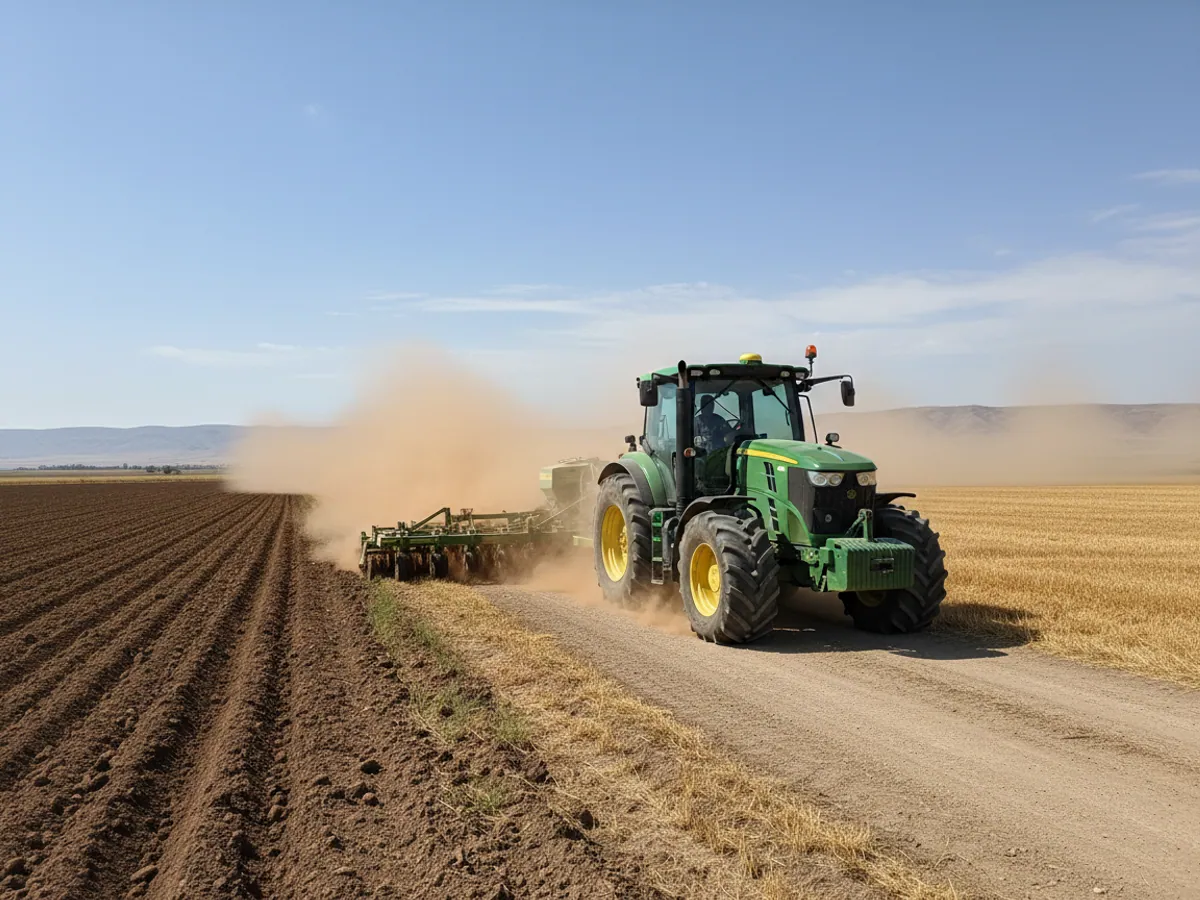
Take a farm with 12 tractors doing cultivation. After the first month of monitoring the report shows:
- average consumption of 6–7 litres per hectare, but two tractors at 9–10 l/ha on the same fields with the same implements;
- around 20% of engine hours going on transfers between fields and on standing with the engine running;
- on one tractor the fuel level dropped twice at night by 40–50 litres with the engine switched off.
What follows is ordinary work: the two thirsty tractors go to the mechanic, the transfer routes between fields are rearranged, and the night-time drops in level are looked into. The saving is counted in litres per hectare against the first month.
For recording the hours each machine has run and planning servicing between seasons, the engine-hour recording section is useful.
The acceptance plot: how we check area and fuel
Choosing the plot
A field, or part of one, whose area is known: from the cadastral boundary, from a GPS walk-round measurement or from the farm's own figures. A rectangular plot without awkward edges is best, so that the area is not open to doubt.
A pass with the implement
The tractor or combine works across the plot in its normal operating mode. The working width in the system matches the actual implement, and the implement-operation sensor marks where it was lowered.
Reconciling area
The area from the Wialon report is compared with the known area of the plot. A small discrepancy caused by overlaps and headland turns is normal; if it is larger than agreed, we check the working width and the settings of the implement sensor.
Reconciling fuel
Before and after the pass we top the tank up to full or record the level from the fuel sensor, and compare consumption from the system with the actual refuelling. That shows whether the calibration table has come out right.
The scope of the work and what we need from the farm
Included
Inspection of the machines, a fitting plan ahead of the season, installation of trackers and sensors, tank calibration, entry of fields and implements, morning reports, training for the agronomist and the mechanic, and the acceptance plot.
Not included
Parallel driving and RTK systems, repairs to the electrics of older machines, digitising fields from cadastral data where the farm has no boundaries, and piece-rate calculations for machine operators.
From the farm
A list of the machines with their tanks and implements, field boundaries or the chance to drive round them, fuel for calibration, a mechanic to take responsibility, and a window of 2–4 weeks before the season when machines can be released for fitting.
What the agronomist and the mechanic see every morning
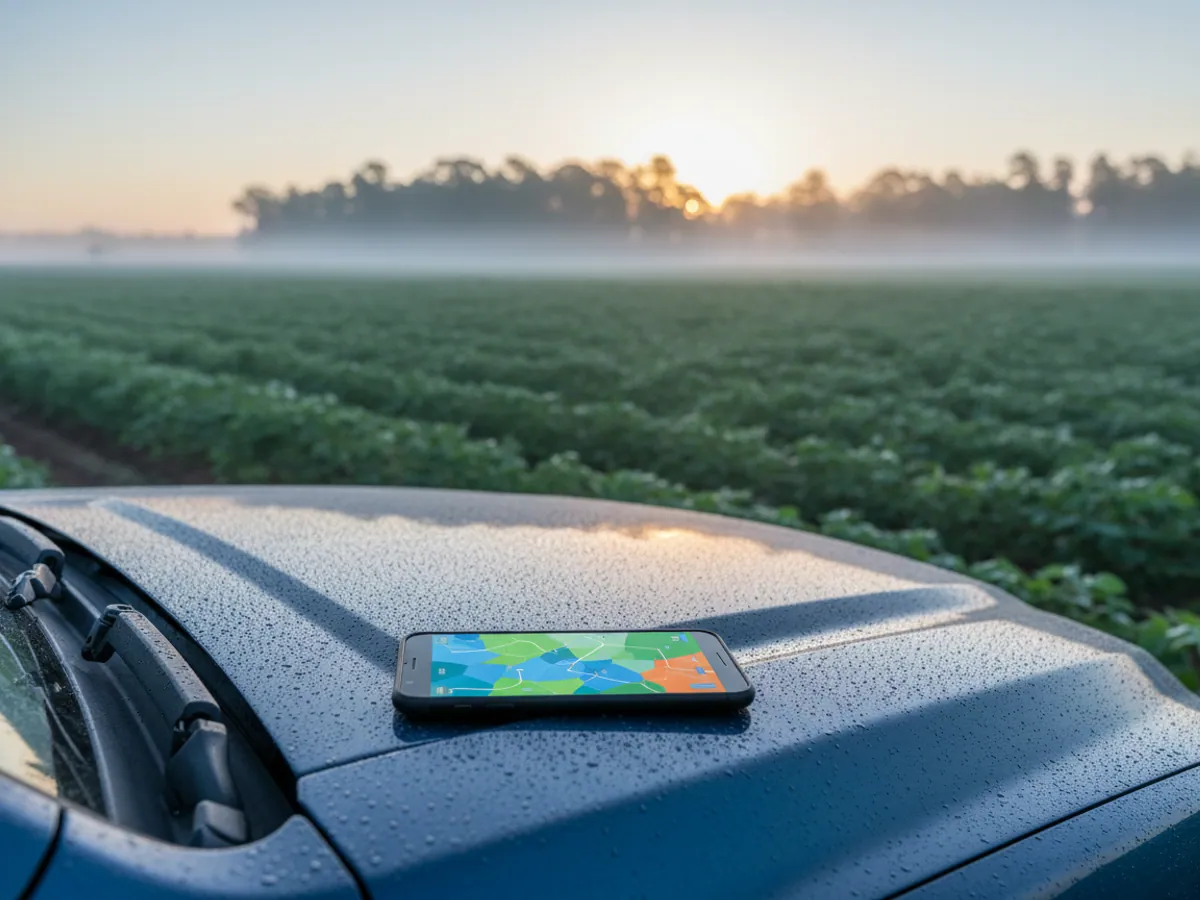
After go-live we set up a set of reports that arrives by email or opens on a phone. The typical morning set during the season:
- the area each machine covered yesterday, broken down by field and operation;
- fuel consumption per hectare and per engine hour, with machines that have gone over the norm singled out;
- stops of more than 30 minutes during working hours with the engine running;
- departures beyond the boundaries of the fields and the farm, especially at night and at weekends;
- fuel events: refuelling from the bowser and drops in level outside working time.
For farms that need to plan field operations and keep a history of their fields across seasons we add Wialon Hecterra: it handles operation assignments, crop rotation and field reports.
An honest word about accuracy and limits
An ordinary GPS tracker fixes coordinates to within a few metres. That is enough to calculate the area covered, to spot missed patches tens of metres across and to tell which field a tractor was working. It is not enough for precision farming with parallel driving, which needs centimetre accuracy and separate equipment with RTK correction. We neither sell such systems nor promise them.
The second limit is older machines. MTZ and T-150 tractors without electronics have no CAN data. Consumption is counted from the fuel level sensor and implement operation from a separate sensor, and engine revs cannot be obtained without further work.
The third is coverage. In fields in the central part of the country the Azercell, Bakcell and Nar networks are usually good enough, but in some low-lying areas and foothills the signal drops out. The tracker records the track in memory and uploads it later, so no data is lost, but at those moments it cannot be watched in real time.
What the farm gets over a season
Fuel per hectare
Visible for every machine and every operator. Fuel drains and overconsumption usually fall in the first month after the conversations start.
Area without padding
Piece-rate pay for machine operators based on hectares from the system, provided the implement has an operation sensor. An argument about how much was ploughed moves to the track and the field report.
Less idle time
The dispatcher can see which machines are standing and move them to another field while the season is still on.
Servicing between seasons
The engine hours each machine ran over the season are the basis for planned repairs in winter rather than emergency ones in the middle of the harvest.
What we use on the job
GPS monitoring and parallel driving
These are different systems. We fit monitoring and we do not promise centimetre accuracy.
| GPS monitoring | Parallel driving (RTK) | |
|---|---|---|
| Area and large missed patches | Yes, accurate to a few metres | Yes, centimetre accuracy |
| Fuel consumption per hectare | Yes, with a fuel level sensor in the tank | No, a different job |
| Engine hours and idle time | Yes | No |
| Automatic steering along rows | No | Yes, with RTK correction |
| Fitted by GPS.az | Yes | No, we do not sell it |
Questions about “GPS monitoring for agricultural machinery”
Request a call
A specialist will call back and match a solution to your fleet and your task.
Similar scenarios
How similar jobs are done on Teltonika hardware
The GH5200 personal tracker for workers
Agriculture, construction and mining
Service schedules for farm machinery from CAN data
Agriculture, construction and mining
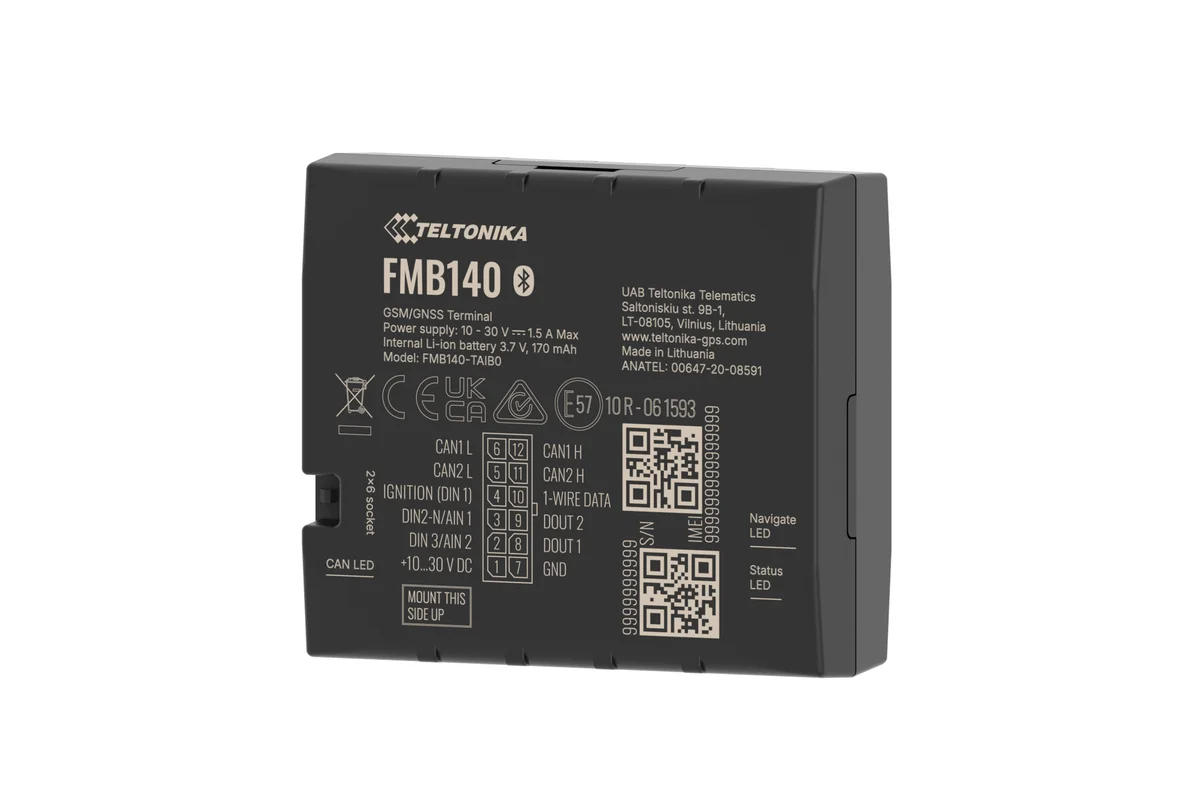
Recording farm machinery and implements with the FMB140
Agriculture, construction and mining