
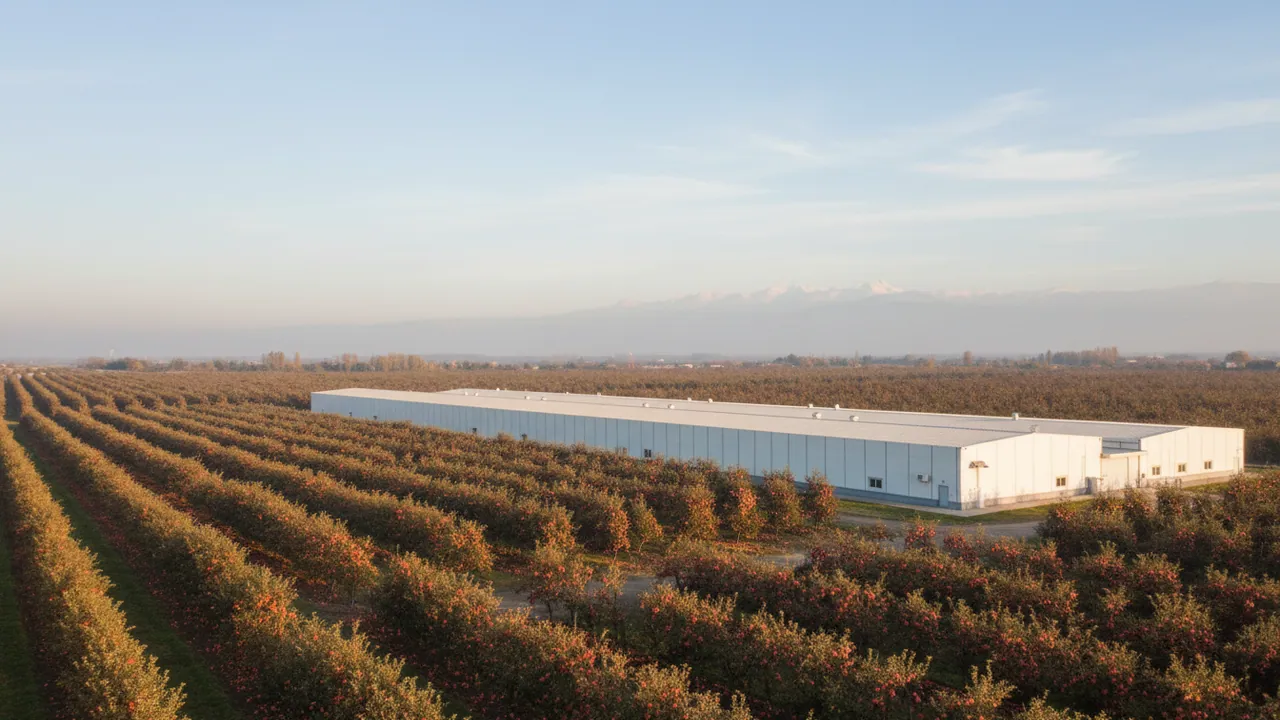
Monitoring grain elevators, stores and processing plants
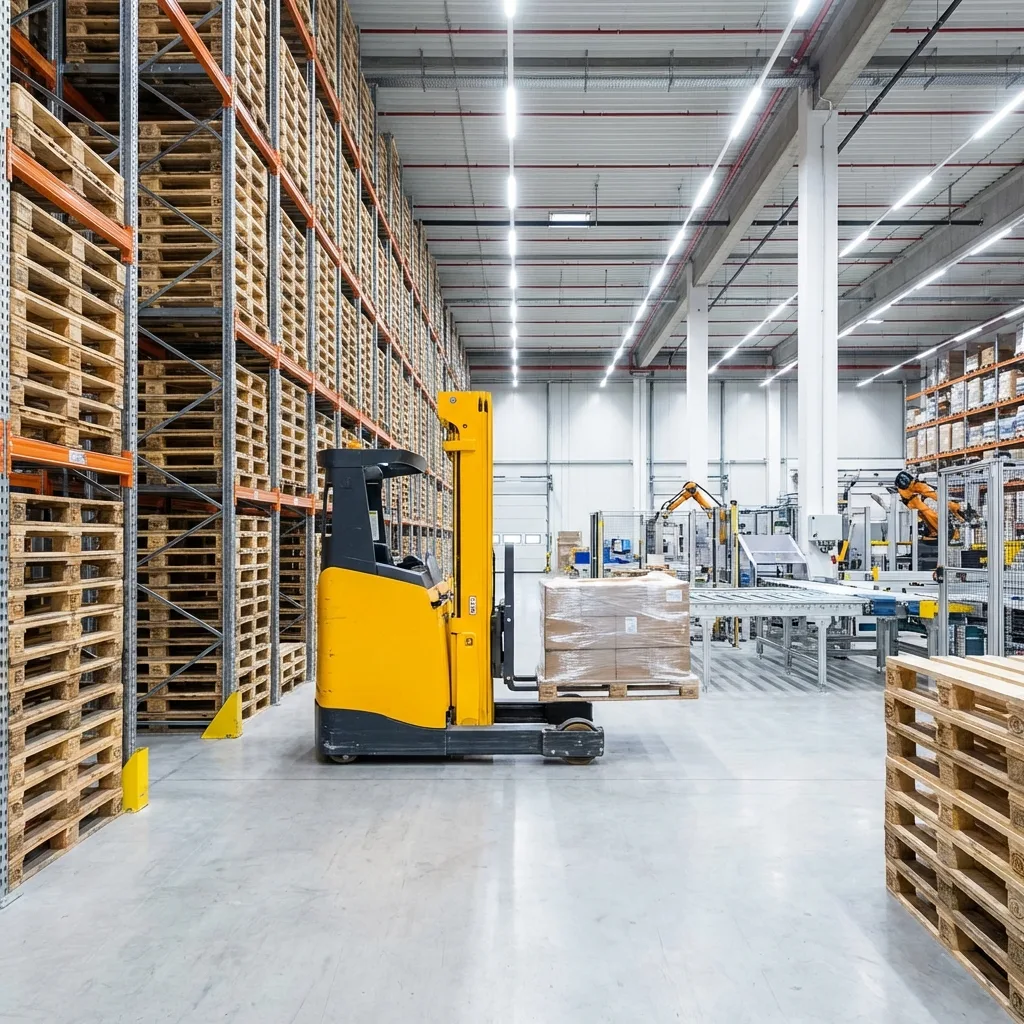
Temperature in cold chambers and stores, fuel in the tanks of dryers and generators, forklifts and vehicles at the intake point, security patrols. For grain elevators, fruit stores, cotton gins and processing shops, in the same system where you watch your vehicles.
Keeping what you have grown
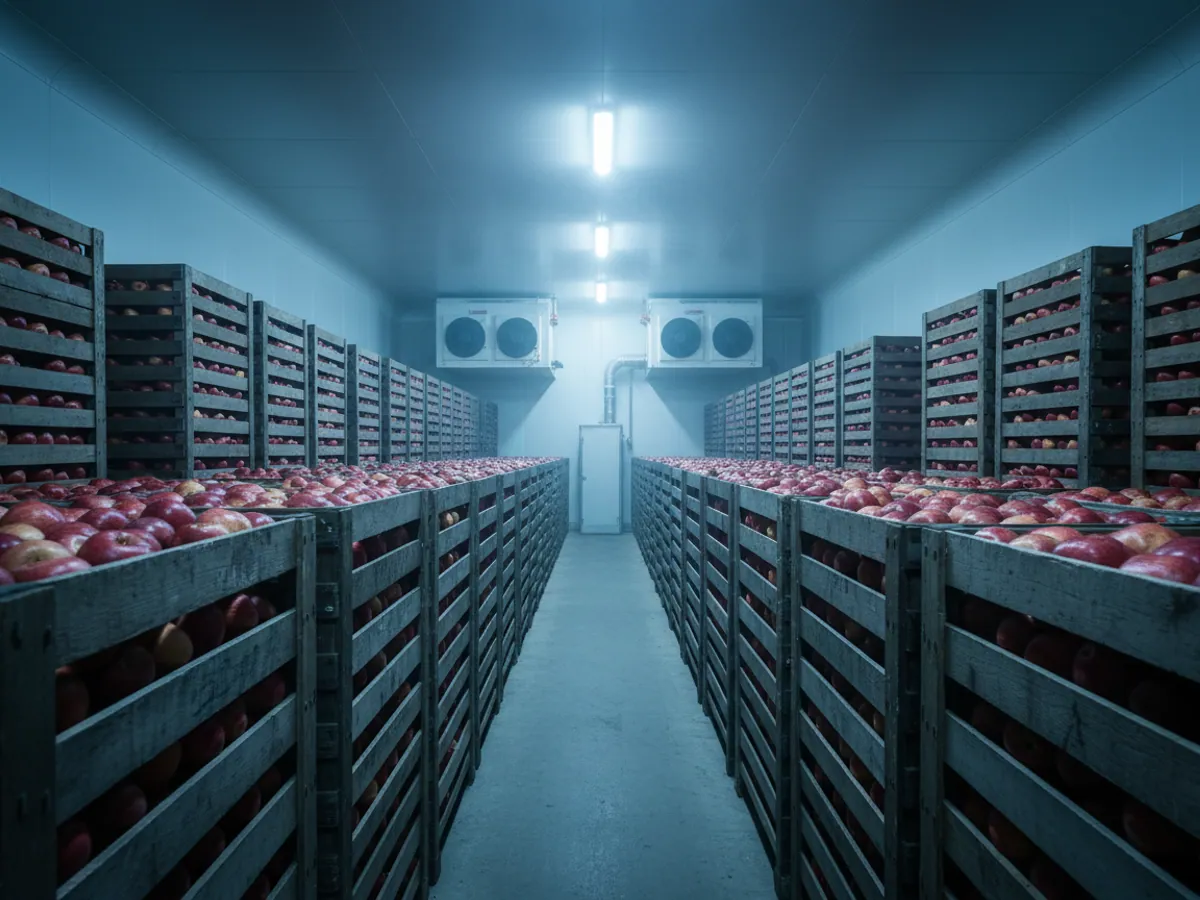
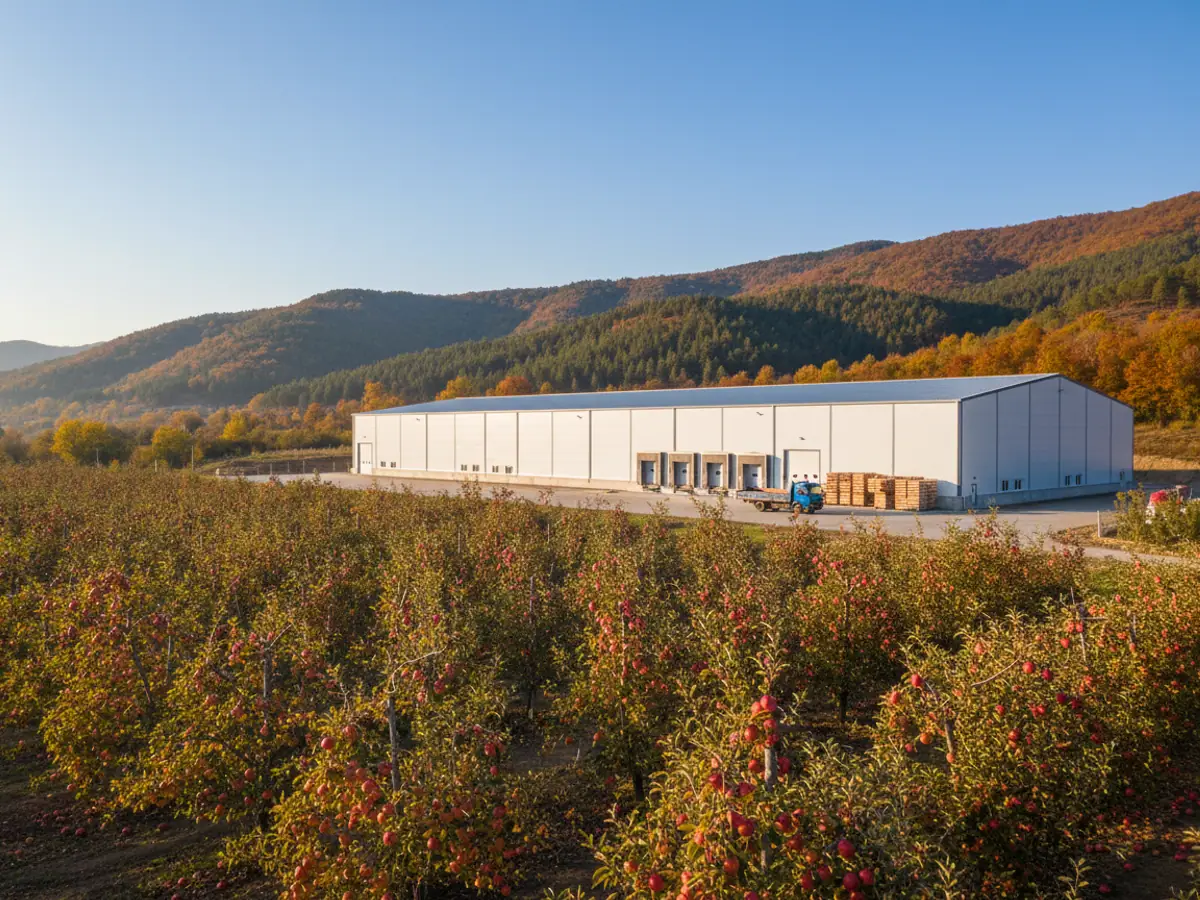
The harvest in store looks quiet enough until it starts to spoil. Apples in a chamber that has run two degrees above the norm for a week lose their market appearance by spring. Grain with high moisture content starts to heat up in the silo. People find out at despatch, when nothing can be put right.
We build monitoring for grain elevators and stores from the same components as vehicle monitoring: trackers, wireless sensors, fuel level sensors and the Wialon platform with its notifications. The difference is that the object stands still instead of moving, and what has to be watched is the conditions inside it.
To be honest about the limits: we do not design refrigeration equipment, silo ventilation systems or laboratory quality control. Our job is to make sure deviations in them are visible in time and do not depend on whether the storeman got as far as the far chamber.
A fruit store in Guba: February, chamber no. 4
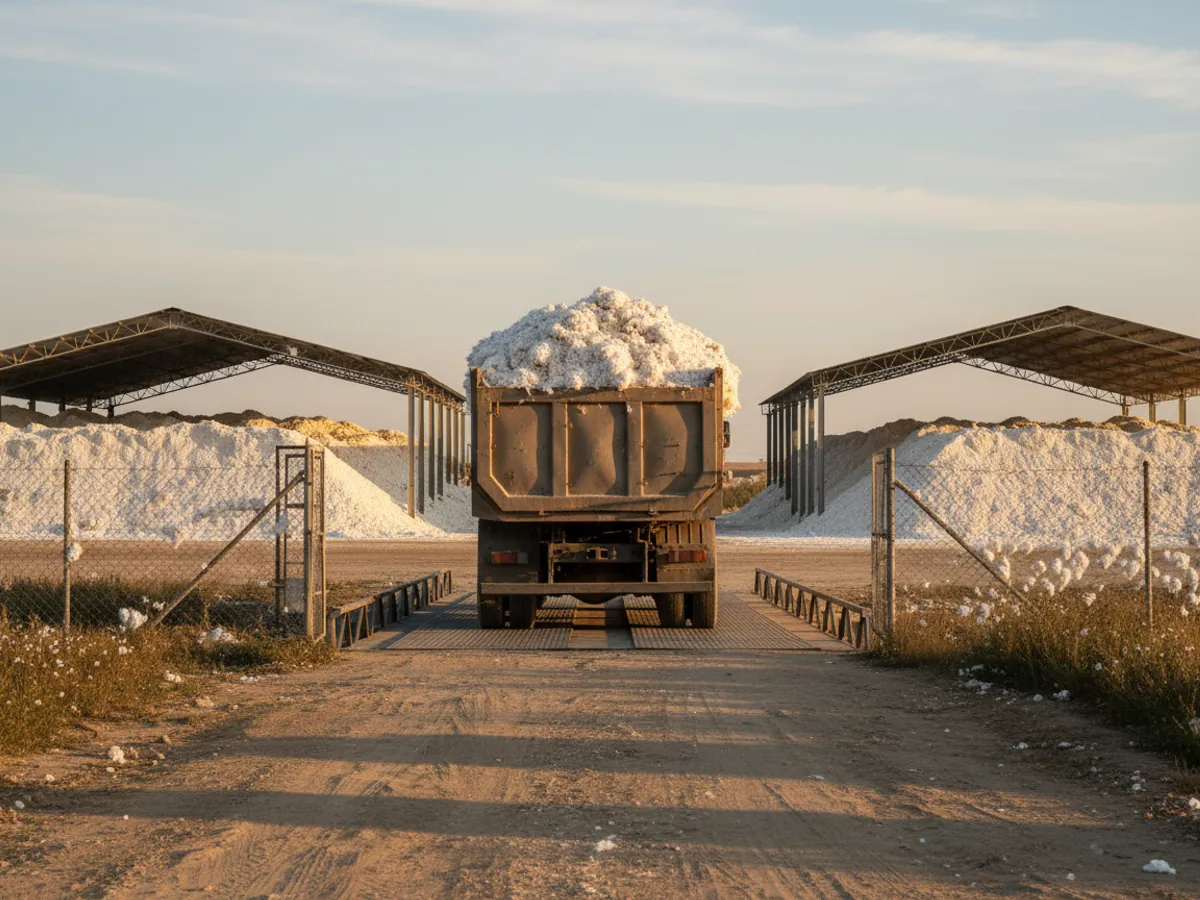
The farm puts apples into store in the autumn and sells them through to spring, when prices are higher. There are eight chambers in the store; the storeman walks round them twice a day and writes the thermometer readings into a log.
In February the refrigeration unit in chamber no. 4 starts working intermittently. During the day, at the time of the round, everything is normal. At night the temperature rises by three or four degrees and comes back down by morning. The log does not see this.
A wireless sensor in the chamber records the temperature round the clock. On the second night a notification arrives: the temperature has been above the threshold for more than an hour. In the morning the chart shows that the problem repeats every night at the same time. The refrigeration service engineers come out that day, rather than a month later when the apples start to go off.
The same scheme suits any fixed installation: stores, chambers, silos, tanks.
Risks at the storage and processing stage
In a store or a workshop, losses are rarely sudden. They usually build up slowly in the places nobody is watching:
Spoiled produce
Night-time temperature swings in the chambers, self-heating grain, damp in the cotton store. During the day, on the round, everything looks fine.
Goods leaving unrecorded
A vehicle leaves at night, or on a note made out for a lower weight. Without data on which vehicles were on site and when, there is nothing to check against.
Fuel for dryers and generators
Diesel for grain dryers and standby generators is written off against a norm, while the tanks hold less than the paperwork says.
Idle time at intake
In season, vehicles stand at the gate for hours while the forklifts inside work at half pace. The bottleneck is invisible without data on timings.
What we monitor at the elevator, the store and the plant
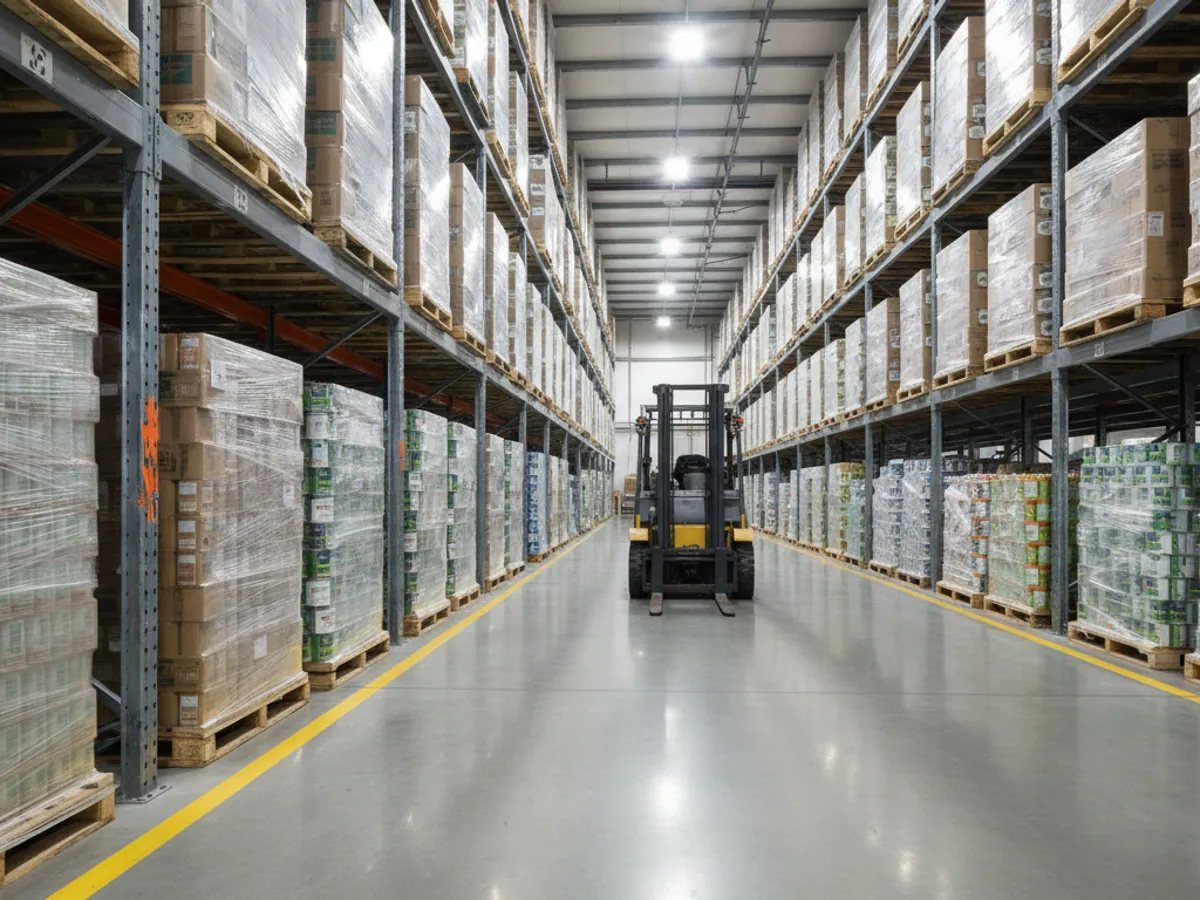
Temperature and humidity in chambers and stores
Wireless sensors such as the Teltonika EYE Sensor are placed in storage chambers, finished goods stores and cotton stores. They send temperature and humidity to a tracker acting as a gateway in the building, and from there the data goes to Wialon.
Each chamber is given its own band: one for apples, another for potatoes, a third for onions. If it goes outside that band for longer than the set time, the storeman and the store manager are notified.
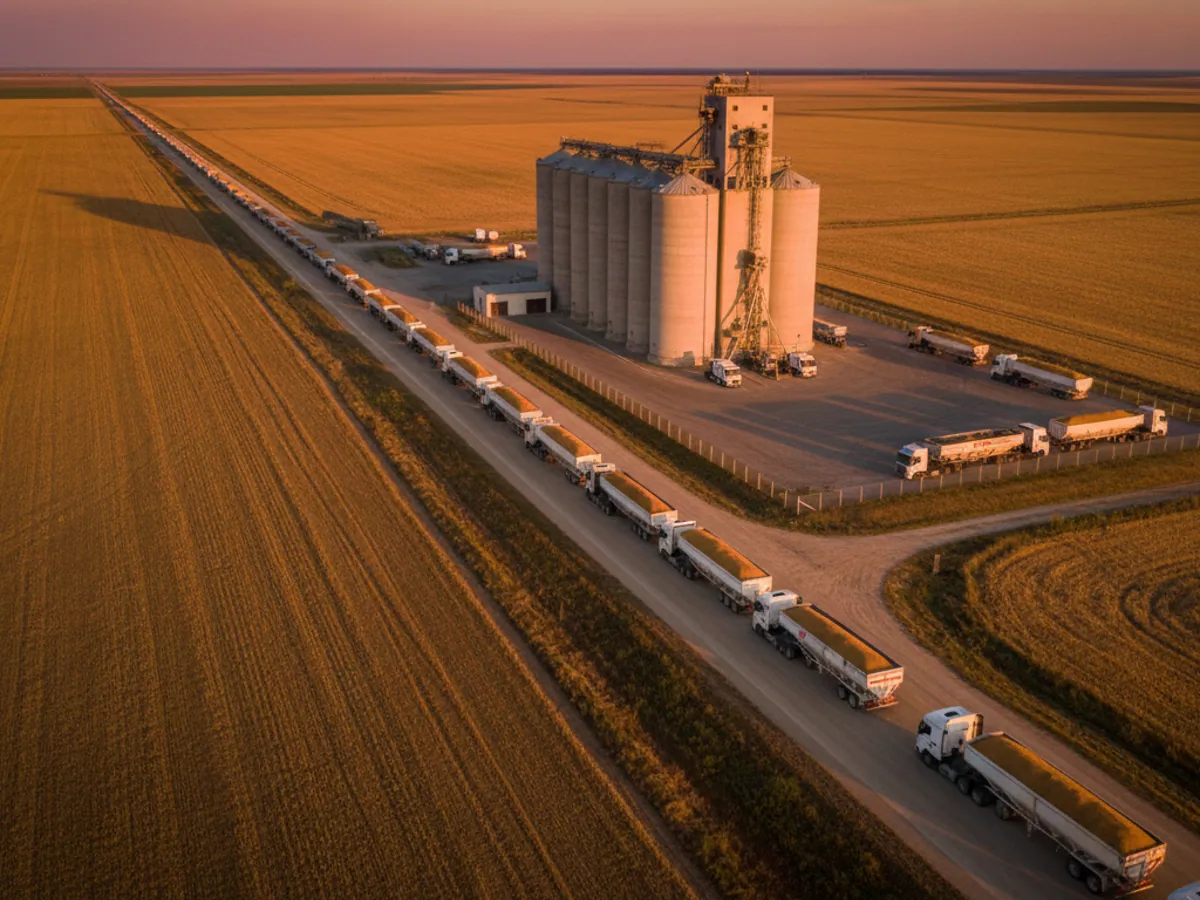
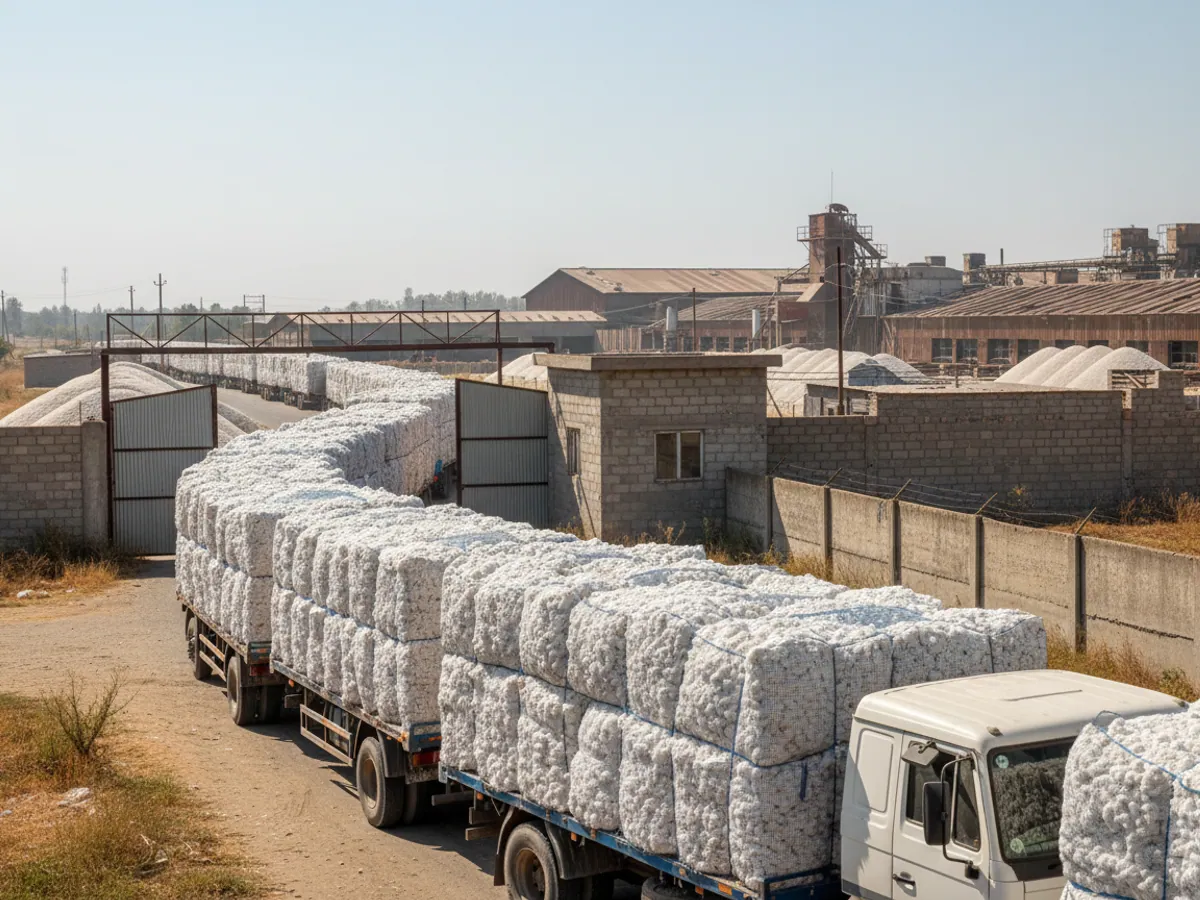
Intake in season: vehicles at the gate
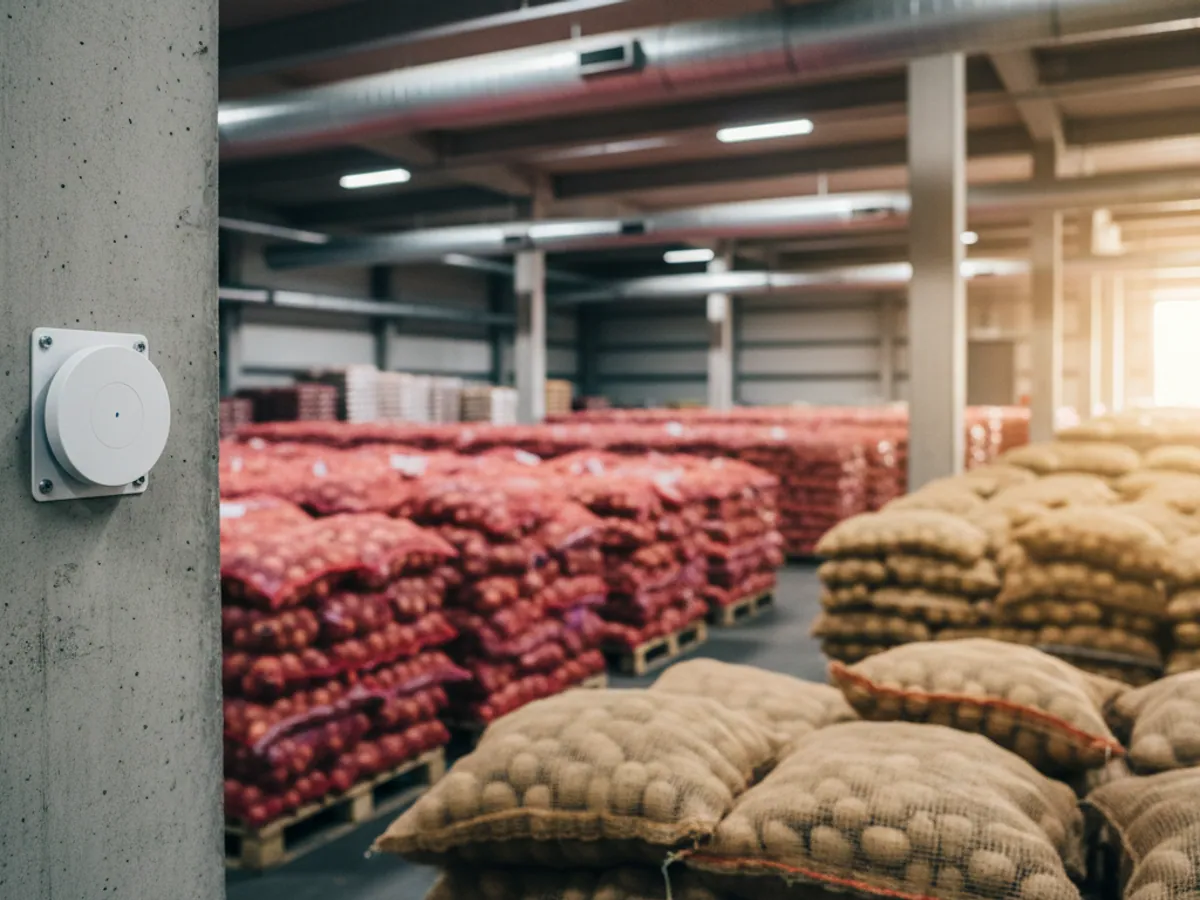
At a cotton gin or a grain elevator in season the main queue is not inside but outside. Vehicles arrive in waves: in the morning from the nearer fields, after midday from the far ones. If the intake cannot keep up, drivers stand for three or four hours while the farms out in the field wait for the vehicles to come back.
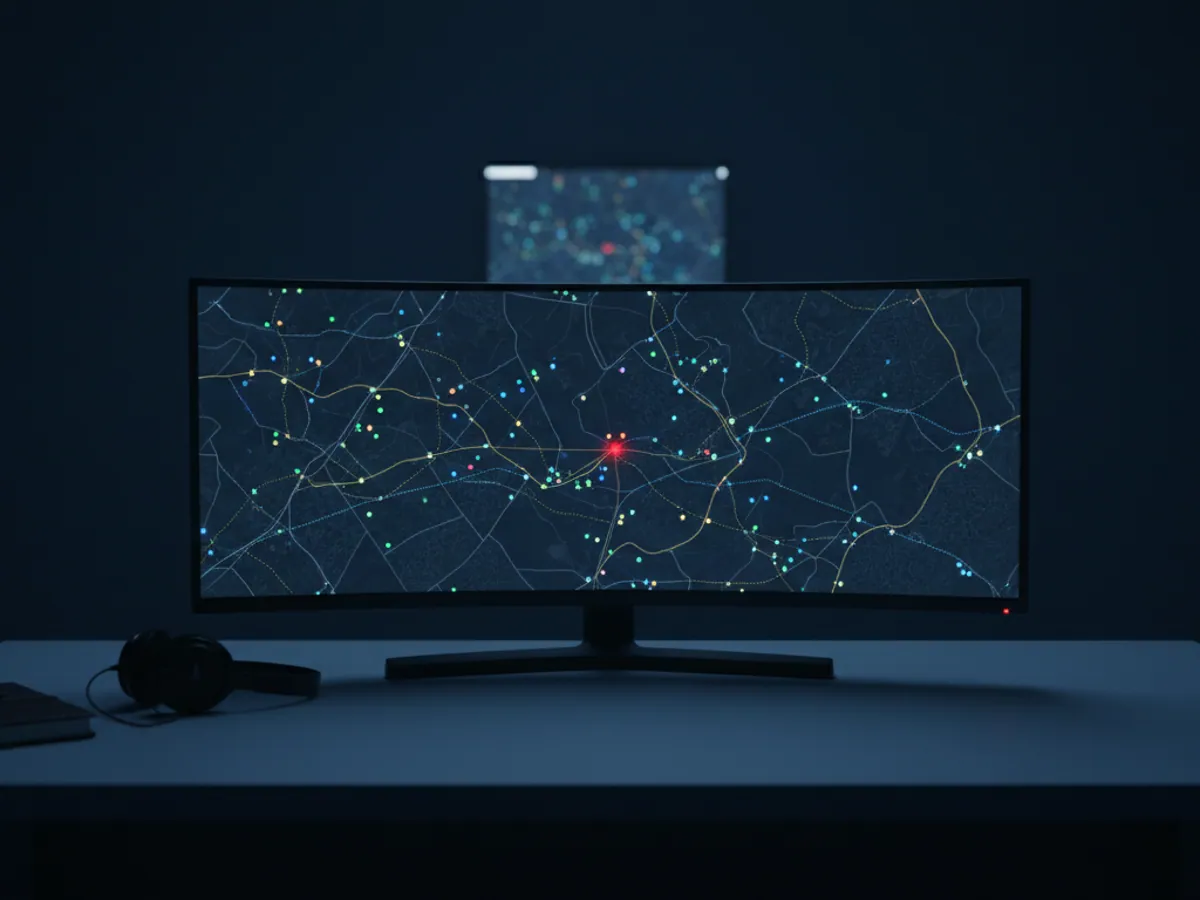
A geofence at the gate and across the site shows how many vehicles are waiting right now and how long the full cycle of arrival, weighbridge, unloading and departure takes. If the supplying farms' vehicles also carry trackers, you can see how many are on their way to you and roughly when they will reach the gate. That lets you put an extra shift on the intake in advance, rather than once the queue has already stretched back to the main road.
The report for the season will show where the bottleneck was: the weighbridge, the laboratory or the unloading. That is the data behind the decision about where to invest next year.
What we do ourselves and what we connect to
Temperature and humidity sensors
We select them, position them and set up the thresholds and notifications. This is our work from beginning to end.
Fuel in fixed tanks
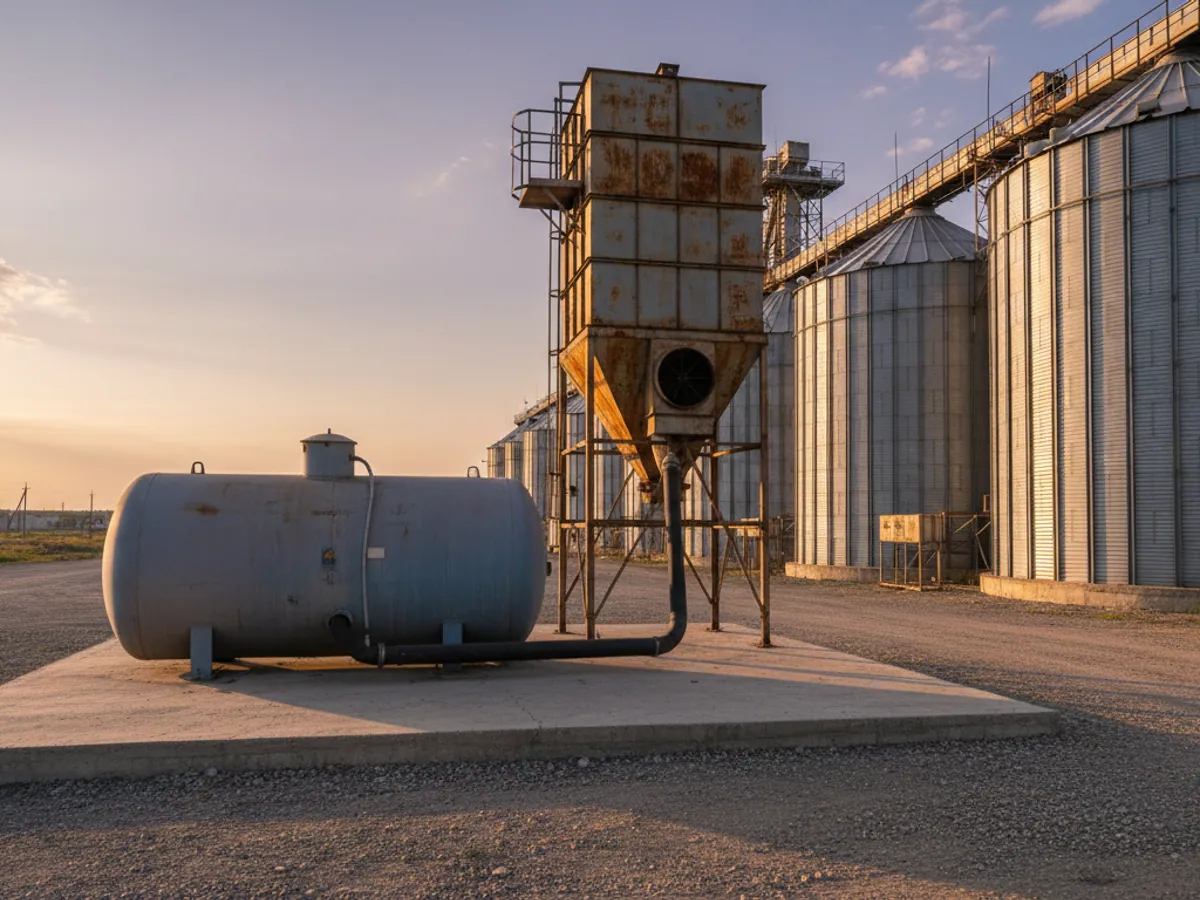
Fuel level sensors in the tanks of dryers, diesel boilers and generators. With calibration, so that the litres are accurate.
Forklifts and vehicles
Trackers, impact sensors, driver identification, engine hours for servicing.
We connect to: silo thermometry and refrigeration controllers
If the system has an alarm output or an open protocol, we bring its data into Wialon. Configuring the system itself is done by its supplier.
We connect to: the weighbridge and 1C
Integration is possible if the weighbridge software and the accounting system support data exchange. We check at the audit and do not promise in advance.
How the rollout goes
Site audit
We walk the chambers, silos, stores and machinery. We check mobile coverage inside the buildings: in cold chambers with metal walls the signal can be weak and an external aerial is sometimes needed.
Mounting points
Sensors go not by the door and not by the evaporator, but where the produce is: in the middle of the chamber and in the far corner.
Thresholds and the alert chain
Each chamber has its own band. The notification goes first to the storeman, and after half an hour without a response to the store manager.
A month of watching
For the first month we go through the charts with you, clear out false alerts and find the chambers that drift at night.
Where telematics ends and store automation begins
This line is better drawn before the contract, so that there are no questions later about who is answerable for a spoiled batch.
- Telematics (our part): measures and reports. Temperature and humidity sensors, fuel level, engine hours, trackers on machinery, notifications, reports and the archive.
- Process automation (the equipment supplier): controls. Refrigeration controllers, silo ventilation, dryers, thermometry cables, controlled atmosphere regulation. Those systems switch plant on and off; our monitoring does not.
If the refrigeration unit gives out a fault signal, we can bring it into the common notification system. But the decision about what to do with the chamber stays with the store staff and the refrigeration service engineers.
Calibration and checking of sensors.
A temperature sensor shows the temperature at the point where it hangs. So at commissioning we compare its readings with the store's reference thermometer and record the correction if there is one. After that the check is repeated on a schedule agreed with you, before each loading into store for example. If your produce requires officially verified measuring instruments, that is a separate requirement and is worth clarifying before the sensors are chosen.
Who answers an alert at night
A notification nobody responds to does not save the batch. So along with the thresholds we set up a procedure:
- Alert. The temperature in the chamber has been outside the band for longer than the set time. The notification goes to the duty officer or the storeman.
- Acknowledgement. The duty officer checks the chamber on the spot or against a second sensor and marks the alert as accepted.
- Escalation. If there is no acknowledgement within the agreed time, or the temperature keeps rising, the notification goes on to the store manager and then to the refrigeration equipment service company.
- Review. In the morning the chart shows when the deviation began and who responded when.
The names, phone numbers and response times at each step are decided by the store. We configure the chain in the system and check it with a test alert at commissioning.
A pilot at the store: what is needed and how to accept it
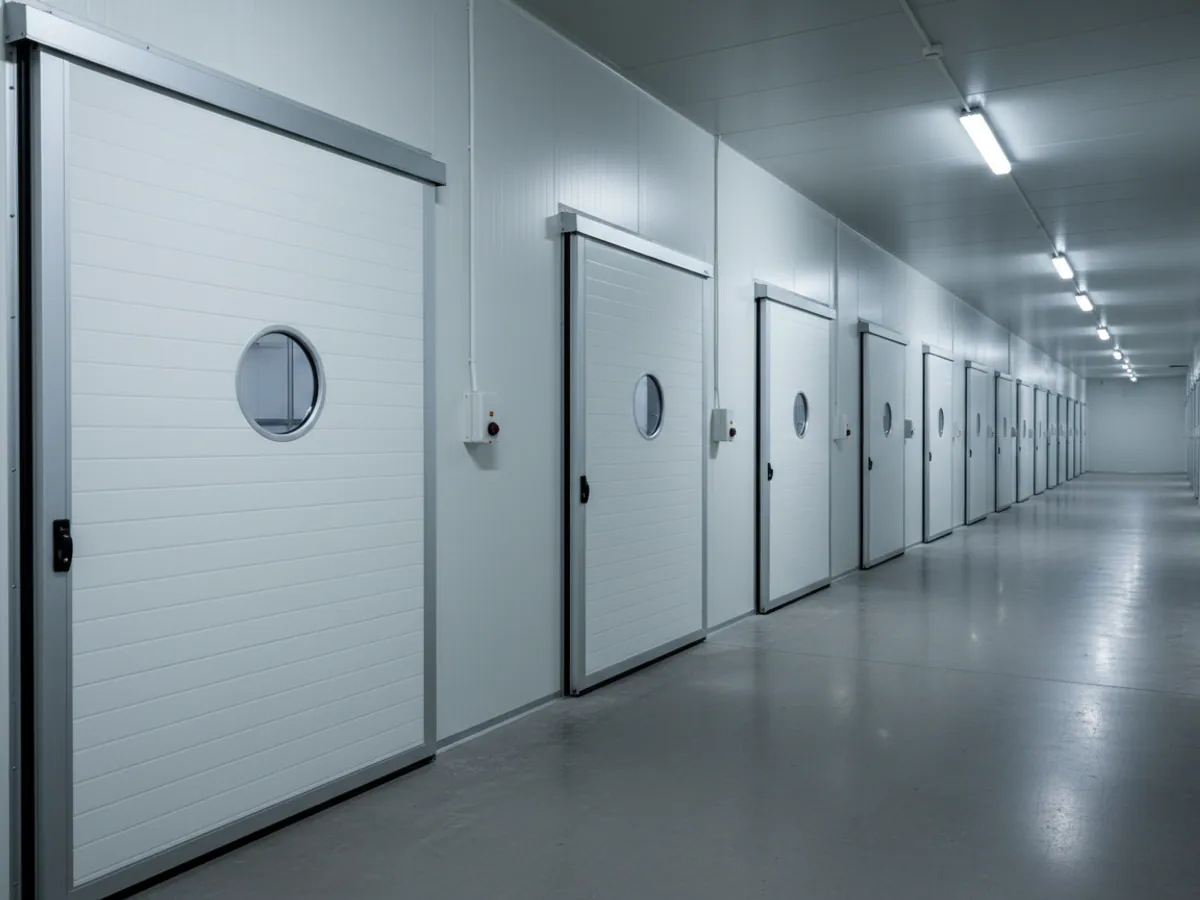
A pilot is best started with two or three chambers and one dryer or generator tank. The duration is a month or more, so as to cover the different operating modes of the refrigeration units.
What is needed from you: a plan of the chambers and stores, the required temperature and humidity bands for each product, access to a power board for the gateway, a list of the people in the alert chain and the log of the storeman's rounds for the same period for comparison.
Acceptance criteria, for example: data arrives without long gaps; readings have been checked against the reference thermometer; a test alert went through the whole escalation chain; fuel consumption from the fuel level sensor has been reconciled with the issue log.
What it costs and when it pays for itself
For a store the calculation rests on the value of the produce in one chamber. If the sensors show a unit failure in time even once a season and the staff manage to react, that is usually enough to justify the outlay: the value of a batch of fruit or grain is as a rule far higher than the cost of a few sensors and a tracker.
For dryers and generators we count in fuel. Once a fuel level sensor is fitted, the gap between what is written off against the norm and what is actually used usually becomes visible in the very first month, and part of that gap is not consumption but leakage.
The cost depends on the number of chambers, tanks and machines, and we will price it after the audit. If your plant is closer to food production than to a store, have a look at the food industry page. All the solutions for agribusiness are gathered in the agricultural sector section.
Questions from store and elevator owners
What is used in this sector
What we do end to end
Wialon modules for this sector
How it is used in this industry
Case studies from “Agriculture & Agribusiness”
Field worker records with the ATC700
Assets and workforce
The GH5200 personal tracker for workers
Agriculture, construction and mining
Recording farm machinery and implements with the FMB140
Agriculture, construction and mining
Thinking of rolling out GPS monitoring in “Processing and storage”?
Send us an enquiry and we will price it up for your fleet and pick the hardware for this sector: agriculture & agribusiness.
- 1 We pin down the task
A specialist calls back and asks about the vehicles, how many there are and what you need to keep an eye on.
- 2 We put a solution together
We propose the hardware and the features, and set out the one-off and the monthly cost separately.
- 3 We agree the fitting
At your yard or at ours, on a schedule that keeps the vehicles working.
Request a call
A specialist will call back and match a solution to your fleet and your task.