

Last-mile delivery and courier service management
For online shops, courier services and dark stores in Baku and across Absheron: orders are allocated to couriers together with a route, the courier works in the app, the customer gets a tracking link, and the delivery is closed with a photo or a signature.
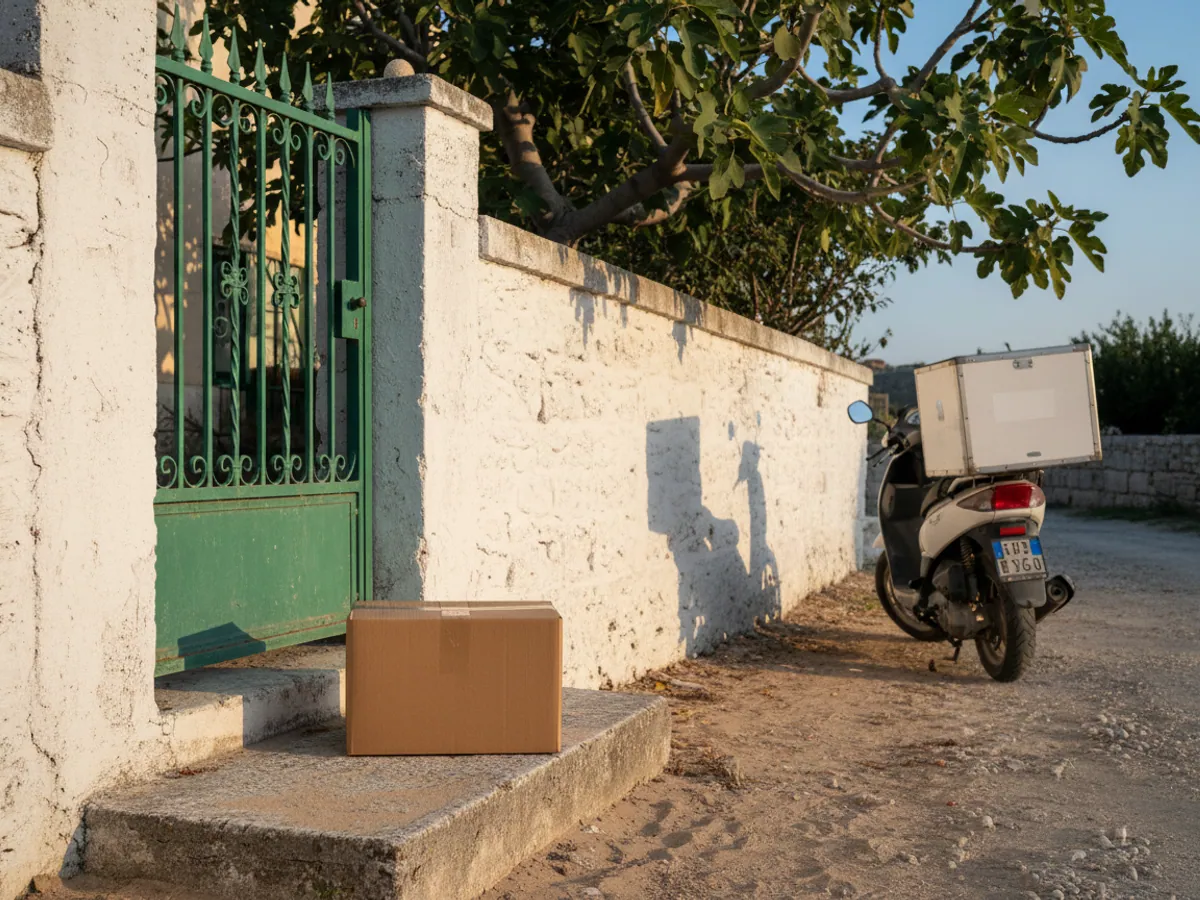
The last mile is the most expensive part of delivery
Goods travel from the supplier to your warehouse by the pallet, cheaply. After that every box travels on its own: to a five-storey block in Ahmadli, to a new build in Yasamal, to a holiday settlement in Mardakan. This is the stretch that swallows most of an online shop's logistics budget.
Shoppers in Baku have grown used to same-day delivery and to seeing the courier on a map, like a taxi. When the courier is late and does not answer the phone, the customer cancels the order and the shop pays for the trip twice: out and back to the warehouse.
A last-mile delivery management system cuts those losses through three things: sensible allocation of orders, control of the courier on the route, and clear communication with the customer.

An address like near Narimanov metro: why a route in Baku does not build itself
The first thing any delivery service in Baku runs into is addresses. The customer writes Narimanov, behind the market, third entrance or Gara Garayev, next to the pharmacy. A geocoder puts a pin in the middle of the district for a string like that, and the automatically built route turns out to be useless.
We solve this in several steps. On the first delivery the courier marks the exact point in the app, and the coordinate is saved against the customer. On repeat orders the route is built using it. For regular customers — offices, collection points, partner shops — the points are entered in advance as geofences.
After two or three months of operation most of the addresses in the database already have verified coordinates, and automatic route planning starts producing real savings rather than a neat line on a map.
Where an online shop loses money on delivery
Big last-mile losses are made up of small things that cannot be seen without data:
Refusals caused by lateness
The customer waited until lunchtime, the courier arrived at five. A cash-on-delivery order goes back to the warehouse, and the trip has already been paid for.
A courier's empty hours
Long stops between orders, trips home, personal errands. The upshot is that a courier makes 12 deliveries where 18 were possible.
The customer was not at home
It is easier to mark an awkward address on the outskirts as unreachable. Without a track there is no way to check whether the courier got as far as the door.
Cash on the road
Cash on delivery is still widespread here. When you can see which orders are closed and where, reconciling the takings at the end of the shift takes minutes.
Crossing routes
Two couriers drive the same way with half-empty boots, because orders were allocated by hand in the order they came in.
Tools for a courier service
Allocating orders to couriers
Orders arrive from your website, CRM or 1C and are shared out between couriers taking account of time windows, the district, vehicle capacity and rush-hour traffic. The dispatcher sees the proposed plan and can correct it by hand: move an order, change the courier, add an urgent delivery.
For this task we use Wialon Delivery — a planning and delivery control module on top of monitoring.
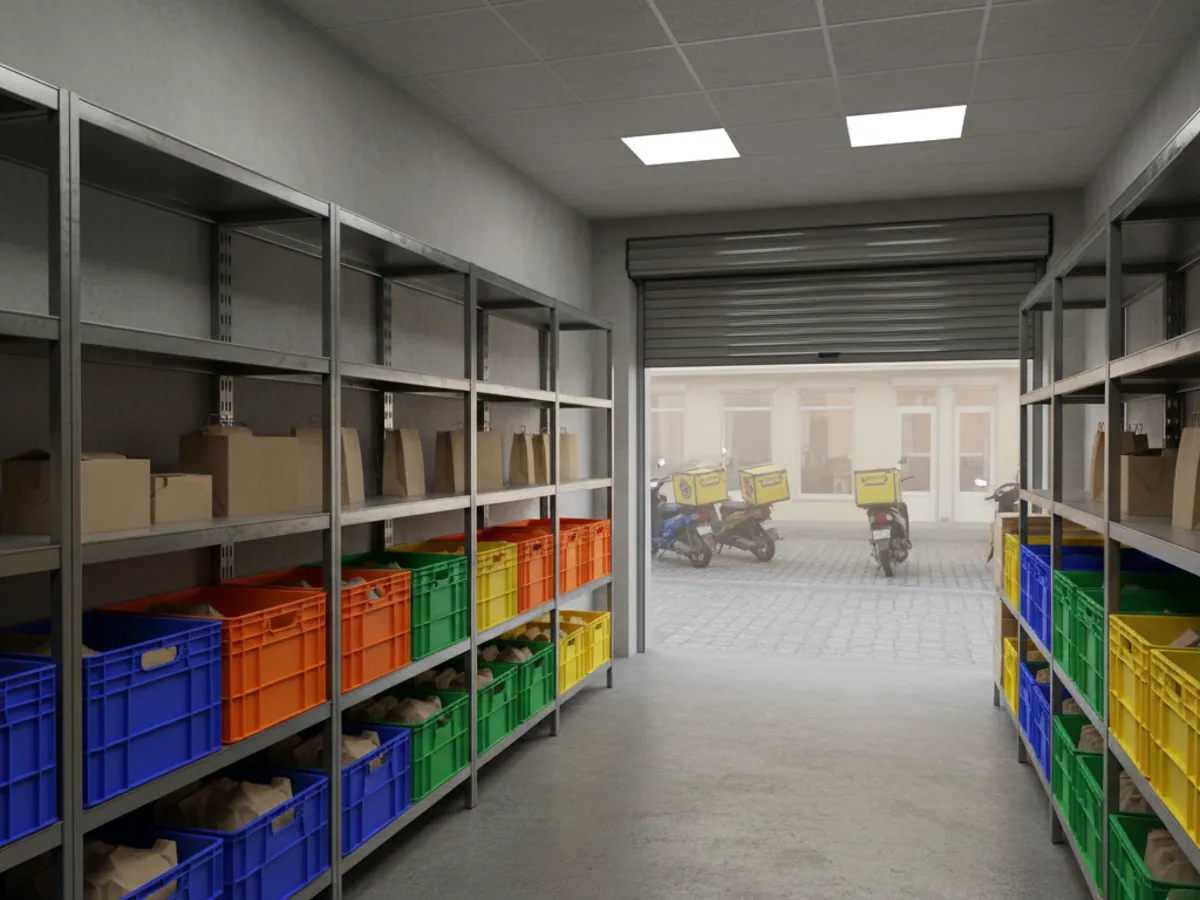
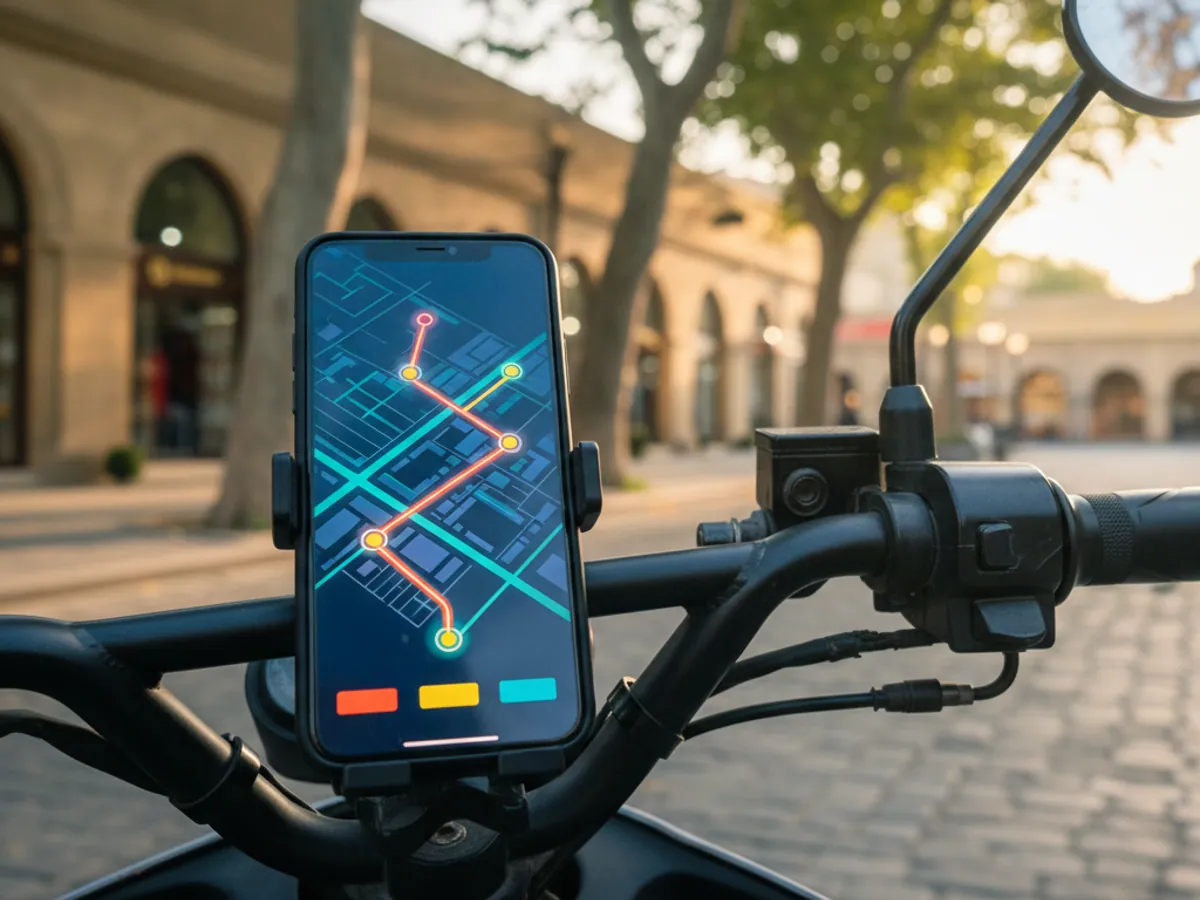
What a delivery service's day looks like with the system
09:00 — the plan for the day
Orders taken before the morning are already allocated. The dispatcher adjusts 5–10% by hand: VIP customers, oversized items, orders with a hard time.
10:00 — couriers on their routes
Each one sees his list in the app. Customers receive their links. The dispatcher only watches the exceptions: a courier falling behind the plan, standing too long, straying off course.
13:00 — urgent orders
A new two-hour delivery is offered by the system to the courier who is nearest and can still keep to his own plan.
19:00 — closing the shift
A report for each courier: deliveries made, refusals with reasons and photos, mileage, cash to hand in. Disputed orders are settled from the track rather than from memory.

A company vehicle, a courier's own car or a scooter: what to fit
Most delivery services have a mixed fleet, and one solution does not suit them all.
- Company vans and cars — a fixed GPS tracker wired into the power supply. It does not depend on the driver's phone and shows ignition, mileage and driving style. A fuel level sensor can be added if wanted.
- Couriers' own cars — the smartphone app. Fitting a tracker in somebody else's car is awkward both legally and organisationally. The app works only during working hours, and that matters to the couriers themselves.
- Scooters and cycle couriers — the app again, or a compact tracker on the scooter if it belongs to the company and needs protecting against theft.
An honest limitation of the app: the courier can switch off location or the phone. That shows up in the system as a gap in the data, and such cases need to be dealt with under a set procedure rather than ignored. More about working with field staff on the mobile workforce monitoring page.
Mistakes that stop delivery automation getting off the ground
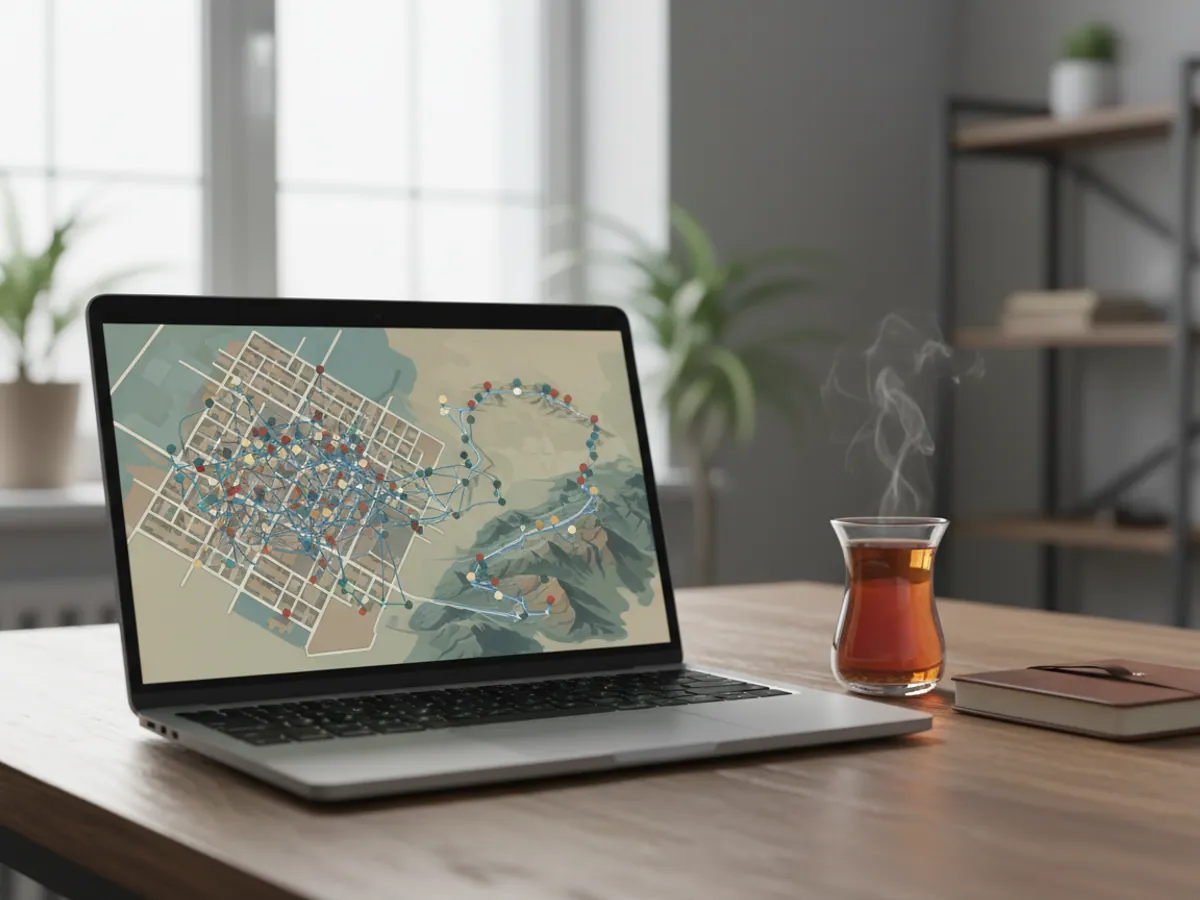
Launching planning on a dirty address database. If half the points sit in the middle of a district, no algorithm will build a good route. First a month of collecting coordinates, then automatic allocation.
Setting unrealistic delivery windows. A 10 to 11 window during rush hour on Tbilisi Avenue is physically impossible for a courier to keep if there are six more orders on the route. We set the windows from the actual statistics the system collects.
Not explaining to the couriers what it is for. If the app is seen as surveillance, phones start breaking. When a courier sees that the track protects him in disputes with customers and shows his real output for pay, resistance drops noticeably.
Forgetting about integration. If the dispatcher copies orders from the website by hand, the savings go on data entry. Exchange with the website, the CRM or 1C is worth setting up at the start.
Related tasks — the warehouse, order processing, intercity delivery — are covered in the logistics and warehousing section.

Returns, partial delivery and how to prove hand-over
The most disputed orders are not the ones that were delivered but the ones that were delivered in part. Their statuses need thinking through before launch, otherwise the courier picks whichever is closest in meaning and the report turns into guesswork.
- Partial delivery. The customer took two items out of three. This needs a status of its own and a list of the items being returned, not delivered with a comment. Otherwise the warehouse will not know what to expect back.
- Return and refusal. A refusal at the door, a return on request, an exchange. Each has its own path back to the warehouse and its own reason, which the courier picks from a list.
- A wrong address. The courier is on the spot but the address is wrong. The track and the time at the point show that he really was there, and the corrected address goes into the database for future orders.
- Proof of delivery (POD). A photo, a signature or a code from the customer's SMS. A code is more reliable than a photo but requires integration with the messaging service. What counts as proof of hand-over is decided by the shop; we set up the tool.
All of this works only when orders are integrated. The order has to arrive in the delivery plan from your accounting system or website with its items, the amount to be collected and the window, and the statuses and reasons have to go back. If there is no integration yet, people start with a daily file import, but partial deliveries and returns are then reconciled by hand.
A delivery pilot: input data and sign-off criteria
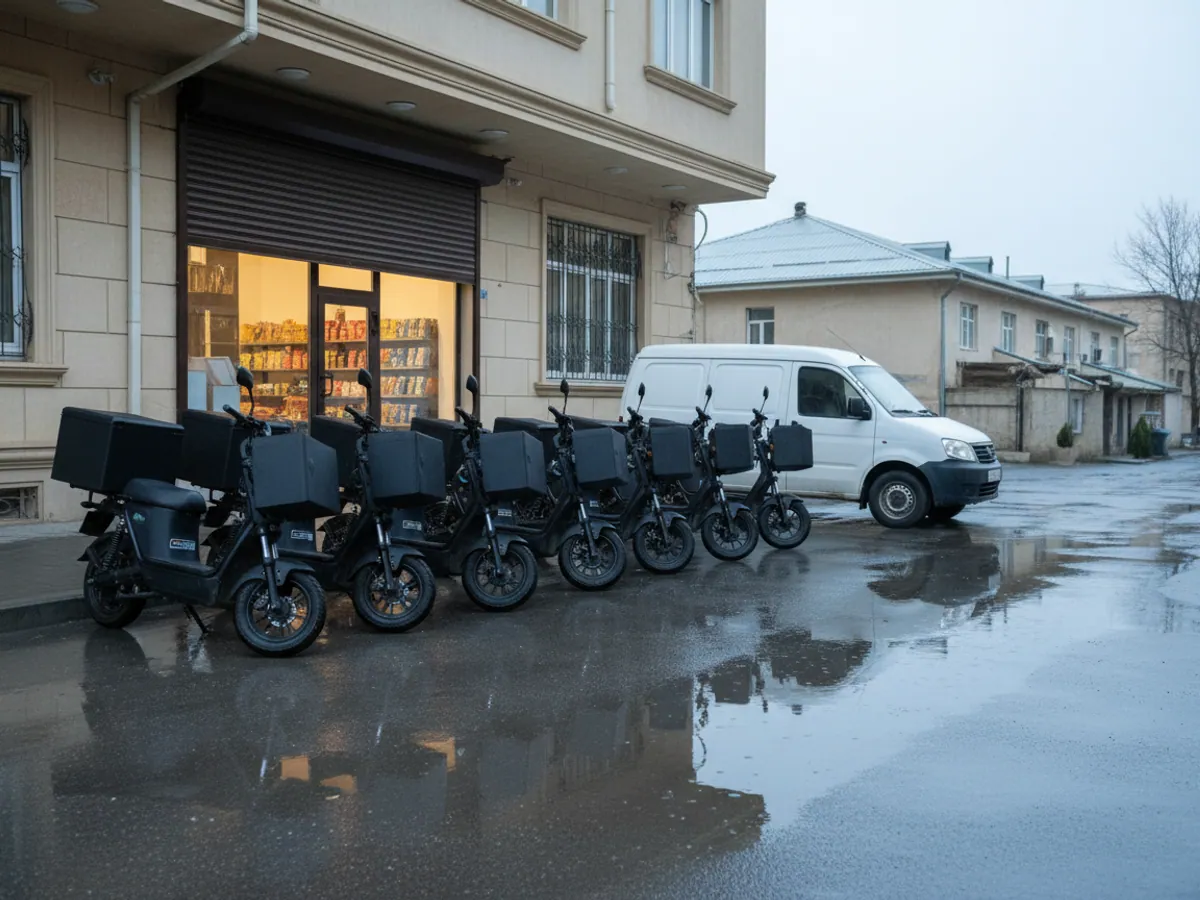
One zone of Baku and 5–10 couriers over 2–4 weeks is enough for a pilot. That is enough to gather verified address coordinates and to see where the time is going.
What we need from the shop:
- an export of the pilot zone's orders with addresses, windows and contents;
- the list of statuses and refusal reasons you want to see;
- the rule for proof of hand-over: photo, signature or code;
- access to the website's or accounting system's API, if the integration is being done straight away.
The pilot is signed off if: every order is closed with one of the agreed statuses; partial deliveries and returns match what came back to the warehouse; a POD with a coordinate and a time can be found for every disputed order; and the share of addresses with verified coordinates in the zone grows week by week.
An example of a shift report: courier, orders planned and actual, delivered in full, delivered in part, refused, returned, average time at the point, mileage. The figures will appear from your own data; we do not promise them in advance.
How to work out the effect for your own delivery service
Deliveries per courier per day
The key figure. Work out your current average and multiply it by the number of couriers. Tighter routes and control of idle time usually add several deliveries a day per person.
The refusal rate
Returns caused by lateness and unanswered calls. When the customer can see the courier on a map and knows the arrival time, there are fewer refusals.
Mileage and fuel
For company vehicles. Fewer crossing routes and detours on the way mean fewer kilometres per delivery.
Load on the contact centre
Calls asking where my order is and saying the courier has not turned up are a noticeable share of enquiries. A tracking link removes most of them.
Questions from online shops and courier services
What is used in this sector
What we do end to end
Wialon modules for this sector
How it is used in this industry
Case studies from “Logistics & Warehousing”
Thinking of rolling out GPS monitoring in “E-commerce logistics”?
Send us an enquiry and we will price it up for your fleet and pick the hardware for this sector: logistics & warehousing.
- 1 We pin down the task
A specialist calls back and asks about the vehicles, how many there are and what you need to keep an eye on.
- 2 We put a solution together
We propose the hardware and the features, and set out the one-off and the monthly cost separately.
- 3 We agree the fitting
At your yard or at ours, on a schedule that keeps the vehicles working.
Request a call
A specialist will call back and match a solution to your fleet and your task.