
Turnkey telematics system installation
We take on the whole implementation project: a fleet audit, a pilot on 3–5 vehicles, fitting Teltonika and Queclink trackers, fuel level sensors and CAN adapters, configuring Wialon, training and acceptance against a checklist agreed at the outset. The effect is measured after the pilot on your own vehicles, and what we need from you is one responsible person who can take decisions on the project.
- 1 Cars, Baku 10018 of 18 on the map, paperwork signed
- 2 Lorries with fuel sensors 756 of 8, calibration timed around the run schedule
- 3 Wialon configuration 85Geofences and reports ready, permissions under review
- 4 Training by role 60Dispatchers done, mechanics next week
- 5 Plant, Sumgait 502 of 4, site visit on Thursday
The whole fleet is equipped to the agreed specification and running in Wialon, reports and notifications are configured by role, and the users are trained. The project closes with the signing of the acceptance checklist, and you are left with an equipment register, the tank calibration tables, the permissions scheme and a response procedure for events.
One contractor for the whole project — from audit to reports
A turnkey telematics installation means you are not assembling the project out of pieces: trackers from one supplier, fuel sensors from another, platform configuration from a third, and then working out for yourself who is to blame when the report does not add up. We take on the project as a whole and answer for the result: vehicles on the map, sensors calibrated, dispatchers who know how to work with the reports.
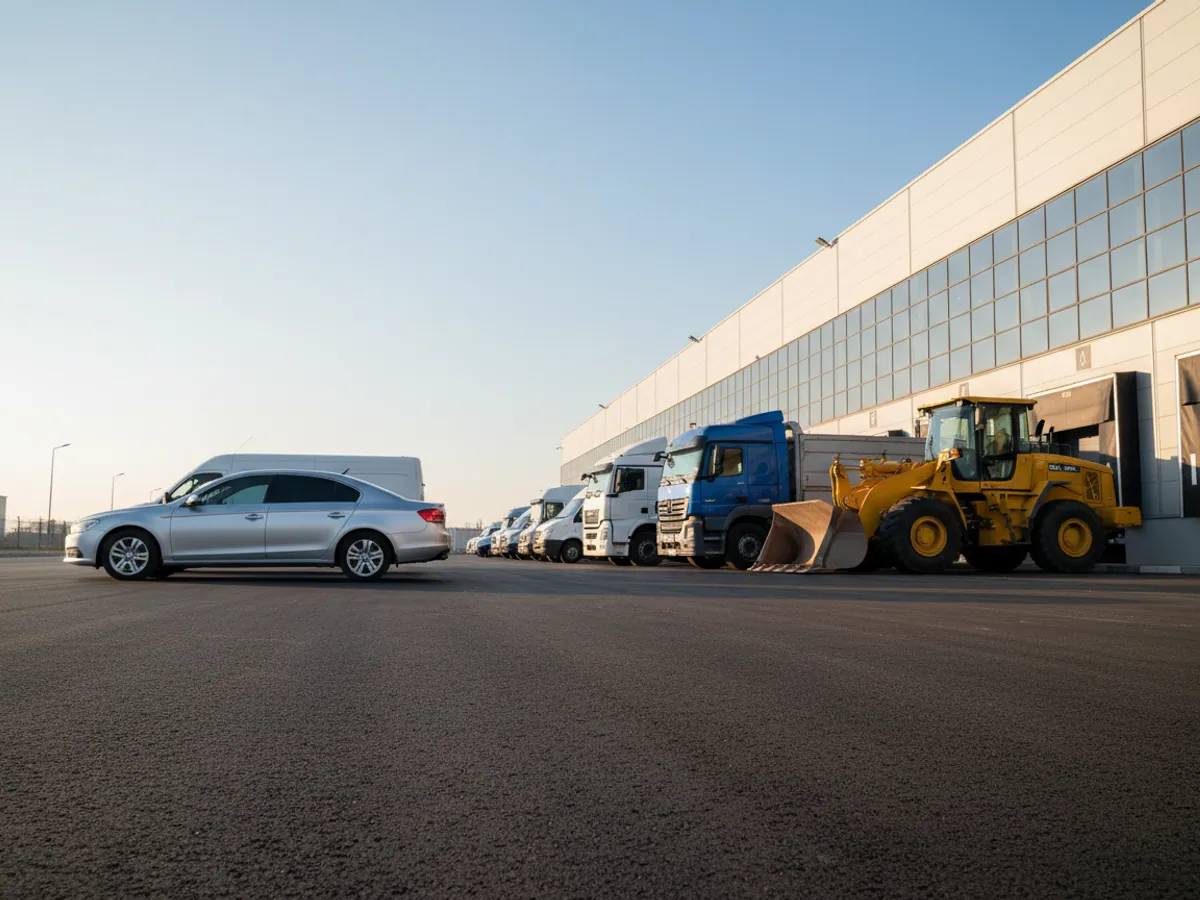
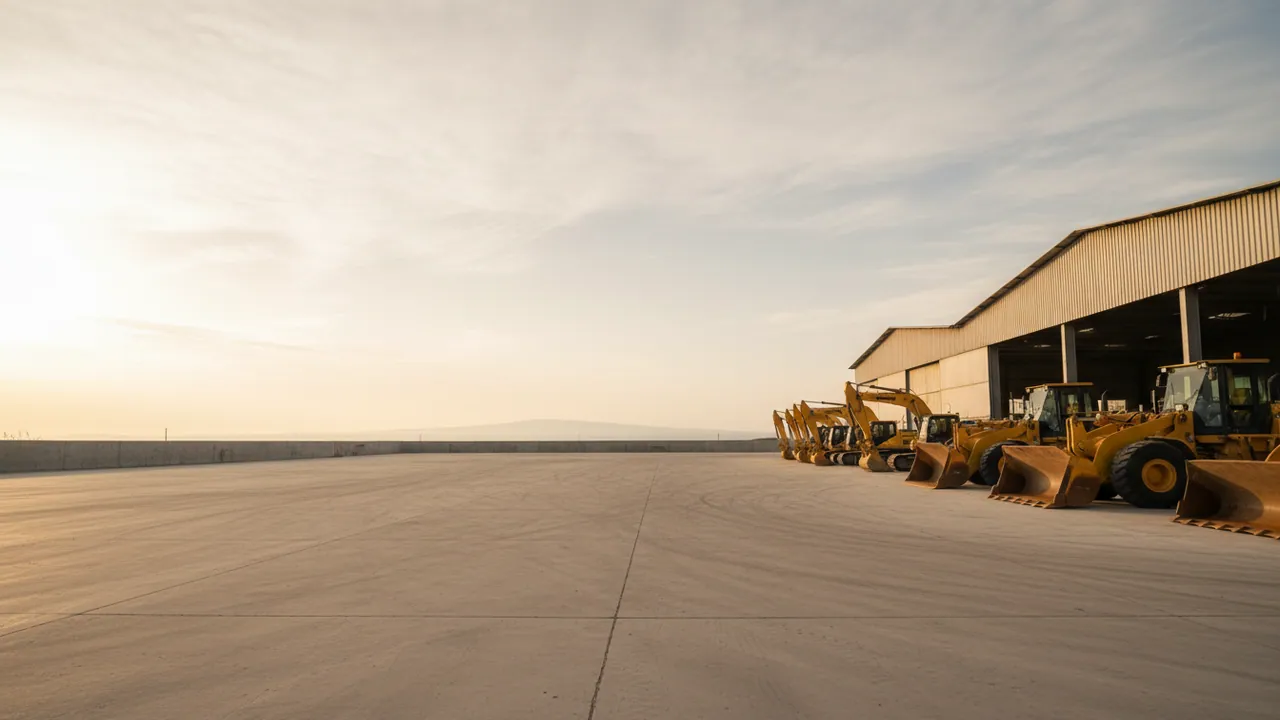
The typical client for a project like this is a company with a fleet of 20–30 units or more, often a mixed one: sales representatives' cars in Baku, lorries on deliveries around the regions, plant and heavy equipment on sites in Sumgait or Karabakh. Each group needs its own set of equipment and its own reports.
The effect is measured after the pilot on your own vehicles, not from advertising promises. In practice the main savings come from fuel, unnecessary mileage and machines standing idle, and the balance between them differs from one fleet to the next.
How the work goes, step by step
Fleet and users
Makes, CAN buses, tanks, bodies. Conversations with the dispatcher, the mechanic and the accounts department. The output is a solution and a quotation.
3–5 vehicles
Real reports on your own data. Unusual tanks, vehicles without CAN and routes without coverage all surface here.
Rolling it out
To a schedule that does not disrupt your runs. For large fleets, several teams at once.
Wialon by role
Object groups, geofences, notifications, permissions and report templates — in parallel with the fitting.
Checklist and paperwork
Training by role, the signed checklist, an equipment register, tank calibration tables and a response procedure.
A 30-vehicle project, week by week
An illustrative example: 18 cars in Baku, 8 lorries with fuel level sensors on regional deliveries, and 4 machines in Sumgait.
- Fleet audit, pilot started on 4 vehicles audit
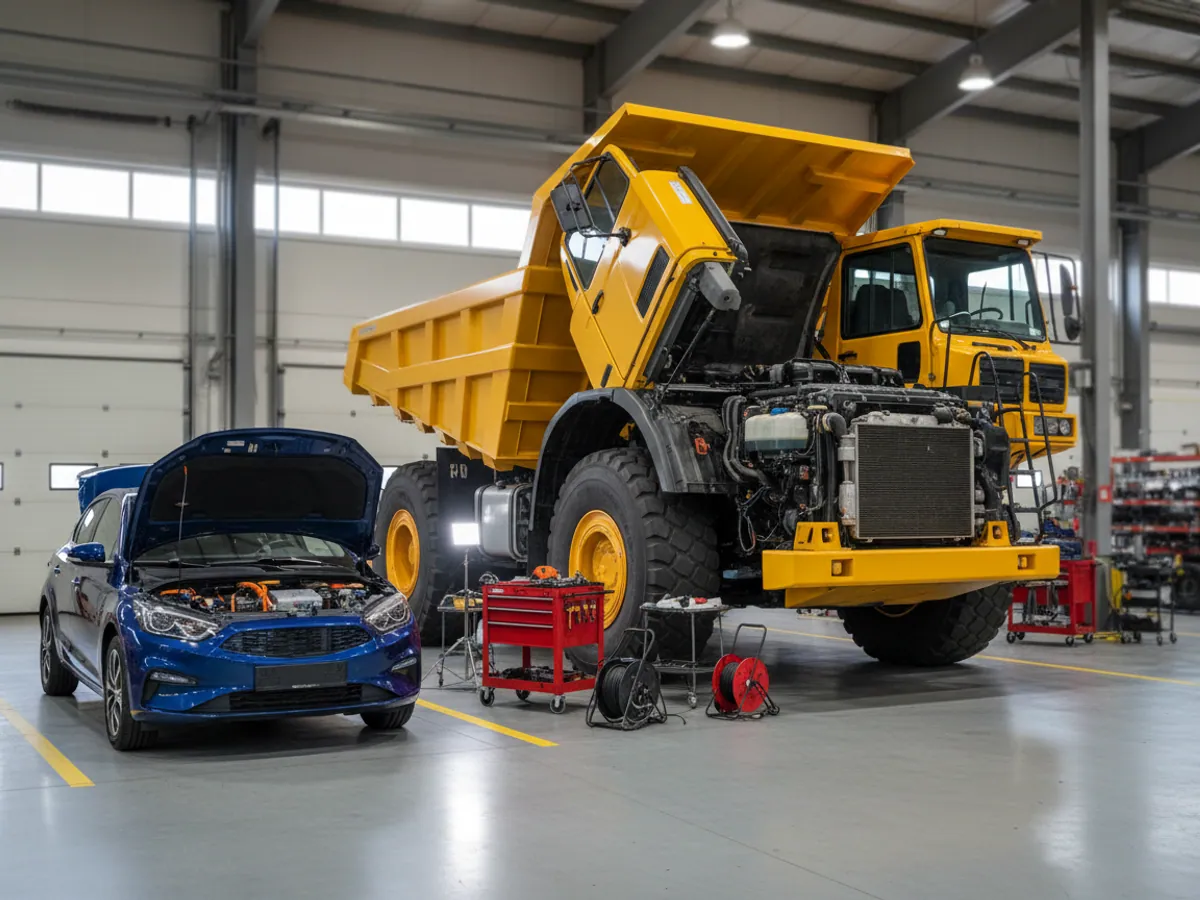
The pilot takes in different types: a car, two lorries and an excavator.
- Pilot: one of the lorries has no CAN bus solution revised
On vehicles like that, consumption is measured with a fuel level sensor. The specification is changed before the rollout, not after it.
- Cars fitted around the run schedule 5–8 a day
In parallel we create the objects, the warehouse geofences and the notifications in Wialon.
- Lorries with fuel sensors, site visit to the plant 2–3 a day
Tank calibration is scheduled for days when the vehicles are not out on a run. Dispatchers are trained.
- Mechanics trained, checklist signed acceptance
We hand over the equipment register, the tank calibration tables, the permissions scheme and the response procedure for events.
How an implementation project works
The audit — 1–3 days. We go through the fleet: makes, years, whether there is a CAN bus, tanks, bodies. We talk to the people who will be using the system: the manager, the dispatcher, the mechanic, the accounts department. The output is a technical solution and a quotation broken down by group of machines.
The pilot — 1–2 weeks. We equip 3–5 vehicles of different types and show you real reports on your own data. The pilot brings out the quirks that never appear in the paperwork: an unusual tank, a vehicle with no CAN bus, a route with no coverage.
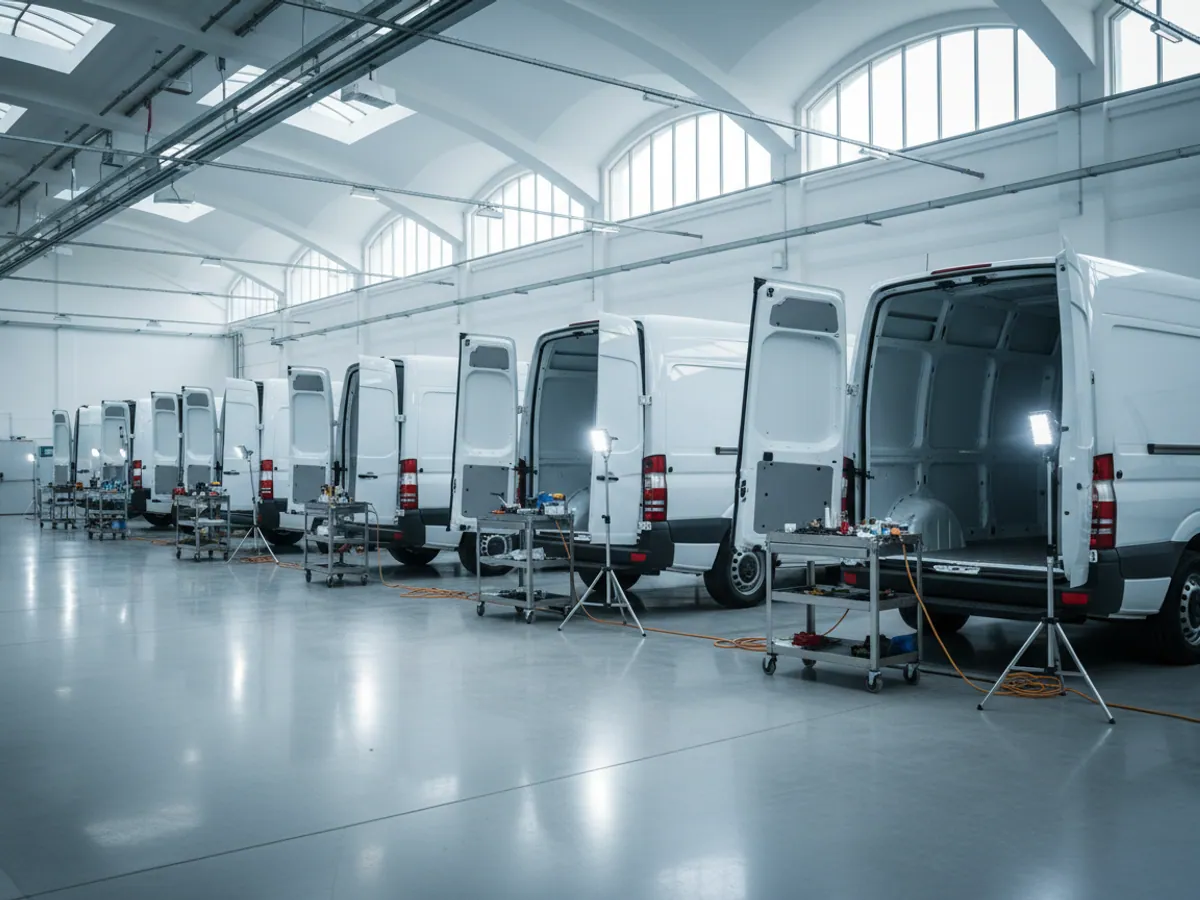
The rollout. One team equips 20–30 cars with a tracker in a day or two; lorries with fuel level sensors, 2–3 a day. For large fleets we work with several teams and to a schedule that does not disrupt your runs.
Platform configuration. This runs in parallel with the fitting: object groups, geofences, notifications, access rights, report templates. There is more on the monitoring platform setup page.
Training and acceptance. Held separately for dispatchers, mechanics and managers — see user training. Acceptance follows the checklist signed at the outset.
What a turnkey implementation includes
The project is built from four parts. Which of them you actually need is decided during the audit:
Design and audit
A solution designed around your type of fleet and the geography of your work — from city driving to international TIR runs along the M-1/M-2 into Georgia, Iran and Russia.
Equipment installation
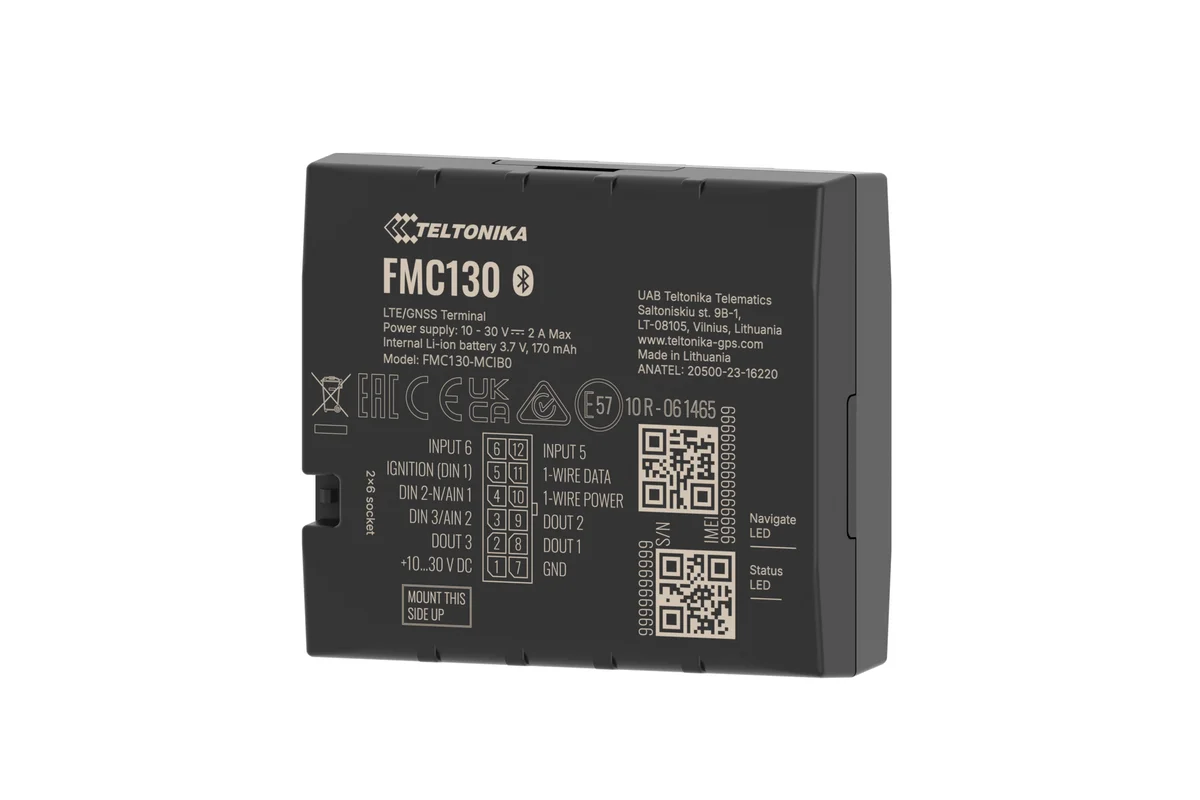
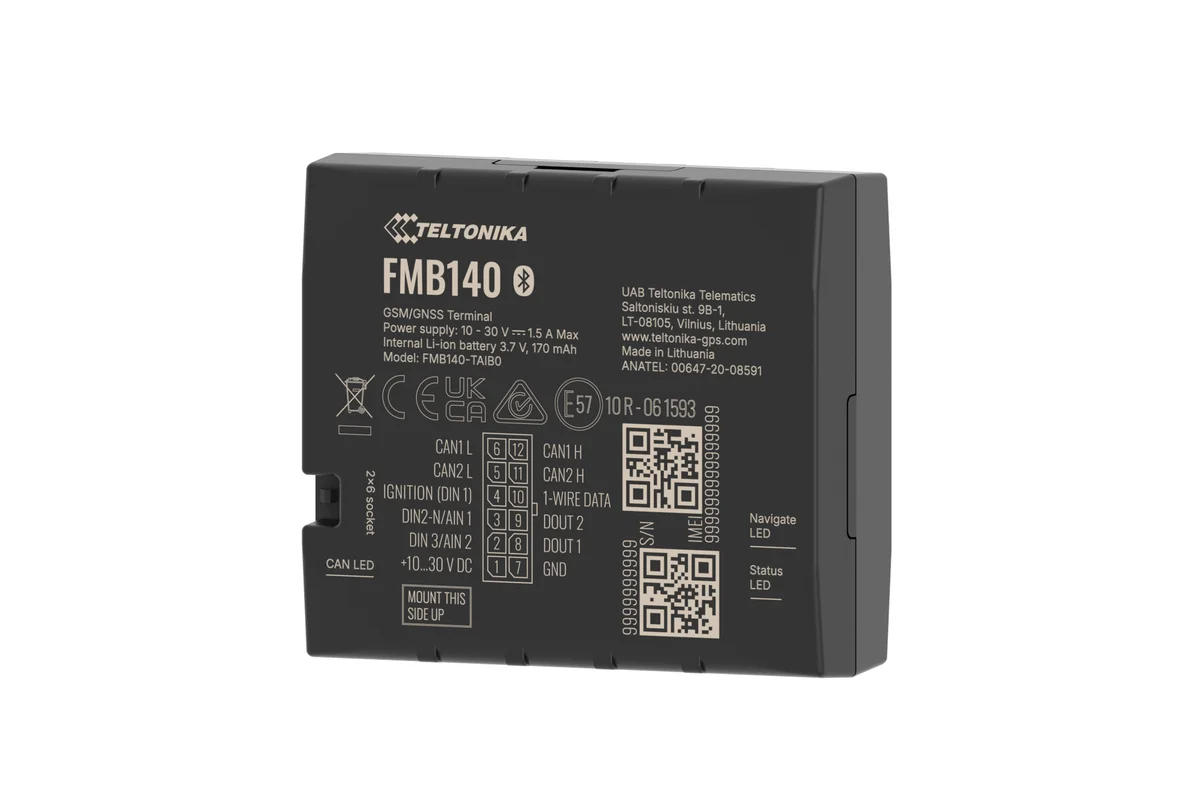
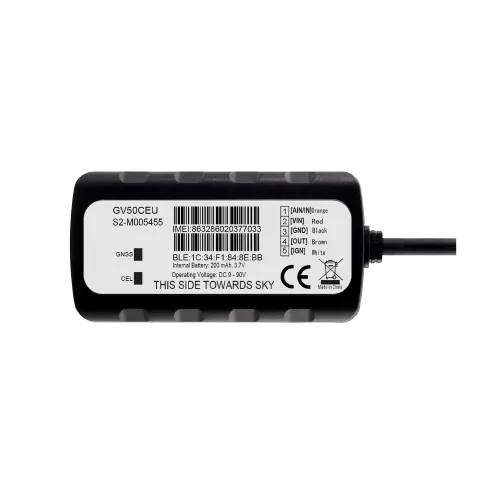
Fitting Teltonika (FMC130, FMB140) and Queclink (GV50) GPS/GNSS trackers, Escort fuel level sensors, CAN adapters, video recorders and RFID/iButton readers.
Wialon platform configuration
Connection to Wialon Local on GPS.az servers, configuration of reports (fuel, engine hours, Eco-Driving, PTO, Tacho, FMS), and creation of geofences, notifications and access rights.
Training and support
Training for dispatchers, mechanics and managers, reference materials and technical support in Azerbaijani and Russian.
What the project covers: supply, work, training
Supply
Trackers, sensors, CAN adapters, readers, video recorders and SIM cards to the specification approved after the audit. Items that depend on the pilot are marked separately in the quotation.
Work
Fitting and sealing, tank calibration, creation of objects, geofences, notifications, report templates and access rights. A handover record with photographs for every vehicle.
Training
Separate sessions for dispatchers, mechanics, the accounts department and managers, held on your own fleet's data, with quick reference sheets by role and a follow-up meeting after the first few weeks of use.
Not included without separate agreement
Repairs to the vehicles' factory electrics, integrations with 1C, SAP and third-party systems, and migration of history from an older platform. These are separate tasks with their own quotation.
Who is responsible for what
GPS.az
The specification, supply, fitting, configuration, training and the timescales in the agreed schedule. If the equipment or the configuration does not behave as the project describes, we put it right.
The client
A project owner, access to the vehicles to the agreed schedule, and the source data: the fleet list, routes, consumption norms, users. Decisions on notification rules and the response procedure.
Third parties
The mobile operator is responsible for coverage, the dealer for the vehicle's warranty terms, and the Wialon developer for the platform itself. We describe their limitations in the project rather than making promises on their behalf.
If the schedule slips
Vehicles not turning up for fitting, data not provided, the project owner unavailable — the timescales move by that amount. We record this in writing so that there is nothing to argue about at the end of the project.
Solutions by vehicle type and by task
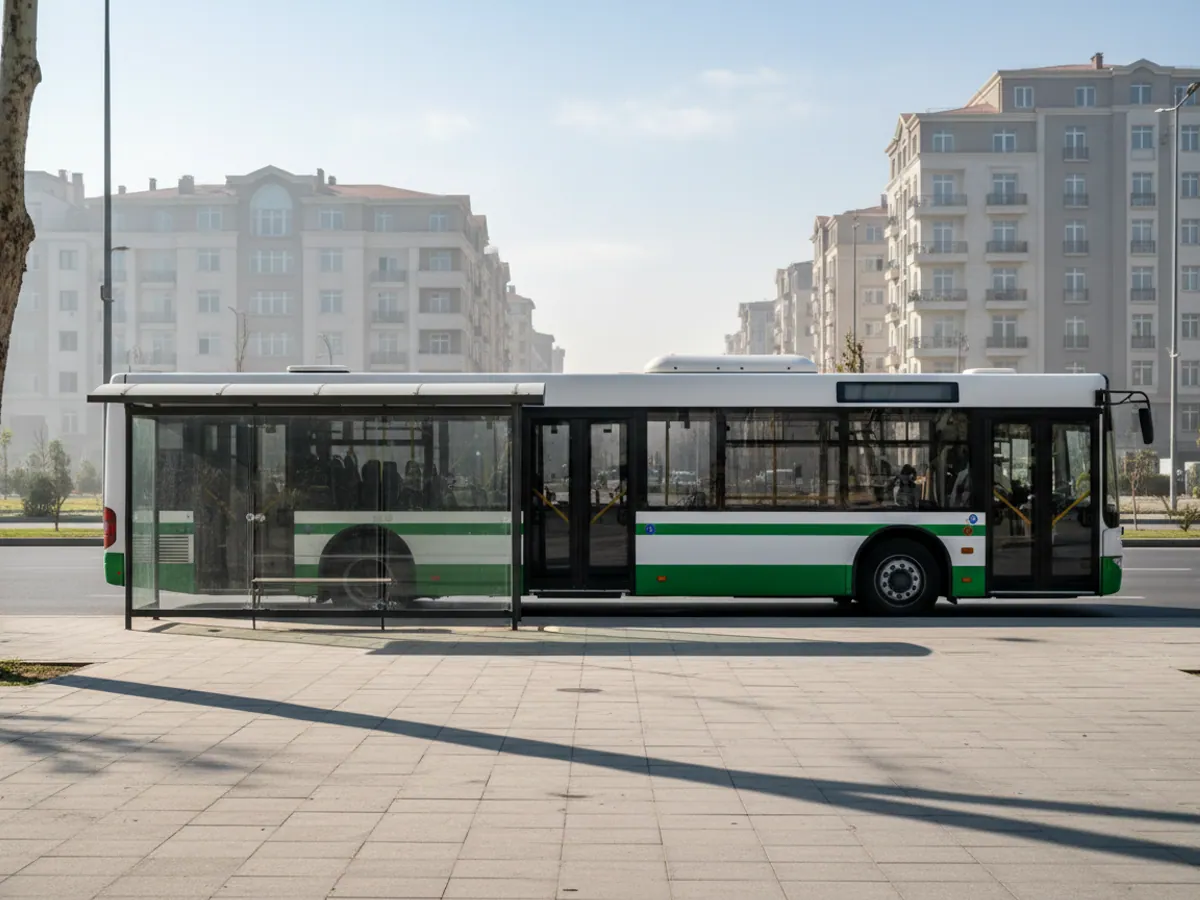
Monitoring freight transport and logistics
Where implementation projects get stuck
Equipment rarely breaks. Projects more often stall for organisational reasons, and we discuss those at the outset:
No one at the client is responsible
If nobody in the company owns the system, nobody reads the notifications and nobody opens the reports. You need one person with the authority to take decisions.
Vehicles do not turn up for fitting
Lorries are out on runs, plant is on site. We agree the fitting schedule with the dispatchers, and for machines on remote sites we come out to them ourselves.
Everything at once
Trying to switch on fuel monitoring, video, 1C integration and driver ratings in the first month collapses under its own weight. Better to launch them in turn, starting with whatever costs you most.
No rules for responding
The system has reported a fuel drain — and then what? We write the procedure covering who does what and within what time together with you, before the launch.
The old system will not let go
Moving from another platform without carrying over the history and the objects annoys users. We handle a migration like that as a separate task.
What you are left with when the project ends
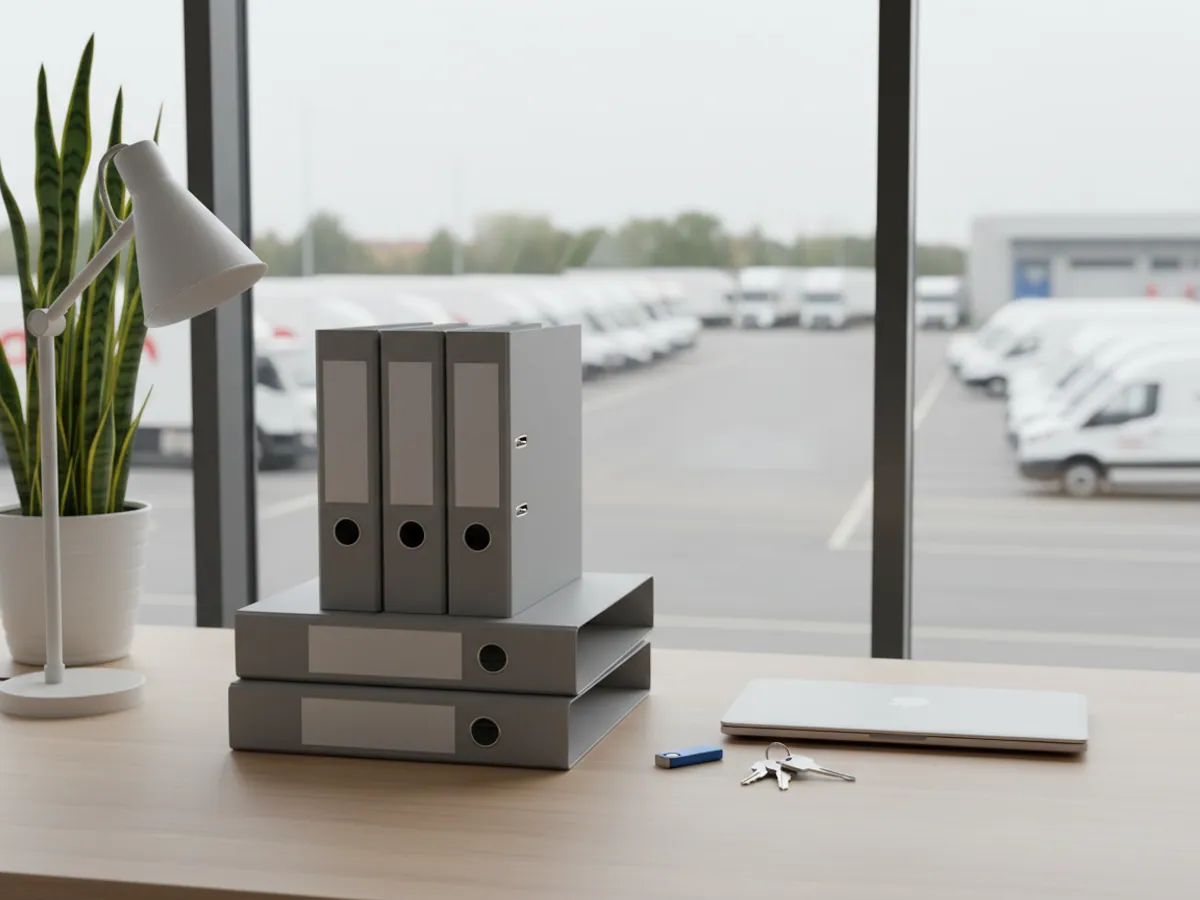
Besides a working system, once the project is handed over you are left with documents that will still matter in a year's time, when the garage manager or the dispatcher changes:
- the equipment register — which tracker, which sensors and which SIM card are fitted to each vehicle;
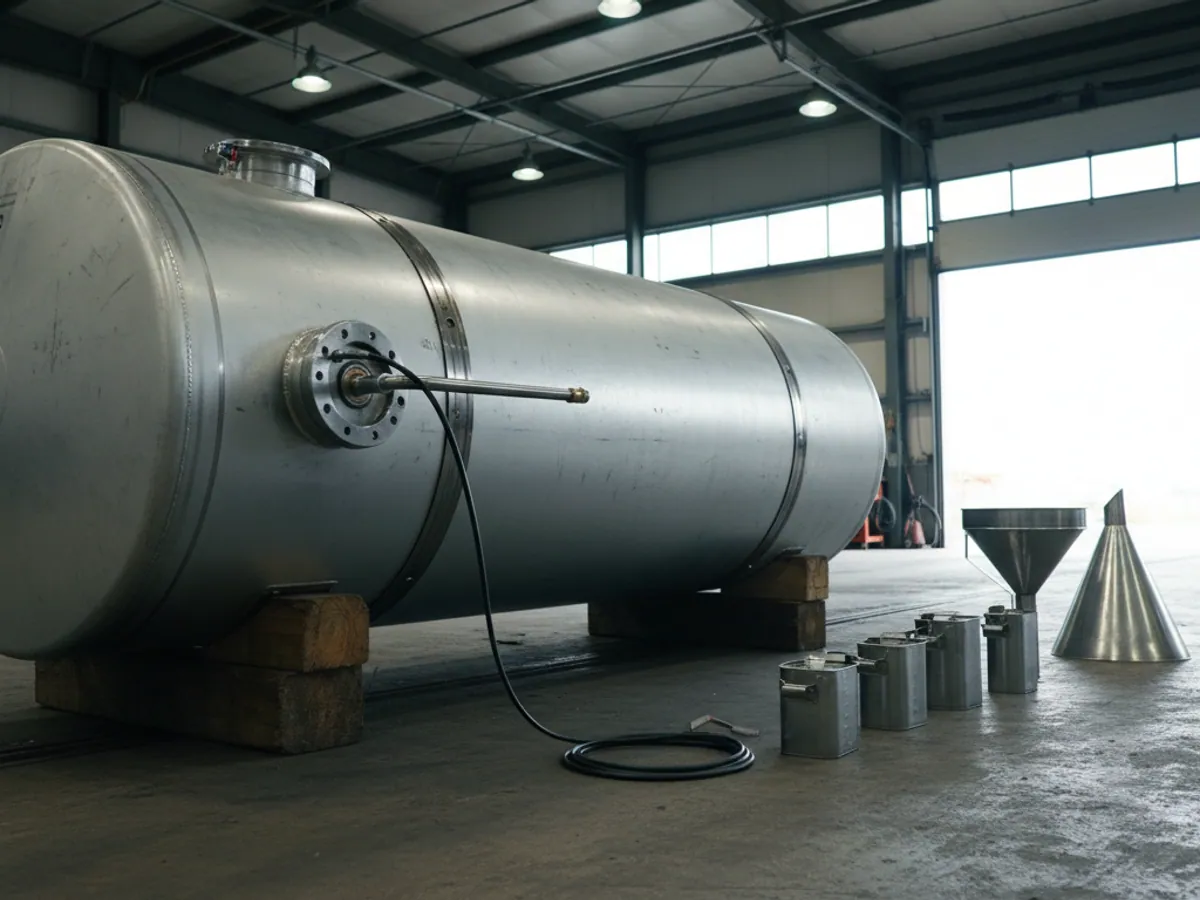
- the tank calibration tables and the sensor settings;
- the access rights scheme — who sees what in Wialon;
- a description of the notifications and reports, with an explanation of how to read them;
- the response procedure for events, agreed with your own managers.
This is the dull part of the work, but it is exactly what separates a system that lives for years from one that becomes a map with dots on it within six months.
The fitting and configuration carry our warranty, and the equipment is covered by the manufacturer's warranty. After that comes technical support under contract: remote diagnostics, call-outs for repairs and moving equipment when vehicles change.
Acceptance stages
Pilot acceptance
The data from the pilot vehicles is checked against reality: refuelling against receipts, mileage against the odometer, engine hours against the meter. On that basis we approve the specification and the checklist for the whole fleet.
Vehicle-by-vehicle acceptance
Each vehicle is accepted at the time of fitting: it is online, the sensors read correctly, and the handover record with photographs is signed by your project owner.
Acceptance of the configuration
Reports and notifications are checked against test events, and permissions by logging in under accounts for the different roles.
Closing the project
Signing the checklist and handing over the documentation. Anything picked up in the first few weeks of use is put right within the project.
What usually changes after the launch
Fuel consumption under control
Drains, extra refuelling and excess consumption are visible vehicle by vehicle. We measure the saving on your fleet's own data: a baseline period is recorded before the launch and then compared with the period after it. We do not promise a percentage in advance — it depends on how unsupervised things were before.
Less unnecessary mileage
Private journeys in company vehicles and detours along a route become visible in the reports, and there is less of both without any awkward conversations.
Discipline and safety
Speeding, harsh acceleration and harsh braking are visible for every driver. When drivers know this is taken into account when bonuses are awarded, the number of breaches usually falls.
Decisions based on data
Accurate figures on mileage, engine hours and utilisation show which vehicles are surplus and where there are not enough of them.
Price and what it depends on
The cost of a turnkey telematics installation is made up of several parts: the quantity and type of equipment (GPS trackers, sensors, CAN adapters), the difficulty of fitting it to particular kinds of machine, the amount of commissioning work and the configuration of the monitoring platform. The monthly subscription for running the system and transmitting data is accounted for separately.
The final price is affected by the size of the fleet, where the machines are based and whether site visits are required. The larger the fleet, the lower the cost of connecting each unit. We will prepare an exact quotation after a short audit of your fleet — leave a request on the site or ring us on +994 (99) 207-88-88.
When a project needs more than fitting
If telematics data has to reach your accounting system — waybills, writing off fuel, calculating drivers' pay — we add integration with 1C and SAP or hand the data over through the API. If the fleet already runs on another platform, we first carry out a data migration so that the history is not lost.
If machines standing idle costs you dearly and you need response and restoration times written into a contract, you can move to SLA-backed support after the launch: priorities, call-out times by zone and a monthly compliance report. And if it is not yet clear where to start or what equipment you need, begin with a telematics consultation — it sometimes turns out that half the job is already done by equipment you have.
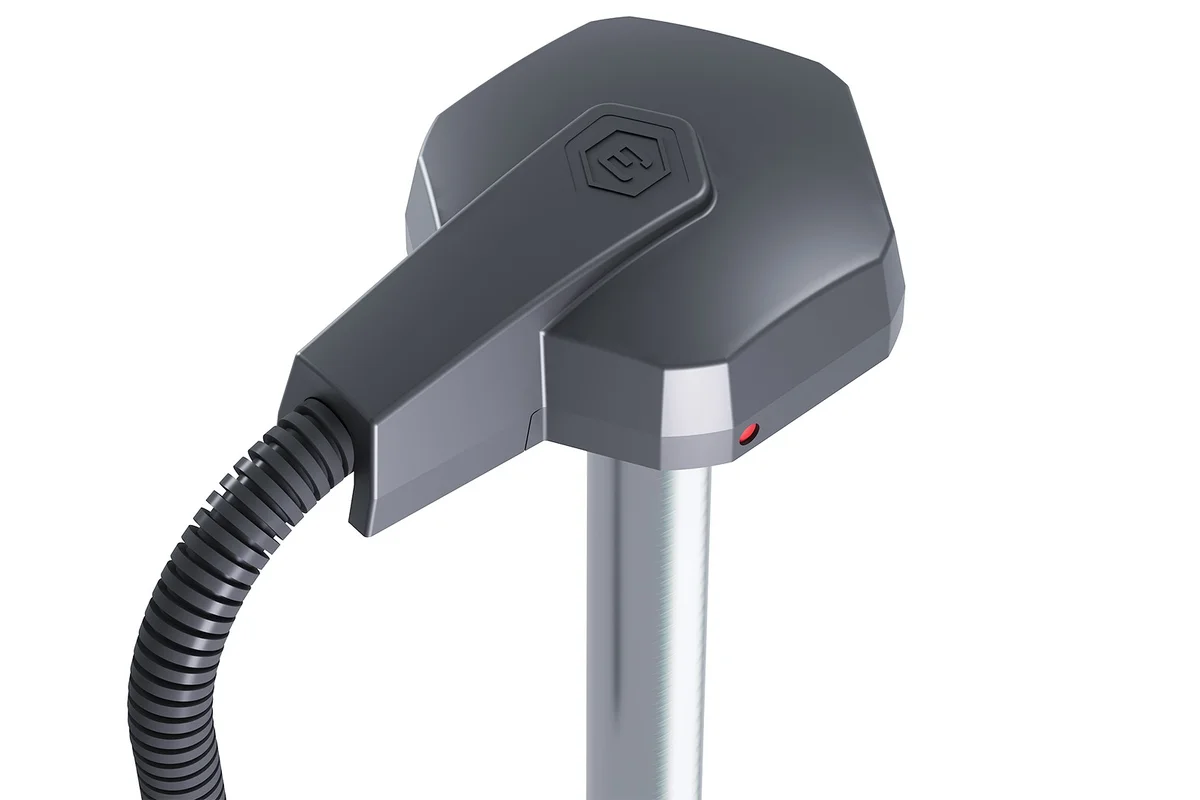
What we use on the job
A turnkey project or several contractors
The equipment may be exactly the same. The difference is in who answers for the result.
| Turnkey project | Several contractors | |
|---|---|---|
| One party answerable for the result | Yes | No, you find the culprit yourself |
| A pilot before the rollout | Yes, 3–5 vehicles | Depends on the contractor |
| Acceptance against a single checklist | Yes, agreed at the outset | No, each has its own paperwork |
| Documentation for the whole fleet | Yes, register and tank tables | Scattered |
Questions about “Turnkey telematics system installation”
Request a call
A specialist will call back and match a solution to your fleet and your task.