
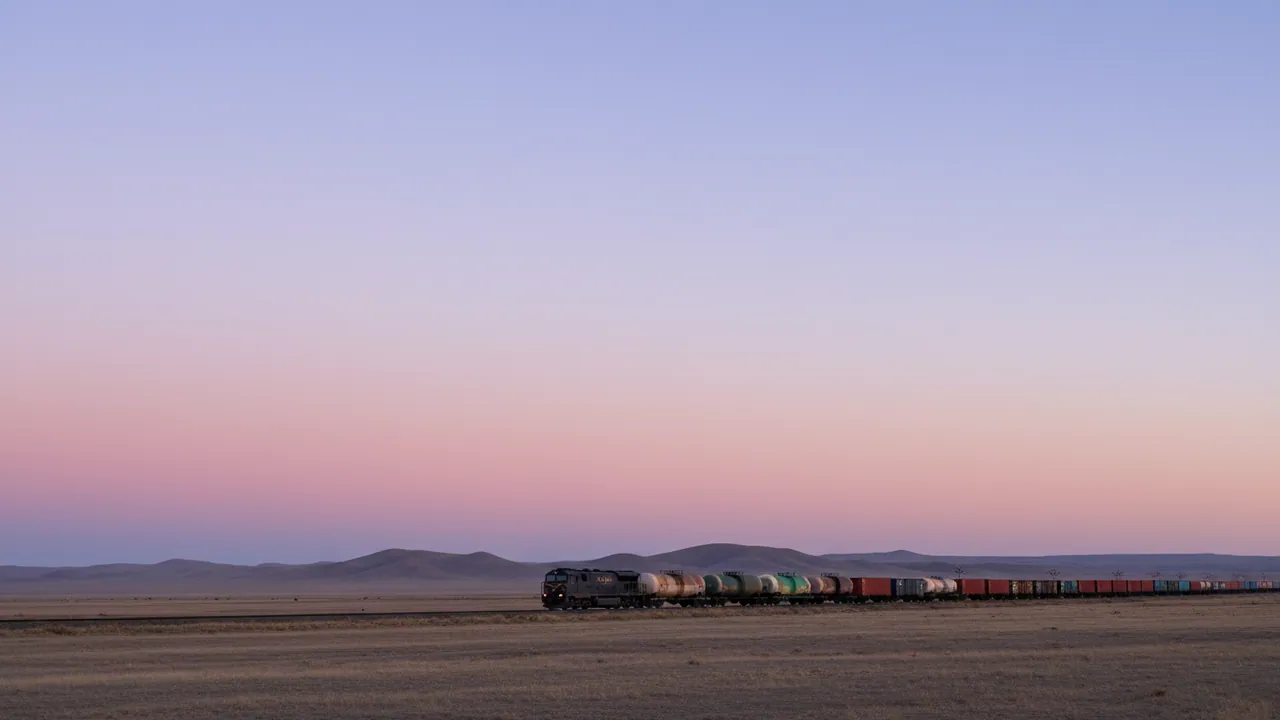
Monitoring system for rail transport in Azerbaijan
GPS monitoring for owners of wagons and containers, for industrial sites with their own sidings and shunting locomotives, and for operators moving cargo along the Middle Corridor and the North — South route. You see where your wagon is, how long it has been standing at a station and how much fuel the locomotive burned during a shift.
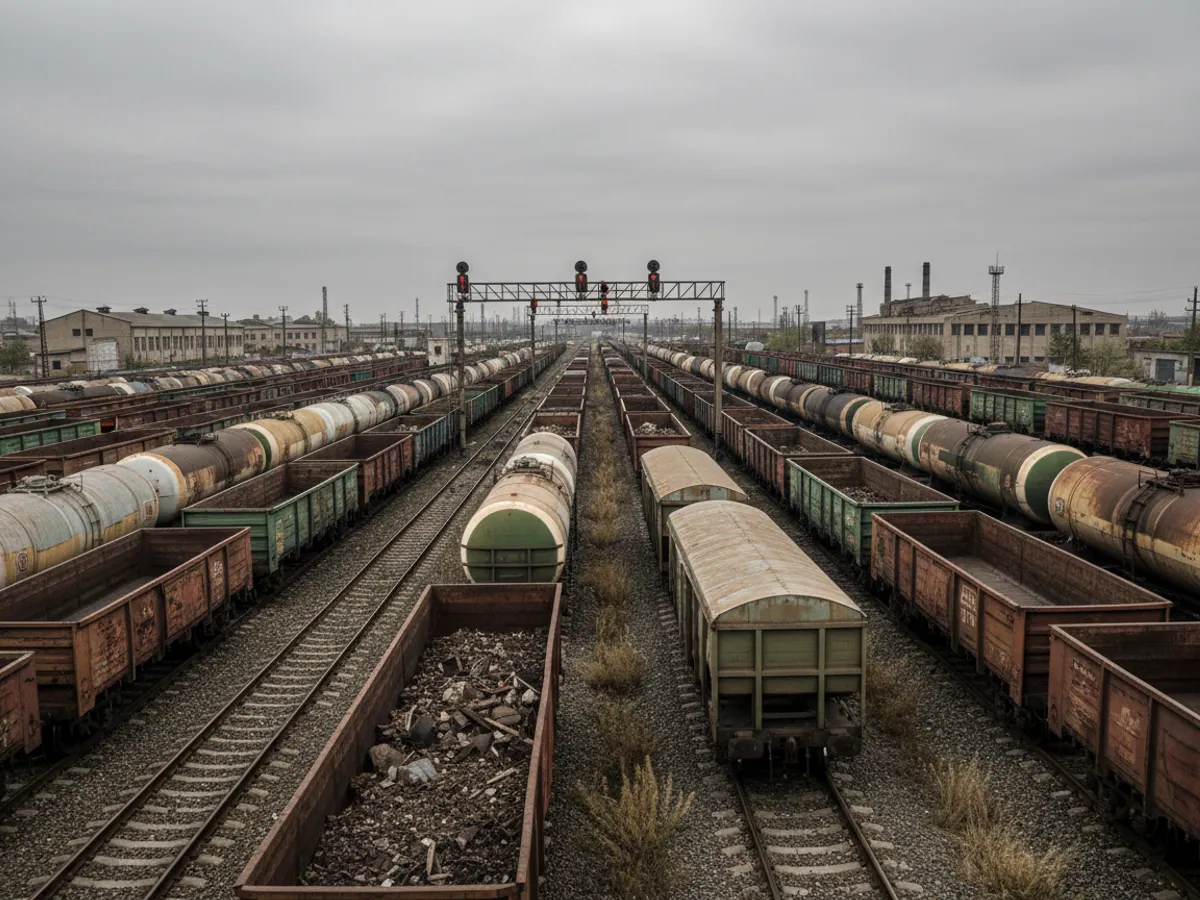
Your own wagon data in between the position reports
Once a wagon has left the station of departure, the cargo owner often hears about it only from a position report requested by telephone or received once a day. Between those reports the wagon can sit for three days at the Balajary marshalling yard, and nobody will say why.
Two corridors run through Azerbaijan at once: containers from China and Central Asia through the port of Alat and onwards along the Baku — Tbilisi — Kars line, and Russia — Iran cargo through Yalama and Astara. For anyone in those chains who owns wagons or containers, rolling stock turnaround is money. An extra day of a wagon standing idle is paid for out of your own pocket.
Your own tracker on a wagon or container gives you independent data on where it is. A tracker on a shunting locomotive gives data on its work, its fuel and its engine hours. This is part of the set of solutions for transport operators collected in the section fleet monitoring in Azerbaijan, but the railway calls for its own equipment and its own settings.

Who on the railway needs monitoring of their own
Main line locomotives and traffic control are the railway administration's responsibility, and it has systems of its own. We work with those who do not have enough data of their own.
- Owners and lessees of wagons. Tank wagons for oil products, hoppers for grain and cement, flat wagons for containers. What they need is to know position and idle time without having to ask.
- Sites with their own sidings. Plants in the Sumgait Chemical Industrial Park, cement works and refineries that have their own shunting locomotives and track.
- Container operators. A container travels by sea, then by rail, then by road. A tracker on the container itself goes the whole way with it.
- Track maintenance contractors. Trolleys, track machines and road-rail vehicles working on remote sections of line.
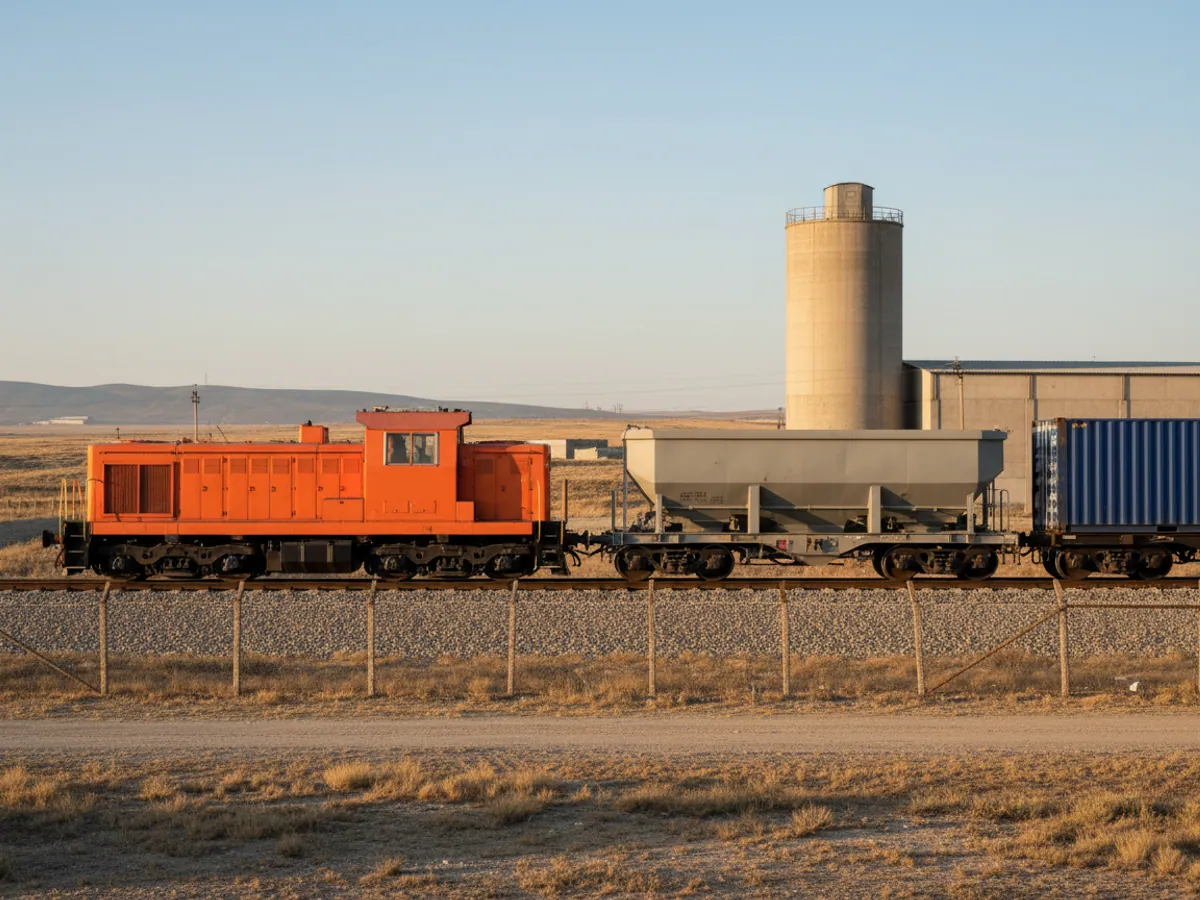
Wagon, locomotive and cargo — three different trackers and three different reports
At the first meeting we usually separate these three straight away. People often want to cover them all with one tracker, but they differ in power supply, in the data they yield and in who reads the report.
- A wagon or flat wagon. It has no power of its own. A battery-powered tracker reports in once or twice a day and when movement begins. The report covers position and idle time by station, and it is read by the department responsible for wagon turnaround. There will be no minute-by-minute track here: frequent messages eat the battery quickly.
- A shunting locomotive. Powered from the on-board supply through a converter. The tracker records points often, counts engine hours, engine starts and the fuel level. The report covers the locomotive's shift: work on shunting, idling, refuelling and falls in level. It is read by the head of the transport shop and by the engineer.
- Cargo or a container. The tracker travels with the cargo and moves from wagon to lorry to ferry. Door opening, temperature and shock sensors can be added. The report covers the cargo's journey across every leg and the events along the way. It is read by the forwarder or the cargo owner.
A typical wagon report is a table: wagon number, station and time of the last message, days at the current station, dates of loading and unloading, turnaround days, battery charge. For a locomotive: date and shift, engine hours under load and idling, refuelling and consumption in litres, drain events.
Where the boundary lies. Our monitoring is data for the owner, not a part of railway automation. The tracker does not connect to signalling, interlocking and block systems, to locomotive safety devices or to traffic control. It has no bearing on when a train is despatched from a station, and it does not replace the official position report or the carrier's documents. If tracker data and a report disagree, that is grounds for an enquiry, not automatic proof.
The main problems and risks for rail operators without monitoring
The railway is slow and heavy, so losses build up here unnoticed. These are the ones we meet most often.
Fuel on a shunting locomotive
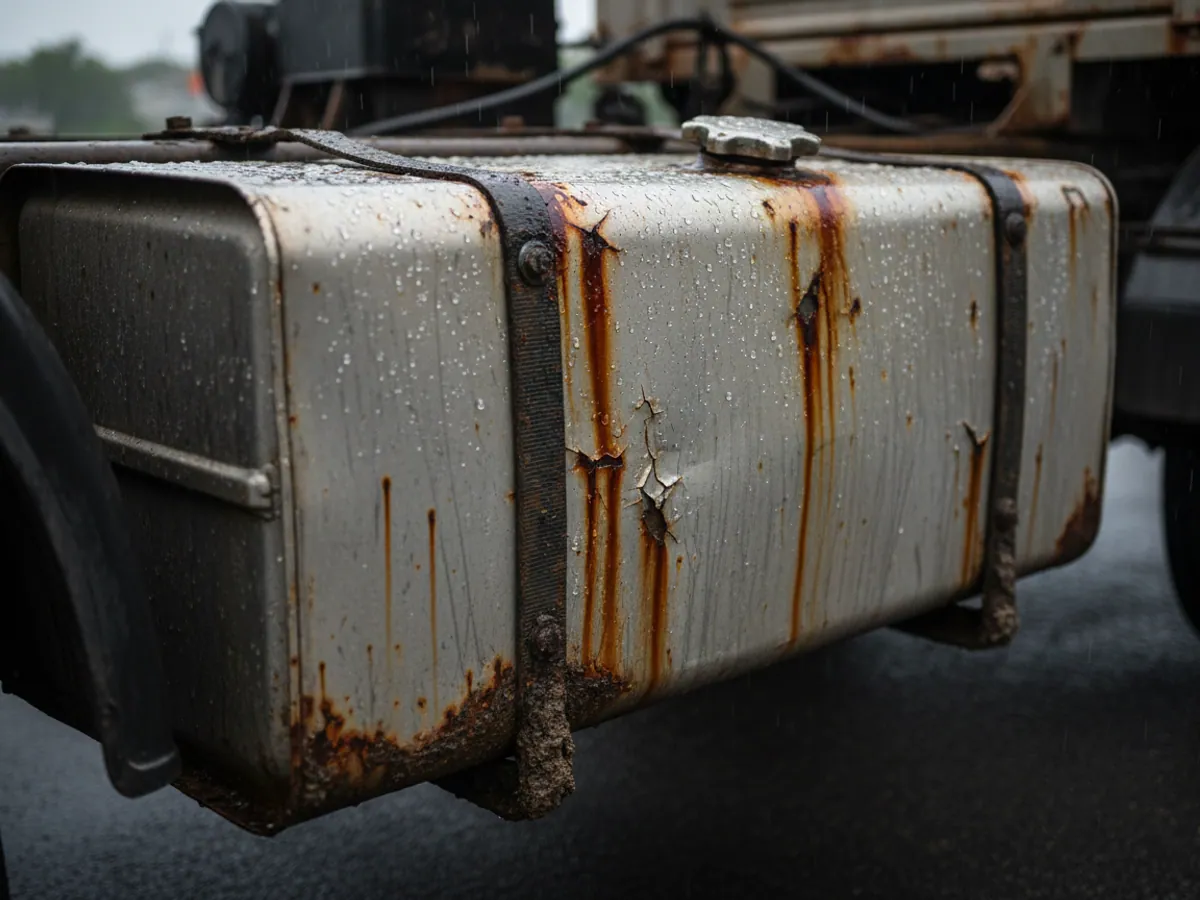
A locomotive's tank holds several tonnes of diesel. A drain of 200-300 litres in a shift is easy to write down to a lot of shunting, and nobody checks a refuelling receipt against the level.
Idling
In winter the locomotive is left running all night so that a cold engine does not have to be started in the morning. Sometimes that is justified; more often it is a habit that costs hundreds of litres a week.
Lost days
A wagon is held at a station, detached for repair or sent to the wrong place. The owner learns of it several days later, by which time demurrage is already running.
What the monitoring system can do for rail transport
Tracking wagons and containers
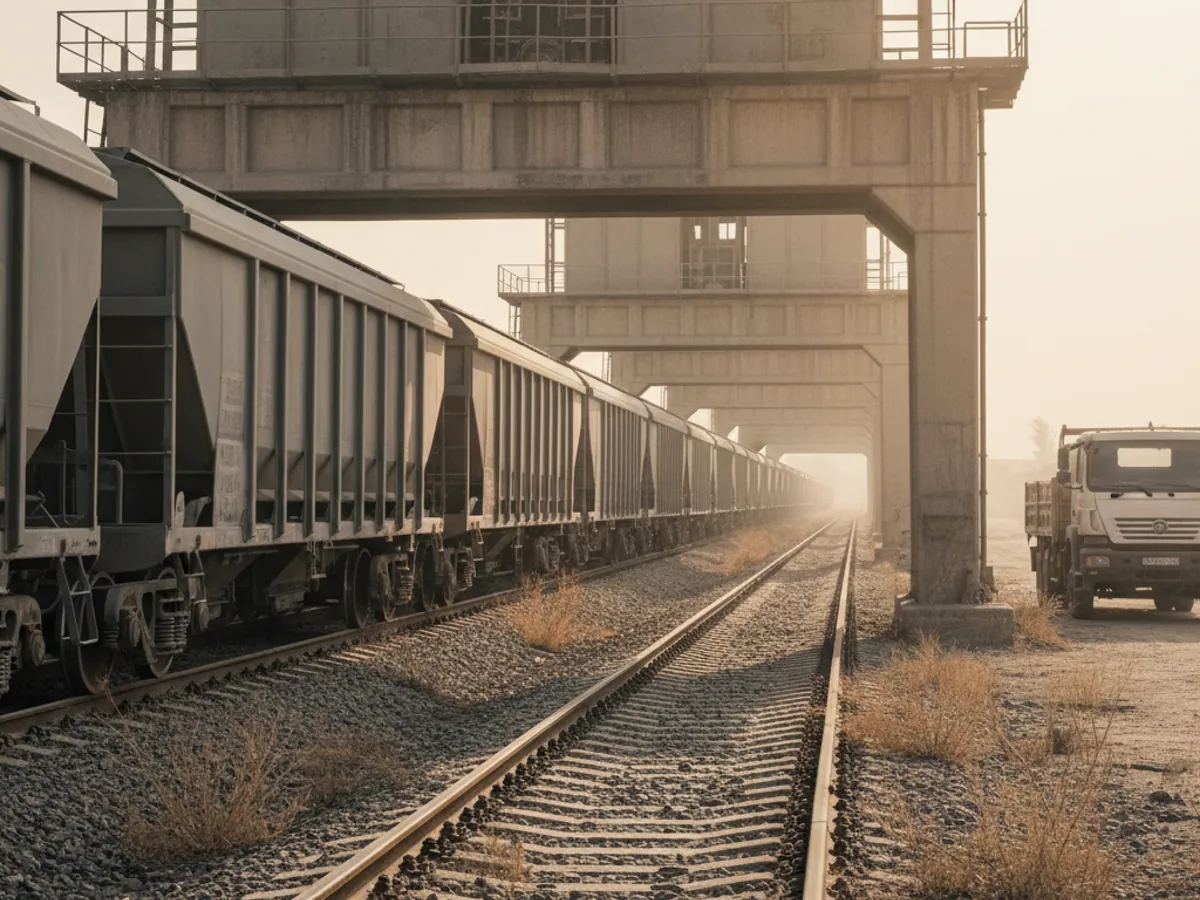
On a wagon with no electrical supply of its own we fit a battery-powered tracker. It sleeps most of the time, wakes on movement or on a schedule, sends a coordinate and goes back to sleep. At 1-2 messages a day the battery lasts for years.
- The wagon's position on the map and the time of the last message.
- Time spent at each station: arrived, stood, departed.
- Geofences for loading and unloading stations, with an automatic turnaround report.
The battery-powered Teltonika TAT100 tracker, in a rugged housing with a frame mounting, suits this job well.
One container's journey: from Alat to the Georgian border
The container arrives by ferry from Aktau into the port of Alat. The tracker on the container door sends a point as soon as it is discharged: Azercell and Bakcell have coverage in the port. The container is then loaded onto a flat wagon, and the tracker shows how long it stood in the port before departure.
The train runs west through Yevlakh and Ganja. The tracker sends a coordinate every few hours, which is enough to see progress and stops. On the approach to Boyuk Kasik the system records entry into the geofence of the frontier station.
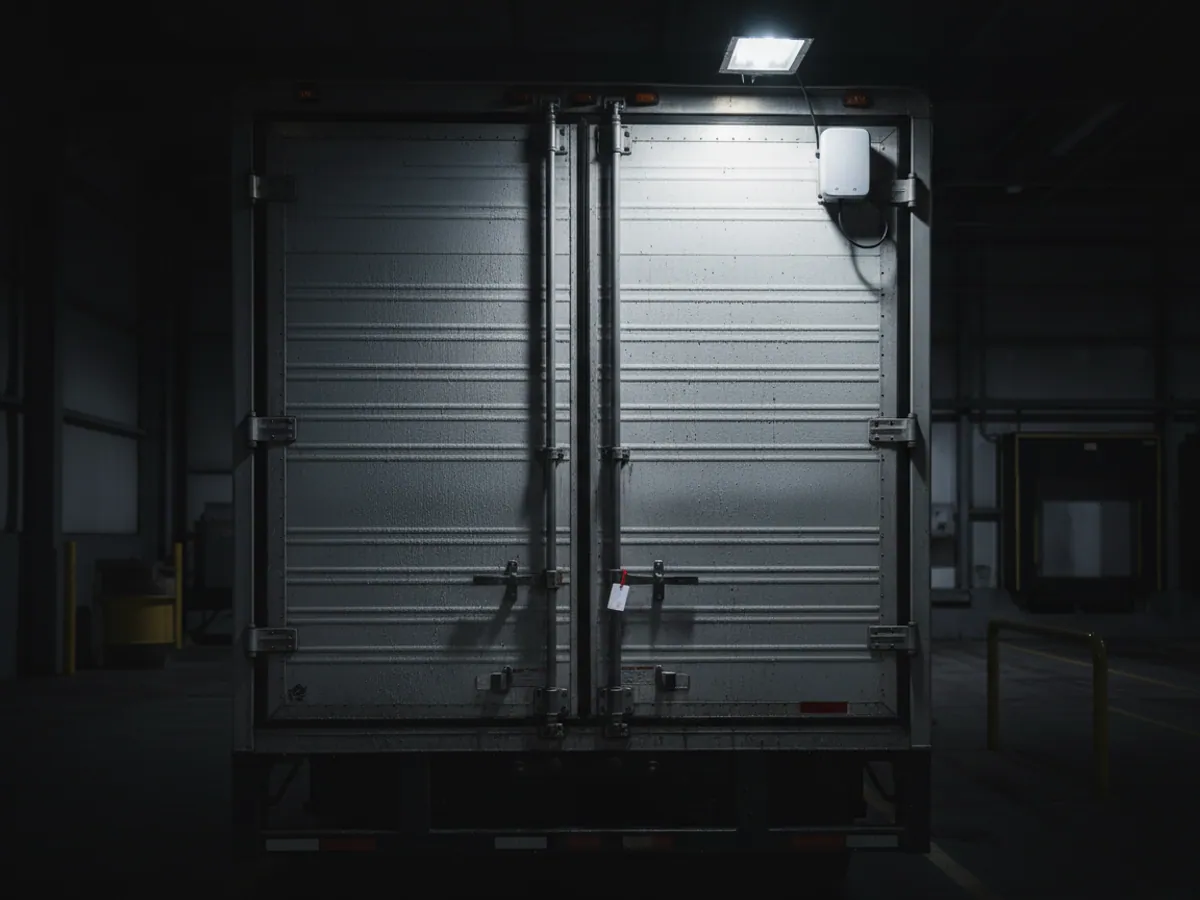
If the container stands at the frontier station longer than a set time — 24 hours, say — the dispatcher gets a notification and can ring the forwarder while there is still time. If the door carries an opening sensor, the log will show whether it was opened in transit and where.
Beyond the border the tracker works in roaming. We write about container transport as a whole, including the sea and road legs, on the container transport monitoring page.
What to know about equipment for the railway
The railway is harder on electronics than a road vehicle is. The vibration is constant, the impacts during coupling are heavy, and a metal body screens the signal.
- Where it goes. A tracker inside a metal wagon barely sees the satellites. We fit it outside, on the frame or the end wall, in a protective bracket.
- Tank wagons with dangerous goods. On tank wagons carrying petrol and gas, equipment is fitted only outside the hazardous area or in an explosion-protected version. We discuss this at the design stage, not on site.
- Power on a locomotive. A locomotive's on-board supply differs in voltage from a road vehicle's. The connection goes through a converter and surge protection.
- The battery in a self-powered tracker. Its life depends on how often messages are sent. Once a day means years; once an hour means months. We choose the frequency to suit the job, rather than setting it as high as possible just in case.
Stages of deployment
Defining the job
Which matters more: where the wagons are, fuel on the locomotives, or the security of the cargo. The answer determines the equipment and the message frequency.
A pilot on 5-10 units
We fit out several wagons and one locomotive and spend a month checking coverage along the route, sensor accuracy and battery drain. From you we need: a list of wagons with numbers and routes, the owner's and the depot's agreement to the mounting, access to the locomotive while it is fitted and the tank calibrated, and position reports and fuel records for the pilot month to reconcile against. Acceptance criteria are agreed in advance — for example, that arrivals and departures by tracker match the reports within an agreed difference, that every refuelling of the locomotive shows on the level sensor, and that battery charge is used up at the calculated rate.
Calibrating locomotive tanks
We fill the tank with known volumes and build a calibration table. Without it the sensor shows millimetres, not litres.
Station geofences and reports
We enter the loading and unloading stations, the frontier crossings and the depots. We set up the wagon turnaround report in the format your accounting uses.
Scaling up
We fit out the rest of the fleet. Battery-powered trackers go onto wagons quickly; a locomotive with a fuel level sensor takes about a day.
What operators gain
Less fuel on shunting
In our experience, control of drains and idling on shunting locomotives saves 10-20% of the diesel.
Faster wagon turnaround
Idle time shows up in the tracker's next message rather than a week later in a report. The conversation with the consignee or the station starts earlier, while the delay can still be shortened.
Cargo security
Door openings and impacts are recorded with a coordinate and a time.
Reports without asking
Position as at the last message, engine hours and idle time — in your account, without ringing the station.
Frequently asked questions (FAQ)
What is used in this sector
What we do end to end
Wialon modules for this sector
How it is used in this industry
Case studies from “Fleets & Transportation Companies”

Thinking of rolling out GPS monitoring in “Rail carriers”?
Send us an enquiry and we will price it up for your fleet and pick the hardware for this sector: fleets & transportation companies.
- 1 We pin down the task
A specialist calls back and asks about the vehicles, how many there are and what you need to keep an eye on.
- 2 We put a solution together
We propose the hardware and the features, and set out the one-off and the monthly cost separately.
- 3 We agree the fitting
At your yard or at ours, on a schedule that keeps the vehicles working.
Request a call
A specialist will call back and match a solution to your fleet and your task.