
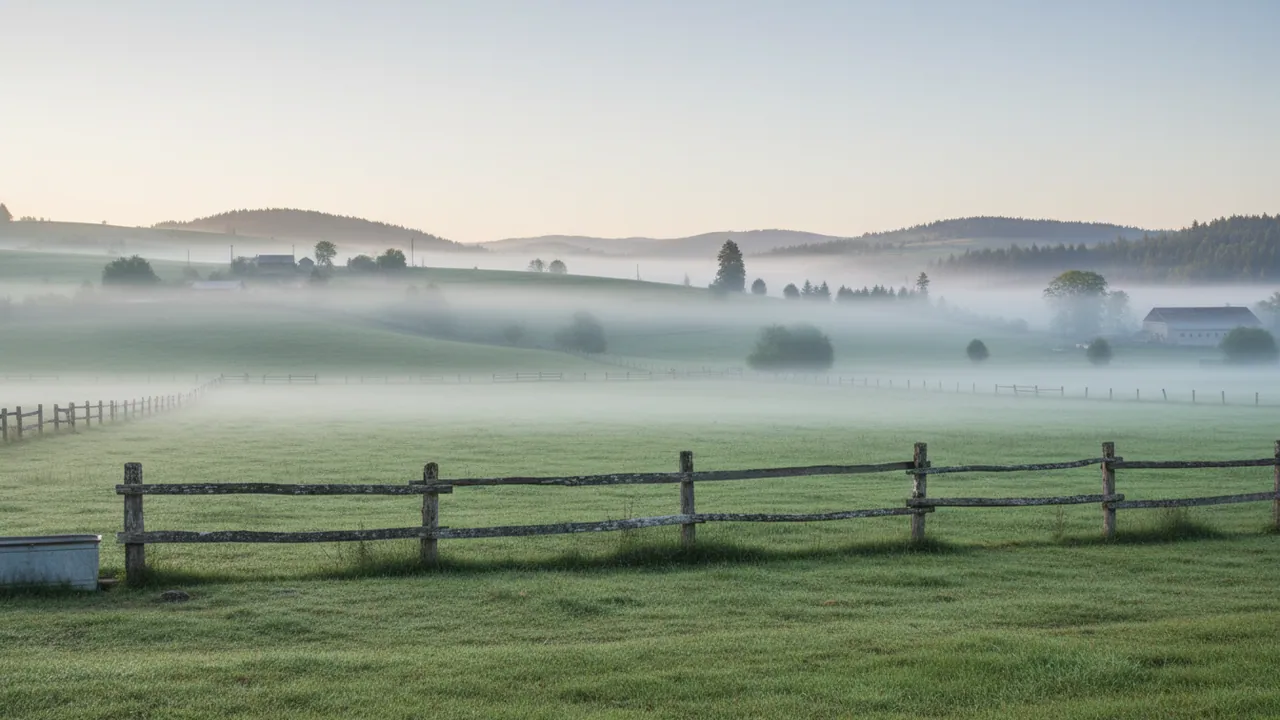
Digitalisation of livestock and poultry farming
GPS collars for livestock out on pasture, temperature sensors in poultry houses and cattle sheds, control of standby generators, feed lorries and milk tankers. All in one Wialon system, with notifications to your phone when something has gone wrong.
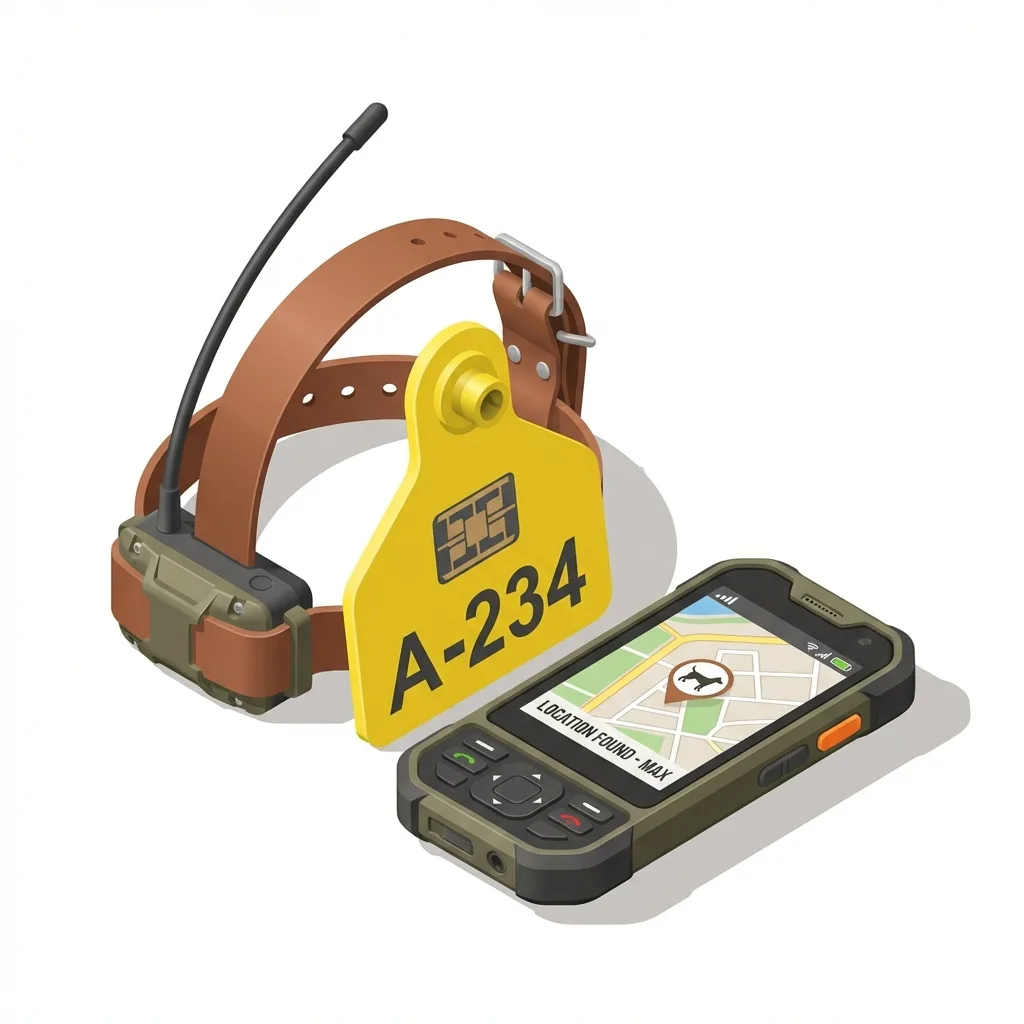
What can be monitored on a farm with GPS
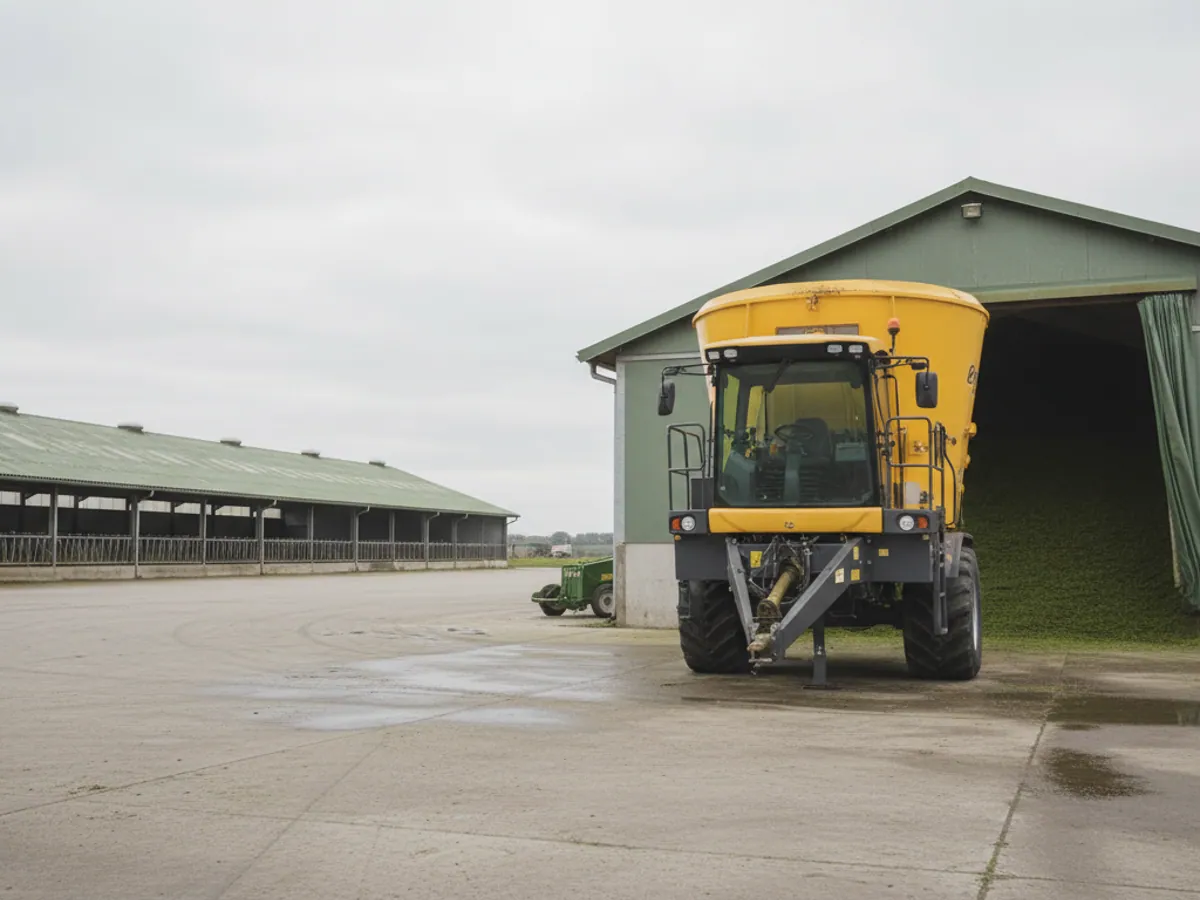
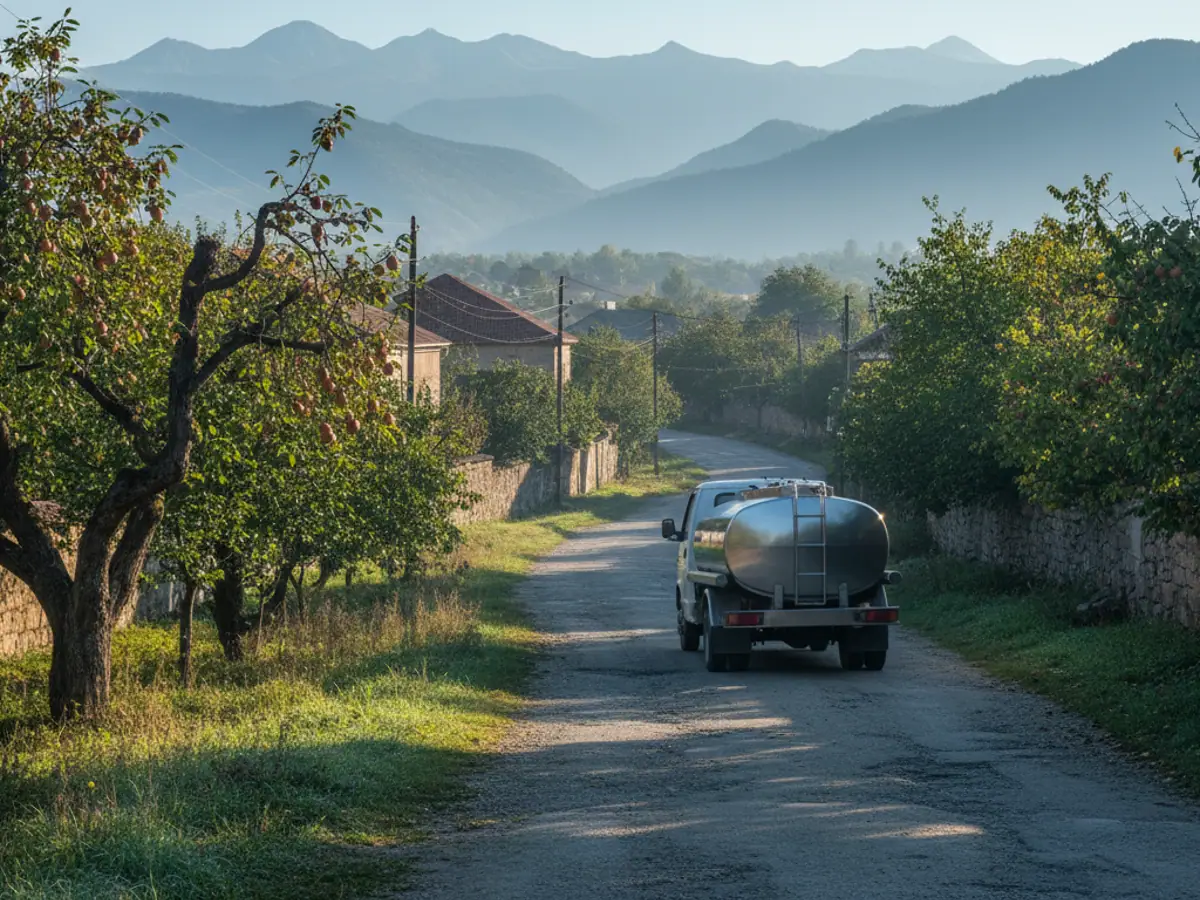
Our monitoring for livestock and poultry farming starts with what we do best: everything that moves and everything that burns fuel. Flocks out on pasture, feed mixers, milk tankers, vehicles carrying compound feed, diesel generators for when the power goes off. To that we add wireless temperature and humidity sensors inside the buildings.
Feed makes up most of the cost of milk, meat and eggs, and losses from a single ventilation failure on a hot day can wipe out a quarter's profit. So in livestock farming it matters to see both the machinery and what is happening inside the buildings at the moment when there is nobody on the farm.
To be honest about the limits: climate control systems, ration-based feeding and herd health records are a separate class of equipment. We do not replace them; we bring their alerts and key readings to the place where you already watch the machinery.
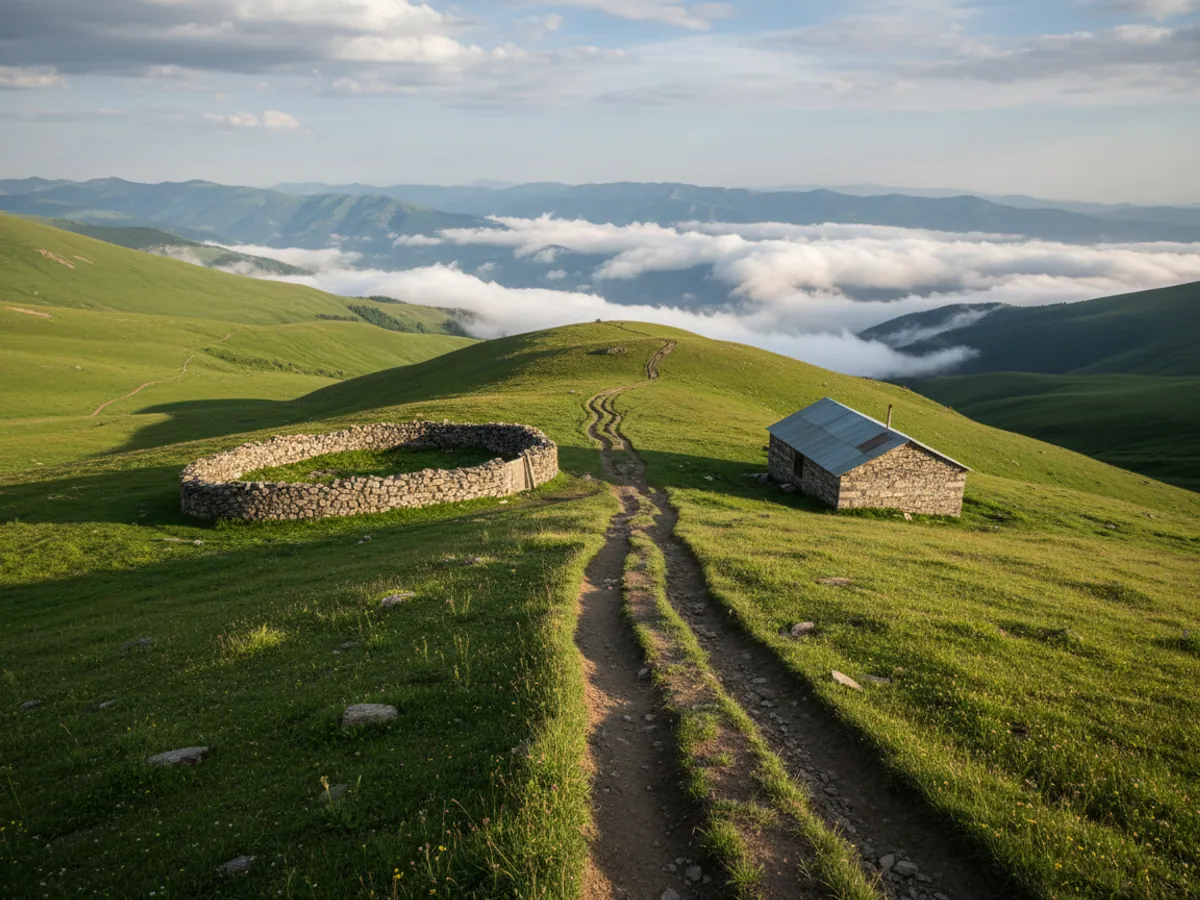
The drive up to the yaylags: how not to lose a flock between plain and mountain
In spring the flocks leave the winter pastures on the plain for the mountains, for the summer yaylags of the Greater and Lesser Caucasus. The drive takes days and sometimes weeks, the shepherds go with the animals, and contact with the farm is hit and miss. In autumn the whole thing happens in reverse.
A GPS collar on a few animals in the flock solves a simple problem: the owner can see where the flock is now and where it was yesterday. If the flock has unexpectedly gone off the usual route, or has stood in one place for a long time, that is reason enough to ring the shepherd. If one tagged animal has strayed off into a gorge, it is easier to find from its last position.
A collar on every sheep is usually unnecessary and does not pay for itself. A few on the leading animals is enough. For cattle and horses grazing freely, a collar goes on every animal worth protecting. There is more about the devices on the animal monitoring page.
What is monitored on a farm and at a poultry plant
Collars and virtual boundaries
Standalone trackers on collars report in on a schedule: once an hour, or once every few hours. The less often they report, the longer the battery lasts, from several months to a year or more depending on the model and the settings.
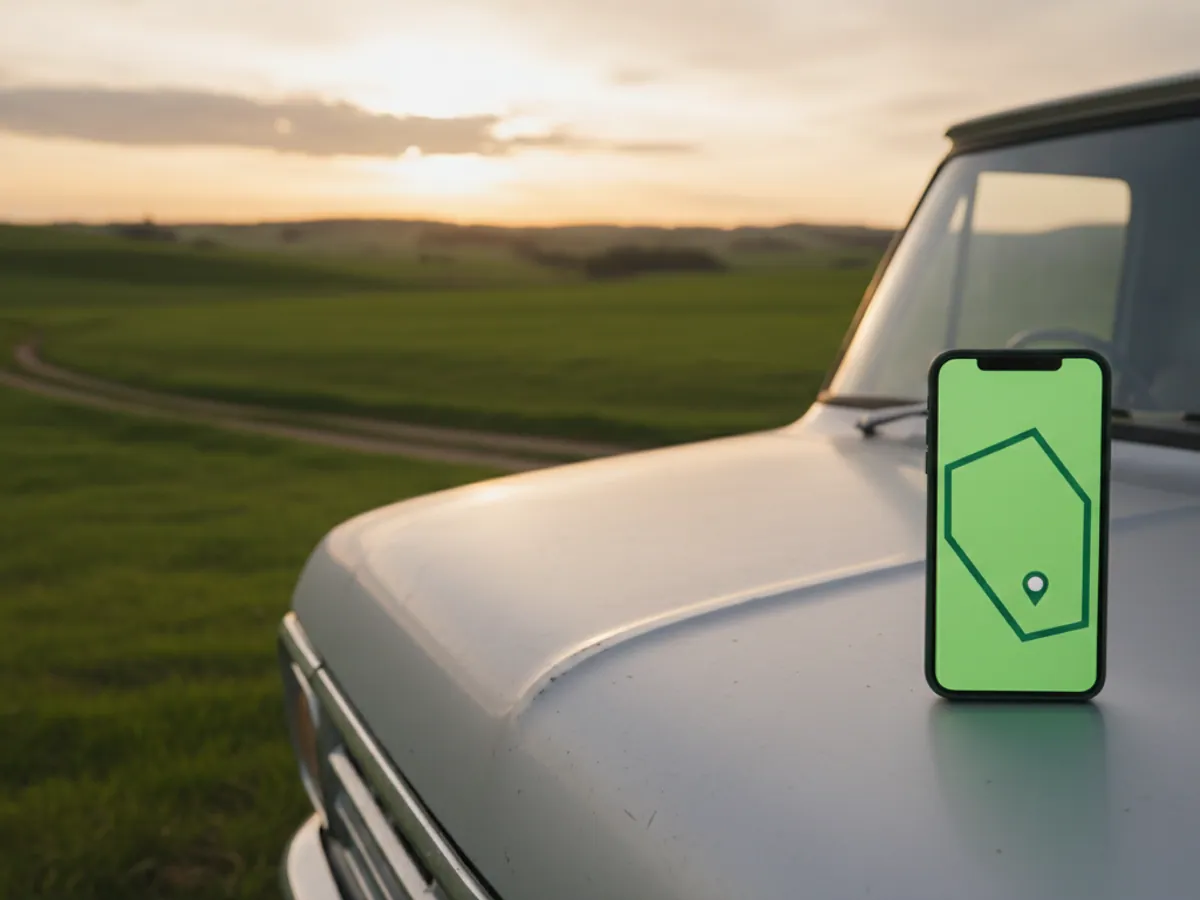
A geofence is drawn around the pasture. An animal leaving it produces a notification. There is a limitation worth understanding: when positions are sent rarely, the notification does not arrive that same minute but at the next time the device reports in.
Where livestock farmers lose money
From what we see on farms, the large losses most often come down to four things:
Feed that does not arrive
Compound feed and silage leave the store against a note, and less than that reaches the troughs. The difference is written off as shrinkage.
Heat and power cuts
In summer on the lowland, one hour without ventilation in a poultry house can cost a substantial part of the flock. People find out in the morning.
An empty generator tank
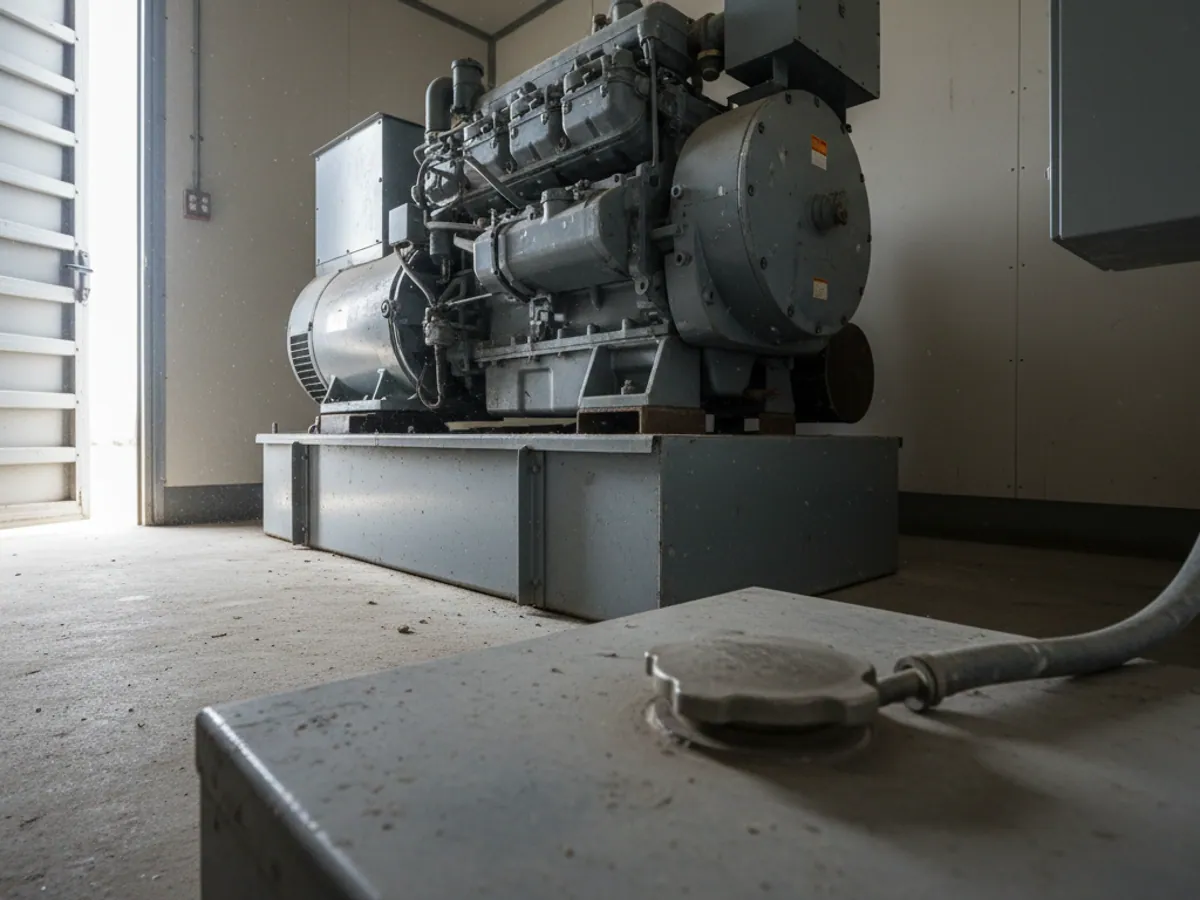
The generator is there, but in an emergency it will not start or runs for half an hour: the diesel was drained out of the tank long ago.
Missing animals
Free-grazing stock wanders off, gets lost or is rustled. Without positions the search is guesswork.
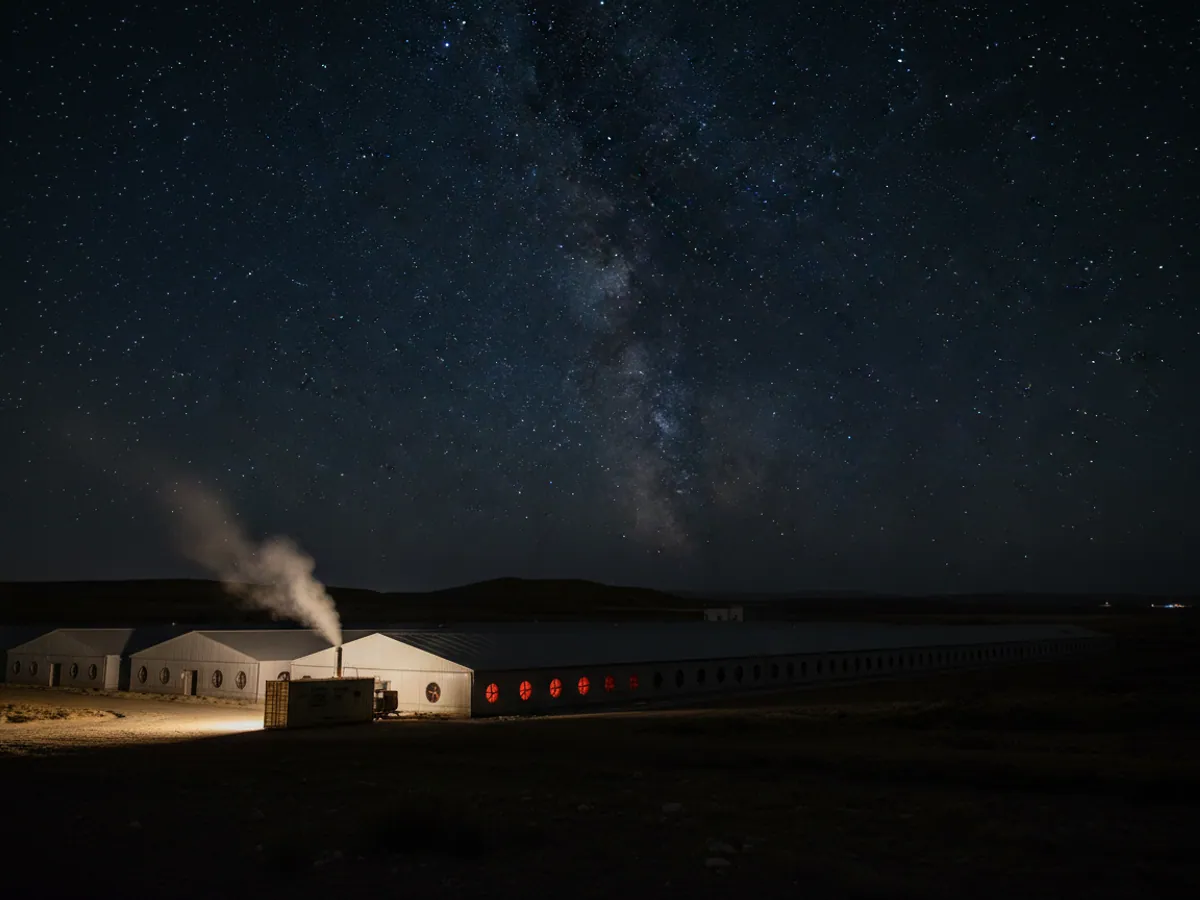
A night without power at a poultry plant
August, a poultry plant outside Baku. At half past one in the morning the power goes. The generator is meant to start automatically, but there is less than a quarter of a tank left in it: it was last filled in the spring, and not all of what was signed for reached the tank.
With monitoring that night looks different. Two weeks earlier the system sent a notification: the fuel level in the generator had dropped by 60 litres without the generator having run. The tank was topped up and a word was had with the person responsible.
At 01:32 a notification arrives that mains power has failed and the generator has started. At 01:40 the sensors in the poultry houses show that the temperature is steady. The duty officer, woken by his phone, sees this within a minute and need not drive out to the site. Had the generator failed to start, the alert would have gone to several people at once rather than to a single night watchman.
Setting up notification chains like this is described on the notifications page.
What we fit ourselves and what we connect to
We fit: trackers and fuel level sensors
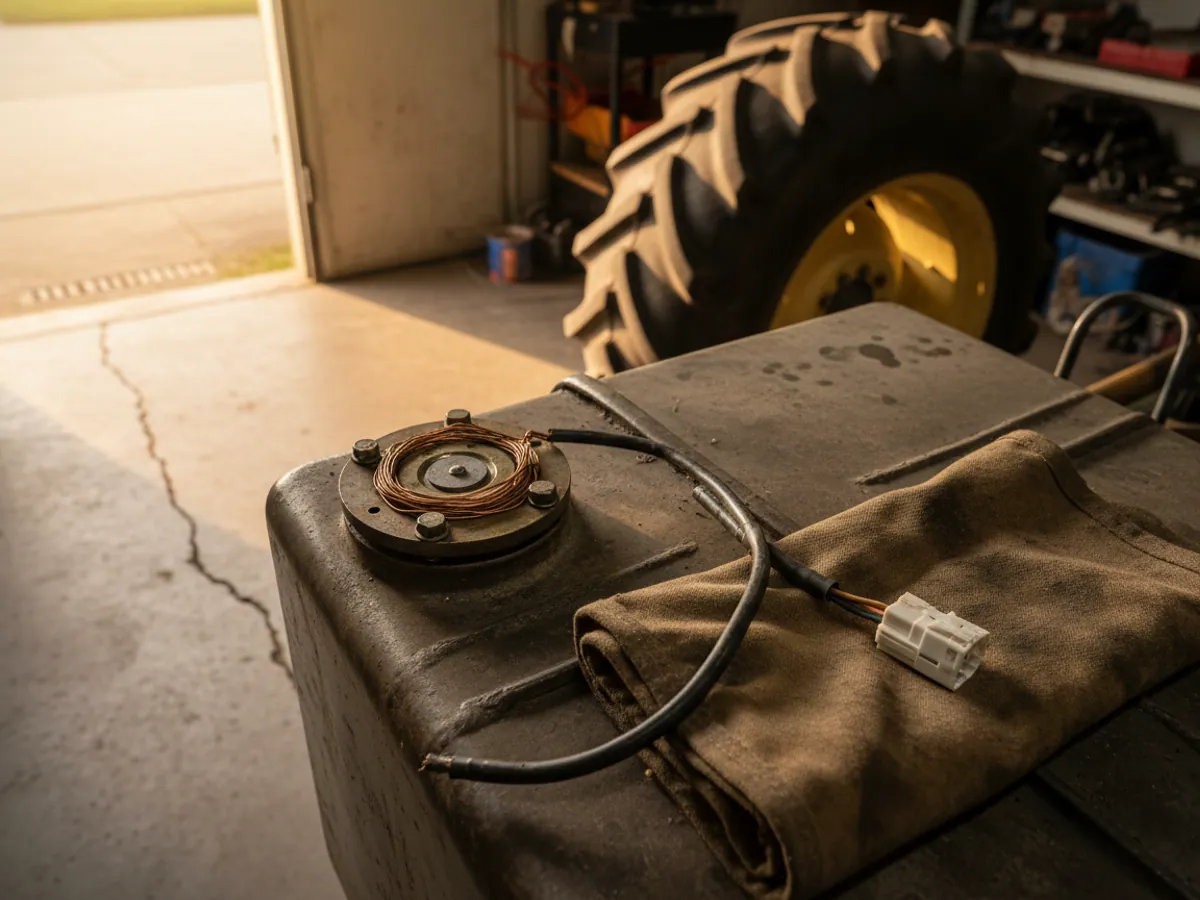
On feed mixers, tractors, milk tankers, compound feed vehicles and generators. This is our core work, including tank calibration and setting up the reports.
We fit: wireless temperature sensors
In poultry houses, cattle sheds, feed stores and milk tanks. The sensors send their data to a gateway tracker inside the building, so there is no need to drill walls for cabling.
We fit: GPS collars
For cattle, horses and the leading animals in a flock. We choose the model to suit the size of the animal and how often positions are needed.
We connect to: climate controllers
If the controller has an alarm output or an interface for passing data on, we bring its alarms into Wialon. The controller itself and its configuration are the responsibility of the climate equipment supplier.
We do not do: gas analysis and health records
Ammonia and CO2 sensors, milk yield recording and veterinary systems are a separate class of equipment. We can take their data if they support open exchange, but we do not pass them off as ours.
Where a farm should start
The most expensive risks
We work out what is the greater danger for your farm: heat in the poultry houses, the generator, feed or stock out on pasture. We start with one or two areas rather than everything at once.
Machinery and generators
The usual first step is trackers and fuel level sensors on machinery and generators. The effect on fuel is visible in the first month and helps justify the next stage.
Sensors indoors
We mark out the points for the sensors: by the fans, in the far corner and at bird level rather than up under the roof. Thresholds are set together with the vet.
Who receives the alerts
We build a chain: duty officer, section head, vet, owner. The notification has to reach someone who can come out at night.
Grazing, indoor climate and transport are three different jobs
On a farm the word monitoring often covers three jobs with different equipment, different people and different response times. We separate them from the first conversation.
- Grazing. Collars on the animals, a geofence around the pasture, the droving route. The response time is hours: ring the shepherd, go out and look. The owner of the flock or the head shepherd is responsible.
- Indoor climate. Temperature and humidity sensors in poultry houses and cattle sheds, a signal when power fails, the generator. The response time is minutes: in heat or a power cut, what counts is how long the birds can take overheating. The duty officer and the section head are responsible.
- Transport and machinery. Feed mixers, compound feed vehicles, milk tankers, tractors. The response comes at the end of the shift or the day: reconciling trips, fuel and unloads. The transport manager or the chief engineer is responsible.
Each of these has its own list of notification recipients and its own thresholds. If everything lands in one feed, an urgent alert from a poultry house is lost among a hundred events about a tractor standing still.
Limitations worth knowing about in advance
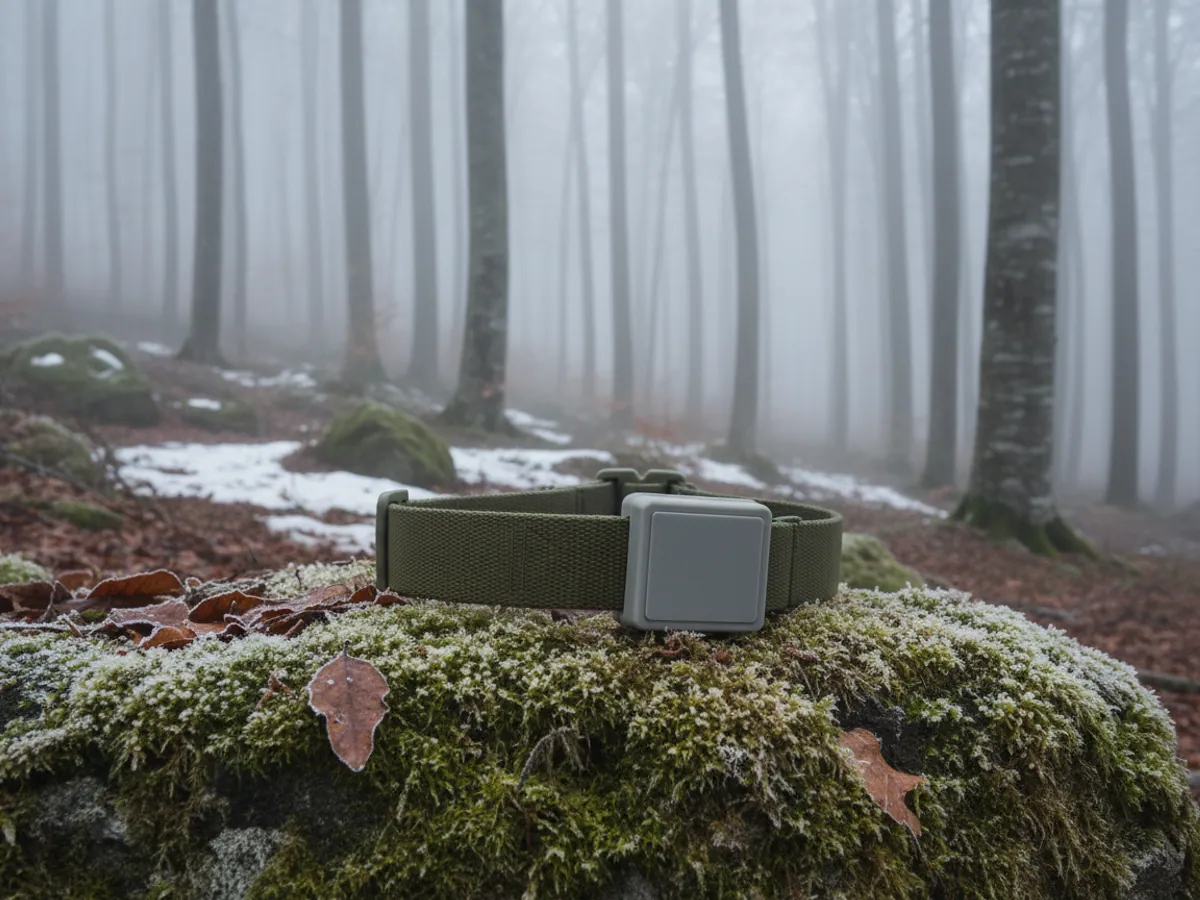
Collar battery life. The battery is mostly used up reporting in and finding satellites. A position every few hours means months of operation; a position every few minutes means weeks. Cold, dense woodland and mountains where the tracker spends a long time looking for a network all shorten it. We establish real battery life during the pilot in your conditions rather than from the data sheet.
Coverage on the pastures. On high yaylags there is not coverage everywhere. The collar will remember the points and send them when a signal appears, but an alert about leaving a geofence will reach you late.
Indoors. GPS does not work inside a cattle shed or a poultry house, so a collar cannot be used to locate animals within a building. Indoors the job is a different one: sensing conditions. Metal structures and sandwich panels weaken the signal from wireless sensors, so we choose the gateway position from the results of a survey on site.
A sensor is not a controller. Our sensors report heat; they do not switch the ventilation on. Control remains with the farm's climate equipment.
A pilot on the farm: what is needed and how to accept it
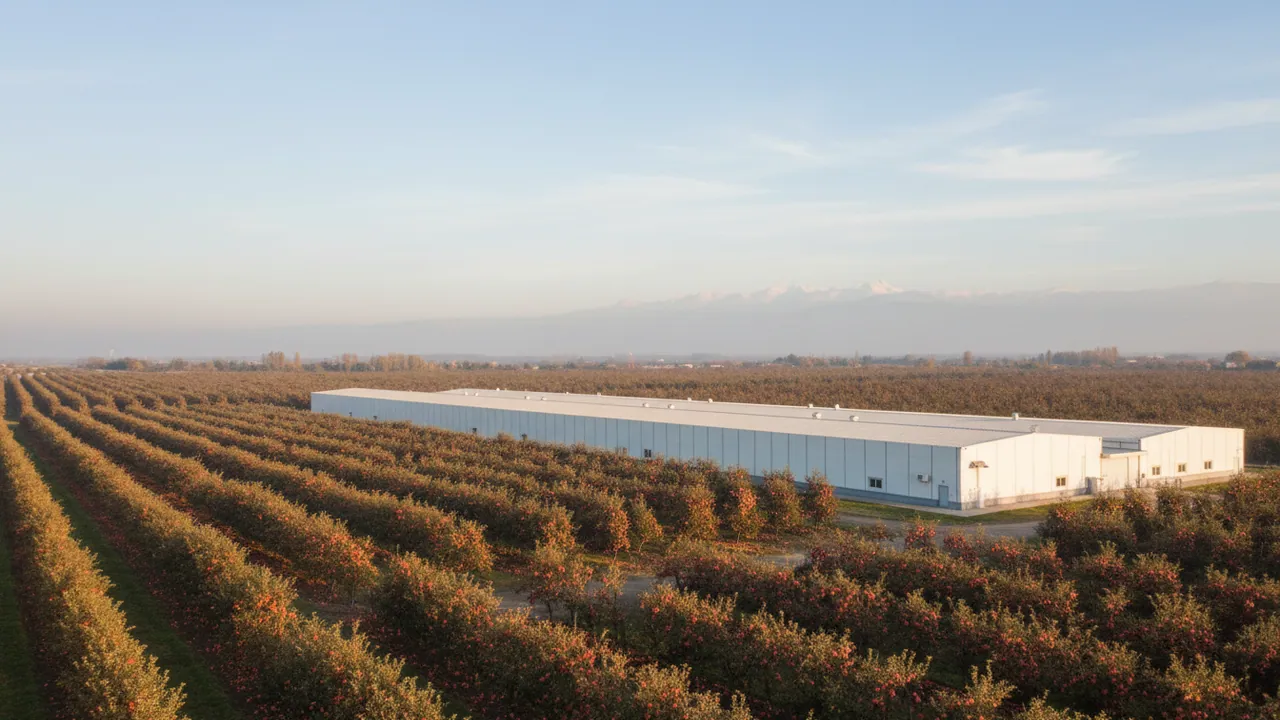
It is convenient to start with one of the three areas: one poultry house with its generator, for example, or a few collars on a single flock for the summer grazing. The duration is a month or more.
What is needed from the farm: a plan of the buildings and the permitted temperature and humidity bands (set by the vet or the technologist), access to the generator and its tank, the pasture boundaries and a list of people for the notification chain.
Acceptance criteria, for example: sensor readings have been checked against a reference thermometer; a test power failure reached everyone in the chain; generator fuel consumption has been reconciled with the refuelling log; the collars report in on the set schedule and the actual battery drain has been recorded.
How to work out whether it will pay for itself
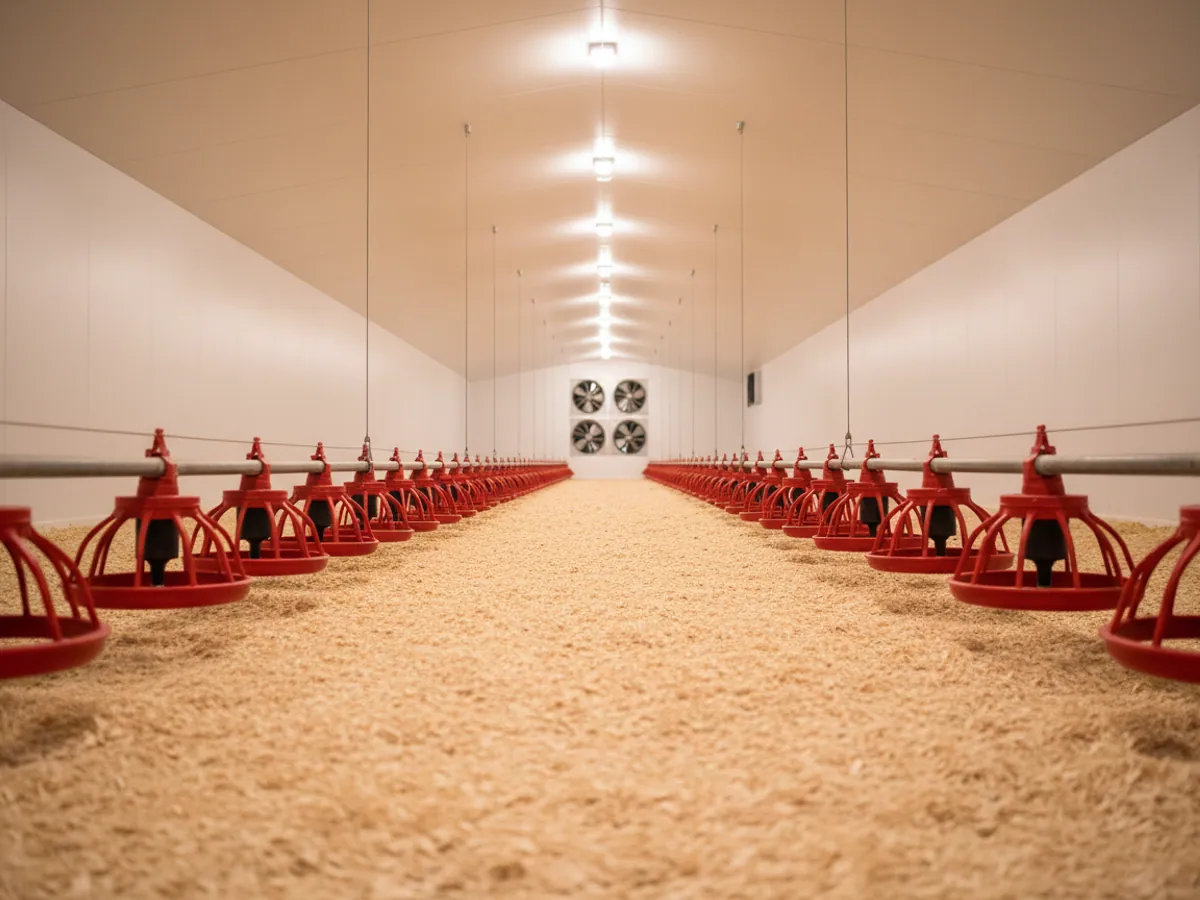
For a poultry plant the calculation is short: what a batch of birds in one house is worth, and how likely it is to be lost at least once in a few years to heat or a power cut. Sensors and generator monitoring usually cost far less than one such loss, but they only protect you if somebody actually responds to the alert.
For a dairy or beef farm we count on the fuel used by machinery and generators (in our projects usually 15 to 25% less once fuel level sensors are fitted) and on feed, where the weighing data can be brought in. For stock out on pasture, on the value of the animals that were not lost.
We will price it precisely for your farm after a site visit. The other solutions for agriculture are gathered in the agricultural sector section.
Questions from livestock and poultry farmers
What is used in this sector
What we do end to end
Wialon modules for this sector
How it is used in this industry
Case studies from “Agriculture & Agribusiness”
Field worker records with the ATC700
Assets and workforce
The GH5200 personal tracker for workers
Agriculture, construction and mining
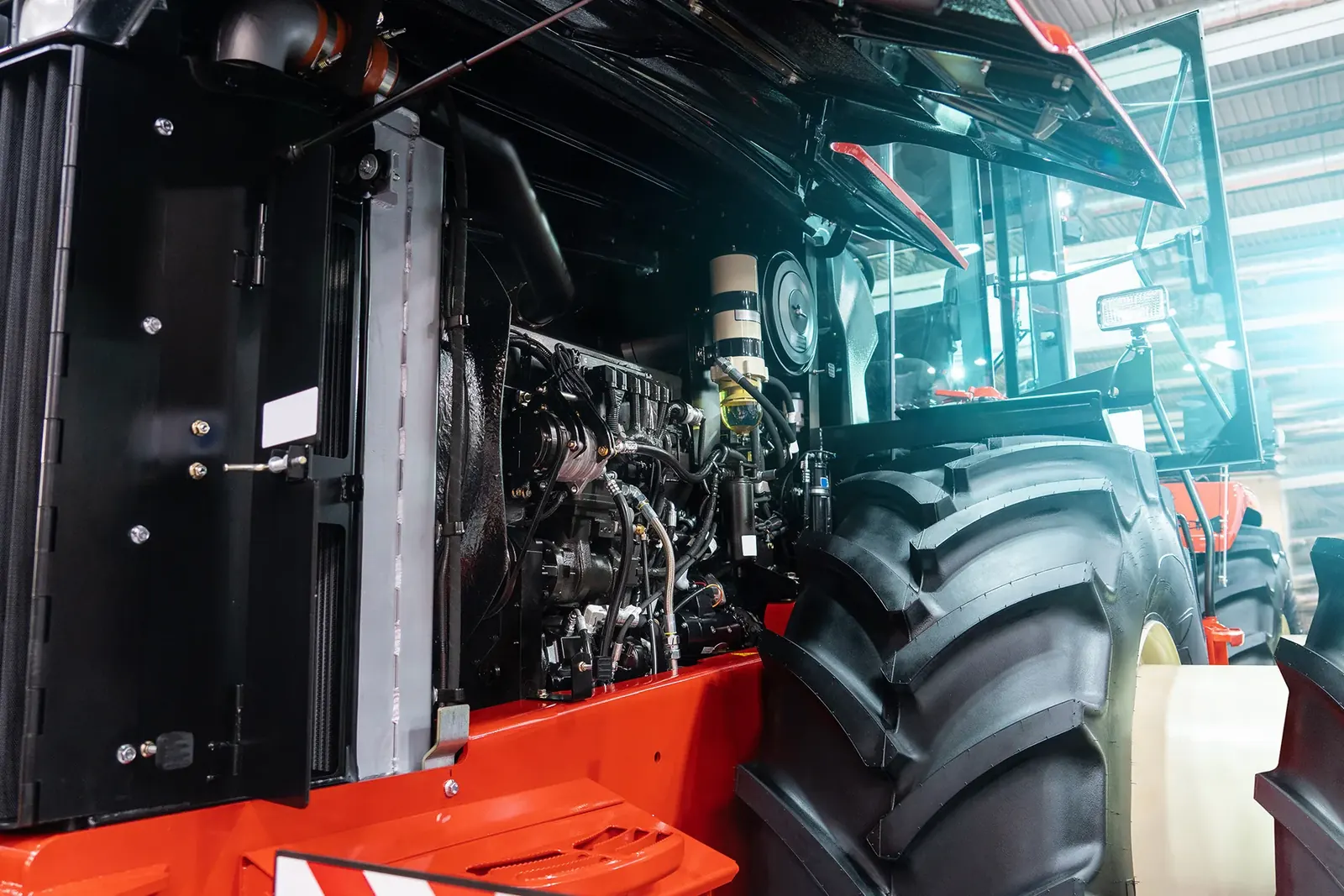
Service schedules for farm machinery from CAN data
Agriculture, construction and mining
Thinking of rolling out GPS monitoring in “Livestock and poultry”?
Send us an enquiry and we will price it up for your fleet and pick the hardware for this sector: agriculture & agribusiness.
- 1 We pin down the task
A specialist calls back and asks about the vehicles, how many there are and what you need to keep an eye on.
- 2 We put a solution together
We propose the hardware and the features, and set out the one-off and the monthly cost separately.
- 3 We agree the fitting
At your yard or at ours, on a schedule that keeps the vehicles working.
Request a call
A specialist will call back and match a solution to your fleet and your task.