

A monitoring system for ride-hailing platforms in Azerbaijan
An independent source of data about the vehicles connected to your platform: where the car actually is, how it is being driven and whether that matches what the driver's phone reports. For ride-hailing platforms, taxi booking services and partner fleets working through apps in Baku and the regions.

The app knows where the phone is. The tracker knows where the car is
All of a platform's logic — allocating jobs, calculating pick-up times, pricing — is built on the coordinates from the driver's smartphone. As long as everyone is honest, that is enough. The problems start when the phone and the car turn out to be in different places: spoofed GPS, one account used by two cars, a driver in somebody else's car of a different class.
A hardware tracker in the car provides a second, independent stream of data. It is powered from the vehicle's electrics, it does not depend on the app and it cannot be switched off with a button. By comparing the two streams the operations team can see the discrepancies and look into incidents on the facts.
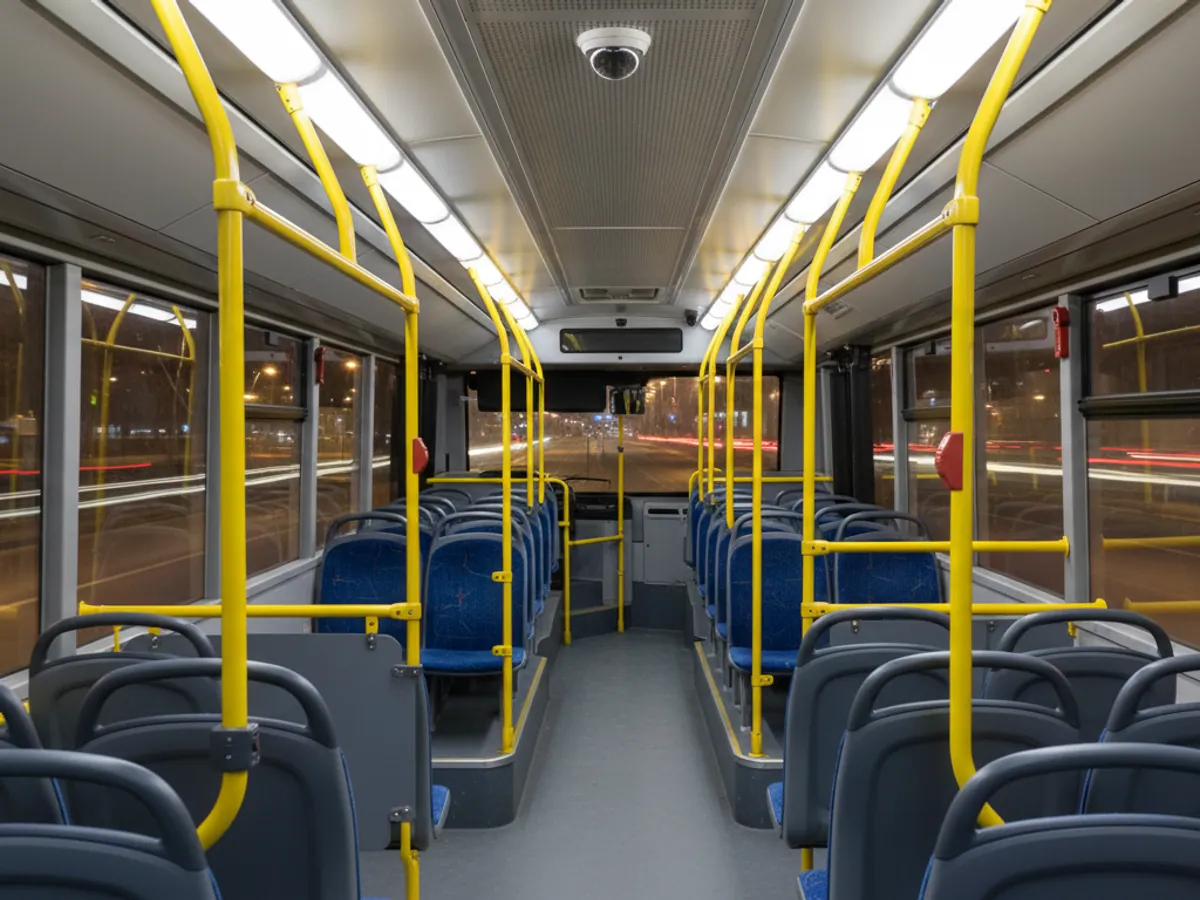
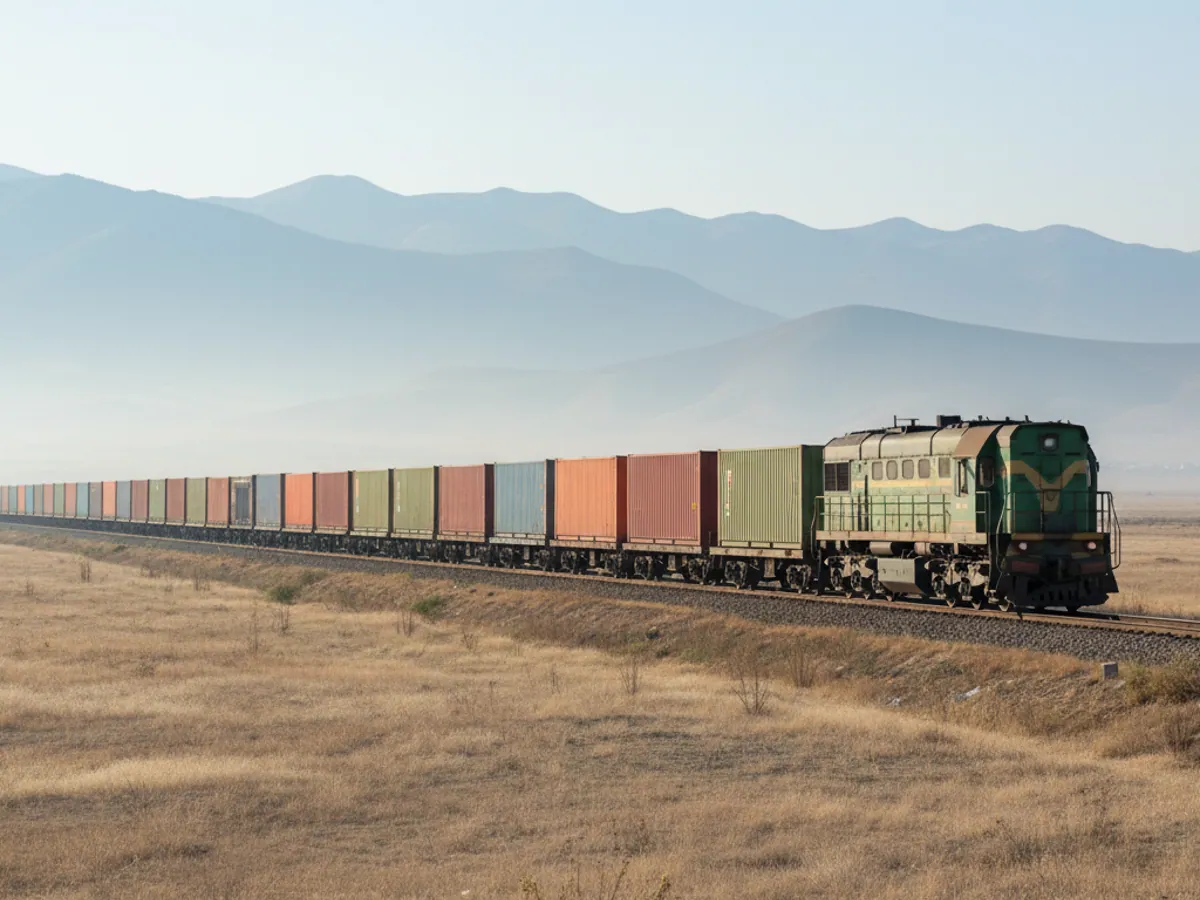
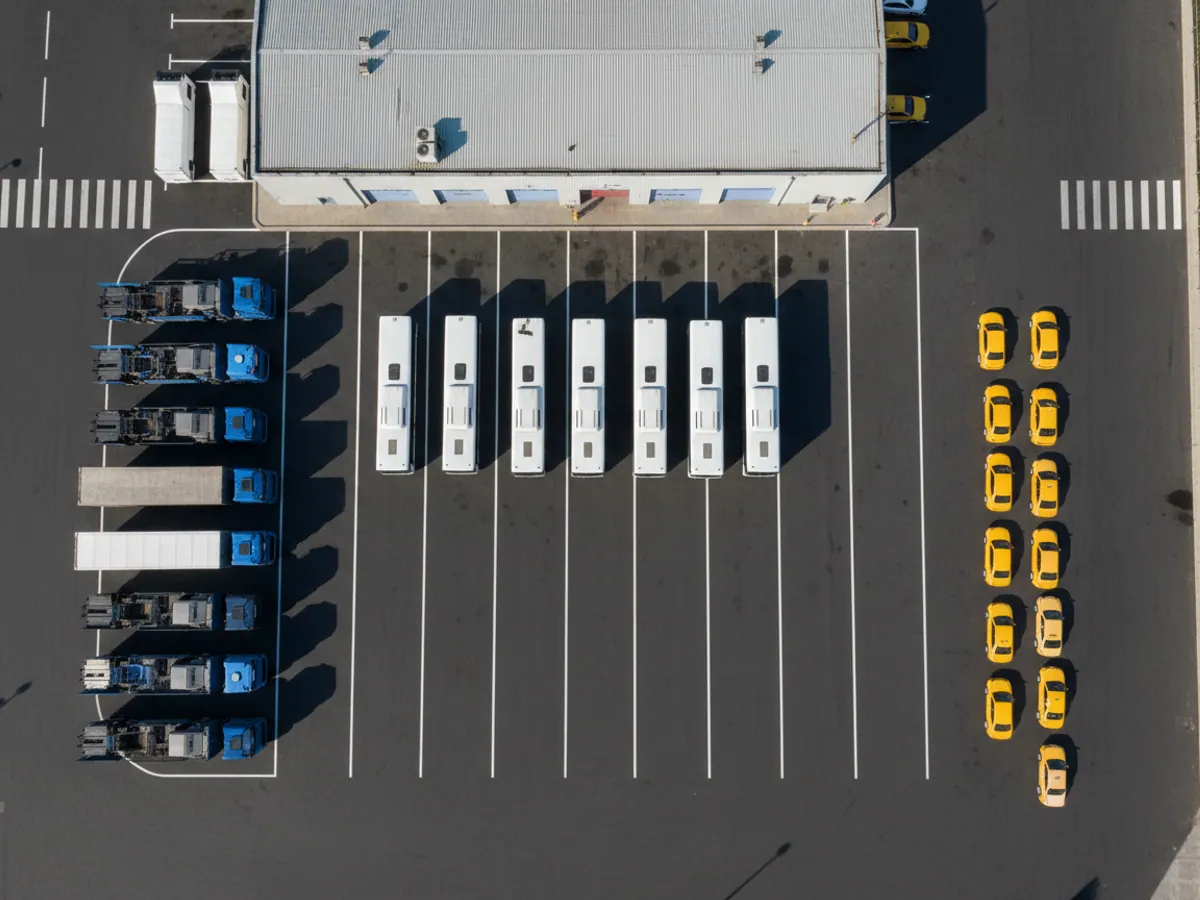
We apply this approach beyond platforms too: solutions for individual taxi fleets, bus operators and haulage companies are gathered in the section on vehicle monitoring for transport operators. Here is what matters specifically to a platform and its partner fleets.

Where the phone's data parts company with reality
We have collected the situations that come up most often once a platform starts comparing the app's coordinates with the tracker's data.
- Spoofed location. Using an app, the driver places his dot by Heydar Aliyev airport or by a shopping centre where there are plenty of jobs, while he himself is sitting at home in Masazir. The tracker shows that the car has not moved since the morning.
- Two drivers, one account. The account of a vetted driver with a good rating is being worked from another car or with a different person behind the wheel.
- A car of the wrong class. The app lists a comfort-class saloon, while the tracker shows that a completely different car is out at the time — the tracker's number is tied to a particular body.
- An inflated route. The trip from Yasamal to Narimanov takes 25 minutes, and the driver takes the ring road instead. The tracker's track and the phone's track should coincide; if they do not, that is a reason to look into the trip.
From the app's data alone such cases are hard to spot. With a tracker the discrepancy becomes visible, provided the rules for comparing the two streams are set up and there is a table matching cars to accounts. Whether it is a breach or simply GPS error is still decided by a person in the operations team.
The main problems and risks for ride-hailing platforms without monitoring
For a platform, losses rarely look like outright theft. They are spread across bonuses, compensation payments and passengers drifting away.
Bonuses for fictitious activity
Income guarantees and bonuses for hours on the line are paid to drivers who are formally online but are in fact standing still or are not where the phone says they are.
Compensation to passengers
A dispute about the route or the fare is settled in the passenger's favour because the platform has nothing to back up the driver's account. Every such case is a direct cost.
Safety incidents
A complaint about dangerous driving or an argument in the car. Without data on speed, braking and the route, the investigation comes down to one person's word against another's.
False coverage
The supply and demand map is built on phones. If some of the cars are virtual, pick-up times in central Baku grow at peak hours and the algorithm does not understand why.
What a monitoring system offers ride-hailing platforms
Control over the location and availability of vehicles
A map of every equipped car based on tracker data, regardless of its status in the app. The operations team sees the real coverage: how many cars are within 2 km of the Ganjlik metro station right now and how many of them are actually moving.
- A heat map of parking and idle time by district and by hour.
- A comparison of the on-the-line status in the app with the facts: ignition, movement, location.
- Identifying the areas short of cars on a Friday evening or in the rain.


How the integration works in practice
The tracker in the car sends a point every 10–15 seconds while moving and once every few minutes when parked. The data arrives at the Wialon server, where it is stored and processed.
From there, two options. The first is retranslation: the server forwards every message to your receiver over a standard protocol straight away, usually with a delay of a few seconds. The second is API requests: your system pulls the data it needs on a schedule or when looking into a particular trip.
For matching against jobs the identifier matters: the tracker is tied to the registration number and the VIN, while in your system there is a driver and an account. The matching table is kept by the partner fleet or by your onboarding team.
An honest limitation: the tracker does not know who is behind the wheel. If the driver's identity has to be confirmed, a card reader or an in-cabin camera with face recognition is added.
Who is responsible for what: the platform, the fleet and GPS.az
The most frequent question at a first meeting with a platform is whether we will be allocating the jobs. We will not. Job allocation, fares, ratings and payments to drivers stay in your system. We are responsible for the other half: the tracker in the car, the communications channel, the Wialon server and the delivery of the data to you.
The working process looks like this:
- The partner fleet provides the cars for fitting and keeps the table linking registration number, VIN and driver account. It is also responsible for making sure the drivers know a tracker is being fitted.
- GPS.az fits the trackers, sets the point frequency and the events, and sets up the retranslation or grants access to the Wialon API. We keep an eye on the trackers staying connected and tell you when a car drops off the air.
- The platform receives the stream on its own server, matches it against the jobs and decides what counts as a breach. The rules for blocking drivers, the penalties and the appeals are on its side.
A separate word about the platforms' own APIs. If data about jobs has to be obtained from somebody else's platform, that is a matter of a contract between you and its owner: the format, the access and the volume of data are set by them. We can advise which fields are needed for the reconciliation, but we cannot and will not connect to a platform's closed API without its consent.
An example of a weekly report for the operations team: car, registration number, account, hours online in the app, hours with the ignition on according to the tracker, the number of trips with a route discrepancy, dangerous events per 1,000 km. We put an export like that together in Wialon, and the data about the jobs is added to it in your system.
A pilot on 50–100 cars: how we run it
Choosing the partner fleets
We take 2–3 fleets with different profiles: one large one with cars on hire, one small one and private drivers with their own cars. That shows how the solution works in different conditions.
Fitting in 3–5 days
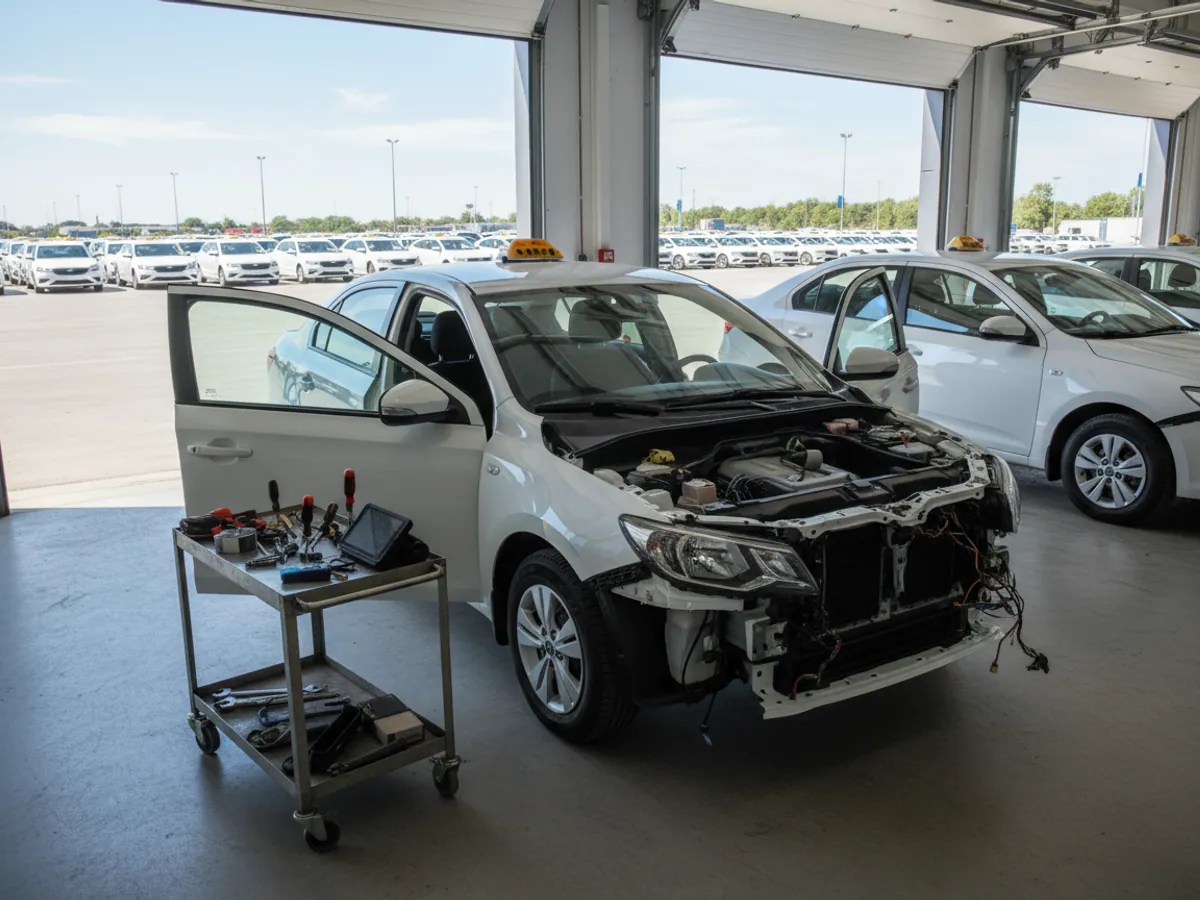
A compact tracker takes 30–40 minutes to fit in a car. The fitting team works right at the fleet's yard and the cars go out on the line the same day.
Collecting both streams in parallel
For a month we collect both streams — the app and the tracker — and count the discrepancies: the share of trips with a difference in the route, the number of cars online without moving, cases of a car being swapped.
Going through the figures
Together with your analysts we look at which discrepancies are real and which are explained by GPS error in the dense streets of central Baku. After that we decide whether it is worth scaling up.
What we need from the platform
A technical contact who will receive the retranslation or set up the API requests, an export of the trips made by the pilot cars over the same period, and someone in the operations team who looks into the discrepancies found.
When the pilot is accepted
The criteria are agreed before the fitting. Usually they are the share of cars transmitting data reliably, the identifiers matching your own database, and a reviewed sample of disputed trips where it is clear whether it is a breach or an error.
What is worth measuring in a pilot
The share of virtual hours on the line
How much time drivers are logged as online while the car is standing with the ignition off or is a long way from the point shown in the app.
Route discrepancies
The percentage of trips where the phone's track and the tracker's track differ by more than 300–500 metres, or by more than 10% in length.
How fast complaints are handled
How much time support spends on one complaint before and after the tracker's track is available to hand.
Dangerous events per 1,000 km
Harsh braking and speeding set against distance travelled. A good basis for comparing partner fleets with one another.
What the platform gets
Fewer unnecessary payouts
Bonuses and income guarantees go to those who actually worked rather than to those who kept a phone online.
Facts in a dispute
Complaints from passengers and drivers are examined against a track with speed and time rather than against a thread of messages.
An honest map of supply
The allocation algorithm relies on the cars that are really in the district rather than on coordinates from spoofing apps.
Oversight of the partner fleets
Fleets compared on safety, idle time and discipline using the same metrics.
Frequently asked questions about monitoring for ride-hailing platforms
What is used in this sector
What we do end to end
Wialon modules for this sector
How it is used in this industry
Case studies from “Fleets & Transportation Companies”


Thinking of rolling out GPS monitoring in “Ride-hailing platforms”?
Send us an enquiry and we will price it up for your fleet and pick the hardware for this sector: fleets & transportation companies.
- 1 We pin down the task
A specialist calls back and asks about the vehicles, how many there are and what you need to keep an eye on.
- 2 We put a solution together
We propose the hardware and the features, and set out the one-off and the monthly cost separately.
- 3 We agree the fitting
At your yard or at ours, on a schedule that keeps the vehicles working.
Request a call
A specialist will call back and match a solution to your fleet and your task.