
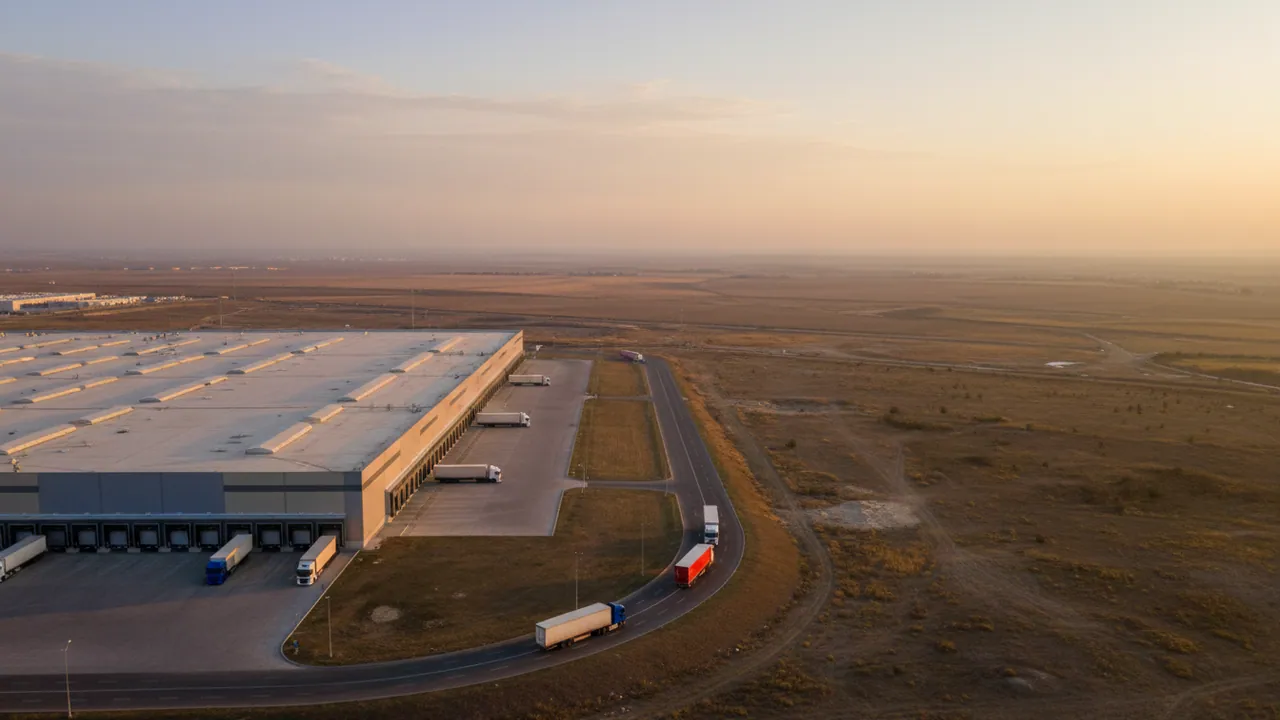
GPS solutions for 3PL and 4PL logistics operators in Azerbaijan
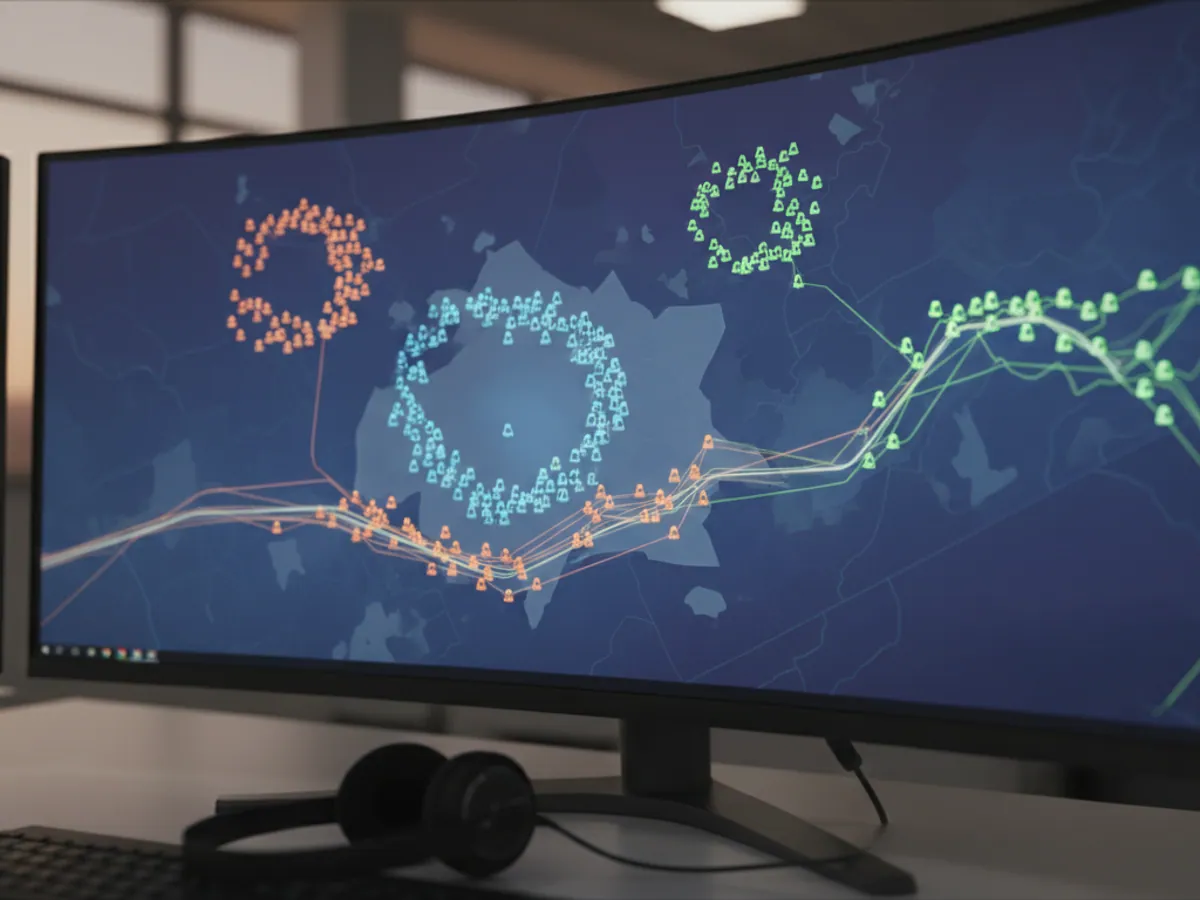
Your own tractor units, the vehicles of regular subcontractors and one-off hauliers from a freight exchange, all on a single map in Wialon. You answer to the customer under an SLA for timing and for the safety of the goods, so you should see the run yourself rather than hear about a delay from the driver's phone call.
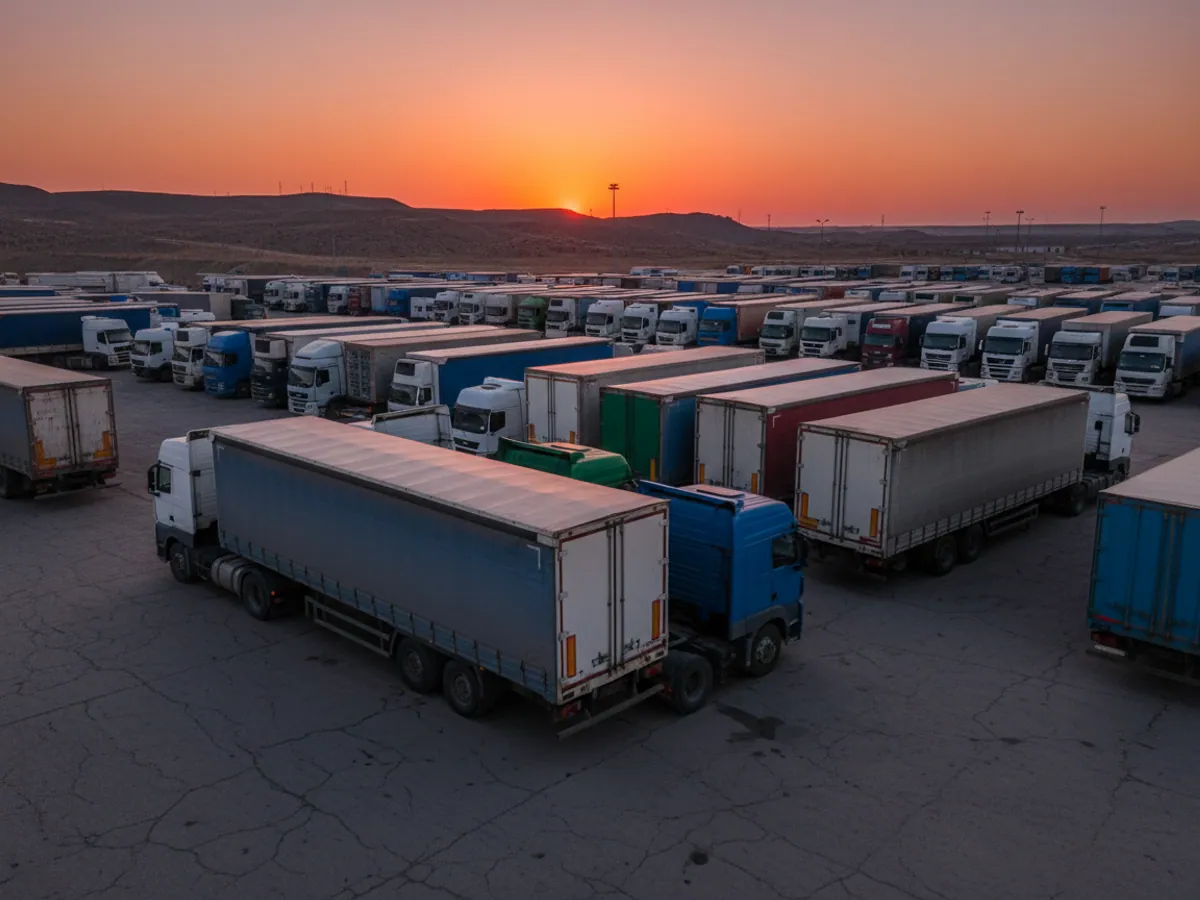
Where the subcontractor's vehicle is now, and why you are the last to know
A typical 3PL operator in Baku has few vehicles of its own, and most of the volume is carried by subcontractors: a couple of dozen small hauliers from Absheron, owner-drivers from Ganja and Sumgait, sometimes Iranian and Turkish tractor units picking up a back load. The customer does not care about any of that. They ask you where the goods are, when they will be at the warehouse and why yesterday's delivery was three hours late.
While the answer is being assembled by telephone, the dispatcher spends half a shift on it, and the figures in the report for the customer have to be taken from what the driver says. GPS monitoring for a logistics operator solves exactly this: data about every run comes from a tracker rather than from a phone call, and it looks the same for your own vehicle and for someone else's.
For a 4PL that carries almost nothing itself and manages the whole chain, that picture matters even more: without it there is nothing with which to confirm the quality of the hauliers you engage on the customer's behalf.
How to bring the trackers of different subcontractors into one window
The main difficulty for a 3PL is a mixed fleet. One haulier has a Teltonika on its own Wialon server, another has a tracker on a Chinese platform, and a third has nothing at all. Nobody wants to re-equip someone else's vehicles at their own expense, and quite rightly.
We connect subcontractors in three ways, depending on what they already have:
- if a tracker is already fitted and the platform can share data, we set up data retransmission into your account; the subcontractor changes nothing in the vehicle, and you see only their runs carrying your goods;
- if there is no equipment but the subcontractor works with you regularly, we fit a simple tracker, which takes about an hour;
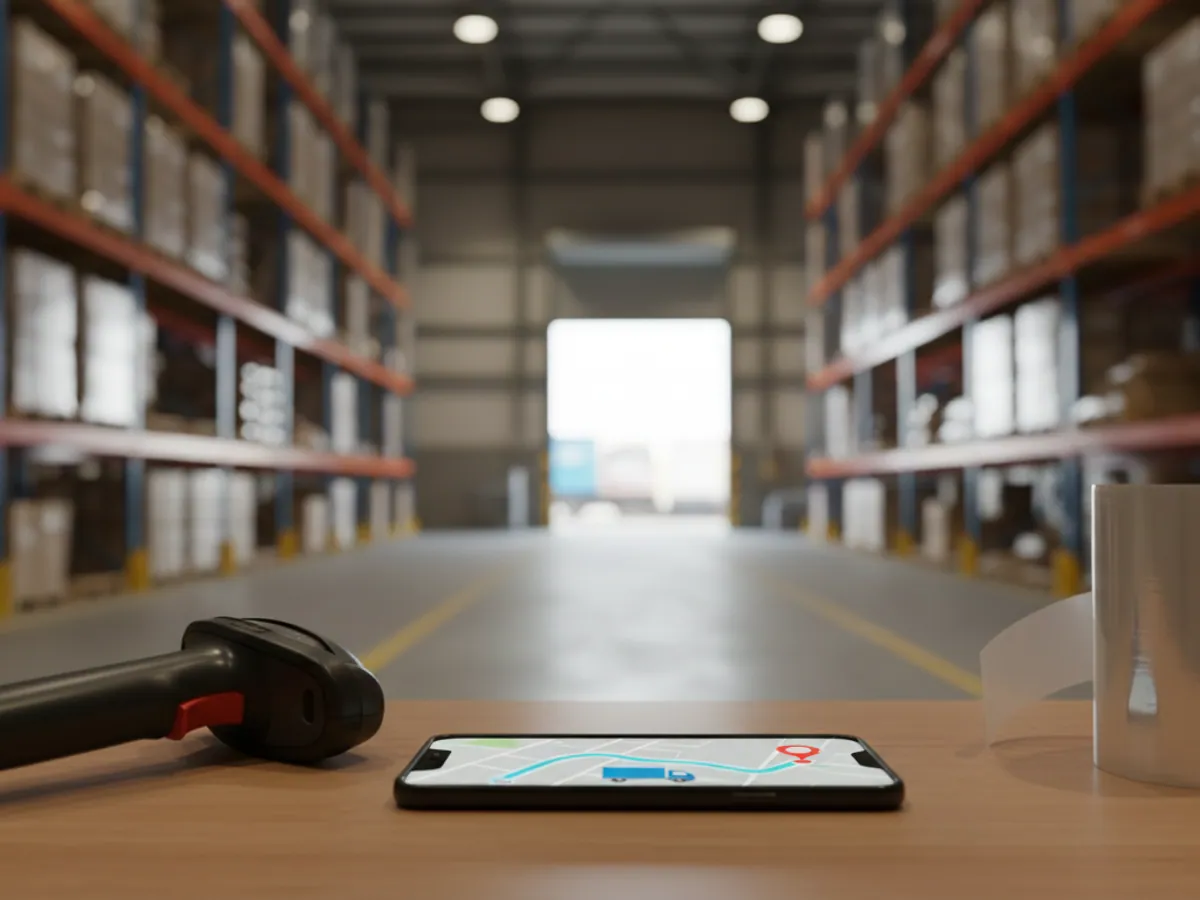
- for a one-off run we give the driver a self-contained magnetic beacon or ask them to install a tracking app on their smartphone.
The dispatcher ends up seeing every haulier on one map. Your own vehicles come with the full set of data (fuel, CAN, doors), and other people's with coordinates, speed and stops. For SLA control that is enough.
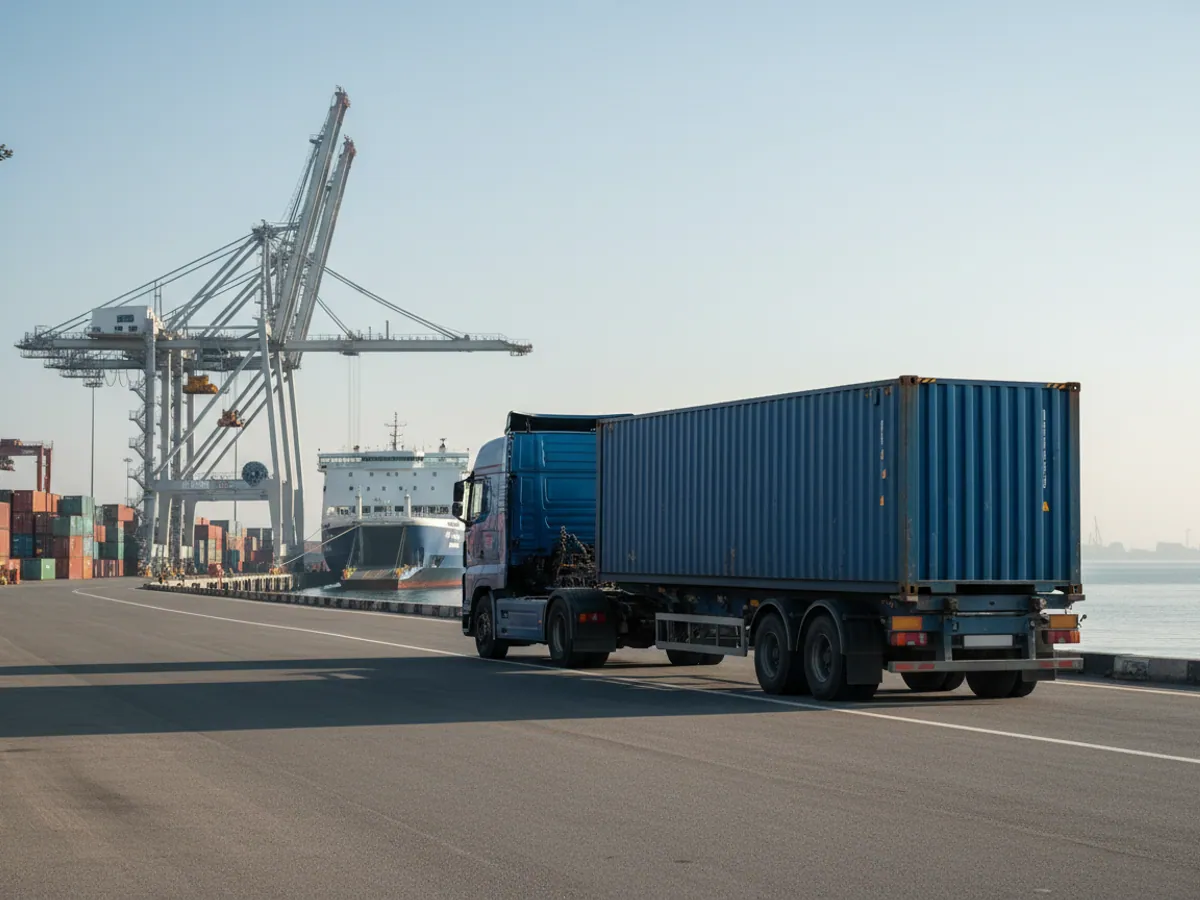
One Alat to Ganja run as the dispatcher sees it
A container of domestic appliances has arrived by ferry at the port of Alat. It is collected by a subcontractor, a tractor unit with a semi-trailer that you have never hired before. In the morning the driver received an SMS with a link to the app, and by lunchtime the vehicle is on the map.
From there the system works without phone calls. Departure from the port is recorded by geofence and the time is written into the run. On the M-2 trunk road the vehicle runs to an estimated time of arrival that is recalculated from the actual speed. Near Kurdamir the driver stops for an hour and a half, a stop appears in the log, and the dispatcher sees it without asking.
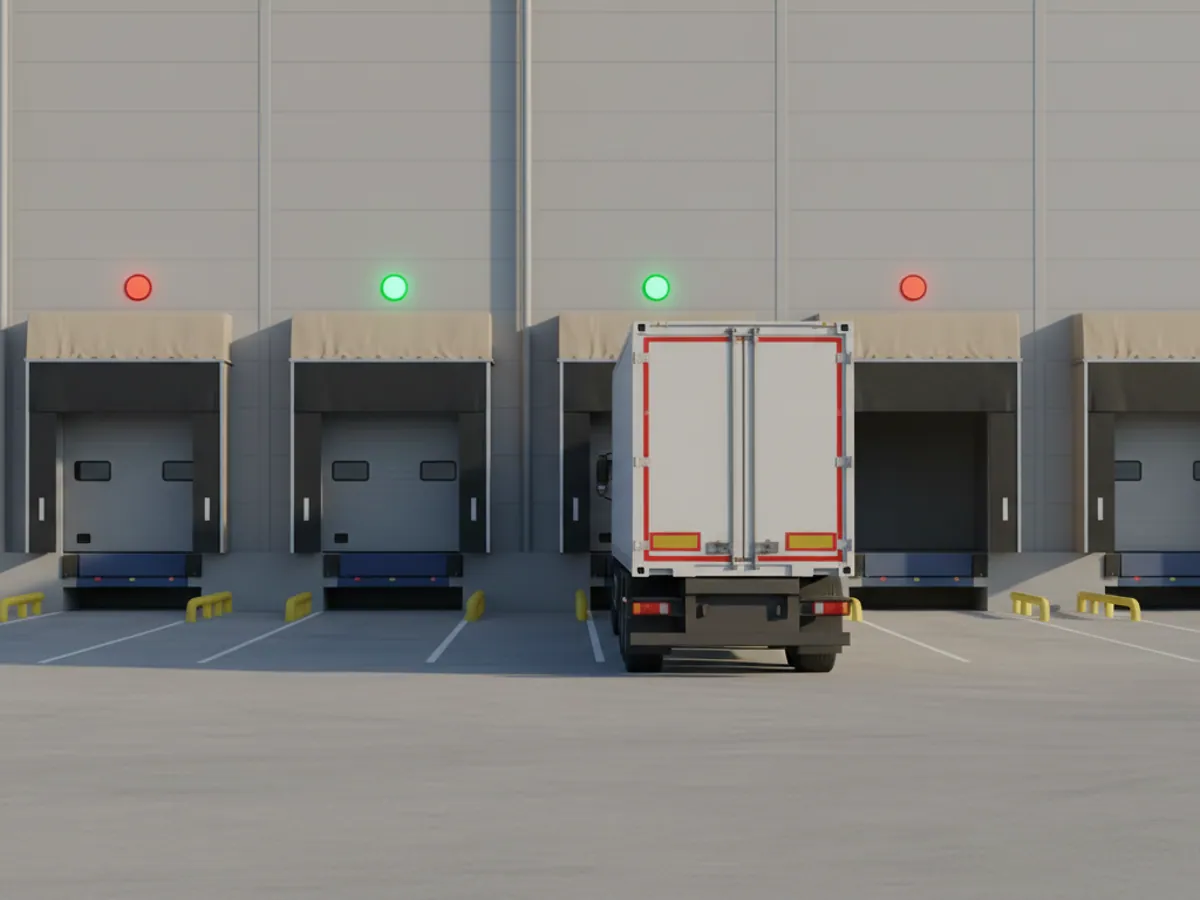
You sent the customer in Ganja a public link to the run in advance. They can see for themselves that the vehicle is running late and move the booking at the warehouse. When the tractor unit enters the warehouse geofence, the run is closed, and a line appears in the subcontractor report: planned time, actual time, deviation, duration of stops.
After a month there are hundreds of such lines, and the conversation with the haulier about rates is built on figures.
What working blind costs you
The cargo owner puts a subcontractor's mistakes down to you anyway. In practice 3PL operators lose money in four places:
SLA penalties
Retail chains and manufacturers set booking windows. A vehicle arriving as the window closes waits until morning, and the penalty is charged to the operator, not to the haulier.
Goods left unattended
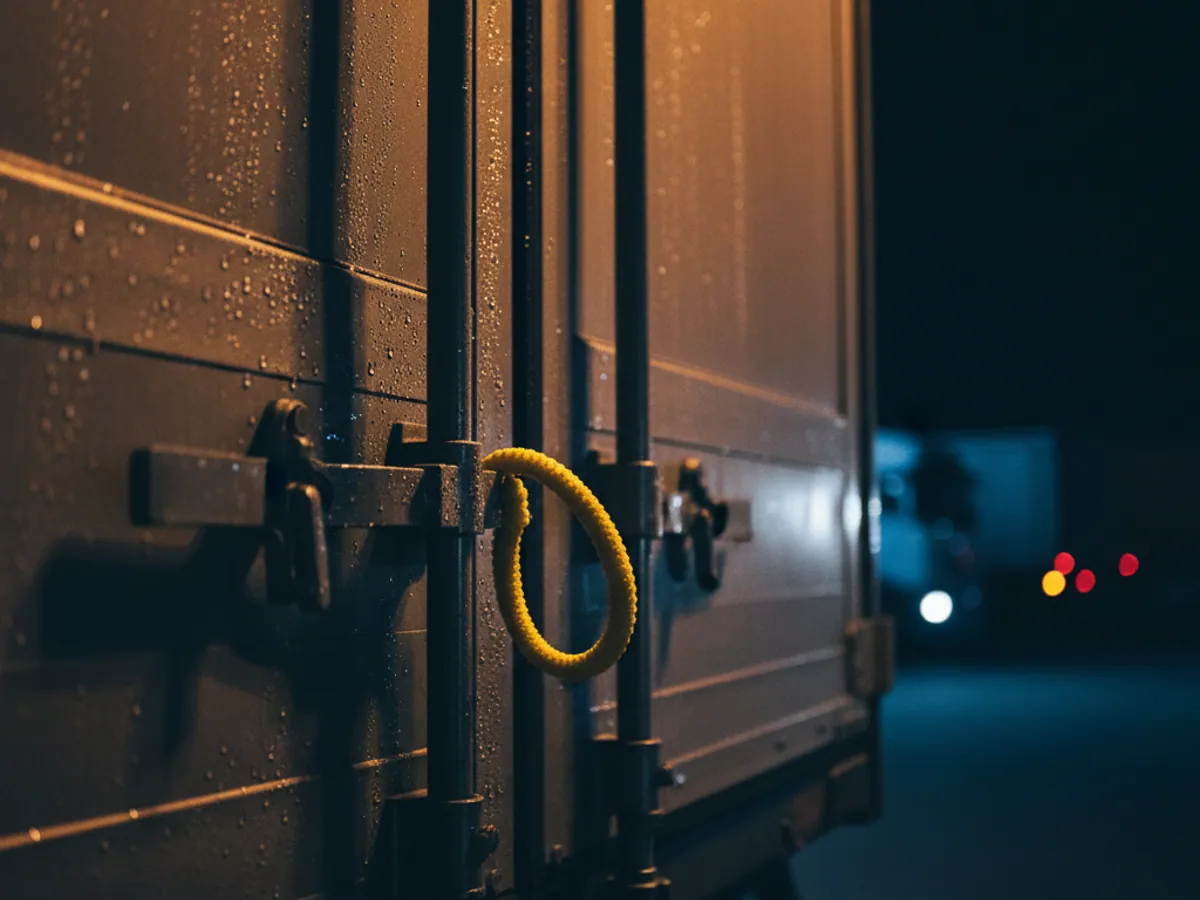
A hired tractor unit spends the night wherever suits the driver. If you do not know where it stood and whether the doors were opened, there is nothing to argue with when goods go missing.
Explanations after the fact
The subcontractor blames the delay on traffic leaving Baku, while the track shows three hours parked outside the driver's house. Without the track all you can do is believe them.
Dispatchers' time
Calls asking where the vehicle is eat up the shift. One dispatcher working manually handles 15 to 20 runs; with monitoring, noticeably more, because they only ring about deviations.
What the logistics operator's dispatcher gets
Every haulier in one account
Subcontractors' vehicles are set up in Wialon as separate groups. They can be split by haulier, by customer or by direction: Absheron, the regions, international.
Access rights are configured so that a subcontractor sees only their own vehicles and a customer's manager sees only their own company's runs. When the agreement with a haulier ends, the retransmission is switched off and their vehicles disappear from your system.
What is needed from a subcontractor to connect them to the system
A tracker already fitted, on a Wialon server
The simplest case. In their own account the subcontractor switches on retransmission for the relevant vehicles to our server. It takes minutes to set up and nobody touches the vehicle.
A tracker fitted, on another platform
Most platforms can forward data over standard protocols. We check with the subcontractor's technical support which protocol is available and take in the stream.
No equipment, but regular work
We fit an inexpensive tracker wired to the vehicle supply. Who pays for the installation is a matter for your agreement with the haulier; often it is built into the rate.
A one-off run
The driver installs a mobile tracking app or is given a self-contained magnetic beacon to return after the run. The accuracy is lower than that of a fixed tracker, but it is enough for keeping to schedule.
Whose data is it and who is answerable for the ETA
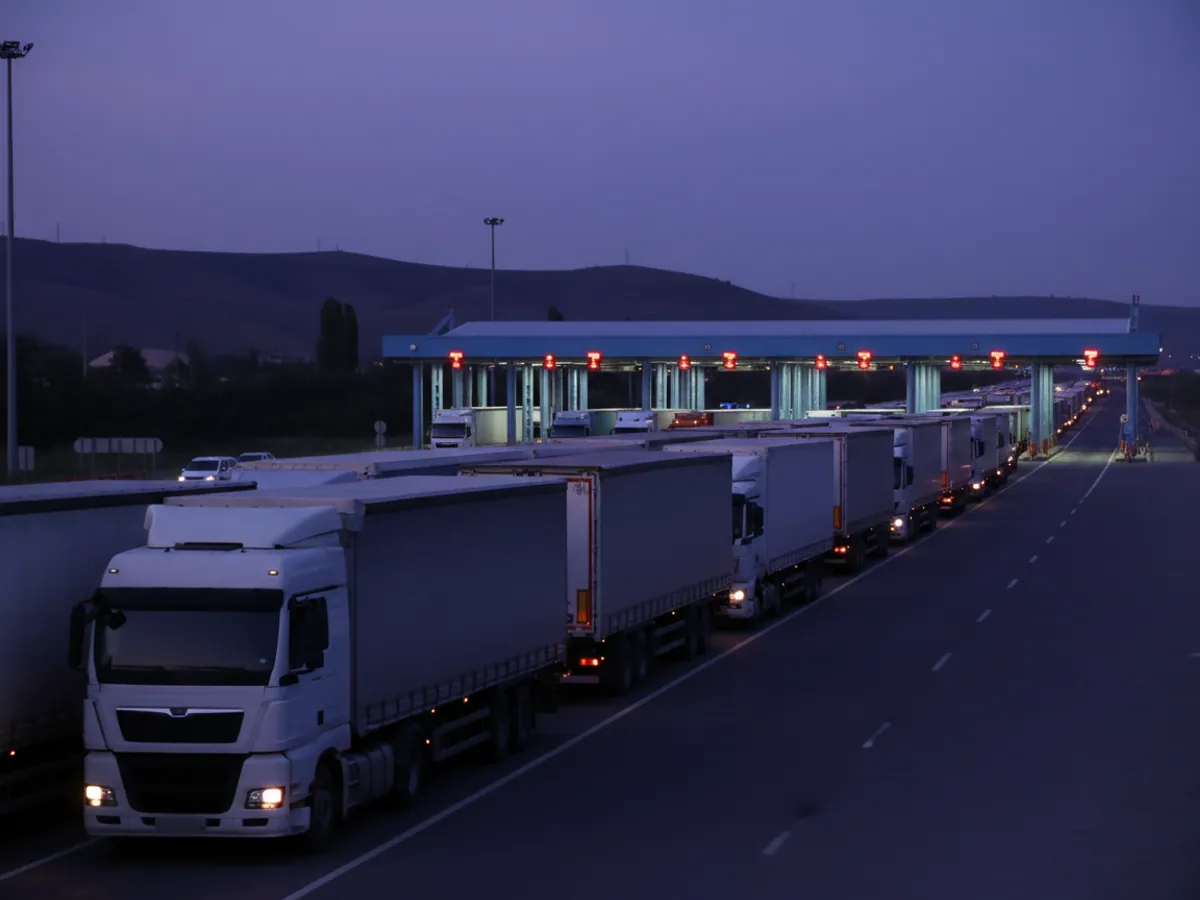
At a 3PL three parties meet in one account: you, your customers and the hauliers you engage. Unless it is agreed in advance who sees what and who is answerable for what, the argument will start with the very first late delivery.
- Customers' rights. Each customer sees only their own runs and only for the duration of the run. We do not give a customer permanent access to objects: the same subcontractor's vehicle may be carrying a competitor's goods the same day.
- Engaged transport. A subcontractor's data comes to you for the period of work under the agreement. The subcontractor sees their own vehicles but not your customers or other hauliers. Once the agreement ends, the stream is switched off.
- ETA. The system calculates the estimated time of arrival from the track and the speed, but it is a forecast, not an undertaking. It knows nothing about a queue at customs or a closed dock. Responsibility to the customer for the delivery time stays with the operator, and to the operator with the haulier under the carriage agreement.
In practice a simple rule helps: the agreement with the customer states what counts as a late delivery (for example, entering the warehouse geofence after the window), and the agreement with the haulier states that a loss of signal lasting longer than an agreed time without good reason is treated as a breach. The Wialon report then becomes a common language rather than a reason to argue about whose tracker is lying.
If the haulier sends data from its own tracker, the quality of the track depends on their equipment and settings. That is worth checking on the first few runs, before the reports go out to the customer.
Integration with TMS, ERP and the customer portal
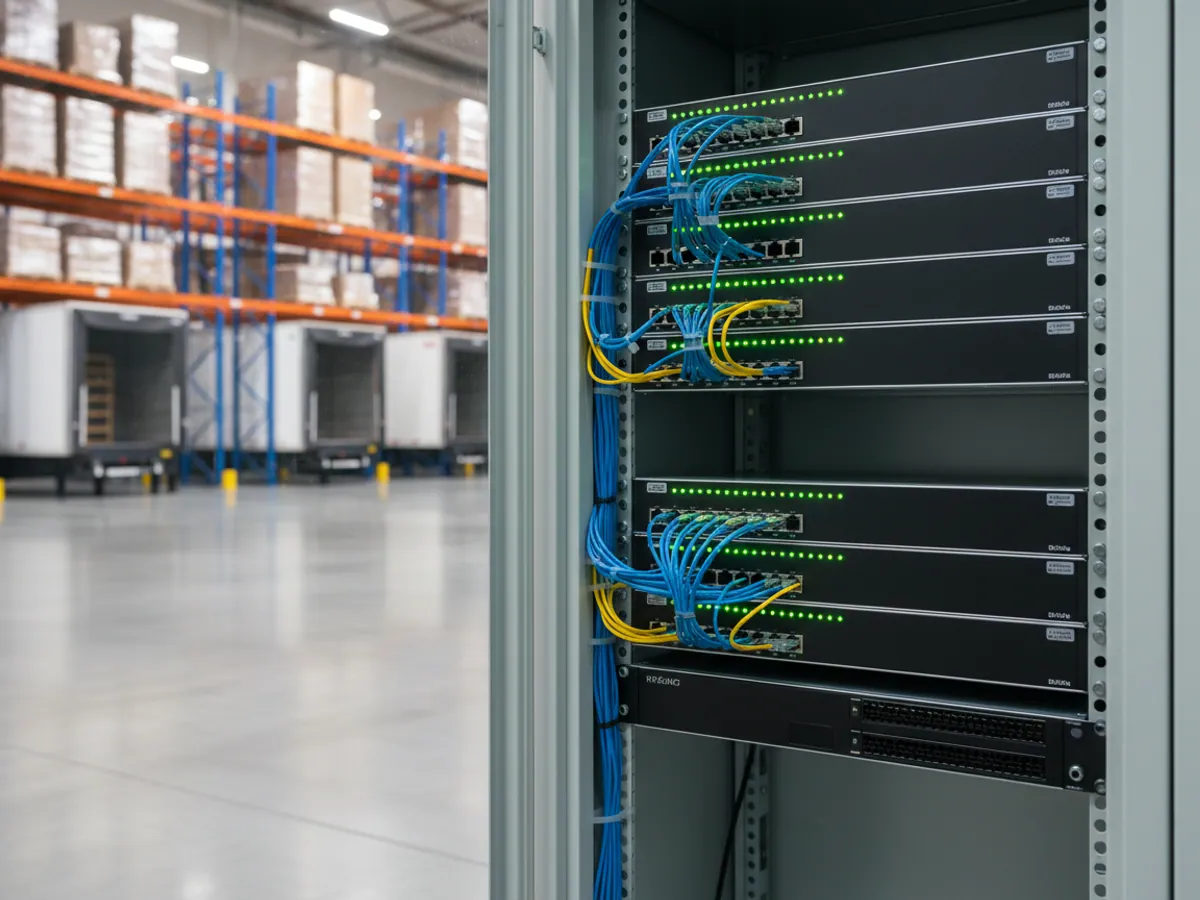
Monitoring is more useful when runs do not have to be entered by hand. We set up data exchange with your accounting system, whether 1C, SAP or your own TMS: the order is created in the accounting system, goes to Wialon as a run with route points, and the statuses departed, arrived and unloaded come back automatically.
For large customers who have their own supplier portal, data can be passed directly through the API. The technical details and typical scenarios are described on the page about integration with ERP and CRM.
To be straightforward about timing: a simple report export is set up in a few days, while two-way exchange with a TMS is a separate project lasting several weeks, and its size depends on how open your system is.
How a rollout at a logistics operator proceeds
1. Going through the flows
We look at which directions and customers produce the most complaints, how many subcontractors there are and what is already fitted in their vehicles.
2. A pilot on one customer
We connect your own vehicles and 3 to 5 main hauliers serving one customer. We set up geofences for warehouses, ports and unloading points.
3. Rules and notifications
We agree what counts as a late delivery and a deviation, who receives the notifications and which reports the customer needs.
4. Subcontractors in the agreement
We add a clause about sharing monitoring data for the duration of the run to the carriage agreements. Without it the connection rests on goodwill.
5. Scaling up
We extend the arrangement to the other customers and directions, train the dispatchers and, where needed, start the TMS integration.
Mistakes we see at 3PLs on day one
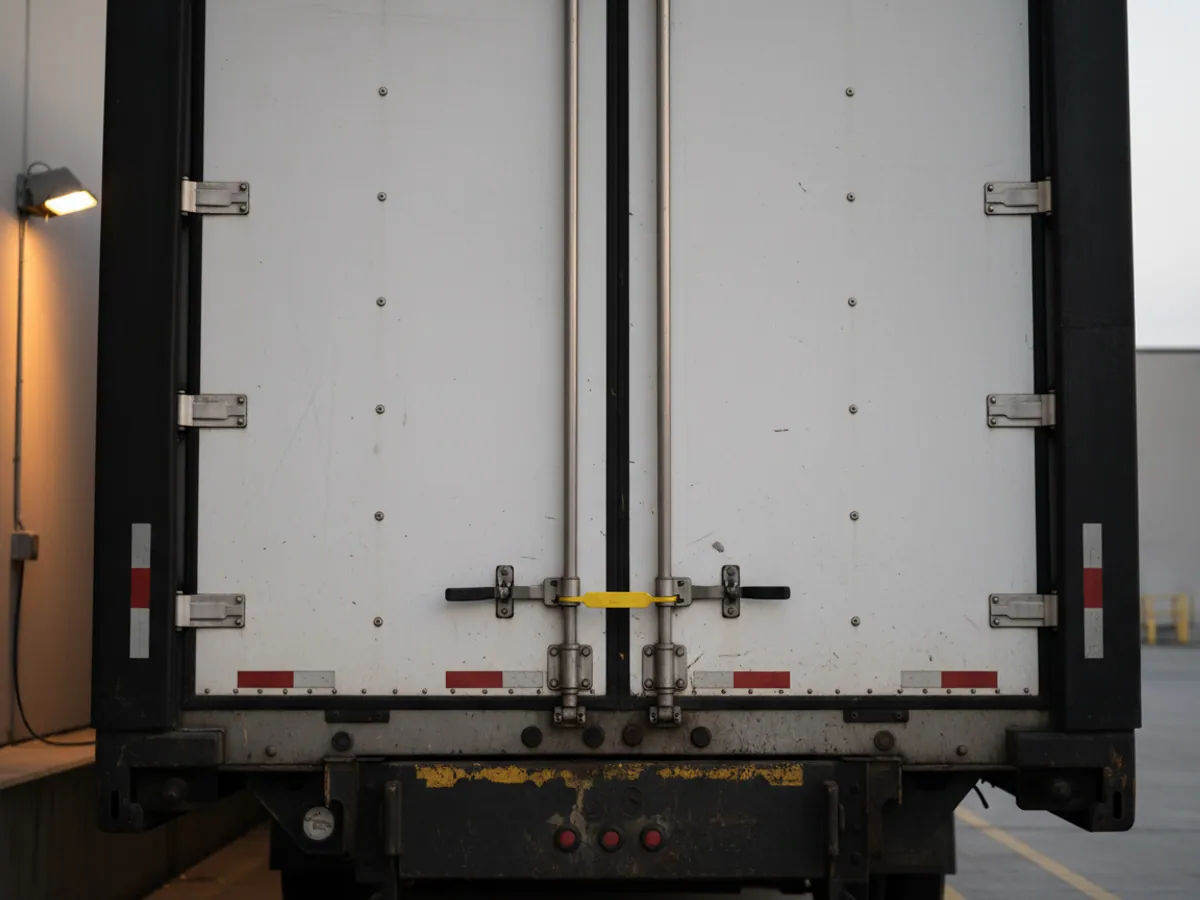
Connecting everyone at once. Thirty subcontractors, each with its own quirks, and within a week the dispatchers are drowning in notifications. It is better to start with one customer and get the arrangement working properly.
Not writing monitoring into the haulier agreement. While all is well the subcontractor shares data. The moment a disputed run comes along, the tracker breaks. A clause about sharing data and about responsibility for disconnecting it belongs in the agreement before the first run.
Geofences that are too tight. A warehouse geofence the size of the gate produces false arrivals and departures when the vehicle is queuing in the next street. We draw warehouse and port zones to take in the approach roads and waiting areas.
Giving the customer permanent access instead of a link to the run. The customer starts to see what your subcontractor is carrying for others the same day. For customers, only links with a limited lifetime.
If you also run the warehousing side, look at the solutions for logistics and warehousing as a whole: they gather the scenarios for warehouses, containers and the cold chain.
A 3PL pilot: what we need from you and how to tell it worked
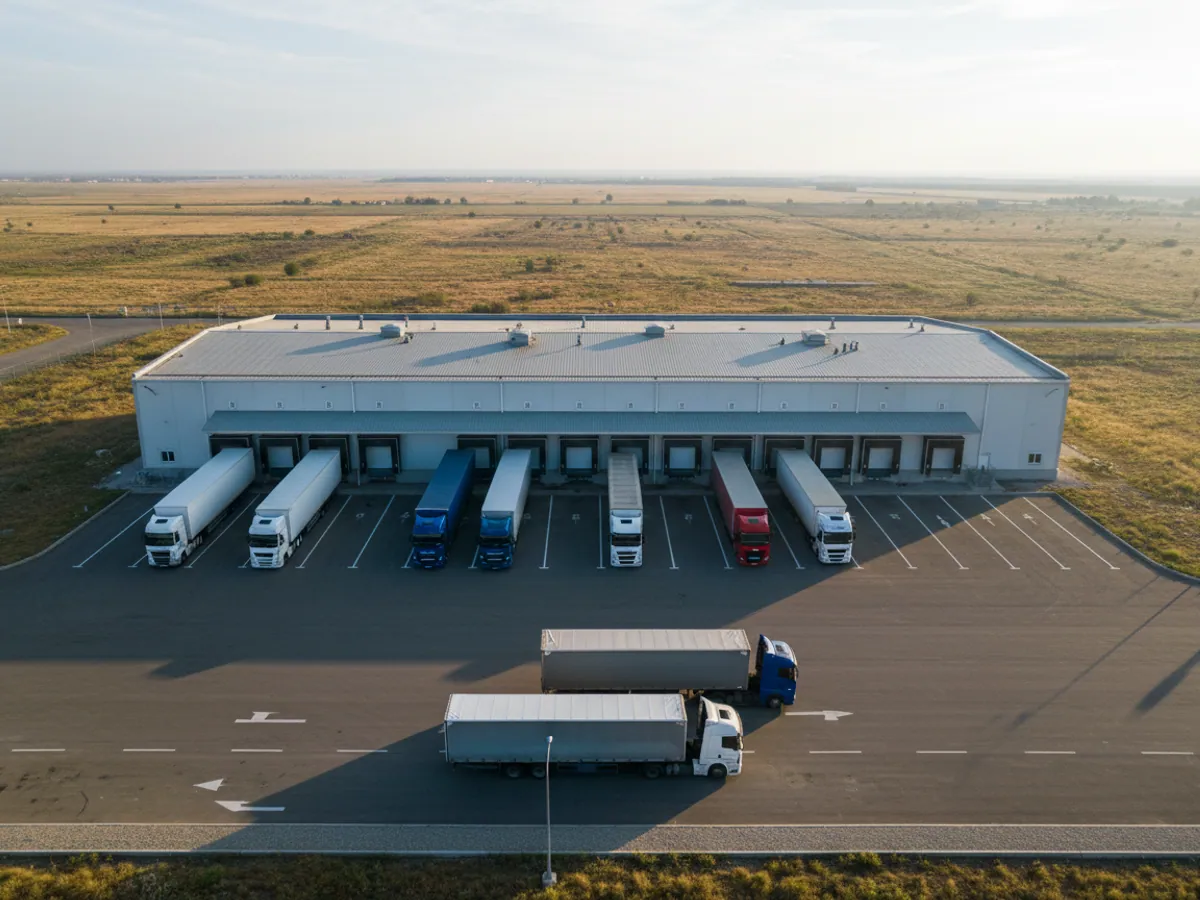
A pilot is easiest to run on one customer and one or two directions, for example the port of Alat to a warehouse in Baku, and Baku to Ganja. Usually that means your own vehicles plus 3 to 5 regular subcontractors. Allow several weeks, so that enough runs accumulate for comparison.
What we need from your side:
- a list of vehicles and subcontractors, with what is already fitted in their cabs;
- the addresses of warehouses, ports and unloading points for the geofences, with the booking window for each;
- a sample of the report the customer currently requires under the SLA;
- a named dispatcher who receives the notifications and looks into the deviations.
We agree the acceptance criteria before the start, for example:
- every run for the pilot customer is visible in the system and gaps in the track are accounted for;
- arrival and departure times by geofence match the warehouse log within an agreed tolerance;
- the SLA report is produced automatically in the customer's format;
- rights are configured so that the customer and the subcontractors see only their own.
An example of a working pilot report is a table for each run: haulier, planned and actual time at each point, deviation, duration of stops away from agreed places, and periods without contact. The figures in it are yours; we do not forecast them in advance.
What changes after two or three months
An answer to the customer in a minute
The status of any run is visible without ringing the driver. Large customers get links and stop demanding hourly reports.
A conversation with the subcontractor based on figures
The share of runs inside the window, late arrivals and stops for each haulier form the basis for allocating jobs and reviewing rates.
Fewer disputed shortages
The history of stops and door openings shows where the goods were left unattended. There is something to put to the insurer and the customer.
The dispatcher works on exceptions
Notifications are set up for deviations: arriving after the window, stopping away from an agreed place, loss of contact. The dispatcher only opens runs without deviations when a customer asks. We choose the trigger thresholds during the pilot, otherwise there will be far too many notifications.
Questions from logistics operators
What is used in this sector
What we do end to end
Wialon modules for this sector
How it is used in this industry
Case studies from “Logistics & Warehousing”
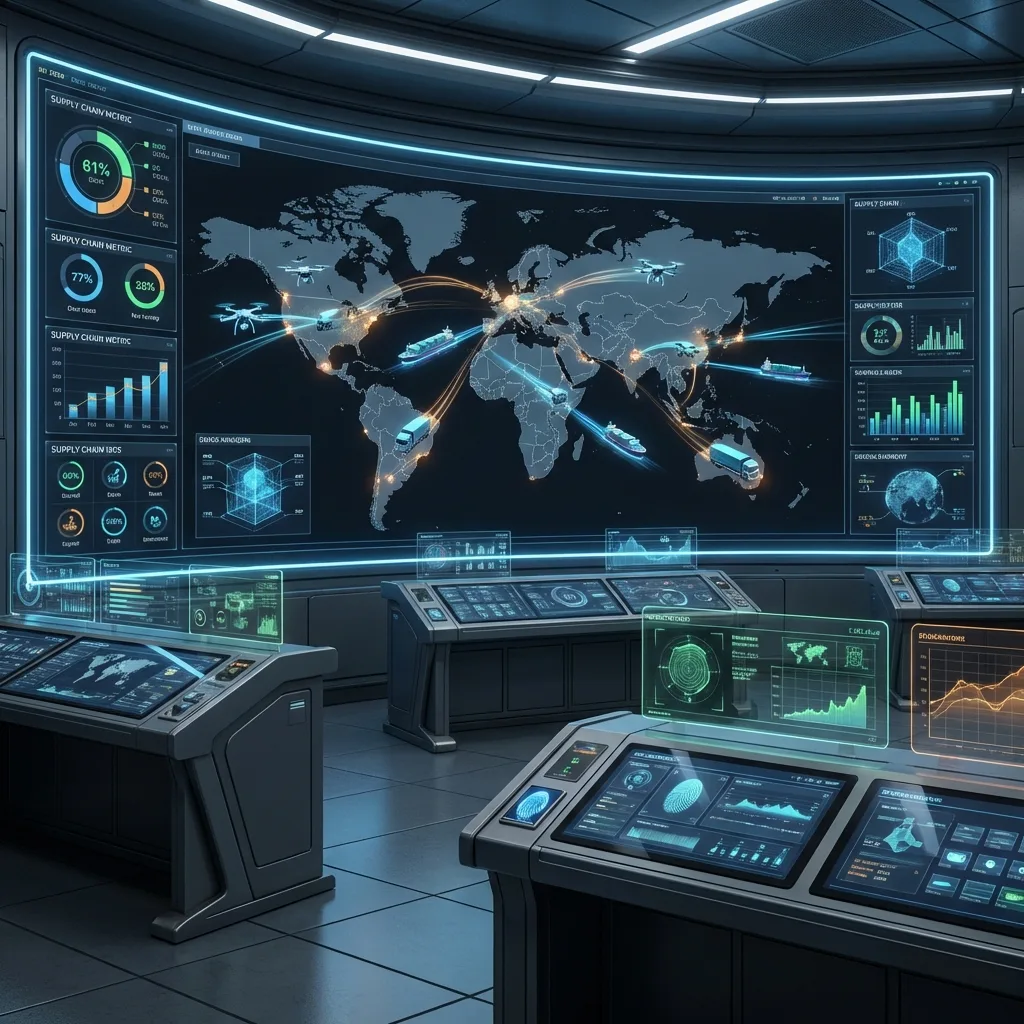
Temperature during electronics transport
Logistics and delivery
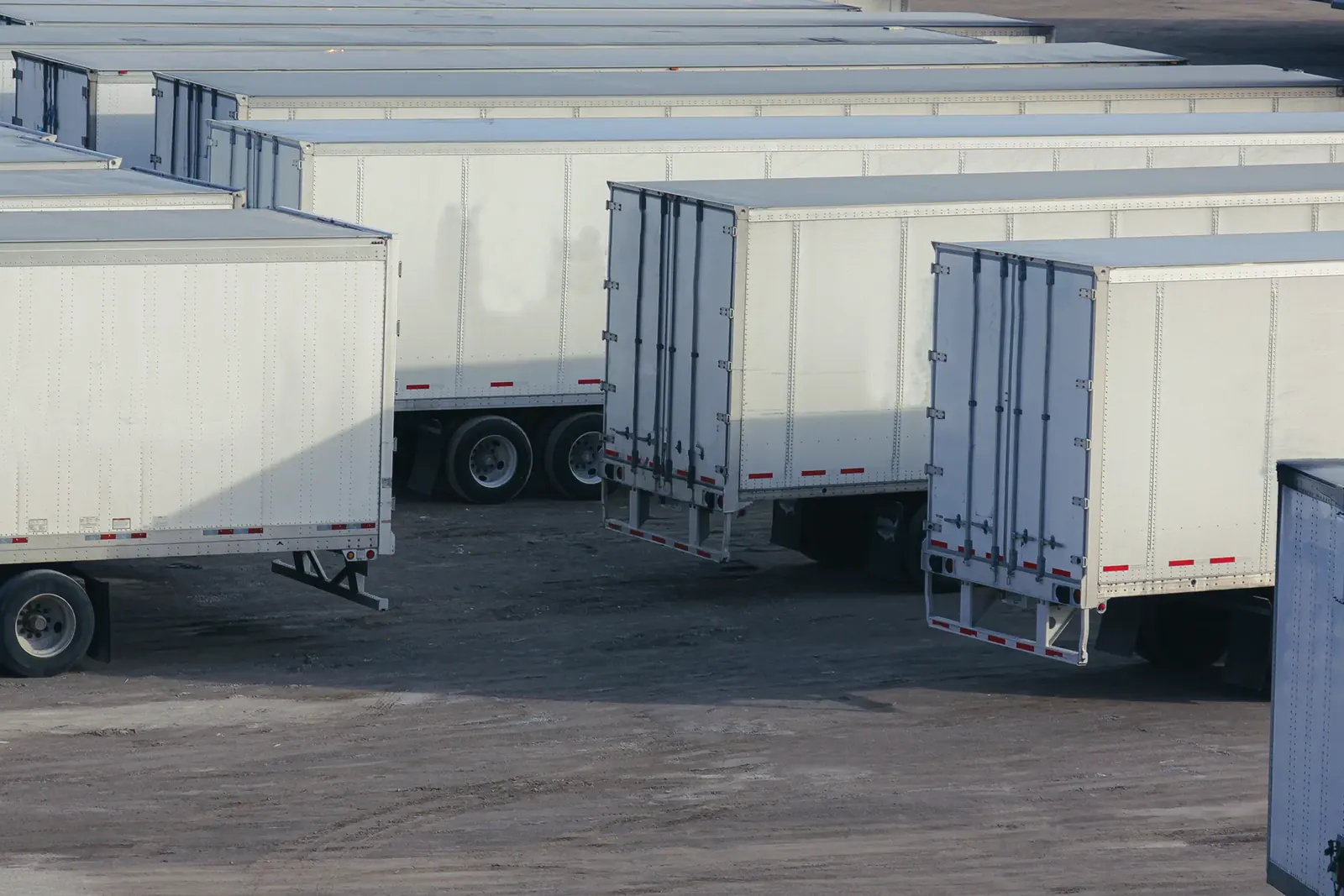
Guarding trailers in the yard: the FMB965
Logistics and delivery

FMS Eco Driving: a driving style report for articulated lorries
Logistics and delivery
Thinking of rolling out GPS monitoring in “3PL and 4PL operators”?
Send us an enquiry and we will price it up for your fleet and pick the hardware for this sector: logistics & warehousing.
- 1 We pin down the task
A specialist calls back and asks about the vehicles, how many there are and what you need to keep an eye on.
- 2 We put a solution together
We propose the hardware and the features, and set out the one-off and the monthly cost separately.
- 3 We agree the fitting
At your yard or at ours, on a schedule that keeps the vehicles working.
Request a call
A specialist will call back and match a solution to your fleet and your task.