
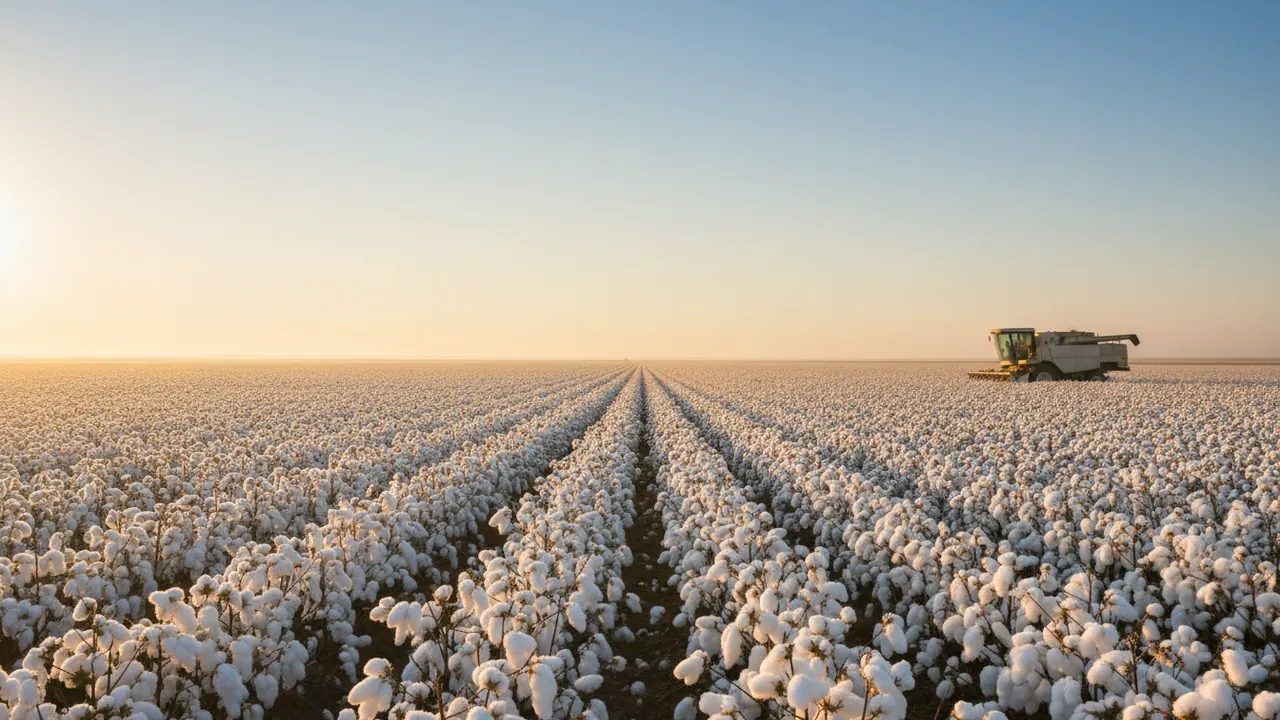
Monitoring farm machinery and precision farming
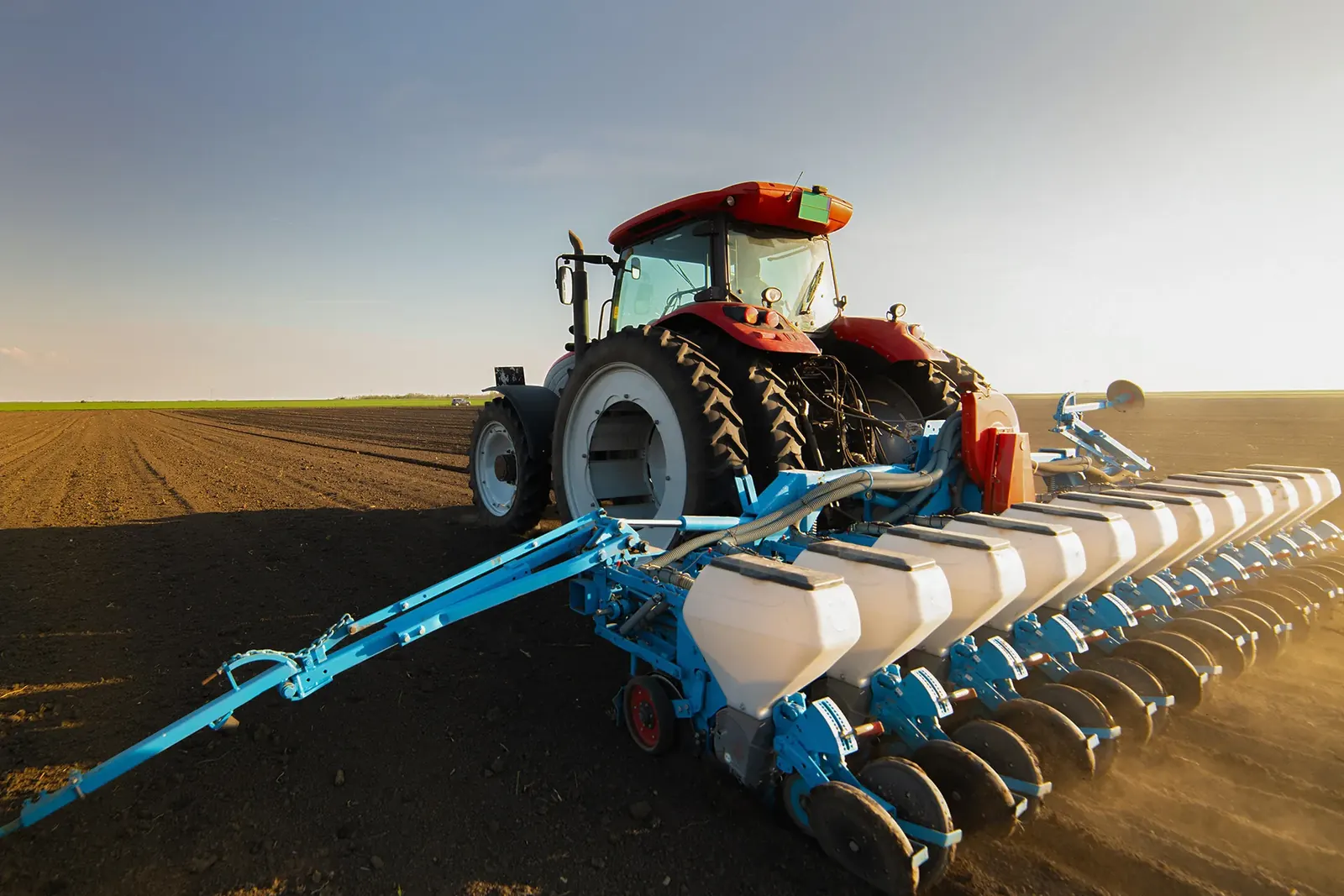
GPS trackers and fuel sensors on tractors, combines, cotton pickers and fuel bowsers. You see which field has been worked, with which implement, at what speed and how much diesel it took, for every machine operator and every day of the season.
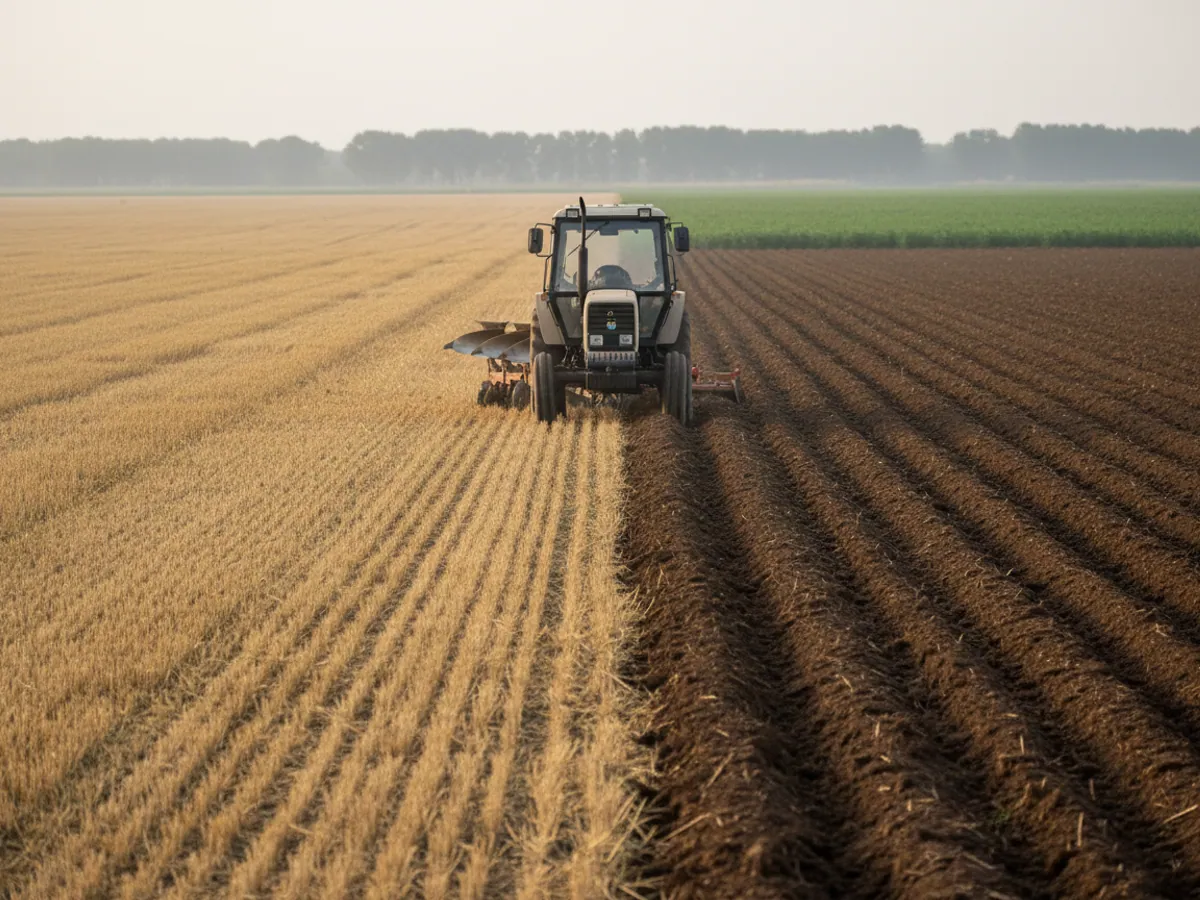
The economics of the hectare under proper control
In crop production the money goes out into the field and does not come back as a report. The machine operator writes 18 hectares ploughed on the work sheet, the foreman signs it, and the accounts department writes off diesel against the norm. Checking whether it was 18 hectares or 12, and whether some of the fuel ended up in the next village, is all but impossible until the harvest comes in.
Monitoring farm machinery removes that uncertainty. The tracker on the tractor records a point every few seconds, the fuel level sensor shows the litres in the tank, and the implement sensor shows whether the plough or the drill was actually working. From this data the system works out the hectares, the consumption per hectare and the time spent working in the field.
For farms in the Kura-Aras lowland, where a single season covers both wheat and cotton, it is also a way of understanding which crop genuinely pays for the machinery.
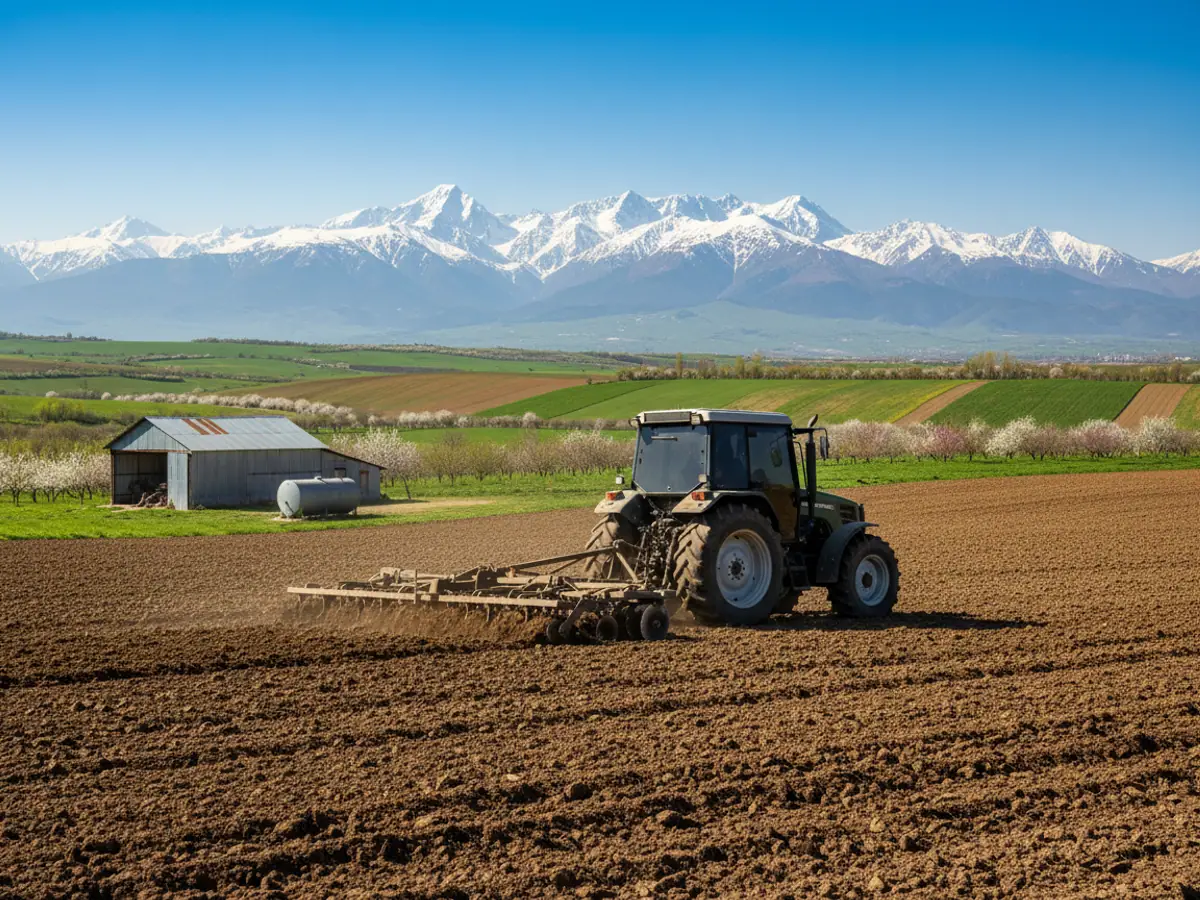
Sowing in Sabirabad: twelve tractors and one agronomist
The farm sows cotton on 900 hectares. Twelve tractors are at work, eight of them old MTZ machines, and there is one agronomist. He physically cannot drive round all the fields in a day, so in the past he learned about problems from the work sheets a week later.
With monitoring his morning begins at a screen. Yesterday tractor no. 7 was sowing at 11 km/h instead of the recommended 6 to 7, which means there will be gaps in the rows on that block, so that is where the agronomist goes to look at the emergence. Tractor no. 3 stood with its engine running for four hours at the field camp, because the operator was waiting for seed, and that is a question for logistics rather than for him. Tractor no. 10 finished its shift and then an hour later drove off towards the main road, so in the morning the foreman has a word with the operator.
None of these events needed the agronomist to be in the field. All of it was visible in the reports the next morning, and anything urgent came through as a notification within the hour.
Where the money goes in crop production
Losses rarely look like theft. More often they are an accumulation of small deviations over a season that nobody sees:
Diesel into a jerrycan
Drains from the tractor tank, short measures from the bowser, more fuel signed for on the sheet than the tank will hold. On old tractors without sensors there is nothing at all to catch it.
Hectares on paper only
The area on the work sheet is larger than the area actually worked. The operator's pay and the fuel written off follow the paperwork rather than the field.
Practice not followed
Sowing and spraying at too high a speed, missed strips and double passes. The losses only show up in the yield, when nothing can be put right.
Work on the side
Ploughing a neighbour's plot after the shift or at the weekend is an everyday story for as long as nobody can see the tractor.
What the system shows for each machine
Refuelling, drains and consumption per hectare
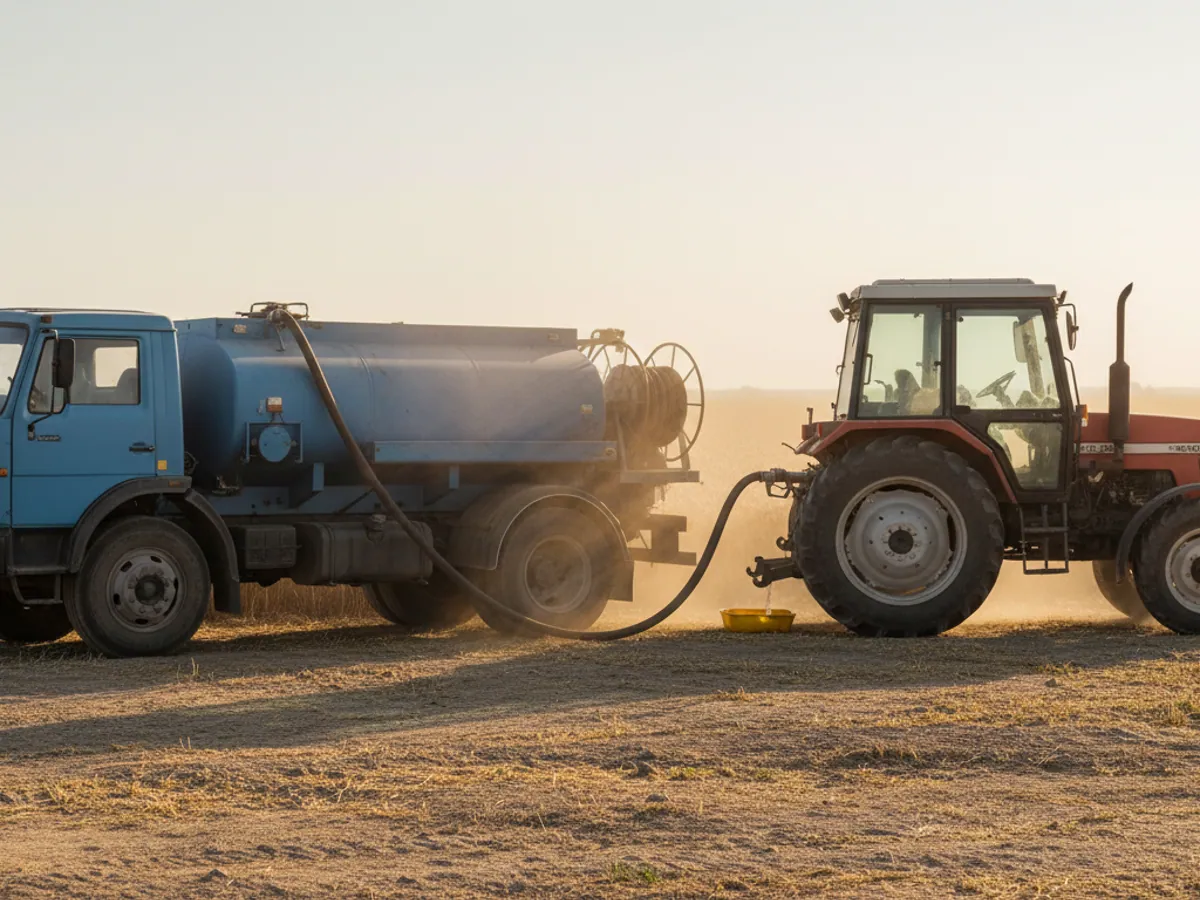
A fuel level sensor in the tractor tank records every refuelling and every sharp drop in level outside working time. If the bowser also has a tracker and a sensor, the system reconciles how many litres left the bowser against how many arrived in the tank.
The headline figure is litres per hectare for each operation. It shows at once which operator and which field are out of line with the general picture. There is more about the method on the fuel control page.
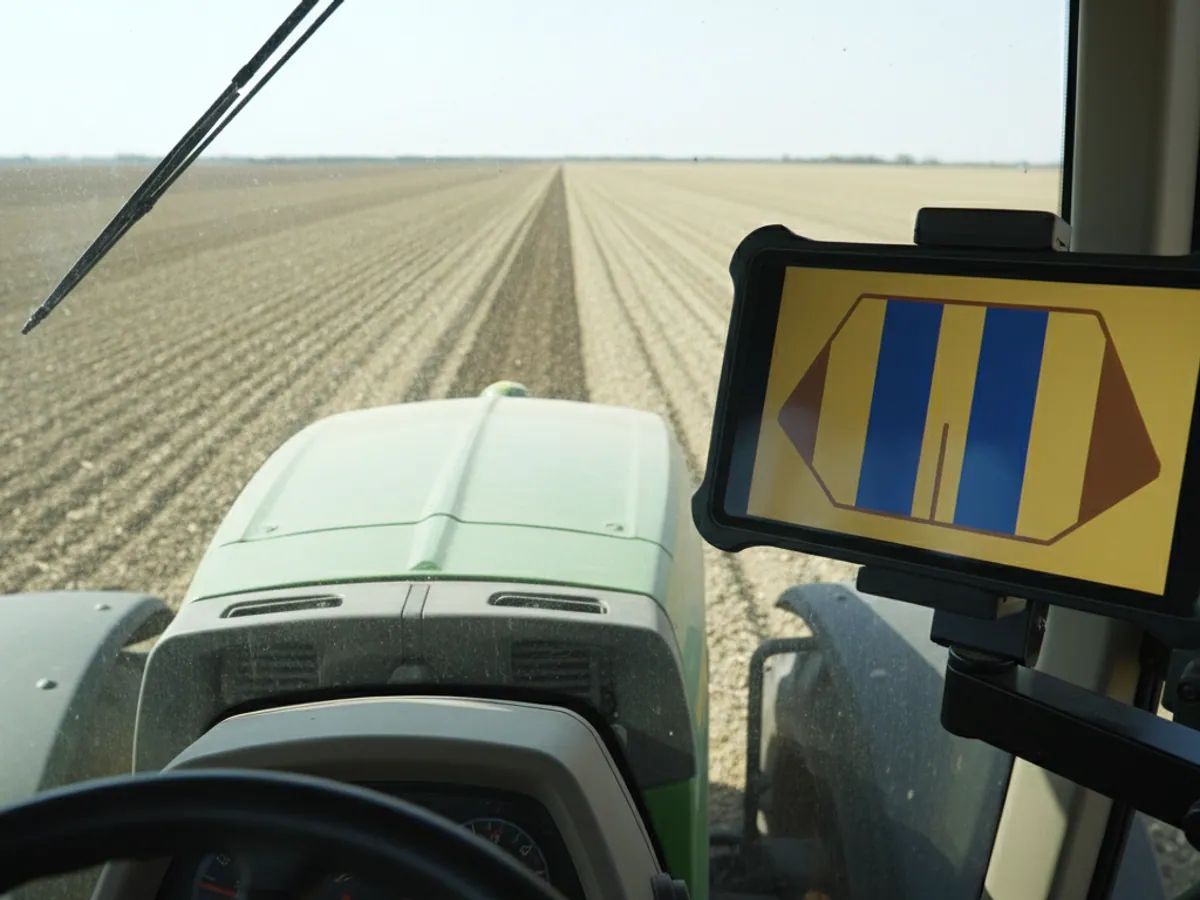
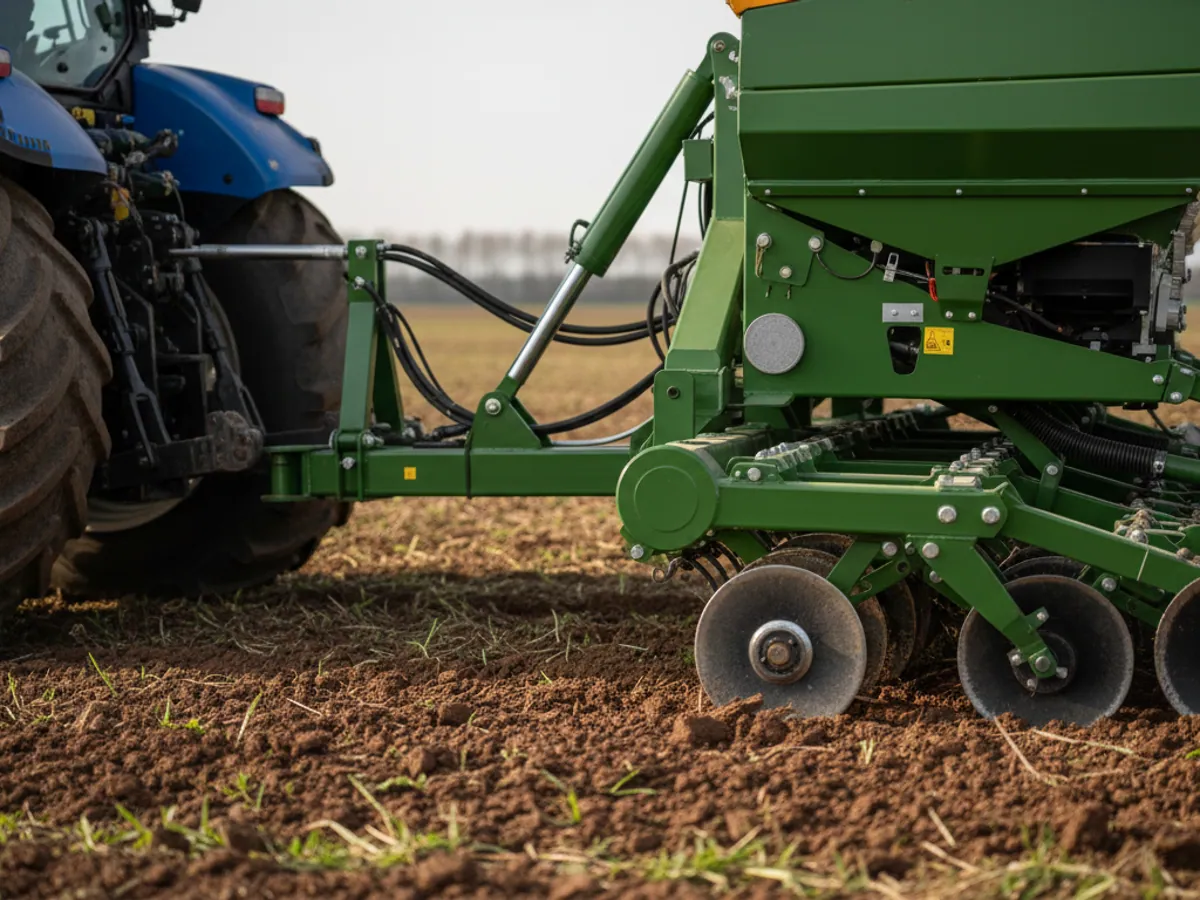
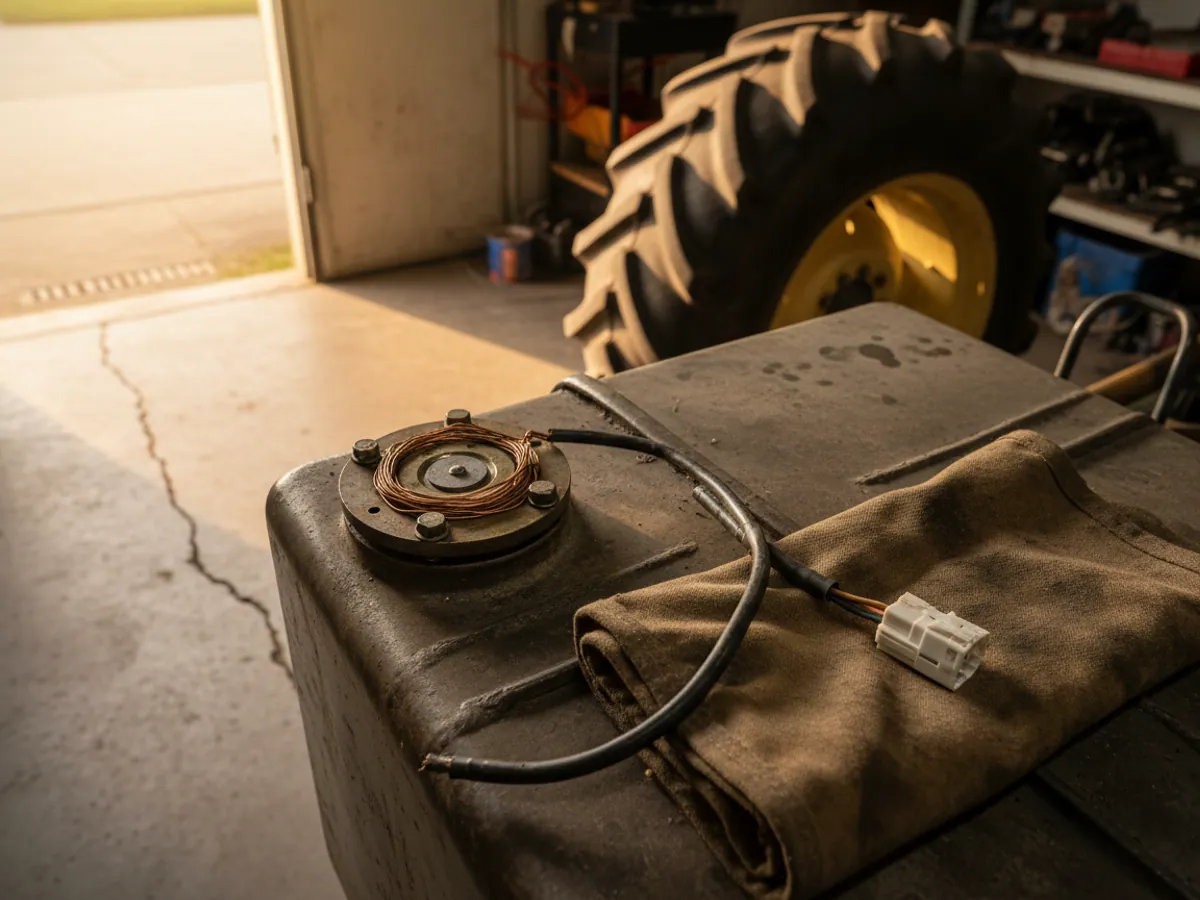
What equipment we fit to which machines
Old MTZ and YuMZ tractors
A tracker with a backup battery and a fuel level sensor in the tank. There is no CAN bus on tractors like these, so consumption is worked out from the fuel level sensor alone. The tank is calibrated in place, because tank shapes differ considerably even within one model.
Modern John Deere, Case, New Holland
A tracker reading the CAN bus: revolutions, engine hours, consumption, engine load. On many models this gives consumption without cutting into the tank. Which parameters are available depends on the particular model, and we check before fitting.
Combines and cotton pickers
A tracker, a fuel level sensor and a sensor on the auger or the hopper. On cotton pickers the most important things are engine hours and the running time of the picking units, which show the real output per shift.
Fuel bowsers
A tracker and a level sensor in the tank. Every issue of fuel is tied to a place and to the tractor that was standing beside it at the time.
Sprayers
An implement tag and a working position sensor. Travel speed during treatment is the key figure for the agronomist, and it is visible for every pass.
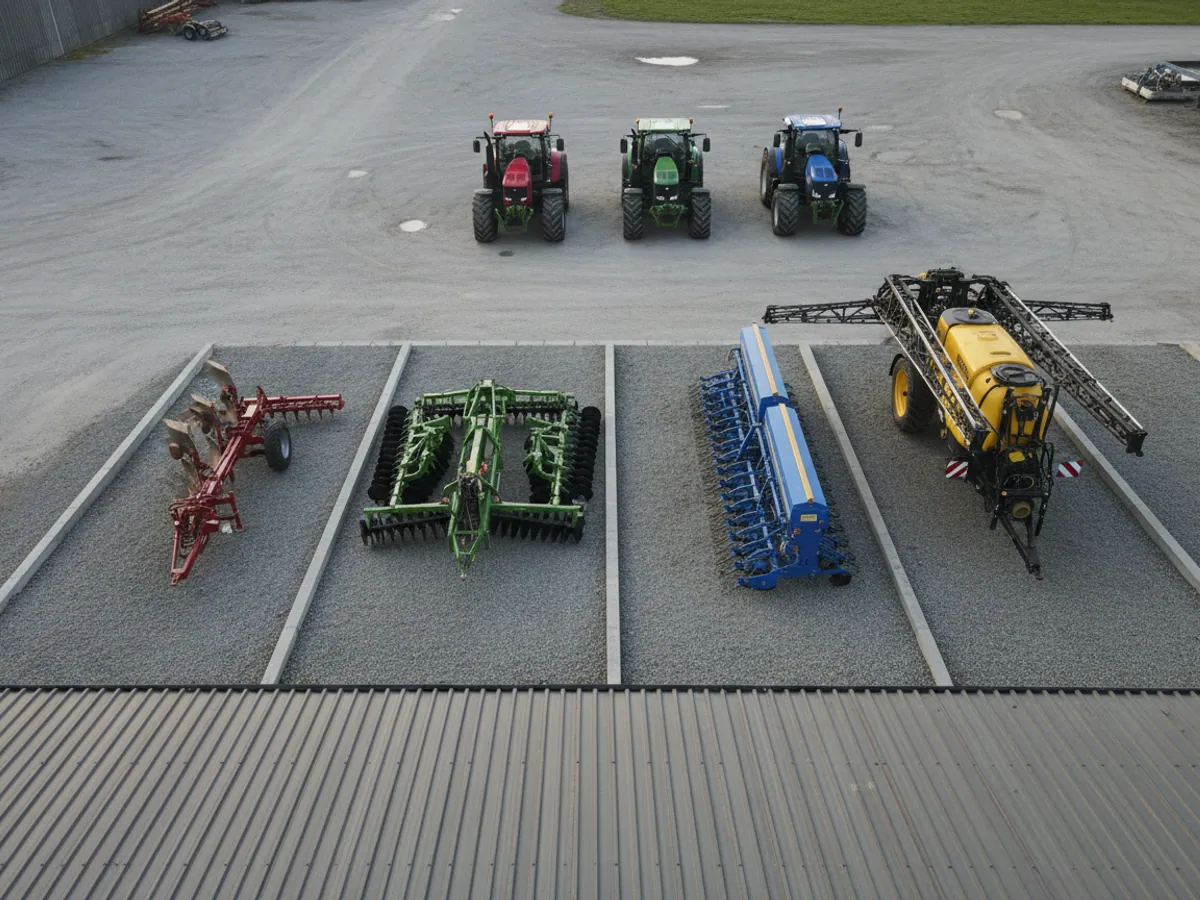
Coverage in the fields and in the hills: what happens to the data
In the Kura-Aras lowland mobile coverage on most farms is steady. The problems start in the foothills: on fields in the Shamakhi, Ismayilli and Guba districts there are places with no signal for hours at a time.
In such places the tracker carries on writing points to its own memory and sends them as soon as coverage returns. There will be no gap in the reports; it is simply that notifications about a drain or a stop will arrive late. If it matters to the farm to receive alerts in real time on the far fields as well, we fit a tracker with an external aerial and a SIM that works with several operators.
Dust and vibration are a separate matter. A tracker on a tractor works in harder conditions than one on a lorry, so we mount it in the cab and route the connectors and wiring where the operator will not catch them with a boot. There is more about fitting to machinery on the farm machinery monitoring page.
When and how to roll it out: a season before the season
Winter: fitting
The most convenient time is out of season. The machinery is at the depot, and fitting and tank calibration can be done without haste.
Field outlines
We enter the fields into the system from the cadastral boundaries or by driving round them. This is what allows reports to be built by field as well as by machine.
Norms and thresholds
Together with the chief engineer we set consumption norms by operation, the permitted speed for sowing and spraying and the drain thresholds.
Spring: the first season
Sowing is the first test. We go through the reports every week, adjust the thresholds and weed out false triggers.
Autumn: the results
After harvest we compare consumption per hectare by field and by operator. Those figures become next year's norms.
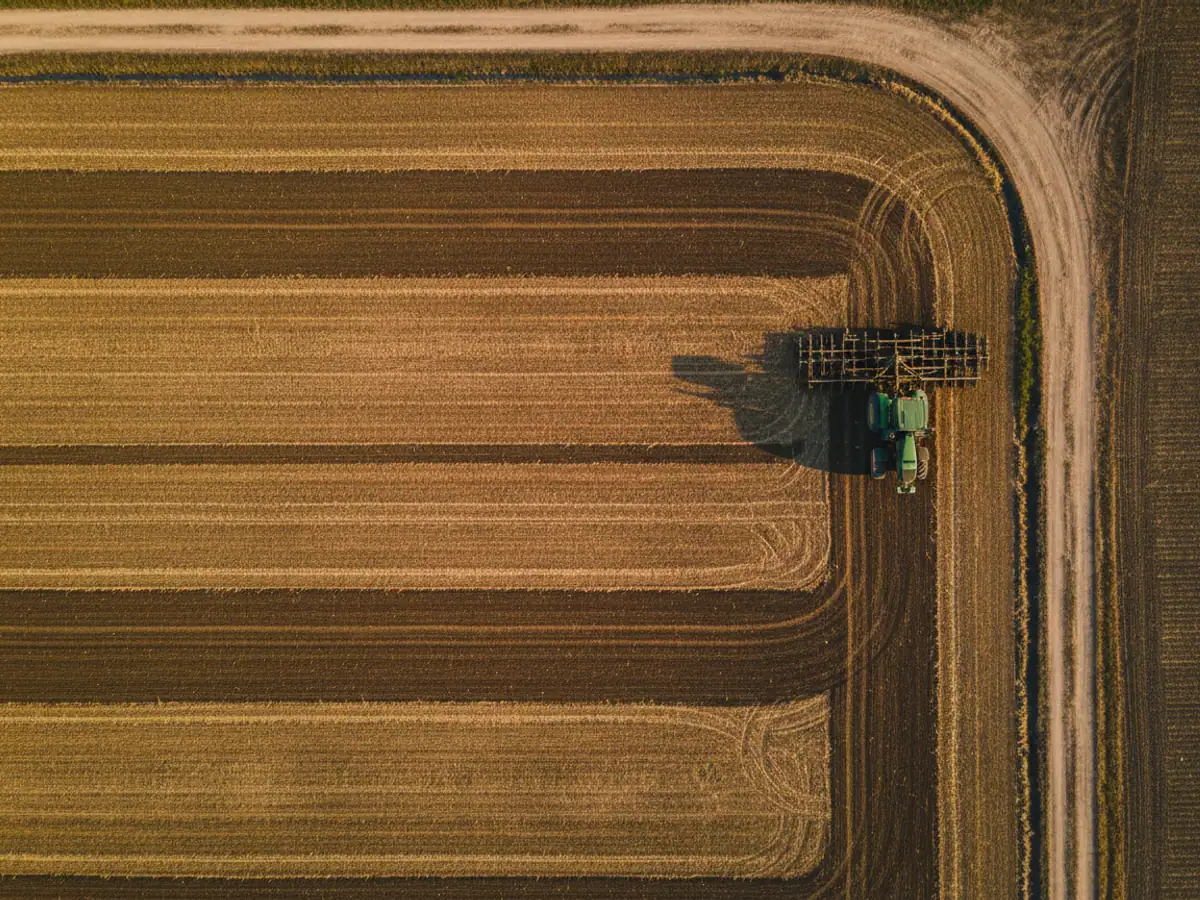
Hectares from the track: implement width, overlaps and a control field
The area in the report is a calculation, not a survey. It comes from three things: the tractor's track, the working width of the implement and the fact that the implement was lowered. An error in any of them shows up immediately in the hectares.
- Implement width. We take the working width rather than the figure on the plate, allowing for how the operator actually handles the join between passes. An error of 10% in the width gives the same 10% in the hectares.
- Overlaps. Where passes run over each other the area must not be counted twice. The system deducts repeat passes, but with narrow implements and imprecise GPS small overlaps may remain within the margin of error.
- Missed strips. Gaps between passes are visible on the field map. Strips narrower than the margin of error of the tracker's GPS receiver cannot be distinguished.
A control field. At commissioning we suggest choosing one field whose area is known from the documents and comparing the first report against it. If the difference is noticeable, we first check the implement width and the working position sensor, and only then ask the operator.
Recording is not autosteer. A monitoring tracker counts what has been done and helps calculate pay and write off fuel. It does not steer the tractor along the pass and does not give centimetre accuracy. That calls for parallel driving systems and autosteer with RTK correction from the machinery manufacturers or specialist suppliers. Monitoring can work alongside them, but it does not replace them.
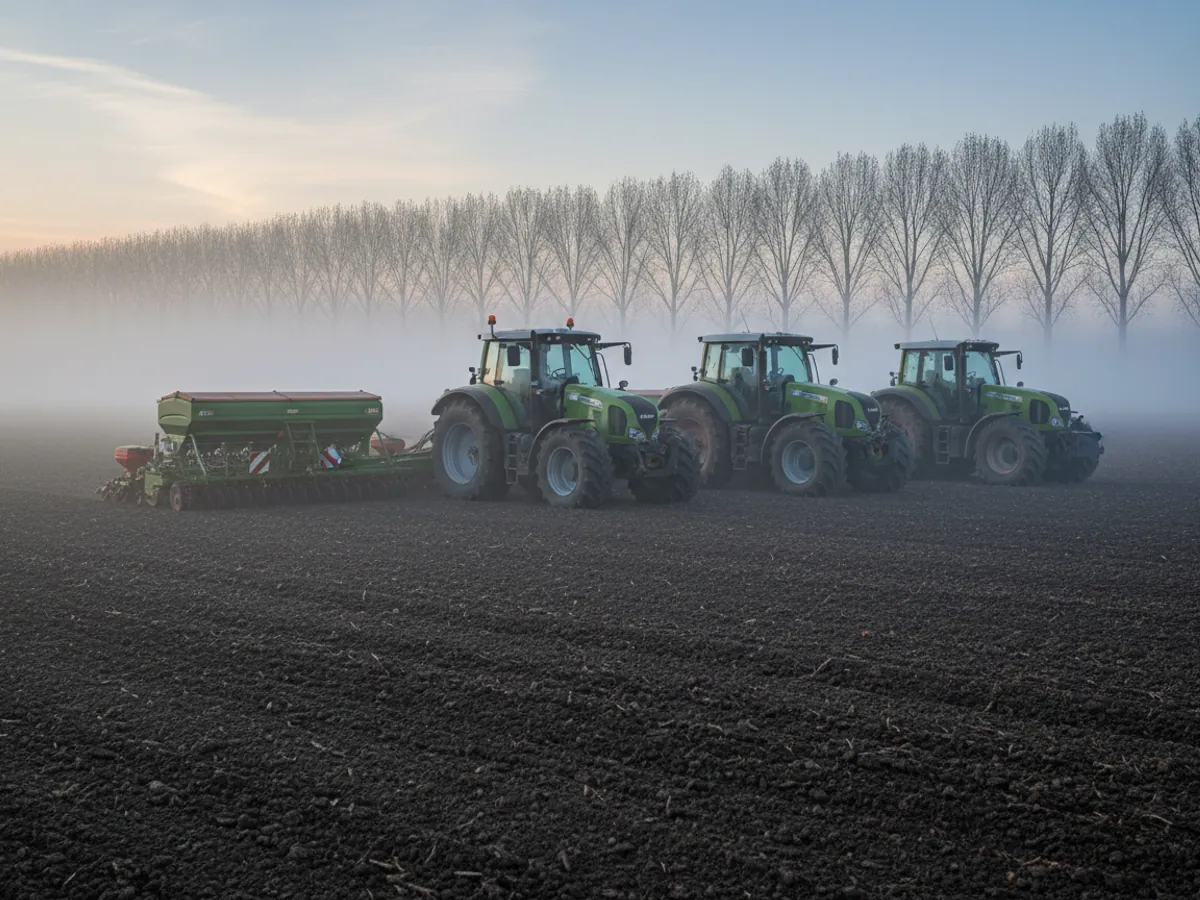
A seasonal pilot: what is needed and when it is accepted
A pilot is best run on one operation, spring sowing for instance, and on part of the fleet: three to five tractors with implements plus a fuel bowser.
What is needed from the farm:
- field outlines, or at least the areas from the documents;
- a list of implements with their working widths;
- the consumption norms by operation that are currently in use;
- work sheets and the fuel issue log for the pilot period, for reconciliation.
The acceptance criteria are agreed in advance, for example: the area of the control field according to the system differs from the documents within agreed limits; every issue from the bowser shows up in the tractor's tank; every drain and every job away from the fields has been gone through with the foreman. After that you decide how to extend the system to harvest and to the rest of the fleet.
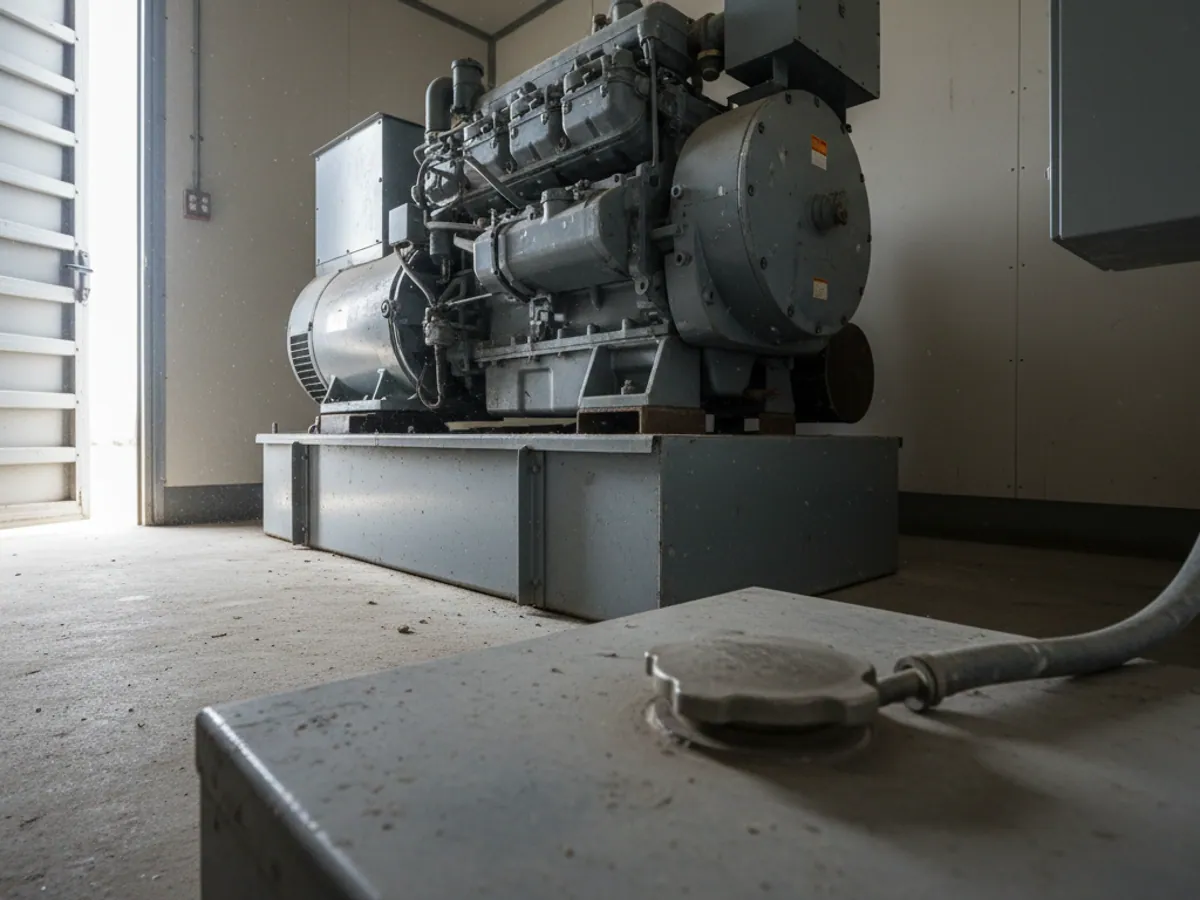
Payback: counting it in diesel
Fuel is the easiest thing to count on, because it is the largest item the system sees. Take the farm's annual diesel volume and assume a cautious saving of 10 to 15%: in our crop production projects, after fuel level sensors are fitted and bowsers brought under control, the figures most often fall in that range, sometimes higher where there had been no control at all before.
The second item is overstated area. If operators are on piece-rate pay, the difference between paper hectares and actual hectares comes straight off the wage bill. The third, which is harder to work out in advance, is the yield on blocks where sowing practice used to be ignored.
The cost of a kit depends on the type of machine and the set of sensors, and we will price it for your fleet. A general overview of solutions for agriculture is in the agricultural sector section.
Questions from farmers and chief engineers
What is used in this sector
What we do end to end
Wialon modules for this sector
How it is used in this industry
Case studies from “Agriculture & Agribusiness”
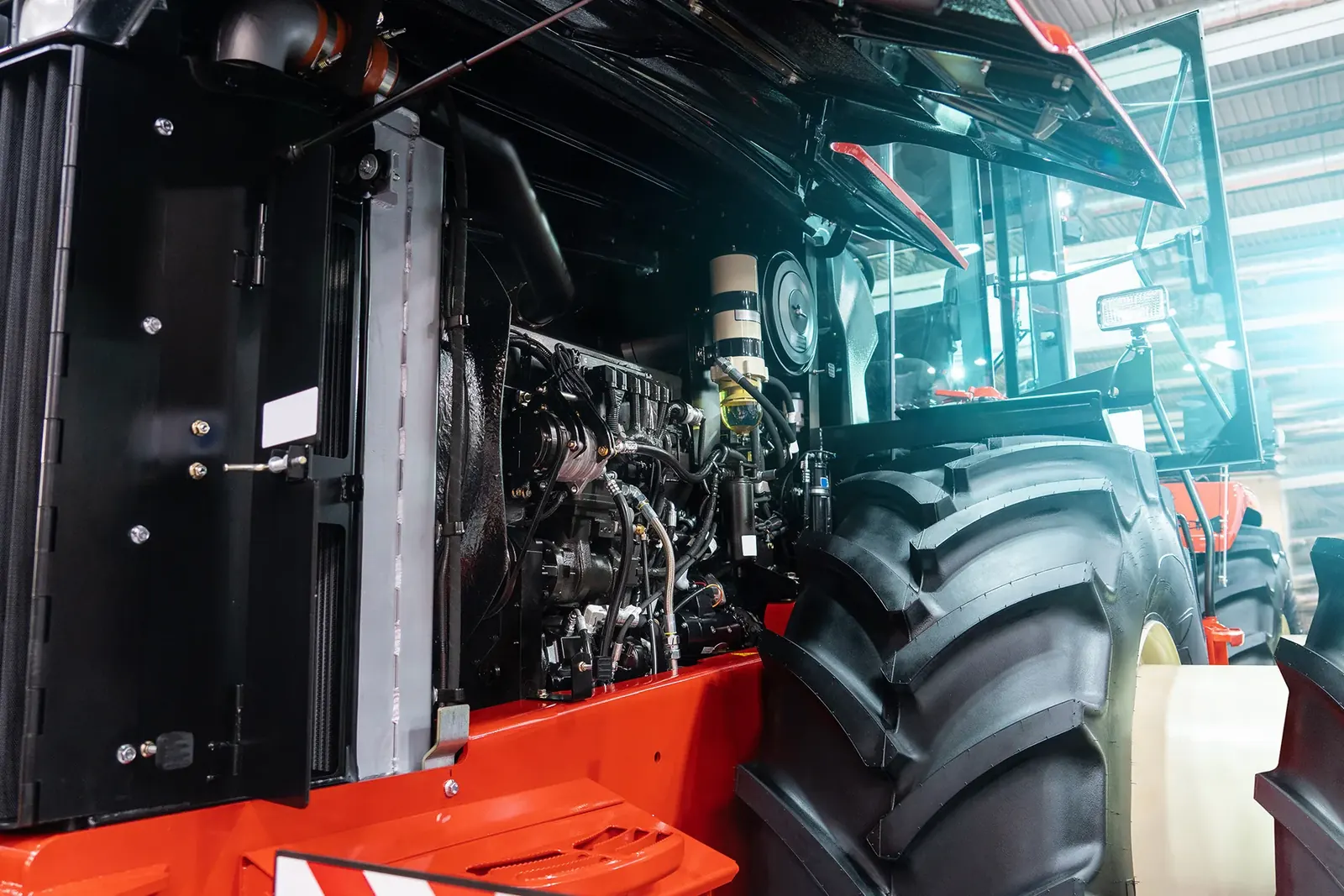
Service schedules for farm machinery from CAN data
Agriculture, construction and mining
Recording farm machinery and implements with the FMB140
Agriculture, construction and mining
Field worker records with the ATC700
Assets and workforce
Thinking of rolling out GPS monitoring in “Crop farming”?
Send us an enquiry and we will price it up for your fleet and pick the hardware for this sector: agriculture & agribusiness.
- 1 We pin down the task
A specialist calls back and asks about the vehicles, how many there are and what you need to keep an eye on.
- 2 We put a solution together
We propose the hardware and the features, and set out the one-off and the monthly cost separately.
- 3 We agree the fitting
At your yard or at ours, on a schedule that keeps the vehicles working.
Request a call
A specialist will call back and match a solution to your fleet and your task.