
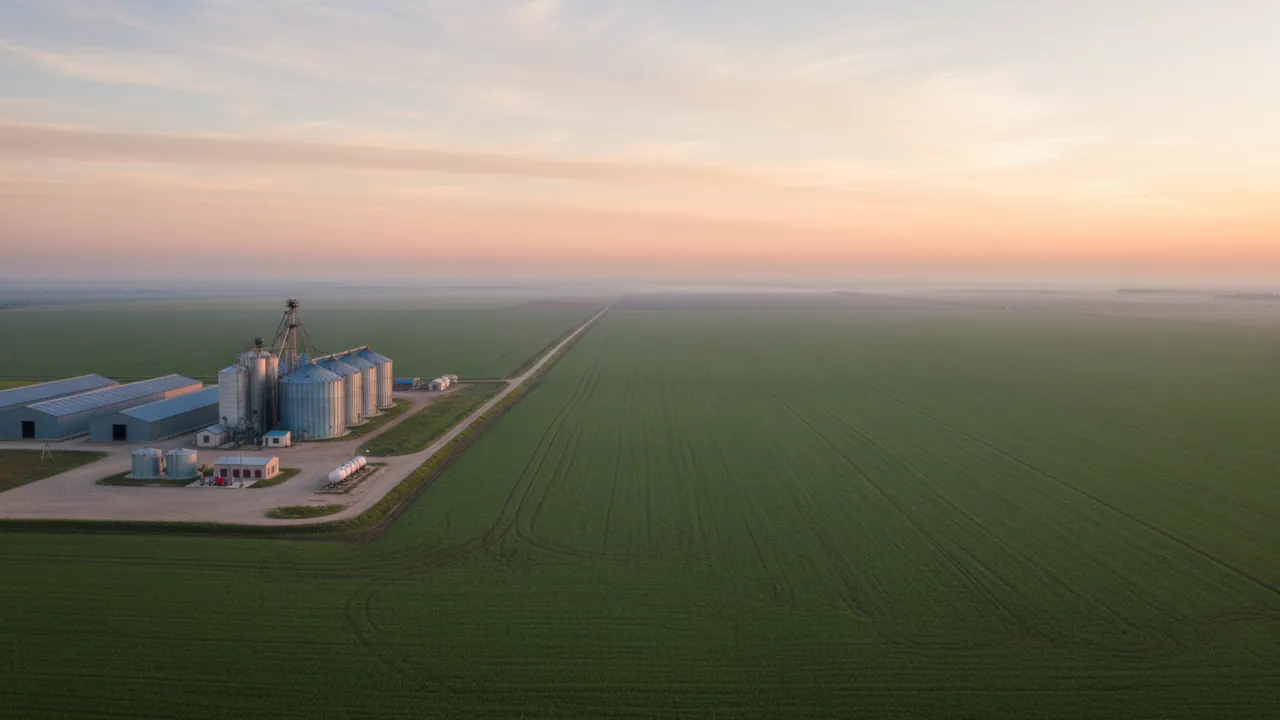
The digital ecosystem of an agricultural holding
Machinery, fuel, fields and stores across every farm in the holding, in one monitoring system with shared norms and separated access rights. Data goes into ERP and BI without manual entry, and management compares branches by the same rules.
One version of the figures for every farm
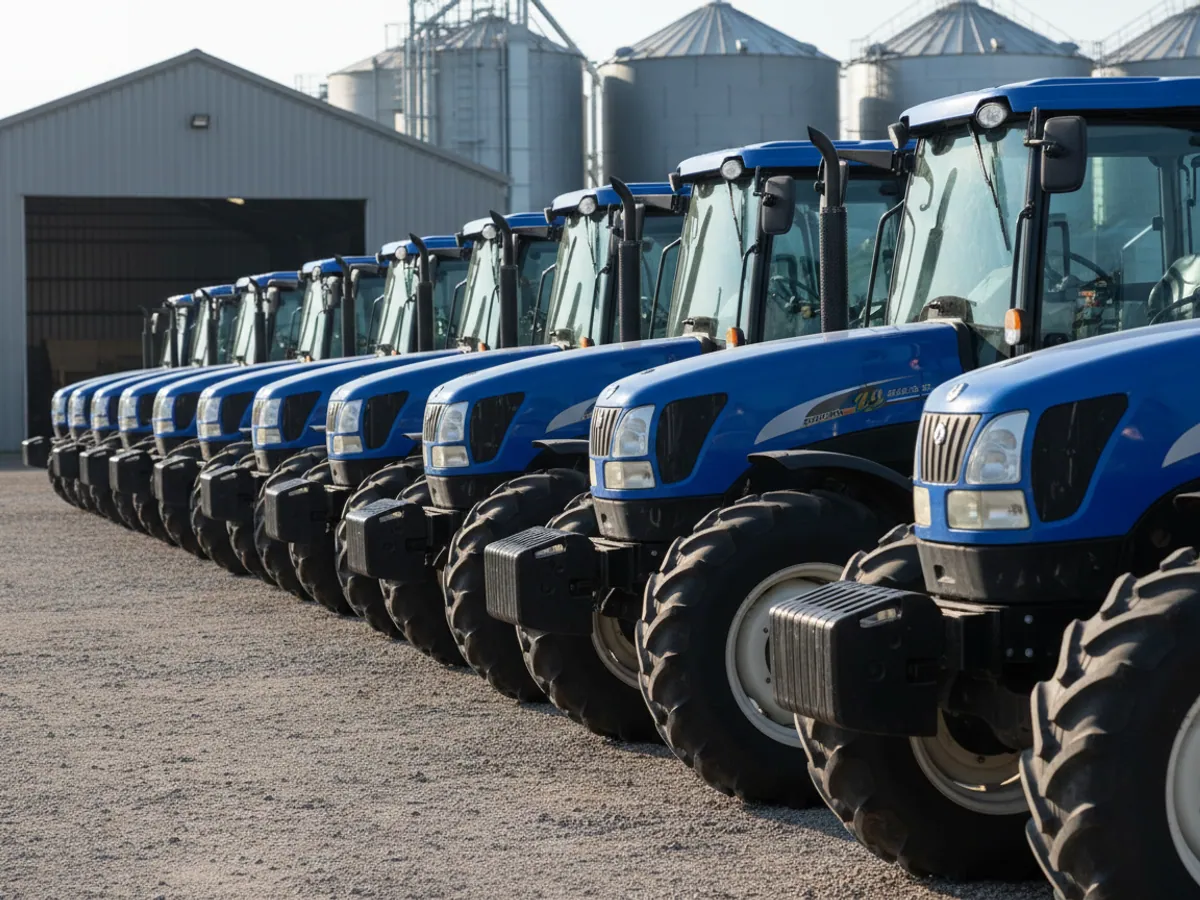
An agricultural holding that grew out of several separate farms almost always has several versions of the truth. The farm in the Bilasuvar district works out consumption per hectare its own way, the one in Gakh does it differently, and a third was bought complete with its machinery and a monitoring system from another supplier. At the meeting every director arrives with their own figures, and there is no way to compare them.
Digitalising the management of an agricultural holding does not begin with dashboards but with common rules: how hectares, engine hours and litres are counted, what counts as a drain and what counts as normal consumption. Once those rules are the same for everyone, data from hundreds of machines starts to add up to a picture you can make decisions from.
Our part is to supply the equipment, bring all the farms together on one Wialon platform, set up shared norms and deliver the data into your accounting systems.
Problems that only arise at holding level
A single farm and a holding have different problems. For the management of a group of farms these questions come to the fore:
Branches that cannot be compared
Different norms, different reports, different systems. There is no way to tell the best farm from the one that is best at writing reports.
Surplus machinery
In one district combines stand idle, in another there are not enough and machines are hired in. Without data on utilisation, new machinery is bought on the say-so of the directors.
Manual data transfer
Hectares and litres are retyped from the monitoring system into 1C by hand. Accuracy is lost at that step, and the opportunity to adjust the figures appears.
Oversight from the centre
The security team in Baku needs to see alerts from every farm, not learn about fuel drains from a summary a month later.
One combine for two districts: reallocation based on data
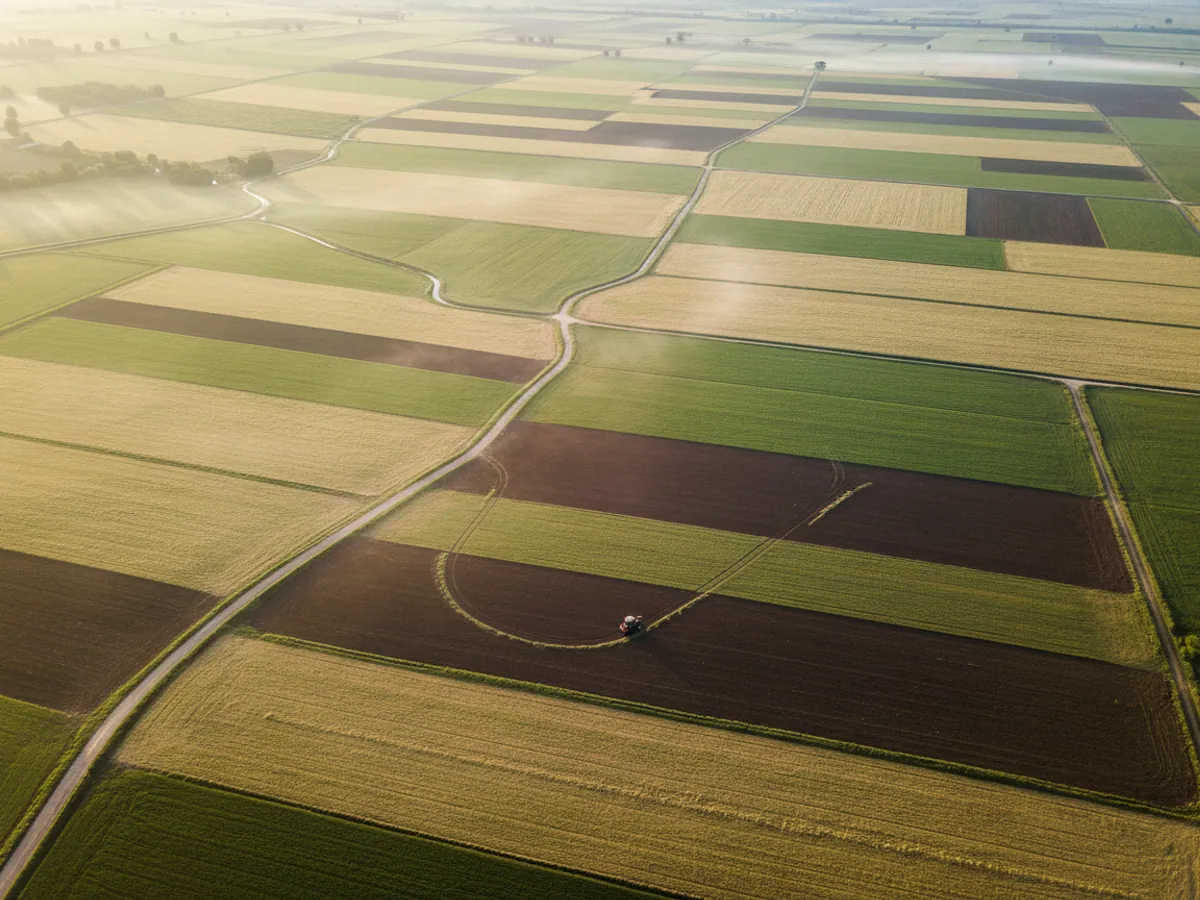
Wheat in the Kura-Aras lowland ripens earlier than on the rainfed fields in the foothills of Shamakhi and Gobustan. The holding has farms in both zones, and each wants its own combines for the whole season.
The machinery utilisation report for last season shows something straightforward: the combines in the lowland finished harvest in a few weeks and then stood mostly idle, while at the same time machinery was being hired in up in the foothills. If some of the machines are moved once harvest below is over, hiring can be cut back and the purchase of another combine put off.
Decisions like that are impossible until machinery utilisation is calculated the same way on every farm. Fleet utilisation reports are described on the fleet and machinery utilisation page.
How the system is put together for a holding
Farms, roles and access rights
A hierarchy is created in Wialon: the holding, the farms, groups of machinery within each farm. A farm director sees only their own machinery, the holding's chief engineer sees all of it, and the finance director sees consolidated reports without access to managing the units.
When the holding buys a new farm, it is connected as another branch under the same rules. When one is sold, the branch is switched off and its history stays in the archive.
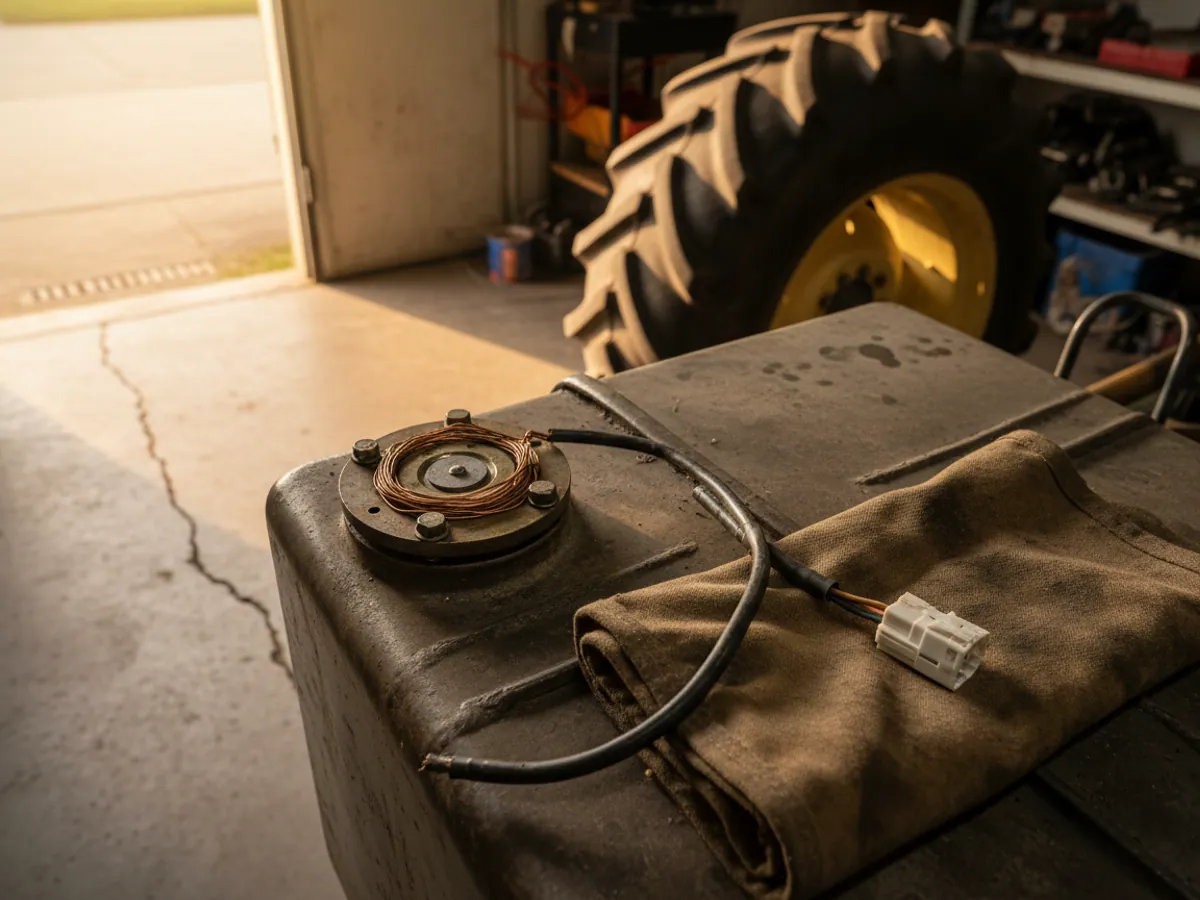
When the holding already has three different monitoring systems
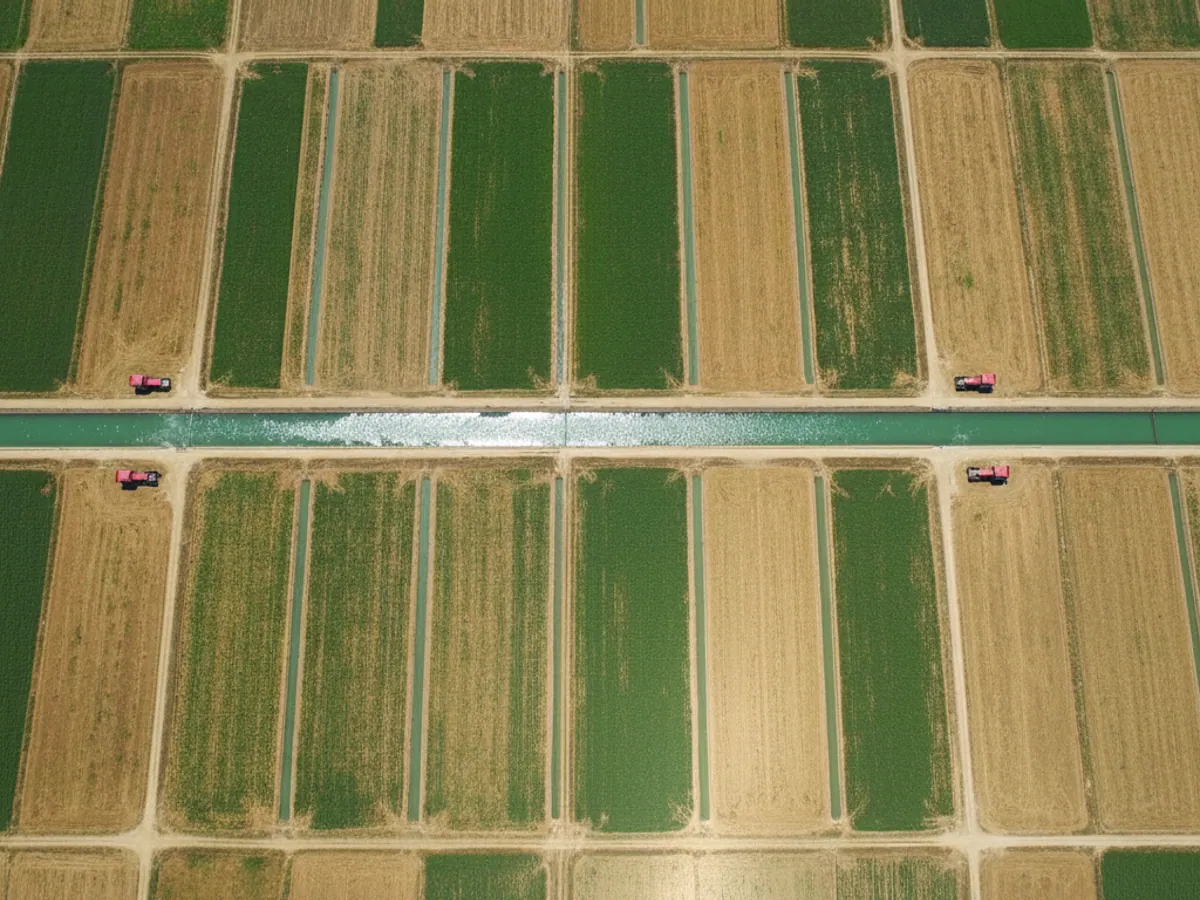
A typical situation: one farm has Teltonika trackers on a Wialon server, another has equipment from a different manufacturer on a different platform, and a third has no monitoring at all. Throwing out working equipment for the sake of uniformity is expensive and unnecessary.
First we check which of the installed trackers can be switched to the common platform without replacement: many devices can be reconfigured remotely. History from the old systems, if you need it, is migrated separately, and the details are on the migration of data from other platforms page.
Where equipment is outdated or unsupported, we replace it gradually, starting with the machines that use the most fuel. Fuel level sensors often stay in place: it is enough to reconnect them to the new tracker and check the calibration again.
What reports each level receives
Owner and board of directors
Once a month: fuel consumption per hectare and per tonne by farm, machinery utilisation, major incidents. No vehicle-level detail.
Finance director
Fuel written off against norms and against actuals, engine hours worked for costing operations, data for reporting to banks and leasing companies.
Chief engineer
The state of the fleet, running time until the next service, idle time by cause, machinery that has stood unused for more than a week.
Farm director and agronomist
Daily: what has been done across the fields, operation speeds, consumption by machine operator. This is a working tool, not a report for those above.
Security team
Fuel drains, trackers switched off, machinery working at night and away from the fields, harvest unloaded outside the agreed points.
A rollout plan across several farms
Audit
What is installed on each farm, which norms are in use, where the data goes today. The result is a list of the discrepancies between farms.
Rules
We agree shared norms, the access structure and the report formats. This is done at holding level, not farm level.
Pilot farm
We get the scheme working on one farm over a season: equipment, reports, integration with 1C.
Rollout
The remaining farms are connected to the finished template, usually out of season so as not to interfere with fieldwork.
Support
For a fleet of several hundred units we agree response times for faults and visits out to the districts. The terms are on the SLA support page.
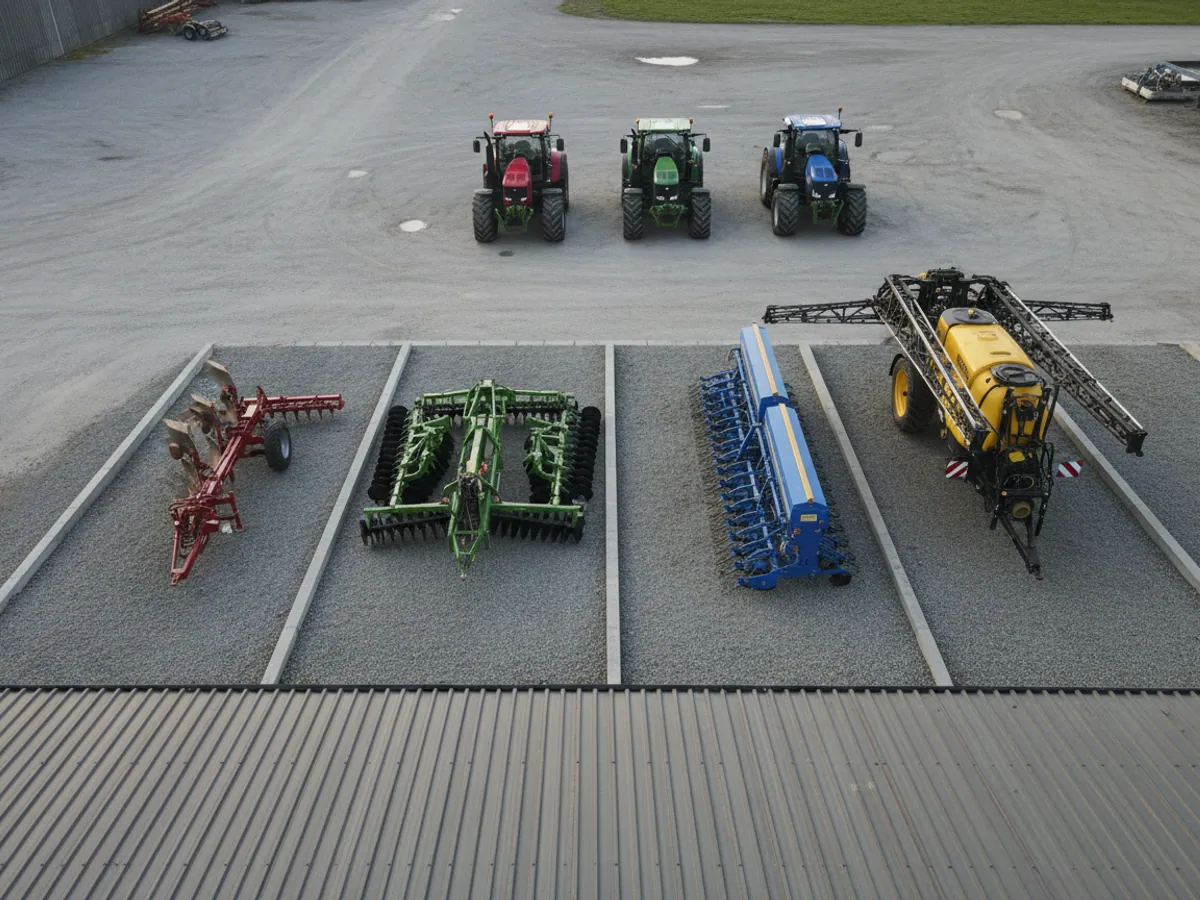
Reference data, rights and norms: what to approve before connecting
A holding only gets comparable figures when every farm uses the same reference data. We help put it together, but the holding is the one that approves it.
- Register of farms and fields. Common farm codes, field outlines, documented areas. One field, one record, even if different units rent it in different years.
- Register of machinery and implements. Model, year, working width, tank capacity, which farm it is assigned to. Machinery moved between districts changes farm in the system rather than being duplicated.
- Register of operations. Ploughing, cultivation, sowing, spraying, harvesting, with the same names on every farm.
Branch rights. A farm director edits their own fields and machine operators, but not the norms. Consumption norms and drain thresholds are changed only by the data owner at the centre, and every change is recorded with a date.
Comparable cost norms. A norm is set per operation and machine model, adjusted for soil type where it genuinely differs. Farms cannot be compared on litres per hectare in general: one does more ploughing, another more spraying. Comparison is between the same operation on similar machinery.
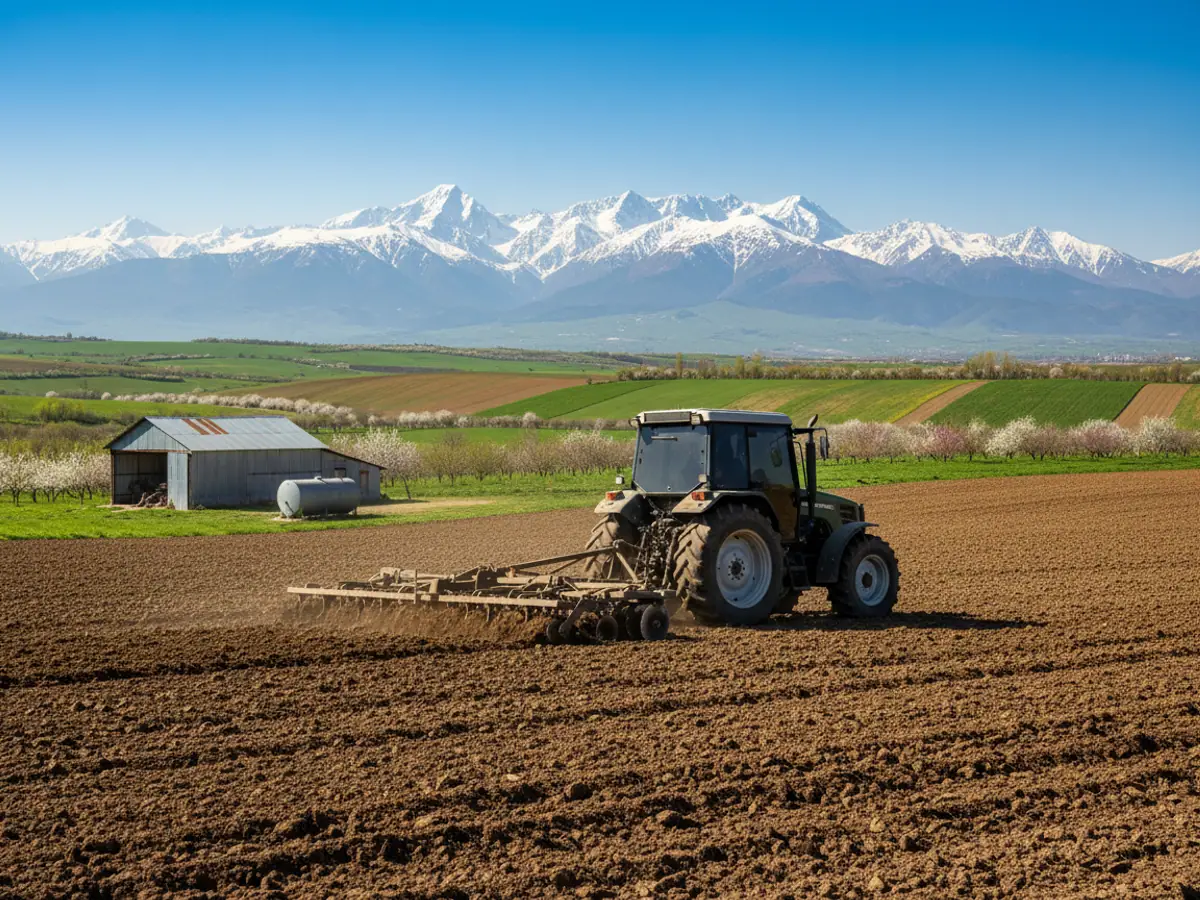
The pilot farm: what is needed and how to accept the result
For the pilot, choose a farm of middling complexity: neither the model one nor the problem one. The timescale is one full cycle of operations, spring fieldwork or harvest for example.
What is needed from the holding: approved reference data to the extent the pilot requires, field outlines, a list of machinery, a data owner at the centre, a responsible person at the farm and access to a test 1C database if the pilot includes integration.
The acceptance criteria are agreed before the start, for example:
- the area treated according to the system has been reconciled with the work completion records, with any discrepancies explained;
- fuel consumption from the fuel level sensors has been reconciled with the issue log for the same period;
- the reports for the farm director and for the centre are built from the same data and give the same totals;
- data arrives in 1C without manual transfer, if integration was within the pilot's scope.
Only then is the template rolled out to the other farms.
Mistakes that cost holdings dearly
Starting with the dashboard. A handsome panel for management built on data with different norms behind it shows nonsense, and confidence in the system is lost in the very first month.
Handing the system to the security team alone. If monitoring is seen as an instrument of punishment, farm directors will look for ways around it. When it helps the agronomist and the engineer with their daily work, the data gets cleaner.
Not appointing a data owner. Somebody in the holding has to be answerable for the norms and for the machinery and field registers. Without that, within a year the system fills up with duplicates, machines long gone and fields that are no longer worked.
Economising on calibration. A fuel level sensor without a calibrated tank gives you an approximation. For a holding comparing farms by the litre, an approximation will not do.
Solutions for individual areas such as crop production, livestock, harvest haulage and storage are gathered in the agriculture section.
Questions from the management of agricultural holdings
What is used in this sector
What we do end to end
Wialon modules for this sector
How it is used in this industry
Case studies from “Agriculture & Agribusiness”
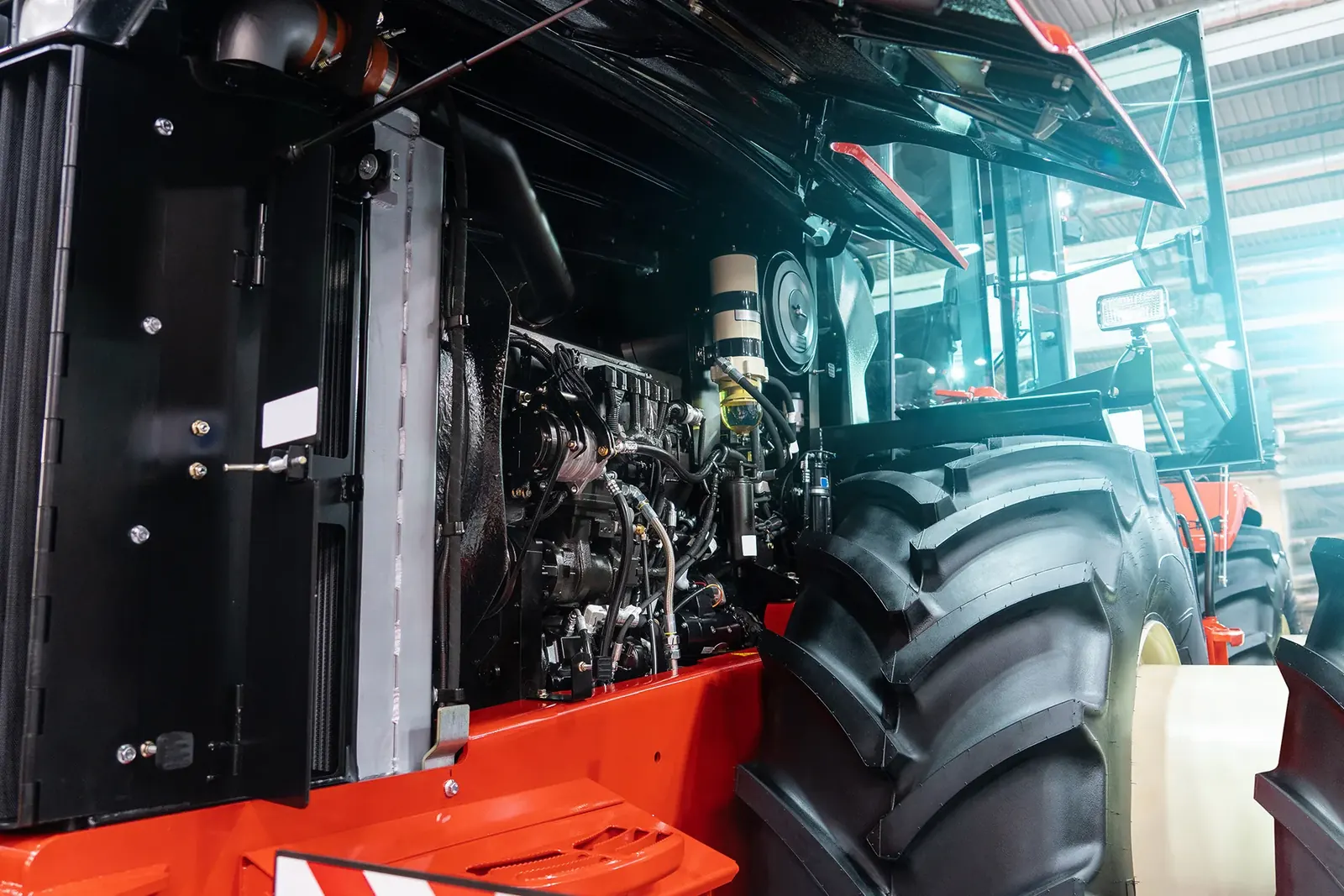
Service schedules for farm machinery from CAN data
Agriculture, construction and mining
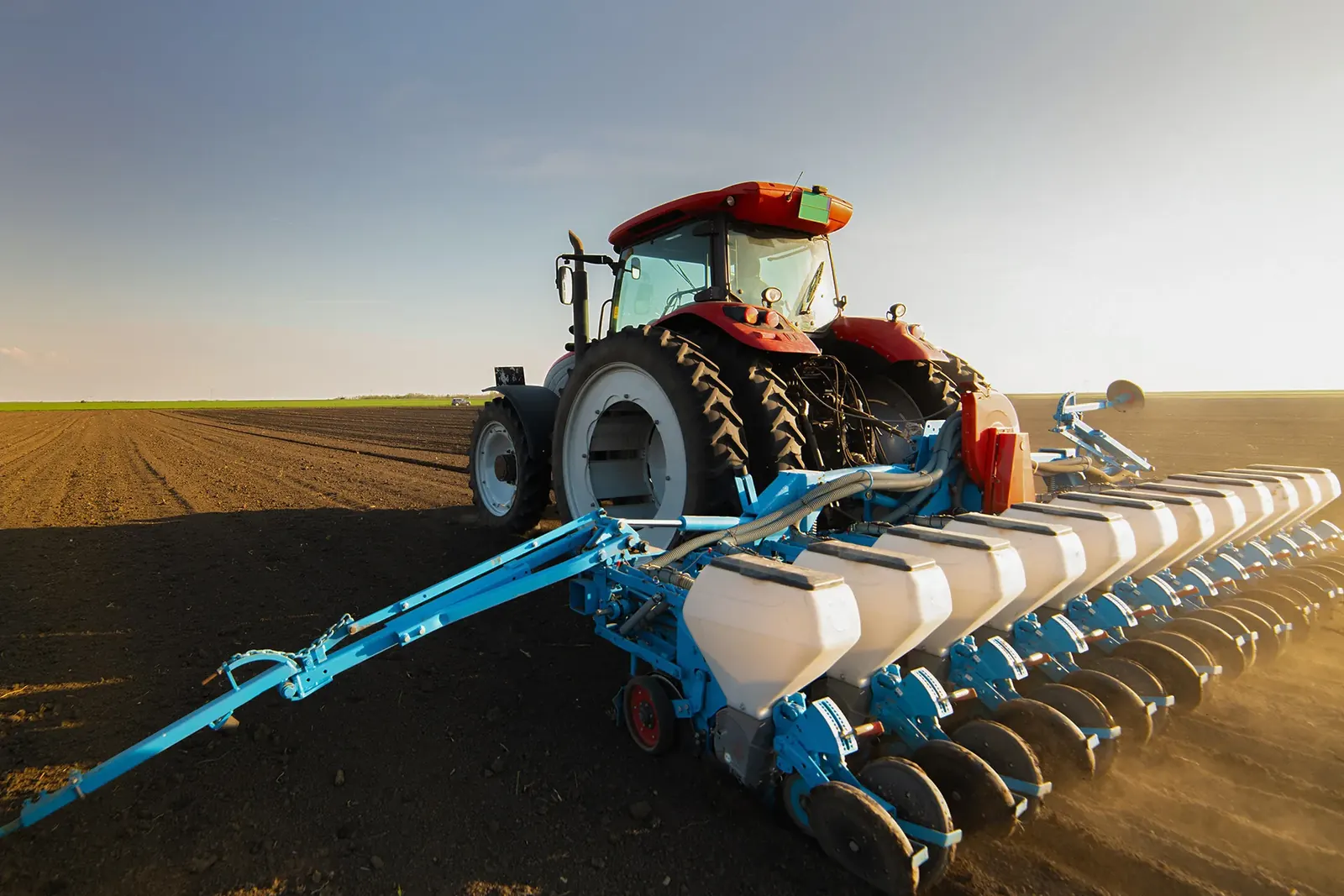
Recording farm machinery and implements with the FMB140
Agriculture, construction and mining
Field worker records with the ATC700
Assets and workforce
Thinking of rolling out GPS monitoring in “Agricultural holdings”?
Send us an enquiry and we will price it up for your fleet and pick the hardware for this sector: agriculture & agribusiness.
- 1 We pin down the task
A specialist calls back and asks about the vehicles, how many there are and what you need to keep an eye on.
- 2 We put a solution together
We propose the hardware and the features, and set out the one-off and the monthly cost separately.
- 3 We agree the fitting
At your yard or at ours, on a schedule that keeps the vehicles working.
Request a call
A specialist will call back and match a solution to your fleet and your task.