
The self-powered TAT100 tracker for cargo and equipment
Teltonika proposes keeping an eye on cargo, trailers and unpowered equipment with the self-contained TAT100 tracker: it runs on batteries for up to 3 years and needs no wiring.
Teltonika proposes keeping an eye on cargo, trailers and unpowered equipment with the self-contained TAT100 tracker: it runs on batteries for up to 3 years and needs no wiring. Most of a company's valuable property has no battery of its own. A pallet of goods, a container, a generator on a building site, a trailer standing in a yard, a skip or a portable toilet — none of them can take an ordinary vehicle tracker. Yet these are exactly the items that most often go missing, move somewhere else without the owner knowing, or disappear altogether. The TAT100 handles that on its own: it is fixed to the item, reports in at a set interval and says where it is and what condition it is in. Paired with a wireless EYE Sensor, the same device also watches the temperature and humidity of the load.
What this scenario solves
Warehouse thefts have grown over a year from 10% to 25% of all cargo thefts worldwide.
Valuable property with no power supply cannot be fitted with an ordinary vehicle tracker.
A load with a limited shelf life needs temperature control along the whole journey.
Without data on location and condition, the owner learns about a problem when it is already too late to put it right.
Warehouse thefts have grown over a year from 10% to 25% of all cargo thefts worldwide. Valuable property with no power supply cannot be fitted with an ordinary vehicle tracker. A load with a limited shelf life needs temperature control along the whole journey. Without data on location and condition, the owner learns about a problem when it is already too late to put it right.
Valuables come in all kinds: building tools and plant, pallets of goods, frozen food, works of art. Each kind has its own requirements — urgent delivery, a limited storage life, particular conditions. And each has its own risks.
The figures Teltonika cites show the risk shifting towards warehouses. In 2020, warehouses and storage premises accounted for 25% of all cargo thefts worldwide, against 10% a year earlier. In Europe the share of thefts from warehouses and production sites rose from 18% in 2019 to 48% in 2020. Thefts in transit are still the largest category, although their share fell from 87% to 71%. In the Asia-Pacific region, 64% of cargo thefts that same year happened in India.
Losses from cold, or rather from the lack of it, are a story of their own. According to the International Institute of Refrigeration for 2021, 526 million tonnes of food were lost through insufficient refrigeration, roughly 12% of world food production. Most of those losses happen on the road and at transhipment, where nobody is watching the temperature.
All these scenarios share one problem: the owner learns about a theft, a move or spoilage too late. Paper records, calls to drivers and periodic checks give no picture of the present moment.
What Teltonika offers
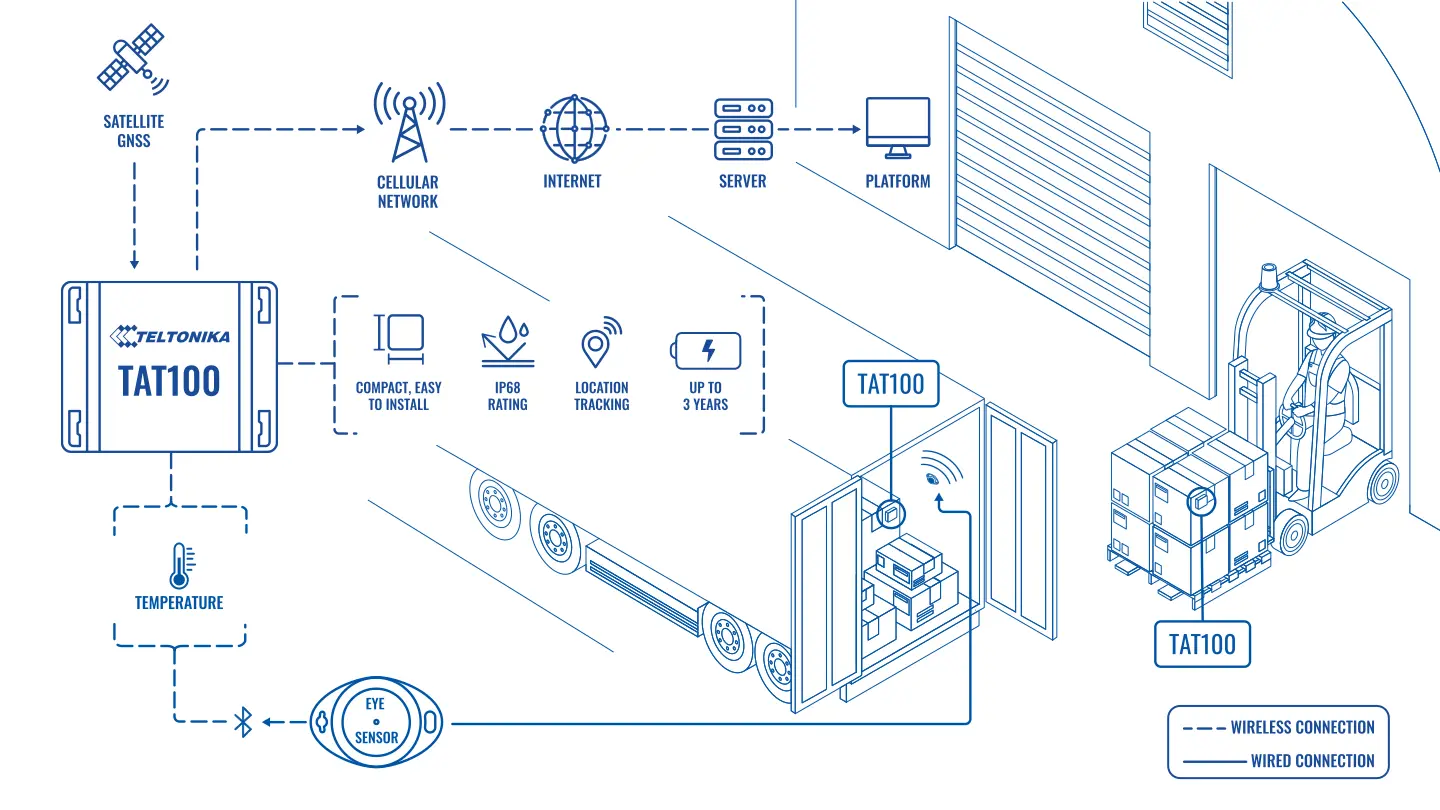
The TAT100 attaches to any unpowered item, works out its own coordinates and sends them to the platform on a schedule, and with an EYE Sensor it adds temperature and humidity.
Installation and setup
Fitting the device and configuring it for the fleet scenario at hand.
Data transfer
The device collects data and sends it to the monitoring platform; how often depends on the model and its settings.
Analysis and control
The person in charge gets reports and alerts and looks into what stands out.

What the device can do. The housing is compact and rated IP68, so the tracker stands up to rain, dust, washing and being left outdoors. Power comes from built-in batteries with very low self-discharge: at one record a day they last up to 3 years, or about 1000 records. GNSS is used to fix the position, and when no satellites are in view the device can work out where it is from mobile network base stations (LBS). There is Bluetooth Low Energy for working with EYE Beacon tags and EYE Sensor devices, and several mounting options so the unit can be fixed to a flat surface, to a frame or inside a housing.
Who this suits. Among the items Teltonika names are valuable cargo, construction equipment, waste containers and other assets with no energy source of their own. The list can be carried further: freight pallets, vans and trailers, production machinery, agricultural plant and heavy equipment, works of art in transit, and mobile objects such as portable toilets.
How it works. The TAT100 fixes its position from satellites and sends the data to the monitoring platform at a preset interval. If an EYE Sensor is nearby, the tracker receives temperature readings from it over Bluetooth, and where needed humidity and the state of the magnetic sensor as well (whether a door is open, for instance), and passes them on together with the coordinates. The manager sees on the map where the item is and gets a notification if the temperature has gone outside the permitted range.
An example. A company has to move a consignment of chilled food and several pallets of expensive equipment. A TAT100 goes on each pallet, and an EYE Sensor is placed in the body of the refrigerated vehicle. While the load sits in the warehouse, waits in the distribution centre or travels in an articulated lorry, the owner can see where it is, and the fleet manager can see departures from the temperature regime if the refrigeration unit has failed.
The reporting interval and the set of data are both configurable. The less often the tracker reports in, the longer the battery lives. For items that stand in one place for months, one point a day is enough; for a load in transit it makes sense to report more often.
An honest limitation: the TAT100 is not a tracker for following something in real time. It reports on a schedule, and between sessions the owner sees the last known point. Chasing a stolen vehicle calls for a different class of device, but for knowing where property is standing and what state it is in, this is enough.
How it is rolled out in practice. First you decide what actually matters for each item: location only, location and temperature, or the fact of an opening as well. The reporting interval and the set of sensors are chosen to match. Then the tracker is fixed so that it cannot be seen from outside and so that metal does not block the antenna completely. In the monitoring system the item is given a name that makes sense, geofences are drawn around warehouses and sites, and notifications are set up: leaving a zone, a temperature deviation, a low battery.
The load apart from the vehicle. The TAT100 is fixed to the load or the container itself, not to the vehicle. That way the owner of the load can see where it is even if the haulier changed en route or the goods were transferred to another lorry, and even though he has no access to the haulier's tracker. It also has to be settled in advance: who takes the device off at the consignee and how it gets back to the sender.
Battery and interval. The figure of up to 3 years refers to one record a day. Reporting every few hours will flatten the battery appreciably sooner, and the low battery notification is worth switching on from day one.
Out of network. If an item is somewhere with no coverage, the tracker will send its data at the next session, once the network appears. Until then the system shows the last known point with its timestamp — worth bearing in mind when going through the data.
What you get
Years of work with no charging
The replaceable internal battery holds out for up to 3 years, or about 1000 records at one report a day, so the item never has to be taken away and charged.
Goes on almost anything
The tracker needs no wiring and is fixed to a pallet, a container, a trailer or a generator in a few minutes.
Unauthorised movement shows up
If an item has left its storage place, the owner finds out at the next reporting session rather than at stocktaking.
Temperature and humidity alongside coordinates
Paired with an EYE Sensor the tracker shows what conditions the load was kept in, which matters for food and other sensitive goods.
Data for decisions
The history of movements and use helps you see which equipment is really working, where it stands idle, and how to rework routes and schedules.
Grows with the business
The TAT100 connects to existing monitoring systems, and the number of tracked items can be increased without changing platform.
Why this solution
The TAT100 is built for the job an ordinary tracker cannot do: an unpowered item that stands outdoors for months. The IP68 housing, low self-discharge batteries and several mounting options mean the device can be put in place and forgotten about for years. Bluetooth LE support turns it into a hub for EYE sensors: with no extra wiring the tracker gathers temperature, humidity and door-opening signals.
Teltonika has a broad range of devices for vehicles and property, and the TAT100 works in the same monitoring platforms as the vehicle trackers. A company sees its vehicles, its trailers and its equipment on site all in one system.
How this works in Azerbaijan. The TAT100 is asked for most often by construction companies whose generators, compressors, formwork and site cabins are scattered across sites in Karabakh, East Zangezur and Absheron. Other frequent scenarios are trailers and semi-trailers in the yards by the port at Alat, loaded containers at transhipment, and retail equipment let out on hire. For cold chain logistics from Lankaran and Guba into Baku, a TAT100 with an EYE Sensor shows whether the cold was broken along the way. Points to allow for: in summer heat of +40 °C and above in open sun the battery drains faster, so it is better to choose the reporting interval with some margin. In mountain districts with no mobile coverage the tracker will send its data once the item is back inside the Azercell, Bakcell or Nar footprint. The tracker is better hidden inside the structure — a unit hanging in the open is found quickly. GPS.az chooses the mounting, sets the intervals and brings the items onto the Wialon platform alongside the rest of the fleet, with notifications for leaving geofences and for breaches of the temperature regime.
Related case studies
Related rollouts and equipment
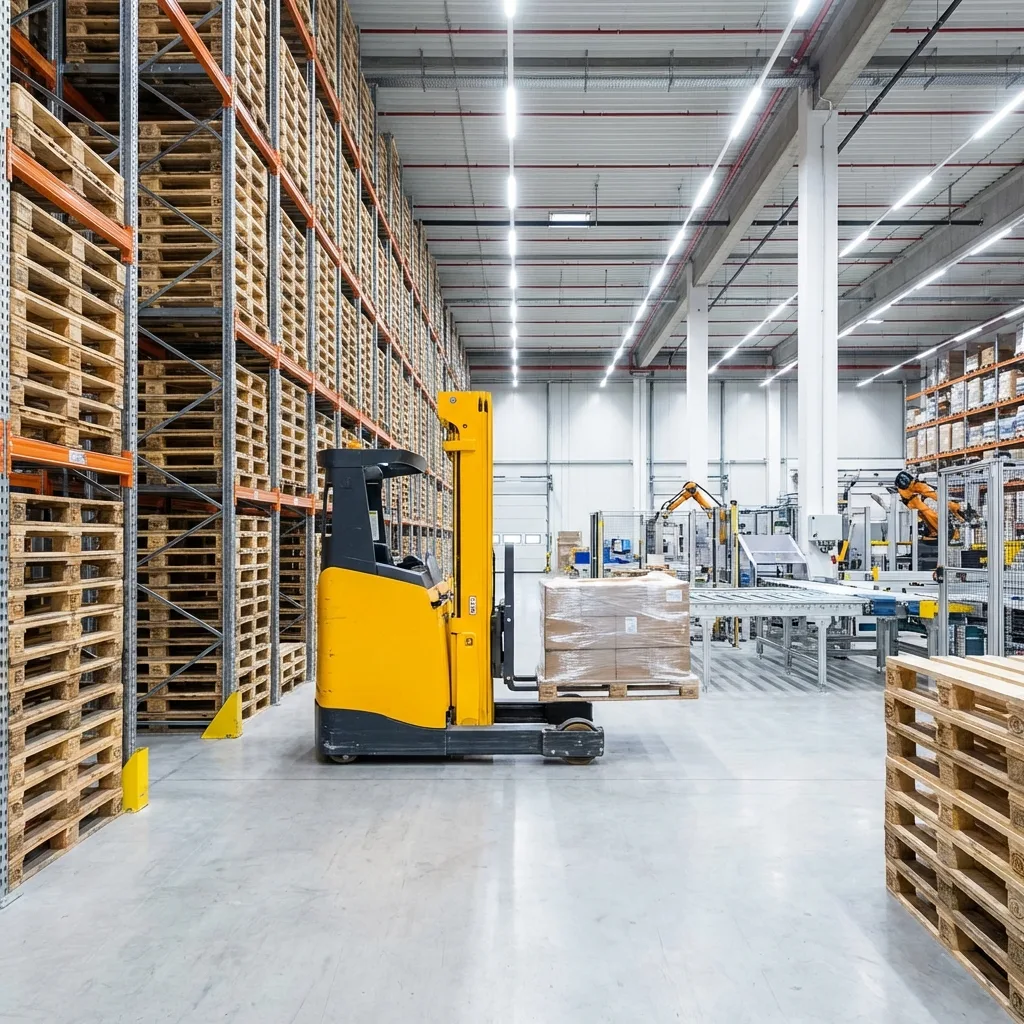
Hire equipment protected by the TAT240
Assets and workforce
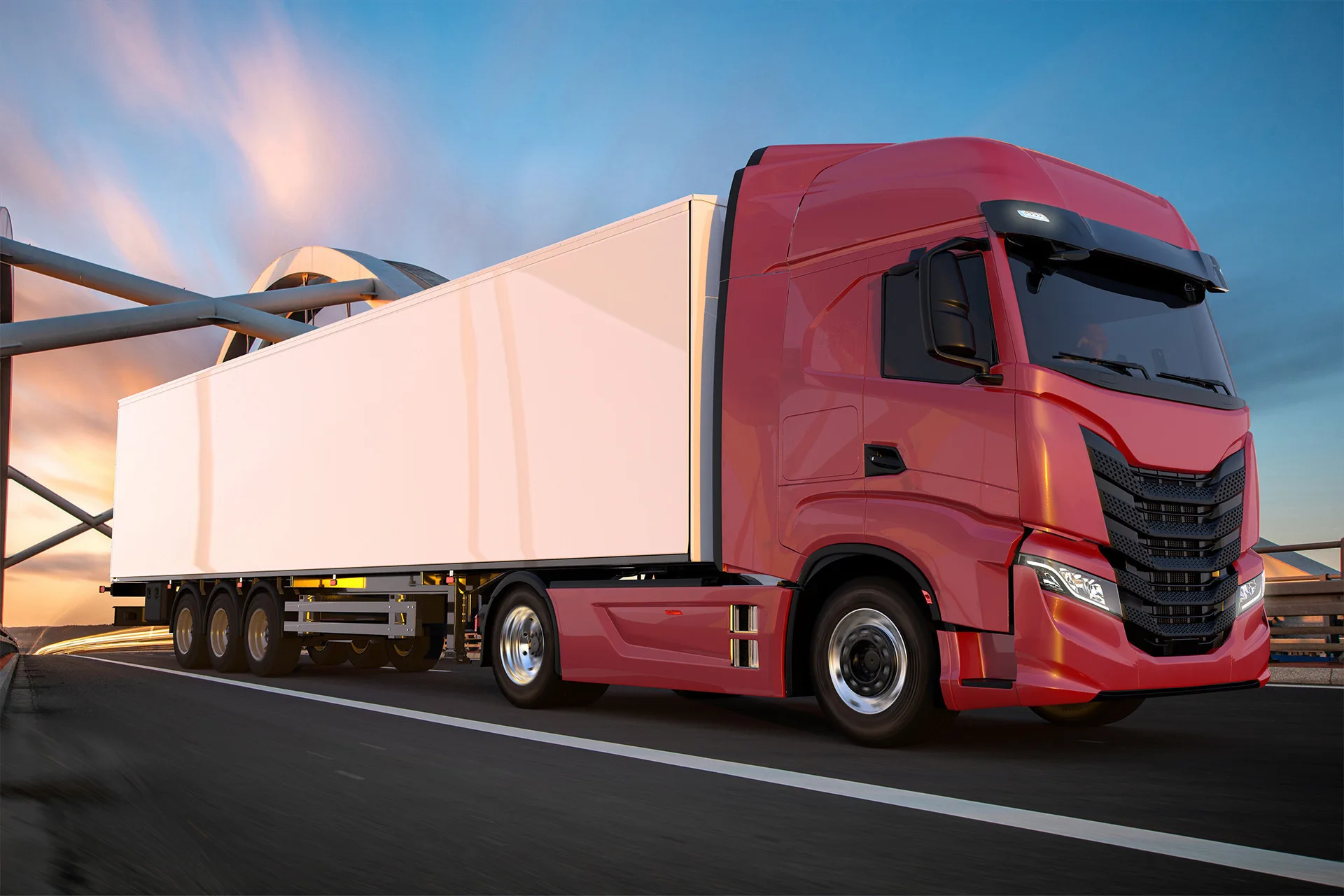
Monitoring semi-trailers with the TAT100 tracker
Assets and workforce
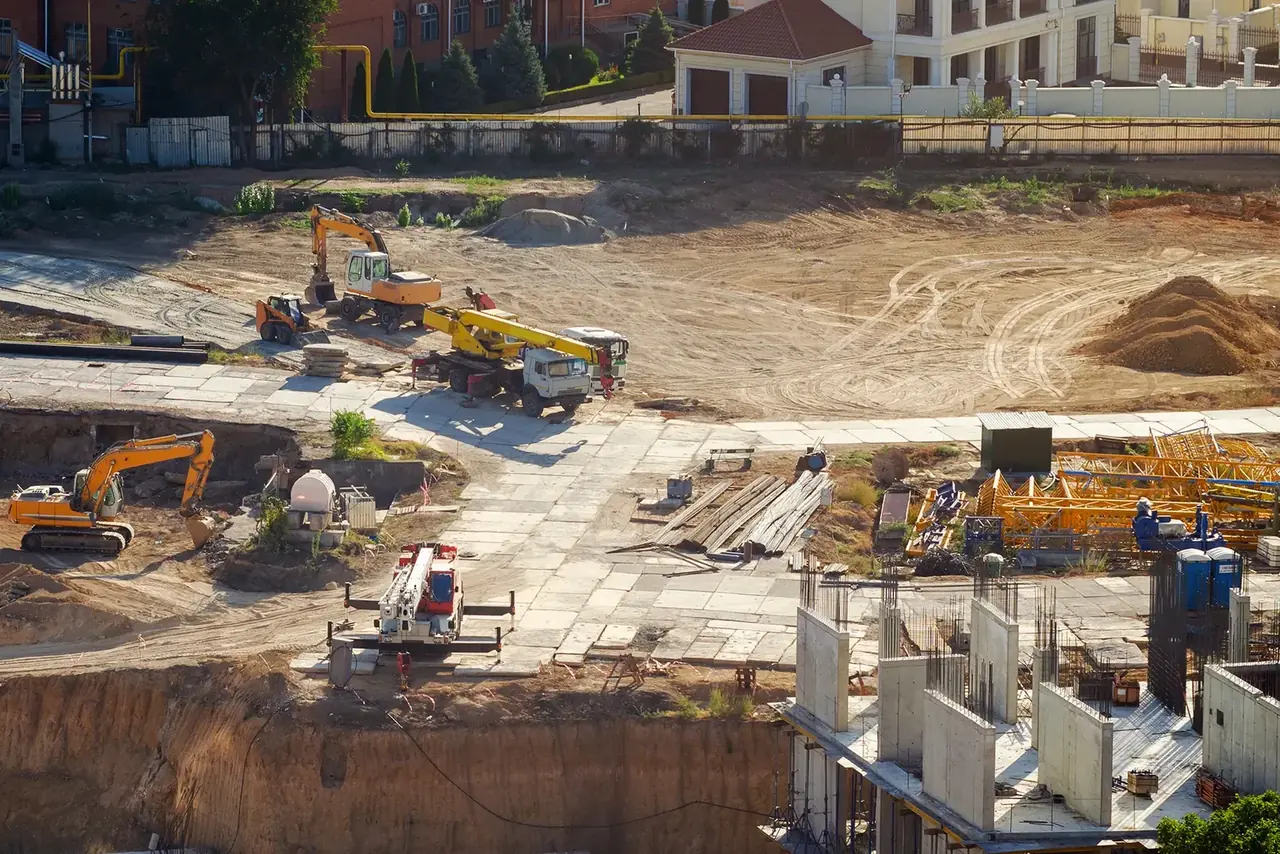
Protecting plant and tools on site: TAT100
Agriculture, construction and mining
Questions about the “The self-powered TAT100 tracker for cargo and equipment” scenario
Request a call
A specialist will call back and match a solution to your fleet and your task.