
Monitoring semi-trailers with the TAT100 tracker
The self-powered Teltonika TAT100 tracker is fitted to a semi-trailer with no connection to a power supply and shows where the trailer is standing, when it started moving and whether anyone is trying to break into it or take it away.
The self-powered Teltonika TAT100 tracker is fitted to a semi-trailer with no connection to a power supply and shows where the trailer is standing, when it started moving and whether anyone is trying to break into it or take it away. A case for operators and owners of trailer fleets: curtainsiders, tankers, low-loaders, flatbeds and refrigerated trailers. They all share one problem — the tractor unit is visible on the map, while a trailer dropped at a lorry park or in a port falls out of sight. Below: which tasks the TAT100 handles, how it works on a trailer with no power supply of its own and what can be added to monitor temperature and unauthorised opening.
What this scenario solves
A trailer with no tracker of its own disappears from view the moment it is uncoupled from the tractor unit.
Cargo thefts are rising where trailers wait for long spells — at unguarded lorry parks and by port terminals.
A trailer standing idle is a loss, and without data it is hard to tell which of them is standing unused and for how long.
Many semi-trailers have no factory power supply for a tracker, and running wiring from the tractor unit is not always possible.
A trailer with no tracker of its own disappears from view the moment it is uncoupled from the tractor unit. Cargo thefts are rising where trailers wait for long spells — at unguarded lorry parks and by port terminals. A trailer standing idle is a loss, and without data it is hard to tell which of them is standing unused and for how long. Many semi-trailers have no factory power supply for a tracker, and running wiring from the tractor unit is not always possible.
The importance of semi-trailers to freight transport is shown in the case with the USA as the example: about 72.5% of all the country's freight is carried on semi-trailers. Of the roughly 13 million lorries on the roads, about 2.9 million are tractor units with trailers. The industry employs about 8.9 million people, 3.5 million of them drivers, and the sector's annual revenue is put at 255.5 billion dollars.
Operators around the world face a similar set of difficulties: driver safety and productivity, swings in fuel prices, a shortage of staff, regulation, and the need to adopt new technology so as not to fall behind competitors.
Theft is a subject of its own. In the 2021 cargo theft report prepared by BSI, TT Club and TAPA EMEA, the rise in thefts is linked to overloaded supply chains and delays at rail hubs. The longer a load waits at an unguarded lorry park or on a container yard by a port, the easier it is for thieves and smugglers to get at it.
An ordinary wired tracker is awkward to fit to a trailer. Power from the tractor unit is only there while the two are coupled. An uncoupled trailer at a lorry park has no power precisely when the risk of theft is highest.
What Teltonika offers
For a fleet of semi-trailers Teltonika offers the self-powered TAT100 tracker: it runs from its own battery, is fitted to the trailer without wiring and sends its location to a set schedule, waking up when the trailer moves.
Installation and setup
Fitting the device and configuring it for the fleet scenario at hand.
Data transfer
The device collects data and sends it to the monitoring platform; how often depends on the model and its settings.
Analysis and control
The person in charge gets reports and alerts and looks into what stands out.

The model has several strengths for this kind of work. An IP68-rated housing stands up to rain, mud and washing. The mounting is universal, and the tracker can go on the chassis, inside the box body or in a hidden place. The high-capacity internal battery is replaceable, so the device does not have to be thrown away once it is flat. A high-gain GNSS antenna gives some margin where the mounting position is less than ideal, but under solid metal the accuracy and the speed of fixing a position still fall.
For battery life the manufacturer quotes up to 1,000 records or up to 3 years of operation if the tracker sends data once a day. In practice the period depends on the reporting frequency chosen: the more often it reports, the faster the battery goes flat.
The TAT100 suits practically any type of semi-trailer: flatbeds, step-frame and extendable trailers, sliding trailers, closed box bodies, tankers, low-loaders. It is also fitted to other non-powered assets — containers, modular site cabins, equipment.
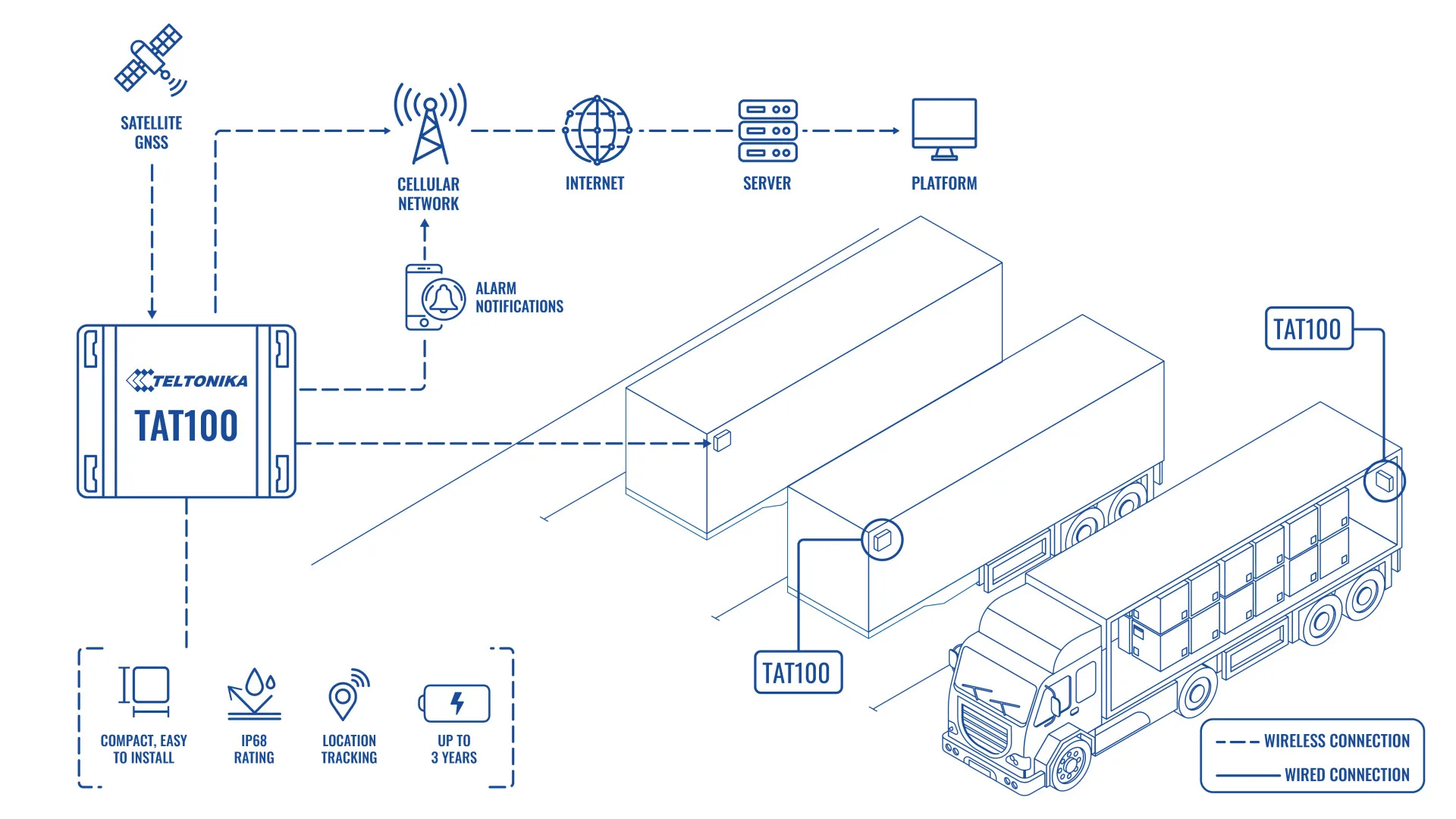
The arrangement works like this. The tracker is fitted and configured on each trailer. It detects movement and its coordinates and sends them to the monitoring system. The data is held in the cloud, and it is available to those who need it for their work: dispatchers, logistics staff, the service department.
The TAT100 protects against theft from two directions. The first is regular or scheduled location reports: the dispatcher knows where each trailer is standing. The second is a response to activity out of the ordinary: the tracker wakes on movement and reports it at once, even if the next scheduled report is a day away. Additional IoT sensors make it possible to get notifications about an attempt to open the doors.
For refrigerated trailers a Teltonika EYE Sensor Bluetooth sensor is added to the tracker. It measures the temperature inside the body, and if it goes outside the set range the manager gets an alert. That helps to deliver perishable cargo in the condition it should be in, and to have data for review if the recipient makes a claim.
Every parameter — how often to send data, when to wake up, which events to notify about — is changed remotely on the online platform. There is no need to charge the tracker constantly, nor to take it off the trailer to reconfigure it.
The trailer, the tractor unit and the load are three different units. The tracker on the tractor unit shows the vehicle and the driver, the TAT100 shows the trailer, and the EYE Sensor or a door sensor shows the state of the load inside. On the platform it is convenient to link them: while coupled the trailer moves together with the tractor unit, and once uncoupled it has its own position and its own history. If the trailer is pulled by another operator's or a subcontractor's tractor unit, the TAT100 carries on working, and that operator can be given access to the trailer through a separate account for the duration of the run.
The battery. Its service life depends on the reporting frequency, the number of alerts and the temperature. The charge level is visible on the platform, and a battery change is better planned from that figure than by waiting for the tracker to fall silent. On a fleet of dozens of trailers it is convenient to look at a charge report once a month.
Out of coverage. On the ferry crossing of the Caspian or at a remote lorry park the tracker may fail to come online on schedule. It will save the records and send them when a network appears; on the platform it is worth having a rule for a trailer that stays silent longer than a set time, so that the dispatcher sees such cases instead of learning about them from a report a week later.
What you get
The trailer is visible without the tractor unit
The self-powered tracker sends coordinates even from an uncoupled semi-trailer standing at a lorry park or in a port.
You can see which trailers stand idle
The movement history shows how long each trailer spends out of work and helps to redistribute the fleet.
Transparent bills for standing time
The time a trailer spends at a customer's premises is recorded and can be invoiced rather than argued over in words.
An alert on unauthorised movement
The tracker wakes on movement and reports it at once if the trailer leaves the place assigned to it.
Temperature in a refrigerated trailer under control
Paired with an EYE Sensor, the manager learns when it goes outside the range and gets data for a cold chain audit.
Why this solution
For trailers the key requirement is to work for years with no external power and not to be broken by the weather. The TAT100 covers both points: the water-protected IP68 housing and the replaceable high-capacity battery are made for exactly that.
The model is configured flexibly for the task. For a fleet where trailers stand for weeks, one report a day plus an alert on movement is enough. For a trailer out on a run, reports can be made more frequent at the cost of some battery life. That is changed remotely.
Honestly about the limits. A self-powered tracker is no substitute for a wired one on the tractor unit: it will not give a live track with a point every few seconds, as the battery would not stand it. If a detailed route is needed, a wired tracker goes on the tractor unit while the TAT100 looks after the trailer. It monitors temperature and door opening only in combination with additional sensors.
Teltonika solutions fit readily into existing logistics infrastructure: the data goes into the same monitoring system where the tractor units are already visible.
How this works in Azerbaijan. Semi-trailers here stand for long spells at the Baku International Sea Trade Port in Alat, waiting for the ferry to Aktau or Turkmenbashi, at terminals along the Middle Corridor and at the border crossings towards Georgia on the M-2 and Iran on the M-3. Those are precisely the days when a trailer is uncoupled and unattended. In summer, at +40 °C, it matters to watch the temperature in refrigerated trailers carrying fruit and dairy, and in winter to watch the trailers stuck on the passes on the Guba and Gusar routes. The tracker works on the Azercell, Bakcell and Nar networks; where there is no connection it saves the data and sends it later. When rolling this out we choose a hidden mounting position on the particular type of trailer and set the reporting frequency to match how long the trailer usually stands. GPS.az, Teltonika's GOLD partner in Azerbaijan, fits the TAT100 and the EYE Sensor, sets up the alerts and connects the trailers to the Wialon platform alongside the tractor units, so that the dispatcher sees the whole fleet on one map. The warranty on the device is 1 year.
Related case studies
Related rollouts and equipment
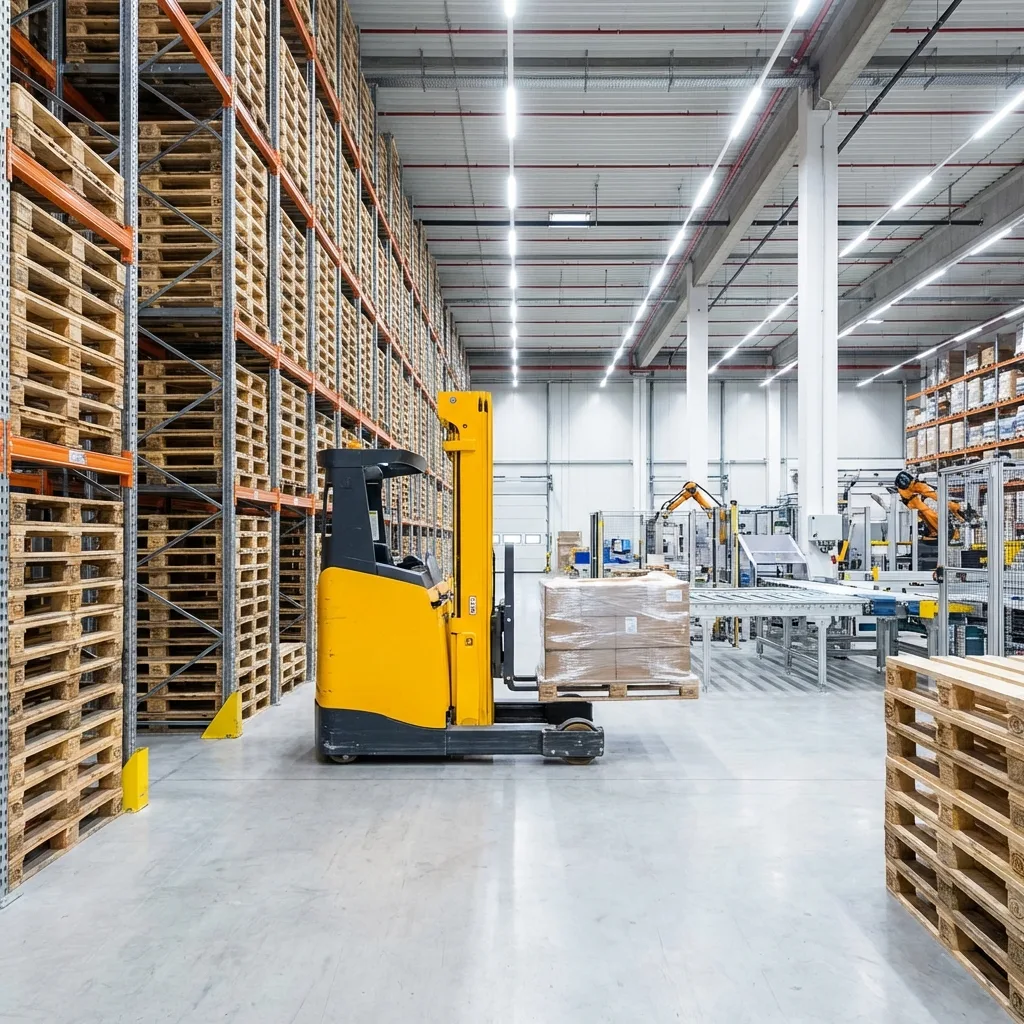
Hire equipment protected by the TAT240
Assets and workforce

The self-powered TAT100 tracker for cargo and equipment
Assets and workforce
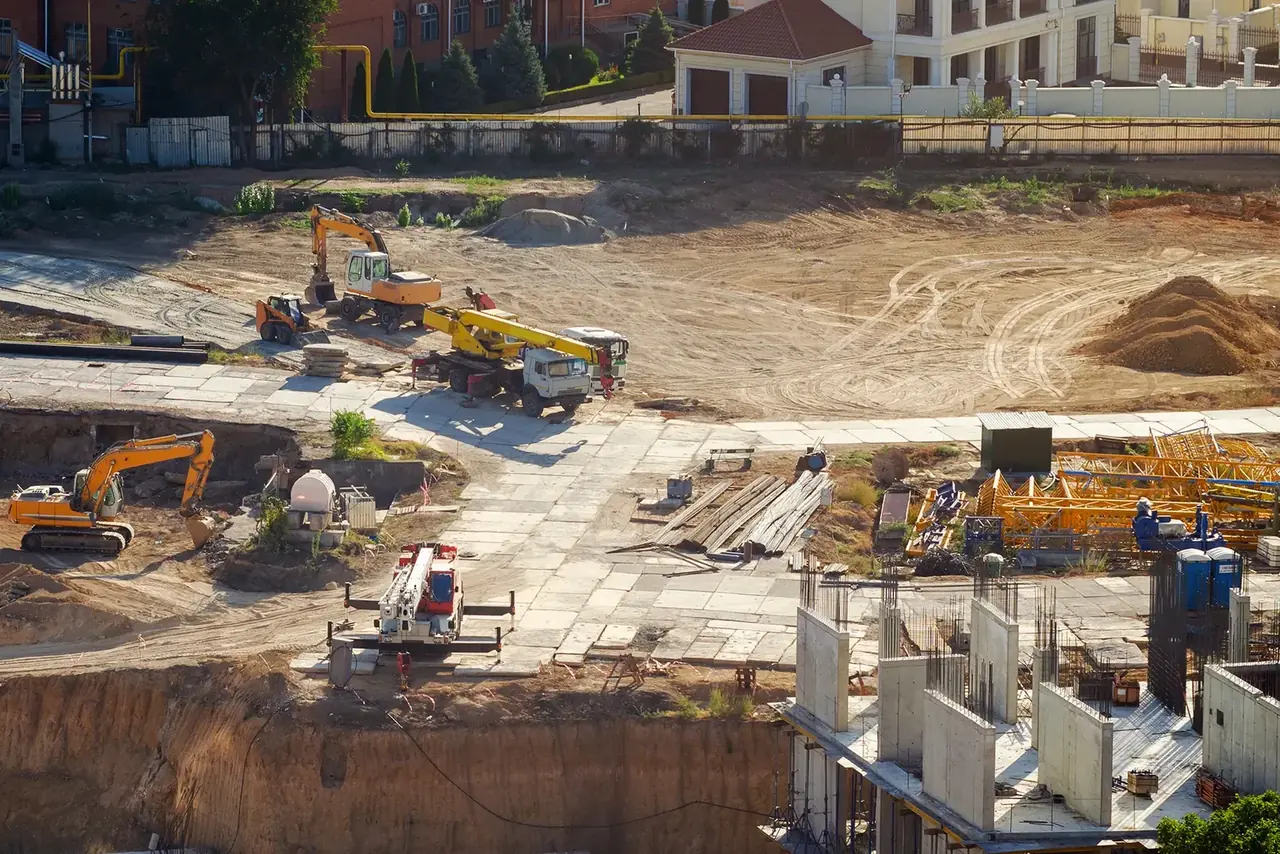
Protecting plant and tools on site: TAT100
Agriculture, construction and mining
Questions about the “Monitoring semi-trailers with the TAT100 tracker” scenario
Request a call
A specialist will call back and match a solution to your fleet and your task.