

Monitoring of waste collection and street cleaning
Telematics for the bodies that commission waste collection and street cleaning — municipalities, executive authorities, managing agents and large industrial sites in Baku, Sumgait and Ganja. Monitoring of the collection schedule, of sweeper and washer operation and of runs to the landfill.
The client sees the contractor's work as facts: where the vehicle was, whether the mechanism operated, where the waste went. The argument about whether a bin point was emptied is settled by data rather than by telephone calls.

A clean city under control
Refuse collected late and street cleaning done on paper are problems in any large city. In Baku, with a population approaching two million and a steady flow of tourists, the quality of municipal services has a direct bearing on how the city looks to residents and visitors alike.
A typical situation: residents write in about overflowing bins while the contractor's report marks the round as completed. Both sides may be right. The bin point was served in the morning and had filled up again by the evening. The vehicle could not get in because of parked cars. Or the bin point really was missed.
Monitoring helps establish which of those happened, provided the vehicles carry a tracker and a mechanism sensor and the bin points are entered into the system with a schedule. Each complaint can then be matched with the time of the last visit and the operation of the lifting gear. What the system will not show is how quickly the bins fill up between collections: that needs a separate fill-level sensor or a photograph.
We put bin points, cleaning routes and landfills into digital form. A collection counts only when the vehicle actually visited the point and the lifting gear or the compactor operated, and where required with a photograph of the point before and after. If the vehicle simply drove past, the system records a missed collection.
This page takes the client's point of view. If you collect waste yourself and want to reduce the cost of running the fleet, see refuse collection monitoring for operators. All the municipal topics are collected on the GPS monitoring for municipal services page.
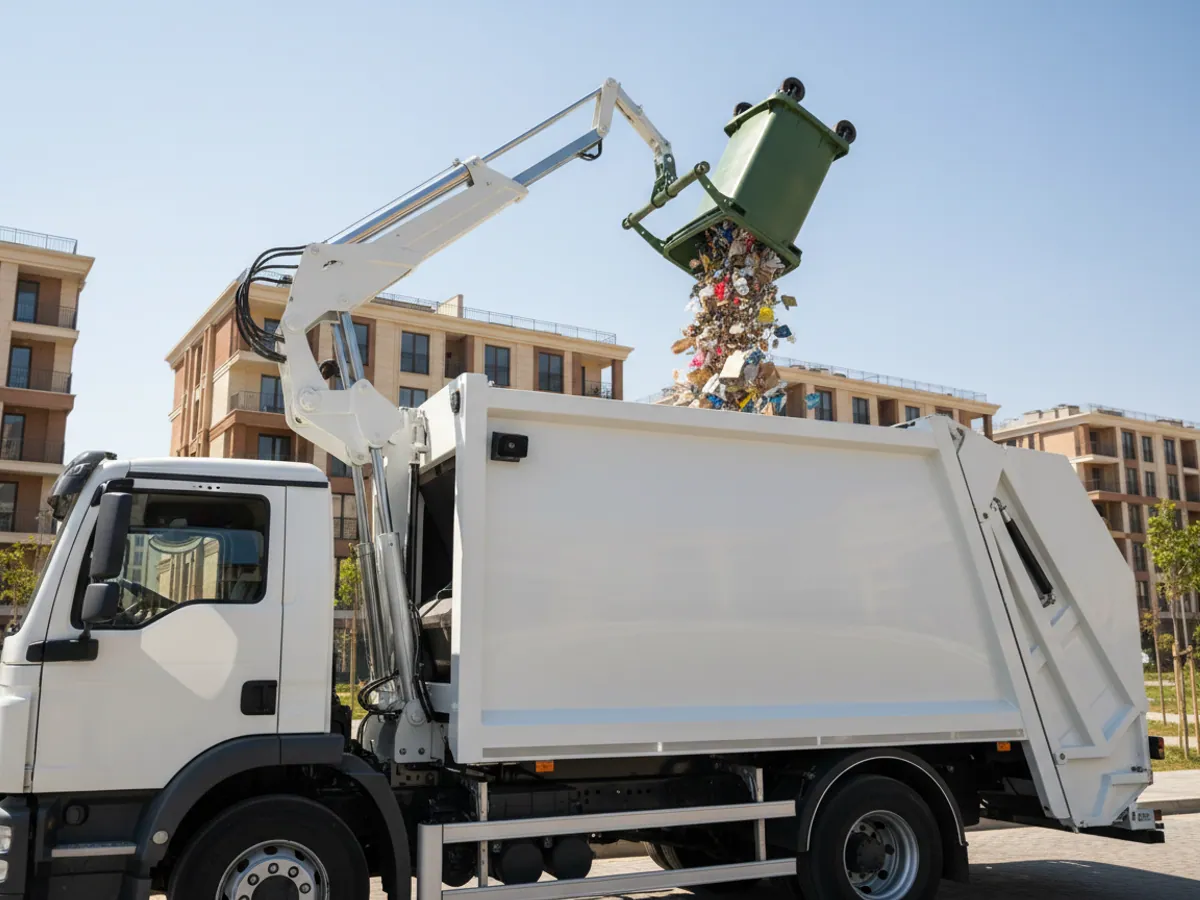
Monitoring refuse collection vehicles
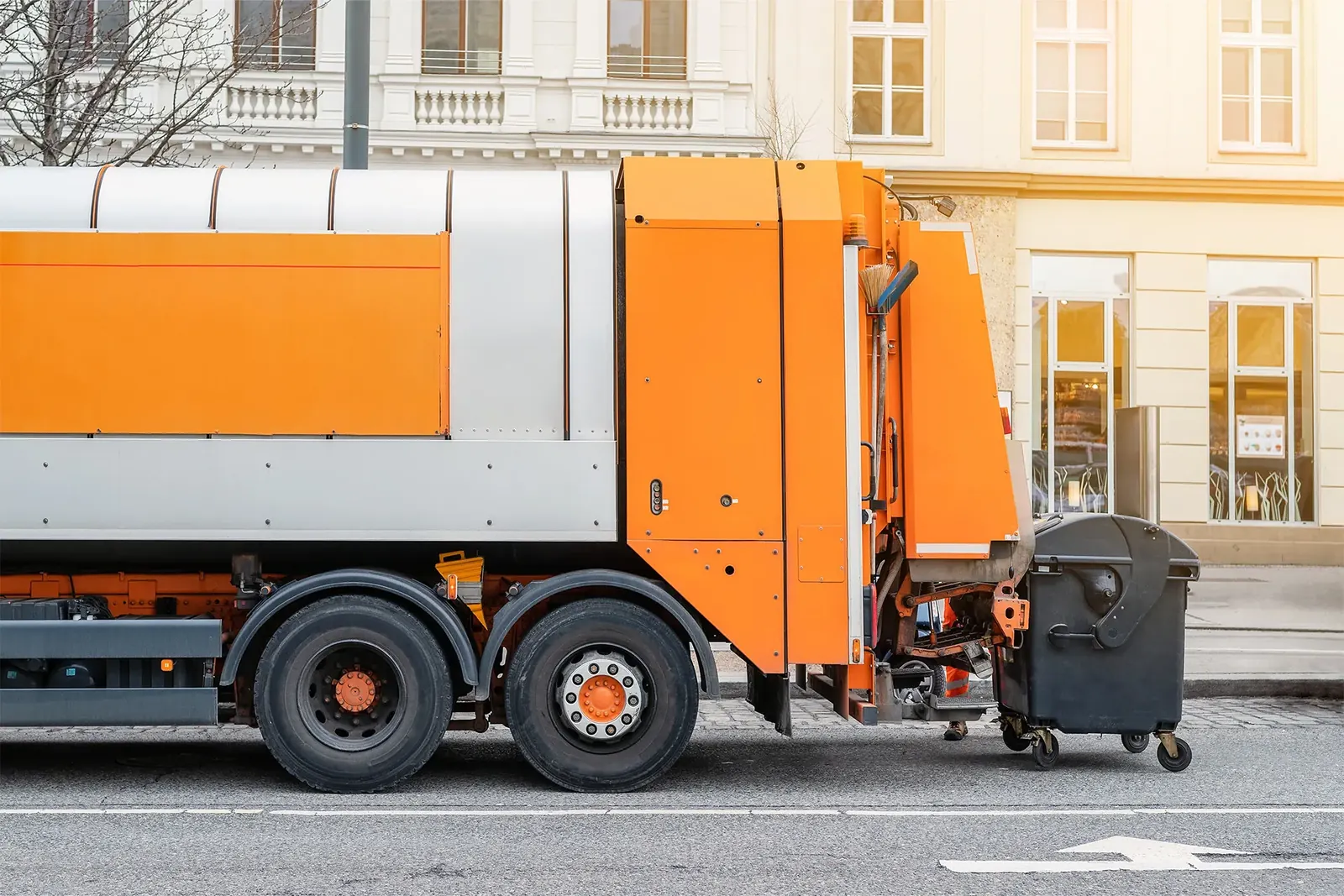
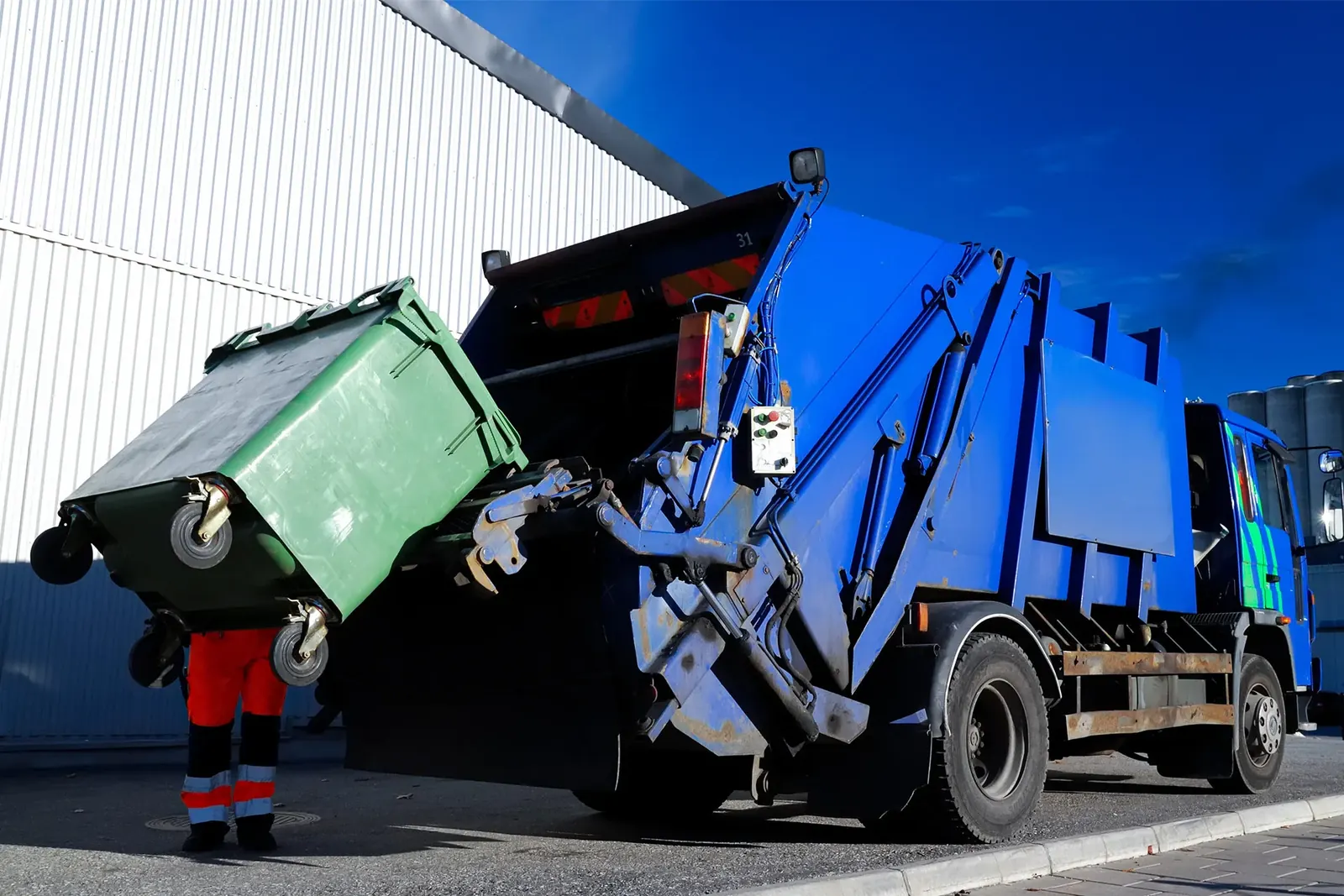
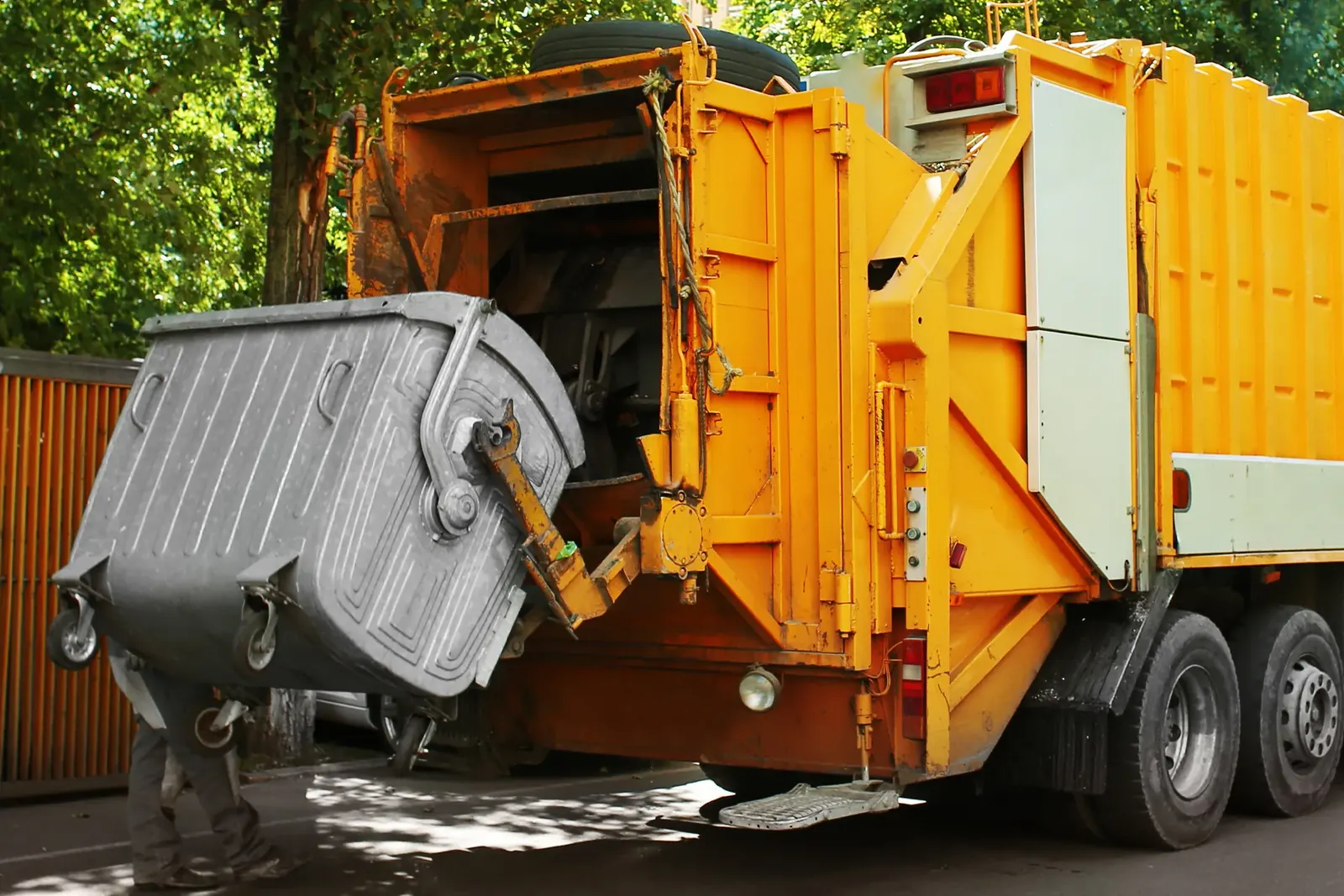
We fit contactless sensors to the compaction and bin lifting gear — on Zoeller and Farid refuse vehicles and on bodies built on Chinese chassis alike. The system counts the hydraulic cycles of the lifting arm at each bin point. The record is based on the mechanism actually working, not on the driver's word.
If the vehicle drove past a bin point without lifting the containers, that is recorded as a missed collection with the time and the coordinates. Howen cameras on the body of the refuse vehicle take pictures of the point before and after loading — solid evidence for the report to the client.
The work history is held on the platform and remains available for past periods. That is enough to settle an argument with residents or with a contractor about last month's or last quarter's service.
Problems in municipal services
Without objective monitoring the client pays for work he cannot verify. Most often, questions about a contractor's work come down to three situations:
Schedule not kept
Bin points are served irregularly and refuse piles up in the courtyards. In the summer heat uncollected bins start to smell within 6-8 hours.
Padded mileage
Fuel is written off against runs by street washers that never happened. Paper journeys can take a noticeable share of a contractor's fuel budget, and it is the client who pays for them.
Fly-tipping
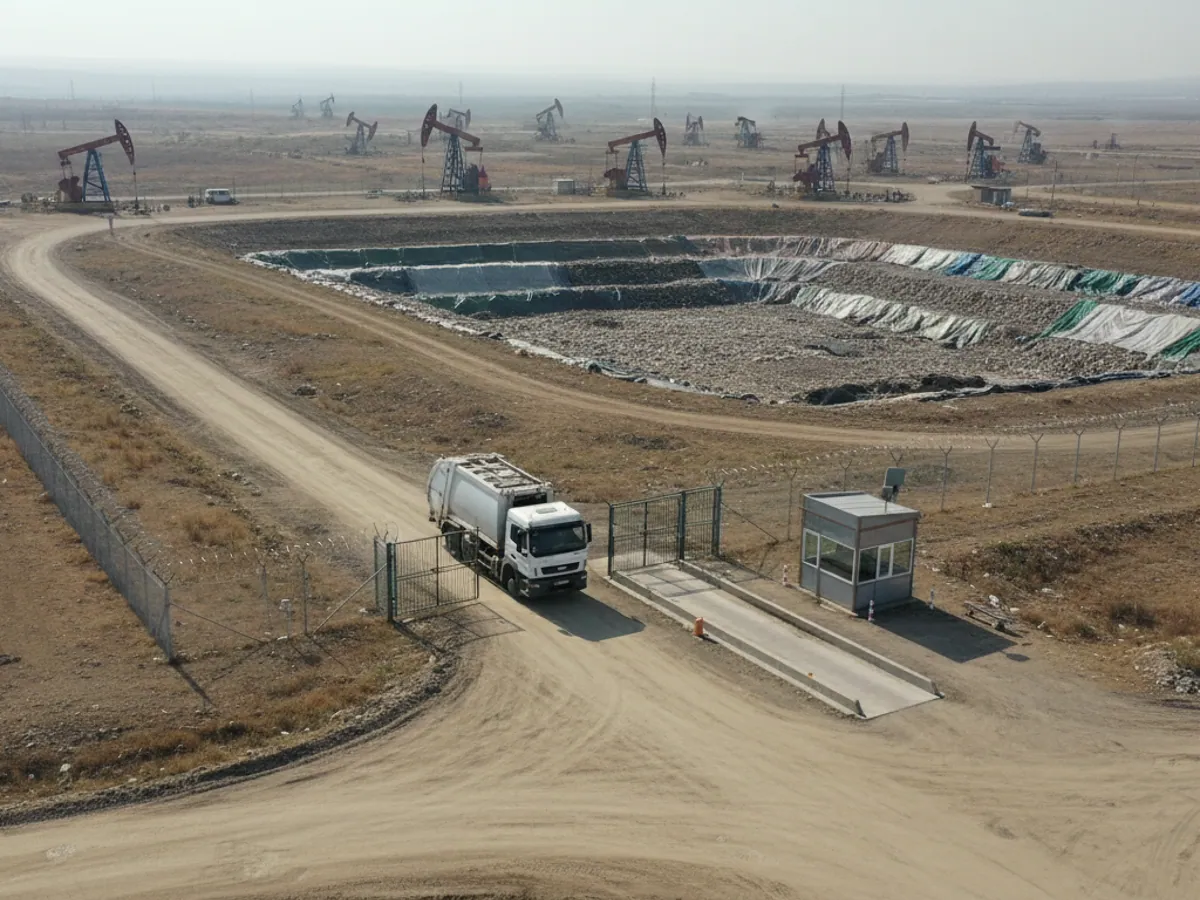
It happens that individual drivers dump the load on waste ground or in a gully rather than drive to the landfill. The environmental damage, the fines and the complaints land not on the driver but on the organisation.

What the tracker measures and what stays with the laboratory
On a page about environmental control it is important not to confuse two things: monitoring how the plant works, and measuring pollution. A tracker does the first.
What telematics gives you:
- where and when the vehicle was, and whether it entered the bin point and the landfill;
- whether the mechanism worked: the lifting gear, the compactor, the body tipping, the brushes;
- weight, if the vehicle carries on-board scales, and a photograph of the point, if there is a camera.
Separate sensors broaden the picture, but each has a narrow job. A fill-level sensor in a bin shows the level, not what the waste consists of. A temperature sensor in a bin helps spot a fire. Air quality stations measure their own parameters at their own location, and their data can be brought onto the same map, but that is separate equipment with an owner of its own.
The boundary is this. Coordinates confirm that the refuse vehicle tipped its load at the landfill rather than in a gully. They do not answer the question of what was in the body, and they do not replace laboratory analysis of soil, water or air. If the client needs official pollution measurements, a specialist laboratory takes them, while monitoring shows which vehicles were working nearby and when.
Functions for environmental services
Recording municipal solid waste
Tags on the bins — RFID or BLE — each with its own identifier. A reader on the lifting arm of the refuse vehicle recognises the bin as it is raised. You can see whose bin was emptied and when. This matters especially in billing corporate customers: shopping centres, restaurants, offices, the industrial estates of Sumgait.
What can be recorded:
- An automatic register of the bins served during a shift
- Weighing of the bin on the lifting arm, if the vehicle has on-board scales
- Charging by actual collections for commercial customers
- A district summary for the client, with no reports gathered by hand
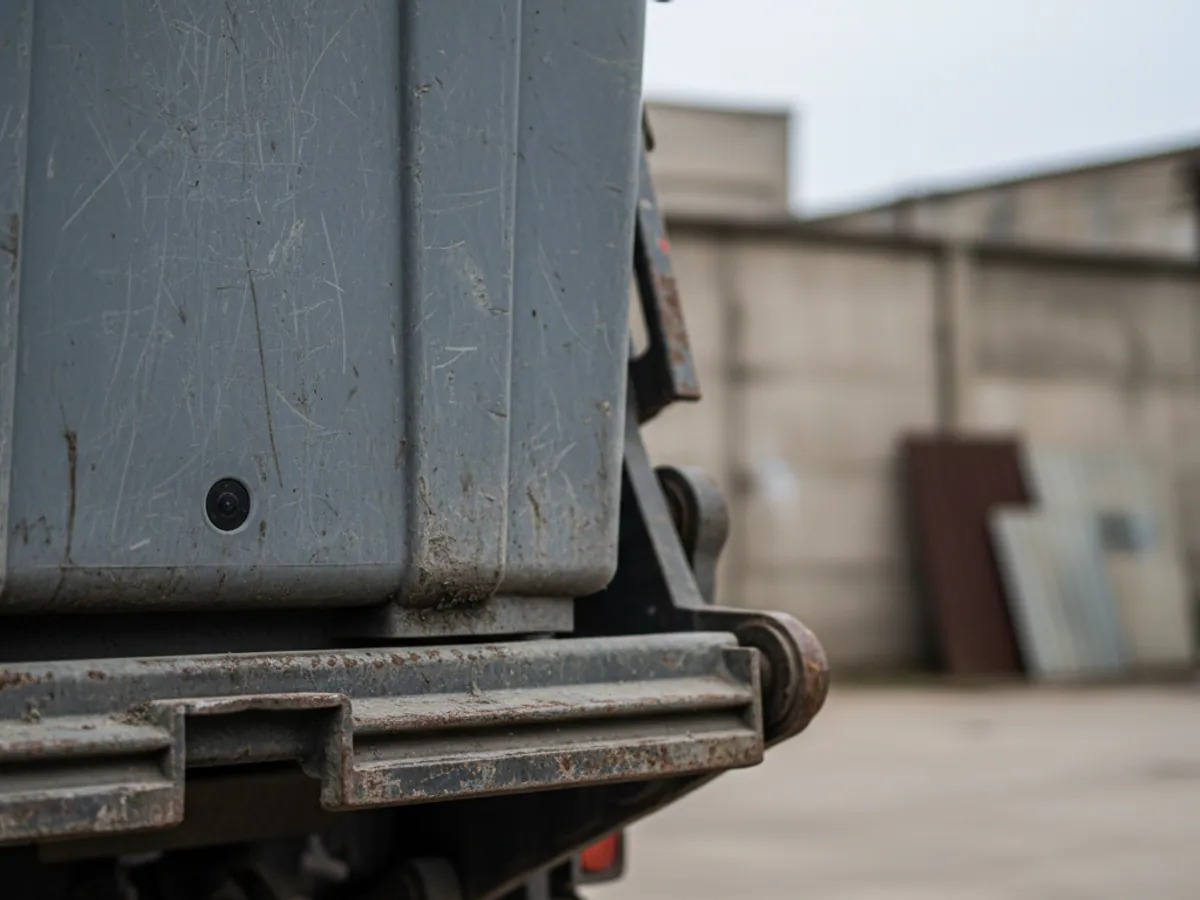


Street cleaning and washing
For snow ploughs, street washers and sweepers we monitor not only the route but the quality of treatment: the brush working, de-icer spread in icy weather on Baku's slopes in winter, the rate of washing in summer at +40 °C.
Sensors show whether the washing pump is on, whether the brine spreader is working, and whether the snow plough blade is lowered. Water, de-icer and fuel consumption is tied to the kilometres of the route — so the real cost of cleaning a street becomes visible.
The result is shown on a map of the city: streets are coloured by the time they were last cleaned. The client checks contractors against fact rather than paper reports, and responds quickly to complaints from problem districts.

How to sign off a contractor's work from the data
Monitoring only has an effect if the data is built into the way work is accepted. Here is the arrangement we suggest to clients.
- In the contract, state that the contractor passes data from his trackers into the client's system, and that a collection counts when the mechanism operates at the bin point.
- Each day, the client's dispatcher looks at the map of missed collections and the reasons the drivers gave.
- Each week, a summary by district and by contractor: percentage of the schedule completed, runs to the landfill, tipping away from the landfill.
- Each month, the certificate of work done is reconciled against the system's report. Disputed bin points are examined from the tracks and the photographs.
If the contractor already has trackers of his own, there is no need to buy new equipment — the data is passed through retransmission.
Where a client should start: one district, one contractor
Checking every contractor in the city at once is slow and expensive. It is easier to take one district and one contractor for a month or two and use that time to work out the acceptance procedure itself.
What is needed from the client:
- a register of the district's bin points with addresses and collection schedule;
- a clause in the contract, or a supplementary agreement, on passing the contractor's tracker data;
- the address of the landfill or transfer station to which waste may be taken;
- a member of staff who looks at the map of missed collections every morning, and the contractor's certificates for the pilot period.
What usually surfaces first is not misconduct but errors in the register: bin points with the wrong coordinates, containers that were moved long ago. We correct those in the first few weeks. The criteria by which the pilot counts as a success are agreed with the client in advance — for example, the proportion of bin points on which the system and the contractor's certificate agree, and the time allowed to investigate each discrepancy.
What deployment delivers
Clean streets
When a missed bin point is visible the next morning, the schedule is kept noticeably better. Complaints from residents usually fall within the first quarter.
Budget savings
Contractors are paid only for work genuinely done. Paper journeys and padded mileage stop reaching the certificates.
Environmental gains
Tipping away from the landfill shows up at once, with the place and the time. There is less fly-tipping along the roads and in natural areas.
Feedback
A resident's complaint can be checked on the map in a few minutes: was the vehicle there, did the mechanism operate, when was the point last served.
Frequently asked questions
What is used in this sector
What we do end to end
Wialon modules for this sector
How it is used in this industry
Case studies from “Utilities & Emergency Services”
Thinking of rolling out GPS monitoring in “Environmental control”?
Send us an enquiry and we will price it up for your fleet and pick the hardware for this sector: utilities & emergency services.
- 1 We pin down the task
A specialist calls back and asks about the vehicles, how many there are and what you need to keep an eye on.
- 2 We put a solution together
We propose the hardware and the features, and set out the one-off and the monthly cost separately.
- 3 We agree the fitting
At your yard or at ours, on a schedule that keeps the vehicles working.
Request a call
A specialist will call back and match a solution to your fleet and your task.