
Monitoring electric municipal vehicles
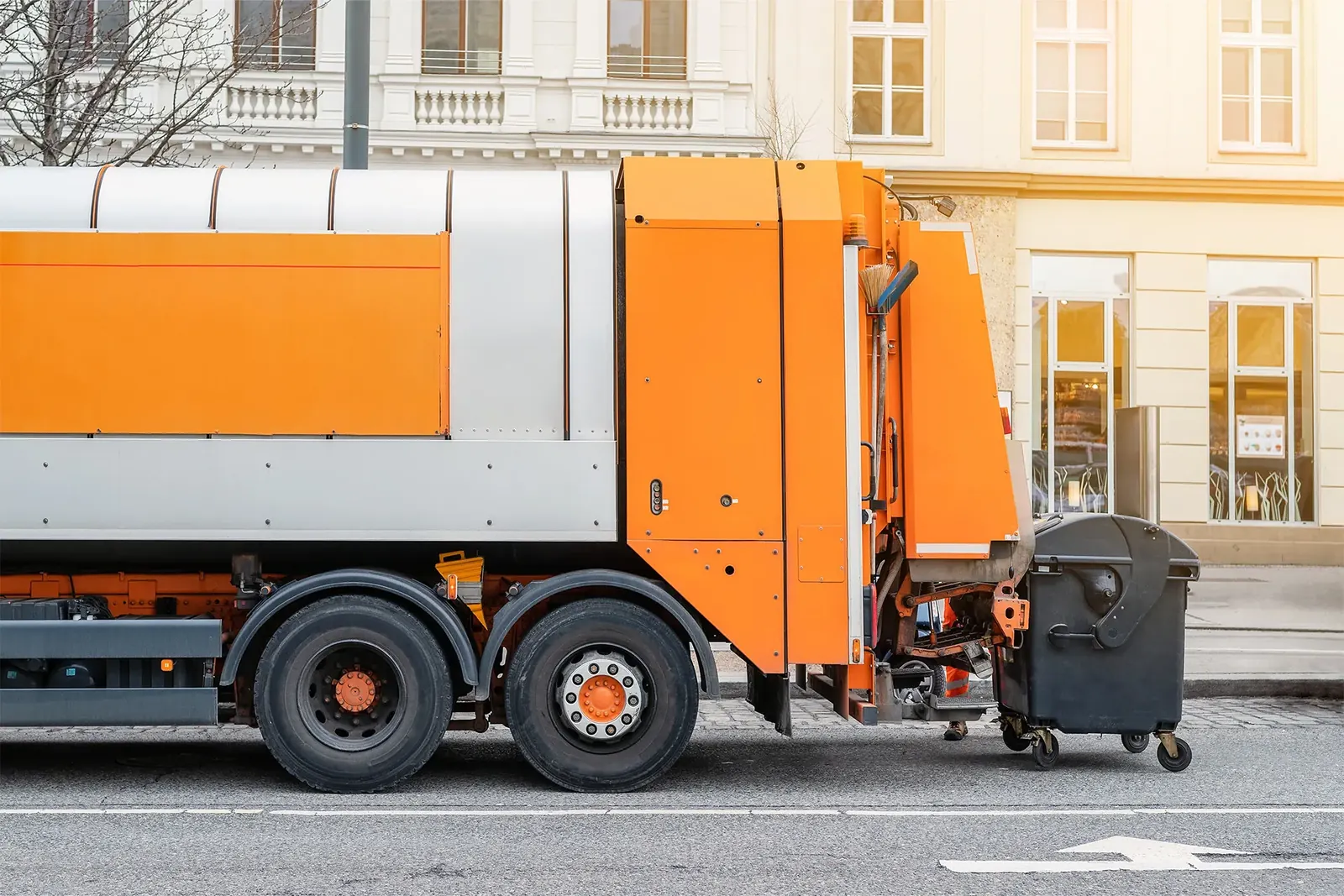
A Teltonika scenario for municipal fleets: FTx305 series trackers go on electric refuse lorries, street sweepers and other municipal machines to show battery charge, the working of the attached equipment and the route of each vehicle.
A Teltonika scenario for municipal fleets: FTx305 series trackers go on electric refuse lorries, street sweepers and other municipal machines to show battery charge, the working of the attached equipment and the route of each vehicle. Cities grow, there is more waste, and the rules on noise and emissions get stricter. Many municipalities are starting to replace diesel machines with electric ones, but in practice they live with a mixed fleet for a long time: old diesel lorries, new electric sweepers, electric vans of several makes. All of it has to be visible in one system and serviced on time, or a street stays uncleaned and the budget goes on unplanned repairs.
What this scenario solves
A municipal fleet has to do very different jobs: waste collection along routes, sweeping, street washing, and in winter clearing snow and spreading de-icer.
Each task uses its own machines on its own schedule.
For the fleet manager that means dozens of vehicles, weather that wrecks the plan, and seasonal work that cannot be moved.
City authorities are answerable for CO2 emissions and for noise at the same time.
A municipal fleet has to do very different jobs: waste collection along routes, sweeping, street washing, and in winter clearing snow and spreading de-icer. Each task uses its own machines on its own schedule. For the fleet manager that means dozens of vehicles, weather that wrecks the plan, and seasonal work that cannot be moved.
City authorities are answerable for CO2 emissions and for noise at the same time. Residents want clean air and quiet streets in the morning, and regulators write that into the rules.
The EU has been setting emission reduction targets since 2021 and now aims to cut net greenhouse gas emissions by 90% by 2040. Similar rules are appearing in other regions. Electric sweepers are an increasingly common sight in Europe, and municipalities in the United States are electrifying their fleets.
Electric machines bring worries of their own. Different manufacturers use different CAN protocols and different sets of parameters, and a general-purpose tracker often simply does not understand what the machine is reporting. A battery that was not charged in time means a sweeper stopping halfway round its route.
What is needed is a device that will connect to any electric machine, stand up to rain, dust and washing down, and show the route accurately among dense city buildings.
What Teltonika offers
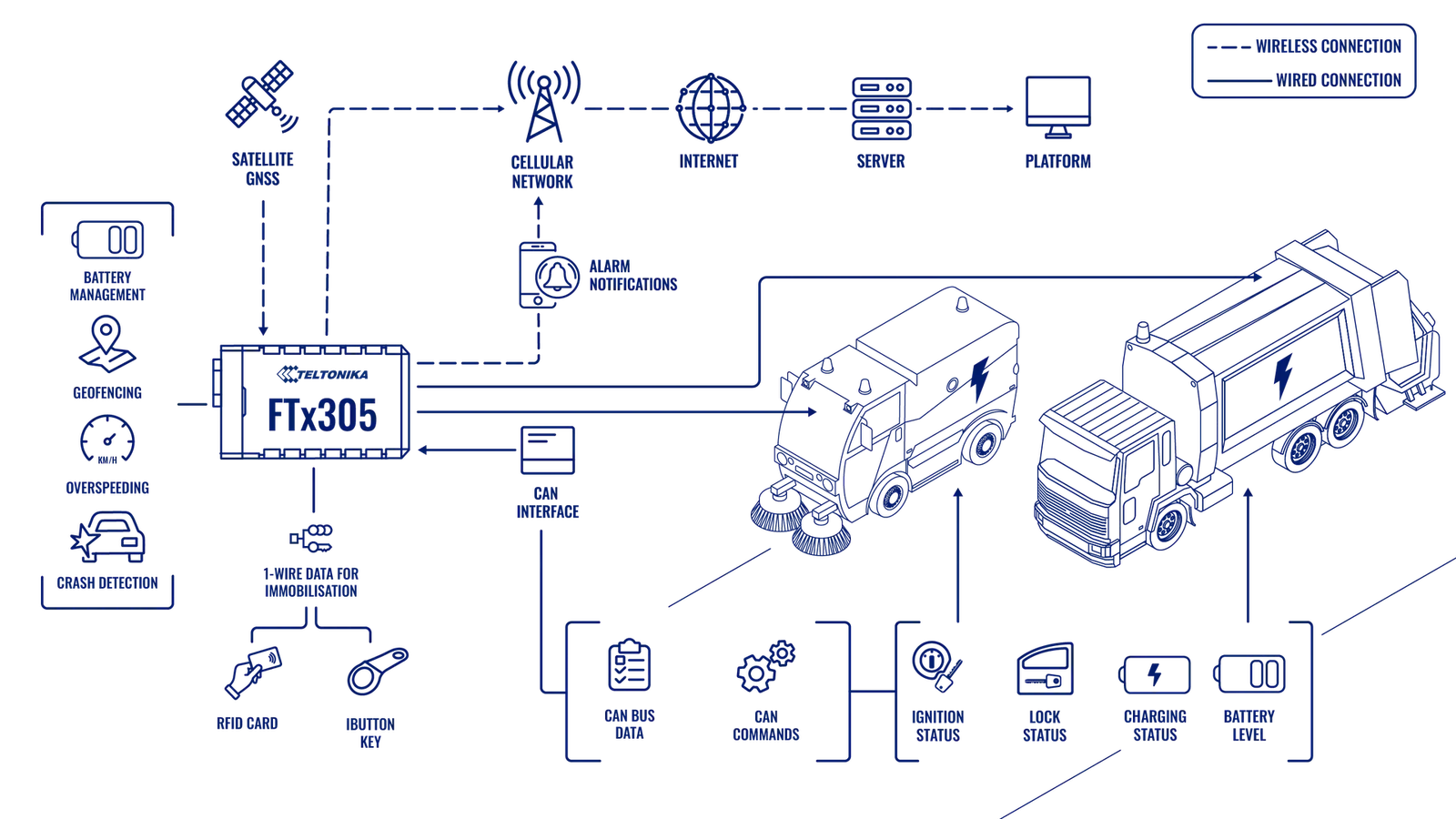
For this Teltonika offers the E-MOBILITY FTx305 series, the FTC305 above all: a compact IP67-rated housing, a supply range from 10 to 97 V and the manual CAN function let it be fitted to electric refuse lorries, cleaning machines and light municipal vehicles from various manufacturers and read the parameters that matter without developing a protocol of your own.
Installation and setup
Fitting the device and configuring it for the fleet scenario at hand.
Data transfer
The device collects data and sends it to the monitoring platform; how often depends on the model and its settings.
Analysis and control
The person in charge gets reports and alerts and looks into what stands out.
The wide supply range is a key detail. The electrical system of an electric machine may be 24, 48 or 72 volts or higher, and an ordinary vehicle tracker simply cannot be connected to it. The FTx305 runs directly from it. IP67 protects the tracker from water when the machine is washed down, from dust and from the weather.
How manual CAN works. The tracker reads raw CAN messages from the machine's control unit: ignition, lockout, battery state of charge, charging status and other parameters. There is no need to wait for the tracker manufacturer to add support for a particular model. Up to 70 CAN identifiers are entered in the configuration to match that machine's protocol, and the tracker reads only what is needed. For a mixed fleet running machines of three or four makes side by side, this is often the only realistic way to get data from all of them.
The dispatcher sees the battery charge remotely. If a sweeper at the far end of the district has run down to a critical level, the system warns of it and the driver is told to head back to the depot in good time. The history of charge and charging cycles shows which batteries have begun to degrade, so their replacement is planned in advance rather than after a failure on the road.
CAN also provides data on the work itself. The tracker can read the position of the brushes and whether the salt or de-icer spreader is running. That shows that the machine did not merely drive along the street but actually swept or treated it. For winter work this matters particularly: the report shows which streets were gritted and which the machine simply passed through.
Protecting the machines. Through manual CAN commands the tracker can block a machine from starting if somebody is trying to steal it. The 1-Wire port takes an RFID card or iButton key reader, so that only an authorised driver can start the machine.
Geofences divide the city into sectors: a vehicle and a driver are assigned to each district, and the system shows whether a sector has been fully worked. Speed monitoring warns when a heavy municipal vehicle is travelling above the set limit — which means fewer crashes, fewer injuries and fewer fines.
Trackers on the FT platform are more accurate than ordinary ones in town. They receive up to 41 satellites at once and hold the route even between tall buildings where the sky is only a narrow strip. The smart ignition detection function records the start of a trip precisely regardless of the state of the machine's battery, so false trips do not appear in reports.
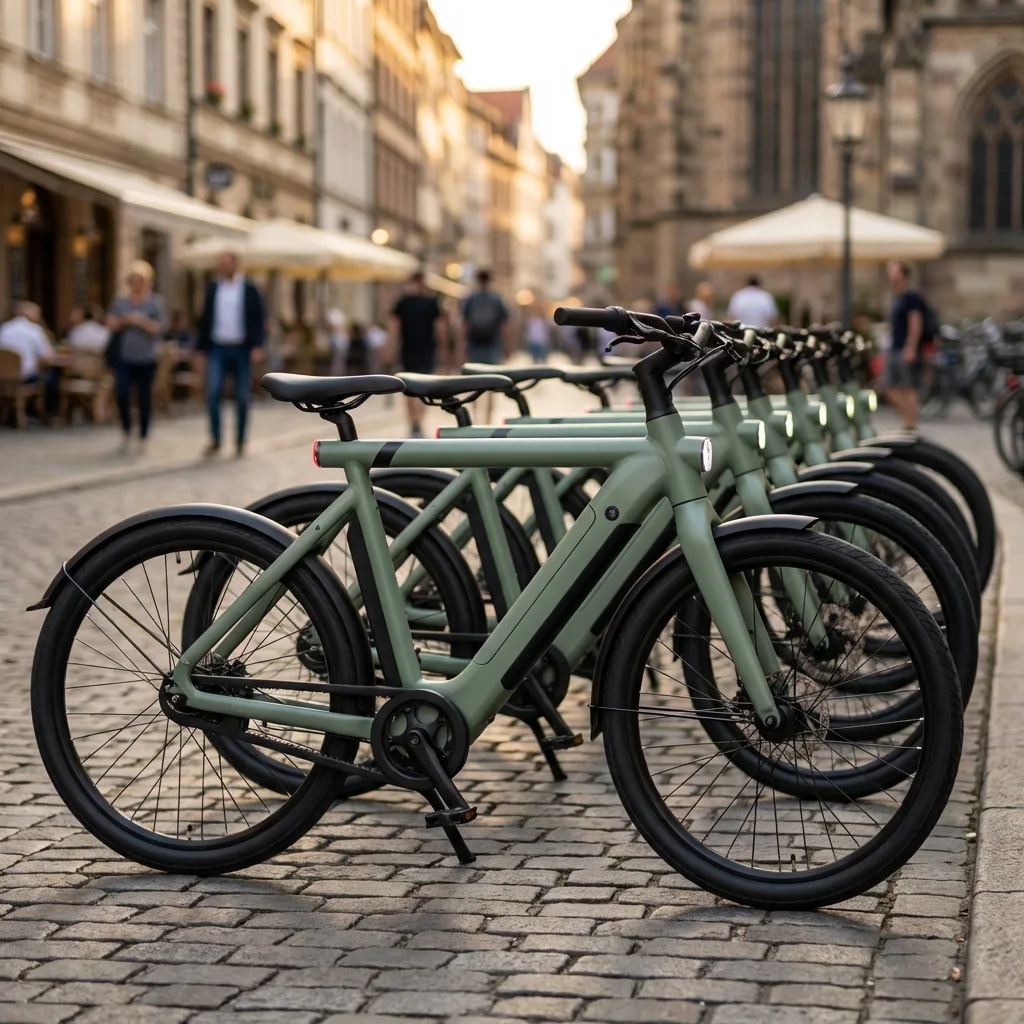
For the light electric vehicles in the same fleet — inspectors' e-scooters, small cleaning carts — the range includes the TFT100, and every device works in the same monitoring system.
An example from the work. At 5:30 six electric sweepers go out. An hour later the charge on one of them is falling faster than usual, and the dispatcher sees it in the system. That machine is taken off the far sector and put on a short route near the depot, while the far sector is picked up by the machine next to it. Nothing is left uncleaned, and a service request is raised for the faulty battery.
Passing through or working. A street is credited as cleaned not from the track but from the equipment's working signal: brushes down and turning, spreader on. That data comes from the machine's control unit over CAN, or, if the machine does not report it, from an additional sensor on the attached equipment. What share of a sector counts as worked, and the form in which the report goes to the client, are agreed in advance: the percentage completed per sector, the start and finish times of the work, and a list of streets missed with the reason.
What you get
Monitoring in any weather
The IP67 housing copes with rain, dust and washing the machine down, and the data keeps coming.
Suits any electric machine in the fleet
A 10–97 V supply and manual CAN allow work with machines of different makes and voltages.
Remote control of the machines
Start lockout, sector geofences, speed monitoring and driver authorisation by card save dispatchers' time.
Fewer unplanned repairs
Battery charge and condition are visible in advance, and machines do not stop halfway round a route.
An accurate route among dense buildings
Up to 41 satellites at once hold the track between tall blocks.
You can see that a street really was cleaned
Brush position and spreader operation arrive alongside the track.
Why this solution
Teltonika built the FTx305 range specifically for electric vehicles, and it solves the main technical problems of such machines: the high voltage of the onboard system, the disarray of CAN protocols, and working outdoors in any weather. Manual CAN is especially valuable for municipalities whose fleet is assembled through tenders: every year machines from a different manufacturer arrive, and the tracker has to work with them without lengthy development.
Behind the hardware stand Teltonika's own engineers and support service. Configurations for new machines and firmware updates are sent remotely, so adding a new type of machine to the fleet does not mean going round every vehicle.
What to bear in mind. Manual CAN requires knowledge of the particular machine's protocol: which identifiers carry the charge, which the brushes. Sometimes the machine's manufacturer supplies that, sometimes it has to be worked out on site. That is a day or two of work for each new model, and it is better to allow for it in the rollout plan. For the diesel part of the fleet the approach is the usual one: a tracker, CAN or fuel level sensors, and the electric and diesel machines are then visible side by side in one system.
Another subtlety is de-icer and washing. Connectors and wiring near the attached equipment need protecting separately: salt solution eats away even good contacts over time.
And a word on reporting to the city. A municipal client does not need tracks; it needs an answer to the question of whether the streets were cleaned on schedule. So it is worth agreeing before going live what form the report takes: the percentage completed for each sector, the start and finish times of the work, and streets missed with the reason. Once that form is agreed in advance, tracker data really does save time on the paperwork rather than just sitting in the system.
How this works in Azerbaijan. Electric municipal machines are only beginning to appear in the country, chiefly in Baku: sweepers on the central streets and the boulevard, electric vehicles in parks, on closed sites and in the new residential districts. But a mixed fleet is already a reality for city cleansing services and cleaning contractors, and control over sector completion, brush operation and washing is needed whatever the drivetrain. What we allow for when fitting: summer heat up to +40 °C affects the batteries of electric machines strongly, so charge and battery temperature thresholds are worth setting with a margin; in winter in Guba, Gusar and Sheki treating the roads with de-icer comes to the fore, and the spreader report becomes the main document; in the densely built districts of Baku the accuracy of the track matters, and that is what a multi-satellite receiver delivers. GPS.az fits FTx305 trackers as well as ordinary vehicle trackers on the diesel machines, configures CAN reading for the particular vehicles and brings the whole fleet into Wialon with sector geofences, street completion reports and low charge notifications.
Related case studies
Related rollouts and equipment
Questions about the “Monitoring electric municipal vehicles” scenario
Request a call
A specialist will call back and match a solution to your fleet and your task.