
DualCam and FMC125: video of the road and the cab
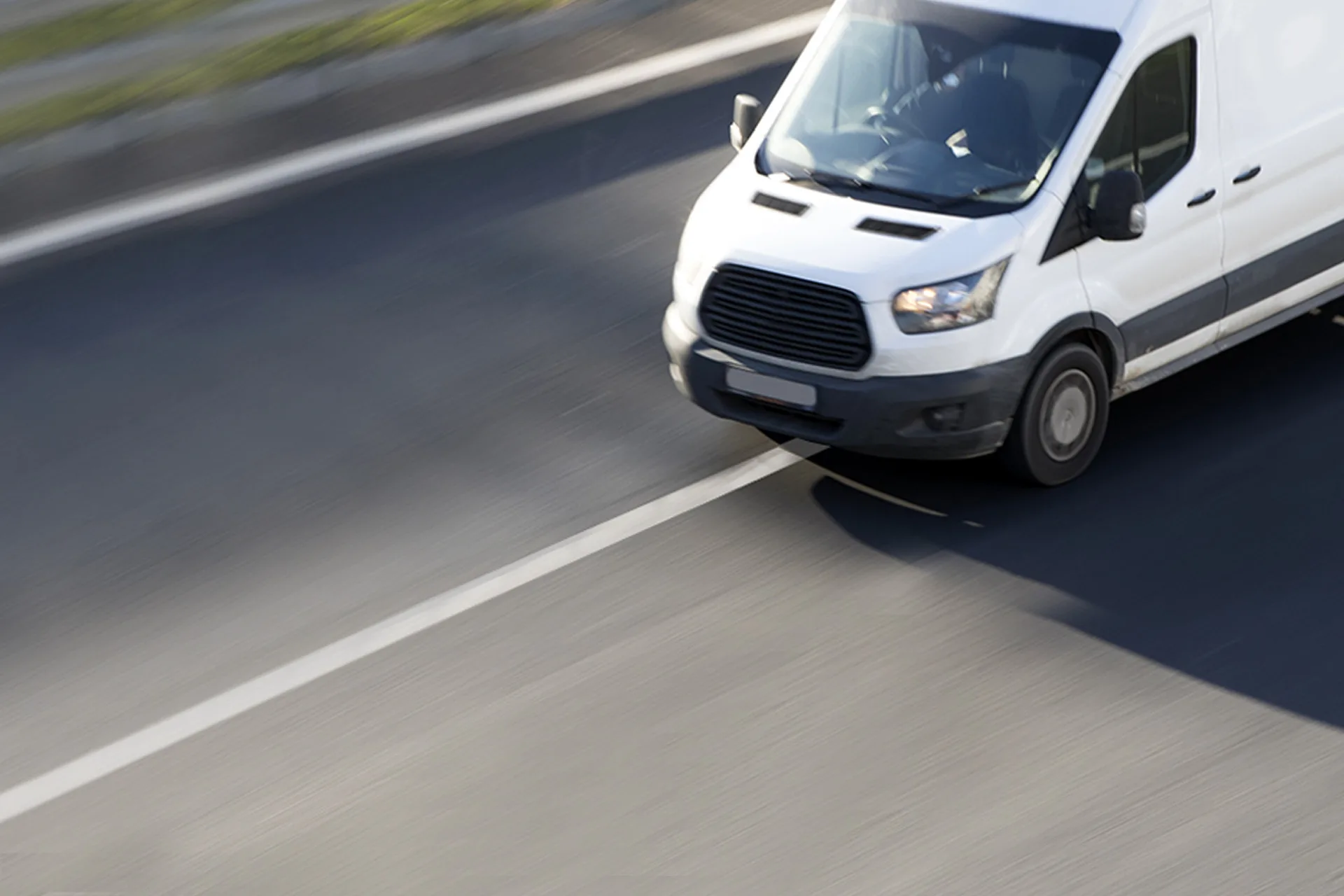
The two-way Teltonika DualCam camera, working with an FMC125 tracker, films the road and the cab, and on a crash or a press of the panic button it sends 20 seconds of video to the server by itself — before and after the event.
The two-way Teltonika DualCam camera, working with an FMC125 tracker, films the road and the cab, and on a crash or a press of the panic button it sends 20 seconds of video to the server by itself — before and after the event. After an accident each side tells its own version. The driver is certain he was cut up; the other party says the lorry went through on red. The insurer wants evidence, and all the fleet owner has is his own driver's word. The Teltonika case is about how video telematics settles these questions, how DualCam differs from an ordinary dash cam, and how to apply it in an Azerbaijani fleet.
What this scenario solves
Accidents are the most frequent misfortune in the life of any fleet.
Establishing the real cause of a collision is hard when each side has its own version.
There are staged accidents, where the aim is to pin the blame on an honest driver.
In taxi and car-sharing work there is also the risk of assault — on the driver or on the passenger.
Accidents are the most frequent misfortune in the life of any fleet. Establishing the real cause of a collision is hard when each side has its own version. There are staged accidents, where the aim is to pin the blame on an honest driver. In taxi and car-sharing work there is also the risk of assault — on the driver or on the passenger.
Nobody is insulated from accidents, and for some industries they hurt more than for others. Delivery services and passenger transport, logistics, insurance companies — all of them live on the road and are forever investigating incidents.
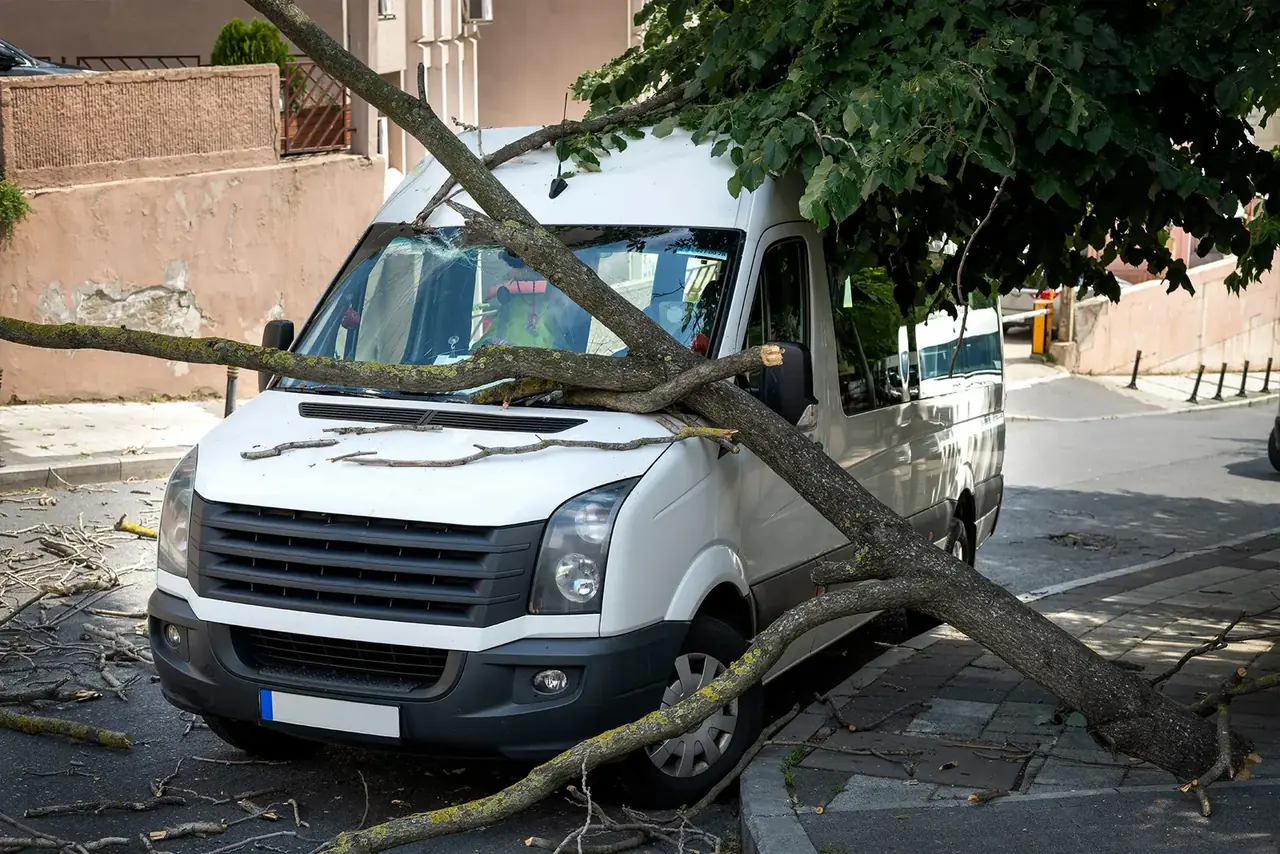
The nastiest cases are staged ones. A car brakes sharply in front of a lorry or dives under it while changing lanes, and on the accident diagram it is the fleet's driver who is at fault. Without video, proving otherwise is next to impossible, and the company pays — in money, in insurance ratings, in reputation.
In taxi and ride-sharing services the main question is personal safety. A passenger may attack the driver or rob him. A driver may behave unacceptably towards a passenger. For the company any such case is a blow to the business, and reducing the likelihood of these stories matters more than dealing with their aftermath.
An ordinary dash cam helps only in part. The recording sits on a card in the vehicle, someone has to retrieve it, and it often turns out that the card has been overwritten or the camera was switched off. The fleet owner hears about the accident by telephone and gets the video a day later, if at all.
What Teltonika offers
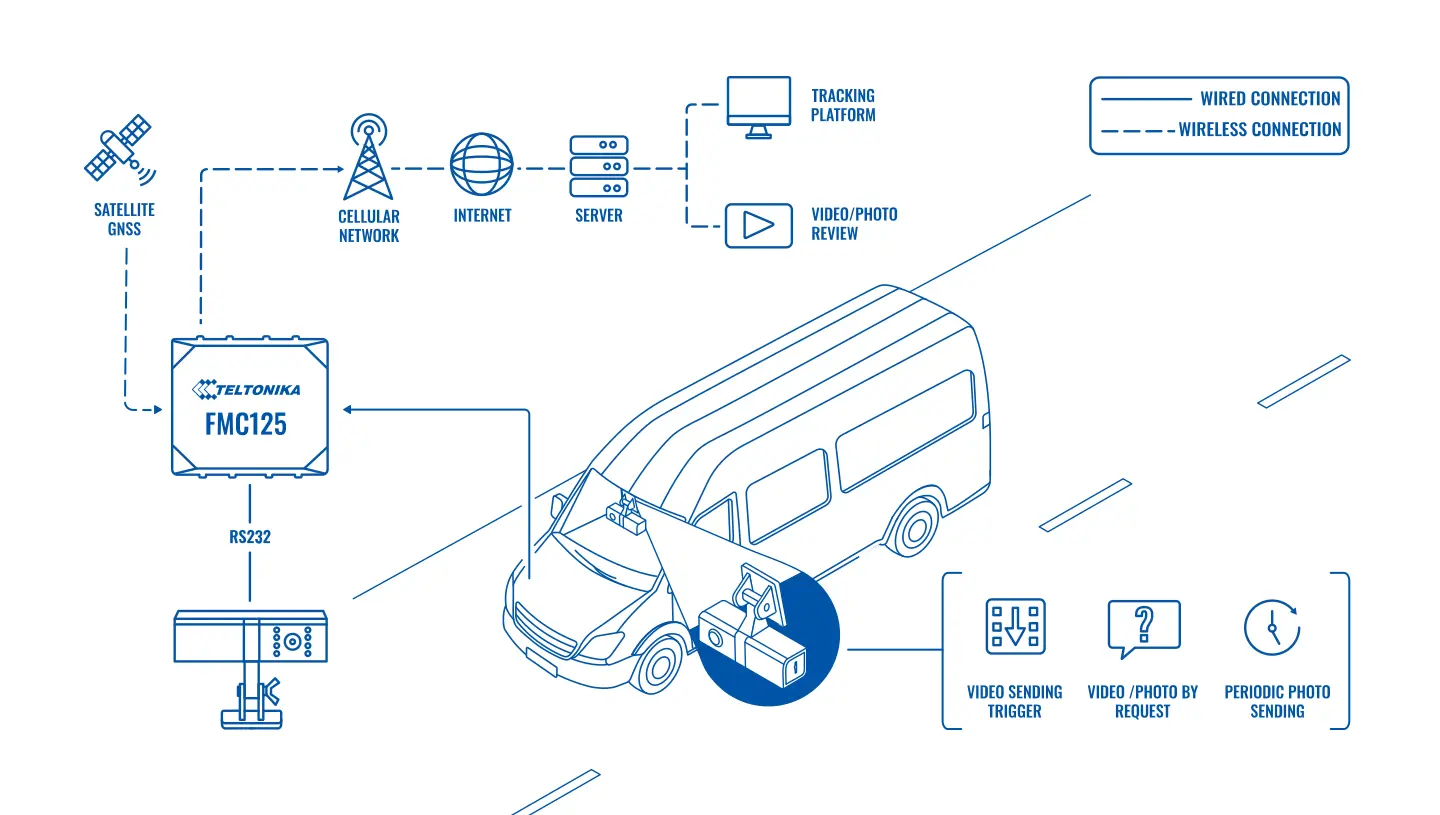
The Teltonika solution is a DualCam camera on the windscreen connected to an FMC125 tracker: it films the road and the cab, and the tracker sends the video to the server by itself when something important happens.
Installation and setup
Fitting the device and configuring it for the fleet scenario at hand.
Data transfer
The device collects data and sends it to the monitoring platform; how often depends on the model and its settings.
Analysis and control
The person in charge gets reports and alerts and looks into what stands out.
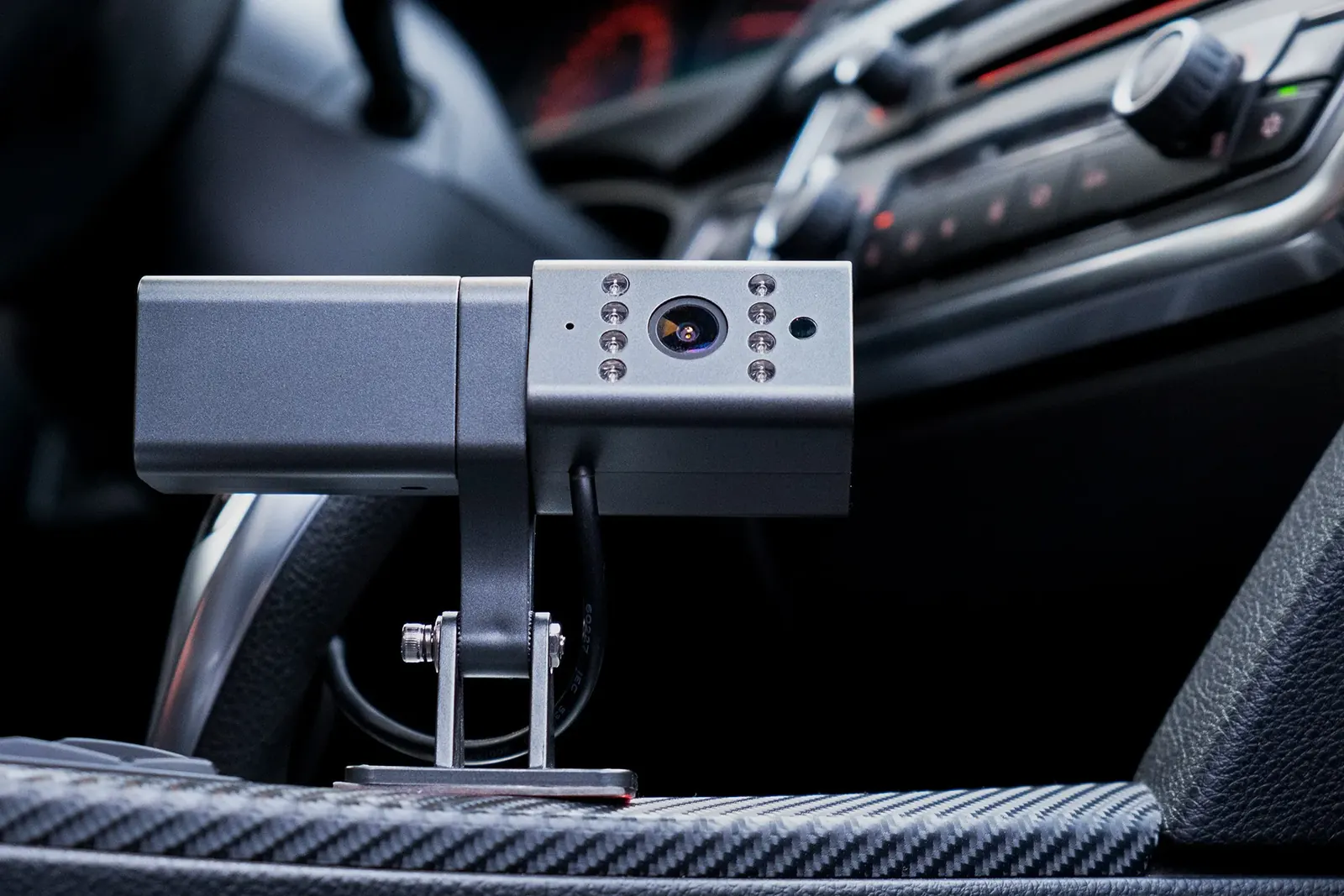
Two sides to one camera. DualCam mounts on the windscreen. The front camera films the road: the vehicles around, traffic lights, road markings, pedestrians — everything needed when an accident is assessed. The rear, wide-angle one looks into the cab: at the driver and the passengers. It shows whether the driver was holding a phone, talking to a passenger, or watching the road. And the cab camera works as prevention in itself — both driver and passengers behave more calmly when they can see a lens.
When video goes out by itself. Automatic sending is triggered by crash detection or a press of the panic button. Recordings from both cameras go to the server: 5 seconds before and after the event from the front camera and the same from the rear. That is 20 seconds of video in total, from which the fleet owner understands what happened before the driver even calls.
When video is requested. A command by SMS or GPRS can fetch a recording for an event — speeding, harsh acceleration, harsh braking, harsh cornering, the vehicle being towed away, jamming and others — or for a particular time. A requested clip can be up to 30 seconds long.
What it looks like in practice. A delivery van enters a junction on green, a car from the left runs a late amber and hits it in the side. The tracker registers the impact and DualCam sends the video. A couple of minutes later the dispatcher has the accident location on the map and 20 seconds of recording on screen: the traffic light, the car's line, the van driver looking at the road, hands on the wheel. An hour later the other party rings his insurer with a version in which the van went through on red — but the company already has the recording, and the conversation is short.
Or the reverse situation. The driver complains that he was cut up and had to brake hard, damaging the load. The dispatcher requests the video for the harsh braking event and sees that just beforehand the driver was looking at his phone. The conversation with the driver will be short too, but a different one.
The archive in the vehicle. While the vehicle is moving, the camera records continuously to a 64 GB microSD card — enough for roughly 72 hours. If an episode is needed that did not go out automatically, it is requested from that archive before it is overwritten.
Stills. Besides video, DualCam sends photographs — on request or periodically, every few minutes for instance. That is cheaper in data and works well for supervision: who is at the wheel, how many passengers there are, what the driver is doing.
The hardware. The camera connects to the tracker over RS232, records in 720p and encodes video in H.265. That codec gives decent quality at a small file size, so the video goes out faster over the mobile network and uses less data.
What the FMC125 adds. The tracker is full fleet monitoring in itself: position, routes, mileage, driving style, servicing. Bluetooth sensors for temperature, humidity and movement connect to it, as do Bluetooth beacons for identifying drivers and passengers, for keeping track of trailers or as an immobiliser. Over RS485 the FMC125 takes several digital fuel level sensors or external devices exchanging data in TCP ASCII/binary mode; over 1-Wire, temperature sensors and iButton or RFID readers. Two SIM cards cut roaming costs: crossing a border, the tracker switches to the SIM that works in that country.
Model and firmware. DualCam works only with trackers that have RS232 and camera support in the firmware; in the case that is the FMC125. Before ordering we check which firmware version the camera needs against Teltonika's current documentation and update the tracker remotely.
How to check the installation. After fitting, make a test request for video and stills: the front camera's frame should show the road without half the screen taken up by the bonnet, and the rear frame should show the whole driver. Check that the panic button triggers too, so that a clip really does reach the server.
False events. The impact sensor may react to a deep pothole or a slammed door. The crash threshold is tuned over the first weeks of operation, and mounting the tracker firmly removes some of the spurious triggers.
Who responds and how. Video from a crash or a panic button goes to the dispatcher on duty. The procedure is simple: watch the clip, ring the driver; for an accident, keep the recording for the insurer and the police; for an alert with no answer from the driver, follow the company's safety instructions.
What you get
Accident video without hunting for a memory card
20 seconds from two cameras go to the server by themselves, right after the event.
Road and cab at the same time
You see both the situation ahead of the vehicle and how the driver and passengers behave.
Protection against staged crashes
The recording shows who actually caused the accident, and the dispute is settled on the video.
The camera keeps people honest
The driver reaches for his phone less often and passengers behave more calmly when they can see a lens.
A choice of how to get recordings
Automatically on an event, or on request from the last 72 hours of archive.
Video and monitoring in one system
The FMC125 gives position, driving style, fuel and sensors; the camera adds the picture.
Why this solution
DualCam is built as part of the telematics rather than as a separate dash cam. It needs no SIM card and no server of its own: the video goes through the tracker into the same platform where the dispatcher already sees the vehicles. The event on the map and the video of that event are in one place.
H.265 and sending short clips instead of a constant stream is a sensible approach to data. The fleet does not pay for hours of video nobody watches, and gets only what is needed to assess an incident.
The FMC125 is a tracker with interfaces to spare: RS232 for the camera, RS485 for fuel sensors, 1-Wire, Bluetooth, two SIMs. A single device covers the video, the fuel and driver identification.
What not to expect. 720p is a resolution good enough to understand a situation, but a number plate at a distance, or at night in poor weather, may not be legible. A cab camera has to be agreed with the drivers, and in a taxi the passengers have to be told with a sticker.
How this works in Azerbaijan. In-vehicle video is most needed by taxi and ride-hailing services in Baku, where traffic is dense and there are plenty of disputed situations at junctions and interchanges. The second group is goods hauliers on the M-1, M-2 and M-3, where accidents involving articulated lorries do happen and where it matters to prove that the lorry did not cross onto the opposite carriageway. The third is buses and corporate transport carrying staff to sites in Absheron. In heat of up to +40 °C a camera on the windscreen gets very hot, so it is fitted in the tinted band by the mirror and the mounting is checked after the first summer. For international runs a second SIM comes in useful: one Azerbaijani — Azercell, Bakcell or Nar — and a second for Georgia or Turkey. GPS.az fits DualCam with the FMC125, configures which events send video and feeds recordings and stills into Wialon, where they can be seen alongside the vehicle's track.
Related case studies
Related rollouts and equipment
Questions about the “DualCam and FMC125: video of the road and the cab” scenario
Request a call
A specialist will call back and match a solution to your fleet and your task.